5.0 Excellent
Hadzabe Tribe Tanzania: Meet One of the World’s Last Hunter-Gatherer Communities
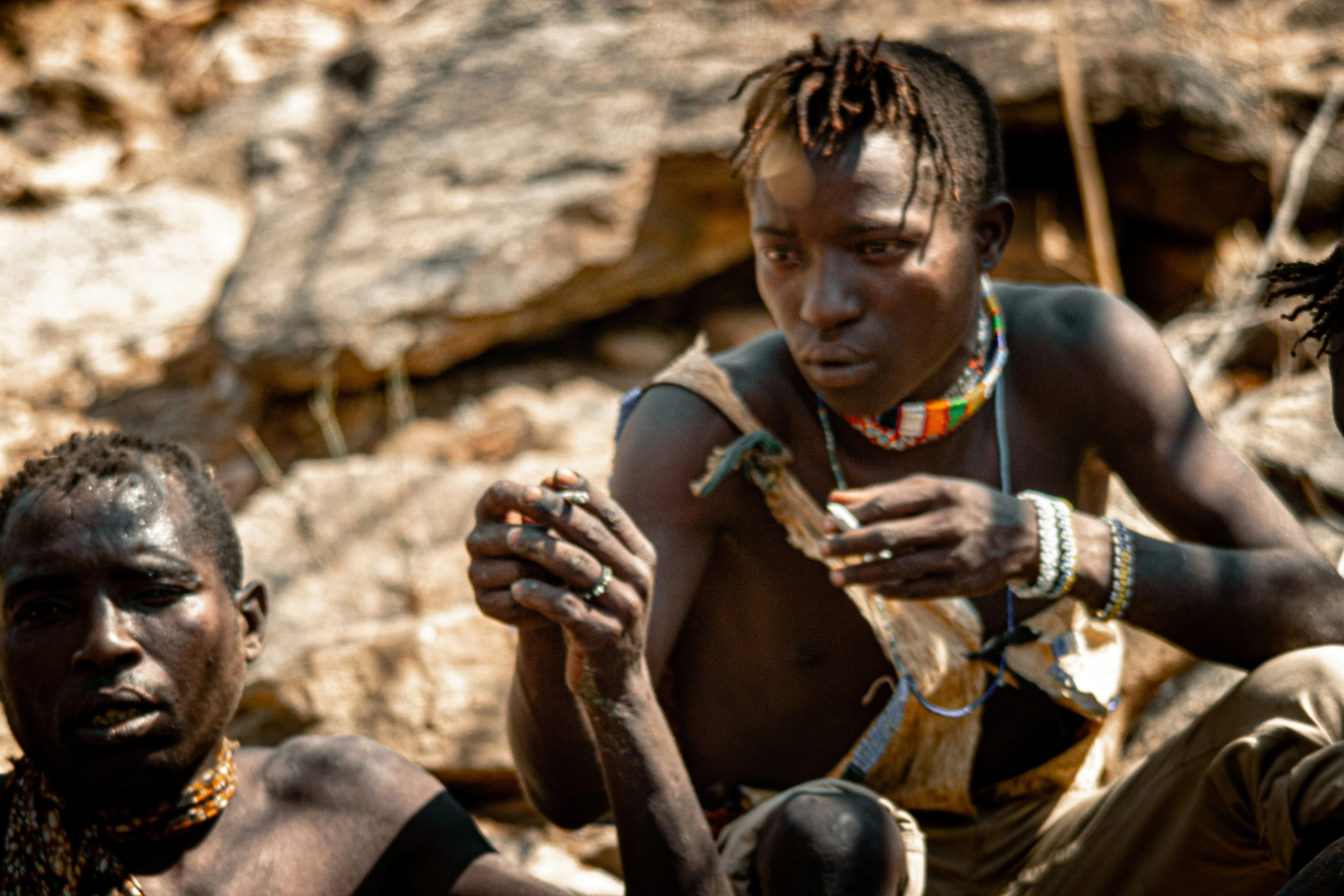
A Hadzabe visit in Tanzania offers a chance to learn from people with deep knowledge of their land. Around Lake Eyasi, a host-led walk can reveal details that most safari guests pass by. A track in the dust, a tree in flower or a root below the soil may start a rich conversation.
The best visit starts with good planning and an open mind. Keep time to listen. Let your hosts choose what they wish to share. Ask questions through a trusted local guide, and treat each person as a person with their own views.
This guide covers the setting, culture, language, trip choices and costs. It also explains how to plan a thoughtful visit and what to ask before you book. You will find 20 useful FAQs at the end.
Who are the Hadzabe of Tanzania?
The Hadzabe, also widely called the Hadza, are an Indigenous people of northern Tanzania. Many retain a strong connection to hunting and gathering, though lives and livelihoods vary across the community.
Research from Indiana University describes people who continue to forage while living near farming and herding groups. It also describes work with Hadza language partners using mobile tools. This is a living community with both long-held knowledge and present-day choices.
Some guests arrive with a picture of life frozen in time. That idea can make a visit harder to understand. Clothes, phones, paid work or trips to town do not make a person's culture less real. A family can value skills passed down through generations and also seek new tools or opportunities.
The word “tribe” appears in many travel searches and in this article's title. During your visit, use the names your hosts prefer. Ask how they describe their own group and home. A short morning with one host cannot speak for all Hadzabe people.
Where is Lake Eyasi, and why does the setting matter?
Lake Eyasi lies in northern Tanzania, southwest of the Ngorongoro Crater. Its lowland setting gives a cultural stop a distinct feel within a northern safari route.
The Tanzania Tourist Board's Lake Eyasi guide describes a shallow, seasonal salt lake on the Rift Valley floor. Water levels change with the rains. The scene you find may differ greatly from a photo taken in another month or year.
Build time to notice the place. Look at how the tracks change from one patch of ground to the next. Ask your guide which areas guests may walk through. A quiet pause can help you see why knowing the land takes years of practice.
Choose your overnight base with the actual meeting point in mind. A lodge described as “near Lake Eyasi” may still involve a long drive to the agreed visit. Ask for the route, road conditions and likely start time before you confirm the rooms.
Do not use a map's straight line as a driving plan. A short distance can involve slow tracks, a detour or a rough final approach. Leave room for breaks and safe travel. A tight schedule puts pressure on both your driver and your hosts.
How does hunting and gathering shape daily life?
Foraging draws on close knowledge of plants, animals, weather and terrain. It involves decisions about where to go, what to look for and when to move.
The Hadza Fund's community background lists wild foods such as honey, berries, baobab fruit, tubers and game. A tuber is an underground plant part. These foods show why a landscape holds more than what a visitor sees on the surface.
On an agreed walk, ask your host how they notice useful signs. Which clues matter at that time of year? How does the day's plan change when a path is dry or food is scarce? Let the answer guide the next question.
A learning walk may include a plant explanation or a look at tracks. Your hosts may choose a different focus. A guest cannot assume that food gathering, honey collection or hunting will take place on demand.
Keep plant learning separate from tasting. Ask before touching or taking anything. A short explanation does not give you the skill to identify a wild food on your own. Leave roots, fruit and other materials where they are unless the host invites a specific activity.
What can you learn about Hadzabe camp life?
A visit can offer a small window into relationships, shared work and daily choices. The scope depends on what the hosts are willing to discuss that day.
The Max Planck Institute's field research describes food sharing, few status distinctions and freedom to move. Camp membership can change as people visit family or seek new foraging areas. These patterns help explain why an old location is not a promise of a current visit.
Ask open questions rather than seek a single rule for everyone. “What do you enjoy about this place?” leaves space for a personal answer. “How do you decide where to go?” may lead to a discussion of weather, family or food.
Keep questions about health, income or family matters sensitive to the setting. People may prefer to speak about skills or the land. They may also have questions for you. Allow the conversation to move both ways through the guide.
Do not walk into a shelter or touch a person's belongings to get a closer look. Wait for an invitation. Everyday spaces remain private even when some parts of a camp are open to guests.
What is special about the Hadza language?
Hadza, also called Hadzane, is a language with click consonants. Linguists describe it as a language isolate, with no established family relationship to another language.
The University of Rochester's report on a recent Hadza grammar gives a useful starting point for this topic. Clicks are speech sounds within words. Sharing such sounds with another language does not by itself prove that the languages are related.
Listen to normal speech in context. Ask the meaning of a greeting or the name of a plant if your host wants to teach it. Have your guide help with the full word. A thoughtful lesson is more useful than asking for a string of sounds for a video.
Give the interpreter time. Ask one question, then wait for the full reply. Avoid talking over the person who is speaking. If you are unsure that you understood, ask the guide to check the meaning.
Language recordings need a separate request. Permission for one photo does not cover an audio clip or a filmed interview. Explain how you plan to use any recording, including whether it will appear online.
Why do land rights belong in this travel guide?
Access to land is closely tied to the freedom to forage and pass on knowledge. Learning about that link adds depth to a visit.
Ujamaa Community Resource Team works with hunter-gatherer and pastoralist communities in northern Tanzania on land and resource rights. Plan Vivo's Yaeda-Eyasi project page describes work on land tenure and local resource management with Hadza and neighbouring pastoralist communities.
These efforts involve land-use plans, rights and local decisions. They are more complex than a tour donation. A visit fee should not be described as funding a named project unless the operator can show that connection.
Ask what your payment supports. Does it pay the hosts for their time? Does it include a local guide fee? Is there a separate community contribution, and who receives it? Clear answers help you judge the visit on its actual terms.
Let people explain their own priorities if they choose to. Avoid arriving with a plan to solve a problem after a short meeting. Listen first. If you wish to support a wider effort, read the organisation's current work and ask how funds are used.
What might a host-led Hadzabe visit include?
A visit may include conversation, a short walk or a skill explanation. The hosts choose what is suitable, and the final plan should stay flexible.
A welcome and briefing: introductions, the day's plan and clear photo rules.
A guided walk: an agreed route at a pace that suits the group.
Knowledge of the land: a discussion of tracks, trees or useful plants.
A skill explanation: tools or fire making, if the hosts offer this.
Time for questions: a calm exchange through a local interpreter.
This list shows possible elements, rather than a fixed package of promised acts. Ask the operator what has been agreed for your date. A website photo of dancing or archery does not mean either is included in your visit.
If a demonstration is offered, watch from where the host asks you to stand. Do not reach for a bow, arrow or other tool. Any guest practice needs clear instruction, suitable equipment and a safe space. You can choose to watch without taking part.
A good visit can be modest in scope and rich in learning. One careful explanation can tell you more than several rushed stops. Give the guide room to translate and let your host finish their story.
Should you expect to join a hunt?
Do not treat a Hadzabe visit as a guaranteed hunting outing. Discuss the nature of any walk in advance, including what may happen and what you are comfortable seeing.
A hunt is not a show that can promise a result. Weather, animal movement, host choices and access all affect the day. Do not ask people to kill an animal to complete a visitor experience or create a camera scene.
Some guests prefer to focus on plant knowledge, tracking or conversation. State that preference before booking. The organiser should check whether the hosts can offer a visit that fits it. There is no need to pretend you are comfortable with an activity that does not suit you.
If a real foraging walk forms part of the agreed plan, ask about pace, duration and the return point. You may not be able to keep up with an experienced walker across rough ground. Agree a shorter route or a clear turn-back plan when needed.
Follow the guide's instructions around tools. Keep children close. Avoid asking for technical lessons on arrow preparation or trying to copy a method you have only watched once. The goal is to learn from your hosts safely.
When is a good time to visit Lake Eyasi?
Choose your dates around road access, heat and host availability. Confirm the local plan close to travel, even when your safari dates are already fixed.
Max Planck's field overview describes June to October as hot, dry and often windy in Hadza country. Rainy periods bring a greener landscape. These broad patterns help with packing, but they cannot forecast the weather for a specific morning.
For the drier months, plan for dust, sun and enough drinking water. A cool start can become a hot walk. Keep a hat and light layers within reach rather than inside a bag on the roof.
For wetter conditions, ask the driver about the final tracks. Carry a light rain layer and protect camera gear. Give the itinerary room to change if access is poor. A safe alternate plan is better than a rushed drive to reach a fixed start time.
Travel in a quieter month can work well if the hosts welcome the visit and the roads suit it. Do not assume that a low season price includes the same access or activities. Check the full plan for your dates.
How much time should you allow?
Give the cultural visit its own clear block of time. Staying near the area the night before can reduce the pressure of a long morning drive.
A short visit suits guests who want a first introduction with little walking. A longer morning can leave more room for interpretation and a gentle walk. Ask what duration the hosts prefer and what your group can manage.
One night may fit a compact route when the lodge and meeting point work well together. Two nights can make sense if you want a calm arrival, a dedicated visit and a flexible afternoon. The value comes from the pace and access, rather than the number of nights alone.
Do not add extra time in camp without an agreement. A longer stay is not automatically more respectful or more useful. Hosts have their own plans. Let the guide confirm a sensible end point and leave on time.
Avoid placing a flight departure or a long transfer immediately after the visit. Translation, rough roads and a late start can use more time than expected. Leave a buffer that your driver is comfortable with.
A practical sample plan for a Lake Eyasi morning
A well-planned morning combines a clear arrival, a flexible visit and an unhurried departure. The following outline is an example to adapt with your hosts.
The day before: reach your lodge, confirm the meeting point and check the visit has been agreed.
Before departure: eat or arrange a suitable breakfast, refill water and review walking needs.
At the meeting: introduce the group, confirm consent and hear the plan from the hosts.
During the visit: follow the agreed walk or discussion, with time for full translation.
Before leaving: thank your hosts and settle any agreed payments through the stated process.
Afterwards: take a break and discuss what you learned with your guide.
Keep clock times flexible until the guide has checked the local arrangements. An early departure may be useful for a walk, but an operator should explain why. Do not arrive before the agreed time just to seek better light for photos.
If the plan changes, ask what the hosts can offer instead. A conversation may be a good alternative to a walk. If the hosts cannot receive guests, let the organiser arrange another activity or explain the refund terms.
How can you combine a Hadzabe visit with a safari?
Lake Eyasi can fit a northern Tanzania itinerary when you allow enough time for the detour. Plan the cultural stop around the route rather than squeeze it between long drives.
A possible eight-day outline starts with arrival and rest in Arusha. Next, spend time in Tarangire before moving towards Lake Eyasi. Allow a dedicated visit day, then continue to the Ngorongoro area and the Serengeti. Finish with a suitable return or flight connection.
This outline is a planning example. Park time, lodge locations, flight schedules and roads determine whether it works for your trip. Your guide should build the order from the actual overnight stops and season.
For a shorter safari, consider giving Lake Eyasi and the Ngorongoro area more space rather than adding every park. A calm cultural morning and a well-timed crater day may serve you better than constant travel.
Ask for drive estimates between each named lodge and activity. A label such as “Karatu region” can cover different starting points. Ask whether the estimate includes stops, the final track and the time needed at park entrances.
Keep the experience balanced. Wildlife drives can be long and tiring. A lodge break after the Hadzabe visit can help you enjoy the next part of the safari with fresh attention.
Are the Hadzabe and Datoga the same community?
No. The Hadza and Datoga, also spelled Datooga, are distinct communities. An itinerary may include separate visits, each with its own hosts and arrangements.
Sources on the Yaeda-Eyasi landscape distinguish Hadza hunter-gatherer communities from Datooga pastoralist communities. Do not use one group's name for the other or assume that customs are shared.
If you want both visits, ask what each one covers. Confirm whether a new guide, separate fee or extra drive is needed. The second visit should have its own welcome and consent process.
A combined day needs enough space to avoid rushing people. It may be better to choose one longer visit that matches your interests. Tell your planner whether you most want to learn about language, the land, skills or daily work.
Use careful captions afterwards. Name the community only when your guide has confirmed it and the person agrees to that use. Avoid combining photos from different visits under a general “Hadzabe village” label.
How do you choose a responsible guide and operator?
Choose a planner who can explain how the visit is agreed, who leads it and how hosts are paid. Specific answers matter more than a broad promise of authenticity.
Who contacts the hosts and confirms that they wish to receive guests?
Who interprets, and how well do they know the hosts?
How large will the visiting group be?
Which activities are agreed, and which remain optional?
How are fees divided, and what is paid locally?
What happens if the weather or host availability changes?
How are photography and children handled?
Ask whether the guide can support a slow conversation. A driver who knows the route may still need a local interpreter. Make sure the quote includes both roles if both are required.
Be cautious with claims that every tour protects land or funds health care. Ask for the named partner and current arrangement. A clear host payment is valuable on its own. It should be described honestly.
When contacting TanzaLux Safaris, share your dates, group size and interests. Ask for a written Lake Eyasi plan with the guide, visit terms and overnight base. This gives you a concrete proposal to review before you book.
What should a Hadzabe visit cost include?
There is no single fee that covers every Lake Eyasi visit. Compare itemised quotes with the same route, group size, guide services and overnight plans.
Your total may include the vehicle and driver, local guide or interpreter, host payment, accommodation, meals and other agreed local charges. Some costs apply to the group, while others may apply per person.
Ask what is included in the cultural fee. Do not assume that a vehicle price also covers the local guide or hosts. A clear written breakdown helps prevent awkward payment discussions at the meeting.
Check whether drinking water, breakfast and lunch are provided. An early start can mean a packed meal. Ask where you will eat and whether the plan suits dietary needs. Keep visitor food arrangements separate from food the hosts may discuss or gather.
Confirm currency, payment method and receipt arrangements before departure. Carry only the cash needed for agreed local payments and optional purchases. Ask how tips are handled so you do not disrupt the visit with competing requests.
Read cancellation and rescheduling terms. If the hosts decline or the road becomes unsafe, what replaces the activity? Which part of the fee can be returned? These questions are practical planning, and the operator should answer them clearly.
How should you handle photos and video?
Ask each person before photographing or recording them. Explain the intended use, and accept a refusal without pressure.
Start the visit with your camera down. Let introductions happen first. Ask the guide how to request a photo in a clear way. General permission to enter a camp does not give permission to record everyone there.
For children, ask the parent or guardian and respect the child's wishes too. Avoid making a child pose or offering money for a picture. Keep the exchange calm and let your guide help with communication.
Permission to take a photo may differ from permission to publish it. A private holiday album, a public travel reel and a commercial advert have different reach. Say which you intend. Arrange professional filming separately before travel.
Do not add a precise camp location to a public post without asking. Avoid filming private spaces or conversations in the background. Show your hosts a photo if they wish to see it, and honour a request to stop.
Write captions with care. Describe the moment you were invited to share. Use confirmed names and context, and avoid claims that one image represents every member of a community.
What should you wear and pack?
Pack for heat, dust and the walking route that has been agreed. Carry essentials in a small bag that you can keep with you.
Closed walking shoes: choose a pair you have already worn on uneven ground.
Light clothes: use comfortable layers that cover skin where needed.
A hat and sun protection: keep both ready for the walk.
Drinking water: ask the guide how much the route requires.
A light rain layer: bring one when the forecast or season calls for it.
A small camera bag: protect gear from dust and keep hands free.
Personal essentials: carry items you normally need during an outing.
A bag for waste: take all your litter back with you.
Avoid heavy perfume, loud speakers and bulky luggage on the visit. Leave spare clothes and large bags secured in the vehicle as your guide advises. Keep valuables discreet.
Ask about shade, rest points and toilets before you go. Some meeting places may have few visitor facilities. Knowing this early lets you prepare without placing new demands on your hosts.
Never bring a drone expecting to fly it on arrival. A drone adds a separate privacy and permission issue. Discuss any filming plan well ahead of time and confirm all required approvals before using equipment.
Can children or guests with limited mobility join?
Suitability depends on the hosts, route and needs of the group. Share those needs before booking and ask for a clear, realistic visit plan.
For children, request a short visit with breaks and simple questions. Explain that they are guests in someone's home area. They should ask before touching objects and stay near the adults who brought them.
Discuss hunting and animal processing before confirming a family visit. Some children may find these topics upsetting. Ask whether a conversation or short plant-focused walk can suit your family, subject to the hosts' agreement.
For guests who cannot walk far, ask about a seated meeting or a brief route. Check the ground between the vehicle and the meeting space. A “short walk” may still include stones, loose sand or steps.
Do not accept a vague claim that a visit is accessible. Describe what the guest can manage, then ask the guide to confirm the actual terrain and facilities. If the plan cannot meet those needs, choose another activity.
How can guests support a positive visit?
Fair payment, patient listening and respect for agreed boundaries are useful starting points. Let hosts decide what they wish to share and how the visit should run.
Arrive with questions rather than expectations of a performance. Take time to hear answers. A person may wish to teach a skill, share a story or simply welcome you for a short conversation.
Do not hand out sweets or gifts to children. If you want to bring something, ask the organiser to discuss it with the hosts in advance. An agreed contribution can be more useful than an unplanned gift that creates competition.
The Hadza Fund describes work to improve health-care access in partnership with the community. If that kind of work interests you, read its current information directly. Your safari booking does not automatically include support for it.
After travel, share what you learned in a careful way. Credit a host or guide only with permission. Explain that the visit showed one place and one day. Leave room for the many lives and voices you did not meet.
Plan your Hadzabe visit with TanzaLux Safaris
Start with your travel dates, group size and the kind of learning you hope for. Ask TanzaLux Safaris to build Lake Eyasi into a route with enough time and clear local arrangements.
Include walking needs, children's ages and photography plans in your enquiry. Request the proposed lodge, drive route, guide roles and itemised fee. Ask which activities are agreed with hosts and how changes will be handled.
A thoughtful cultural stop can add a new layer to a Tanzania safari. The lasting memory may be a careful explanation, a shared laugh or a new way of seeing the land. Good planning creates room for those moments.
20 frequently asked questions about the Hadzabe in Tanzania
These answers cover the main choices to make before a Lake Eyasi visit. Confirm the final details with your organiser and the hosts for your travel dates.
1. Who are the Hadzabe?
The Hadzabe, also called the Hadza, are an Indigenous people of northern Tanzania. Many have a strong connection to hunting and gathering. Daily lives vary, so avoid assuming that every person has the same livelihood or routine.
2. Where can I visit the Hadzabe in Tanzania?
Visits are commonly arranged in the Lake Eyasi area, southwest of the Ngorongoro Crater. Your guide must confirm a suitable meeting point with willing hosts. Do not travel to an old camp location without a current agreement.
3. Are Hadza and Hadzabe names for the same people?
Yes. Both names are widely used for the same community. Ask your hosts which name they prefer. Use the wording they choose when speaking with them or writing about a visit.
4. Are the Hadzabe and Datoga the same?
No. They are distinct communities with their own languages and traditions. Some itineraries include separate visits to both. Check the plan, host arrangements and fees for each stop, and keep the names clear in your photo captions.
5. Do all Hadzabe people live only by hunting and gathering?
No. Many continue to forage, but lives differ across the community. A short visit should not be used to describe everyone. Let your hosts explain their own work, choices and connection to the land.
6. What language do the Hadzabe speak?
The language is called Hadza or Hadzane and includes click consonants. Linguists describe it as a language isolate. Ask a guide to interpret, and listen to words in normal speech rather than request sounds for a performance.
7. What foods are linked with Hadzabe foraging?
Wild foods include honey, berries, baobab fruit, tubers and game. What is found varies with place and season. A discussion about food does not mean guests will gather or taste it during the visit.
8. What can a Hadzabe cultural visit include?
It may include a welcome, conversation, a walk or a skill explanation. The hosts decide what to share. Confirm the agreed activities before booking and keep room for changes on the day.
9. Can I join a Hadzabe hunting trip?
Ask what kind of walk is offered and what it may involve. A hunt is not guaranteed and cannot promise a result. Tell the organiser if you prefer a visit based on conversation, plants or tracking.
10. Can I try archery during the visit?
Only if the hosts offer it and provide clear instruction in a safe setting. Do not handle tools without an invitation. Ask about the equipment and supervision before agreeing, and keep children away from the practice area.
11. When is a good season to visit the Hadzabe?
June to October is broadly a dry period in Hadza country, with heat and dust to plan for. Rainy months can bring greener scenes and harder access. Confirm roads, weather and host availability for your dates.
12. How long should I spend at Lake Eyasi?
Allow a dedicated visit block and enough time for the drive. One nearby night may suit a compact trip. Two nights can give a calmer arrival and more flexibility. Ask which plan works with your lodge and meeting point.
13. Can I add a Hadzabe visit to a northern safari?
Yes, when the route allows enough time for the Lake Eyasi detour. It can fit alongside a northern park itinerary. Ask for realistic drives between the actual lodges, and keep a buffer before flights or long transfers.
14. How much does a Hadzabe visit cost?
The total depends on the route, group size, guides and overnight plan. Request an itemised quote showing transport, local guide fees, host payments, meals and any other charges. Compare quotes with the same inclusions.
15. Can I photograph Hadzabe hosts?
Ask each person first and explain whether you plan to share the image. Respect any refusal. For children, seek a parent or guardian's consent and respect the child's wishes too. Video and commercial use need separate discussion.
16. What should I wear for a Hadzabe visit?
Wear comfortable clothes and closed shoes suited to uneven ground. Bring a hat, drinking water and sun protection. Pack a light rain layer when needed, and keep your camera protected from dust.
17. Is a Hadzabe visit suitable for children?
It can be, if the hosts agree and the plan suits the child's age and needs. Ask for a short visit with breaks. Discuss hunting or animal processing in advance, and choose a suitable focus with the organiser.
18. Can guests with limited mobility take part?
Ask about the exact ground, walking distance and facilities before booking. A seated discussion may be possible if the hosts agree. Describe the guest's needs clearly and get a specific answer rather than rely on a general claim.
19. How do I know my visit benefits the hosts?
Ask who receives the cultural fee and how host payment is arranged. Check any claim about donations or conservation partners. Fair pay for time and knowledge should be clear, rather than hidden within a vague promise of community support.
20. How do I book a thoughtful Hadzabe visit?
Contact TanzaLux Safaris with your dates, group size, interests and walking needs. Request a host-agreed plan, suitable lodge, local interpreter and clear costs. Confirm photography preferences and the arrangements for changes before you book.
.jpg?alt=media&token=7317eb9e-c84b-4bd1-aacb-5bbedfcd139d)
.jpg?alt=media&token=b6df5c2a-91ec-416b-b737-08e7017b55c1)
Ready to start planning?
Tell us your dates and what you're after — no obligation.