5.0 Excellent
Cultural Heritage Centre Arusha: Discover Tanzania’s Rich Cultural Heritage with TanzaLux Safaris
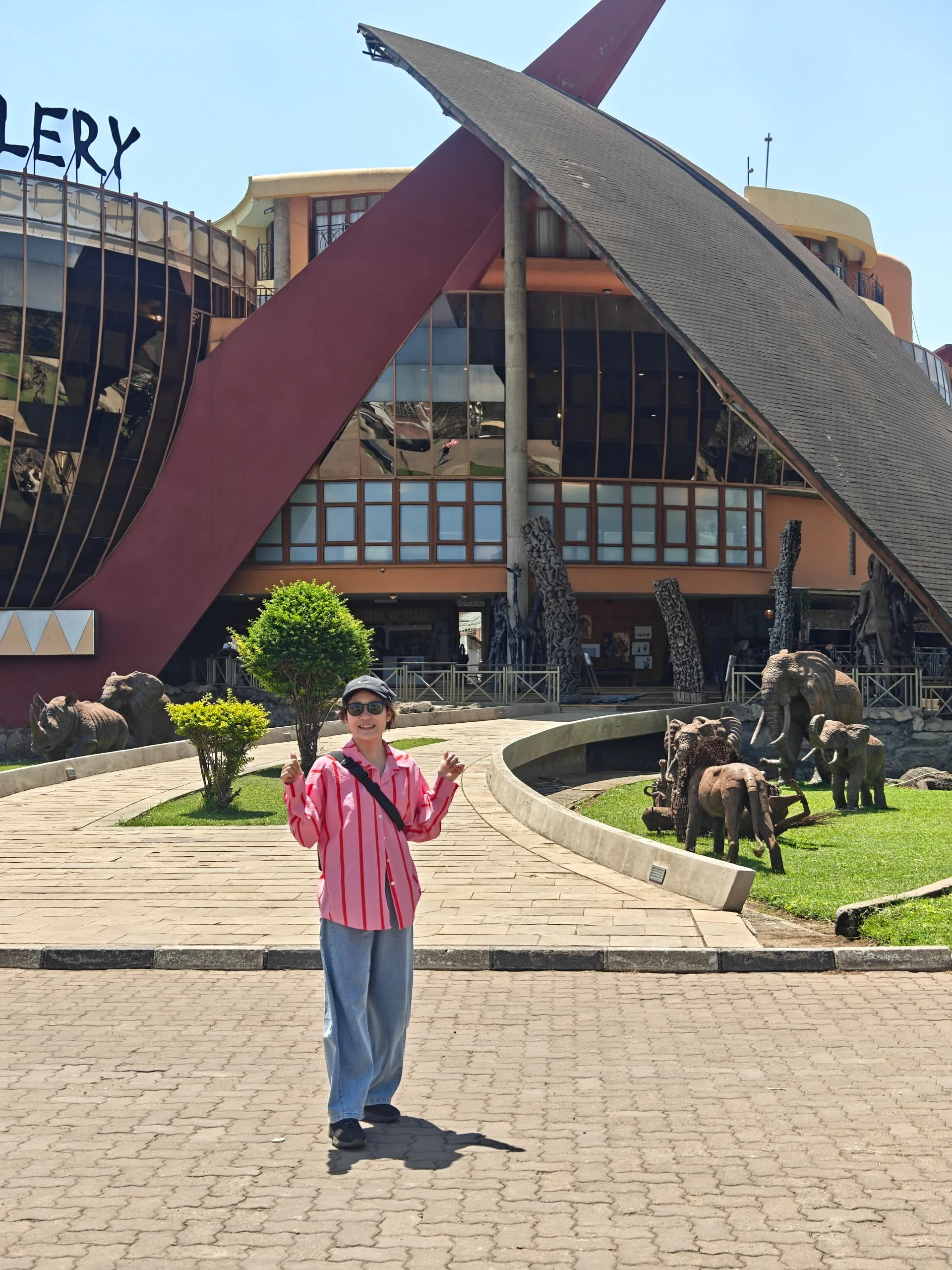
The Cultural Heritage Centre in Arusha brings African art, crafts, and gemstones into one visit. It can fit before or after a safari. Allow time to browse, ask questions, and enjoy the gallery without making shopping the whole purpose.
Tanzania is more than its wildlife. Paintings, carvings, textiles, and jewellery offer other ways to explore the country. This guide explains what to look for, how to plan your stop, and how to make informed choices if you buy something.
What is the Cultural Heritage Centre Arusha?
It is a privately run art and retail complex on Dodoma Road in Arusha. Think of it as a place to explore art and craft, not a single museum that tells the whole history of Tanzania.
The centre brings together gallery spaces, shops, and gemstone displays. Its official website describes a mix of African fine art, craft, jewellery, and visitor experiences. What is on display or available to book can change.
A visit offers an introduction, not a complete account of every community. Ask about the artist, origin, and use of a specific object. Those details are more useful than treating all African art as one tradition.
You do not need to be an art expert to enjoy the stop. Start with what catches your eye. A colour, a face, or a carving can lead to a good question and a deeper look.
Why include the Cultural Heritage Centre in your trip?
The centre offers a change of pace from long drives and early safari starts. It suits guests who enjoy art, design, or thoughtful browsing and want time in Arusha beyond a hotel stay.
See works in several media in one place.
Ask about artists and the stories behind their work.
Compare gifts and keepsakes without rushing.
Learn what to check when viewing gemstones.
Build a flexible city stop around your wider travel plans.
Come with curiosity rather than a list of things you must buy. Some guests spend most of their time in the gallery. Others prefer crafts or jewellery. Your visit can follow your interests.
Do not treat the stop as a substitute for time with local hosts elsewhere. Art can open a conversation about culture, but a gallery visit is different from a community-led tour or a history museum.
What can you see in the Cultural Heritage Centre gallery?
Expect a range of African paintings and sculpture, with works and displays subject to change. Leave enough time to pause at a few pieces instead of trying to see every object at the same speed.
The centre's gallery overview describes both contemporary and traditional work, including painting, bronze sculpture, and woodcarving. Ask staff which artists or themes are featured during your visit.
Paintings: look beyond the subject
A painting may first draw you in through wildlife, people, or a vivid scene. Then look at the use of colour, scale, and space. Notice what the artist chooses to leave out.
Ask for the artist's name and any context available. Do not assume a scene is a record of a real event. It may be imagined, symbolic, or based on a personal memory.
If you like a work, take time to view it from near and far where allowed. Read the label before asking questions. This often makes a conversation with gallery staff more specific and useful.
Sculpture and carving: notice the material
Look at shape, texture, and how light falls across the work. Ask what it is made from and how it was created. Similar-looking objects may use very different materials or methods.
Do not touch a work unless staff invite you to do so. Oils from hands can damage surfaces, and some pieces are fragile. Keep bags and loose straps clear of displays.
Cultural objects: ask for context
Ask where an object comes from, who made it, and what is known about its purpose. A broad regional label does not tell you everything about the piece.
Distinguish a modern work made for sale from an older object with a documented history. Age, origin, and cultural meaning should not be assumed from appearance alone.
How can you enjoy the Cultural Heritage Centre without shopping?
Plan the gallery as the main experience and set a clear time for browsing shops. Tell your driver or guide that purchases are optional and that you want an unhurried visit.
Try choosing three works that interest you. Compare how they use light, texture, or movement. You might find that a quiet look at a few pieces stays with you longer than a quick tour of every room.
For couples or friends, choose a favourite work separately, then share why. You do not have to agree. Different responses are part of what makes art rewarding.
If a sales conversation feels too long, politely say that you are only looking. A visit should fit your comfort and interests. Leave room in the day for a break rather than letting browsing become tiring.
What should you check when buying art or crafts?
Buy a piece you value, with clear information about the maker, materials, condition, and price. Ask questions before paying, especially if the item is large, costly, or described as antique.
Who made the item, and where was it made?
Is it an original, a print, a reproduction, or part of an edition?
What materials are used?
Are there cracks, repairs, or other condition issues?
Does the price include packing or delivery?
What receipt and supporting paperwork will you receive?
What are the return terms?
For a small gift, practical details still matter. Check that a carving will fit in your bag and that a fragile item can travel safely. A large work needs more planning than a necklace or folded textile.
Ask how the maker is credited and paid if that matters to your purchase. Do not assume that every object was made on site or that a fixed share of every sale goes to a community.
At the Cultural Heritage Centre, as elsewhere, judge each item on its own details. A respected venue does not replace careful questions about an individual piece.
What should you know about tanzanite?
Tanzanite is a blue-to-violet gem closely linked with Tanzania. Viewing it can be interesting even if you do not plan to buy. Ask for a simple explanation of the stone and its care.
The GIA tanzanite buyer's guide explains that colour, clarity, cut, and size affect value. It also notes that labels such as AAA are not a universal grading system.
Ask what a certificate actually records and who issued it. A seller's description is not the same as an independent laboratory report. Keep any report linked to the specific stone you are buying.
Request treatment information and written care advice. Compare pieces calmly rather than deciding only from a bright display light. For a substantial purchase, seek independent expert advice before committing.
How should you care for a tanzanite purchase?
Protect the stone from hard knocks and ask how to clean it safely. According to GIA's care guidance, warm soapy water is suitable, while ultrasonic and steam cleaning are not recommended.
Check whether the setting suits how you plan to wear it. A piece for daily use has different demands from one worn occasionally. Store it carefully during your trip and keep receipts separate from the item.
What are the opening hours and entry arrangements?
Confirm hours directly for your visit date. The Cultural Heritage Centre's own pages currently show different opening times. Do not build a tight arrival or departure plan around one online listing.
The visitor page lists free entry to galleries, the market, and workshops, while noting that museum fees may apply. Confirm any charge for a guided session, booked activity, or special space before visiting.
Free access to a space does not mean that every activity inside it is free. A workshop, private tour, meal, or purchase may carry a separate cost. Ask for the full price of what you intend to do.
The website also gives mixed signals about new museum projects. Check which spaces are open now and what your visit includes. Avoid promising children a specific display until its access has been confirmed.
How long should you spend at the Cultural Heritage Centre?
As a planning suggestion, allow around two hours for a balanced visit. Art lovers or serious buyers may want longer. A short stop can work if you choose one focus in advance.
This is not a fixed guided-tour duration. Time depends on your interests, walking pace, questions, and any booked activity. Include travel from your hotel separately.
A relaxed two-hour visit
Start with the gallery while you are fresh. Leave the later part for crafts, jewellery, or a break. Keep a little spare time for questions and the return to your vehicle.
First, get oriented and ask about access and photo rules.
Spend the largest share of time with the art.
Browse a shop or display that genuinely interests you.
Finish any purchase carefully, with receipts and packing checked.
If you have less time, skip a section rather than rushing through all of them. A focused Cultural Heritage Centre visit can still be worthwhile. Tell your guide which part you do not want to miss.
How do you get there from your hotel or airport?
The centre is on Dodoma Road in Arusha. Arrange transport using your exact hotel and onward destination. Traffic and your starting point affect the journey.
Arusha Airport and Kilimanjaro International Airport are different airports. Check the name on your ticket before discussing a transfer. Do not use a short city travel estimate for a different airport route.
If you visit on a flight day, work backwards from check-in time. Add a sensible traffic buffer and agree when you must leave the centre. It is better to shorten browsing than put a flight at risk.
For a stop during a longer transfer, confirm how luggage will be handled. Do not leave valuables visible in a parked vehicle. Keep essential documents with you and agree a meeting point before entering.
Is the Cultural Heritage Centre suitable for families?
It can suit families who enjoy visual art and a flexible indoor stop. Match the visit to your child's attention span. Do not assume every display is hands-on or made for young children.
Invite children to find shapes, colours, or animals in the artworks. Ask which piece they would choose and why. These simple prompts can make a gallery more engaging without turning it into a long lesson.
Keep children close around fragile items and raised displays. Ask staff before letting them touch anything. Plan a break if needed and check toilet access when you arrive.
If you want a workshop, confirm its current availability, cost, age range, and length. An activity mentioned online may need advance booking and may not run every day.
What if you need step-free access or a slower pace?
Ask for an access check that matches your needs. The visitor page mentions accessible ground-floor galleries, but that does not confirm access to every floor, room, or activity.
Discuss steps, lifts, ramps, seating, and toilets before arrival. Share the size or type of mobility aid if relevant. Request a route that avoids unsuitable areas rather than relying on a general accessibility label.
A slower visit may benefit from a guide who knows your priorities. There is no need to see every space. Choose the areas that offer the most interest and comfort for your group.
Can you take photographs?
Ask staff for the current rules before taking photos. Permission may differ between outdoor areas, galleries, individual works, and jewellery displays. Follow signs and respect any restriction.
Do not assume personal photo permission includes commercial use. A website, advert, or product shoot may need separate approval. Ask before using a tripod, flash, or other equipment.
Get consent before photographing staff, artists, or other visitors. Keep doorways and paths clear while framing a shot. If photos are not allowed, a brief note about a work can help you remember it.
Photography should support your Cultural Heritage Centre visit, not replace it. Give yourself time to look closely without recording every object.
Which other stops fit an Arusha cultural day?
Combine the centre with one or two nearby interests rather than a long list. The best plan leaves time for traffic, meals, and meaningful visits.
An Arusha city walk or another verified museum visit can provide a different perspective. A coffee experience may also work, depending on its location and booking time. Ask for a route with realistic transfers.
Do not treat Materuni Waterfalls or Chemka as quick city stops. They need their own travel and activity time. A full safari day in Arusha National Park also deserves careful planning rather than being added casually.
For a relaxed arrival day, the Cultural Heritage Centre may be enough. Rest is a valid part of a good itinerary, especially after a long flight or before an early safari start.
How should you plan food, shopping budgets, and purchases?
Set a budget and confirm practical details before you arrive. Keep transport and guiding costs separate from personal spending so you can compare the visit clearly.
Ask whether food and drinks will be available at your intended time. Confirm dietary needs before relying on a meal stop. Leave room for an alternative if service or opening arrangements change.
For purchases, ask which payment methods are accepted and which currency the price uses. Check any card fee before paying. Keep the item description and total on the receipt.
For shipping, request a written quote with packing, insurance, destination, and expected handling times. Ask who deals with damage or loss. Check current destination requirements before buying materials or older objects that may need special paperwork.
Do not make a rushed high-value purchase just because your driver is waiting. Arrange more time or leave the decision for later. A keepsake should remain a good memory after the journey ends.
Why visit with TanzaLux Safaris?
Use TanzaLux to fit the stop around your hotel, safari route, and interests. Clear transport and timing can make the day easier without turning it into a compulsory shopping excursion.
Tell the team whether you care most about art, crafts, jewellery, or a light family visit. Ask them to confirm current hours and any special booking. Make clear how much browsing time you want.
Request a written outline of pickup, return, guiding, and any activity fees. Keep purchases optional. Ask whether your guide will accompany you inside or whether a centre-led guide must be arranged separately.
Contact TanzaLux Safaris with your date, hotel, guest count, and onward plans. Request a Cultural Heritage Centre visit that gives you time to look, learn, and choose your own pace.
20 frequently asked questions about the Cultural Heritage Centre
These answers cover common planning questions. Confirm current hours, open spaces, and activity details for your travel date.
1. Where is the Cultural Heritage Centre?
It is on Dodoma Road in Arusha, Tanzania. Give your driver the venue name and confirm the pickup point at your hotel. Travel time depends on traffic and location.
2. What kind of place is it?
It is a privately run art and retail complex with galleries, crafts, and gemstone displays. It offers a useful introduction to art, but is not a complete history museum of Tanzania.
3. Is it worth visiting if I do not want to shop?
Yes, if you enjoy art and browsing. Make the gallery your main focus and keep purchases optional. Tell your guide you want time to look rather than a sales-led stop.
4. How much time should I allow?
Around two hours is a useful planning allowance, not a fixed rule. You may want more time for art or a purchase. Add hotel transfers separately.
5. What are the opening hours?
Confirm directly before visiting. The centre's own pages list different hours. This is especially important on a Sunday, public holiday, or day with a tight onward connection.
6. Is entry free?
The visitor page lists free entry to galleries, market, and workshops, with possible museum fees. Confirm current arrangements. Booked tours and activities may carry separate charges.
7. Do I need to book a guide?
Ask whether a guide is available for your date and interests. A specialist explanation can add context, but it should be arranged clearly. Confirm any cost and language requirements.
8. What art might I see?
The centre describes paintings, sculptures, carvings, and other works from Africa. Displays can change. Ask which artists or themes are featured during your visit.
9. Is every item made in Tanzania?
Do not assume so. Ask about the maker and origin of each piece. The collection includes work connected with a wider African context, not only one country or community.
10. Can I buy tanzanite?
The centre advertises tanzanite and jewellery. Check the individual stone, price, treatment disclosure, and paperwork. Seek independent expert advice before a substantial purchase.
11. Does a certificate guarantee gemstone quality?
Not by itself. Ask who issued it and what it records. A seller's quality label differs from a laboratory report. Make sure the document relates to the stone you choose.
12. Can I photograph the displays?
Ask staff first and follow posted rules. Permission may vary by room or object. Commercial images, flash, and tripods may need separate approval.
13. Is the centre suitable for children?
It can be, with a visit suited to their pace and interests. Supervise them near fragile objects. Do not assume displays are interactive or that touching is allowed.
14. Is every area wheelchair accessible?
Do not assume full access. Ground-floor accessibility is mentioned online, but ask about your intended route, upper floors, toilets, and any assistance you need.
15. Are workshops available every day?
Not necessarily. Confirm the activity, date, age limits, duration, and price in advance. A programme listed online may require booking or may depend on staff availability.
16. Are the advertised museums open?
Check directly. The website gives mixed information about new museum projects and current access. Ask which spaces are open and included before building the day around them.
17. Can I visit before a flight?
Yes, if the schedule leaves a safe margin. Confirm your airport, check-in time, traffic allowance, and firm departure time from the centre. Shorten the visit if needed.
18. Can I ship a large artwork home?
Ask the seller whether shipping is available for the item. Get costs, packing, insurance, and responsibilities in writing. Check destination requirements before paying.
19. What can I combine with the Cultural Heritage Centre?
A nearby city or cultural stop may fit well. Choose a practical route with breaks. Do not add distant attractions without accounting for the full driving and activity time.
20. How do I arrange the visit with TanzaLux?
Send your date, hotel, guest count, interests, and onward plans. Ask for confirmed transport, visit timing, guiding arrangements, and any fees. Keep personal purchases separate and optional.

.jpg?alt=media&token=7317eb9e-c84b-4bd1-aacb-5bbedfcd139d)
.jpg?alt=media&token=b6df5c2a-91ec-416b-b737-08e7017b55c1)
Ready to start planning?
Tell us your dates and what you're after — no obligation.