5.0 Excellent
Big Five Safari in Tanzania: Parks, Planning
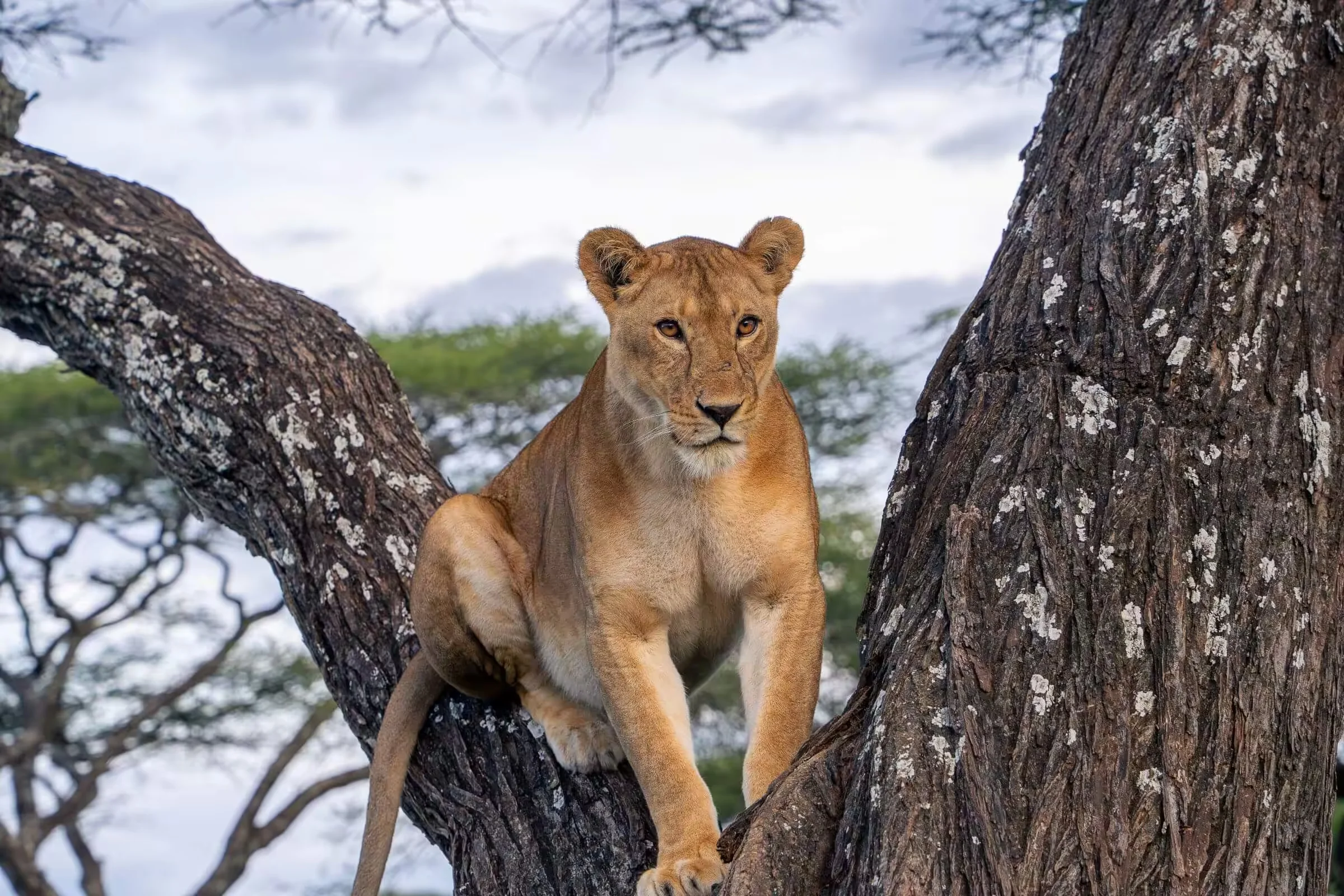
A Big Five safari in Tanzania gives you the chance to see lion, leopard, elephant, buffalo, and rhino in the wild. A well-paced northern route can combine the Serengeti, Ngorongoro Crater, and Tarangire. No trip can promise all five, so plan for rich wildlife days rather than a fixed checklist.
Picture a lion pride resting in the shade, a herd of elephants crossing a riverbed, or a leopard stretched along a branch. These moments need time. The right camp, a good guide, and a route with room to pause can make a huge difference.
What are the Big Five?
The Big Five are lion, leopard, elephant, African buffalo, and rhino. The name comes from the danger these animals posed to hunters on foot. It does not mean the five largest animals.
Today, a Big Five safari is about watching and photographing wildlife. Cheetahs, giraffes, hippos, and wild dogs are not on the list, yet they can be highlights of your trip.
Lion: look for prides resting in shade or moving across open ground.
Leopard: scan tree branches, rocky areas, and thick cover with your guide.
Elephant: watch family groups feed, drink, and care for their young.
Buffalo: look for herds in grassland and near water.
Rhino: allow time and use binoculars; a sighting may be far from the road.
Where should you go on a Big Five safari?
For a first trip, consider the Serengeti and Ngorongoro Crater as the core route. Add Tarangire for elephants and a change of scenery. Lake Manyara can add forest, birds, and lake views if you have more time.
Serengeti: give big cats more time
The Serengeti suits guests who want several days of game drives across broad wildlife areas. Lions and leopards are key draws, with elephants, buffalo, and many other species adding variety.
Plan more than a single night if your schedule allows. Two or three full wildlife days give you time to revisit promising areas. Camp location matters: a beautiful room far from your chosen game-viewing area can mean extra hours on the road.
Do not choose a remote migration camp just because its name sounds exciting. Match its location to your dates and goals. A Big Five safari and a migration-focused trip can overlap, but they do not always need the same route.
Ngorongoro Crater: include a chance to see black rhino
Ngorongoro Crater is a key stop for travelers hoping to see black rhino. Its open areas can help with scanning, but distance, light, and animal movement affect each sighting.
A crater visit may also bring lions, buffalo, and elephants. Leopards can be elusive, so avoid treating one day here as a promise of all five. Bring binoculars and enjoy the full landscape, from grassland to wetland.
Tarangire: elephants, baobabs, and river scenes
Tarangire is a strong choice for elephant viewing. Its baobabs and riverbed scenery give your trip a different feel from the open Serengeti plains.
In the dry season, wildlife gathers around water, including the Tarangire River. An unhurried stay lets you watch herds interact rather than rush from one animal to the next. Do not rely on this park to complete the rhino part of your list.
Lake Manyara: a varied extra stop
Lake Manyara adds forest, birdlife, and lake scenery. It is known for tree-climbing lions, but seeing a lion in a tree is never assured.
Add it for variety if your trip has room. On a short route, an extra Serengeti night may suit a big-cat focus better than another park transfer. Choose based on what you enjoy, not the number of park names on your plan.
When is the best time to travel?
Choose dates around your main goal, your budget, and how you feel about rain or crowds. Wildlife viewing is possible through the year, though conditions vary between parks.
Dry-season travel
June to October is a common choice for northern Tanzania safaris. Drier ground and wildlife near water can help with viewing, especially in Tarangire. Popular camps and routes can be busy.
Book early if you need a family room or a specific lodge. Pack for cool starts as well as warm days. Dust can be part of the journey, so protect cameras and keep a light layer within reach.
Calving-season travel
January to March is often linked with wildebeest calving on the southern Serengeti ecosystem's plains. Herd locations still depend on rain and grazing.
This can add young animals and predator activity to your route. It is not a promise of a hunt, a birth, or all five species. Keep time for the crater if rhino is an important goal.
Greener months
Wetter months can bring fresh landscapes, birdlife, and a quieter feel in some areas. Heavy rain may affect roads, drive times, and camp access.
Ask which camps operate on your exact dates and how the route handles wet weather. Lower room rates do not always mean a low total price, since transport and park charges still matter.
How long should a Big Five safari be?
As a planning starting point, allow six to eight days including arrival and transfers. More time helps you avoid rushing, but it does not guarantee a sighting.
A short safari can still be rewarding. The key is to choose fewer stops and keep enough time for actual game drives. Ask for a daily plan that shows road travel as well as time inside each park.
What could a seven-day Big Five safari look like?
This sample route starts in Arusha and combines three wildlife areas. It is a planning example; flight times, camp locations, and your travel dates may change the order.
Day 1: Arrive in Arusha. Settle in, rest, and discuss the route with your guide. Avoid a long drive straight after a late flight.
Day 2: Explore Tarangire. Travel to the park and enjoy a game drive. Stay nearby so you can spend less time retracing the road.
Day 3: Travel towards the Serengeti. Treat this as a major transfer day. Breaks, gates, road conditions, and your camp location shape arrival time.
Day 4: Enjoy a full Serengeti day. Choose a full-day drive with a packed lunch or split drives with a camp break.
Day 5: Spend another day in the Serengeti. Revisit a promising area or explore a new habitat with your guide.
Day 6: Drive towards Ngorongoro. Allow time for the journey and settle near the crater or in the wider highlands.
Day 7: Visit the crater and continue your trip. Plan the onward transfer with care. A further night is sensible before an early flight.
For a slower pace, add a night near Tarangire or Ngorongoro. For less road travel, compare a fly-in or fly-out version. Check the full cost and baggage rules before choosing.
What affects the cost of a Big Five safari?
A Big Five safari price depends on dates, trip length, group size, transport, and where you sleep. Request a written quote for your exact route instead of relying on an undated starting price.
Camping: check tent setup, bedding, washrooms, and who handles meals.
Mid-range stays: compare room comfort and location, not just the lodge label.
Luxury stays: ask which private services, drinks, and activities are included.
Private vehicles: sharing the vehicle cost across more guests can change the price per person.
Flights: air transfers can save road time but add fares and separate baggage limits.
Ask the quote to show its currency, travel dates, room sharing, and expiry date. Check park fees, crater charges, meals, water, transfers, and taxes. Also confirm exclusions such as tips, drinks, flights, optional activities, and personal travel costs.
How should you choose camps and lodges?
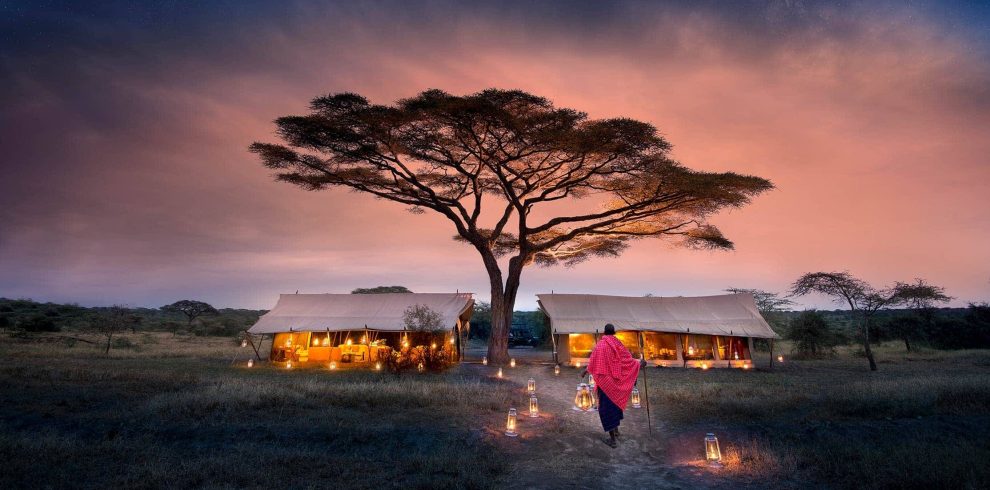
Choose location first, then the facilities that matter to your group. A tented camp can offer a private bathroom and a proper bed, but features vary widely.
Check driving time from camp to your main wildlife area.
Confirm room layouts and age rules for children.
Ask about stairs, paths, and access needs before booking.
Check charging points, hot water, and meal arrangements.
Tell the planner about food allergies and other needs early.
Some camps have open grounds where wildlife can pass through. Follow the camp's escort rules, especially after dark. Do not walk out to find an animal you heard from your room.
What should you pack for a Big Five safari?
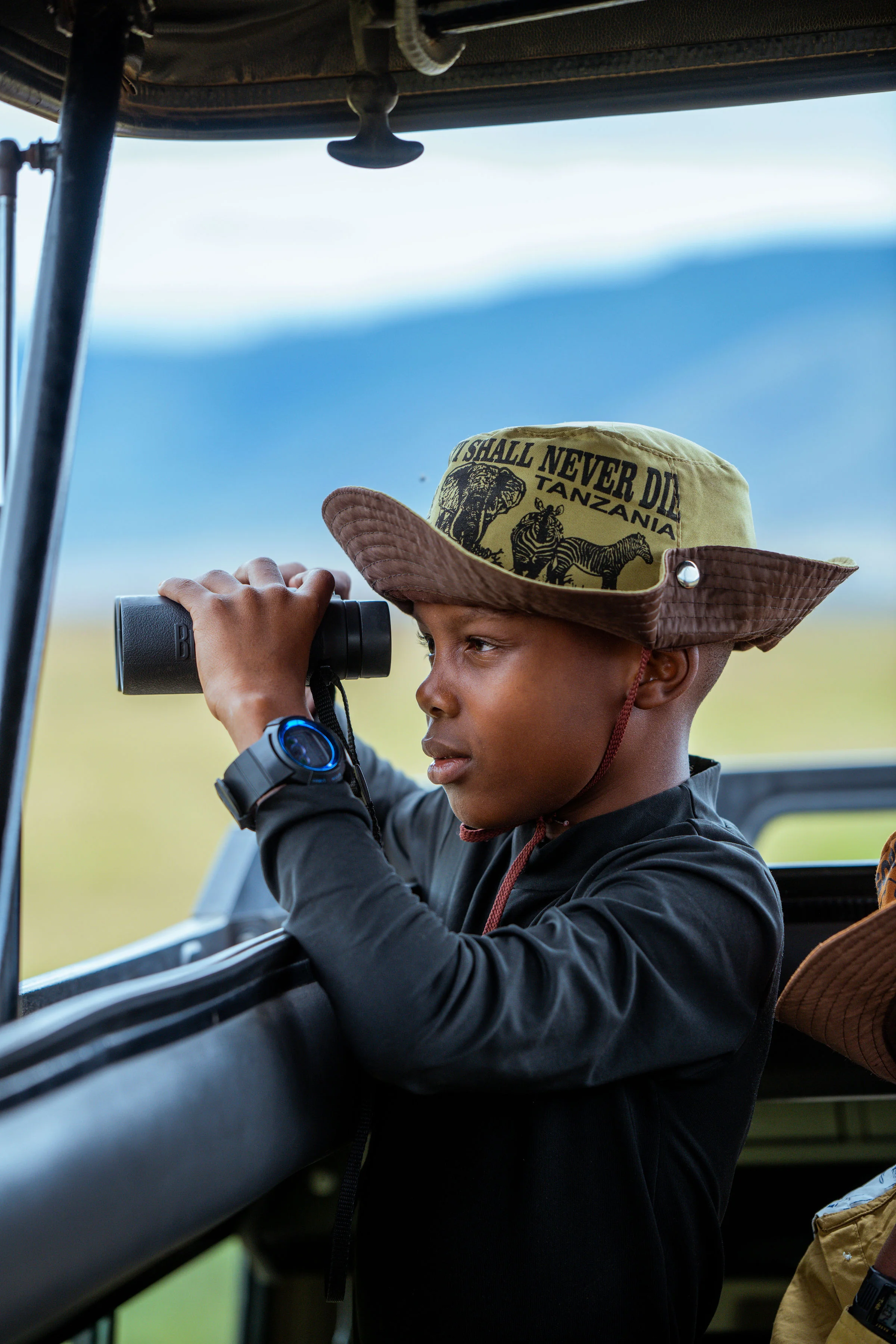
Pack light layers, sun protection, and binoculars. Keep the things you need during a drive in a small day bag.
Light shirts and trousers in muted colors.
A warm layer for cool mornings and highland stays.
Comfortable closed shoes and a hat.
Sunscreen, insect repellent, and personal medicines.
A camera, spare batteries, memory cards, and a dust cover.
Binoculars for distant cats, rhinos, and birds.
A soft travel bag if required by your flight operator.
Confirm luggage limits for every flight you book. Keep key documents and essentials in your hand luggage. Check current entry rules and seek personal health advice well before departure.
How do you make wildlife viewing more rewarding?
Give each sighting time and let your guide choose a safe position. The best moment may come after a quiet wait rather than a fast drive to the next radio call.
Use binoculars before lifting your camera. Watch how animals move, feed, and relate to one another. For photos, keep gear ready and ask your guide about light and viewing angles without asking them to crowd wildlife.
Stay in the vehicle unless your guide permits you to leave at an approved stop.
Keep voices low and never feed or call to animals.
Do not block an animal's path or push for a closer view.
Follow park rules and leave no waste behind.
Ask before taking photos of people during community visits.
Why book with TanzaLux Safaris?
TanzaLux Safaris can help shape your Big Five safari around your dates, interests, and comfort needs. The value lies in a coherent route, suitable stays, and enough time to enjoy each place.
Tell us whether your priority is cats, elephants, photography, family time, or a slower luxury trip. Ask for the proposed camps, daily travel plan, included services, and booking terms in writing. That makes it easier to compare options and choose with confidence.
Start with TanzaLux Safaris and share your dates, number of guests, preferred trip length, and budget range. A clear brief is the first step towards a safari that fits you.
20 frequently asked questions
1. What animals are on a Big Five safari?
The list is lion, leopard, elephant, African buffalo, and rhino. Many trips also bring birds, giraffes, zebra, hippos, and other wildlife worth taking time to watch.
2. Can you guarantee all five animals?
No. These are wild animals, and sightings depend on movement, habitat, weather, and luck. A good route improves your opportunities but cannot promise a complete list.
3. Which parks work well together?
The Serengeti and Ngorongoro Crater make a useful core route. Tarangire adds elephant viewing and river scenery. Add other parks only when the schedule allows enough time.
4. Where can I look for black rhino?
Ngorongoro Crater is a key option on a northern route. Bring binoculars, since sightings may be distant. Your guide must respect viewing rules and animal space.
5. Are leopards easy to see?
No. Leopards can hide in thick cover or rest high in trees. Several game drives give your guide more chances to search suitable areas without rushing.
6. Is the dry season always the best choice?
It suits many travelers, but there is no single best season for everyone. Compare wildlife goals, landscape, crowds, rain, and the total trip cost before choosing dates.
7. Does the Great Migration include all five?
No. The migration is the movement of wildebeest and other grazing herds. A migration trip may include Big Five sightings, but the two experiences are not the same.
8. How many nights should I spend in the Serengeti?
Three nights is a useful starting point for this style of route. Longer stays allow more full game-drive days and less pressure to move on.
9. Is a private vehicle worth considering?
Yes, if you value flexible stops, your own pace, and space for cameras. Ask about seat layout, luggage space, and the number of guests per vehicle.
10. Can children join the trip?
Yes, with a route and camp choice suited to their ages. Check age limits, room layouts, drive length, meal times, and any restrictions on optional activities.
11. Can older travelers enjoy a Big Five safari?
Yes. Discuss comfort and access needs before booking. Rough roads, vehicle steps, long drives, and camp paths matter more than age alone when choosing the route.
12. Should I travel by road or fly?
Road travel links parks and shows more of the landscape. Flights can reduce long transfers. Compare total travel time, cost, luggage rules, and where your guide meets you.
13. What is included in a safari quote?
It varies. Ask for a clear list covering vehicle, guide, rooms, meals, park charges, transfers, and taxes. Check optional activities and personal costs separately.
14. Do I need a large camera?
No. A phone works for landscapes and nearby scenes. A camera with optical zoom helps with distant wildlife. Binoculars remain useful even if you take few photos.
15. What should I wear on game drives?
Wear light, muted layers and comfortable shoes. Add a warm top for early starts. A hat and sun protection help when the vehicle roof is open.
16. Can I walk near the animals?
Only join a permitted, guided walking activity where it is offered. A game drive does not give you permission to leave the vehicle and approach wildlife.
17. Can I add a balloon flight?
Ask about flights available near your chosen camp. Weather, age rules, operator limits, and extra charges apply. A balloon flight does not guarantee specific wildlife sightings.
18. Can I combine safari with Zanzibar?
Yes. A beach stay can follow your wildlife trip. Leave enough time for airport transfers and check baggage allowances when linking safari and coastal flights.
19. How far ahead should I book?
Start early when your dates are fixed or you need specific rooms. Popular periods can fill well ahead. Ask for current availability before making firm flight plans.
20. How do I plan with TanzaLux Safaris?
Share your dates, group size, interests, and budget range. Request a route with named stays, clear inclusions, and realistic travel days, then refine it around your needs.
Plan for the whole experience
A Big Five safari is at its best when you leave room for surprise.
Give the parks time, choose camps with care, and enjoy the smaller wildlife too. The memories often come from the moments you could never put on a checklist.
Ready to start planning?
Tell us your dates and what you're after — no obligation.