 5.0 Excellent
Dorine M1 year ago

Grateful experience
As a solo female traveler, I felt super safe and well taken care of the entire time.
Read more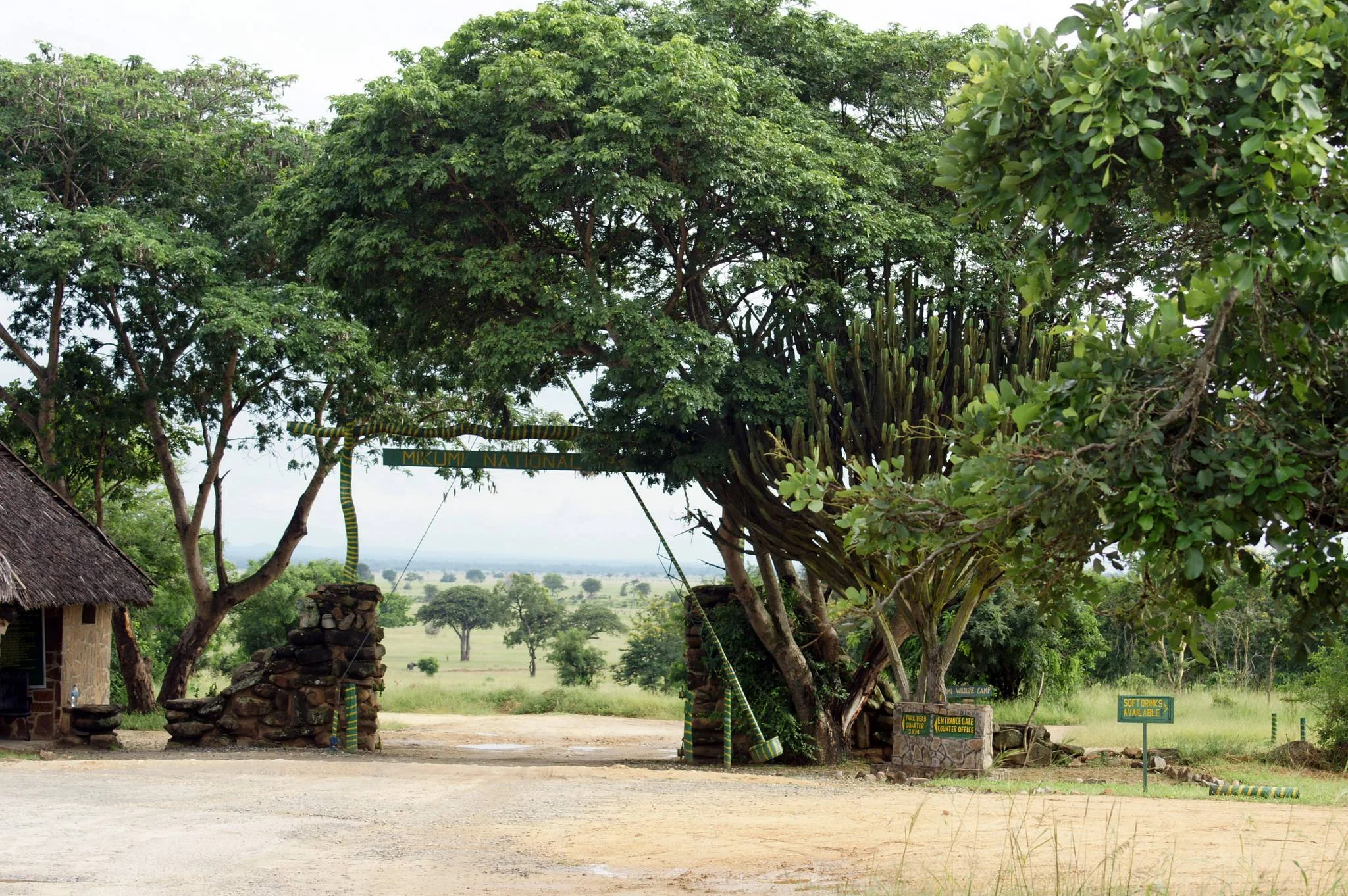
Eastern Circuit
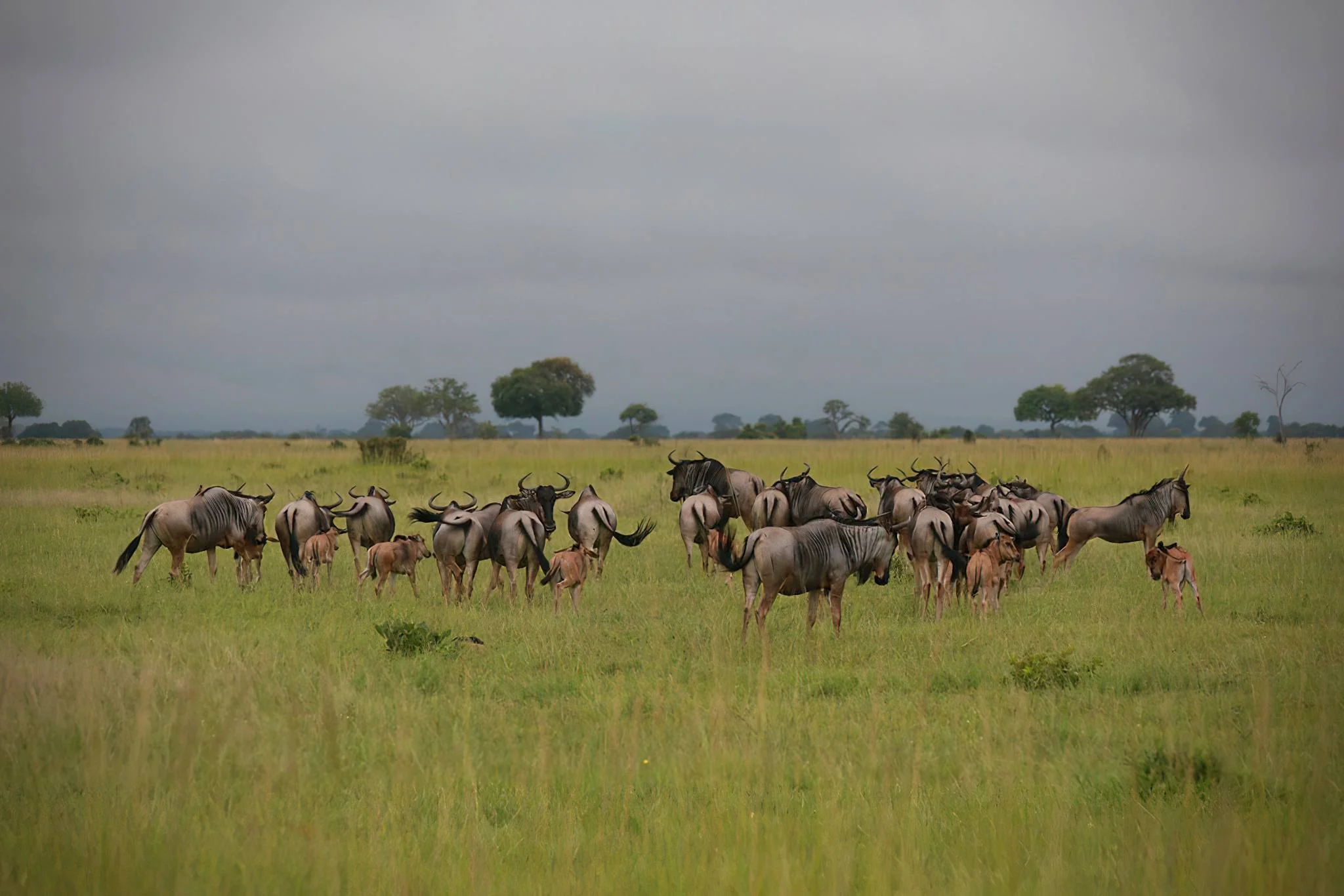
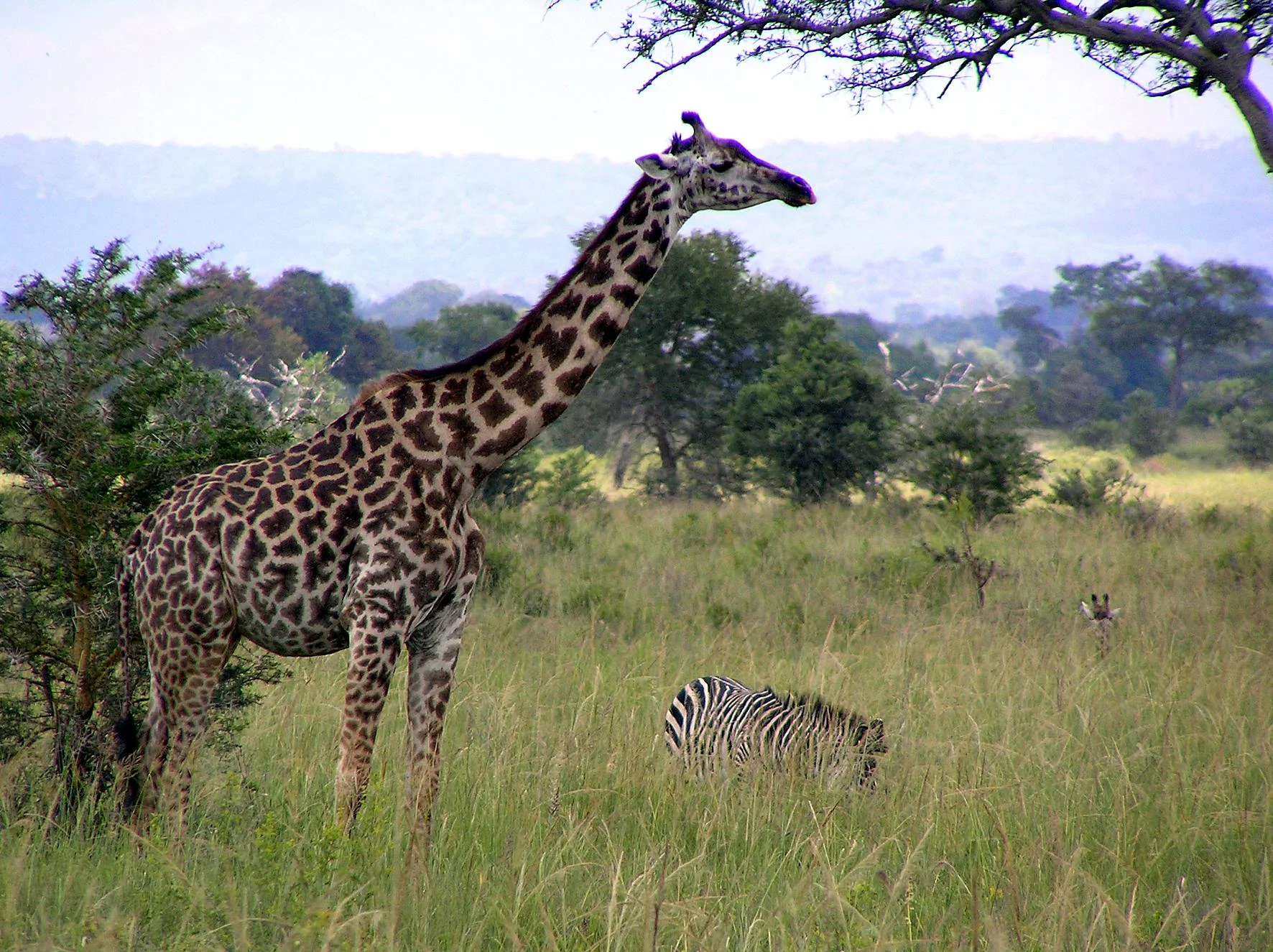
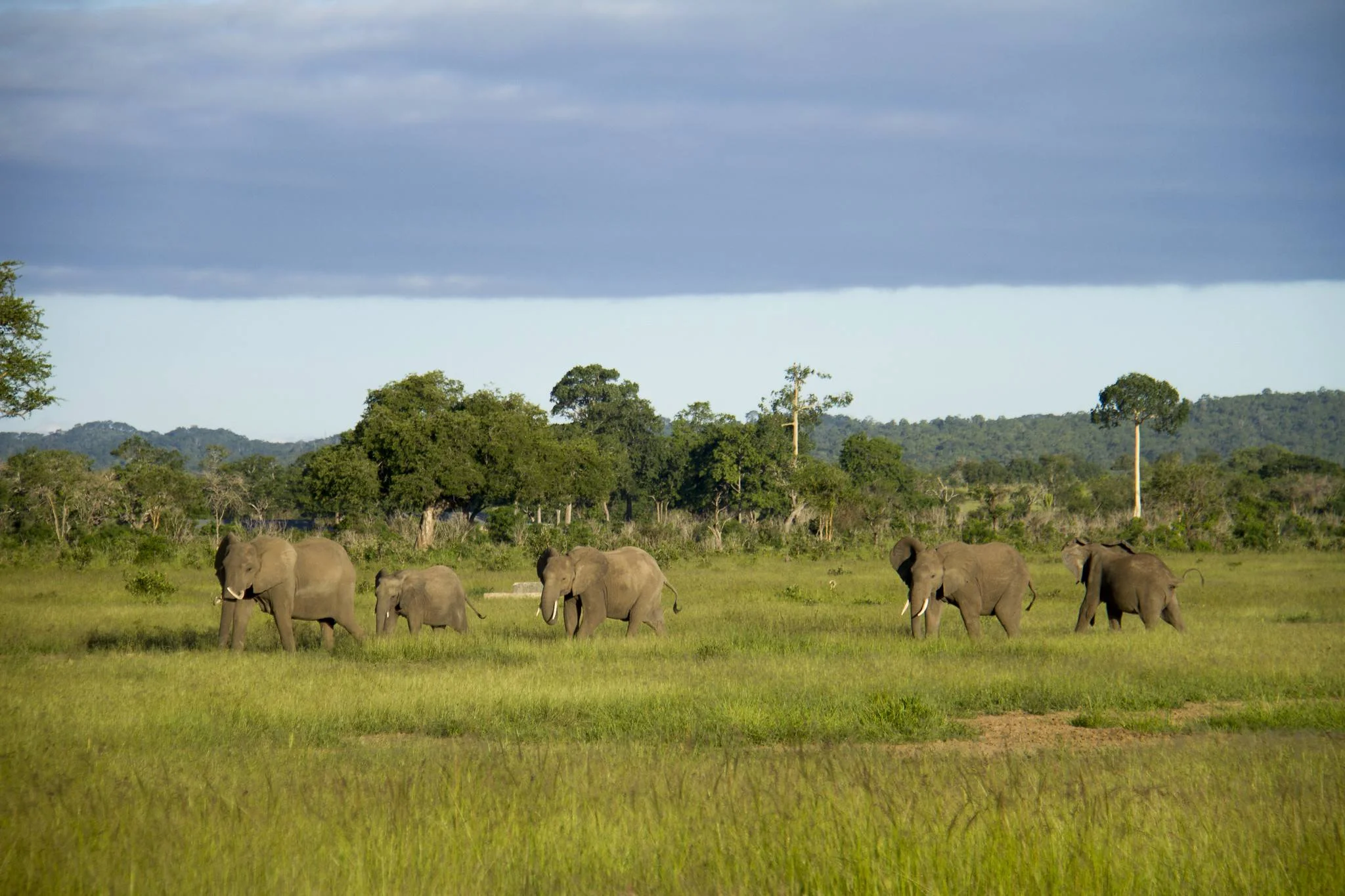
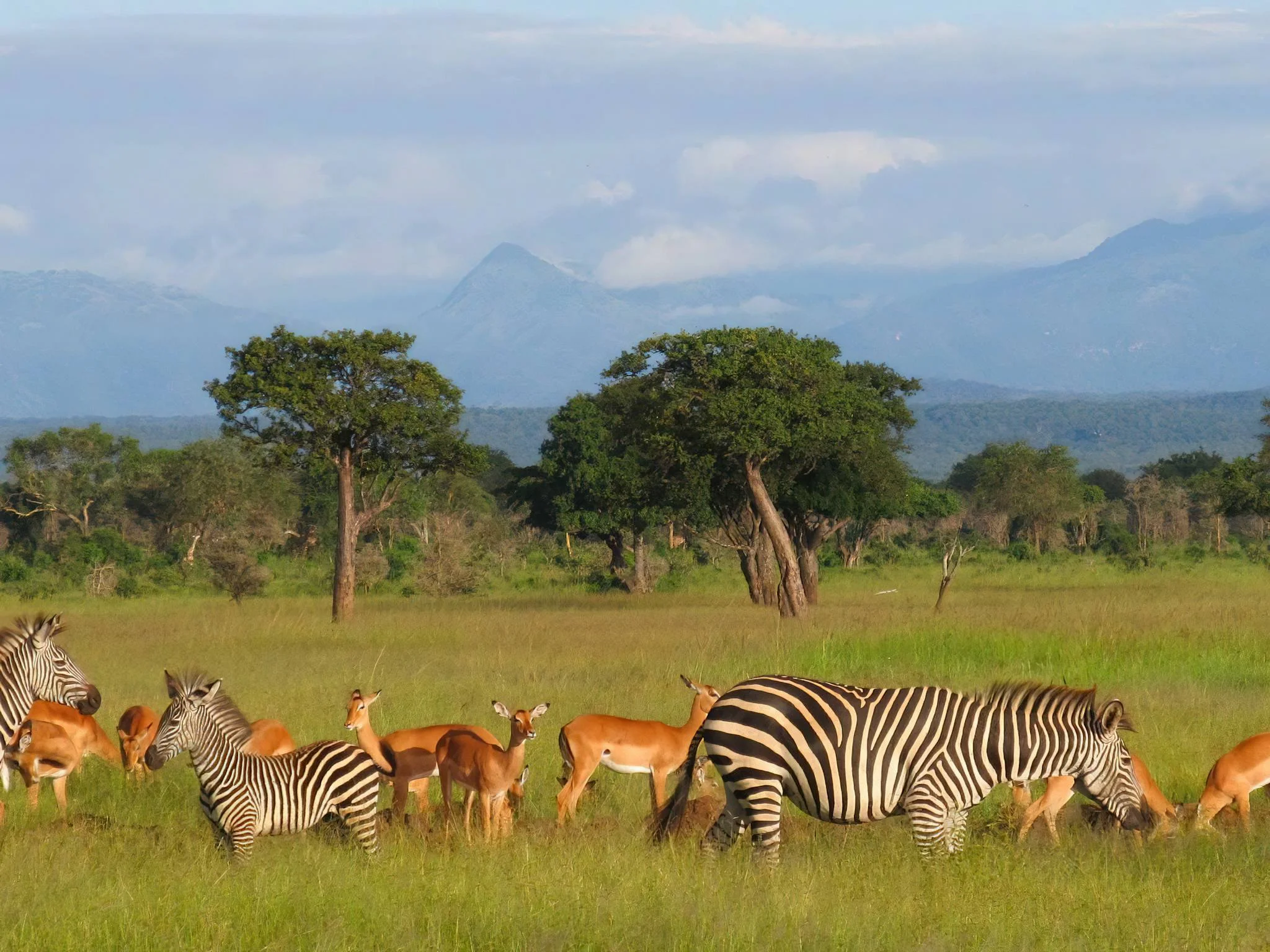
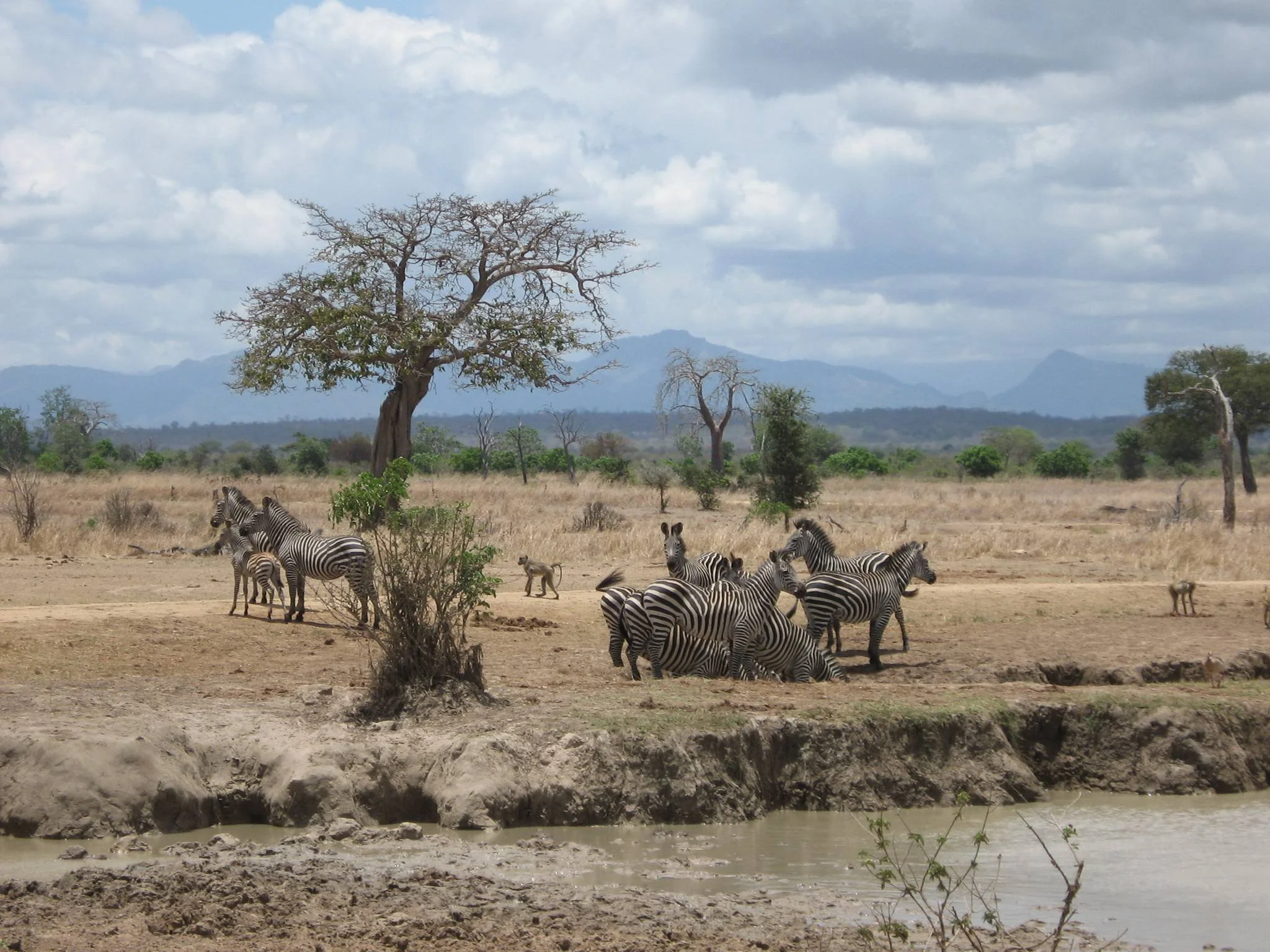
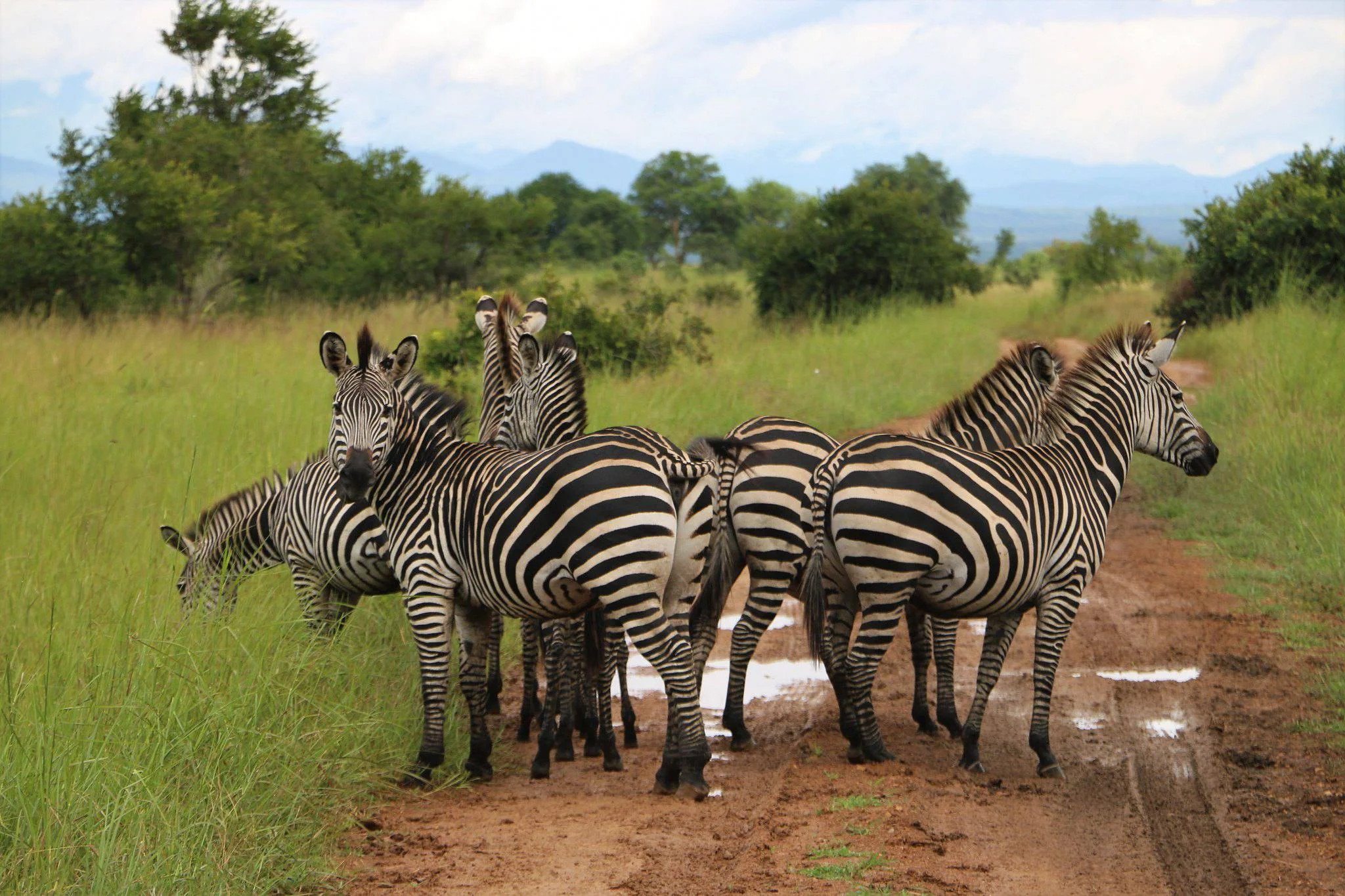
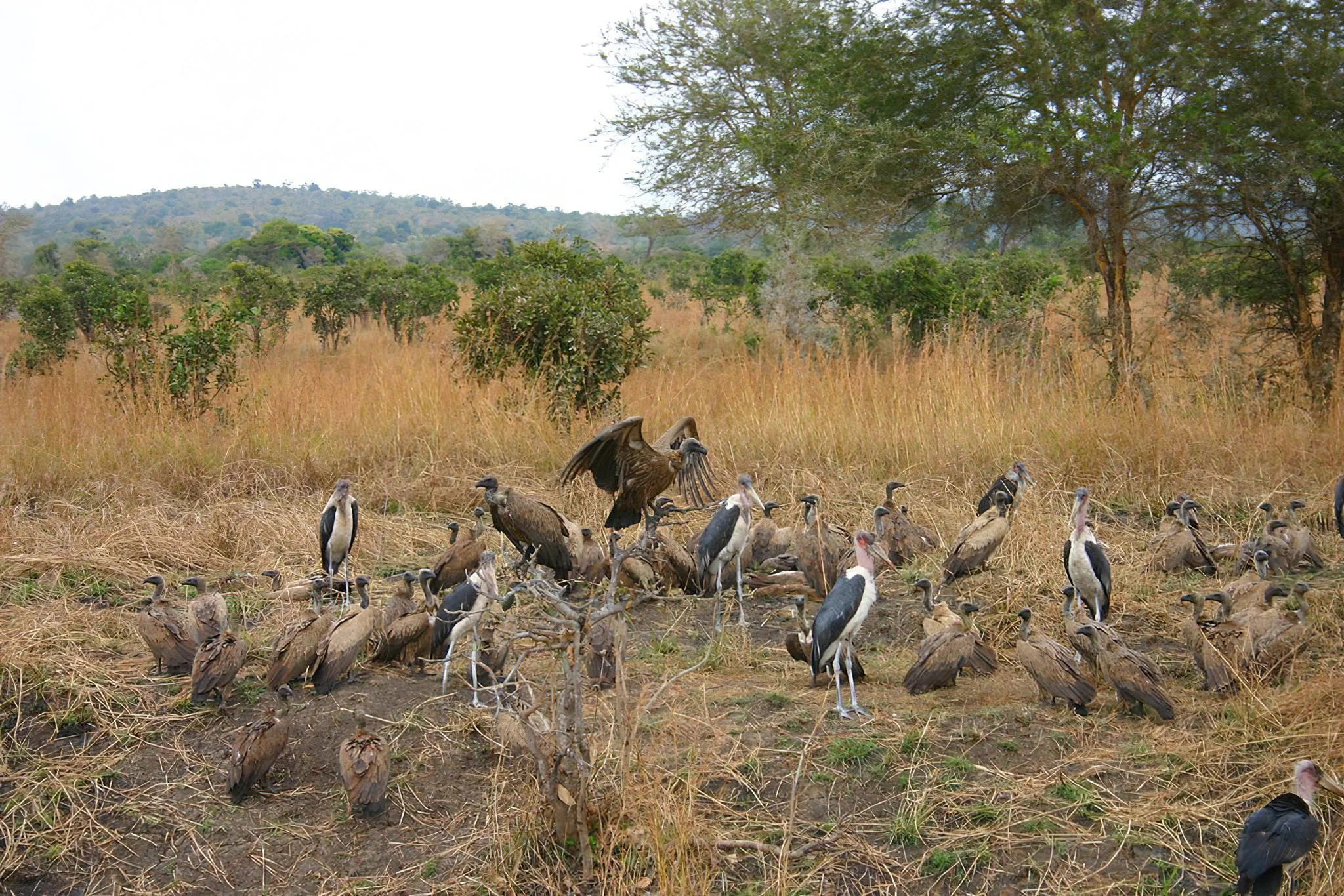
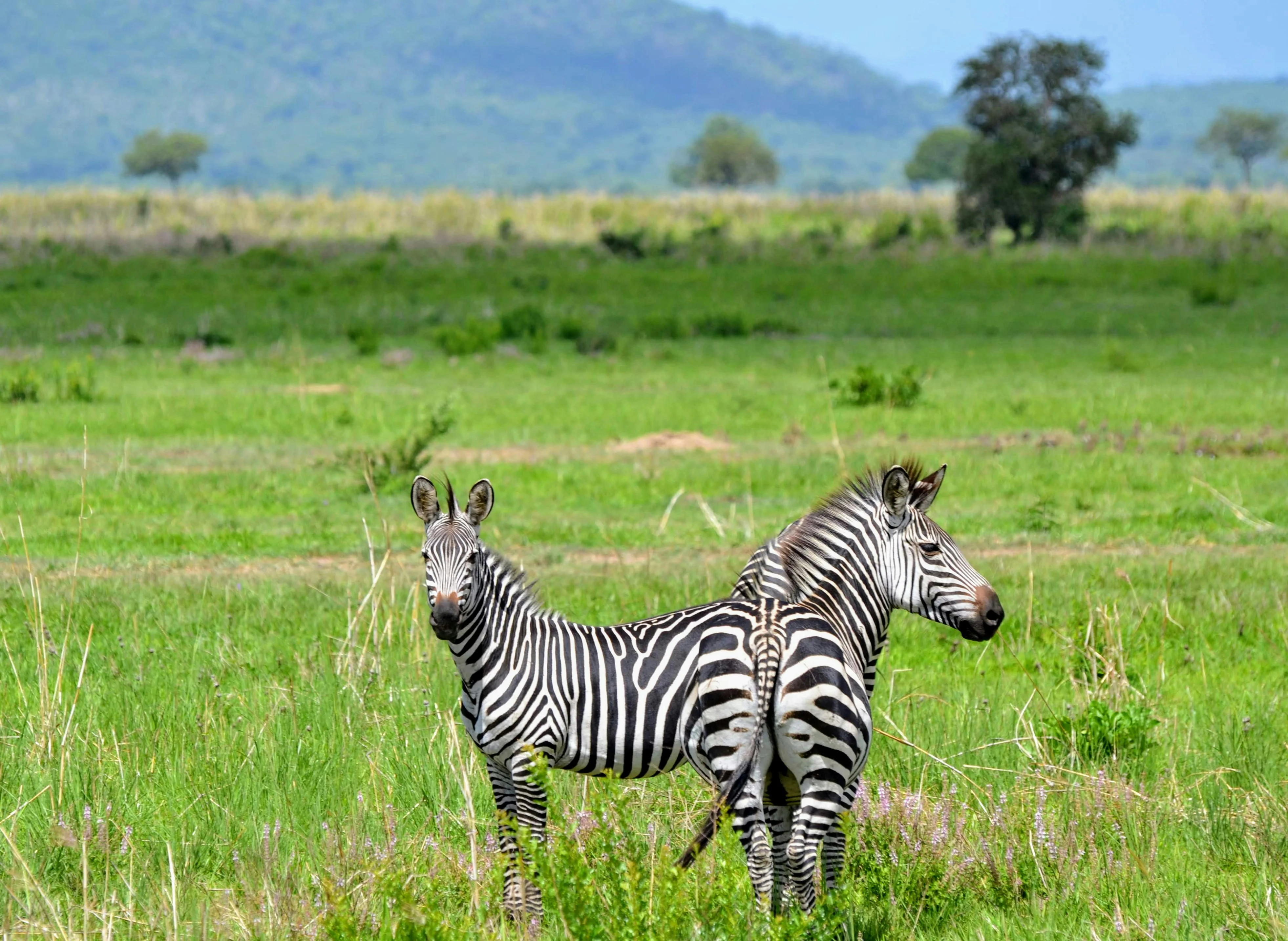
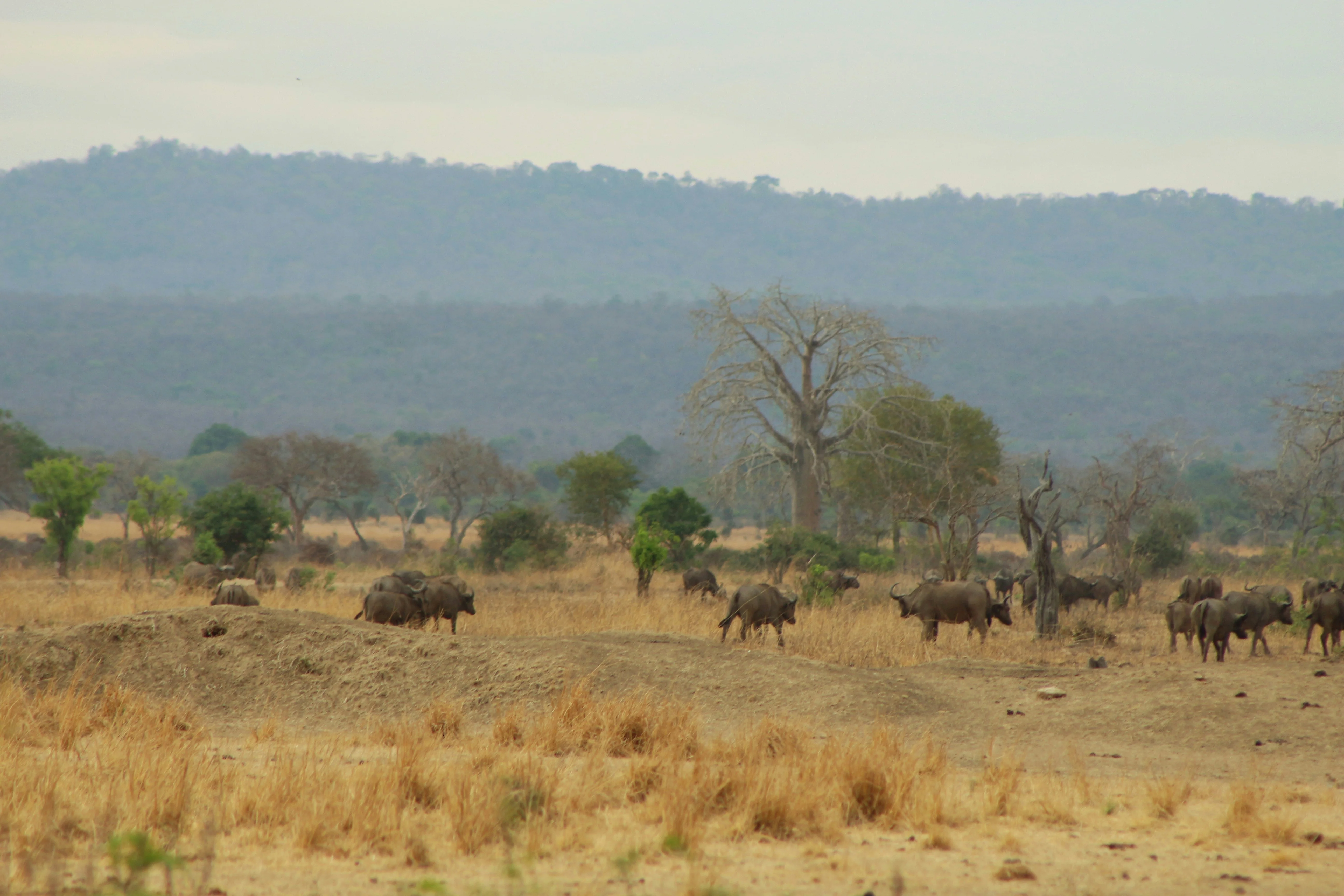
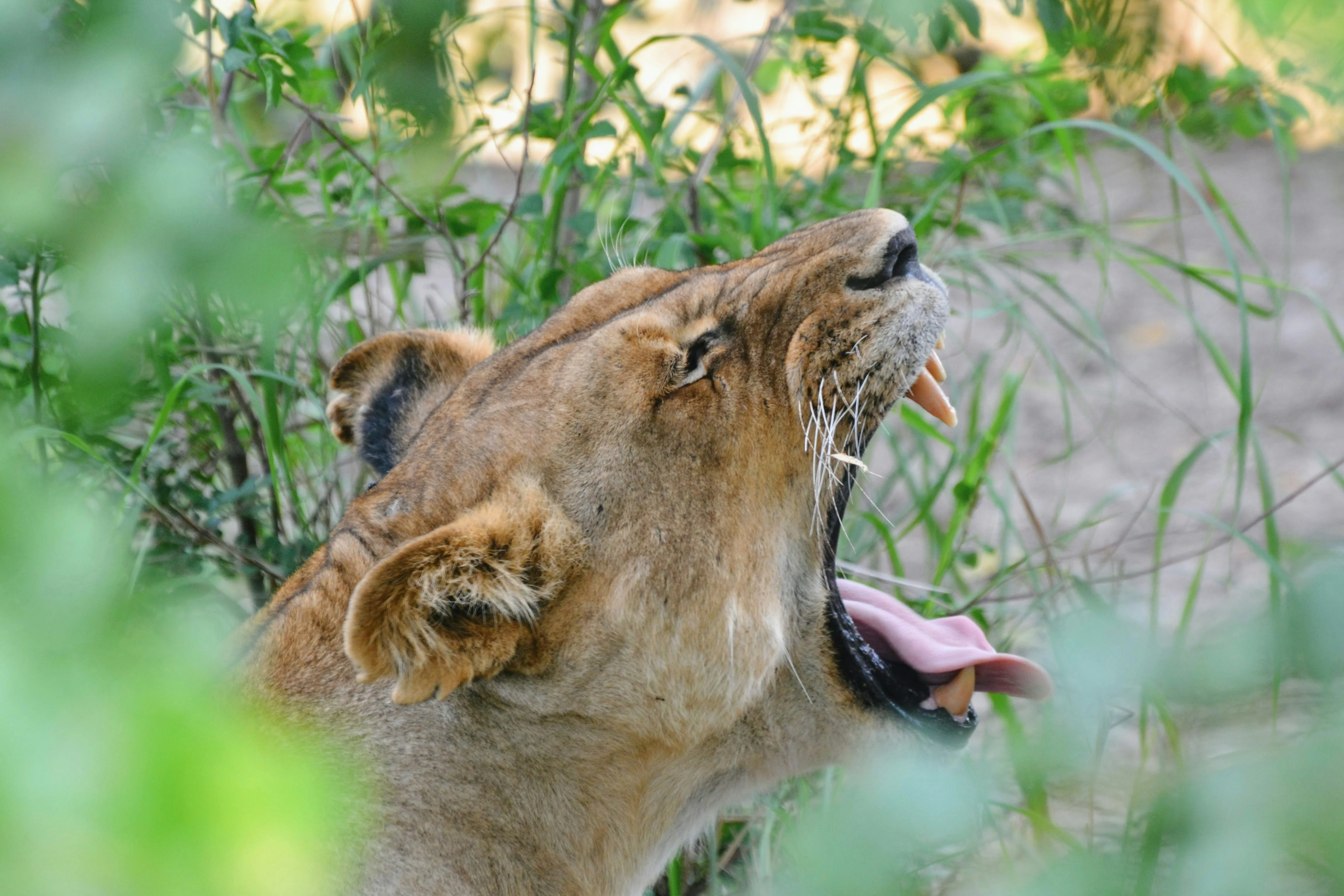
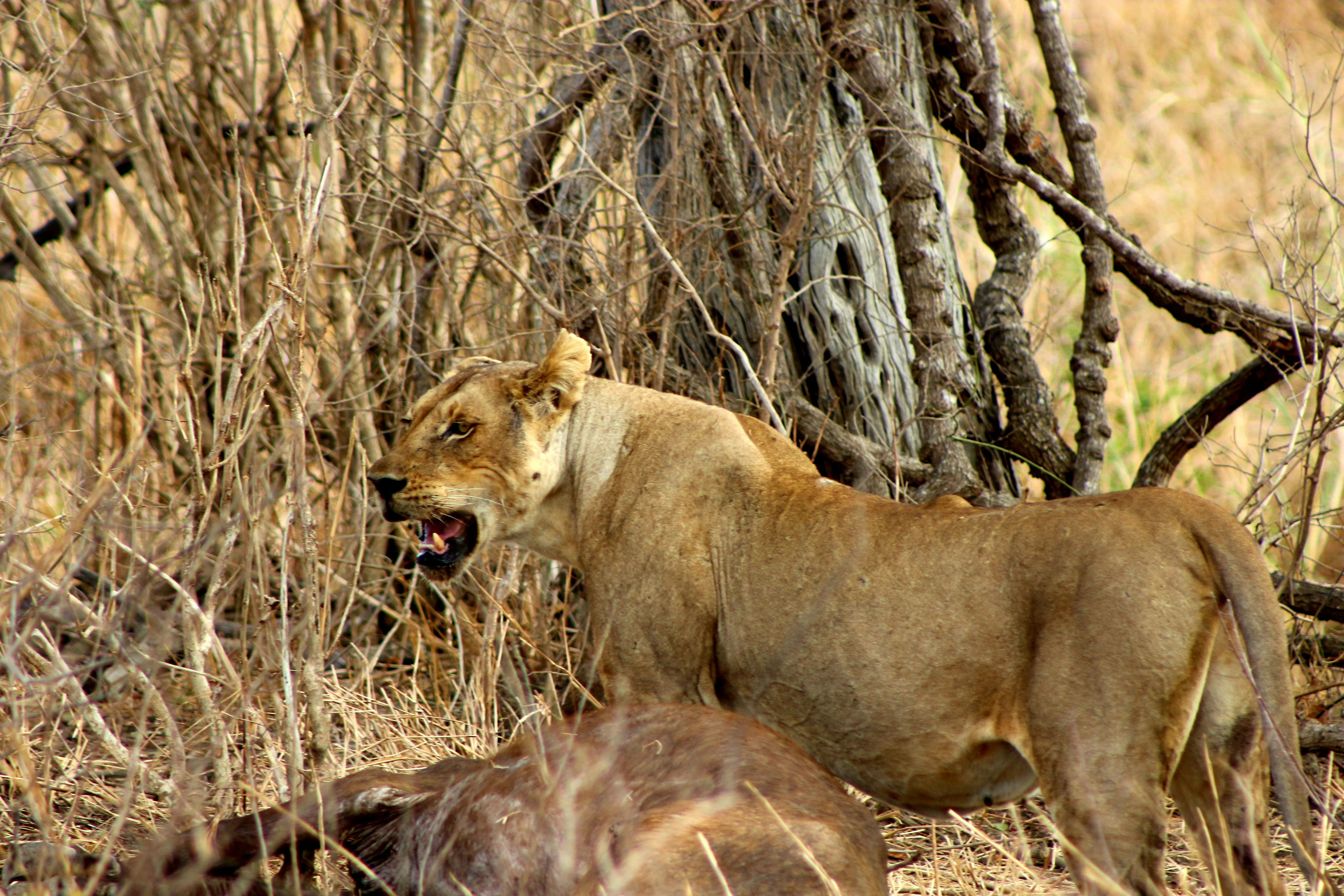
Mikumi National Park is one of the most accessible and rewarding safari destinations in Tanzania, combining open savanna, reliable wildlife viewing and excellent road connections with the country's Southern Safari Circuit. Located in Morogoro Region, Mikumi covers approximately 3,230 square kilometres and is centered around the Mkata Floodplain, a broad landscape of open grassland, seasonal wetlands and acacia savanna where wildlife is often easy to observe. The Mkata Floodplain is the visual heart of the park. Its long sightlines, scattered acacia trees and concentrations of grazing animals have led to frequent comparisons with the Serengeti, although Mikumi has its own distinctive southern Tanzania character. Visitors can see elephants, African buffalo, giraffes, zebras, wildebeest, eland, impala, hippos and many other herbivores. Lions are regularly encountered, while leopards and spotted hyenas occur in woodland and riverine habitats. Water is especially important during the dry season. Seasonal pans, the Mkata River and the park's hippo pools can attract wildlife as conditions become drier across the landscape. Mikumi is also an excellent birdwatching destination, with more than 400 recorded species. Rollers, bee-eaters, hornbills, eagles, storks and many waterbirds can be seen across the park's grassland, woodland and wetland habitats. One of Mikumi's greatest advantages is accessibility. TANAPA currently estimates approximately three to five hours by road from Dar es Salaam depending on traffic, while Morogoro is much closer. Scheduled and charter flights also connect with Mikumi Airstrip. This makes Mikumi particularly useful for first-time safari travelers, families, short-stay visitors and travelers who want a genuine wildlife experience without committing immediately to a long safari. Mikumi also works strategically within longer Southern Tanzania itineraries. It can be combined with Udzungwa Mountains National Park, Nyerere National Park and Ruaha National Park to create a varied journey through wildlife, forests, waterfalls and remote southern landscapes. With TanzaLux Safaris, Mikumi can be experienced as a private day safari, short weekend safari or part of a longer Southern Tanzania itinerary.
March – May Short rains refresh the Mkata Floodplain and surrounding woodland, creating greener scenery and productive birdwatching. Wildlife remains present throughout the park, while seasonal rain can occasionally affect road conditions.
November – February Short rains refresh the Mkata Floodplain and surrounding woodland, creating greener scenery and productive birdwatching. Wildlife remains present throughout the park, while seasonal rain can occasionally affect road conditions.
June – October The main dry season is generally considered the strongest period for classic wildlife viewing. Vegetation becomes thinner and animals increasingly concentrate around rivers, pools and remaining water sources, making wildlife easier to locate.
Mikumi National Park is located in Morogoro Region and is one of Tanzania's most accessible safari destinations. By road, the park lies along the A7 highway and can normally be reached from Dar es Salaam in approximately three to five hours depending on traffic and road conditions. Morogoro is much closer, making Mikumi convenient for travelers already exploring central or eastern Tanzania. Scheduled and charter flights also operate to Mikumi Airstrip, with onward transfers arranged by lodges and safari operators. For a private TanzaLux safari, a 4x4 vehicle allows travelers to combine Mikumi with Udzungwa Mountains, Nyerere National Park, Ruaha or other Southern Tanzania destinations.
Mikumi National Park is located in Morogoro Region in eastern Tanzania and forms part of Tanzania's Southern Safari Circuit.
Mikumi is famous for the Mkata Floodplain, easy wildlife viewing, elephants, lions, buffalo, giraffes, zebras, hippos and more than 400 bird species.
TANAPA currently gives Mikumi National Park an area of approximately 3,230 square kilometres.
TANAPA estimates approximately three to five hours by road from Dar es Salaam, depending on traffic and road conditions.
Wildlife can include elephants, lions, buffalo, giraffes, zebras, wildebeest, eland, hippos, crocodiles, hyenas and many other species.
Yes. Lions occur in Mikumi and are regularly seen on the open plains and around suitable hunting habitats.
Yes. Lions occur in Mikumi and are regularly seen on the open plains and around suitable hunting habitats.
Yes. Elephants are among Mikumi's most frequently observed large mammals.
Leopards occur in Mikumi, particularly around woodland and riverine habitats, but they are elusive and sightings cannot be guaranteed.
Mikumi provides excellent big-game viewing, especially elephant, lion and buffalo. It should not be marketed as a guaranteed Big Five destination because some species are uncommon or difficult to see.
Yes. TANAPA reports more than 400 bird species across Mikumi's grasslands, wetlands and woodlands.
The Mkata Floodplain is Mikumi's main open-grassland wildlife area and one of the best locations in the park for observing large mammals.
Yes. Mikumi is one of the easiest major national parks to reach by road from Dar es Salaam.
Yes. Scheduled and charter flights operate to Mikumi Airstrip.
Guided walking safaris are available in designated areas and must be arranged according to TANAPA rules.
Yes. Scheduled and charter flights operate to Mikumi Airstrip.
One to two days can provide a good introduction, while two or three nights allow a more relaxed safari with additional activities and photography.
Yes. Mikumi and Udzungwa create an excellent combined wildlife-and-hiking itinerary in Southern Tanzania.
Yes. Mikumi is a natural gateway to longer Southern Tanzania itineraries including Nyerere National Park and Ruaha National Park.
TanzaLux Safaris can organize a private Mikumi safari from Dar es Salaam or incorporate Mikumi into a longer Southern Tanzania itinerary with Udzungwa, Nyerere and Ruaha.
Grateful experience
As a solo female traveler, I felt super safe and well taken care of the entire time.
Read morePrivate Safari 6 days
I can only highly recommend the young company Tanzalux for organizing a private safari.
Read moreAn unforgettable vegetarian journey with Tanzalux Safaris
I highly recommend Tanzalux for anyone wanting a special, personalized safari.
Read moreOur 3-day camping safari with Tanzalux was simply fantastic! Everything was perfectly organized.
Read moreBack in April, I joined a day trip to Tarangire National Park with Tanzalux Safaris, and it was truly one of the best experiences I have ever had…
Read moreI've had an amazing experience with Tanzalux Safaris, would 1000% recommend! Thank you for making my trip so special🫶
Read moreI recently visited Meru Waterfalls in Arusha and got to do some of the activities there, honestly it was such a great experience and I really enjoyed it.
Read moreOur guide Dullah Mr Rastaman had the best vibe. I would like to recommend other people not to miss it, Tarangire is the best national park.
Read moreOur tour guide Nasri was very friendly and welcoming from the first day we met him. He knows Tarangire very well and explained many things during the safari.
Read moreAs a grandmother in the group, I would like to share my happiness with Tanzalux Safaris. Me, my daughters, and my grandson went on a short trip to Tarangire National Park…
Read moreReceive a free, no obligation quote

 northern circuit
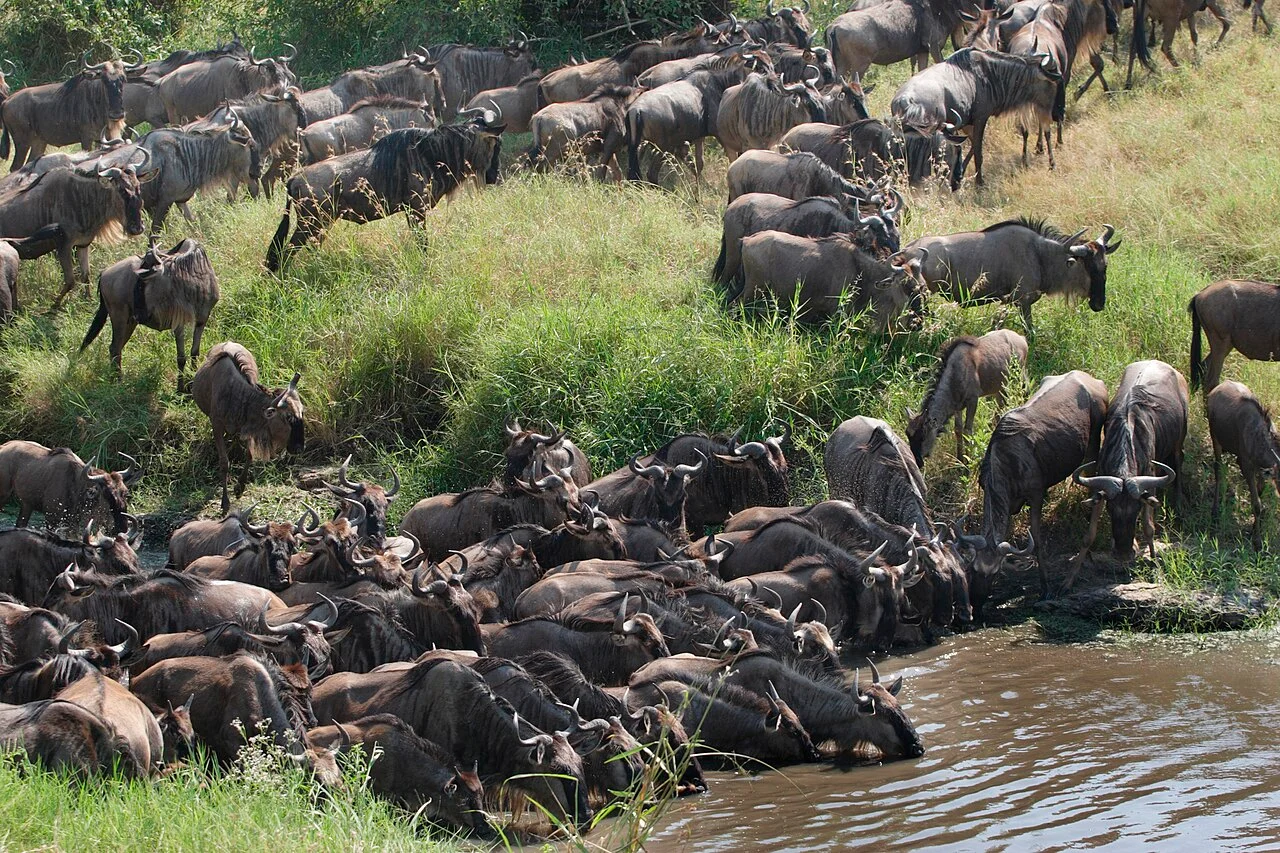
North Serengeti is one of the most captivating regions of Serengeti National Park in northern Tanzania. Located near the border with Kenya and extending toward the Mara River and the Lamai area, this remote wilderness is celebrated for its dramatic landscapes, abundant wildlife, and connection to the annual Great Wildebeest Migration. Unlike the wide, open plains of southern and central Serengeti, North Serengeti features rolling hills, granite kopjes, acacia woodlands, riverine vegetation, valleys, and open savannah. This varied environment creates habitats for a wide range of wildlife, including elephants, lions, leopards, cheetahs, buffaloes, giraffes, zebras, wildebeest, topi, gazelles, hippos, hyenas, and numerous bird species. The region is especially famous for the Mara River, where migrating wildebeest and zebras may attempt to cross during their seasonal movement through the Serengeti-Mara ecosystem. These crossings are among Africa’s most dramatic wildlife spectacles, but they are entirely natural and unpredictable. Animals may gather at the river for hours or days, change direction, or decide not to cross at all. North Serengeti also includes the Lobo Valley, an area known for its rocky scenery, resident wildlife, and opportunities to observe large predators. The region’s relative remoteness can provide a quieter safari atmosphere, although visitor numbers may increase around popular migration periods. A North Serengeti safari is ideal for travellers seeking dramatic wildlife encounters, photography opportunities, remote landscapes, and a deeper exploration of Tanzania’s northern safari circuit. TanzaLux Safaris can design a private safari that combines North Serengeti with Central Serengeti, Ngorongoro Crater, Tarangire National Park, or other destinations according to the season and your interests.
Wildlife
Wildebeest & Zebra
Landscape
Wildlife Safari / Great Migration / Mara River / Big Five Safari / Luxury Safari / Remote Wilderness / Photography / Game Drives
Highlights
Experience the remote wilderness of northern Serengeti
 Southern Tanzania
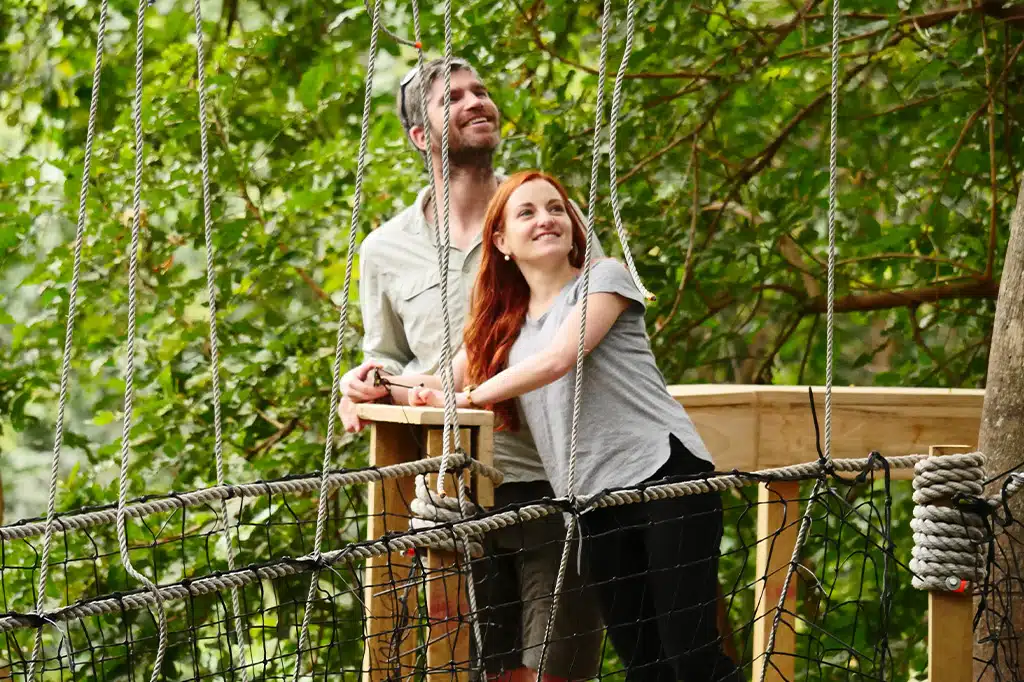
Udzungwa Mountains National Park is one of Tanzania's most distinctive protected areas and one of the country's strongest destinations for hiking, rainforest exploration, waterfalls and endemic wildlife. Located within Tanzania's ancient Eastern Arc Mountains, Udzungwa protects approximately 1,990 square kilometres of forest, woodland, bamboo, mountain ridges, streams and highland habitats. Unlike Tanzania's famous savanna parks, Udzungwa is best explored on foot. A network of trails leads through dense rainforest, across streams and up forested slopes to waterfalls and viewpoints overlooking the Kilombero Valley. The most famous attraction is Sanje Waterfall, where a series of cascades falls dramatically through forested cliffs. The trail to Sanje combines rainforest walking, birdwatching, primate sightings, panoramic viewpoints and natural pools. Udzungwa is also internationally important for biodiversity. The park protects species that occur nowhere else or have extremely restricted ranges. The Udzungwa red colobus and Sanje mangabey are two of the park's flagship primates. Other monkeys include blue monkeys and vervet monkeys, while forest mammals, duikers, bushbuck, galagos and genets occur across different habitats. Birdlife is exceptional. TANAPA currently reports more than 400 recorded bird species, including Eastern Arc forest specialists, sunbirds, greenbuls, raptors and other species associated with mountain forests. The park's biodiversity reflects the extraordinary age and isolation of the Eastern Arc Mountains. These ancient forested mountain blocks have been separated from surrounding lowlands for millions of years, allowing many unique plants and animals to evolve. Udzungwa also protects important water catchments. Mountain streams and forested watersheds feed surrounding valleys and communities, making forest conservation important far beyond the park boundary. For travelers, Udzungwa provides an excellent contrast to wildlife safaris in Mikumi, Nyerere or Ruaha. A journey can move from open savanna and big mammals to rainforest, waterfalls, primates and mountain trekking. With TanzaLux Safaris, Udzungwa can be included as a private hiking and nature experience or combined with Mikumi National Park and other Southern Tanzania destinations.
Wildlife
Udzungwa red colobus & Sanje mangabey
Landscape
National Park / Rainforest / Hiking & Trekking / Waterfalls / Primate Watching / Birdwatching / Biodiversity Hotspot / Eastern Arc Mountains / Photography / Southern Tanzania Safari Circuit
Highlights
Sanje Waterfall
 northern circuit
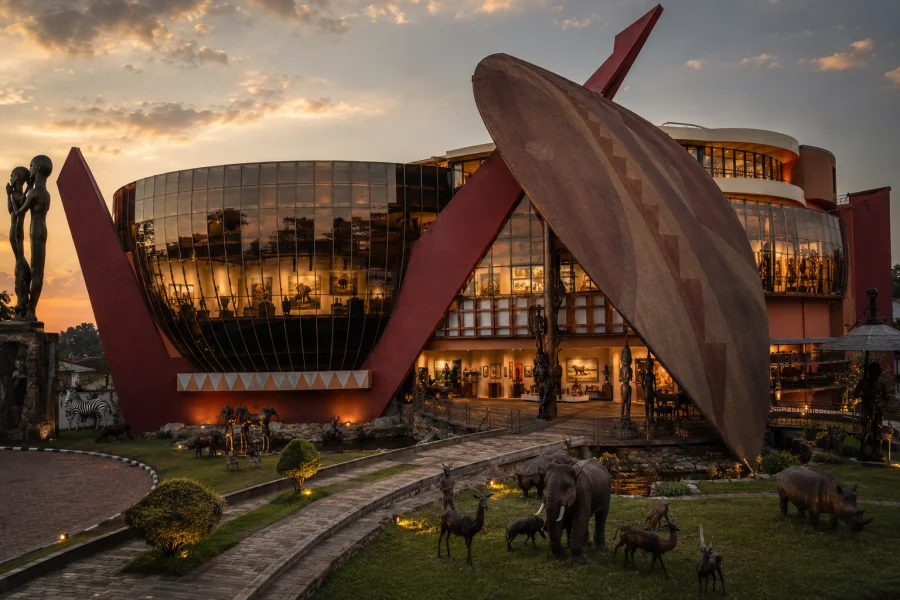
Cultural Heritage Centre Arusha is a celebrated cultural and artistic destination located on Dodoma Road in Arusha, Tanzania. Established in the 1990s, the centre has developed from a gallery into a broad cultural complex where visitors can discover African art, traditional craftsmanship, gemstones, jewelry, cultural collections, and creative workshops. The centre offers travelers an opportunity to experience a different side of Tanzania beyond wildlife and landscapes. Its galleries display a wide range of African artistic expressions, including paintings, sculptures, traditional objects, Makonde carvings, and colourful Tinga Tinga artwork. Visitors can also explore handmade crafts, textiles, baskets, carvings, decorative pieces, and other objects connected to African artistic traditions. One of the centre’s major attractions is its gemstone and jewelry section, where visitors can learn about Tanzanian gemstones such as tanzanite and explore jewelry designs created by skilled artisans. Tanzanite, a rare blue gemstone associated with northern Tanzania, is an important part of the country’s mineral and jewellery heritage. The Cultural Heritage Centre also offers opportunities to observe or participate in selected creative activities, including beadwork, painting, weaving, and other craft experiences, depending on the current programme and availability. For safari travelers, the centre is a convenient cultural stop before or after visiting Tarangire National Park, the Ngorongoro Crater, Serengeti National Park, or other northern Tanzania destinations. It can also be combined with an Arusha city tour, Mount Kilimanjaro itinerary, Materuni Waterfalls, or Chemka Hot Springs. With TanzaLux Safaris, visitors can include the Cultural Heritage Centre in a private and personalized Tanzania itinerary designed around their interests, schedule, and travel style.
Wildlife
African elephants represented in art and sculpture & Giraffes represented in African paintings and carvings
Landscape
Cultural Attraction / Art Gallery / Museum / Shopping Experience / Gemstone Centre / Cultural Tourism / Day Trip
Highlights
Explore an extensive collection of African paintings, sculptures, and contemporary artwork.
 Northern Circuit
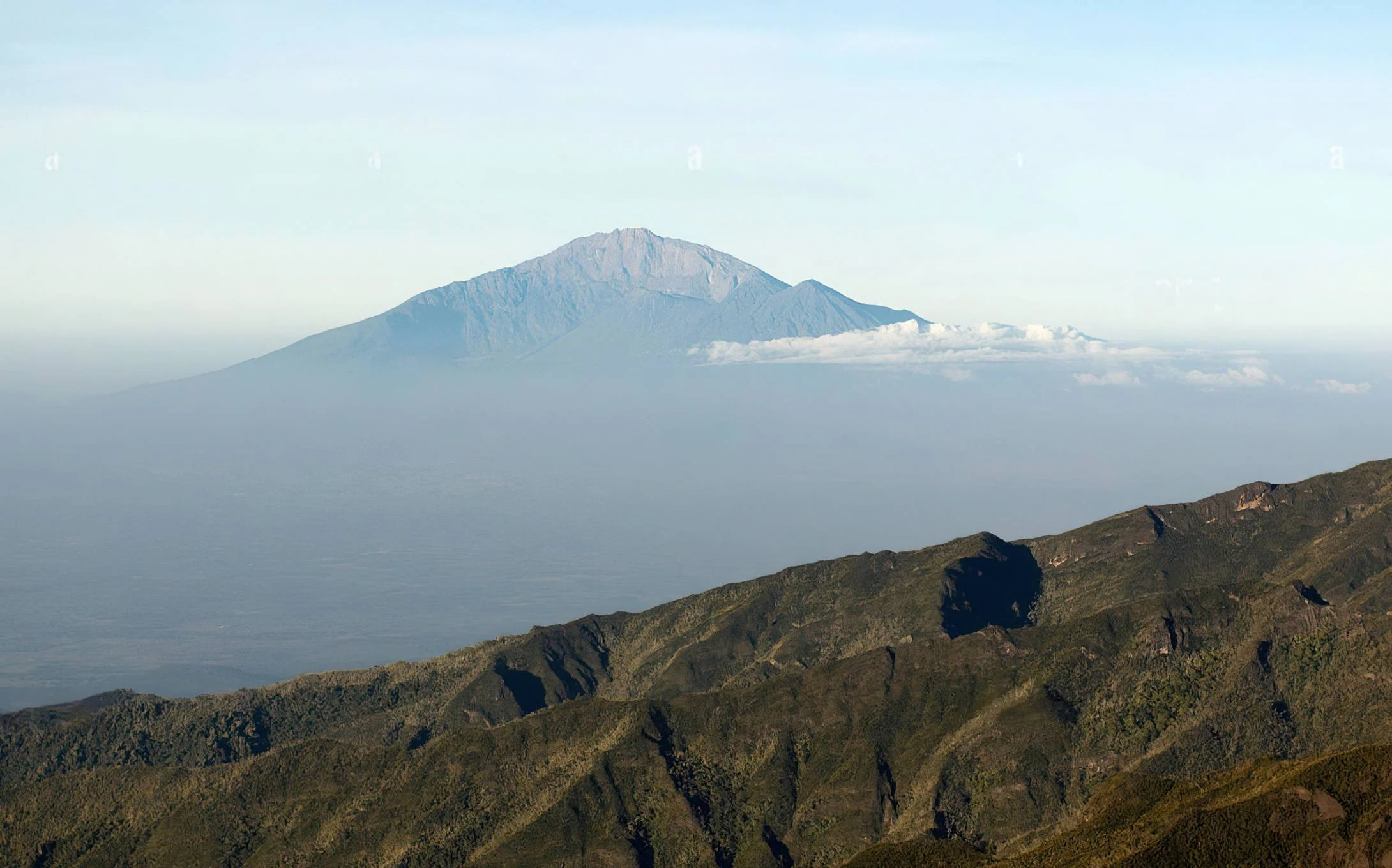
Mount Meru is one of Tanzania’s most impressive natural landmarks and a remarkable destination for travellers seeking adventure, dramatic landscapes, and a deeper connection with nature. Rising to approximately 4,566 metres above sea level, Mount Meru is Tanzania’s second-highest mountain and the dominant geological feature of Arusha National Park. Located close to Arusha city, Mount Meru offers an extraordinary contrast between accessibility and wilderness. Within a relatively short distance of the city, travellers can move from open savannah and wildlife-rich grasslands into dense montane forest, giant heather zones, moorland, volcanic ridges, and high-altitude terrain. The mountain is an active stratovolcano with a distinctive horseshoe-shaped crater formed by a major collapse of its eastern side. This geological structure creates dramatic cliffs, deep valleys, volcanic formations, and spectacular views from the summit ridge. The mountain’s highest point, known as Socialist Peak, offers expansive views of the surrounding landscape and, on clear mornings, Mount Kilimanjaro in the distance. The standard Mount Meru trek follows the Momella Route and generally takes three to four days, although a four-day itinerary is commonly preferred because it allows more time for acclimatisation. The trek begins at Momella Gate in Arusha National Park and passes through several ecological zones, including open woodland, montane rainforest, heathland, moorland, and alpine desert. One of the unique features of Mount Meru is the possibility of encountering wildlife during the lower sections of the trek. Depending on park conditions and animal movements, trekkers may see giraffes, zebras, buffaloes, antelopes, monkeys, and other wildlife. Because the route passes through wildlife habitat, an armed park ranger is generally required for the initial sections of the trek under park regulations. Mount Meru is not simply a mountain-climbing destination. It is also a journey through Tanzania’s volcanic history, forest ecosystems, wildlife habitats, and highland scenery. Trekkers can explore the mountain’s crater rim, visit Little Meru, admire the Ash Cone from suitable viewpoints, and experience the changing landscapes that make this mountain unique. For travellers planning to climb Mount Kilimanjaro, Mount Meru may also be incorporated into a broader itinerary as part of a structured acclimatisation strategy. However, climbing Mount Meru does not guarantee success on Kilimanjaro, and every climber must still prepare properly for altitude, weather, and physical demands. With TanzaLux Safaris, your Mount Meru adventure can be tailored around your interests, fitness level, travel schedule, and wider Tanzania itinerary. You can combine your mountain trek with a safari in Arusha National Park, a visit to Materuni Waterfalls, a relaxing experience at Chemka Hot Springs, or a longer Northern Tanzania safari featuring Tarangire, Ngorongoro, and Serengeti.
Wildlife
African Buffalo & Giraffe
Landscape
Mountain Trekking / Volcano / Hiking / Wildlife / Adventure
Highlights
Socialist Peak
 Northern Circuit
Arusha National Park is one of northern Tanzania's most diverse and accessible national parks, located close to Arusha city and dominated by the dramatic presence of Mount Meru. Covering approximately 552 square kilometres, the park combines montane forest, open grasslands, volcanic landscapes, crater scenery and the beautiful Momella Lakes within a relatively compact area. Unlike Tanzania's famous big-game parks, Arusha National Park is best known for the variety of experiences it offers. Travelers can explore the park by safari vehicle, discover wildlife on guided walking experiences, enjoy birdwatching around the forest and lakes, or experience a canoe safari on the Momella Lakes. Mount Meru, rising to 4,566 metres, forms the spectacular backdrop to much of the park. The mountain is also a major trekking destination in its own right and provides a quieter alternative for travelers seeking a multi-day mountain adventure. The park supports giraffes, buffaloes, zebras, warthogs, antelopes, blue monkeys, black-and-white colobus monkeys and abundant birdlife. The Momella Lakes are particularly scenic, with waterbirds and seasonal flamingos creating beautiful photographic opportunities. Arusha National Park is ideal for travelers arriving in Arusha, families looking for a shorter safari experience, photographers, birdwatchers, active travelers and visitors who want to combine wildlife with walking, canoeing and mountain scenery. With TanzaLux Safaris, Arusha National Park can be arranged as a private day safari, a walking and canoeing experience, or as part of a wider Northern Tanzania itinerary connecting Arusha, Mount Meru, Tarangire, Lake Manyara, Ngorongoro and Serengeti.
Wildlife
Giraffe & African Buffalo
Landscape
National Park / Wildlife / Walking Safari / Mountain & Lakes
Highlights
Mount Meru
 Northern Circuit
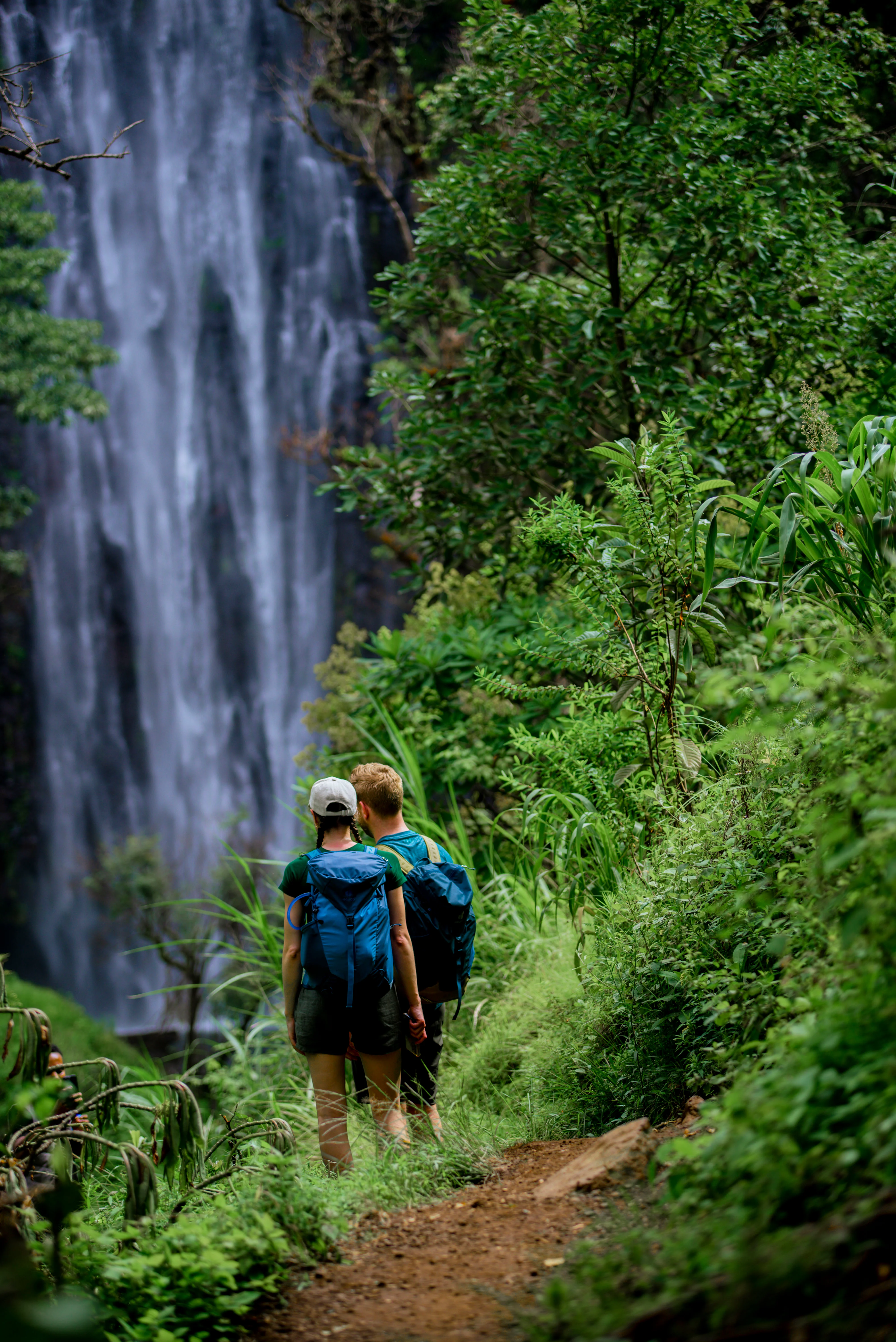
Materuni Waterfall is one of the most rewarding nature and cultural experiences near Mount Kilimanjaro, offering travellers a beautiful combination of hiking, waterfalls, coffee, Chagga culture and mountain scenery. Located in Materuni Village on the green southern slopes of Mount Kilimanjaro, approximately 15 kilometres from Moshi, the waterfall is reached by a scenic guided walk through the countryside. The trail passes through coffee farms, banana plantations, tropical vegetation and Chagga farmland before arriving at the impressive Materuni Waterfall, where water plunges into a natural pool surrounded by lush vegetation. The waterfall is commonly described as approximately 80 metres high, although published measurements vary. The journey to the falls is part of the experience, with local guides explaining the plants, farming practices, landscape and everyday life of the Chagga people along the way. Materuni is much more than a waterfall. A traditional coffee experience can introduce visitors to the journey from coffee cherry to cup, including harvesting, processing, roasting, grinding and tasting freshly prepared coffee. Visitors can also enjoy a traditional local meal and learn about Chagga culture and village life. With TanzaLux Safaris, Materuni Waterfall can be arranged as a private day trip from Moshi or Arusha and combined with a Chagga coffee experience, cultural visit or Chemka Hot Springs. It is also an excellent experience before or after a Mount Kilimanjaro climb. For travellers looking for authentic experiences beyond traditional wildlife safaris, Materuni offers a memorable opportunity to experience the landscapes, people, agriculture and culture of northern Tanzania.
Wildlife
Chameleons & Blue Monkeys
Landscape
Waterfall & Cultural Attraction
Highlights
Materuni Waterfall