5.0 Excellent

Tanzania: Facts and Useful Tips
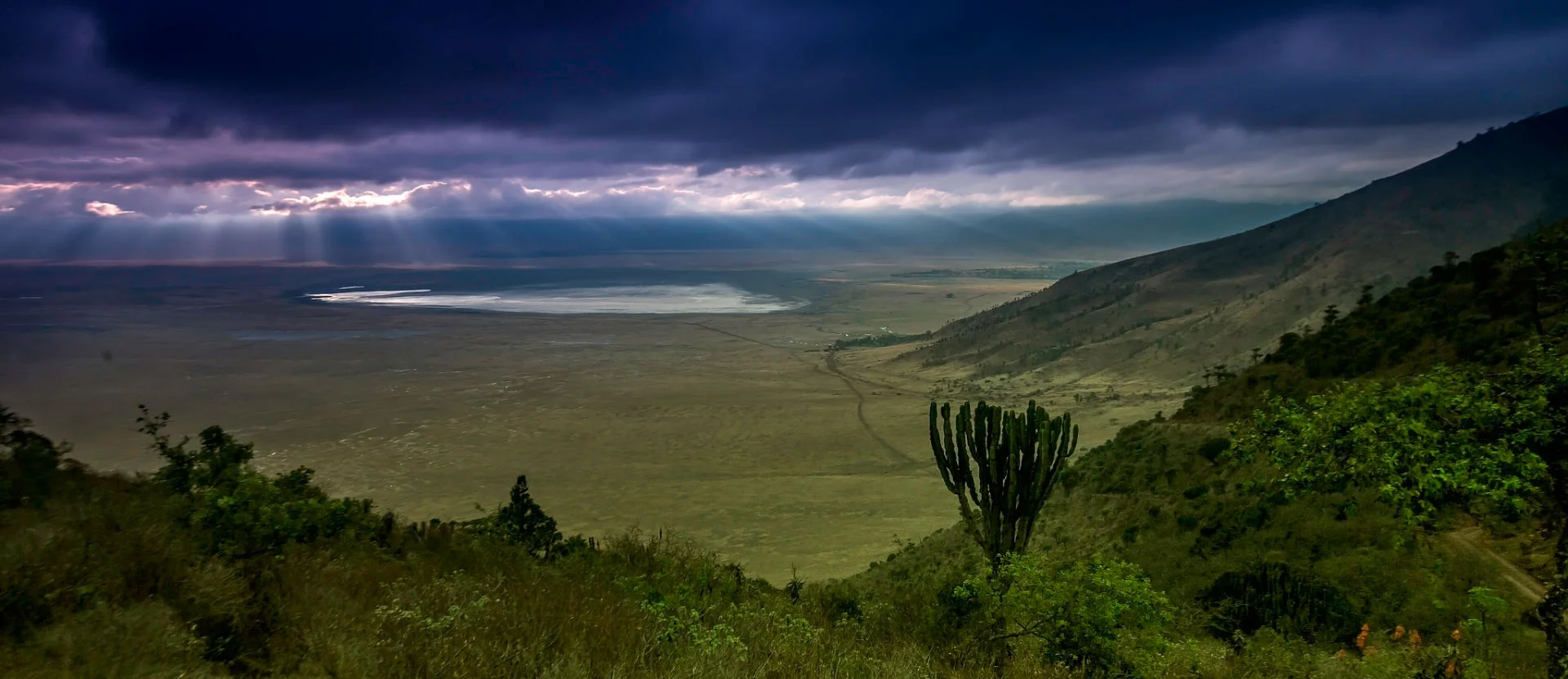
Good Tanzania travel tips help you turn a long wish list into a trip that feels calm and rewarding. Start with a few useful facts, check the current entry rules, and choose a route with enough time for each place. Then leave space for the wildlife, people, and landscapes you came to enjoy.
Tanzania can bring together a private safari, a mountain journey, a cultural visit, and time by the Indian Ocean. Each part needs its own pace and planning. A light bag for a small aircraft, a warm layer for a cool game drive, and a clear airport transfer plan can all make a real difference.
This guide covers Tanzania facts, useful planning advice, sample packages, and common questions. Travel requirement details was checked on 1 November 2026. Use the linked official sources again before departure, since entry procedures and other rules can change.
Plan your Tanzania journey with TanzaLux Safaris and build a route around your interests and pace.
Tanzania travel tips: a quick fact sheet
Tanzania lies in East Africa, with an Indian Ocean coast and a varied mainland interior. Zanzibar is part of the same country. The union of Tanganyika and Zanzibar took place on 26 April 1964, as described by Tanzania's embassy country overview.
Capital: Dodoma.
Major commercial city: Dar es Salaam, on the mainland coast.
Currency: Tanzanian shilling, written as TZS.
Time zone: East Africa Time, UTC+3.
Language: Kiswahili is widely used; English is common in tourism, with ability varying between people.
Highest point: Uhuru Peak on Kilimanjaro, at 5,895 metres.
Trip styles: wildlife safaris, mountain treks, cultural outings, coastal stays, and combinations of these.
Do not treat the country as one climate or one type of holiday. A forest trail, a high camp, a crater rim, and a beach can feel very different. Useful Tanzania travel tips start with the actual places and activities in your route.
Choose a route before filling every day
Tanzania safari planning works best when you connect places sensibly. The number of parks matters less than the time you have to enjoy them. Ask for daily drive times and the location of each overnight stop, not just a list of destinations.
The Northern Circuit
Arusha is a common base for northern journeys. Tarangire, Lake Manyara, the Ngorongoro area, and Serengeti can form a varied route. They are separate places with different access plans, so a visit to one does not mean that all are close by.
For Serengeti, the location of the camp matters. A property may be within the wider park but far from the area you want to explore. Discuss the season, wildlife interests, and driving time before choosing lodging by its name or photos alone.
Southern parks and the coast
Southern safari routes can offer a different pace and set of landscapes. Parks such as Nyerere and Ruaha need their own transport plan. A flight may be useful, but its timetable, stops, luggage limits, and costs must be confirmed.
For a Tanzania and Zanzibar holiday, protect time at the coast. Allow for airport transfers and flight connections rather than calling a travel day a full beach day. These simple Tanzania travel tips help the route match what you will actually experience.
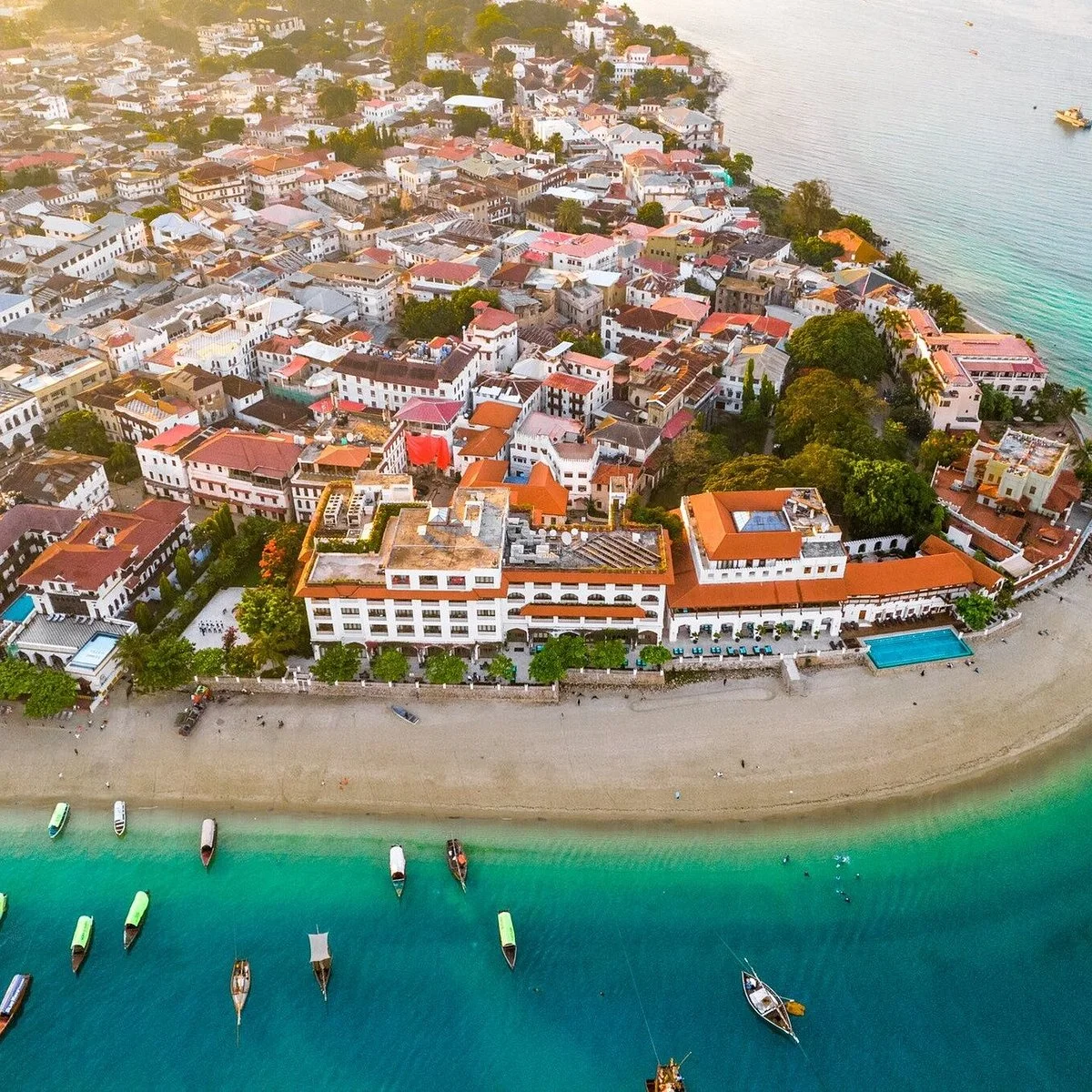
Leave time for town visits, transfers, and a relaxed stay by the sea.
What is the best time to visit Tanzania?
The best time to visit Tanzania depends on your route and goals. June to October is often a drier period for many northern safari areas. Wetter months can bring green scenery and changing road conditions. Rainfall patterns vary by region and year.
The Tarangire visitor guide highlights the dry-season demand for lodging and the need to account for wet conditions. Ask about the specific parks and camps in your plan. A broad national weather label is not enough to choose every part of a trip.
Plan migration travel by location
The Great Migration moves through a large ecosystem. Rain and grazing affect where the herds are. A calendar can guide planning, but it cannot promise a river crossing, a birth, or a particular sighting on a chosen day.
Use Tanzania travel tips about seasons to start a chat with your planner. Explain whether you want herds, birds, a quieter camp, or a beach stay. Then compare dates, camp positions, and the comfort of the route as a whole.
Tanzania entry requirements: passports, visas, and insurance
Check Tanzania entry rules for your passport, purpose of visit, and full route. The official Immigration visa guidelines are the right starting point. They require visa applicants to have at least six months of passport validity and at least one unused visa page.
Your passport and the purpose of your trip affect the visa you need. Check if you need a visa and how to get it. Some travellers need approval before they can travel. US tourists have different visa-category instructions from many other visitors. Do not assume that one friend's entry process applies to you.
Use the official application route and allow enough time for the correct process. Keep your return or onward travel details and lodging details ready. A visa grant does not replace the checks made by immigration at the border.
Understand the first-entry insurance rule
Mandatory inbound insurance now applies to eligible foreign visitors arriving on the mainland as well as Zanzibar. The ZIC clarification of 7 October 2026 explains that the provider is determined by your first entry point:
Mainland first: use the NIC inbound insurance portal.
Zanzibar first: use the ZIC Zanzibar inbound portal.
Visiting both: the notice says a valid applicable policy does not require a duplicate purchase merely because the journey includes both.
Keep the certificate and QR code available offline. Exemptions and terms differ, including for qualifying EAC and SADC travellers. Check your status with the provider. The NIC FAQ lists a price equivalent to USD 44 per person and cover of up to 92 days, based on the certificate dates.
Required cover may not meet all your needs. Check what it pays for, which trips it covers, and how it treats health conditions. Review your own insurance too. For mountain trips, check the route, maximum height, evacuation, and medical terms in writing. Current Tanzania travel tips should make this distinction clear.
Health planning for a safari and island stay
Arrange travel-health advice early and bring the full route, including airport transit points. Ask about routine vaccines, malaria prevention, food and water care, and any health needs that affect remote travel. Different guests may need different advice.
The CDC's Tanzania guidance identifies malaria risk and explains that yellow fever entry rules depend on where you are arriving from and certain transit histories. The certificate is not a universal requirement for every direct arrival. Ask your clinician to review the actual flight route.
The UK government's current entry page also lists health screening and a traveller health surveillance form. Check the latest instructions before travel and allow time for arrival checks. Nationality-specific rules still need confirmation with Tanzanian authorities.
Keep daily wellbeing simple
Carry prescribed medicine in a suitable supply and keep key items in hand luggage, subject to airline rules. Use sun protection, follow bite-prevention advice, and discuss the source of drinking water with your lodge. Choose food with care throughout the trip.
If you develop fever during travel or after returning, seek prompt medical care and explain your travel history. A luxury lodge does not remove malaria risk. For high-altitude treks, fitness does not prevent altitude illness; arrange separate altitude advice and a suitable ascent plan.
Useful Tanzania travel tips should support your clinician's plan. They cannot choose a medicine or vaccination schedule for you. Tell the planning team about support needs early enough to check what is available at each stop.
Tanzania travel tips for money and payments
Carry some Tanzanian shillings for smaller purchases and ask each provider how it accepts payment. Cards can be useful, but machines, connections, and cash access vary. Do not make a remote camp or a small shop your only place to solve a payment problem.
The Bank of Tanzania's June 2025 clarification says transactions between residents and non-residents, including tourists, may use foreign currency. This followed earlier currency restrictions, so avoid blanket claims that every tourist payment must be in one currency. Check the quoted currency, accepted method, exchange rate, and fees before paying.
Exchange money through banks or licensed bureaux and keep receipts. Avoid changing cash through an unverified person. Rates move, so use a current rate rather than an old blog conversion when preparing your spending plan.
Read the inclusions before comparing prices
Are park visits and the relevant entry or activity fees included?
Which hotel nights, meals, and drinks are covered?
Are airport transfers and domestic flights listed?
Is the road vehicle private to your party?
Which optional activities and tips are outside the price?
What are the change and cancellation terms?
Budget for extras you actually want, plus a sensible reserve. Tips should be discussed in the team's guidance and handled clearly. These Tanzania travel tips make a quote easier to assess without reducing the decision to its headline price.
Tanzania travel tips for flights and luggage
Check the airport code on every ticket and transfer. Kilimanjaro International Airport and Arusha Airport are different airports. A change between airports requires a road transfer and enough time; it is not a simple walk between terminals.
Safari flights within the country may make stops. They may also limit a bag's size, shape, and weight. Read the rules for each operating carrier. Do not assume your international luggage allowance applies to a light aircraft.
Keep the first day light
Know where you will meet your driver before you fly. Save the name, phone number, and pickup point on your phone. Check the plan for a late flight. Keep a warm layer and a change of clothes close at hand in case your main bag is delayed.
At the hotel, check the next day's start time before you settle in. Put your day bag, shoes, hat, and camera in one place. Ask when breakfast is served and what you need for the drive. A short check now can make an early start feel much easier.
For the flight home, work back from check-in time. Leave room for the drive, stops, and delays on the route. Keep your passport and ticket easy to reach. If the plan looks tight, ask for an extra night rather than hoping each part will run on time.
Pack around the actual journey
Ask which bag is suitable, what can be stored during the safari, and where you will collect it. Check plans for camera gear or mobility equipment before booking. A spare night may be more comfortable than a tight connection between separate tickets.
On road days, carry the items you need within reach and ask for suitable breaks. Some transfers take much of a day. A few nights in one base can give you more time to enjoy the place and less time packing.
Tanzania travel tips about transport are most useful when attached to your own route. Ask the planner to show long drives, flights, and rest days clearly in the proposal.
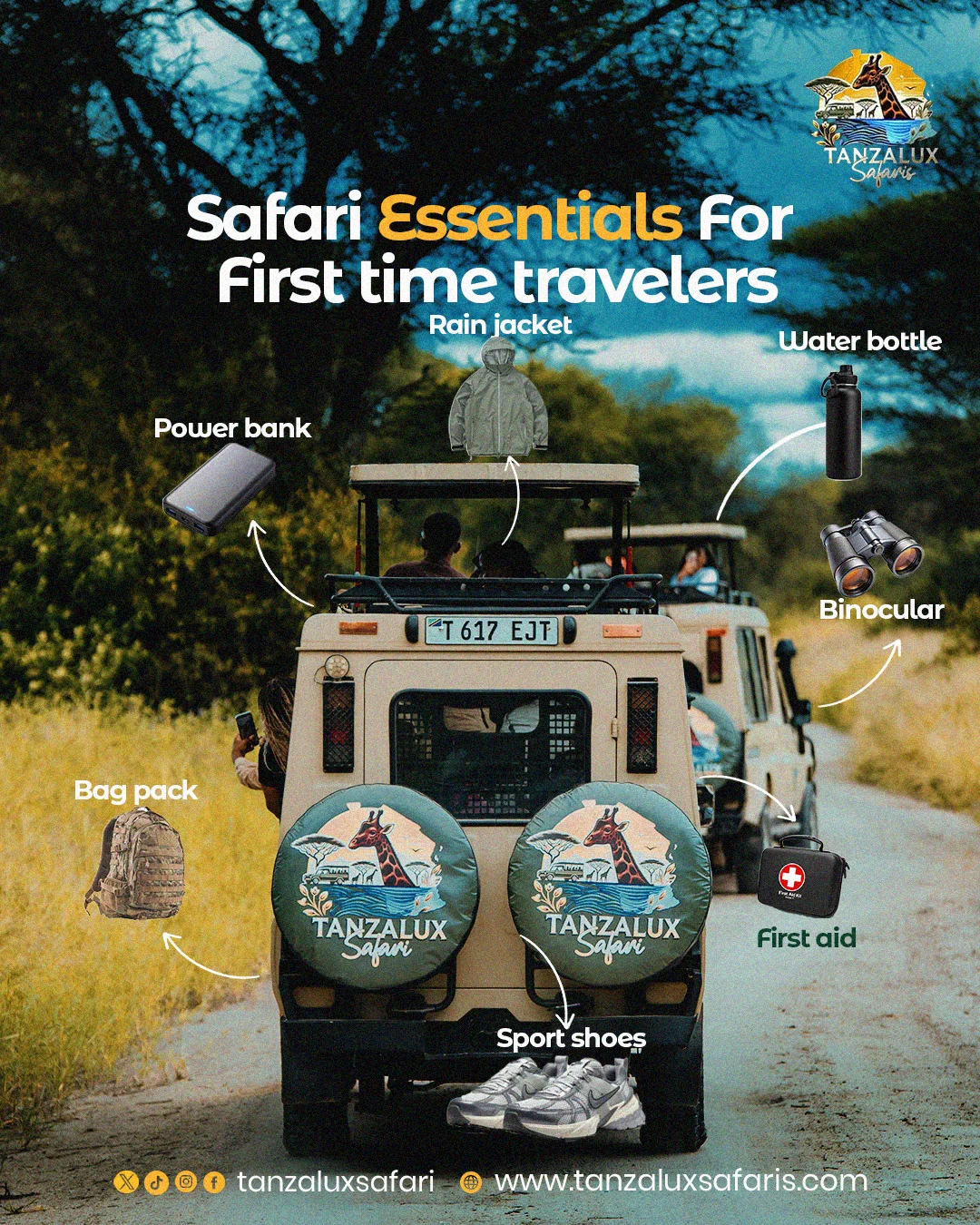
A useful Tanzania safari packing list
Choose light, useful layers and avoid packing for every possible occasion. Early drives and highland nights can be cool, while the coast can be warm and humid. Ask about laundry and water availability before relying on them.
Clothing: comfortable shirts and trousers, a warm layer, and suitable rain protection.
Footwear: comfortable closed shoes for the planned activities, with separate beach footwear if needed.
Sun and insects: hat, sunscreen, sunglasses, and clinician-recommended bite protection.
Viewing: binoculars, camera or phone, spare storage, and charging items.
Own kit: key medicine, toiletries, and a small day bag.
Documents: passport, visas where needed, insurance proof, tickets, and emergency contacts.
This Tanzania safari packing list is a starting point. Kilimanjaro needs a separate mountain kit plan. A beach stay has different needs from a guided walk, and each activity may have its own rules.
Power and connectivity
Tanzania's supply is generally 230 volts at 50 hertz, with Type G and some Type D outlets, as listed in Bel's electrical guide. Check the lodge and your device ratings. A plug adapter does not change voltage.
Ask how and when you can charge devices at camp. Internet and mobile coverage can be limited away from towns. Download tickets, insurance proof, maps, and useful Tanzania travel tips before you need them.
Tanzania travel tips for culture and wildlife
A warm greeting and a little patience go a long way. Kiswahili is a useful language to begin with. You can learn a greeting and “asante” for thank you, while letting your guide help with longer exchanges.
Dress with the setting in mind, especially in towns, villages, religious places, and hosted visits. Ask before making close photos of people. A guided visit does not automatically grant consent to enter a home or take a portrait.
Let the wildlife set the pace
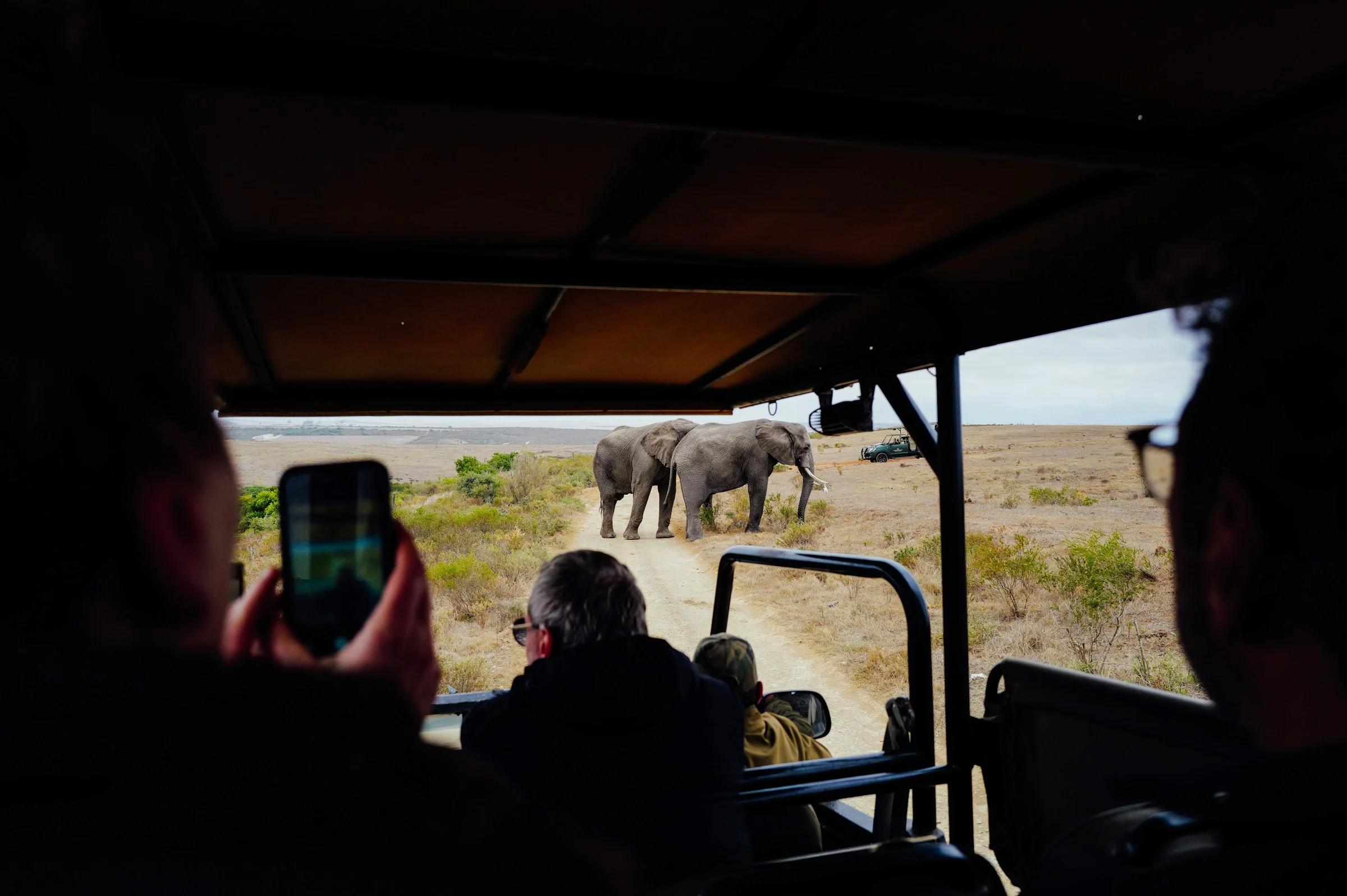
Follow guide and ranger instructions, keep a respectful distance, and stay in the vehicle except where an activity or location permits otherwise. Do not feed animals, block their route, or ask for an unsafe approach to improve a photo.
The Serengeti park rules explain the importance of tracks and care for wildlife and the landscape. Leave natural objects where they belong. Ask about permissions before bringing a drone or arranging unusual filming.
Some of the best Tanzania travel tips are simple: listen, slow down, and let the experience unfold. Wildlife sightings depend on nature. A private vehicle gives flexibility within the rules, not control over animals or the weather.
Safety and advice to check before departure
Review your government's current travel advice for the actual regions and your own circumstances. As checked on 1 November 2026, the US advisory issued on 16 October 2026 lists Tanzania at Level 2, exercise increased caution, with higher advice for the Mtwara region. Read the regional detail rather than treating a national label as a guarantee.
Arrange reliable transfers, keep valuables discreet, and ask your hotel about the area before walking out. Follow local laws, avoid demonstrations, and keep a copy of your key contacts offline. Do not leave bags unattended while taking photos or paying for a purchase.
For water-based activities, use an appropriate operator and check conditions and safety plans. For mountain travel, discuss altitude and emergency support separately. Tanzania travel tips should reflect the activity as well as the destination.
Sample safari packages to tailor with TanzaLux
These sample routes put the Tanzania travel tips above into practice. They are not fixed departures or guarantees of availability. Lodges, fees, transport, meals, flights, and optional activities need confirmation in your written quote.
5-day Northern Tanzania Introduction
Day 1: Arrive and settle into an Arusha hotel.
Day 2: Visit Tarangire, then continue to a Karatu-area base.
Day 3: Take a planned Lake Manyara outing or enjoy a gentler highlands day.
Day 4: Explore Ngorongoro Crater, then return to Arusha.
Day 5: Transfer for departure or an onward stay.
This route suits a shorter trip without forcing in a distant park. Ask which version of day three best fits your interests and drive time. Keep the last night in Arusha for a simpler departure day.
Tailor a five-day northern safari with the parks and pace that suit you.
8-day Northern Circuit and Serengeti Safari
Day 1: Arrive in Arusha.
Day 2: Explore Tarangire and stay in or near the park.
Day 3: Enjoy more wildlife viewing, then continue to Karatu.
Day 4: Travel through the highlands to a central Serengeti base.
Days 5–6: Explore from the same camp on game drives.
Day 7: Return towards the Ngorongoro highlands for the night.
Day 8: Take a planned crater drive and return to Arusha for an overnight stay.
Schedule departure for the next day. This route includes long transfers, so ask about extra nights or suitable flights if you prefer less road time. Camp position should fit the season and the wildlife you hope to see.
Plan an eight-day Northern Circuit journey with time to enjoy Serengeti.
12-day Tanzania Safari and Zanzibar Holiday
Day 1: Arrive in Arusha.
Day 2: Visit Tarangire and continue to Karatu for the night.
Day 3: Take a crater outing, with another highlands night.
Day 4: Travel to a suitable Serengeti base.
Days 5–6: Explore on game drives.
Day 7: Take a confirmed flight connection to Zanzibar and stay in Stone Town.
Day 8: Enjoy a guided town visit, then transfer to the coast.
Days 9–11: Relax, with optional activities arranged to suit you.
Day 12: Transfer for departure.
Check flight stops, baggage limits, and transfer times. Add a transit night if needed. A private road safari does not make scheduled flights, boats, or every island activity private.
Combine wildlife, Stone Town, and the coast in your own Tanzania and Zanzibar holiday.
Why travel with TanzaLux Safaris?
TanzaLux Safaris is Tanzanian-owned and based in Arusha. Its team plans around your interests, dates, pace, comfort, and budget. A local planning chat helps connect the places on your wish list with a route that works.
With a private road safari, your party has its own guide and vehicle. Discuss long stops, family needs, photography, or a slower pace before booking. Flexibility still operates within park rules, weather, and the agreed route.
Ask for a clear proposal showing the camps, transfers, park visits, inclusions, and exclusions. Share health, mobility, and dietary support needs through an appropriate private channel. These details help the team check suitable plans without making assumptions.
Use these Tanzania travel tips as the start of the chat. Good planning leaves more space to enjoy the journey, whether that means watching a quiet herd, meeting a host, or taking a slow morning by the sea.
Contact TanzaLux Safaris for a tailored route and a clear quote.
Frequently asked questions
1. Where is Tanzania?
Tanzania is in East Africa, with an Indian Ocean coast. Zanzibar is part of the country. A journey may combine the mainland and islands, but transport, activities, and some entry plans still need careful planning.
2. What is Tanzania's capital?
Dodoma is the capital. Dar es Salaam is a major commercial city on the coast. Arusha is a common starting point for northern safaris, so choose flights around your route rather than the capital alone.
3. Which language is useful for visitors?
Kiswahili is widely used, and English is common in tourism. Ability varies between people and places. Check the language of your booked guides, and learn a greeting and a few polite words before you travel.
4. What are the most useful Tanzania travel tips for a first visit?
Check entry rules, choose a realistic route, check inclusions, and pack for your activities. Keep important documents offline and leave time around flights. A few longer stays can feel more rewarding than a rushed list of parks.
5. When should I plan a Tanzania safari?
Use Tanzania travel tips about seasons as a starting point, then choose dates for the parks and experience you want. Drier northern periods and greener months have different advantages. Discuss rainfall, camp location, road conditions, and crowd preferences rather than assuming one month is best for every route.
6. Can a migration crossing be guaranteed?
No. Herds move with conditions, and crossings happen on the animals' timing. A suitable base and enough time can support the wider wildlife experience. Build a trip you will value even without that one event.
7. Do all visitors need the same visa?
No. Nationality, purpose, and other circumstances affect the process. Use official Immigration guidance for exemptions, categories, and referral rules. Do not assume visa on arrival is available to everyone.
8. How much passport validity is needed?
Official Immigration guidance requires visa applicants to have at least six months of passport validity and one unused visa page. Check entry and transit rules for your route before travel, especially if your passport is close to expiry.
9. Do I need inbound travel insurance for the mainland?
Eligible foreign visitors are covered by the requirement introduced from 1 October 2026. Mainland-first arrivals use NIC, subject to applicable exemptions. Check the official provider's current guidance and keep the certificate and QR code available.
10. Must I buy two inbound policies for a bush-and-beach trip?
The 7 October 2026 ZIC clarification says a valid applicable policy does not need duplicating merely because the same journey includes the mainland and Zanzibar. First entry determines the provider. Check terms, dates, and exemption status before travel.
11. Is a yellow fever certificate always required?
No. Rules depend on arrival from risk countries and certain transit histories. Have a travel-health professional review the full flight route. Keep required records ready and recheck official entry guidance before departure.
12. Should I seek malaria advice for a safari?
Yes. CDC identifies malaria risk in Tanzania. Discuss prevention with a clinician who knows your route and medical history. Use bite precautions and seek prompt medical care for fever during or after travel, explaining where you have been.
13. Which money should I carry?
Tanzanian shillings are useful for small purchases. Check how larger bills are quoted and paid. The Bank of Tanzania has clarified foreign-currency use for tourist transactions, so check the current arrangement with each provider rather than relying on a blanket rule.
14. Can I rely only on bank cards?
It is sensible to have another payment option. Card acceptance, connections, and cash access vary. Arrange spending money before remote stays and check fees and accepted methods with your provider.
15. What should I pack for safari?
Bring comfortable layers, a warm top, suitable shoes, sun protection, viewing equipment, and the personal items you need. Check flight bag rules and lodge laundry. A mountain trek needs a separate kit list from a standard game-drive safari.
16. Will my usual travel adapter work?
Check for Type G and any Type D needs with your lodging. Supply is generally 230 volts, 50 hertz. Check your device rating too, since changing the plug shape does not change the voltage.
17. Are domestic and international baggage allowances the same?
Not necessarily. Small-aircraft services may restrict weight, dimensions, and bag type. Read each carrier's rules and check storage for spare luggage. Camera or mobility equipment may need advance plans.
18. Can I take photos of people during cultural visits?
Ask first and respect a refusal. Check any host rules and agreed fees with your guide. Paying for a visit does not automatically grant permission for portraits or access to private spaces.
19. Is Tanzania completely risk-free?
No destination is. Review current regional advice, use reliable transport, protect valuables, and follow local and wildlife rules. The needs of a beach outing, a city visit, and a mountain trek differ, so plan for the actual activities.
20. Why use TanzaLux for Tanzania travel tips and planning?
The Arusha-based team can help turn your interests into a tailored route and explain the proposed services. Ask for a written quote and clear plans. Use official entry sources and advice from your clinician alongside that planning support.
Ready to start planning?
Tell us your dates and what you're after — no obligation.