5.0 Excellent

Beautiful Flowers of Tanzania to Look Out for on Your Trip
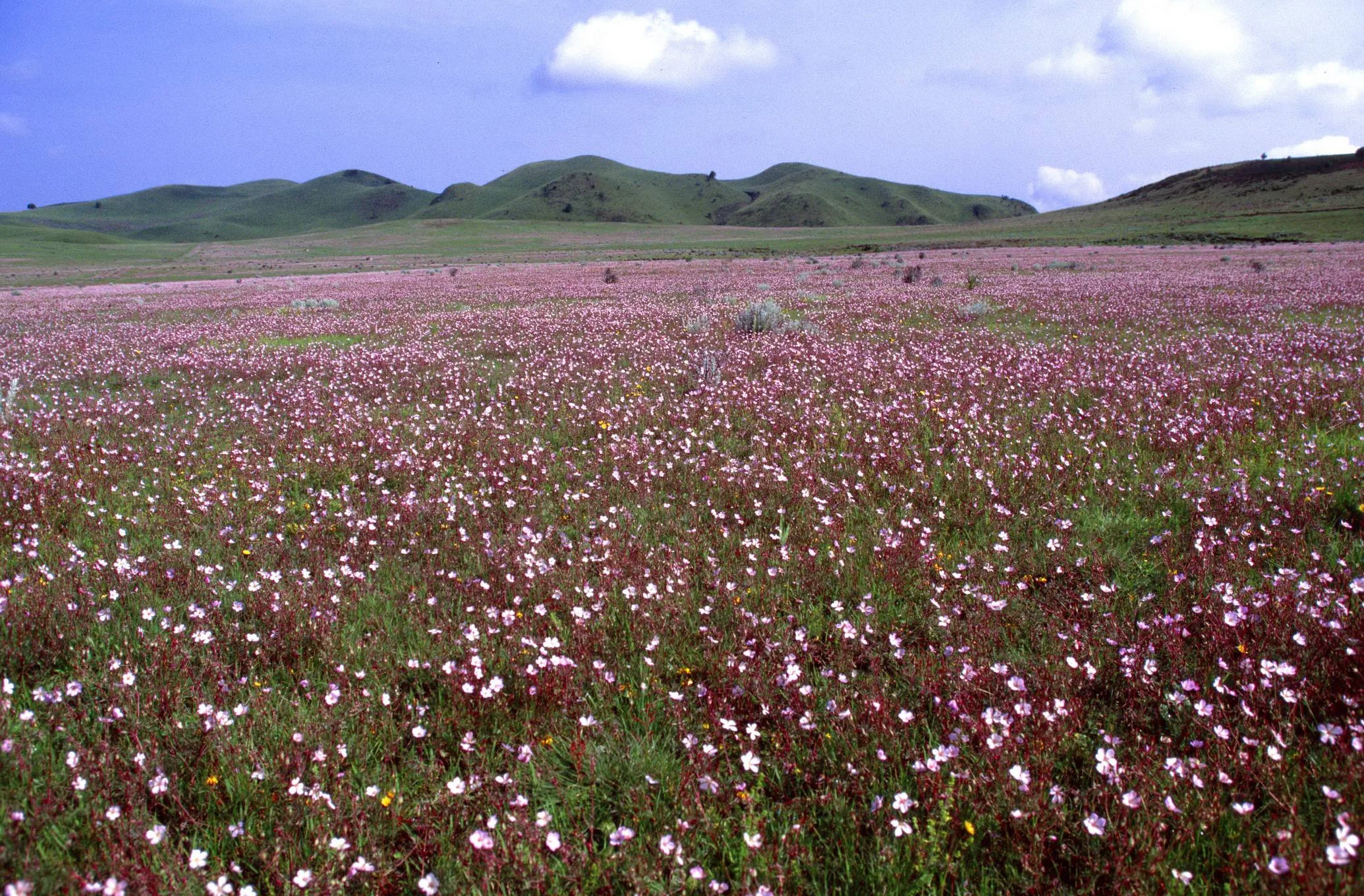
The flowers of Tanzania add a whole new layer to a safari. Look beyond the lions and broad plains. You may find bright blooms beside a forest path, orchid spikes in highland grass, or pink bracts above a lodge gate. These small details help tell the story of the land.
This guide to the flowers of Tanzania covers wild plants and flowers grown in gardens. It explains what to look for, where to plan your search, and how to fit flower stops into a luxury trip. You do not need to know plant names to enjoy the view. A curious eye and time to pause are a good start.
Some plants need a special route and a local expert. Others may greet you beside your room. Treat this list as inspiration, rather than a promise of blooms on a fixed date.
Ask TanzaLux Safaris to add flowers, gardens, and gentle nature walks to your trip.
A quick guide to the flowers of Tanzania
Start with the kind of trip you want. For wildflower meadows, consider the Southern Highlands. For small forest blooms, explore a suitable mountain trail. For garden flowers of Tanzania, leave time at your lodge or beach hotel.
Wildflower focus: Kitulo National Park, with a route built around local bloom reports.
Forest focus: Kilimanjaro foothills or the Usambara Mountains, with a suitable guide and access plan.
Easy garden focus: Arusha, Karatu, Moshi, and Zanzibar, depending on the property and its planting.
Photo focus: short walks, soft light, and enough time to wait for the wind to drop.
A Tanzania botanical tour can be a whole holiday or a small part of a safari. To enjoy the flowers of Tanzania, choose time to explore over a long list of stops. Choose one main region first. Trying to join Kitulo, the Usambaras, the Serengeti, and Zanzibar in a short week leaves little time to enjoy any of them.
Wild flowers of Tanzania to look out for
Wild plants grow where the soil, water, and climate suit them. A flower found in Tanzania may have a wide African range. Others have much smaller homes. A local name or bright colour alone will not prove the species.
1. Ground orchids: the jewels of Kitulo
Ground orchids grow from the soil, rather than on tree branches. Their flower spikes reward a slow walk and a close look. TANAPA records more than 40 ground orchid species at Kitulo. They do not all bloom at once, and they are not all found only in the park.
Plan a guided search with current advice on flowering and trail conditions. A broad meadow view and a close flower study tell two different stories. Leave roots and tubers untouched. TANAPA describes the park's orchid-rich grasslands in its Kitulo visitor brochure.
2. Red-hot pokers: bold spikes above the grass
Red-hot pokers belong to the genus Kniphofia. Dense clusters of small flowers form a spike on a tall stem. The common name can mislead: colours vary, and some species have yellow or greenish blooms.
Ask your guide to explain the plant's shape before trying to name it. Leaves and the whole flower spike can be as useful as colour. Southern Tanzania has native members of this group, as recorded in SANBI's regional plant checklist. A grassy setting makes a strong photo without needing to isolate every bloom.
3. Wild gladioli: graceful stems and bright throats
Gladioli bring a sculpted shape to a flower walk. Look for long, sword-like leaves and blooms set along an upright stem. Colours vary by species. Gladiolus dalenii, for example, can have orange or red flowers with a yellow throat.
Kitulo's official brochure records gladioli among its plants. Do not expect wild flowers to match the large hybrids sold by florists. The SANBI gladiolus profile explains their form. For your trip, ask for local timing rather than applying a South African flowering calendar to Tanzania.
4. African violets: a forest story behind a familiar houseplant
African violets have deep roots in Tanzania's plant heritage. You may know them as small houseplants with soft leaves. Wild relatives are part of East Africa's forest flora. Names once placed under Saintpaulia now also appear within Streptocarpus.
The East Usambaras are relevant to some of these plants. A USDA plant record confirms a native taxon there. Arrange a forest visit with a knowledgeable guide, but do not assume a sighting. The many colours of nursery hybrids are also no guide to what a wild population will look like.
5. Kilimanjaro impatiens: a small mountain highlight
Impatiens kilimanjari is a rewarding name to learn before a mountain forest walk. Its curved, colourful blooms invite a much closer look than a distant mountain view. A scientific World Flora Online record lists it as native to Tanzania.
Ask a mountain guide which permitted walk suits your time, fitness, and interest in plants. A summit climb is a different undertaking from a short forest outing. Route access and flower sightings need checking. For photos, stay on the path and use your lens to reach the detail.
6. Flame lily: petals that curl like fire
The flame lily, Gloriosa superba, has swept-back flower parts and a striking shape. Red and yellow forms are especially eye-catching. Its leaves can end in curling tendrils that help the plant climb. A BRIT herbarium specimen from Tanzania records a red-yellow plant in the Monduli area.
This is a flower to admire without handling or tasting. The plant is toxic if eaten. Keep children from picking it, and never copy a claimed plant remedy from a travel story. Enjoy its shape from a safe, permitted viewing spot.
7. Everlastings: small heads with lasting charm
Everlastings include plants in the genus Helichrysum. They add fine texture to a flower list, especially when you start to notice small flower heads and the leaves below them. Kew records Helichrysum newii as native to Tanzania and other countries in the region.
That record does not mean every pale bloom is the same species. Photograph the whole plant as well as a close detail. Let a guide or botanist check the name. The Kew species entry is useful for checking names after your trip.
8. Aloes: look above the leaves
Aloes are often noticed for their thick leaves first. Yet their flowers deserve just as much attention. Many bear tubular blooms in shades of red, orange, or yellow. Birds and insects may visit the flowers, so pause and watch before moving on.
Tanzania has native aloes, while gardens may also contain planted species. Do not label every plant as Aloe vera. Flower shape, leaves, and growth form all help with identification. SANBI's aloe guide explains this variety. Avoid breaking leaves or applying wild plant sap to your skin.
Garden flowers of Tanzania: colour near your lodge
The flowers of Tanzania also include plants grown far from their original homes. Lodge gardens and town streets can be lovely places to notice them. Their presence does not make them native, nor does a lush garden prove a hotel's wider green claims.
9. Bougainvillea: bright bracts around tiny flowers
Bougainvillea can spill over a wall in a wash of pink, purple, white, or orange. Look closer: the bold, papery parts are bracts, which are modified leaves. The true flowers are much smaller. This makes a simple garden stop a fun lesson in how plants work.
These South American ornamentals have been planted in Tanzania; Kew holds a Tanzanian specimen record. Check a lodge's current garden rather than assuming it has a specific plant. Mind the thorns when taking photos near paths or gates.
10. Hibiscus: a classic tropical garden bloom
Large hibiscus flowers can be a cheerful sight beside a terrace or garden path. Many forms have a prominent central column and soft, broad petals. Garden hybrids vary in colour and shape, so a red bloom alone is not enough to identify one.
The familiar Hibiscus × rosa-sinensis is a cultivated hybrid, listed by Kew as introduced into Tanzania. Keep that separate from native hibiscus species. Ask the gardener what is planted, and leave flowers in place for the next guest to enjoy.
11. Frangipani: soft petals and a sweet scent
Frangipani, or Plumeria, brings a different feel to a garden. Its waxy-looking blooms may be white, yellow, pink, or red, depending on the plant. Pause near a flowering tree to enjoy the scent without breaking a stem.
It is an introduced garden plant, rather than a symbol of native Tanzanian woodland. Exact species can be tricky to tell from colour alone. Singapore's NParks plant profile describes fragrant flowers and irritating milky sap. Ask hotel staff which garden paths are open to guests.
12. Jacaranda: a purple canopy in town
A flowering jacaranda can turn a street view into a sweep of mauve-blue. Its fine leaves and bell-like flowers make it easy to enjoy from below. It is native to South America and planted in Tanzanian towns, including Morogoro, as described in Useful Trees and Shrubs for Tanzania.
Avoid planning your whole holiday around one fixed bloom week. Local weather and the tree itself affect the display. If a tree is in flower during your stay, enjoy it from a safe footpath. Never stop in traffic for a photo.
When is the best time to see Tanzania wildflowers?
There is no single peak month for all the flowers of Tanzania. Rain, height above sea level, local habitat, and the plant species all matter. A coastal garden and a highland meadow can be in very different stages on the same day.
For Kitulo, TANAPA describes a broad flowering season from late November to April. Treat that as a planning window. Rain can shift the display, and different flowers reach their best at different times. Ask for recent local reports before choosing travel dates.
To see the flowers of Tanzania on a northern safari, choose your wildlife route first unless plants are your main goal. Then add suitable garden visits and permitted walks. You can still enjoy plants on a dry-season trip, but should not expect a wet-season meadow display.
On Zanzibar, garden blooms depend on the property, weather, and care. A hotel's garden list is more useful than a promise that every tropical flower blooms all year. For a special interest, ask staff what is in flower close to your stay.
Share your travel dates and favourite flowers so TanzaLux can help shape a realistic route.
Where to enjoy the flowers of Tanzania on a luxury trip
Kitulo and the Southern Highlands
Choose this area when wildflowers are a major reason for your holiday. Allow time to reach the plateau, settle in, and walk on more than one day. Wet weather can slow travel and change trail plans. Check lodging standards before booking: a remote flower region may have a simpler range than a major safari hub.
Kilimanjaro foothills and the Usambaras
These are separate areas, not one quick outing from Arusha. A foothill stay can fit beside a northern safari. The Usambaras need their own travel time and forest plan. For rare plants, ask about a local botanical guide in advance. A general safari guide may not be able to name every flower.
Arusha, Karatu, and Zanzibar gardens
Gardens are an easy way to slow the pace of a busy itinerary. Ask for a short walk before breakfast or in the late afternoon. A well-chosen property may offer more flower time than another long road transfer. Garden planting varies, so request recent photos if it matters to your choice.
How to photograph the flowers of Tanzania
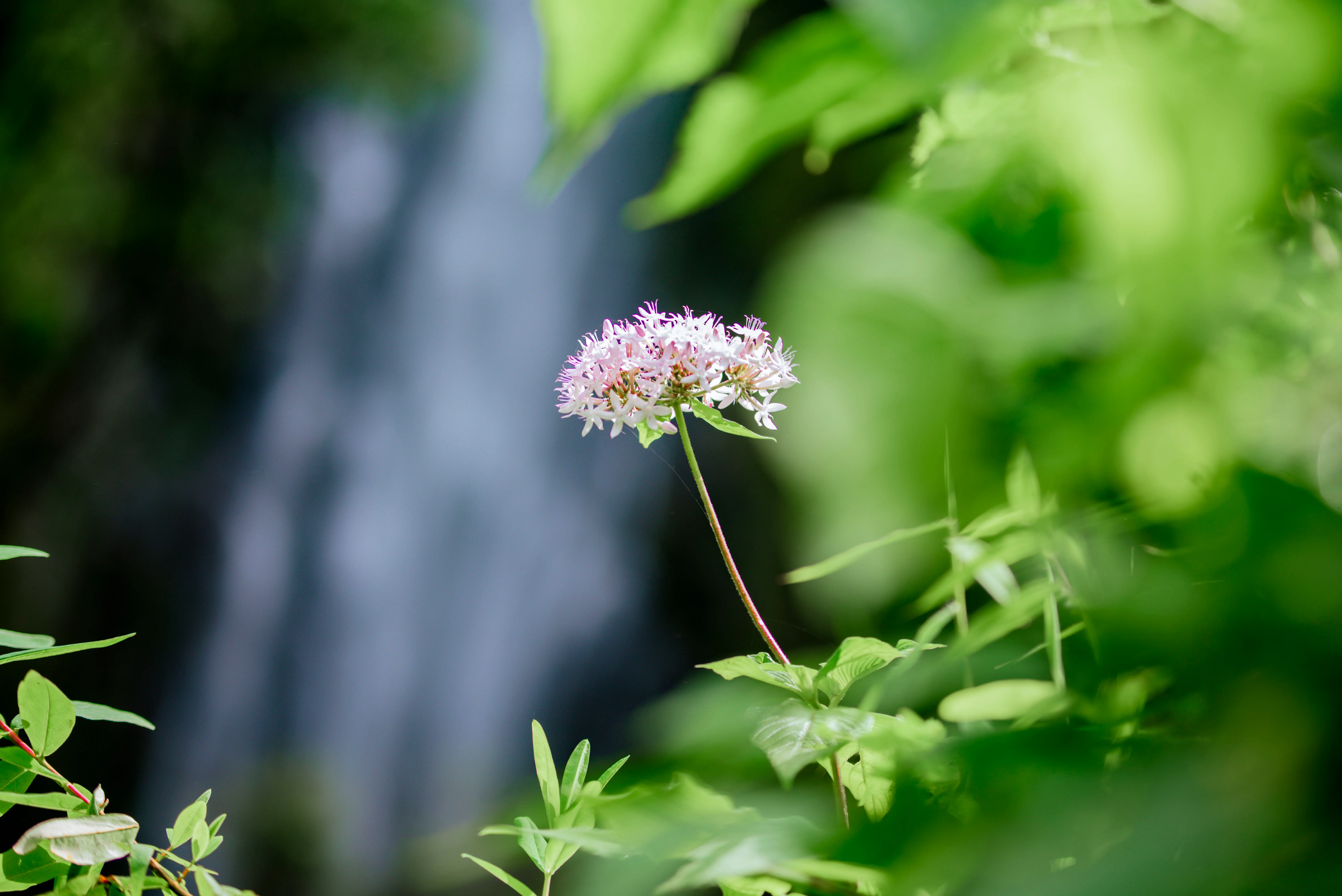
Small blooms reward a closer look. Photograph the leaves and stem as well as the flowers.
A phone can capture a lovely flower photo. Begin with the whole scene, then move to the bloom, leaf, and stem. Those extra views also help with names later. Keep your camera parallel to the flower when you want more of it in focus.
Use soft morning light or bright cloud cover when possible.
Tap the flower on your phone screen to set focus.
Wait for a lull in the wind instead of holding the stem.
Keep a plain background behind small blooms.
Carry a rain cover and a spare battery for longer walks.
Stay on permitted paths, even when the best angle seems just beyond them.
In wildlife areas, remain in the vehicle unless your guide says a stop is allowed and safe. A flower photo never justifies stepping into the bush on your own. On a guided walk, let the guide choose where the group can pause.
Enjoy flowers while helping to protect them
Keep the flowers of Tanzania in the places where they grow. Do not pick blooms, dig up bulbs, collect seeds, or remove orchid tubers. Stay out of soft meadow patches and avoid clearing leaves to improve a photo. Small changes can damage a plant's home.
Do not buy wild-collected plants as souvenirs. Plant trade, protected-area rules, and border controls can apply. A photo or sketch is a much simpler keepsake. Avoid publishing exact locations of sensitive plants when a local expert advises against it.
Wear closed shoes with good grip on walks. Pack a light rain layer, sun protection, and drinking water. Tell your planner about mobility needs before choosing a trail. Never taste a flower, leaf, or fruit because an app gives it a familiar name.
Sample packages inspired by flowers, wildlife, and the coast
These proposed routes blend the flowers of Tanzania with other trip interests. Customise them with TanzaLux Safaris. They are not fixed departures or confirmed botanical tours. Dates, guide skills, permits, flights, room choices, and current access need checking. No package guarantees a flower species or a bloom display.
Sample package: 8-day Northern Safari and Garden Escape
Best for: a first safari with small, relaxed flower stops.
Day 1: Arrive in Arusha and rest at a lodge with garden space.
Day 2: Enjoy a planned garden visit or suitable foothill walk, with access confirmed.
Day 3: Travel to Tarangire for a game drive, then stay near the park.
Day 4: Continue to Karatu, with time for the lodge grounds.
Days 5–6: Explore the Serengeti on game drives.
Day 7: Travel toward the Ngorongoro highlands and rest.
Day 8: Make a crater visit, then return to Arusha.
Stay in Arusha after the final drive if your flight timing needs it. This route offers garden interest and wildlife, rather than a specialist search for rare forest flowers.
Explore private safari options and ask to tailor this northern route.
Sample package: 7-day Kitulo Wildflower Journey
Best for: guests who want flowers to lead the holiday.
Day 1: Arrive in Dar es Salaam and stay overnight.
Day 2: Fly toward Mbeya via Songwe, subject to the schedule, and transfer to your chosen base.
Day 3: Settle into the area and take a short outing if conditions allow.
Days 4–5: Plan guided Kitulo walks, with flexible targets and weather time.
Day 6: Return toward Mbeya and stay near your next departure point.
Day 7: Fly onward, with a suitable gap before any international connection.
Ask TanzaLux to confirm whether it can arrange a local plant specialist and suitable ground support. Review each hotel's room, meals, road access, and facilities. Do not assume the same lodge choice as the Serengeti.
Request a feasibility check and a personal quote for a Kitulo flower trip.
Sample package: 12-day Luxury Safari and Zanzibar Gardens
Best for: wildlife lovers who also enjoy tropical gardens and beach time.
Day 1: Arrive in Arusha.
Day 2: Visit Tarangire and stay near the park.
Day 3: Continue to Karatu and enjoy a relaxed afternoon.
Day 4: Visit Ngorongoro Crater and return to Karatu.
Days 5–7: Travel to and explore the Serengeti.
Day 8: Fly to Zanzibar if a suitable service operates; transfer to your hotel.
Days 9–11: Enjoy one beach base, garden time, and a planned cultural outing.
Day 12: Transfer to the airport for departure.
A spice-farm visit can add context on useful plants, but flowering depends on the crop and season. Domestic flights may have stops or luggage limits. Add a transit night if the available schedule needs one.
Build a safari and Zanzibar holiday with time for gardens and quiet walks.
Why travel with TanzaLux Safaris?
TanzaLux Safaris is Tanzanian-owned and based in Arusha. Its local team plans trips around your dates, pace, budget, and interests. That is useful when you want a luxury safari in Tanzania with time to notice more than big game.
A private road safari gives you your own guide and vehicle. Within park rules and the day's travel needs, you can discuss extra photo time and quieter stops. Tell the planner how much walking you enjoy and whether flowers are a casual interest or the main purpose.
For specialist botany, request the right expertise before paying. Ask who will guide each walk, what permits are needed, and how a wet day would change the plan. A clear quote should state the rooms, meals, transfers, fees, and activities included. Confirm extra costs and any flight limits too.
The flowers of Tanzania are best enjoyed at an unhurried pace. Pick a route that leaves time to stop, look, and learn. A small bloom beside the path can become as memorable as a wide savanna view.
Plan your Tanzania trip with TanzaLux Safaris and make space for the small wonders.
Frequently asked questions
1. What are some beautiful flowers of Tanzania?
Look out for ground orchids, wild gladioli, red-hot pokers, African violets, flame lilies, aloes, and everlastings. Garden plants may include bougainvillea, hibiscus, frangipani, and jacaranda. Your route and travel dates affect which flowers of Tanzania you see.
2. Where is the best place to plan a wildflower trip?
Kitulo National Park is a strong starting point for a trip focused on highland flowers. Check recent bloom reports and allow time for guided walks. It needs its own travel plan, rather than a rushed stop on a northern safari.
3. When do flowers bloom in Kitulo?
TANAPA gives a broad season from late November to April. Different plants flower at different times within that window. Rain and local conditions can shift the display, so check close to departure.
4. Can I see wildflowers during a safari?
Yes, you may notice blooms from your vehicle or on an arranged walk. Stay in the vehicle unless your guide confirms that leaving it is permitted and safe. A flower stop must fit park rules.
5. Are all the flowers in this guide native to Tanzania?
No. The list includes native wild plants and introduced garden plants. Bougainvillea, jacaranda, and familiar garden hibiscus are examples of planted ornamentals. Finding a flower in a country does not prove it originated there.
6. Can I see African violets in the wild?
A guided forest visit in a suitable area may offer a chance. Some wild relatives occur in the Usambaras. Sightings need local knowledge and are never assured. Do not expect the colours and shapes of nursery hybrids.
7. Are all Kitulo orchids unique to the park?
No. The park has a rich range of ground orchids, but the total includes plants with different ranges. Some are much more restricted than others. Do not treat the full species count as a count of plants found only there.
8. Can I pick wild flowers?
Leave wild blooms where they grow. Picking flowers, removing seeds, or digging roots can harm plants and breach local rules. Take photos and ask a guide before handling any plant.
9. Can I buy wild orchids to take home?
Avoid buying wild-collected orchids or tubers. Protected species and plant trade may be subject to strict controls. Border and plant-health rules also apply. Choose a photo or locally made craft instead.
10. Is flame lily safe to touch or eat?
Do not taste it or let children handle it. Flame lily is toxic if eaten. View it without picking or breaking the plant, and seek prompt medical help if someone swallows any part.
11. Is bougainvillea's bright colour made by petals?
The showy papery parts are bracts, which are modified leaves. Tiny true flowers sit within them. This is a lovely detail to notice during a garden walk.
12. Can I see flowers in Zanzibar?
Yes, gardens can add colour to a Zanzibar stay. Planting varies between hotels, and blooms depend on local conditions. Ask your chosen property what is in flower rather than relying on a fixed island-wide calendar.
13. Do I need a plant specialist?
For casual garden viewing, a helpful host or guide may be enough. For rare plants or precise names, request a local botanical specialist. Confirm that person is available for your dates and route.
14. How difficult are flower walks?
They range from a short lodge stroll to muddy trails and uphill forest walks. Ask about distance, slope, ground conditions, and rest stops. Share any mobility needs before booking.
15. What should I wear on a flower walk?
Choose closed shoes with grip, light layers, and sun protection. Bring a rain layer for wet or highland routes. Your guide can advise on the exact trail and weather.
16. Can I photograph the flowers of Tanzania with a phone?
Yes. Use soft light, tap to focus, and avoid moving too close for the lens. Take a wide view as well as a detail. Do not bend stems or step off the path for a better angle.
17. Can I combine Kitulo with the Serengeti?
Yes, with enough time and a carefully checked flight or road plan. They lie in different parts of Tanzania. Allow for transfers and transit nights instead of treating them as neighbouring parks.
18. Can children enjoy the flowers of Tanzania?
Short garden walks can suit many families. Match the outing to each child's age, interest, and walking ability. Supervise closely around thorns, sap, and toxic plants. Teach children to look without picking.
19. Are specialist guides and flower visits included in a safari price?
Only when the written quote says so. Check guide fees, permits, extra transfers, meals, and each planned visit. A private safari vehicle does not automatically include specialist botany or private flights.
20. How can TanzaLux help plan a flower-focused trip?
Share your dates, budget, pace, and the flowers or regions that interest you. Ask TanzaLux to confirm route access, suitable lodging, and local guide availability. Build flexible plans around likely blooms, with no promise of a specific sighting.


Ready to start planning?
Tell us your dates and what you're after — no obligation.