5.0 Excellent

East Africa Travel Health Guide: Understanding Entry Screenings, Vaccinations, and Safari Wellness
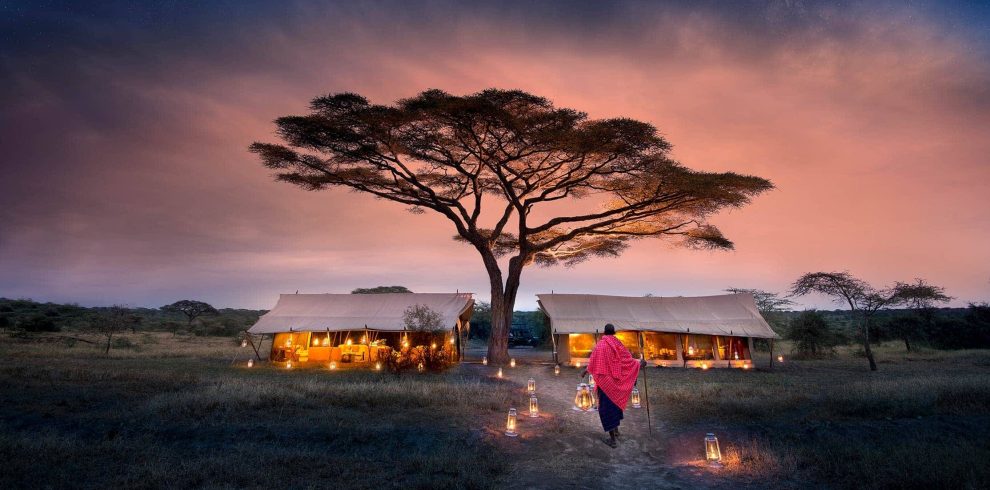
East Africa travel health starts with a few clear checks. Know the rules for each border, ask a doctor about your own needs and leave time to rest. Good planning helps you arrive with the right papers and enjoy the bush with more peace of mind.
Facts checked: 25 October 2026. This guide covers Tanzania, Kenya, Uganda and Rwanda, four common stops on safari routes. It is not a complete list of every country in East Africa. Rules can change, so use the dated sources below and check again before you book and fly.
Health checks, vaccine rules and day-to-day care each have a role. A visa does not replace a health form. A vaccine record does not replace safe food or bite protection. This is general trip advice; your doctor should advise on vaccines, medicines and any health needs specific to you.
East Africa travel health: the checks to make first
Write down the full route before you look at vaccine lists. Include each flight stop, land border and overnight stay. Note whether you stay in an airport or pass through immigration. The order of your trip can affect the rules at the next border.
Then make a short list for each person. Add age, past vaccine records, prescribed medicines and any help needed on the journey. Take the list to a travel clinic. Do not assume that two people on the same safari will need the same medical advice.
Entry: which health records or forms does each country ask for?
Protection: which vaccines and malaria steps fit your route?
Travel: do transit and return-home rules add more checks?
Daily care: how will you manage water, heat, sleep and medicines?
Help: whom will you call if you feel ill or plans change?
Required vaccines and recommended vaccines are different
East Africa vaccinations fall into two broad groups. A country may require proof of a vaccine for entry, often based on where you have been. A doctor may also recommend a vaccine to protect you, even when border staff do not ask for it. These are separate questions.
There is no single vaccine checklist that makes entry into all of East Africa automatic. Rules can depend on the country, route, age and recent travel history. The CDC guide to the international vaccine certificate explains why the order of a multi-country trip can matter.
For sound East Africa travel health planning, ask both questions: “What must I show at the border?” and “What does my doctor advise for me?” Keep the answers with the date and source. A friend’s past experience is not proof of the rule for your next trip.
Country checks for Tanzania, Kenya, Uganda and Rwanda
Use these notes as a starting point for East Africa travel health. They do not replace a check of your exact route. Contact the country’s health or border authorities and your airline if the sources differ or your case is unclear.
Tanzania, including a Zanzibar extension
The CDC Tanzania page lists yellow fever proof for travellers aged one year or older arriving from risk countries. It includes airport transits of more than 12 hours in those countries. Do not treat a direct arrival and a long transit as the same journey.
The UK Tanzania entry advice reports heightened screening for arrivals from high-risk regions and affected countries. It says all travellers must complete the Traveller’s Health Surveillance Form before departure or on arrival. Use the official Afyamsafiri portal. Check the latest Tanzania health requirements for both mainland and island travel.
Kenya
The UK Kenya entry advice lists yellow fever proof for people coming from a country classed as a transmission risk. It also reports enhanced health checks linked to the current Ebola situation. Check the rules for where you have been, not just the airport printed on your last boarding pass.
Kenya has confirmed Ebola cases. The CDC Kenya page carries a dated health notice. Read that notice before you set a route through Nairobi or other entry points. A flight connection and a visit to a city can have different practical details, but neither should be judged from an old checklist.
Uganda: note the October certificate change
Uganda’s immigration authority posted a notice dated 2 October 2026 stating that a yellow fever vaccine certificate is no longer mandatory for entry. That is a dated change to an entry rule. It does not mean that yellow fever protection is no longer important.
The CDC Uganda page still displays an older entry requirement in a table marked updated April 2025. It also recommends the vaccine for relevant age groups. Check the newer notice with Ugandan Port Health and your airline before travel. Carry any valid vaccine record you already have and ask your doctor about protection.
Rwanda
The UK Rwanda entry advice lists yellow fever proof for arrivals from a country classed as a transmission risk. It also reports health screening at Kigali airport and border restrictions linked to the Ebola outbreak in the Democratic Republic of the Congo. These measures can change at short notice.
Use the CDC Rwanda guide to review current health notices with your doctor. Check the next country on your route as well. A rule for entering Rwanda does not settle the rule for a later flight to Tanzania or for your journey home.
What happens during airport health screening?
Airport health screening can involve questions about your route, recent health and possible exposure. Staff may check records or take a temperature. Follow the process at the point of entry and answer honestly. Extra questions do not, on their own, mean that someone has a disease.
Keep your passport, health forms and any required vaccine record easy to reach. Fill forms through the links given by the country’s health authority. If a form gives you a receipt or code, save it for the check. Do not assume the airport will have a strong internet signal when you need it.
Good East Africa travel health planning allows time for these steps. Avoid a tight onward connection if you can. Tell your planner about the full flight route so the pick-up and first night’s stay fit. If staff ask for more checks, follow their instructions and tell your travel team about any delay.
There is no single regional test rule
Do not assume that every arrival needs a test, or that no arrival can be asked for one. Check the latest country notice and your airline’s rules for your route. A health form, temperature check and lab test are different things. Old COVID-era travel posts may not describe today’s process.
The WHO update of 23 October 2026 describes the regional Ebola situation. Use current health notices rather than a broad “Africa is open” or “Africa is closed” claim. East Africa travel health must be checked country by country, with room to act on new advice.
Yellow fever certificates: timing, validity and waivers
If you need a yellow fever certificate, plan the clinic visit early. The Public Health Agency of Canada states that the certificate becomes valid 10 days after vaccination and is valid for life. Do not book a first dose the day before a border crossing that needs valid proof.
The yellow card is formally called the International Certificate of Vaccination or Prophylaxis, or ICVP. Check the name, date and clinic stamp with the provider. Keep the original safe and take it where required. A photo may help as a backup, but do not assume a photo alone will be accepted.
A medical waiver is a separate issue. The CDC certificate guide warns that a destination may not accept one. If your doctor says the vaccine is unsuitable, discuss both your health and the border rule before paying for the route. Ask the relevant embassy or health authority about the waiver process.
East Africa travel health advice should never push someone to get a vaccine that may be unsafe for them. A doctor needs to weigh the risks and options. You may need a different route or more time to plan. A tour company cannot make that medical decision for you.
East Africa travel health starts with an early clinic visit
Try to see a travel-health professional about six weeks before the trip, as advised by the Public Health Agency of Canada. Bring old vaccine records and the full route. If you leave sooner, still ask for advice. A late booking does not mean that no useful steps remain.
Ask the doctor to review routine vaccines and travel vaccines. The right plan may include questions about measles, polio, hepatitis, typhoid or rabies, based on your records and trip. These are not all blanket entry rules. Use the country health pages to guide the discussion, not to prescribe a plan for yourself.
For East Africa travel health, details can change the advice. A short lodge safari, a long stay with family and a remote trek are not the same trip. Tell the doctor about pregnancy, immune system needs, allergies and past reactions. Each child should have advice suited to their age.
Malaria prevention and bite protection in the bush
Malaria prevention is a key part of East Africa travel health. Risk varies by place, and some common safari areas need prescription prevention. The CDC country pages for Kenya and Rwanda set out their own advice. A doctor should check every overnight stop on your route.
If medicine is prescribed, follow the exact start and finish dates. Some drugs need to be taken before and after the trip as well as during it. Do not stop just because you reach a city or the beach. Ask the doctor what to do if you miss a dose or feel side effects.
Follow CDC bite protection advice too. Use a suitable repellent as directed, cover exposed skin and use screens or a bed net where needed. Check age limits for children’s products. A fine room and a tidy camp do not remove the need for these steps.
Ask your host how nets and screens are used in your room. Keep the evening routine simple so you remember your own steps after dinner. A small checklist by your wash bag can help. Discuss any special needs before you arrive, rather than relying on the camp shop to stock your usual product.
Build a travel health kit you know how to use
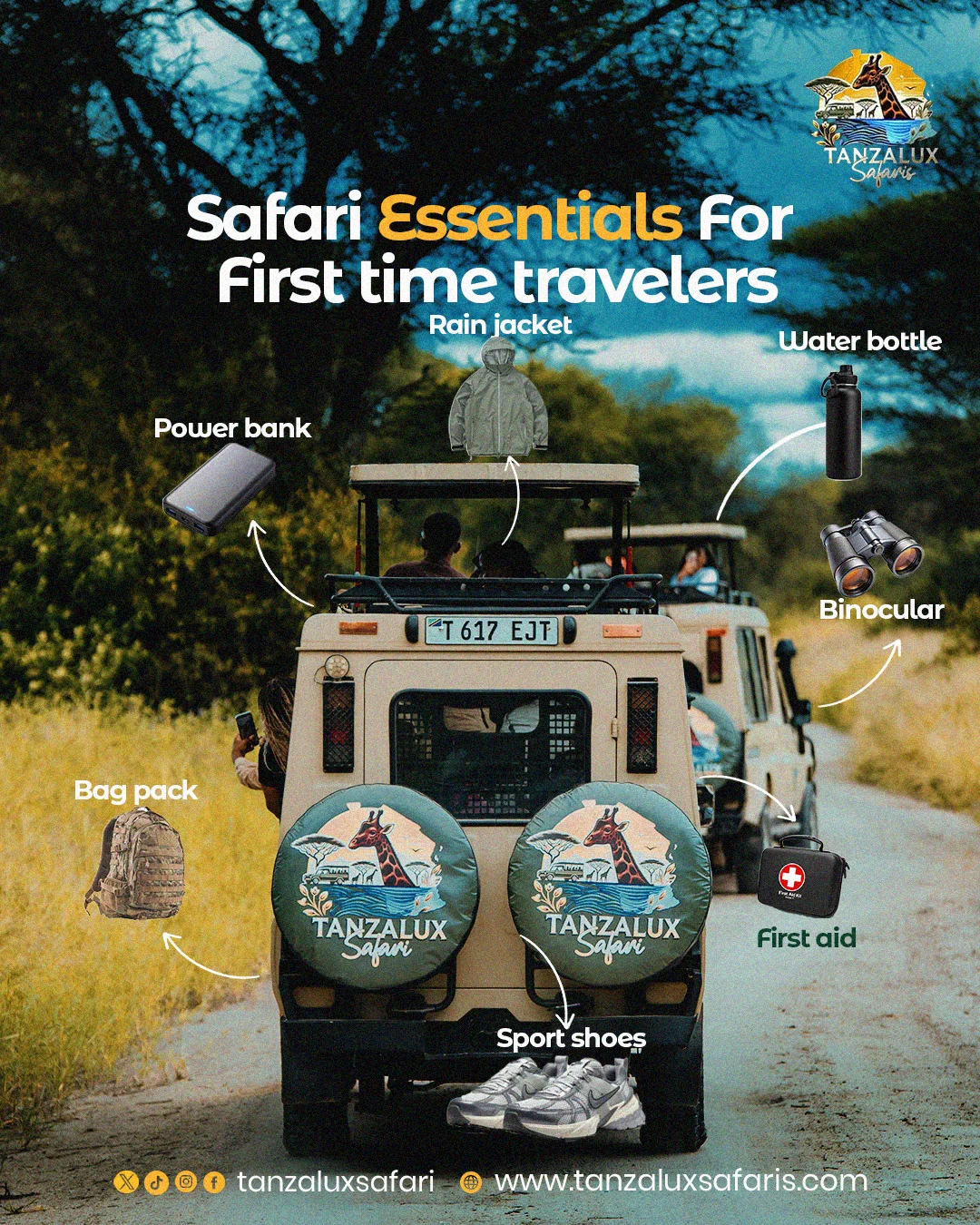
A travel health kit should fit your needs and the route. The CDC packing guide gives ideas to discuss with a health professional. Pack the items you need, rather than buying a large kit full of medicines you have never used.
Your prescribed medicines, with enough for the trip and a planned delay, within legal limits.
First-aid items such as dressings and blister care suited to your activities.
Repellent, sunscreen, a hat and other items you use for daily protection.
Any doctor-advised supplies and a clear plan for how to use them.
A copy of key prescriptions, allergies and health contacts kept private.
The CDC medicine travel guide advises checking restrictions and using original, labelled packs. A drug that is legal at home may be restricted elsewhere. Check each country, including transit points. Ask about any permits or letters you need well before the flight.
Do not leave key medicine loose in an unmarked bag. Ask the airline how to carry medical devices or liquids. Ask the pharmacist about storage in heat and the time zone change. If a medicine needs cooling or a device needs power, confirm the setup at each stay. Do not assume a room fridge meets a medical storage need.
Ask TanzaLux about room access, power and other practical needs while planning your safari stays.
Safari wellness: water, food and clean hands
Safari wellness is built from simple habits used each day. The CDC food and drink guide advises handwashing and care with food and water. Choose water from a safe source and food served properly cooked and hot. Check ice if the water source is uncertain.
Keep water easy to reach on a drive. Ask where you can refill a bottle safely and how much to bring for the day. A sealed bottle is not the only option; properly treated water can also be suitable. What matters is a reliable source and clean handling.
Tell your planner about food needs early. If an allergy is involved, ask the property what it can do and how food is prepared. Do not rely on a menu label alone. East Africa travel health planning works better when the team understands the need before shopping and meal plans are set.
Heat, sun and long days: know when to slow down
The CDC heat guide recommends fluids, shade, rest, suitable clothes and sun protection. Plan harder activity for cooler hours where possible. If a doctor has set a limit on your fluid intake, ask how to manage hot days before you travel.
Tell your guide if you feel unwell. Do not press on through heat just to finish a drive or walk. Dizziness, weakness or feeling sick needs attention. Confusion, collapse or a person who is very hot can signal an emergency. Get urgent help and begin cooling while help is arranged.
East Africa travel health is not a test of how much you can fit into one day. Build in shade and a break for lunch. Keep a hat and sunscreen where you will use them. Ask the guide about rest stops before setting off, especially if you travel with children or older relatives.
East Africa travel health: plan time to rest
A long flight followed by a long road day can leave little room to settle in. Consider a first night near your arrival point before heading deep into the bush. Ask what time you will reach the next camp. A route that looks short on a map can still take much of the day.
Try to spend more than one night at some bases. Less packing can mean more time for a calm breakfast or a quiet hour before dinner. Ask for a mix of full and shorter drive days if that suits you. You do not need to use every free hour for a paid activity.
Healthy safari tips should fit real life. Keep a regular place for your medicines, drink breaks and bedtime items. Agree with your group when you want to start and stop. If someone needs a slower pace, raise it early so the guide can help plan within the rules.
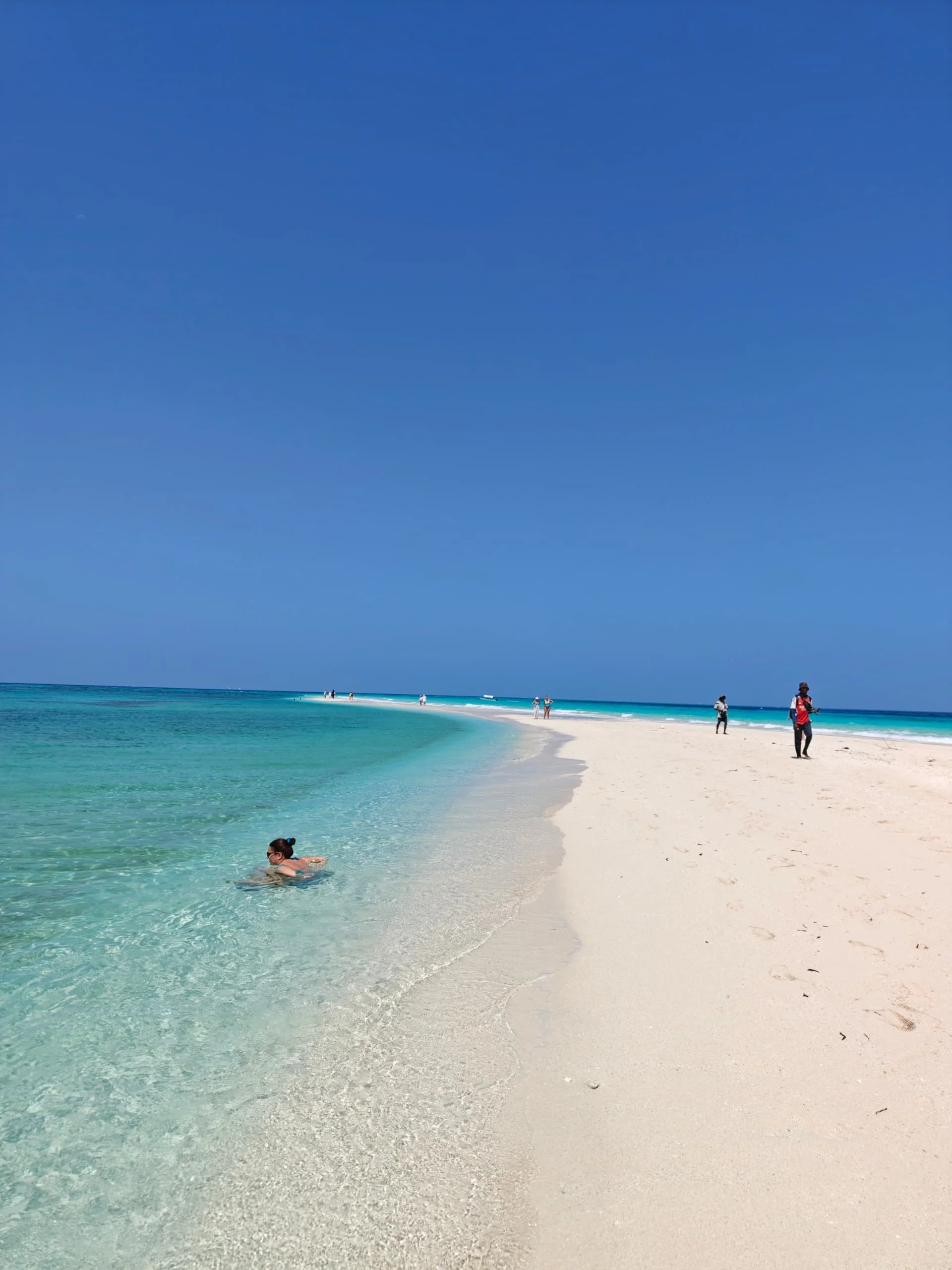
A beach stay can add time to rest after the safari. This media-library image illustrates the Zanzibar coast and does not identify a named hotel.
A safari and beach trip still needs the same health review from start to finish. Ask about tides and safe swimming, and choose boat trips with care. Keep your sun and bite protection routine on the coast. A change of scenery does not make the rest of your health plan optional.
Walking, trekking and high places need their own advice
A game drive, a bush walk and a mountain climb have different demands. Tell the planner which activities you want, then ask a doctor whether they suit your health. Check ages, permits, the level of effort and the operator’s own rules before booking an extra.
If your trip includes high-altitude trekking, read CDC altitude advice and plan a gradual ascent. Do not go higher while you have altitude illness. Worsening symptoms or severe signs need prompt action, often descent and urgent care. Do not treat breathlessness or confusion as something to push through.
East Africa travel health should match the activity, not just the country name. Give your doctor the sleeping heights and route for a climb. Your fitness level does not replace an altitude plan. A standard safari health checklist is not enough for a mountain expedition.
What if you become ill during or after the trip?
Tell your host or guide promptly if you feel ill, so you can get suitable care. Seek urgent medical advice for fever during or after time in a malaria-risk area. Tell the doctor where you have been and the dates, even if the trip ended some time ago.
If you may have had contact with Ebola and feel ill, call health services ahead and explain the possible exposure. Follow their instructions on where to go and how to get there. Do not wait for bleeding or try to diagnose the illness yourself. See CDC’s symptom and help guidance.
Save your insurer’s number and the contact for each stay offline. Ask how the camp handles a medical emergency and how staff reach outside help. East Africa travel health plans need to allow for remote areas. A luxury camp cannot promise the same access to care as a major city.
Check insurance, border changes and the trip home
Ask your insurer about treatment, medical transport, existing conditions and your planned activities. Check whether the policy covers remote safari areas or a trek. Keep clear records of the answers. A general statement that evacuation is included does not tell you how approval and payment work.
The UK entry pages reviewed for this guide list mandatory local inbound cover for eligible visitors to Tanzania and Kenya, with different terms and exemptions. Check the current rules for your entry point. Do not assume a personal policy replaces local cover, or that local cover meets all your needs.
East Africa travel health checks also apply on the way home. The CDC Uganda page currently flags special US arrival arrangements for certain travellers with recent presence in Uganda or South Sudan. Read the linked rules for your status and route. Recheck return and transit requirements before paying for flights.
If official advice changes, ask what it means for the journey you booked. Review border rules and insurance terms together. A flight that still operates is not proof that you meet the health rules. Keep enough flexibility to change a link if the authorities require it.
A useful planning timeline for East Africa travel health
Before you pay for the main trip
Build East Africa travel health checks into your booking plan. Confirm one task at a time and keep the replies with your trip records. Map the whole route and check each border. Read the latest health and travel notices for the places you will visit. Check the terms for changing flights and stays. If there is a medical need that affects the route, seek advice before you commit to it.
About six weeks before you go
See a travel doctor with your records and route. Book any advised vaccine visits. Check the timing of prescribed malaria drugs and order medicines you need. Ask about the legal papers for each country. Give your planner time to confirm room and access needs.
In the last week and before each border
Recheck the health rules and flight times. Complete forms within the stated window. Put original records and key medicines where you can reach them, subject to airline rules. Save your contacts offline. Do not change your medical plan based on a rumour or a travel group post.
East Africa travel health is easier to manage when each task has a place in the plan. Set a time to check again, rather than reading old posts all day. Use trusted sources and ask a clear question when something does not match your route.
Sample packages with time for comfort and rest
These are Tanzania planning ideas, not fixed offers, medical services or guarantees of health. They show how to give rest and clear transfers a place in the trip. Rooms, transport, fees and health rules need checking for your dates. A doctor should assess personal medical needs.
Sample package: 8 days / 7 nights on the northern circuit
Night 1: settle in Arusha after arrival. Nights 2–3: stay near Tarangire for a park visit and time at camp. Nights 4–6: use one Serengeti base. Night 7: return to Arusha before departure on day 8.
Ask for realistic road days and rest stops. A few nights in one place reduce repeated packing. Discuss water, meals and any needs for the room before travel. The final plan should state whether the return from Serengeti is by road or air and how it fits your flight home.
Sample package: 10 days / 9 nights of bush and beach
Night 1: rest in Arusha. Nights 2–5: enjoy one safari base chosen for your dates. Nights 6–9: stay on Zanzibar. Day 10: depart with the hotel transfer and onward flight checked together.
Leave some island time free rather than planning a tour each day. Review the health rules for both parts and any transit country. East Africa travel health should cover the whole holiday, including the beach days. Confirm the island room, meal plan and transfers in the quote.
Sample package: 7 days / 6 nights with a focused Serengeti stay
Night 1: arrive in Arusha. Nights 2–5: stay at one suitable Serengeti camp, using confirmed air or road access. Night 6: return to Arusha for a final rest. Day 7: depart.
This outline suits guests who prefer fewer moves. Ask about charging, room layout and the way meals fit around drives. You could mix shorter outings with a full day in the bush. Confirm what the stay includes and leave enough time between the last safari transfer and the flight home.
Adapt a sample package with TanzaLux around your dates, room needs and preferred safari pace.
Why travel with TanzaLux Safaris?
TanzaLux Safaris is a Tanzanian-owned company based in Arusha. Its company overview describes trips built around your dates, pace, budget and interests. That gives you a way to bring the practical needs of your group into the route from the start.
The private safari page describes your own vehicle and driver-guide on a tailor-made trip. Discuss how long you like to spend out, when you want breaks and what would make each stay easier. Ask who guides each part if the trip includes a fly-in camp.
For East Africa travel health, keep the roles clear. A doctor handles personal health advice. Health and border authorities set entry rules. Insurers explain cover. TanzaLux helps shape and coordinate the Tanzania journey. Good planning connects these needs without turning a tour quote into medical advice.
Share your full flight route and the support you need. Ask the team to confirm the rooms, transfers, included services and contact plan in writing. If you add other countries, check those links separately with the relevant providers. A clear plan helps you focus on wildlife, landscapes and time together.
Your final East Africa travel health checklist
Check each country, transit stop and the return route.
Separate border vaccine rules from personal health advice.
Use current sources and note the date you checked.
Carry required original records and save backup copies.
Follow your doctor’s vaccine and malaria plan.
Pack legal medicines, bite protection and useful first-aid items.
Make space for safe water, shade, rest and unhurried transfers.
Know whom to call and how help reaches each stay.
Start a thoughtful Tanzania safari plan with TanzaLux and prepare for a comfortable journey.
Frequently asked questions
1. Is there one East Africa travel health checklist for every visitor?
No. Use a plan for your countries, route, dates, age and health needs. Transit and the order of travel can matter. A shared checklist helps organise the tasks, but personal medical advice and each country’s entry rules still need separate checks.
2. Which vaccines are mandatory for East Africa?
There is no single regional answer. Yellow fever proof can be required based on the country and travel history. Check the dated country notes above and the latest border advice. Vaccines recommended for protection are not always required for entry.
3. Does Tanzania require a yellow fever certificate?
CDC lists it for arrivals aged one year or older from risk countries, including certain airport transits over 12 hours. Check your full route and the latest Tanzania rules. Do not assume a direct arrival and a long layover have the same requirement.
4. What changed about Uganda’s yellow fever certificate?
Uganda’s immigration notice dated 2 October 2026 says the certificate is no longer mandatory for entry. Older health tables may still show the former rule. Confirm the latest position with the authorities and airline. Ask your doctor about the vaccine for protection.
5. Do Kenya and Rwanda have yellow fever entry rules?
The UK entry pages reviewed for this guide list proof for arrivals from countries classed as transmission risks. Check age rules, recent travel and transit details for your case. A rule at one border does not settle the next one.
6. How early should I get a first yellow fever dose?
Where a certificate is required, allow for its validity to begin 10 days after vaccination. Book a clinic visit well ahead of that. A doctor must first assess whether the vaccine suits you. Do not leave this check until the day before flying.
7. Does an old yellow fever card expire after 10 years?
Certificates are valid for life under the current international rules, including older cards showing a ten-year expiry. Keep the original and ask the clinic if details are unclear. Do not alter the card yourself. Check country-specific entry instructions before travel.
8. Will a medical waiver guarantee entry?
No. CDC warns that a country may not accept a waiver. Discuss the medical issue with a qualified provider and the border process with the destination authority. Do this before committing to a route that requires proof.
9. What might airport health screening involve?
Staff may ask about travel history, health or possible exposure and may check records or temperature. Follow the current process at that entry point. Keep papers within reach and answer truthfully. Allow time if extra checks are needed.
10. Is a PCR test required for every East Africa trip?
Do not assume one rule applies everywhere. Check the latest country notice and airline requirements for your full route. A lab test, health form and temperature check are different steps. Older travel posts may describe rules that have changed.
11. Does Tanzania currently use a traveller health form?
The UK entry advice reviewed on 25 October 2026 says all travellers must complete the health surveillance form before departure or on arrival. Use the official Afyamsafiri portal and check for updates before you fly.
12. Are malaria tablets part of East Africa travel health?
They can be, depending on the places you visit and your health. Ask a doctor to assess the full route and prescribe a suitable plan. Take the medicine for the full advised period and use bite protection too.
13. Do luxury lodges remove the need for bite protection?
No. Use repellent, suitable clothes and room protection as advised. Ask staff how to use screens or nets at your stay. Keep the same routine at the beach where needed. Comfort and careful health habits work together.
14. What belongs in a travel health kit?
Pack your prescribed medicines, suitable first-aid items and daily protection supplies. Add records and any items advised by your doctor. Check local medicine rules and airline limits. Take what you know how to use rather than a large set of unfamiliar drugs.
15. How should I handle medicines that need cooling?
Ask your pharmacist for storage advice and check the flight plan. Confirm the exact cooling and power setup at each stay. Do not assume a room fridge provides the right conditions. Plan for delays with your medical provider.
16. Which daily habits support East Africa travel health?
Use safe water, wash hands, take shade breaks and leave time to sleep. Follow your medical plan and tell the guide if you feel unwell. A comfortable daily pace can help you enjoy the trip without filling every hour.
17. Do I need a separate plan for a mountain climb?
Yes. High-altitude travel adds risks that a general safari plan does not cover. Discuss the route and sleeping heights with a doctor. Choose a gradual ascent and do not go higher with altitude illness. Worsening or severe symptoms need prompt action.
18. What should I do about fever during or after travel?
Seek urgent medical advice and share the places and dates of travel. Fever after a malaria-risk trip needs prompt assessment. If there may have been Ebola exposure, call ahead and follow health-service instructions. Do not wait for a dramatic symptom.
19. Do East Africa travel health checks apply to the flight home?
Yes. Return and transit countries may apply measures based on recent travel history. Check those rules before booking and again before departure. Make sure the flight route meets them. Do not assume that an outbound clearance covers the return trip.
20. How can TanzaLux help with safari preparation?
TanzaLux can help plan the Tanzania route, stays, guiding and transfers around your practical needs. Ask for a clear proposal and contact plan. Use doctors for personal health advice and official authorities for entry rules. Keep those roles clear as you prepare.

Ready to start planning?
Tell us your dates and what you're after — no obligation.