5.0 Excellent

Tanzania Travel Advisory Updates: Safari Planning & Health Preparation Tips

The latest Tanzania travel advisory is a starting point for a well-planned safari. Read it with your actual route in mind, then check health guidance and entry rules as separate tasks. This helps you turn broad advice into choices about dates, transfers, camps and care.
A safari brings quiet mornings and long views. Your private guide can help you make the most of them. Good preparation helps you enjoy those moments. You need a plan that fits your group, clear contacts and enough time to deal with a change.
Facts checked: 25 October 2026. This guide explains the updates reviewed on that date. Check the live sources again before booking and departure. Health needs vary. Take your full route to a travel doctor. Entry decisions rest with the authorities.
Tanzania travel advisory updates: what has changed?
The U.S. Tanzania travel advisory was issued on 16 October 2026. It lists overall Level 2: Exercise Increased Caution. The stated concerns include crime, terrorism, health, unrest, arbitrary enforcement of laws and the targeting of gay and lesbian individuals. Stronger Level 3 advice applies to the Mozambique border area in Mtwara.
The UK Tanzania advice, updated on 20 October 2026, advises against all but essential travel within 20 kilometres of the border with Mozambique’s Cabo Delgado province. It also points to new arrival health screening information. Read its map and regional detail rather than treating the whole country as one zone.
The UK safety page warns of possible demonstrations around 29 October 2026. It asks travellers to avoid protests, rallies and large crowds. Previous unrest has involved limits on internet access. Save key contacts offline and check the transfer plan close to travel.
These notices guide decisions; they do not certify an operator or lodge. The practical response is to check your own government’s advice, the full route and your personal needs. Ask what each update changes for your booking.
How to read an update without losing the detail
Start with the source and issue date. A social post may repeat an old headline without its map or exceptions. Open the official page and read the sections that apply to you. Keep a note of the date you checked it.
A Tanzania travel advisory may use different language from another country’s guidance. Do not turn every warning into a U.S. number. Follow your own government’s system and ask your insurer how the current advice affects the route you plan to take.
Separate three questions. Is this safety advice? Is it a rule for entering the country? Or is it a medical recommendation for your needs? A change to one does not settle the other two. You may still need documents, cover and a health appointment.
Read the full notice and the regional map.
Check the issue date and latest update.
Compare it with every overnight and transfer point.
Review advice for your passport and personal needs.
Ask the insurer about any effect on cover.
Recheck shortly before leaving home.
Six to eight weeks out: build the full trip file
Early preparation gives you time to ask useful questions. The UK health guide recommends checking vaccine advice at least eight weeks before travel. It also notes limits to medical facilities, especially outside Dar es Salaam. Discuss the care you may need and how remote stays fit your health.
Use the Tanzania travel advisory with a simple trip file. Put the planned stops, dates, transport and activities on one page. List each country on the way, even for an airport stop. Take that page to the clinic and use it when asking about insurance.
For Tanzania safari planning, be clear about the pace you enjoy. Long drives, early starts and frequent room moves can tire a group. Ask for the likely shape of each day, not just a list of parks. Add rest where it helps you travel well.
Tell the planner about day-to-day needs that affect rooms or transport. These might include steps, a bed layout, a food allergy or help with bags. Keep private medical details for appropriate professionals and share only what a provider needs to support the trip.
Vaccines: health advice and entry rules differ
Safari health preparation starts with your own health history. The CDC Tanzania guide recommends a pre-travel health visit and review of routine vaccines. At the time checked, its notices included global polio at Level 2 and global measles at Level 1. Those are CDC health-notice levels, separate from the State Department’s safety rating.
Ask a clinician about vaccines suitable for your age, records, route and activities. Do not assume every recommended vaccine is a border requirement. Equally, a vaccine certificate needed for entry must be checked even if a friend travelled without one.
The NaTHNaC Tanzania guide describes yellow fever certificate rules linked to arrival from risk countries. Airport transit of more than 12 hours in such a country can matter too. Check the full journey, age rules and any medical waiver with a qualified clinic and the authorities.
The Tanzania travel advisory is not a personal vaccine schedule. Bring your existing records rather than guessing which doses you have had. If departure is soon, still seek advice. The clinician can explain what is useful within the time available.
Malaria, bites and current health notices
Use health advice for the exact places you will stay. CDC identifies malaria transmission areas below 1,800 metres and recommends prescription prevention for certain areas. Discuss a suitable medicine and timing with your clinician. A luxury room does not replace bite precautions or prescribed prevention.
CDC also flags widespread active cholera transmission in Tanzania at the time reviewed. Its advice stresses safe food, safe water and hand hygiene. Ask your clinician which additional steps fit your route. Review the live page again as health notices can change.
Safari health preparation includes the kit you will actually use. Ask about a suitable repellent, clothing and any bed net arrangements. Read product labels and seek advice for children or pregnancy. Keep the supplies close at hand rather than packed away for the whole trip.
NaTHNaC notes ongoing mpox concerns and advises review of current notices. Avoid treating the absence of a headline as proof that no health risk exists. Your clinic should assess your activities and any relevant exposure, using up-to-date guidance.
Use the Tanzania travel advisory to spot issues, then make a plan with the right professional. Do not select tablets or vaccines from a blog alone. Each person in the group may need a different plan, even when the route is shared.
Ask TanzaLux for a detailed route to take to your travel-health appointment.
Before departure: entry checks and arrival screening
Check Tanzania entry requirements for your passport and full route. Use Tanzania’s official visa portal to review the process for your passport. Confirm document validity, the right visa or exemption and any onward-travel evidence through the authorities.
The UK entry guide reports heightened Ebola screening following Tanzania’s 17 October announcement. It states that all travellers must complete the Travellers Health Surveillance Form before departure or on arrival. It also describes temperature checks for mpox at entry points.
A screening measure is a border precaution. It does not, by itself, establish an outbreak at your safari destination. Follow the current instructions, answer health questions truthfully and allow time for arrival procedures. Report illness or a relevant exposure to health staff.
The Tanzania travel advisory and entry checks should both be in your final review. Use the official form, keep any confirmation available and do not rely on an old screenshot. If a rule is unclear for your transit history, ask the airline and Tanzanian authorities before departure.
Insurance: check the required policy and your own needs
Budget for inbound insurance as a distinct part of the trip. The ZIC public notice of 7 October 2026 explains the first-entry rule. Mainland-first arrivals use NIC and Zanzibar-first arrivals use ZIC, subject to the rules that apply to the guest. A valid, applicable policy avoids duplicate payment for the same journey across both destinations.
The notice exempts qualifying EAC and SADC travellers from the mainland requirement. That does not create an automatic Zanzibar exemption. Check eligibility with the insurer and retain your certificate and QR code throughout the trip.
Use the official NIC inbound portal or official Visit Zanzibar portal as appropriate. Check eligibility, dates, benefits and proof required. The ZIC notice also protects valid, fully paid pre-1 October ZIC policies for the same journey starting on the mainland. Do not assume an existing personal policy removes the entry requirement.
Your wider insurance still needs its own review. The U.S. travel insurance guide distinguishes health, evacuation and cancellation cover. Ask about every country, current conditions, planned activities and help in an emergency. Check how the Tanzania travel advisory affects the policy.
For medical evacuation cover, request the plan name, registered guests and dates. Ask what starts a response, where a transfer can go and who pays hospital bills. A mention of rescue in a proposal is not enough to establish all benefits. Keep the actual policy and emergency number offline. Give each adult a copy of the contact sheet. If one phone breaks or a bag is lost, someone else can still find the right number. Check that the names and dates match the trip.
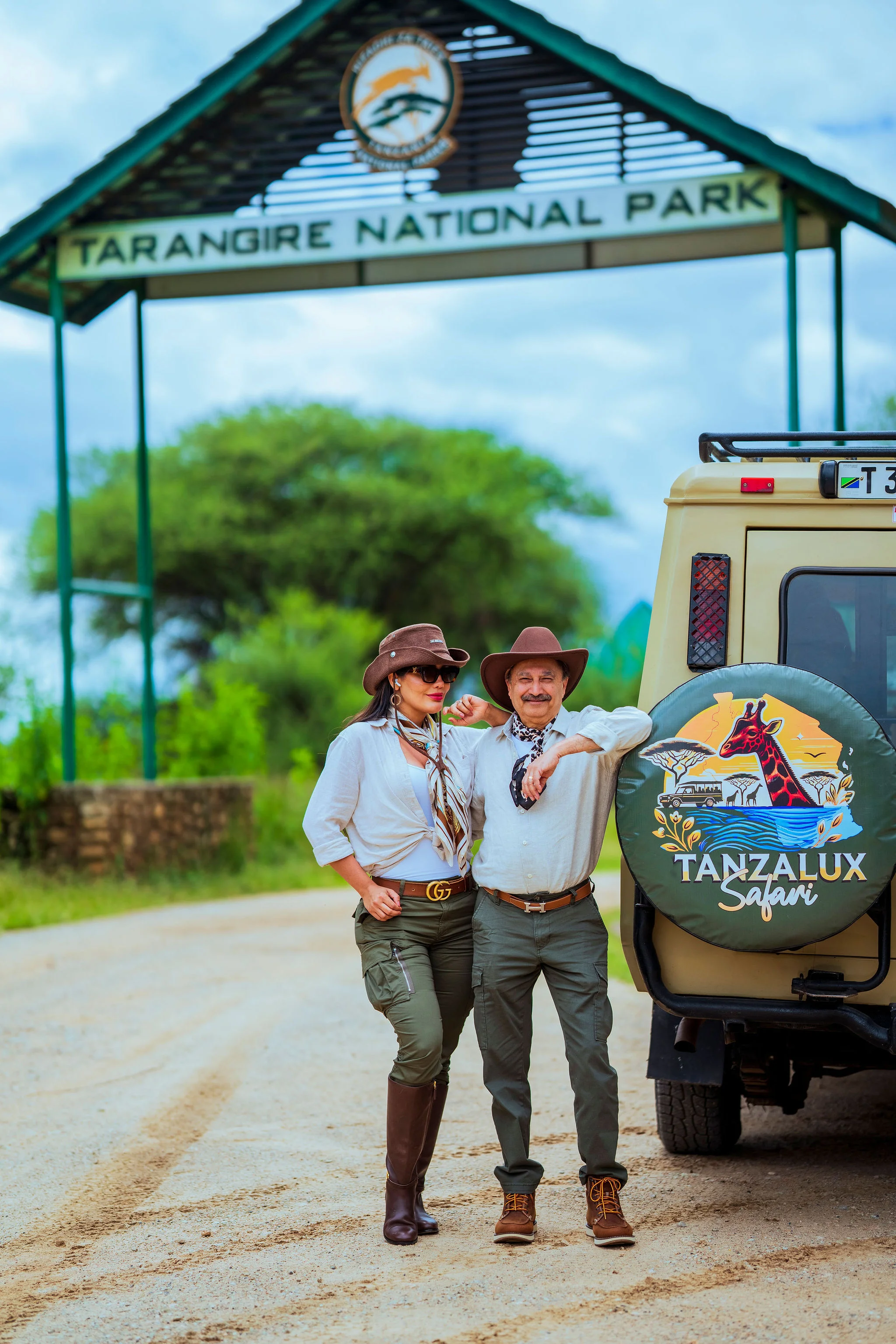
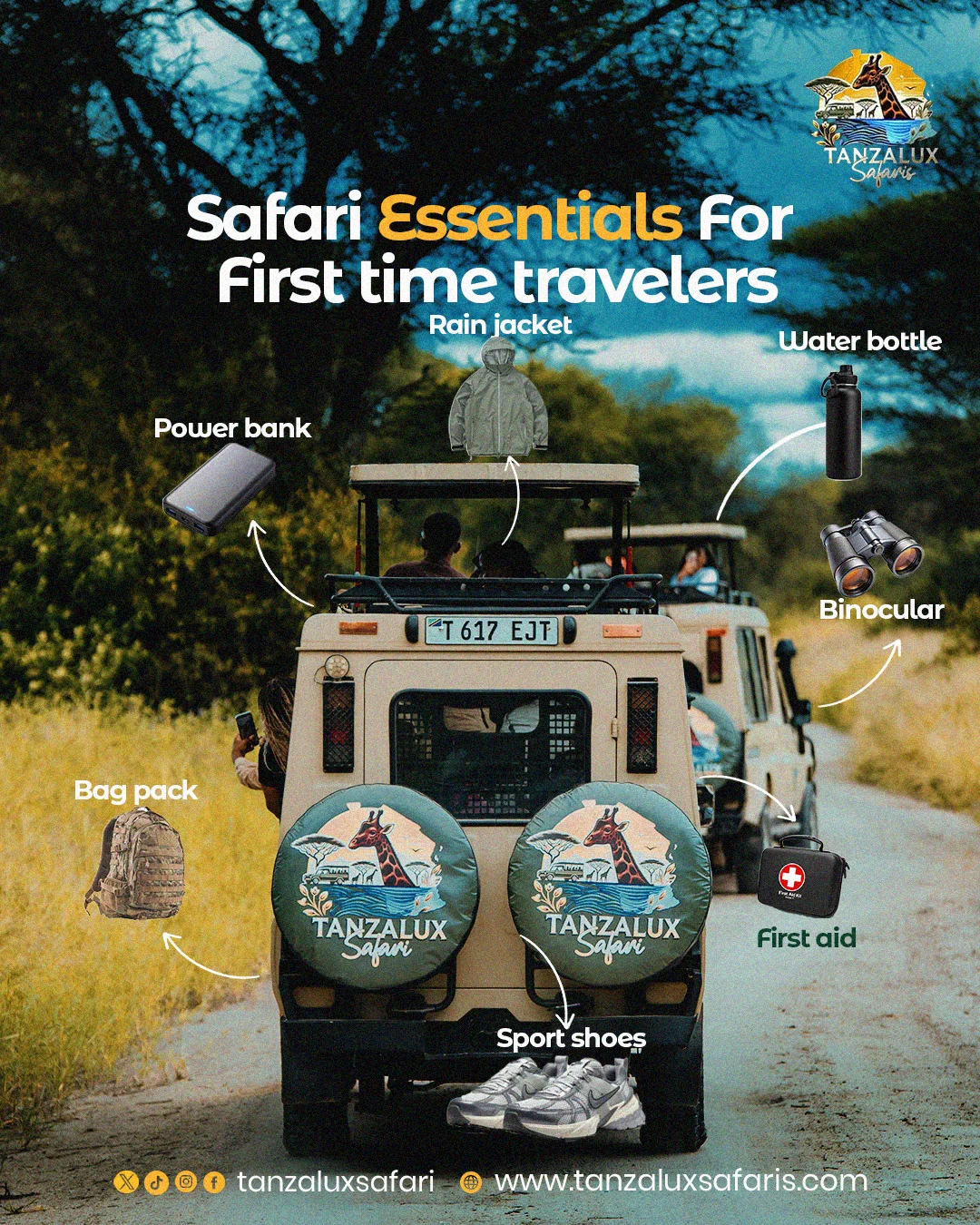
A clear plan starts before the drive. Save your guide’s number, check the meeting point and keep the next stop easy to find. Photo from the TanzaLux media library.
One week out: review transport and contacts
Check the Tanzania travel advisory again with the final route. Confirm the arrival airport, pick-up point, driver contact and first stay. Ask what happens after a delayed flight. Keep the handover plan in print. It helps when you are tired or your phone has no data.
Road and air options both need review. For a road trip, ask about the actual vehicle, seat belts, luggage space and sensible drive times. Include breaks and avoid a plan that depends on rushing every leg. Tell the guide early if you need a stop.
Before booking flights, consult the UK Air Safety List. It lists all airlines certified by Tanzanian authorities as banned from commercial operations to, from or within the UK. Check the operating carrier, which can differ from the airline selling the ticket. This is not a statement that domestic flights are legally banned.
Save the guide, host, planner and insurer numbers. Keep a copy of the route offline and agree a meeting point within your party. Verify unplanned driver or payment changes through a contact you already know. Do not depend on a single chat thread for the whole trip.
On safari: protect your health and enjoy the day
Good daily habits are part of safari safety tips worth keeping. Ask your host about safe drinking water, carry what you need for a drive and make time for shade and rest. Let the guide know if you feel unwell. A quiet word early can help the team adjust the day.
The WHO food-safety framework centres on clean handling, keeping raw and cooked food apart, thorough cooking, safe temperatures and safe water. Use it to ask useful questions about meals and packed lunches. Confirm any food allergy directly with the host or kitchen.
Keep legal medicines in suitable labelled packs and ask a pharmacist about storage. Confirm cooling or device-power needs at each stay. Do not assume a room fridge meets a medical requirement. Ask how the lodge handles a power loss if that matters to your care.
The Tanzania travel advisory gives context, while the park briefing guides the outing itself. The Serengeti visitor guide asks guests to remain in designated areas, avoid feeding wildlife and follow ranger instructions. Ask before leaving the vehicle. Follow the camp’s escort rules after dark.
For a walk, boat outing or balloon flight, review the exact provider and activity terms. Check age, fitness, access and cover before payment. A private safari should fit the guests taking part, including those who would prefer to rest at camp.
If you feel ill or plans change
Seek help promptly rather than waiting for the next transfer. Tell the host or guide where you are and describe the concern. Use the insurer’s emergency process and the local medical plan. Qualified health staff should assess illness; a safari guide should not replace them.
NaTHNaC advises urgent medical care for symptoms that could be malaria during or after travel. Tell the clinician where and when you travelled. Keep following the plan given by your health professional, including any medicine course after leaving a risk area.
A Tanzania travel advisory update may call for a route review. Speak with the planner and insurer before changing transport, dates or activities. Ask for a revised written plan, costs and any refund terms. Keep essential services clear while the rest of the plan is adjusted.
Discuss a safari plan with room for rest, clear contacts and practical changes with TanzaLux.
Sample packages for well-paced safari planning
These sample packages are planning ideas, not fixed offers or confirmed bookings. They need suitable rooms, current advice and a dated quote. All three use road-based northern routes with overnight breaks. Ask for the actual driving plan and adjust it to your group.
Sample package: 7 days / 6 nights of northern highlights
Night 1: rest in Arusha. Night 2: stay near Tarangire. Night 3: pause near Karatu. Nights 4–5: use one Serengeti base. Night 6: return to Karatu before the agreed onward transfer on day 7.
This outline suits a short trip with a break between key legs. Check the Tanzania travel advisory before confirming stops. Ask how much game-drive time the route leaves and whether your departure flight needs a further night in Arusha.
Sample package: 9 days / 8 nights at a gentler pace
Night 1: arrive in Arusha. Nights 2–3: enjoy the Tarangire area. Night 4: stay near Karatu. Nights 5–7: settle into Serengeti. Night 8: return to Karatu before the onward plan on day 9.
Extra nights give you time to rest between drives. Ask for room layouts, meal plans and support with any access needs. Review the Tanzania travel advisory and your health plan together before the route is final.
Sample package: 12 days / 11 nights with more camp time
Night 1: Arusha. Nights 2–3: Tarangire area. Night 4: Karatu. Nights 5–8: Serengeti. Nights 9–10: Karatu with an agreed Ngorongoro visit. Night 11: Arusha before departure on day 12.
This route leaves scope for shorter outings and a quiet afternoon. Seasonal wildlife interests can shape the Serengeti base. Use Tanzania safari planning to match the route to your needs, rather than adding more stops to every spare day.
Ask TanzaLux to adapt a sample package to your dates, interests and preferred pace.
Why travel with TanzaLux Safaris?
TanzaLux is a Tanzanian-owned company based in Arusha. Its team describes trips shaped around your dates, budget, pace and interests. You can discuss the full journey with a planner who works from the safari gateway.
The private safari service offers your own vehicle and guide on a tailor-made route. That gives you a way to discuss rest, fewer room moves and the kind of day your group enjoys. Confirm the actual transport, stays and guide arrangements in your proposal.
Bring the Tanzania travel advisory into that conversation. Ask what the current notice means for your stops and transfers. Share essential dietary or access needs early and request replies from each property. Check emergency support and cover as specific booking details.
A clear proposal helps you compare more than a room photo. Look at park time, travel days, meal inclusions and the contact plan. Good planning makes those choices visible before payment and helps you arrive with a sound understanding of the trip.
Your final Tanzania travel advisory checklist
Read live safety advice and route-specific warnings.
Confirm passport, visa, transit and health-entry rules.
Complete the required health form through the official channel.
Review vaccines and malaria prevention with a clinician.
Check inbound insurance and your wider personal cover.
Confirm transport, camps and practical support needs.
Save contacts and the final route offline.
Allow time for rest, arrival checks and changes.
Use the Tanzania travel advisory as a living source. Check it at key points in planning, not only when a headline appears. Keep the details simple enough for every guest to use, then let the safari unfold at a pace that feels right.
Frequently asked questions
1. What is the latest Tanzania travel advisory?
The U.S. notice reviewed on 25 October 2026 lists overall Level 2, issued on 16 October. It retains stronger advice for the Mozambique border area in Mtwara. Use the live official page and your own government’s guidance before making travel decisions.
2. Does a Level 2 rating mean there are no risks?
No. It calls for increased caution. Read the named risks and regional detail, then review your route and personal needs. The rating does not certify a safari company, lodge or activity.
3. How often should I recheck travel advice?
Check before booking, before paying further balances and close to departure. Review it again if a new alert affects your route. Keep a note of the source and date so the group works from the same information.
4. Are health-notice levels the same as safety-advisory levels?
No. A CDC health notice and a State Department safety rating describe different things. Read the issuing body and subject before interpreting a number. A health notice can call for steps that are separate from general travel precautions.
5. Can one country’s advisory apply to every traveller?
Use your own government’s advice and check the full route. Countries use different terms and regional boundaries. Your passport, identity, needs and cover all matter. Do not rely on a universal ranking from a social post.
6. When should I book a travel-health appointment?
Plan early, ideally several weeks before departure. Take the full route, transit stops and vaccine records. If time is short, still seek advice. Ask a travel doctor what preparation fits the time available.
7. Which vaccines do safari guests need?
A clinician should review your records, age, health and plans. Some vaccines are recommended for protection; certificate rules serve a separate entry purpose. Ask for a personal plan rather than copying another guest’s list.
8. Is yellow fever proof required from everyone?
Requirements depend on your journey and the relevant age and transit rules. Check any arrival or long airport transit in a yellow-fever risk country. Use official guidance and a qualified clinic to confirm what applies to you.
9. Does a luxury lodge remove malaria risk?
No. Review the exact locations with your clinician and follow the prevention plan given to you. Use appropriate bite precautions as well. The room category does not establish whether medicines or other measures are needed.
10. Should I prepare for health screening on arrival?
Yes. Read the current instructions, complete the official health form as required and allow time for checks. Give truthful answers and report illness or a relevant exposure to health staff. Check for updates before leaving home.
11. Does screening prove an outbreak at my safari lodge?
No. A border screening measure alone does not establish that conclusion. Look for a dated official health statement about the place concerned. Ask a clinician how current health information affects your plans.
12. Do mainland and Zanzibar insurance rules need separate review?
Yes. Check your first port of entry, policy purchase date and the current official process. Read the terms for the required inbound policy and your wider insurance. Save valid proof for the dates you will travel.
13. Is medical evacuation the same as hospital cover?
Check the benefits separately. Ask who is registered, which dates and areas apply, and who approves a transfer. Treatment costs and travel home may have different limits. Keep the provider’s emergency contact and actual terms available.
14. What should I ask about safari flights?
Confirm the operating carrier and check current air safety advice before buying. Review airstrip transfers, baggage and medical or access needs. A charter or fly-in label does not remove the need for these checks.
15. How can I make long drives more comfortable?
Ask for realistic drive days, suitable breaks and clear overnight stops. Check seat belts, space and help getting in and out. Tell the guide early when you need a stop and avoid rushing to recover lost time.
16. How should food allergies or medicine storage be handled?
Share essential day-to-day needs before booking and request a clear reply from each property. Confirm details again on arrival. Ask a clinician or pharmacist about your own medical requirements, including storage and emergency supplies.
17. What if I feel unwell during the safari?
Tell the guide or host promptly and seek suitable medical help. Follow the insurer’s emergency process. Keep your route and health information available for the treating professional. Do not wait for a scheduled transfer if care is needed sooner.
18. What should I do about illness after returning home?
Seek medical advice promptly and explain where and when you travelled. Follow any post-trip instructions from your clinician. Do not leave out safari or transit stops when describing the journey.
19. Why use TanzaLux for private safari planning?
TanzaLux plans from Arusha and offers private routes shaped around your interests and pace. Ask for clear stays, transfers and inclusions. This makes it easier to assess the proposed trip alongside current advice and your day-to-day needs.
20. What is the most useful last check before departure?
Review the Tanzania travel advisory, entry documents, health plan and insurance together. Confirm the final route and meeting points. Save contacts offline and make sure each guest knows how to ask for help or report a change.
Ready to start planning?
Tell us your dates and what you're after — no obligation.