5.0 Excellent

Is Tanzania Safe to Visit? A Guide to the Latest Travel Advisory Levels

Tanzania travel advice helps you make a clear decision about the safari you want. A good plan starts with the exact route, dates and needs of your group. The latest advice calls for care, with stronger warnings for some areas. Your plan should reflect those details.
Facts checked: 25 October 2026. This guide compares the official advice of the United States, United Kingdom, Canada and Australia. These governments use their own systems and wording. Check your own government’s live advice, any rules in your insurance policy and the places on your route before booking and departure.
If you are asking, “Is Tanzania safe to visit?”, start with the full journey. That includes airports, road transfers, parks, camps, towns and any beach stay. This guide shows how to read the levels, understand the geography and turn the advice into useful travel checks.
Tanzania travel advice: the current overview
This snapshot uses the issue or update dates on the pages we checked. It is a starting point, with regional details explained below. Each source has its own system. Read the words as well as the level.
United States: Level 2: Exercise Increased Caution. Issued 16 October 2026.
United Kingdom: specific regional warnings; read the full advice. Updated 20 October 2026.
Canada: exercise a high degree of caution. Updated 23 October 2026.
Australia: exercise a high degree of caution. Updated 23 October 2026.
Open the original sources when you are ready to travel. A page may have an overall label, a more serious warning for a named area and a short-term alert at the same time. Good Tanzania travel advice planning considers all three.
U.S. Level 2: national advice and the Mtwara warning
The U.S. Tanzania travel advisory, issued 16 October 2026, gives an overall Level 2: Exercise Increased Caution. It identifies crime, terrorism, health, unrest, arbitrary law enforcement and the targeting of gay and lesbian people. Its history records a decrease from the previous Level 3 rating.
Stronger U.S. Level 3 advice remains for the Mozambique border area in Mtwara, including risks around the A19 highway. Read that named-area guidance before planning a route in the region. The overall number should not be used to erase a regional warning.
United Kingdom: read the named area and the wording
The UK Foreign, Commonwealth & Development Office advice, updated 20 October 2026, advises against all but essential travel within 20 kilometres of the Tanzanian border with Mozambique’s Cabo Delgado province. This warning applies to a named area.
The UK page does not present a single U.S.-style national number. Read its text and map, then check the safety, health and entry sections. Do not turn the U.S. number into a substitute for the advice that applies to a UK traveller or a policy using UK guidance.
Canada: caution overall, with two Mtwara warning zones
The Canadian Tanzania advice, updated 23 October 2026, calls for a high degree of caution overall. It says to avoid all travel within 10 kilometres of the Mozambique border in Mtwara.
Canada also advises against non-essential travel in the area between the A19 highway and that border. The ten-kilometre zone has the stronger warning; Mtwara City is excluded from the non-essential-travel zone and retains the high-caution advice. Check the exact boundaries in the source. A town or region name alone is not enough.
Australia: caution overall and a 30-kilometre border warning
Australia’s Smartraveller advice, updated 23 October 2026, calls for a high degree of caution overall due to violent crime and civil unrest. It says not to travel within 30 kilometres of the Mozambique border in Mtwara because of militant attacks, terrorism and kidnapping risks.
This is a good example of why Tanzania travel advice must be read by source. The Australian boundary differs from the UK and Canadian ones. Use the guidance relevant to you and check how your insurer treats the destination and route.
Ask TanzaLux to explain your proposed safari route and the places used for each transfer and stay.
What do travel advisory levels actually mean?
USAGov explains the four U.S. levels as increasing levels of concern. Level 2 calls for awareness of heightened risk. A higher level calls for a stronger response. The reasons in the country text matter as much as the headline.
Level 1: Exercise Normal Precautions.
Level 2: Exercise Increased Caution.
Level 3: Reconsider Travel.
Level 4: Do Not Travel.
Tanzania travel advisory levels describe advice for travellers. They are separate from visas, park permits and the terms of a booking. A country can allow entry while your government advises a high level of caution or warns against visiting a particular area.
Read the full wording used by the issuing government. “Avoid all travel” and “avoid non-essential travel” are different instructions. A colour on a map may also be paired with important text about roads, cities or distance from a border. Keep the original source with your route notes.
How to apply Tanzania travel advice to your own route
Put every overnight stop and transfer point on one route plan. Add the arrival airport, towns used for a rest night and any land border crossing. If you fly through another country, add that too. A safari name rarely gives enough detail to complete this check.
Then read each regional warning against that plan. Ask the planner to explain where the route goes, rather than simply saying that the safari is “in Tanzania”. If a proposed leg enters a warned-against area, discuss a suitable alternative and the effect on your cover before committing.
Useful Tanzania travel advice questions include: How do we get from the airport to the first stay? Which day has the longest drive? Is there a safer or more practical way to make that link? What would happen if a road or flight became unavailable?
A northern safari and a journey near the Mozambique border involve different places. That geographic distinction helps you read the warning accurately. Northern parks, towns and airport transfers still have risks of their own.
What should you know about the Northern Circuit?
A Northern Circuit safari may bring together Arusha, Tarangire, Lake Manyara, Ngorongoro and Serengeti. Check which of these places are actually in the proposal and how they connect. More park names can mean more time on the road, so ask how much time remains for viewing and rest.
Tanzania safari safety on this route includes guide judgement, vehicle use and sensible timing. Use seat belts where provided, follow park briefings and ask before leaving the vehicle. Your private guide can help explain the rules, but guests need to follow them throughout the day.
For Tanzania travel advice to be useful, it should reach the daily plan. Ask when the drive starts, where breaks are planned and when you expect to reach camp. A calm first night after an overseas flight may fit your group better than an immediate long road day.

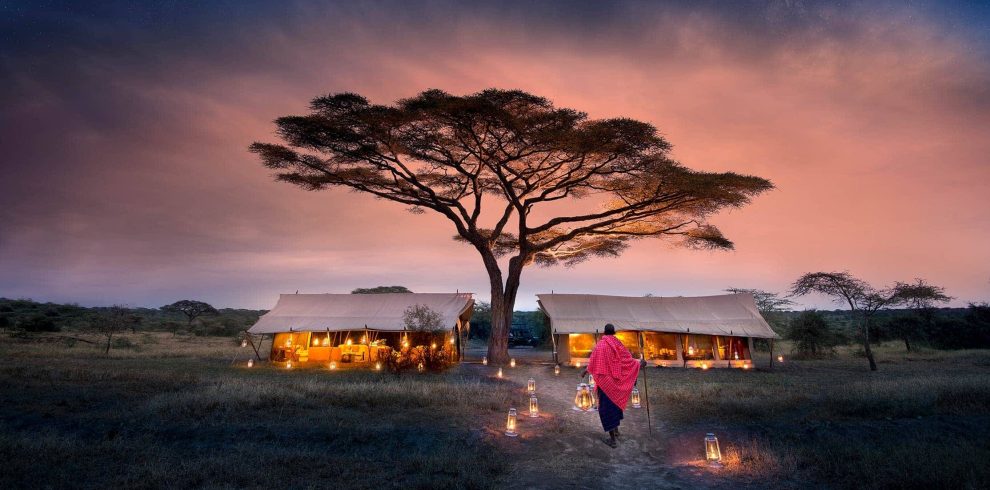
Time to enjoy the landscape is part of a well-paced route. This image comes from the media library and illustrates a safari sunset.
Build a Northern Circuit safari with TanzaLux around your preferred pace and time in each park.
Zanzibar safety needs a separate part of the review
Zanzibar safety includes the journey from the airport, the hotel location and the activities you choose. Review Stone Town visits, free evenings, swimming and boat trips in their own context. A beach extension changes the setting and brings new practical details to check.
Ask the hotel about local conditions and suitable transport before going out. Check sea conditions and the operator before a boat trip. Learn where swimming is appropriate and how tides affect the beach. A view of blue water does not answer those questions.
Tanzania travel advice should cover the whole holiday. Include the safari-to-island flight, the beach transfers and the trip home. Keep a copy of the plan with your group so each handover is clear. Check health and local insurance rules for the island part as well.
New alerts can affect a day on your route
The official advice reviewed for this guide warns of possible demonstrations around 29 October 2026, the anniversary of the previous election. The UK safety page advises avoiding demonstrations and large crowds and notes past internet limits during unrest.
If your dates fall near an alert, ask about road access and airport transfers close to departure. Save important numbers and booking details offline. A route may need a different departure time or overnight plan. Follow current local instructions rather than trying to keep an outdated schedule at any cost.
This is why Tanzania travel advice needs more than one check. The country-wide level, a regional warning and a near-term alert can all be relevant. Recheck after a significant event, even when the broad label has not changed.
Everyday precautions still matter in towns
Read current guidance on crime and transport, including the places you will visit outside the parks. Use arranged transfers from a trusted provider and confirm the meeting point. Ask your host about getting around rather than accepting an unplanned ride from someone you have just met.
Keep valuables discreet and carry only what you need for the outing. Save the name and contact of your stay. Agree with your group how to get back and what to do if you become separated. Simple plans help when a phone battery or connection fails.
Good Tanzania travel advice does not ask you to spend the trip in fear. It helps you make clear choices about transport, free time and the places you visit. Keep aware of your surroundings and tell the host or planner if something feels wrong.
Your own needs can shape the choice
Read the parts of official advice that relate to your identity, work, health and family. The same route may raise more concerns for one guest than for another. The U.S. notice, for example, includes warnings about arbitrary law enforcement and the targeting of gay and lesbian people.
Take those warnings seriously when assessing your own trip. Get advice from a suitable expert or authority if a point affects your choice. A private safari can organise the journey, but it cannot remove a legal risk or guarantee how authorities will act.
Tanzania travel advice matters for solo guests, families and people with access needs too. Ask for exact room layouts, realistic road days and the help available at each stay. Ask what “family friendly” means for the rooms and services you need.
Health advice is a separate, essential check
Use a travel doctor to review your route, vaccine history and medicines. The CDC Tanzania guide is a starting point for that discussion. Ask about malaria prevention, routine vaccines and entry rules linked to recent travel or transit.
A broad caution level does not tell you if one disease is present. Check the latest health-authority notice if you are concerned about an outbreak. Read the named location and date. A report about checks or staff training does not, by itself, prove local cases.
Current Australian advice reports a Traveller’s Health Surveillance Form for all arrivals and heightened health checks for travellers from high-risk countries. Use the official Afyamsafiri portal and follow the latest instructions for your route.
Tanzania travel advice should also help you plan how to reach care. The UK health page notes limits to medical facilities and advises suitable insurance for treatment and unexpected medical transport. Ask how help is reached from each remote camp before you book.
Travel insurance for Tanzania: read the actual policy
Travel insurance for Tanzania needs to match the countries, dates and activities on your plan. Ask the insurer which government’s advice the policy uses and how regional warnings affect cover. Do not assume that one favourable headline answers that question.
Check medical care, emergency transport, existing conditions and cancellation separately. Ask about outbreak exclusions, known events and changes to the advice after booking. Get a written explanation where the wording is unclear. Keep the relevant contacts with the trip records.
The U.S. insurance guide explains the differences between types of cover and makes clear that the government does not pay travellers’ medical bills abroad. A country rating does not create an insurance benefit or rewrite a contract.
Local inbound cover also needs checking. The Australian page reviewed for this guide lists required NIC cover for arrivals in mainland Tanzania, while island requirements must be checked for a Zanzibar stay. Compare any mandatory policy with your wider insurance. Look at what each covers and excludes rather than assuming one replaces the other.
Use entry rules and advisories for their own purposes
Tanzania’s entry authorities decide the visa, passport and border requirements. Check the Immigration Department for your nationality and reason for travel. A travel advisory gives risk guidance, while an entry document serves a separate legal purpose.
Check airline and transit rules as well. Check each country on the ticket and any recent-travel measures. Review the return trip too. A flight may run on time while a guest still lacks the right papers. Check what you need for the route.
When you read Tanzania travel advice, keep these checks together without confusing them. Make one list for the route, one for required papers and one for cover. A planner can help connect the travel details, while the relevant authorities and providers confirm their own rules.
How a well-planned private safari can help
A private Tanzania safari can give your group a clear route, its own guide and a pace you discuss in advance. Ask who meets you at the airport, who guides each park section and who takes over at a fly-in camp or beach stay.
Use that planning stage to ask about the vehicle, drive lengths and room needs. Confirm how you reach the team during the trip. If an evacuation plan is included, ask for its provider, guest registration, dates and terms. Personal medical care and travel home may need separate cover.
For Tanzania travel advice to become a practical plan, the proposal should name the actual stays and transfer points. A clear quote makes it easier to compare the journey with a regional warning or to ask an insurer a precise question. Ask for facts you can check.
No advisory level endorses a tour company, lodge or vehicle. Check the operator’s details and written terms. Ask about the services you will receive, then confirm what is included and what remains your responsibility.
How to stay informed without reading old posts all day
Choose the official advice for your nationality as the main source. Add the health and airline sources relevant to your route. Set a time to check again before you pay and before you fly. Review sooner if a relevant event or alert appears.
U.S. travellers can use the Smart Traveler Enrollment Program for embassy updates and alerts. Other governments offer their own notification or registration services. Use the options relevant to you and keep your details current.
Save the source link and date when you discuss Tanzania travel advice with your family or planner. A screenshot without context may show a past situation. If a headline worries you, ask which part of your route it affects and what action the official source recommends.
Keep one short contact sheet for the group. Add the planner, stays, airline, insurer and a trusted person at home. Save it offline and consider a paper copy. Knowing where to find help can be more useful than keeping dozens of unlabelled screenshots.
Sample packages with a clear route and sensible pace
These Tanzania routes are planning ideas, not fixed offers or guarantees of safety. They do not include the Mozambique border area. Each needs current advice, confirmed rooms and transport, and suitable insurance. Exact prices and inclusions depend on your group and dates.
Sample package: 7 days / 6 nights focused on Serengeti
Night 1: rest in Arusha after arrival. Nights 2–5: use one suitable Serengeti base, with road or air access confirmed in the quote. Night 6: return to Arusha before departure on day 7. Check the time available between that transfer and your flight home.
This outline can suit guests who prefer fewer moves. Ask about the guide setup, meals, room access and contact plan. Review Tanzania travel advice against the exact transfer route, rather than using the name Serengeti as the whole description of the holiday.
Sample package: 10 days / 9 nights on the northern circuit
Night 1: settle in Arusha. Nights 2–3: stay in the Tarangire area. Nights 4–6: enjoy Serengeti. Nights 7–8: base near Karatu for the agreed Ngorongoro visit. Night 9: return to Arusha before departure on day 10.
Several nights at key bases leave time for wildlife and rest. Ask for the actual drive plan and park arrangements. A slower route can make the handovers easier to follow. Confirm which requests for the rooms or meals have been accepted before you pay.
Sample package: 10 days / 9 nights of safari and Zanzibar
Night 1: arrive in Arusha. Nights 2–5: enjoy a safari base matched to your dates. Nights 6–9: stay in Zanzibar. Day 10: depart, with the hotel transfer and onward flight checked together.
Read Tanzania travel advice for both parts of the trip. Confirm the safari-to-island flight, the hotel’s location and the board basis. Keep some beach time free. Check the rules and operator before adding a boat trip, and make sure the activities fit your insurance.
Adapt a sample route with TanzaLux around your dates, preferred pace and practical needs.
Why travel with TanzaLux Safaris?
TanzaLux Safaris is a Tanzanian-owned company based in Arusha. Its company overview describes trips shaped around your dates, pace, budget and interests. This gives you a way to bring the people travelling into the plan, alongside the places you want to see.
The private safari service describes your own vehicle and driver-guide on a tailor-made route. Use the conversation to discuss long drive days, time at camp and any room or access needs. Ask who handles each flight or hotel handover.
TanzaLux can help turn Tanzania travel advice into practical route questions. Share your full flight plan and ask for a proposal with named stays, clear meeting points and written inclusions. That makes the trip easier to review with your group and insurer.
Keep the roles clear as you prepare. Authorities set entry rules, doctors advise on personal health and insurers define cover. The safari planner helps shape and coordinate the journey. Good information and a well-explained route help you make an informed choice.
Ask TanzaLux for a private safari proposal with clear stays, transfers and guest-care arrangements.
Your final Tanzania travel advice checklist
Read your government’s live page and note the update date.
Check the overall advice, regional warnings and near-term alerts.
Compare the exact route with the named boundaries.
Review guidance relevant to your own needs.
Confirm visa, health and transit rules for the full journey.
Check insurance terms and remote medical access.
Use realistic transfers and clear meeting points.
Save contacts offline and check advice again before departure.
Tanzania travel advice is most useful when it leads to clear choices. Read the warnings accurately, ask practical questions and leave room to respond to new facts. The aim is a safari you understand and a plan that suits the way you want to travel.
Start planning your Tanzania safari with TanzaLux and review the route with confidence.
Frequently asked questions
1. Is Tanzania safe to visit?
Assess the exact route, dates and your needs. The official sources reviewed here call for caution, with stronger regional warnings. Read your own government’s full advice and prepare for the journey you intend to take. No safari or country rating guarantees safety.
2. What is the current U.S. Tanzania advisory level?
The page reviewed on 25 October 2026 gives an overall Level 2, issued on 16 October. Stronger regional advice remains. Check the live source before booking and departure rather than relying only on this dated summary.
3. Does the UK use the same numeric system as the U.S.?
The UK Tanzania page uses its own wording and regional guidance. Read the original text and map. Do not substitute a U.S. number for the advice relevant to a UK traveller or an insurance policy that uses UK guidance.
4. Why do the Mozambique border warnings differ?
Each government sets its own advice and the area it covers. The sources reviewed here use different zones and instructions. Read the exact country-specific text. Ask how your insurer applies those warnings to the route you plan.
5. Are Tanzania travel advisory levels a safety score for a lodge?
No. They provide travel risk guidance. They do not certify a room, camp, guide or vehicle. Ask the operator about the actual services and emergency arrangements for your booking, and review the property details separately.
6. Does a border warning mean every northern park has the same warning?
Read the named place and boundary. A warning about one region should not be copied onto every park. Northern routes still need their own health, road and wildlife checks. Assess every leg rather than relying on a broad safari name.
7. How should I review Tanzania travel advice for Zanzibar?
Check the island section of the holiday separately. Review transfers, hotel location, free-time transport, health rules and insurance. Ask about sea conditions and the operator before boat trips. Include the flight and final departure in the same plan.
8. Do I need to check alerts close to departure?
Yes. A short-term alert may affect a date or road without changing the overall label. Review current embassy and local updates. Ask the planner about any impact on transfers and keep contacts and booking details available offline.
9. Does a lower advisory level automatically restore insurance?
No. Your policy’s terms define cover. Ask which advice source it uses and how regional warnings, known events and booking dates apply. Seek a clear written answer before assuming a trip or claim is covered.
10. What insurance benefits should I examine?
Check medical treatment, emergency transport, cancellation and interruption. Review existing conditions, activities and exclusions. Compare local mandatory cover with your wider policy. Keep the insurer’s emergency and claims contacts where you can reach them.
11. Are visas and travel advisories the same thing?
No. Tanzania’s authorities set entry rules, while advisories give risk guidance. Check the correct visa and passport conditions for your nationality and purpose of travel. Airline, health and transit requirements may add further checks.
12. Does a caution level tell me whether Ebola is present?
A broad risk label is not a disease-status report. Check current health-authority updates for the place and date. Read whether a notice describes confirmed cases, screening or preparedness. Do not infer a local outbreak from the advisory number alone.
13. What health advice should I get before a safari?
Show a travel doctor the full route, past vaccine records and your medical needs. Discuss malaria prevention, routine vaccines and entry rules linked to travel history. Prepare for access to care from remote stays and follow your personal medical plan.
14. Can a private safari remove the risks?
No. It can help organise guiding, transport and the daily pace. Guests still need suitable cover, health preparation and care with local rules. Ask for clear handovers and emergency arrangements rather than a general promise of protection.
15. What should solo travellers confirm?
Check the airport meeting point, who guides each section and how to reach the planner. Ask about transport during free time. Keep a trusted person informed of your route and save the key details offline.
16. What should families ask before booking?
Share children’s ages, sleeping needs and preferred pace. Check activity limits, long road days and the exact rooms. Discuss health needs with a doctor. A route with rest time may suit the group better than frequent one-night stops.
17. Can I use one country’s advice for a multi-country trip?
Review each country, including transit and the trip home. Recent travel history may affect later health or entry checks. Make sure every stop fits your policy and documents. Tanzania travel advice cannot settle the rules for another destination.
18. Should I cancel if I see a worrying headline?
First check the source, date and place. Compare it with the route and read the recommended action. Review fees, alternatives and policy terms before cancelling. A planner can explain practical options, while the decision should reflect your needs and current advice.
19. Why plan with TanzaLux Safaris?
TanzaLux offers planning from Arusha and private routes built around your dates, pace and interests. Ask for named stays, clear transfers and written inclusions. Those details help you assess the whole journey alongside current official guidance.
20. How often should I check Tanzania travel advice?
Review it before booking, before major non-refundable payments and before departure. Check sooner if a relevant event occurs. During the trip, follow current alerts and local instructions. Keep the source and date so you know which version you read.
Ready to start planning?
Tell us your dates and what you're after — no obligation.