5.0 Excellent

Tanzania Solo Travel Guide: What to Know Before You Go
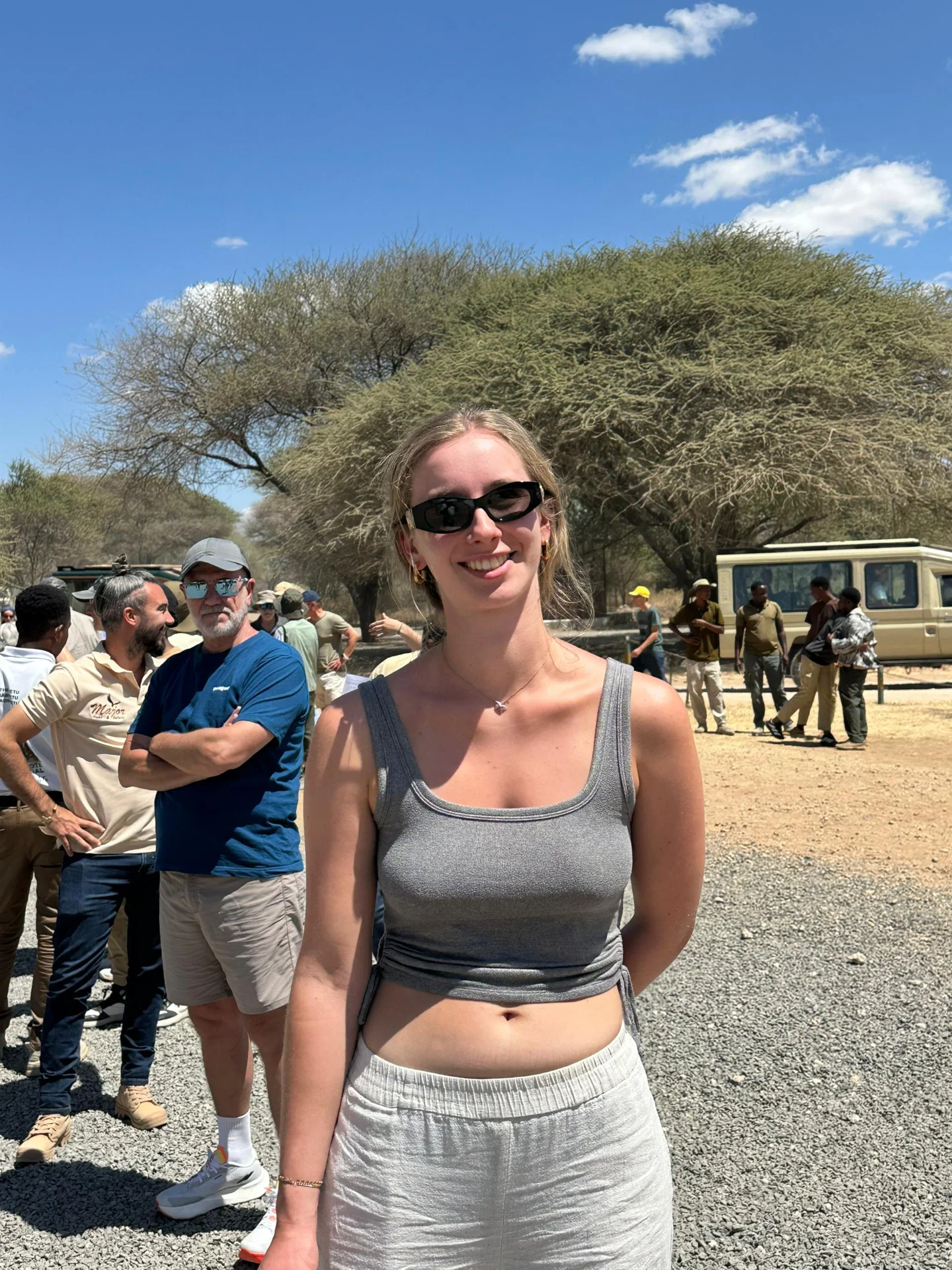
Tanzania solo travel gives you space to shape a holiday around your own interests. You can spend longer watching wildlife, choose a quiet camp, join other guests for dinner, or add a Zanzibar beach stay. The key is to plan the support you want, rather than assume that travelling solo means doing every part alone.
A solo safari in Tanzania can be private and guided, part of a shared departure, or a mix of both. You can have your own room and still share game drives. You can also book a private car without needing a travel companion. Make those choices clear before you compare prices.
This guide covers safety, costs, rooms, routes, transport, health, and meeting people. It includes sample packages and questions to ask before booking. Advice and official links were reviewed in November 2026. Recheck current entry rules and travel advisories before departure.
Discuss your Tanzania solo travel plans with TanzaLux Safaris.
Tanzania solo travel: the key decisions
Trip style: decide whether you want private guiding, shared drives, or a mix.
Room choice: ask for a quote for one guest and check any supplement.
Support: prearrange arrival transfers and keep useful contacts offline.
Route: give your main area enough time instead of adding too many stops.
Safety: read current regional advice and plan each day's return transport.
Social time: ask about communal meals and group outings without assuming room sharing.
Is Tanzania suitable for a solo trip?
It can suit a guest who wants a guided wildlife holiday and a clear plan for the days between activities. Your experience will depend on the route, stays, transport, health needs, and personal comfort level. There is no single answer that fits every person or every region.
For Tanzania solo travel, start with the parts you want to do with support. A guide can manage safari logistics and help you understand what you see. A hotel-arranged transfer can make an arrival simpler. Neither removes every risk, but both can reduce guesswork.
Shape Tanzania solo travel around your own interests and comfort. It is fine to enjoy quiet time, ask for help, skip an outing, or prefer a group. Clear plans can give you more freedom to relax.
Private safari or a joining departure?
A private guided safari
A private safari puts your own interests at the centre of the daily plan. You can discuss longer waits for photos, shorter drives, or a return to camp for rest. Your guide still follows protected-area rules, access limits, and safety decisions.
Check exactly what is private. A private airport transfer does not automatically mean private game drives at every camp. Ask whether the car, guide, and outings are exclusive to you for each part of the route.
A shared or joining safari
A shared departure may appeal if you want company and a way to share some costs. Ask about the route, maximum group size, seating, luggage space, language, and planned pace. You will need to fit in with the agreed group schedule.
Check the departure before booking flights around it. Ask about minimum guest numbers and what happens if they are not reached. A place on a proposed departure is different from a confirmed trip.
Tanzania solo travel can combine these styles. You might join a safari, keep your own room, then book private transfers for Zanzibar. Compare the whole plan, including any changes in guide or car plans.
What does a single supplement mean?
A single supplement is an extra charge that may apply when one guest occupies a room or tent priced on a sharing basis. It is not the only reason a solo trip may cost more per person. A private car and guide also have costs that fewer people share.
For Tanzania solo travel, ask for the full price for your own room and a breakdown of any supplement. Check whether meals, fees, and transport use the same pricing basis as the headline offer. A “no single supplement” promotion may have date and room limits.
For Tanzania solo travel, do not assume you must share a room to join a group. Ask whether you can keep your own room at an added cost. If you are open to sharing, agree the plan and what happens if there is no suitable match before payment.
Is the quoted room for one guest or based on two sharing?
Is the supplement per night or for the whole stay?
Are game drives private or shared?
Is any room-sharing plan optional and confirmed?
What changes if the group size or camp availability changes?
Ask TanzaLux to compare private and shared safari costs with your own room.
Safety: prepare for the route you choose
Read current official advice before making firm plans. The UK safety guidance describes crime, sexual assault, unrest, and regional risks. Advice can vary by area and guest. Follow your own government's guidance as well as current local details.
For Tanzania solo travel, make transport part of the plan. Avoid walking alone at night, use trusted booked transfers, and check the car and driver before setting off. Do not accept an unplanned lift simply because the person seems helpful.
Keep valuables discreet and use secure storage where available. Retain access to your key documents and a backup payment method. Agree a check-in plan with someone at home, while accepting that a remote camp may have limited signal.
Avoid demonstrations and large political gatherings. If plans change because of disruption, ask the operator or hotel about a suitable alternative. A carefully chosen safari route is not a reason to ignore advice for the wider journey.
Solo female travel and personal boundaries
Solo female travel needs useful planning, rather than a blanket assurance. Australia's Tanzania advice discusses harassment, safety concerns, and local customs. Review guidance useful to your needs, including how to seek help if an incident occurs.
Choose stays with clear arrival plans and an accessible contact. Check room locks, ask about escorts at camp, and arrange your return ride before an evening outing. Keep control of your drinks and decline unwanted invitations or attention without feeling you must explain.
Tell the operator if a particular guiding plan would make you more comfortable, and ask what can actually be provided. Do not assume a female guide, private car, or named staff member is available until it is confirmed.
Respectful dress can help you fit local customs, especially away from beach resorts. It does not guarantee safety, and responsibility for harassment or assault lies with the person who commits it.
Local laws and different guest needs
Learn the rules and customs before travel, including dress expectations in towns and religious areas. Ask permission for portraits and follow guidance at cultural sites. Beachwear belongs in suitable beach and resort settings, rather than every public place.
LGBTQ+ guests should review the legal and personal risks carefully. Official Australian guidance warns that same-sex sexual activity is illegal and that LGBTQIA+ people can face harassment and arrest. Guided or luxury travel does not remove those risks; seek advice useful to your own situation before deciding.
Tanzania solo travel planning should also reflect mobility, sensory, dietary, and health needs. Ask about steps, room access, car entry, bathroom layout, and long drives. A “luxury” label does not establish that a property is accessible or suitable for you.
Where should a solo guest go?
Start with one main route. A northern safari can link Arusha with selected parks such as Tarangire and Serengeti, plus a planned Ngorongoro visit. Use TANAPA's trip planner to understand park choices and the need for permits and guiding.
Arusha can be a useful arrival or rest base for a northern trip. Ask about a guided town, food, or cultural outing if that interests you, and check the provider, cost, duration, and return transfer. Do not treat spare time as a reason to accept an unknown street offer.
A southern safari needs its own access plan. Discuss the camp, season, and flights before adding it to a short northern route. In Tanzania solo travel, fewer bases can mean fewer transfers to organise and more time to enjoy each stay.
Zanzibar solo travel: plan the beach days too
Zanzibar solo travel can be a quiet end to a safari or a chance to explore with guided outings. Decide whether you want beach rest, Stone Town, water activities, or a mix. Choose the hotel around that plan rather than only its room photos.
Ask about tides, swimming conditions, access to meals, and transport after dark. Check the route from the airport and how a tour will bring you back. Do not assume a long beach walk is suitable at every hour or location.
For boating, snorkelling, or diving, check the operator, safety plans, weather policy, and your own ability. Check the total price and return plan. A solo booking does not mean you should go into the water alone.
Make the island part of the full Tanzania solo travel budget. Transfers, meals outside the room rate, excursions, and a single-room charge can all affect the final cost.
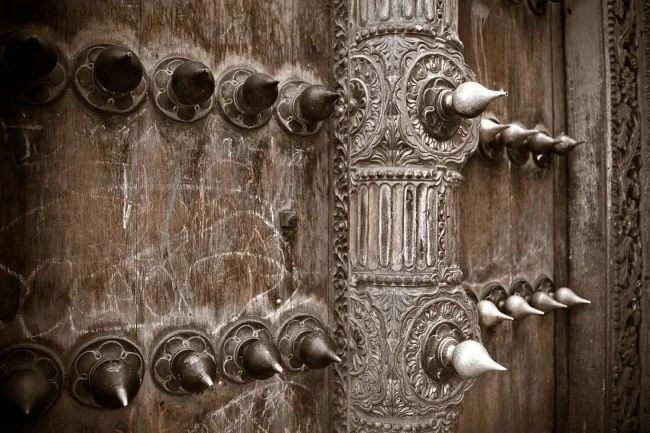
Detail of a carved Zanzibar door. A guided Stone Town outing can be discussed alongside a beach stay.
When is the best time to travel?
Choose dates for the experience you want. Tanzania's tourism seasonal guide highlights late June to October for wildlife viewing and late January to February for southern Serengeti calving. Rain, grazing, and local conditions still shape each trip.
For Tanzania solo travel, also check confirmed shared departures and single-room availability. A slightly different date may offer a better fit, but compare the actual quote rather than assuming a quiet season always costs less.
Leave room for weather and wildlife changes. If seeing the migration is your main goal, ask which Serengeti region fits the dates and where your camp sits. No guide can promise a crossing, birth, or particular animal.
Arrival, airports, and transfers
Book the ground route before locking in flights that are hard to change. Kilimanjaro International Airport serves the northern tourism circuit. Other routes may work through Dar es Salaam or Zanzibar. Compare the whole journey to the first and last hotel.
Check the airport name on every ticket. Arusha Airport and Kilimanjaro International Airport are different places. Allow time for entry checks, baggage, road transfers, and domestic check-in rather than relying on a tight connection.
A useful Tanzania solo travel arrival plan has a named meeting point, the operator's contact, and instructions for a delayed flight. Share your final flight details. If a driver change is unexpected, verify it through the booking contact before leaving.
For public or long-distance transport, review current safety advice and choose a trusted booked service. Ask about daylight travel and the arrival transfer. A cheap ticket may be less useful if it leaves you arranging an unfamiliar late-night journey alone.
Your first evening: keep the plan simple
Once you reach your room, take a few minutes to settle in. Charge your phone, drink some water, and put your key papers in a safe place. Check the next day's pickup time with the team. Keep the first night light if you feel tired from the flight.
Ask the staff where to eat and how to get back. If you want company, ask about a shared meal. If you need quiet time, that is fine too. You can choose a calm start and still have a full trip.
Keep your room key, phone, and a small amount of cash close by. Ask the front desk how to reach them from the room and when staff are on hand. Let your contact at home know you have arrived when you have a working signal. Then get some rest. A clear plan for the next day helps you start with less to think about.
Entry documents and required insurance
Check the official Immigration guidelines for your passport and travel purpose. Visa applicants need at least six months of passport validity and one unused visa page. Check visa exemption, the correct category, and any referral approval before making firm bookings.
Do not assume visa on arrival is available to all passports. Keep required documents and travel details ready, including your return ticket. Save copies offline and store a backup separately from the originals.
Current inbound insurance guidance includes mainland Tanzania and Zanzibar. The September 2026 official update states that mainland cover began on 1 October 2026. Applicable mainland-first arrivals use NIC, while Zanzibar-first arrivals use ZIC, with one valid policy for the combined journey.
For Tanzania solo travel, check exemptions, policy dates, age pricing, and cover terms before buying. Keep the certificate ready. Review your own travel insurance for cancellation, medical needs, evacuation, and activities rather than assuming the mandatory policy covers every expense.
Health, packing, and staying connected
Arrange a travel-health appointment with the full route and any medical history you need to discuss. The CDC Tanzania page covers vaccines, malaria, and other planning. Ask a clinician what fits you and allow enough time to follow the advice.
Yellow fever proof depends on arrival and transit history. Tanzania's Ministry of Health notice includes arrivals from risk countries and transits of twelve hours or more in them. Review the exact route, age, and any medical exemption.
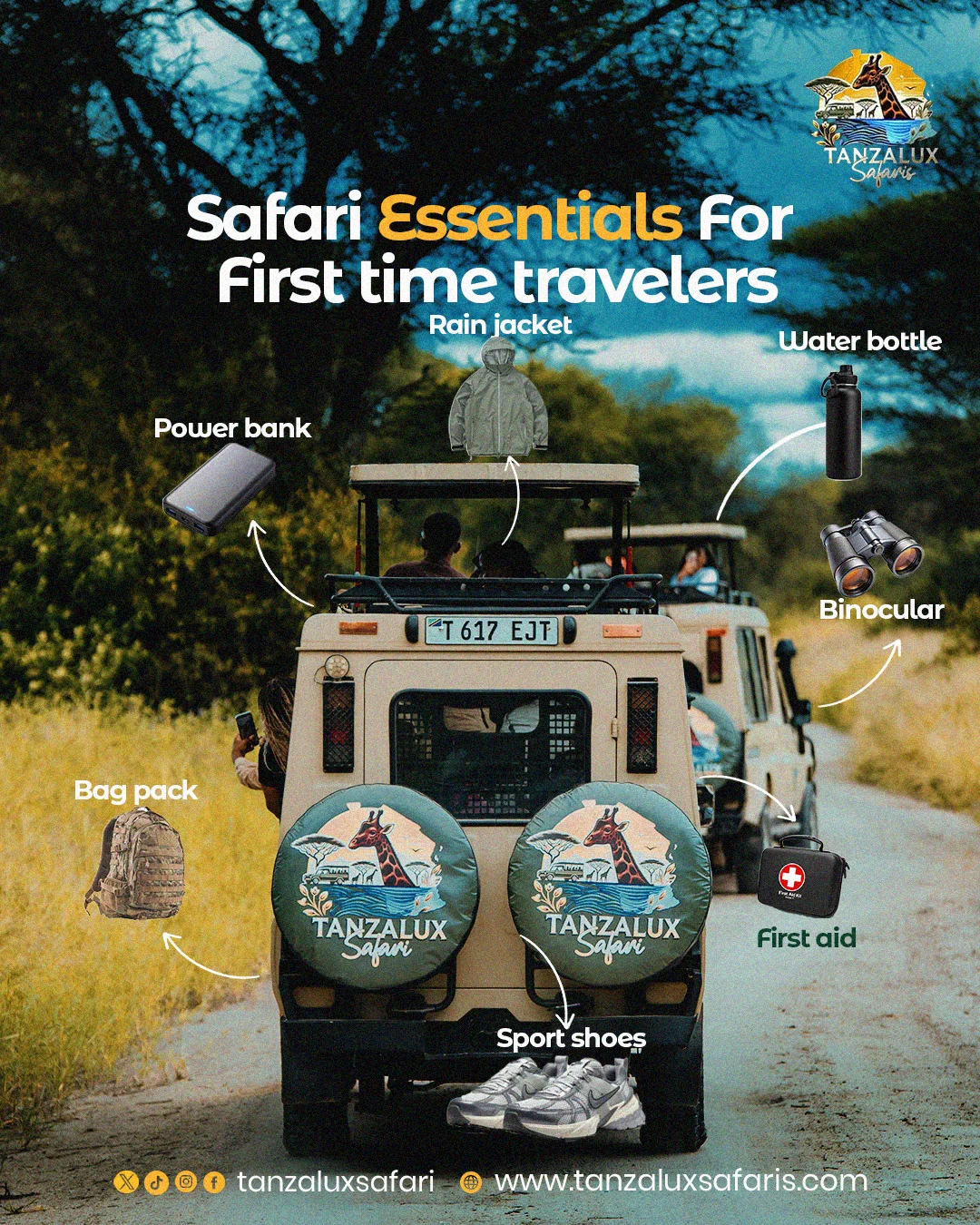
Pack light layers, a warm top for cool starts, rain protection, sun protection, and comfortable shoes. Keep personal medicine and documents with you. If small aircraft are booked, check the carrier's current bag limits, including camera gear and hand luggage.
Tanzania solo travel is easier when key details works offline. Save the operator, hotel, airline, insurer, and consular contacts. Check roaming or SIM options before relying on your phone, and agree what a missed check-in means with someone at home.
Camp life and meeting other guests
For Tanzania solo travel, ask about the camp's normal dining setup. Some stays may offer shared tables or hosted meals; others may feel more private. Neither style is right for everyone. Explain whether you want company, quiet time, or the option of both.
Joining a drive or booked activity can create a natural way to meet people. You can still keep your own room and take time alone. There is no need to accept every invitation to make a solo trip feel successful.
In Tanzania solo travel, camp routines can also make evenings simpler. Follow staff advice about escorts, paths, food storage, and wildlife. Do not walk through camp after dark just because another guest has done so.
On drives, follow the guide's instructions and give animals room. A walking safari needs the right guide and authorisation; travelling solo is not permission to explore a wildlife area on foot.
Money and a realistic solo budget
Ask for an itemised quote based on one guest. Include the room, guide and car plan, park fees, meals, transfers, and flights. Then add required documents, insurance, tips, personal spending, and optional outings.
The Bank of Tanzania's tourist-payment clarification explains permitted foreign-currency transactions involving non-residents. Check each invoice and payment method. Keep some shillings for small expenses and use authorised exchange services.
A Tanzania solo travel budget should not depend on one card or one ATM working. Keep a backup payment method separate, check fees, and avoid carrying all spending money in one place. Use a discreet, suitable location for cash withdrawals.
Ask for tipping guidance before the trip, then make your own choice based on service and your means. Check whether camp staff use a shared tip box. Review deposit, cancellation, and change terms before payment.
Sample Tanzania solo travel packages
These are route ideas to tailor, rather than fixed departures or price promises. Single-occupancy rooms, private or shared drives, fees, and current transport need a written quote. All samples assume arranged transfers; wildlife sightings are not guaranteed.
Five days: One main park and a calm arrival
Day 1: arrive, meet the arranged driver, and stay in Arusha.
Day 2: travel to Tarangire and enjoy viewing as time allows.
Day 3: a full day based in the Tarangire area.
Day 4: further viewing, then return to Arusha.
Day 5: departure transfer matched to the flight.
This five-day, four-night idea has two nights near Tarangire and two in Arusha. It can suit a first solo safari with fewer camp changes. Compare a fully private quote with a genuinely confirmed shared option if one fits your dates.
Request a five-day solo safari with clear single-room and guiding costs.
Eight days: A northern circuit solo safari
Day 1: arrival and an Arusha overnight.
Day 2: Tarangire game drive and an overnight nearby.
Day 3: transfer toward the selected Serengeti camp.
Days 4–5: two full days based in Serengeti.
Day 6: travel with viewing toward the Ngorongoro highlands.
Day 7: planned crater visit, then return to Arusha.
Day 8: departure transfer.
This eight-day, seven-night plan includes three Serengeti nights. Some road days are long. Add nights, trim a stop, or discuss a fly-in option if that would better fit your comfort and budget.
Plan an eight-day Tanzania safari around your own pace and interests.
Twelve days: Safari and a solo Zanzibar stay
Day 1: arrive and stay in Arusha.
Day 2: Tarangire and an overnight in the chosen area.
Day 3: transfer to Serengeti.
Days 4–5: two full Serengeti days.
Day 6: travel to the Ngorongoro highlands.
Day 7: planned crater visit and an Arusha overnight.
Day 8: flight to Zanzibar and a booked hotel transfer.
Days 9–11: beach rest with optional booked outings.
Day 12: transfer for departure.
This twelve-day, eleven-night idea has four Zanzibar nights. Review the hotel's dining and social setup as well as the room. Flights may change the order, and optional outings should have clear pickup and return plans.
Combine your solo safari with a thoughtfully planned Zanzibar beach stay.
Why travel with TanzaLux Safaris?
TanzaLux is a Tanzanian-owned company based in Arusha. Its About TanzaLux page describes a tailored approach built around dates, pace, budget, and interests. Safari, Kilimanjaro, and Zanzibar can be coordinated through the same team.
For Tanzania solo travel, use that planning conversation to make the small details clear. Ask who meets you, what is private, how rooms are priced, and whom to contact if plans change. A clear proposal matters more than a promise that nothing will go wrong.
Local base: discuss the route with an Arusha-based team.
Individual pace: shape the trip around your own interests.
Clear costs: request the full price for your own room and inclusions.
Coordinated travel: plan safari, transfers, and an island stay together.
A rewarding solo trip gives you support where it helps and space where you want it. Choose a realistic route, ask direct questions, and allow yourself to enjoy both company and quiet time.
Share your dates, budget, and solo travel wishes with TanzaLux Safaris.
Frequently asked questions
1. Can I plan Tanzania solo travel without joining a group?
Yes. You can request a private guided safari and your own room. Check which transfers, drives, and outings are private throughout the trip. Travelling solo does not mean you must enter wildlife areas without a guide.
2. Is Tanzania safe for every solo guest?
No destination or route is risk-free. Review current official advice, regional risks, and guidance useful to your needs. Arrange trusted transport, choose suitable stays, and keep a clear contact plan rather than relying on a general safety claim.
3. What should solo female guests consider?
Review current guidance on harassment and safety. Arrange arrival and return transport, check the room and camp setup, and ask about guiding options. Set boundaries that suit you. No clothing choice or travel style makes someone responsible for another person's misconduct.
4. Can I join a safari and keep my own room?
Ask the operator. Shared transport and rooms for one can sometimes be combined, if rooms and rates allow. Check the room charge and departure confirmation before paying, rather than assuming that a joining safari requires room sharing.
5. What is a single supplement?
It is an added charge that may apply when one guest uses a room priced for sharing. Ask for the full full cost for one guest. Private guiding and transport can also affect the price separately from the room.
6. Can I avoid a single supplement?
There may be named offers, suitable room types, or an optional sharing plan, but none should be assumed. Ask about date limits and the full price. Any room-sharing plan should be agreed before booking.
7. Is a shared departure always cheaper?
Not in every comparison. Check the same camps, fees, room basis, and transport. A low headline price may leave out a single-room charge or transfers. Check minimum guest numbers and what happens if the departure does not run.
8. How many days should I allow?
Five days can suit a focused short safari, while a week or more allows a broader route. Add time for Zanzibar if you want full beach days. Count arrival, departure, and transfers separately from full safari days.
9. Which month is best for a solo safari?
Choose the month for your wildlife interests and route, then check rooms and departures. Broad seasonal guidance is a starting point. No month guarantees the migration in one spot, a river crossing, or a quiet camp.
10. How do I arrange an airport pickup?
Book it through a trusted operator or hotel. Share the final flight details and get the meeting point and contact in writing. Verify unexpected driver changes through the booking contact before leaving the airport.
11. Can I walk around alone at night?
Plan trusted transport instead of walking alone at night. At camps, follow escort and path rules. Ask staff about local conditions and arrange the return journey before an evening outing.
12. Do I need a visa?
Check Tanzania Immigration for your passport and travel purpose. Visa exemption, visa categories, and referral rules differ. Do not assume visa on arrival applies to everyone, and review any approval needed before making firm bookings.
13. Is inbound insurance required for a solo guest?
The rule depends on eligibility and entry plans, not whether you have a companion. Check the current NIC or ZIC guidance for your first port of entry, exemptions, dates, and policy terms. Keep the certificate accessible.
14. What health planning should I make?
Discuss the full route with a travel clinician. Ask about vaccines, malaria prevention, personal medicine, and any activity risks. Check yellow fever entry rules against your transit route as well as the country you leave from.
15. Can I meet people without sharing a room?
Yes, ask about communal meals, shared drives, or booked group outings. Social options vary by property and date. Keep your own room if you prefer and allow quiet time without feeling obliged to accept every invitation.
16. Can I visit Zanzibar alone after safari?
Yes, with a plan for the hotel, transfers, meals, and any outings. Review local advice, swimming conditions, and return transport. A solo trip can include guided outings and shared excursions rather than doing every activity alone.
17. What should LGBTQ+ guests know?
Review current official legal and safety guidance before deciding to travel. Same-sex sexual activity is illegal, and official advisories warn of harassment and arrest risks. A private or luxury booking does not remove those concerns.
18. What if I lose phone signal?
Keep key contacts and bookings offline, and agree a check-in plan before travel. Tell someone at home that remote stays may have gaps. Ask the operator how urgent messages and changes will be handled for your route.
19. What should I do if I need help?
Use the agreed operator or hotel contact and seek appropriate local emergency or medical help when needed. Keep insurer and consular details accessible. Ask about the route's emergency process before booking rather than waiting for a problem.
20. How can TanzaLux help plan my solo trip?
Share your dates, budget, interests, and comfort needs through the contact page. Ask for clear single-room pricing, guiding plans, named camps, and transfer details. Review the final proposal and terms before paying the agreed deposit.
Ready to start planning?
Tell us your dates and what you're after — no obligation.