5.0 Excellent

Tanzania Tourism’s Timing Guide: When to Visit for Safaris, Migration and Zanzibar
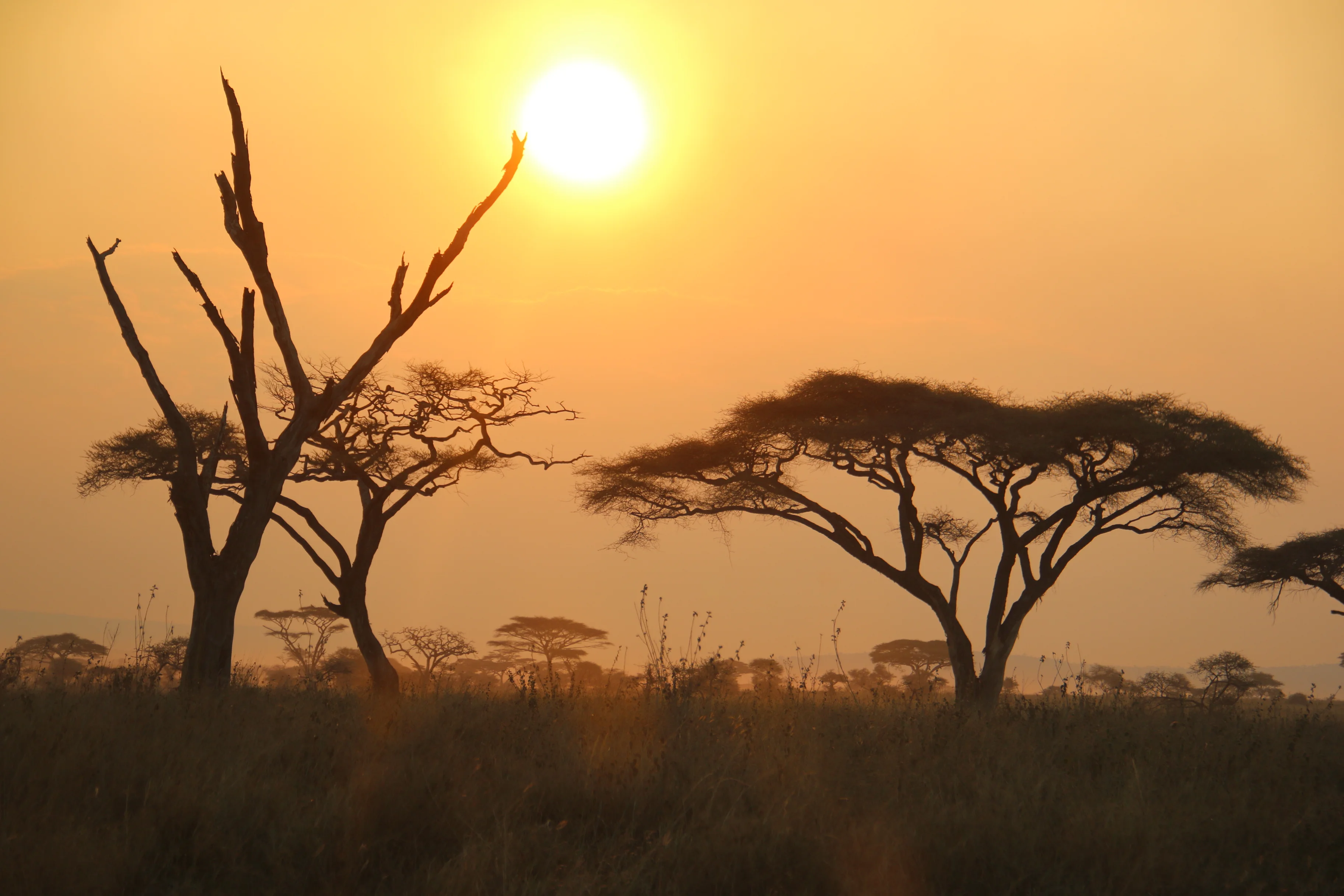
Tanzania safari seasons shape far more than the chance of rain. They affect where you should stay, which wildlife story to follow and how much time to allow between places. The best time to visit Tanzania starts with what you most want to see. A good travel date fits your main goal, your comfort needs and a route you can enjoy at a sensible pace.
This TanzaLux guide uses Tanzania Tourism's When to Travel page as a starting point, alongside park and camp guidance. It turns broad timing advice into practical choices for a private safari. The aim is to help you choose well, whether your dream is a calf on the plains, a herd near the Mara River or a quiet end to your trip on Zanzibar.
Ask TanzaLux Safaris to match your travel dates with the right safari route.
Tanzania safari seasons at a glance
For a first wildlife-focused trip, June to October is a useful starting window to discuss. For calving, look more closely at late January and February in the southern migration area. For a river-focused trip, consider the northern Serengeti during its migration season. These are different journeys, even though both involve wildebeest.
General game viewing: compare dry-season routes and the parks that suit your interests.
Calving: focus on the southern Serengeti and Ndutu area in the relevant months.
River crossings: choose a northern base and allow several nights, with no sighting promise.
Birds and green scenery: explore wet-season options with suitable access.
Beach time: check Zanzibar's weather, your exact coast and the activities you want.
Value: compare full written quotes for actual dates rather than relying on a low-season label.
The Visit Tanzania seasonal overview highlights late June to October for general wildlife viewing and late January to February for calving. Treat that as a broad framework. A country-wide recommendation still needs to be checked against the park, camp and experience in your own proposal.
What does Tanzania Tourism's timing guide tell you?
Tanzania Tourism explains that rainfall influences wildlife movement and the experience of a visit. Its guide describes the migration as a year-round event. It highlights July to September for a chance of Mara River crossings, November to March for green-season birdlife and April to May as a period when heavier rain can disrupt viewing.
Tanzania safari seasons give useful orientation, but they do not tell you which room to book or how long to spend on the road. It also does not make every month in a broad season identical. Use it to form a first choice, then ask a planner to test the details against your dates.
For example, a trip built around newborn wildebeest needs a different base from a trip built around the northern river. A holiday with children may need fewer camp moves. A keen birder may accept showers in return for time in a greener landscape. Start with the experience, then choose the calendar window.
How do Tanzania safari seasons work?
It helps to separate three ideas: the climate pattern, the wildlife pattern and the booking season. Climate describes what weather is typical. Wildlife timing describes where animals may be and what they may be doing. Booking season is the period a lodge uses to set rates and terms. Those three calendars overlap, but they do not match perfectly.
The Tanzania dry season
Dry-season planning often centers on June to October. In some parks, wildlife gathers more closely around lasting water sources as other water becomes scarce. Vegetation can also be less dense. However, dry weather does not make an animal appear on demand. You still need time, a suitable route and patient guiding.
TANAPA's Tarangire overview gives June to October as a dry period and describes the river's role in attracting wildlife. That makes Tarangire a useful example of why season matters at park level. Do not assume the same pattern will apply in exactly the same way across the country.
Short rains and green-season choices
A green season safari can appeal to travelers who enjoy birds, fresh scenery and a less rigid daily plan. It also asks different questions of your route. Which tracks remain useful? Is the camp open? Can the planned transfer still work if a storm changes conditions?
Some parts of northern Tanzania have a short-rain period late in the year and a drier interval early in the next. Southern parks need their own checks. A broad phrase such as “January is dry” is too simple for a national itinerary. Ask about the places you will actually visit.
The longer rains
March to May needs closer attention in many safari areas. Tarangire's published climate pattern places its long rains in these months. Heavy rain can affect access, and some camps close for part of the period. A closed camp cannot be replaced by a weather average, so confirm its dates before you book transport.
The right question is how a specific route will work. An open northern lodge and a remote seasonal tented camp can face very different practical issues. If your dates are fixed, build around places that can support them. Leave time for changes instead of filling every day with a tight connection.
Tanzania weather by month: a practical planning calendar
This Tanzania safari seasons calendar is a guide to choices, rather than a daily forecast. It combines regional seasonal patterns with planning suggestions. Read the month that interests you, then check the relevant park and camp sections below. Exact rain onset, herd position and travel conditions vary from year to year.
January: choose the region first
For Tanzania safari seasons early in the year, the southern migration area deserves a closer look. Ask where the herds are expected and where your camp will stand. If you also want a southern park, request separate advice for that region. Do not copy the northern plan across the map.
February: focus a calving trip
February is a key month to consider for calving around Ndutu and the southern plains. Give that area several nights rather than rushing through on a long transfer. Ask your guide to balance herd time with the wider landscape. Births and predator encounters remain wild events, not scheduled activities.
March: check the exact dates and access
A month can change from its first week to its last. For March travel, ask about camp closing dates, road sections and the route's flexibility. Keep a clear reason for each stop. A trip can feel more rewarding with time in fewer places than with several transfers squeezed between weather-sensitive activities.
April: choose a route that can work in rain
This is a month for careful route selection. Get written confirmation that every lodge and transfer in the plan can operate. Ask what alternatives exist if a road is unsuitable. A lower quote has value only when the trip still delivers the experience you want.
May: check reopening dates
For Tanzania safari seasons around May, avoid assuming that all camps restart on the same date. Confirm the room, airstrip pickup and activities as one plan. If flexibility is important, ask for an extra night in a convenient place rather than a chain of short stays.
June: look at the transition
June often sits at the start of dry-season planning. It can be worth comparing with your later holiday dates. Ask about current access and which migration region makes sense. If a camp has just reopened, confirm all the services you want rather than relying on a general seasonal label.
July: plan popular choices early
July is a common choice for a classic safari or a northern migration focus. Check availability before becoming attached to one small camp. If the river is your main goal, protect several nights near it. A day spent reaching the north is not the same as a full viewing day.
August: make room for your own pace
During popular travel dates, choose a route that suits your group rather than trying to visit every famous place. A private vehicle lets you agree on breaks and time at sightings. It does not reserve an empty park. Discuss how much road travel everyone will enjoy.
September: compare wildlife and beach priorities
September can fit a dry-season safari and a Zanzibar extension. First decide how to divide your nights. If the mainland is your main interest, avoid cutting it too short to add the beach. If rest is the goal, leave enough island time after your safari flight and hotel transfer.
October: ask about changing conditions
Late dry-season travel needs practical questions about heat, water and the first rains. In a river-based park, an activity may depend on water levels. Ask the camp about the exact experience you want. A generic promise of “all activities” may hide an important seasonal limit.
November: confirm the camp's location and status
Some mobile migration camps close or move around their seasonal pattern. Verify the exact property and its operating dates. If your aim is a quieter stay, compare actual room availability and local activity rather than assuming every place has fewer guests. Let the route reflect current conditions.
December: check festive dates separately
December planning should include exact hotel terms, not just seasonal weather. Ask about minimum stays, special meals and flight availability over holiday dates. If your trip spans two rate periods, request a total for the whole stay. A month name alone cannot tell you the final cost.
Tanzania safari seasons for the Great Migration
Great Migration timing is one of the strongest reasons to choose a specific region. A map showing the broad yearly route can help you understand the story. It cannot give a daily location. Ask your planner how the proposed camp supports your goal and how much viewing time remains after transfers.
Calving around Ndutu and the southern plains
Ndutu Safari Lodge's migration guide describes herds using the southern short-grass plains in the greener part of the year, with calving often peaking around February. Rain and fresh grazing shape the movement. This is the basis for a southern calving plan, not a guarantee of a particular birth.
Give yourself time to watch behavior as well as movement. Calves staying close to their mothers, grazing herds and the scale of the plains all belong to the experience. A good guide can help you read those details. Avoid treating a dramatic hunt as the measure of a successful day.
The western and northern Serengeti
The broad migration route later draws attention toward the western and northern parts of the ecosystem. Tanzania Tourism's Serengeti guide outlines this regional shift. It is useful background when comparing camps, but the most suitable base still depends on your actual dates and the latest local picture.
When comparing Tanzania safari seasons for a Mara River focus, build around a northern stay. Ask how many full days your package allows there. Three full days between arrival and departure is a useful starting point to discuss, not a formula for success. Herds can gather at the bank and leave without crossing.
Build a migration safari around your preferred wildlife experience.
How Tanzania safari seasons differ by park
Tarangire: let the river shape your choice
When comparing Tanzania safari seasons, include Tarangire if you want elephant country and baobab scenery alongside other northern parks. For dry-season travel, ask how much time you can spend inside the park. A long arrival drive with a brief visit serves a different purpose from two nights nearby and an unhurried full day.
If you visit in a wetter month, request a current view of routes and access. TANAPA's Tarangire visitor guide notes the need for care on muddy sections. Respect designated tracks and follow your guide's decisions about where the vehicle can travel.
Ngorongoro: distinguish the crater from the wider area
The crater floor, the highland stays and the southern plains are different parts of a much larger area. A visit to Ngorongoro Crater does not replace time in the migration zone. Likewise, a night labeled “Ngorongoro area” may place you near Karatu rather than on the rim.
The Ngorongoro Conservation Area Authority's seasonal guide distinguishes the wet-season plains from dry-season viewing. Use that regional detail when checking your plan. Ask for the exact lodge location, the crater visit day and any travel between the highlands and your Serengeti camp.
Nyerere and Ruaha: confirm each camp's calendar
Tanzania safari seasons in the south need their own research. Asilia's Nyerere guide highlights dry-season game viewing and explains how water levels affect boating. Late dry-season conditions may limit boat trips, while greener periods offer a different mix of scenery and birdlife.
Do not assume that a boat safari runs just because the camp is open. Ask about the likely activity mix for your dates. For both Nyerere and Ruaha, check property opening dates and flight links. Asilia's camp guidance explains that its southern camps close during part of the rains; other properties have their own calendars.
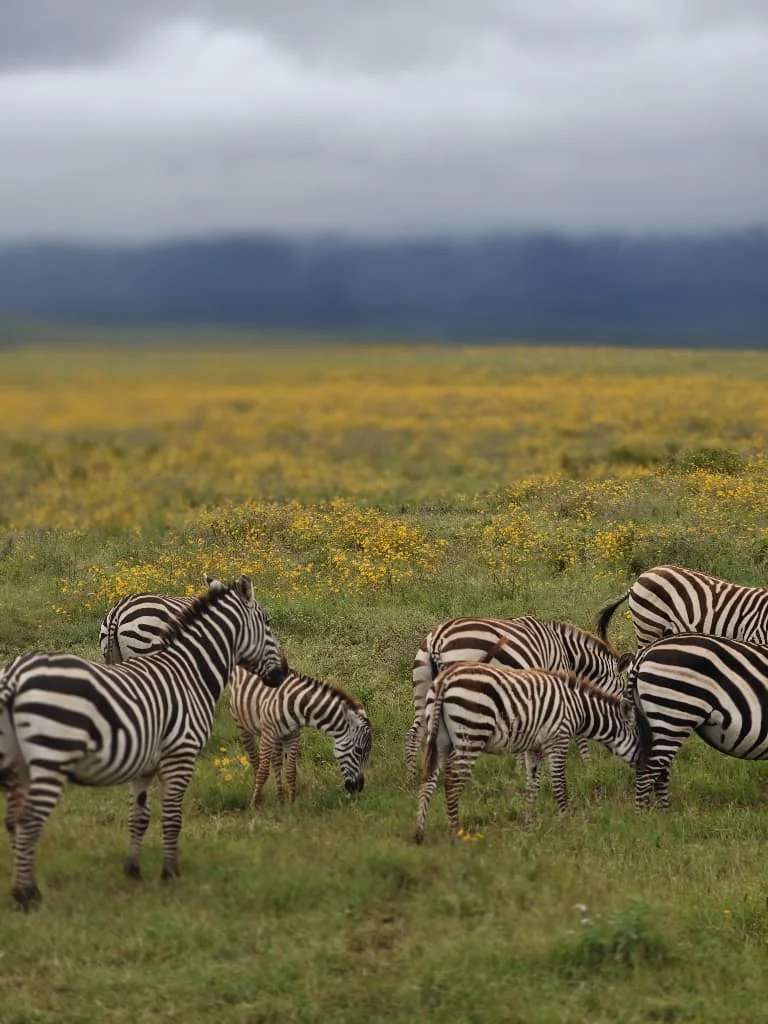
Wildlife, scenery and the feel of each drive all help shape the right season for your trip.
Best time to visit Zanzibar with a safari
For a safari and Zanzibar holiday, choose dates that serve both parts of the journey. The Zanzibar Commission for Tourism highlights June to October for a dry-season visit. That gives a useful overlap with many mainland safari routes, although local weather can still vary.
When pairing Tanzania safari seasons with the coast, your choice also depends on what you want to do. A poolside break, a walking day in Stone Town and a dive trip ask different things of the weather. For a water activity, speak to the licensed provider about sea conditions and the specific site. A sunny day does not by itself confirm suitable conditions offshore.
Ask about the beach at the exact hotel, including the effect of tides on swimming. Look at transfers too. A safari flight, airport arrival and hotel drive can take up much of a day. Four nights on the island gives more room to rest than one or two nights built around travel.
How do Tanzania safari seasons affect prices and crowds?
Travel demand and lodge rate periods can change the total, but there is no single percentage that applies to every trip. A quieter travel date may reduce a room cost while leaving other charges unchanged. Compare the same room, vehicle setup, meal plan and number of nights before deciding that one quote offers better value.
Ask for two dated proposals if you can move your trip. One can use your preferred window, while the other tests a nearby alternative. Have the planner explain what changes in the wildlife focus, camp choice and transport. Price matters most when you can see what the difference buys.
In busy periods, a private Tanzania safari gives your group control over pace and breaks. It does not make popular sightings private. If quiet time is a priority, discuss camp size, route choices and fewer moves. Leave space for longer stays rather than packing each day with a new destination.
Compare two travel windows with a clear private safari quote.
Tanzania safari seasons: how to choose your dates
Use Tanzania safari seasons as a decision tool. First write down the one experience you would most regret missing. Then list your fixed dates, available nights and comfort needs. This helps a planner make a focused proposal instead of sending a route that tries to do everything.
Choose one main goal. Make calving, river time, general wildlife or beach rest the starting point.
Choose the right region. Ask why each camp belongs in your route for that month.
Count full days. Separate arrival, transfer and departure days from full safari days.
Test the connections. Check camp dates, flights, road access and the airport used for each leg.
Review the full cost. Compare rooms, meals, guiding, fees, transfers and optional activities in writing.
Tell your planner about children, mobility needs and photography interests early. Ask how the group will handle long drives and early starts. If your dates cannot move, a thoughtful change of region may do more for your holiday than trying to force a seasonal wildlife event into the wrong week.
Before departure, revisit the plan with the latest weather and local access information. Long-term averages help choose a season; recent conditions help shape each day. Ask your planner when to check again, especially around a transition between wet and dry periods. Keep realistic expectations about wildlife throughout.
Turn your preferred month into a practical private Tanzania safari plan.
Sample packages for different Tanzania safari seasons
These three suggested packages show how to change the route around your goal. They are planning examples for a tailored quote, not fixed departures or priced offers. Camps, flights and activities depend on availability. Each overnight total is shown so you can compare the use of your time.
Sample package: 8-day southern plains and calving safari
Suggested focus: a late-January or February trip, refined around current conditions. Seven nights: one in Arusha, four in the Ndutu or southern migration area and two near Karatu.
Day 1: arrive in Arusha, meet your transfer and rest.
Day 2: transfer to the agreed airstrip and take a confirmed flight to the suitable southern safari airstrip. Meet your guide and continue to camp.
Days 3–5: enjoy three full days in the southern area, with the route shaped around legal access and current herd movements.
Day 6: travel by road toward Karatu. Treat this as a transfer day with possible stops.
Day 7: visit Ngorongoro Crater, then return to your lodge near Karatu.
Day 8: return toward Arusha for your agreed onward plan.
This package protects time in the main viewing area. Confirm the exact camp, seasonal airstrip service and transfer arrangements before booking. If a suitable flight is unavailable, ask for a revised road route with enough travel time. Calving and individual sightings cannot be promised.
Sample package: 8-day northern Serengeti migration safari
Suggested focus: a northern river-season trip, often discussed for July to September. Seven nights: one in Arusha, two near Karatu and four in the northern Serengeti.
Day 1: arrive and spend the night in Arusha.
Day 2: drive to the Karatu area and settle into your lodge.
Day 3: explore Ngorongoro Crater, then stay a second night near Karatu.
Day 4: transfer to the agreed airstrip and take a confirmed flight to Kogatende. Continue to your northern camp.
Days 5–7: keep three full days for northern game drives and patient river visits when conditions support them.
Day 8: fly to Arusha on the confirmed service and follow your onward plan.
A guide can use this time well, but cannot choose when a herd enters the river. Book the trip for the whole northern wildlife experience. Check the camp's location and private vehicle arrangements, as well as the flight connection from the Karatu area.
Sample package: 10-day classic safari and Zanzibar break
Suggested focus: a dry-season bush-and-beach journey, with dates and hotel conditions checked together. Nine nights: one in Arusha, two in or near Tarangire, two near Karatu and four on Zanzibar.
Day 1: arrive and rest in Arusha.
Day 2: drive to Tarangire, enjoy a visit within the day's timing and stay nearby.
Day 3: spend a full day exploring Tarangire with your guide.
Day 4: travel to the Karatu area and enjoy a quieter afternoon.
Day 5: visit Ngorongoro Crater, then return to your lodge.
Day 6: transfer to the agreed airport or airstrip and fly to Zanzibar on a confirmed service.
Days 7–9: enjoy three full island days. Add any guided or marine activity only after checking local conditions.
Day 10: transfer to the airport for departure.
This route leaves out the Serengeti to allow a gentler balance of safari and beach time. If the Serengeti is essential, extend the holiday or redesign the route. Avoid adding it as a rushed extra. Allow a final buffer night if your onward flight connection needs one.
Personalize one of these sample packages with TanzaLux Safaris.
Why travel with TanzaLux Safaris?
Tanzania safari seasons become more useful when someone turns them into a route that fits your life. The right plan needs more than a month marked on a calendar. It needs suitable rooms, sensible travel days and honest advice about what nature may do.
TanzaLux Safaris is a Tanzanian-owned team based in Arusha. Its tailored approach lets your dates, pace, budget and interests shape the trip. Safari, Kilimanjaro and Zanzibar can be planned through the same team, which helps you view the journey as one connected holiday.
Ask the team to explain why each park and camp suits your dates. Request a clear quote and compare alternatives if your first choice is full or poorly placed. A private vehicle and guide can support your preferred pace within park rules. Neither private travel nor a luxury room can guarantee weather or a wildlife event.
Start planning your ideal season of travel with TanzaLux Safaris.
Frequently asked questions
1. Which Tanzania safari seasons suit a first visit?
June to October is a useful starting window for general wildlife viewing. The right choice still depends on the parks and your main goal. If calving matters most, discuss a southern migration route for late January or February instead.
2. Are Tanzania safari seasons the same in every park?
No. Regions differ in rainfall, access, wildlife movement and camp operations. Check each stop in your own plan. A good month for one area does not automatically make every activity or road suitable elsewhere.
3. Is the Great Migration only visible in one season?
No. It is a year-round ecological movement with different regional phases. Choose the part of the story you most want to see, then plan a suitable base. River crossings and southern calving require different routes.
4. When should I plan for Mara River crossings?
July to September is a commonly highlighted window for a chance of crossings. Stay in the northern Serengeti and allow several nights. Neither a month nor a particular camp can guarantee that a herd will cross during your visit.
5. When is the main calving period?
Late January and February are key dates to discuss for the southern plains, with February often a calving focus around Ndutu. Herd location varies. Ask for a camp positioned for your dates rather than relying on a broad migration label.
6. Which Tanzania safari seasons are best for birding?
Greener months can be rewarding for birdwatching, but choose the region and access carefully. Share your target interests with your planner. A specialist focus may call for slower drives, more time in one habitat and a guide suited to that interest.
7. Should I avoid April and May completely?
They need careful planning because rain and seasonal closures can affect a route. Do not assume every place is closed, or that every route works normally. Ask for confirmed camp dates, realistic access and alternatives before paying.
8. Is a green season safari always cheaper?
No. Rates depend on the property, exact dates and booking terms. Compare the full cost of the same trip setup. A room saving may not reduce flights, private transport or other charges by the same amount.
9. Does dry season mean there will be no rain?
No. A seasonal pattern is not a daily forecast. Pack for some change in conditions and check recent information before departure. Your guide may adjust the day's route when local weather or access calls for it.
10. How do Tanzania safari seasons affect my camp choice?
They influence the best region, operating dates and access. Mobile camps may change location or close between seasons. Ask for the exact property and site during your dates, then check how it supports your main wildlife goal.
11. Can I stay in one Serengeti camp for every migration phase?
One base cannot be equally convenient for the whole yearly route. The park and wider ecosystem are large. Choose the camp around your travel period, and avoid counting a long regional transfer as a full day in your target area.
12. When should I visit Tarangire?
The dry season is a useful starting point, with the river drawing wildlife as water becomes scarce elsewhere. Other months offer a different experience. Ask how Tarangire fits your wider route and how much time you can spend inside the park.
13. Can I visit Ngorongoro and the Serengeti together?
Yes. Give the plan enough time for the crater visit and travel to your chosen Serengeti region. The northern river area needs more travel than a nearby stop on a map might suggest. Check each day's purpose.
14. When should I plan a southern Tanzania safari?
Dry-season travel is a useful starting discussion for game viewing in Nyerere and Ruaha. Exact camp calendars differ. Confirm flights and activity options for your dates, especially during the rains or near a property's reopening.
15. Are boat safaris available throughout the year?
Do not assume so. Availability depends on the operator, location and water conditions. Ask the camp about your intended dates and what is offered if boating cannot run. A camp stay does not automatically include every seasonal activity.
16. When should I combine a safari with Zanzibar?
June to October provides a useful dry-season overlap to consider. Check the exact hotel coast and your preferred island activities. Leave enough nights for rest after the safari transfer, and confirm flight connections before booking separate parts.
17. How early should I book my safari?
Start once your dates and main goals are clear, especially if you want a particular small camp. There is no single deadline for every trip. Confirm room and flight availability together before committing to nonrefundable travel.
18. What should I pack for changing seasons?
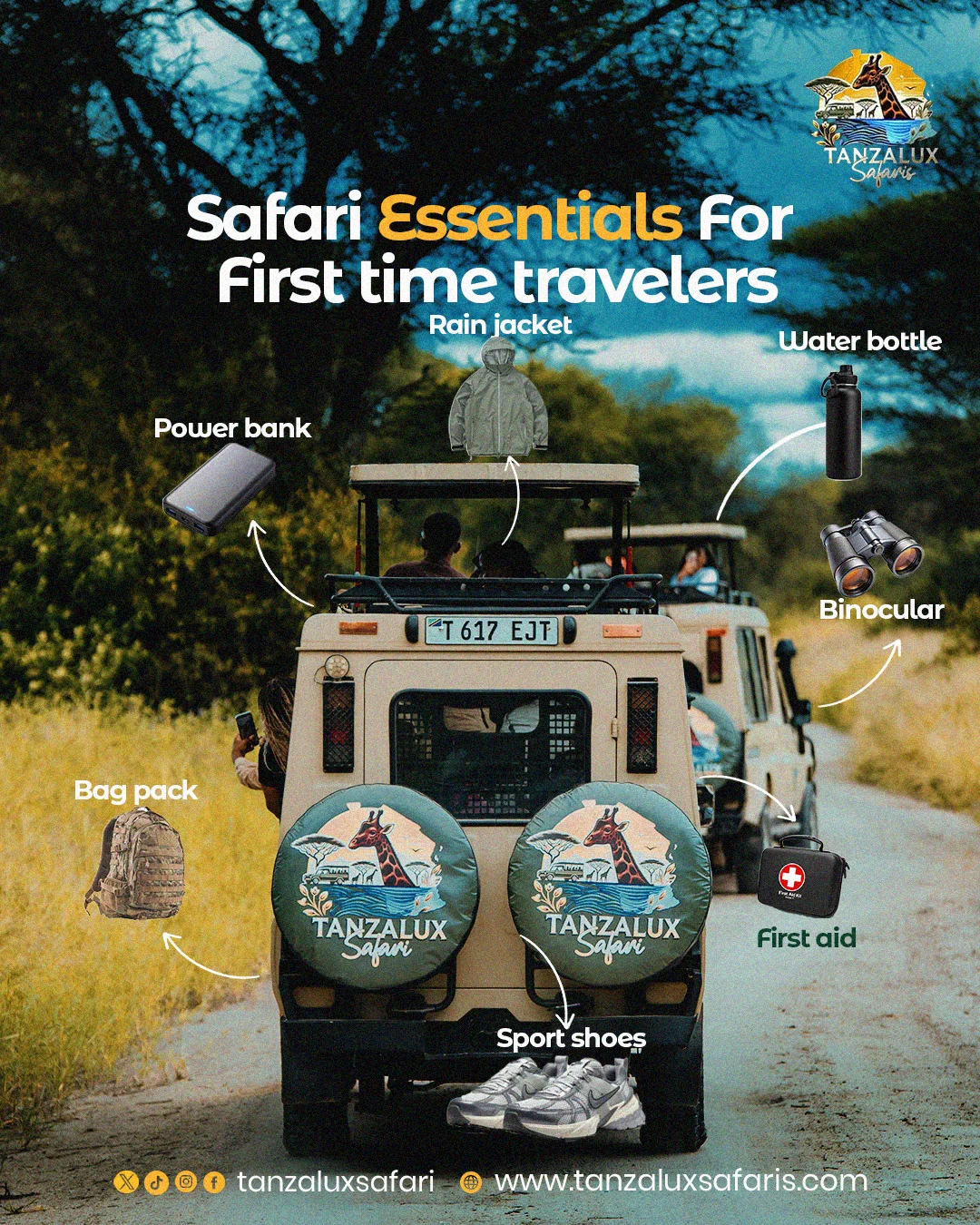
Bring layers, sun protection, a rain layer and protection for cameras or binoculars. Ask your planner about the conditions in each region. Check your carrier's baggage rules if you use light aircraft, rather than packing to an assumed limit.
19. Can I choose a month that guarantees the Big Five?
No. Seasons and park choice help shape an experience, but individual sightings remain uncertain. Allow time for varied habitats and follow your guide's advice. Enjoy the wider wildlife story rather than treating the trip as a checklist.
20. How can TanzaLux help me choose Tanzania safari seasons?
Share your possible dates, available nights, group needs and main wildlife interests. Ask TanzaLux Safaris for a route with clear camp locations and full viewing days. If you can move your dates, request a second option to compare.
Ready to start planning?
Tell us your dates and what you're after — no obligation.