5.0 Excellent

Why Tanzania Is One of Africa’s Best Safari Countries
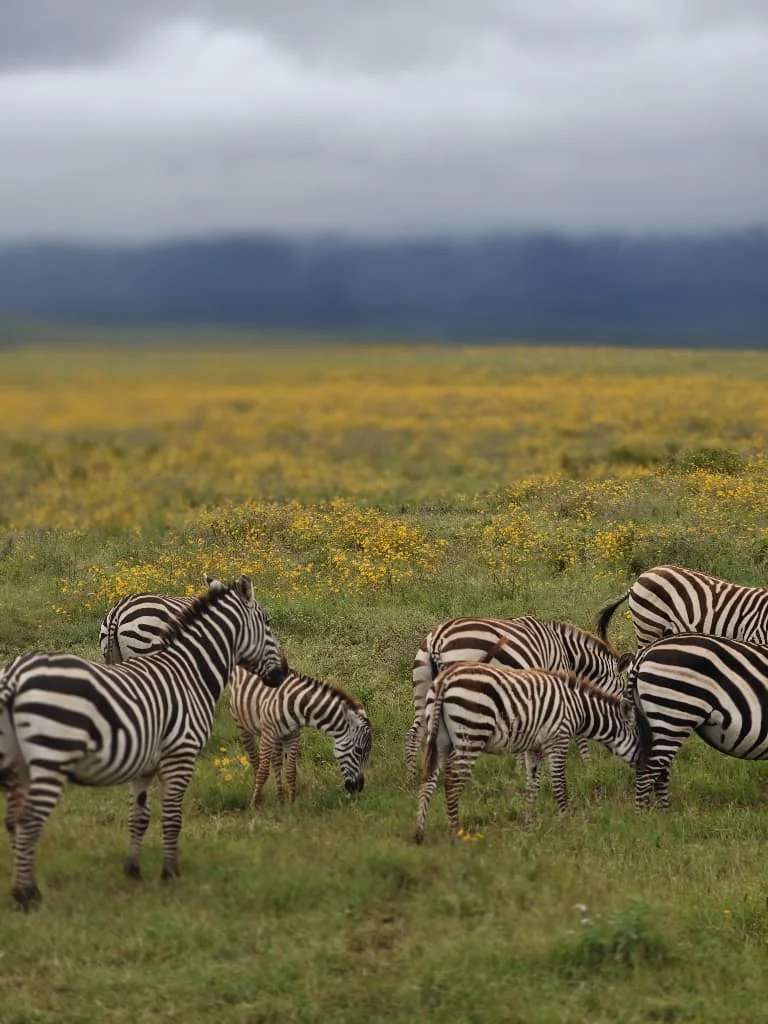
A Tanzania safari is one of Africa’s strongest travel choices if you want wide plains, varied wildlife and a journey shaped around your interests. You can watch herds in the Serengeti, explore the crater at Ngorongoro and spend time among Tarangire’s baobabs. With enough days, you can add a different park or a beach stay.
Is Tanzania the best safari country? For travelers who value this mix, it deserves a place near the top of the list. “Best” is a personal choice, though. The right answer depends on the wildlife you hope to see, your dates, your budget and how you like to travel.
Guide reviewed: 28 October 2026. This article explains the case for Tanzania using official park, heritage and planning sources. Sample routes are ideas for a dated proposal. Wildlife movement, access, services and travel rules should be checked for the actual trip.
What makes a Tanzania safari stand out?
The appeal is the depth of choice within one country. You can build a classic northern route, focus on a single wildlife area or plan a later visit around southern parks. Forest trekking and time beside the Indian Ocean add other ways to experience the country.
A good Tanzania safari does not need to include everything. Its strength lies in matching the route to the guest. A photographer may want several nights at one base. A family may prefer short outings and room to rest. A couple may want a quiet camp and a few days by the sea.
The Serengeti offers a large migration ecosystem and open landscapes.
Ngorongoro adds a striking crater and rich natural history.
Tarangire brings elephants and baobab scenery to a northern route.
Southern parks offer different habitats and activity choices.
Western forest trips can focus on chimpanzees.
Zanzibar can combine coastal heritage with a change of pace.
Those are reasons to consider Tanzania, not promises that each trip will deliver every sighting. Choose a few priorities and give them time. A thoughtful route is more useful than a long list of places joined by rushed transfers.
Tell TanzaLux what you hope to experience and explore a private safari built around your priorities.
1. Serengeti: space, wildlife and the Great Migration
UNESCO’s Serengeti listing describes extensive savannah and the annual movement of wildebeest, zebra and gazelles, followed by predators. It recognises an ecosystem whose value goes far beyond a single river crossing. That scale is a major part of the park’s appeal.
A Tanzania safari in the Serengeti gives you a reason to slow down. You can watch the same scene change through the morning, notice smaller animals or let a guide explain what a herd is doing. The wider experience can be rewarding even when a hoped-for sighting does not occur.
For a Great Migration safari, the key is location as well as month. Ask where the chosen base sits in relation to likely wildlife movement during your dates. A camp name and a country-level season chart do not tell you how each day will work.
Do not treat a crossing as an appointment. Rain, grazing and animal decisions shape the movement. Give the guide room to respond within park rules, and build the trip around more than one event. Several nights in a suitable area can offer time to enjoy the plains as a whole.
2. Ngorongoro: a very different setting in the same trip
UNESCO’s Ngorongoro listing describes highland plains, savannah, woodland and forest within a wider conservation landscape. It includes the crater, wildlife and evidence of human history. This adds a new setting and story to a northern journey.
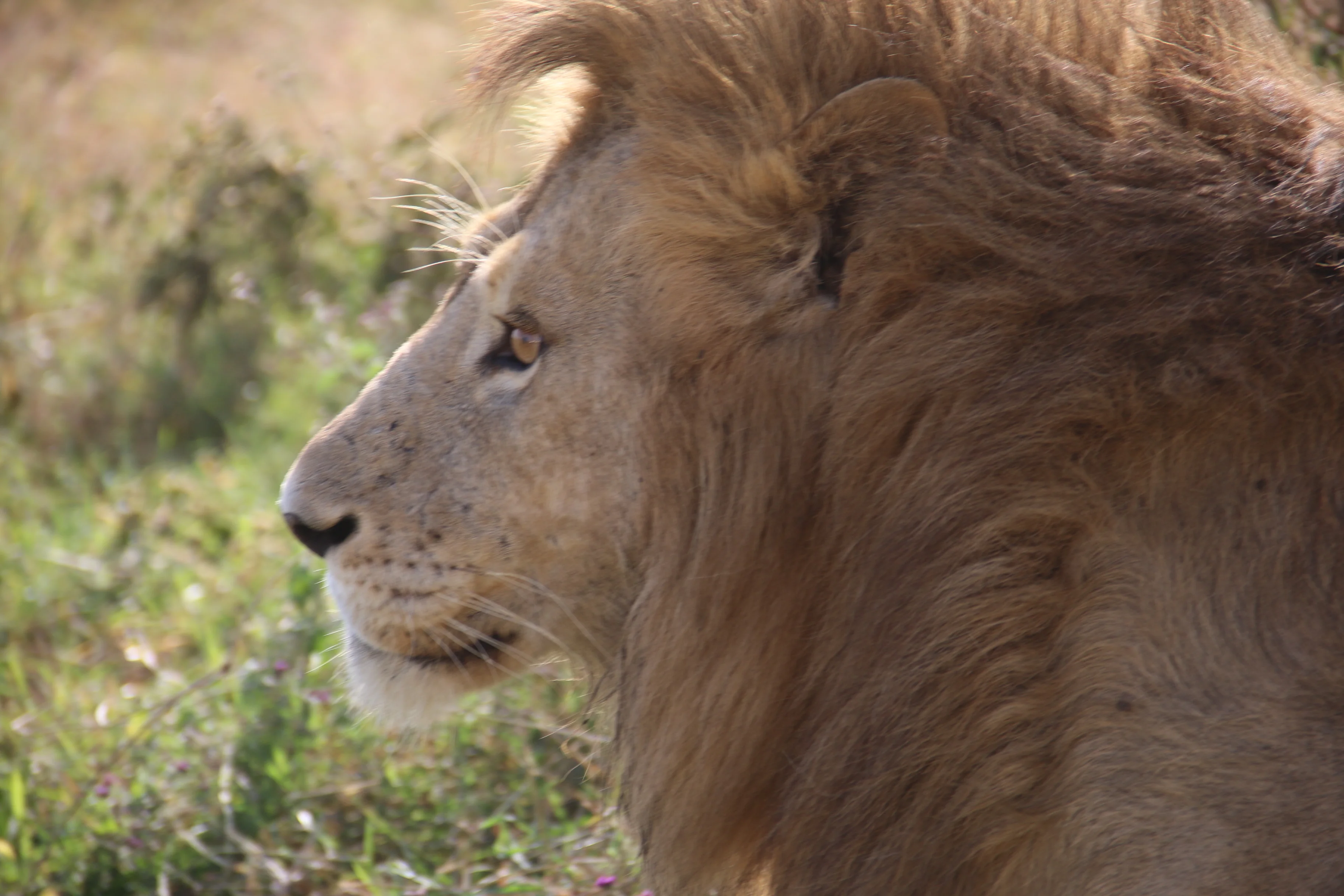
The Ngorongoro Conservation Area Authority identifies the area with the Big Five: elephant, lion, leopard, buffalo and rhino. A Big Five safari can be a strong interest to discuss with your planner. It should not become a guarantee that all five will be seen on a particular day.
A Tanzania safari works well when each place has time to make its own impression. Ask how a crater visit fits the arrival, departure and overnight base. Keep the driving plan realistic so you can enjoy the visit rather than focusing only on the next connection.
Take an interest in the wider conservation area too. A guide can explain the landscape and the human context of the route. Listen respectfully and use visits arranged with proper permission. People and communities should be approached as hosts, with choice over how they take part.
3. Tarangire adds elephants and baobab landscapes
TANAPA’s Tarangire guide highlights elephants, baobabs and wildlife gatherings in the dry season. Its scenery gives a northern itinerary a distinct mood. Allow time to look at the setting rather than treating the park as a brief stop on the way to somewhere else.
For a Tanzania safari, variety can matter as much as the number of parks. A woodland view, a river scene or a long pause beside a herd may stay in your memory as clearly as a famous predator sighting. Tell the guide if you enjoy that slower style of viewing.
Ask whether one or two nights suit your route and interests. Check the position of the stay, likely drive times and the daily plan. More nights are worthwhile when they give you time you will use, rather than simply making the itinerary longer.
Ask TanzaLux how Serengeti, Ngorongoro and Tarangire could fit together at a pace you will enjoy.
4. Southern parks give you another kind of safari
Tanzania is larger than its best-known northern route. TANAPA’s Nyerere guide describes woodland, floodplains and the Rufiji River system. It lists game drives, boat safaris and ranger-escorted walks, with permits and advance planning for walking activities.
Ruaha’s park guide highlights the Great Ruaha River, varied birdlife and wildlife viewing by vehicle or on foot. It is another option to assess when your interests extend beyond the classic northern circuit. Check the exact activity provider and current access before booking.
A Tanzania safari in the south should be designed as a real journey in its own right. Do not add a distant park because it looks close on a small map. Ask about transport, rest days and the time left for the park itself.
If you want different habitats or a return visit with a new focus, compare a southern proposal with a northern one. Use the same dates, room standard and activity assumptions. That makes the choice about the actual experience rather than a broad claim that one circuit is always better.
5. Western forests broaden the wildlife experience
TANAPA’s Mahale guide describes forests, mountains and the Lake Tanganyika shoreline. Ranger-guided treks focus on habituated chimpanzee communities. This is a different style of wildlife visit from watching plains animals from a vehicle.
A Tanzania safari that includes forest trekking needs its own review. Ask about permits, age and health rules, walking demands and transport. Keep enough time for access and the stay. Do not assume a remote extension is a simple spare afternoon.
You do not need to combine every circuit on one holiday. The choice of a future trip can be part of Tanzania’s appeal. A first visit might focus on the north, while a later journey takes a different route and a new wildlife interest.
6. Safari and Zanzibar can form one varied holiday
A Tanzania safari and Zanzibar stay can combine two very different moods. After days in the bush, you may value a slower start, a sea view or a meal with no early game drive to follow. Plan the beach leg around the kind of rest you want.
There is heritage to explore as well. UNESCO’s Stone Town listing recognises a Swahili coastal trading town shaped by cultural exchange around the Indian Ocean. A well-guided visit can add depth to a beach holiday, with respect for residents and local customs.
For safari and Zanzibar, confirm the full handover. Check the actual flight or other transport, baggage rules, meeting points and resort meal basis. A mainland safari inclusion does not automatically apply to a separate coastal stay.
Leave room for rest between the two parts. Avoid a plan that tries to recover every travel hour with another activity. A quiet day can be one of the best parts of a long trip when you have chosen it on purpose.
Discuss a TanzaLux bush-and-beach plan with clear transfers and enough time to enjoy both parts.
7. A private Tanzania safari can fit your own rhythm
Private travel gives you a way to discuss the day around your party. You may prefer a long drive with a packed lunch or a shorter outing followed by camp time. Tell the planner how you want the trip to feel, not only which animals you hope to see.
A Tanzania safari can be designed with fewer room moves and longer stays at key bases. That leaves time to unpack, learn the camp routine and return to an area in different light. Comfort often comes from the way the days fit together.
Private guiding still works within park rules, permit conditions and practical limits. It does not create guaranteed sightings or access anywhere you choose. Ask what is flexible and what must stay fixed so the plan is clear before travel.
Use the first briefing to discuss breaks, photography and any help you need. Each guest should know how to ask a question. A small request made early is easier to plan around than a problem left unspoken for several days.
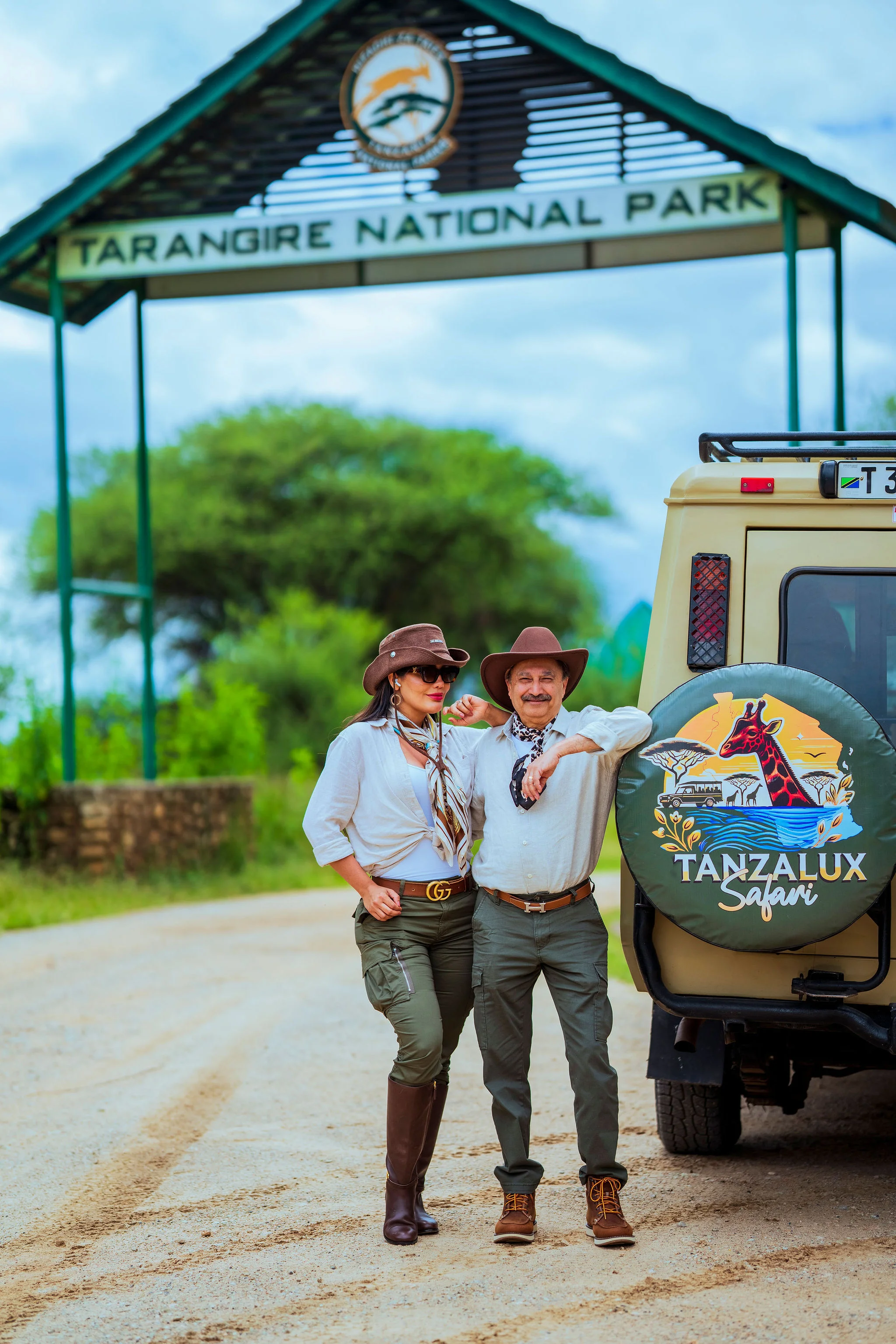
Travelers beside a TanzaLux vehicle at Tarangire. A clear route, useful briefings and time for the interests of your party help shape the private safari experience. Photograph from the media library.
When is the best time for a Tanzania safari?
TANAPA’s planning guide describes June to October as a general dry-season window with easier wildlife viewing around water. It also notes greener scenery during the rains and the need to check roads and lodge availability. Conditions vary by place and year.
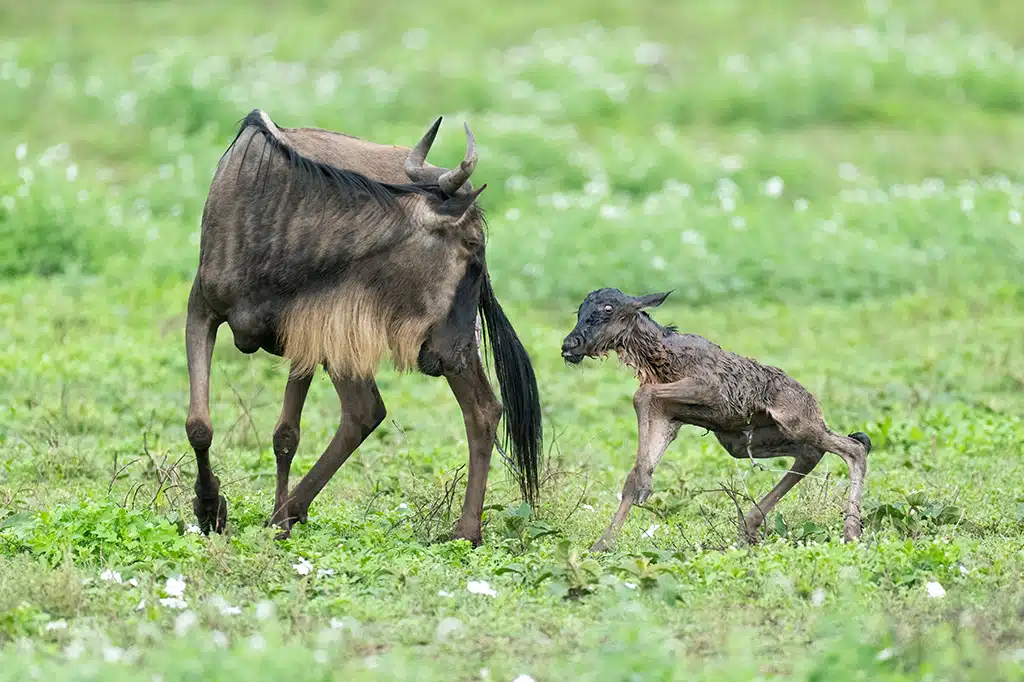
The Serengeti park guide points to January and February for calving-season interest. Use that as a starting point for a conversation about the southern plains and the right base. Confirm the likely conditions for your dates rather than treating a season as an exact wildlife schedule.
The best time for your Tanzania safari depends on what you value. School dates, a particular area, green landscapes, migration interest and room availability may lead to different choices. Ask for the reason behind the proposed camp location and the days allocated there.
If you can travel in more than one period, request comparable proposals. Review the room, route and activities together with the price. A change of month can change more than the weather, so keep the comparison clear.
Who is Tanzania especially well suited to?
A first-time guest may value a Northern Circuit safari that combines well-known parks without too many moves. A wildlife photographer may want one suitable base and patient viewing time. A couple may prefer privacy and quiet meals. Each can lead to a different Tanzania safari.
Families should check the exact rooms, beds, drive lengths and activity ages. Older guests or travelers with access needs should ask about steps, paths, vehicle entry and available help. Suitability depends on the person and the provider; get a specific reply before booking.
For birding, forest trekking or a southern park focus, make the interest clear at the start. That helps the planner choose the right guide setup and route. A broad country recommendation is most useful when it becomes a trip with a clear purpose.
You may also decide that a shorter or simpler trip is a better fit. Tanzania is a strong option when you have time for the places you choose. Leave out a distant stop if reaching it would use more of the holiday than you wish to spend in transit.
Be honest about crowds, travel time and budget
The best safari country is not automatically the quietest at every sighting or the cheapest for every date. Ask how the route handles busy areas and how much time is spent on the road. A famous name on a list does not tell you what the day will feel like.
For a Tanzania safari, compare the full price and the full plan. Review vehicle use, guiding, room category, meals, permits, transfers and any special activities. Ask what remains extra. A room price alone is not a fair comparison with a complete safari quote.
Choose where to spend more based on what helps the trip. An extra night in the right area may matter more to you than a room feature you will rarely use. Another guest may value the room and rest time most. Both choices can be sensible when they match the person.
Keep the travel plan realistic too. Ask for likely drive days, breaks and a clear night before an important flight where needed. If you choose air travel, review the actual operating airline, current safety advice, baggage and airstrip transfers before paying.
What to check before you confirm the trip
Read current official travel advice and the guidance of your own government. Check regional warnings against the whole route, not only the park names. Review entry documents, health preparation and suitable insurance for every planned activity.
For a Tanzania safari flight, consult the UK Air Safety List. It currently lists all airlines certified by Tanzanian authorities as banned from commercial operations to, from or within the UK and recommends avoiding listed carriers. Check the operating airline; that restriction is not a domestic legal flight ban.
Ask a travel doctor about your own route and health needs. Confirm important food, room or access requests with the relevant provider. Save the guide, host, planner and insurer contacts offline, and make sure the group knows how to ask for help.
A strong wildlife destination still needs sound planning. Get clear answers before payment and keep the final proposal. That is part of enjoying the journey with informed expectations.
Responsible travel makes the experience richer
Respect for wildlife should be part of how you choose and take a safari. TANAPA’s guidance asks guests to stay in vehicles unless permitted, avoid feeding or disturbing animals and follow guide instructions. A better view is not a reason to ignore those boundaries.
On a Tanzania safari, give animals space and let the guide manage the position of the vehicle. Keep noise low and take litter away as instructed. If an area is closed or the guide decides to leave a sighting, accept the decision.
Community visits deserve the same care. Ask who hosts the visit, how permission works and what fees or purchases support. Seek consent for photographs and avoid treating people as a backdrop. Ask for evidence of any specific conservation or community claim made in a proposal.
Do not assume that a luxury label proves a lodge’s environmental performance. If that matters to you, ask about current practices and property-specific evidence. Choose a trip whose details support the values you want to travel with.
Sample packages for different safari interests
These sample packages are planning outlines, subject to current advice, access, room availability and a dated quote. They are not fixed offers or wildlife guarantees. Confirm actual drive times, park visits and all transfers before payment. Add a night if the proposed travel day feels too long.
Sample package: 8 days / 7 nights of northern highlights
Night 1: rest in Arusha. Night 2: Tarangire area. Night 3: Karatu. Nights 4–5: Serengeti. Night 6: Karatu with an agreed crater plan. Night 7: Arusha before departure on day 8.
This Tanzania safari suits a first conversation about the classic parks. Review the time available in each place and choose what matters most. If more plains time is a priority, extend the Serengeti stay rather than adding another park.
Sample package: 10 days / 9 nights with more time in the bush
Night 1: Arusha. Nights 2–3: Tarangire area. Night 4: Karatu. Nights 5–7: one suitable Serengeti base. Night 8: Karatu. Night 9: Arusha before departure on day 10.
The extra nights leave scope for camp time and a less hurried rhythm. Choose the Serengeti base around your dates and interests. Ask how any crater visit, packed meals and rest stops fit the actual route.
Sample package: 14 days / 13 nights of safari and Zanzibar
Night 1: Arusha. Night 2: Tarangire area. Night 3: Karatu. Nights 4–6: Serengeti. Night 7: Karatu. Night 8: Arusha. Nights 9–13: Zanzibar after the confirmed onward transfer, before departure on day 14.
Use the coastal days for the balance of rest and outings you enjoy. Confirm the operating airline or other transport, all pick-ups, room choice and meal basis. This Tanzania safari outline needs the whole journey priced together, including the beach extension.
Ask TanzaLux to adapt a sample package to your dates, wildlife interests and budget.
Why travel with TanzaLux Safaris?
TanzaLux is a Tanzanian-owned company based in Arusha. Its team describes trips shaped around your dates, pace, budget and interests. You can discuss the reason for each park, stay and transfer with a planner before the route is final.
The private safari service offers your own vehicle and guide on a tailor-made journey. Ask for the exact setup and written inclusions for your booking. A clear proposal helps you compare the full experience, including days on the road and time at camp.
A Tanzania safari is most rewarding when the plan fits the people taking it. Tell the team what you enjoy, what you would rather skip and where you need more time. Discuss essential dietary or access needs early and request clear replies from the providers involved.
The value of good planning is a trip you can understand and assess. Keep the final route, payment terms and contacts together. Then you can focus on the wildlife and the people you travel with, with fewer details left unclear.
Choose the Tanzania safari that is right for you
Pick two or three priorities before choosing parks.
Match camp location to dates and wildlife interests.
Allow enough time for transfers, breaks and rest.
Compare full quotes with the same inclusions.
Confirm rooms, activities and essential support needs.
Read current travel advice and prepare for your health needs.
Follow park rules and travel with respect for hosts and wildlife.
Keep expectations flexible around natural events.
Tanzania earns its place among Africa’s leading safari choices through the range and depth of the journeys it offers. The best safari country for you is the one that matches your interests and lets you enjoy them well. Give the route time, choose the details with care and leave room for the unexpected moments of the bush.
Begin your TanzaLux safari plan and discover which part of Tanzania belongs in your next adventure.
Frequently asked questions
1. Is Tanzania the best safari country in Africa?
It is a strong choice for travelers who want varied wildlife areas, the migration ecosystem and scope for a coastal extension. “Best” depends on your dates, needs and interests. Compare actual routes rather than relying on a universal ranking.
2. Is Tanzania a good choice for a first safari?
A well-paced northern route can introduce several distinct parks. Choose a manageable number of stops and leave time for rest. Ask the planner to show the daily travel and viewing time, not only the park names.
3. Why is Serengeti so important to the safari experience?
Its extensive plains and migration ecosystem give the visit scale and variety. UNESCO recognises its natural value. Allow time to enjoy the wider scene rather than making the whole trip depend on one animal or event.
4. Is the Great Migration only a river-crossing event?
It is a wider movement of herds through the ecosystem. A crossing is one possible part of it. Discuss likely wildlife areas for your dates and choose a base that fits the plan.
5. Can a migration crossing be guaranteed?
No. Animal movement is not a fixed timetable. Build the journey around the wider wildlife experience and give the guide room to respond within park rules. Treat a crossing as a possibility rather than a booked performance.
6. Can I see the Big Five in Tanzania?
The conservation authority identifies Ngorongoro with elephant, lion, leopard, buffalo and rhino. Discuss a route that fits this interest, but keep expectations realistic. Seeing all five on a particular visit cannot be promised.
7. Is Ngorongoro only about the crater?
The crater is part of a wider conservation area with varied habitats and human history. Ask the guide about that broader setting. Plan enough time for the visit and respect the hosts and communities along the route.
8. Why add Tarangire to a northern safari?
Its elephants and baobab scenery bring a different setting to the journey. Ask how the stay and season fit your interests. Give it time if you value a varied route rather than a quick transfer stop.
9. Should I choose northern or southern Tanzania?
Compare proposals around the wildlife, habitats and activities you want. Nyerere and Ruaha offer different options from the classic north. Check transport and time at each base before trying to combine distant places.
10. Can I include chimpanzee trekking?
Mahale offers ranger-guided visits focused on habituated chimpanzees. Review permits, current age and health rules, fitness demands and access. It needs its own planning and should not be treated as a spare afternoon on a northern route.
11. Can I combine a Tanzania safari and Zanzibar?
Yes, with enough time and confirmed transport. Check all handovers, baggage, resort meals and departure details. Choose how much of the coastal stay you want to spend resting and how much on outings.
12. What is the best time for a Tanzania safari?
Match dates to the parks and interests you choose. June to October is a general dry-season starting point; calving interest can lead to other dates. Ask why each proposed base suits your month and recheck conditions before travel.
13. How many days should I allow?
Start with the places that matter most and count actual travel days. The sample routes show different levels of time and variety. Leave out a stop if adding it would make the trip feel rushed.
14. Are popular parks always quiet?
Ask about likely busy areas and the planned viewing routine. No operator can promise every sighting will be uncrowded. A patient guide, sensible bases and flexible expectations can help you enjoy the day.
15. Is Tanzania always the cheapest safari option?
Compare complete quotes for the same dates, rooms and services. Look at guiding, vehicle use, park costs, meals and transfers. The best value depends on the whole trip and what you will enjoy.
16. What makes a luxury safari in Tanzania worthwhile?
Look for a good fit between the room, location, service and daily pace. Extra comfort is useful when it supports your needs. Ask for specific details rather than relying only on room photos or a category label.
17. Is a private safari suitable for families?
Check the exact rooms, drive lengths, activity ages and supervision needs. Discuss breaks and rest time. Personal suitability depends on the family and providers, so request clear replies before booking.
18. How can I travel more responsibly?
Follow wildlife rules, keep noise low and respect guide instructions. Ask how community visits are hosted and seek consent for photographs. Request evidence for specific lodge or conservation claims that matter to you.
19. What should I check before paying?
Review the full route, current advice, entry rules, health needs and insurance. Confirm rooms, actual transport, activity terms and written inclusions. Save contacts and keep the final proposal where each guest can find it.
20. Why plan a Tanzania safari with TanzaLux?
TanzaLux plans from Arusha and offers private journeys shaped around your dates, pace and interests. Ask for clear stays, guiding and transfers. This helps turn a broad country choice into a trip that fits your party.
Ready to start planning?
Tell us your dates and what you're after — no obligation.