5.0 Excellent

Why Lions Usually Don’t Attack Tourists in Safari Vehicles
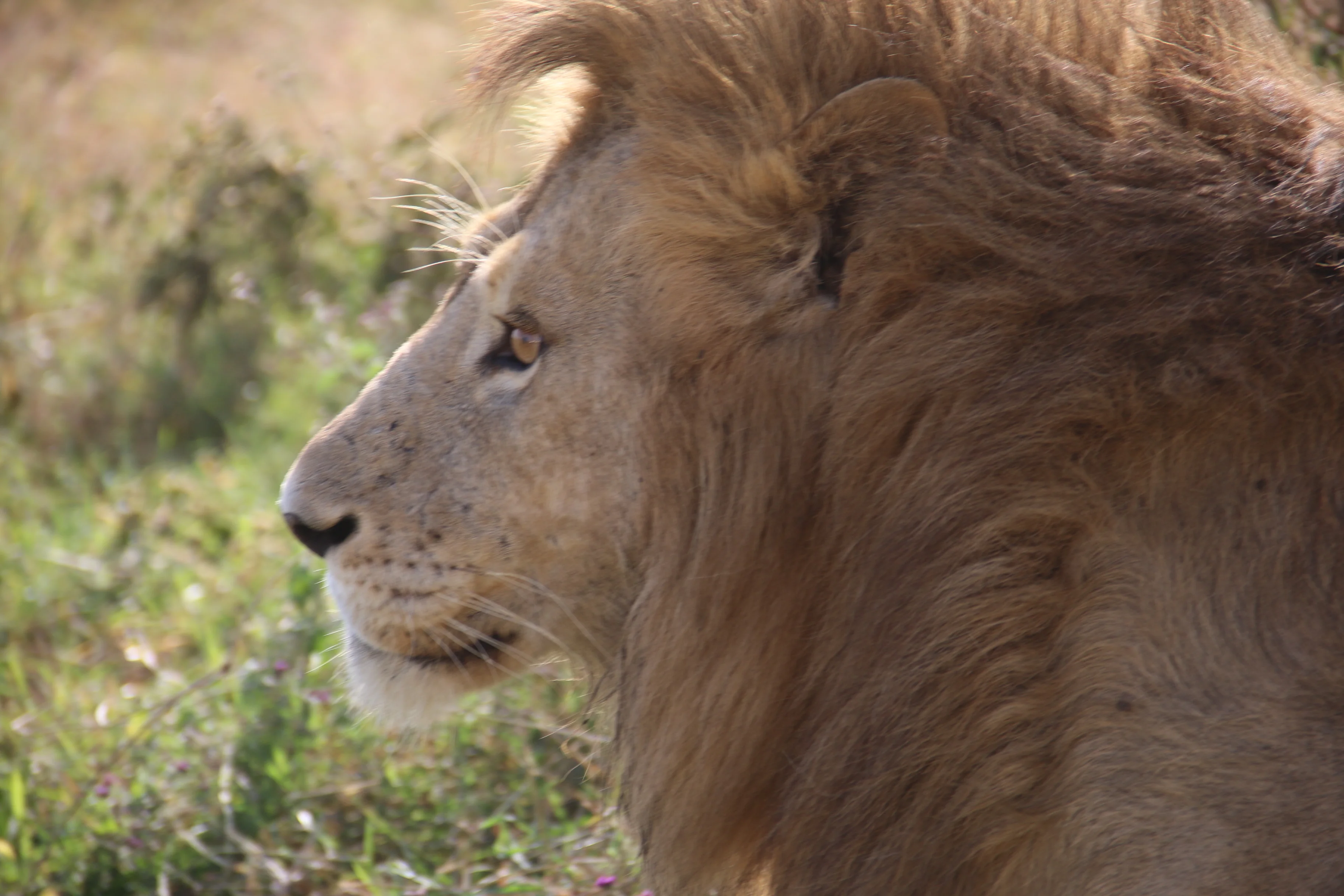
Lions and safari vehicles can share a surprisingly calm scene. A pride may keep resting while a guided vehicle stops to watch, leaving first-time guests wondering why the lions do not attack.
The short answer: lions in well-managed wildlife areas may become used to predictable vehicles, which they do not normally treat as prey. Quiet behaviour, careful positioning and a guide's decisions help make viewing possible. This does not make a vehicle an attack-proof space or a lion tame. Attacks are possible, and guests must follow park rules and their guide.
This guide explains the behaviour behind calm sightings and the practical part guests play. It covers safari lion safety, vehicle types, photography, families and sample Tanzania safari packages, followed by common questions. It is a guide to lion behaviour and game drive safety, built around calm observation and respect for wildlife.
Lions and safari vehicles: why calm encounters happen
Hunting is not a response to everything a lion sees. In a field explanation, Sabi Sabi ranger Ruan Mey describes prey recognition, familiarity with vehicles and sensitive guiding as key parts of calm predator sightings.
A vehicle moving predictably along familiar routes presents a different situation from a prey animal running through the grass. That helps explain the pattern; it cannot tell you how every lion will react.
When discussing lions and safari vehicles, keep the word “usually” in mind. A quiet sighting is an opportunity to observe wild behaviour while maintaining the conditions that allow it.
What does habituation mean?
Habituation means an animal's response to a repeated, non-threatening experience can lessen. In wildlife tourism, some lions become less wary of vehicles they regularly encounter.
This is documented in East Africa as well as described by guides. A 2023 Mara Predator Conservation Programme report notes one Kenyan pride becoming more used to vehicles and less elusive. It is a dated observation about that pride, not a statement that all lions behave alike.
For lions and safari vehicles, familiarity is a context, not a safety guarantee. A lion remains a wild predator, and a change in the situation can change its response.
Do lions think the vehicle is one big animal?
You may hear this as a guide's shorthand. It is more useful to think about a familiar vehicle shape and calm, predictable behaviour than to make a literal claim about what a lion believes.
Do not assume the animal cannot notice people, sounds or movement. Sitting in a vehicle does not make you invisible. Sudden gestures or leaning outside change the scene and can draw attention.
The practical lesson about lions and safari vehicles is simple: remain within the vehicle, behave calmly and follow the briefing. There is no need to test the explanation.
Why the guide's decisions matter
The guide chooses where to stop, how to approach and when to leave. Those choices take account of the animal, the route, other vehicles and the local rules.
As a guest, you may see only the lion in front of you. The guide also has to consider access, clear space and the wider scene. A decision to stay farther away or move on can be a good decision even when another vehicle is closer.
Discuss lions and safari vehicles before the first drive if the subject makes you nervous. Ask what the guide will expect from you near cats, how questions should be raised and what to do if you want to leave a sighting.
Once you are at the sighting, listen first. A guide should not need to compete with loud conversation to give an instruction.
Can lions approach or damage a vehicle?
Yes, a lion may approach, investigate or behave unusually around a vehicle. A calm appearance is not proof that touching, crowding or opening a door is safe.
For a concrete example, SANParks issued an alert in August 2018 about a Kruger pride biting tyres. It advised closed windows and keeping bodies within open vehicles. This is a historical South African example, not a current alert for Tanzania.
It illustrates why the statement “lions never attack tourists in vehicles” is too absolute. Understanding lions and safari vehicles means recognising that learned tolerance can have limits.
If a lion comes closer, remain seated, keep your body inside and follow the guide's directions. Do not reach toward it, wave it away or try to create a dramatic reaction.
Open vehicles, enclosed vehicles and viewing roofs
Safari vehicle designs vary. An enclosed 4x4, a vehicle with a viewing roof and an open-sided game viewer have different layouts. Ask what your trip uses before booking, especially if you are anxious or travelling with children.
The vehicle's design does not cancel wildlife rules. An open side is not an invitation to lean out, and a viewing roof is not permission to climb onto the roof or sit on its edge.
For lions and safari vehicles, follow the operator's and park's rules for seating, doors, windows and the roof. Near lions, remain seated and keep your body within the vehicle. Let the guide manage any changes to the setup.
Closed windows and doors provide a physical boundary, but do not treat a vehicle as a guarantee against harm. Respectful distance and sensible behaviour remain essential.
What Tanzania's park guidance asks of guests
The Serengeti visitor guide asks visitors to respect designated areas, avoid feeding wildlife and follow ranger instructions. These rules apply throughout the drive, not just at the most exciting sighting.
Tarangire's visitor guidance also tells guests to stay on designated tracks, avoid harassing wildlife and leave the vehicle only at designated points under the relevant instructions.
Stay inside at lion sightings.
Keep doors closed and your body within the vehicle.
Follow instructions for windows and the viewing roof.
Keep voices low and avoid sudden gestures.
Do not feed, call or attract wildlife.
Accept the guide's decision to increase distance or leave.
Learning about lions and safari vehicles should make these actions feel clear and practical. The rules support a calm encounter for guests and leave the animals room to behave naturally.
How close should the vehicle get?
Do not use a distance quoted online as permission to approach. The required rules, the animal's behaviour and the guide's assessment all matter. There is no single number in this article that makes every encounter safe.
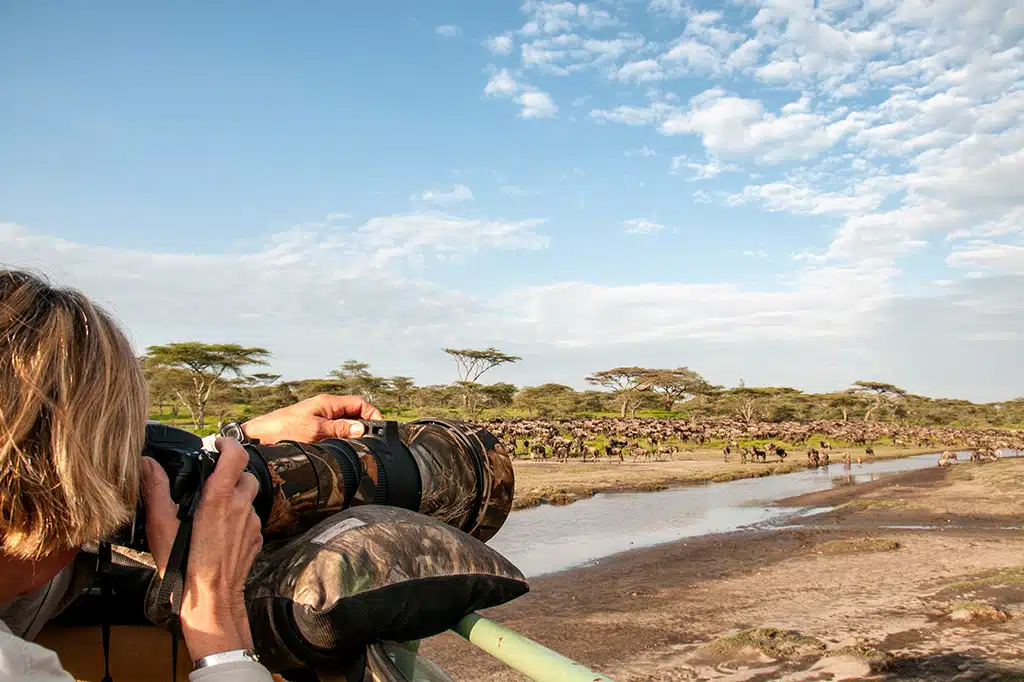
A longer lens or binoculars can give you detail without more vehicle pressure. If other cars gather, let your guide judge whether the sighting still offers space and a useful view.
When thinking about lions and safari vehicles, remember that closer is not automatically better. A wider scene can show a pride's layout, the landscape and the way animals move through it.
What about cubs, feeding lions and resting prides?
Do not use a lion's activity as permission to relax the rules. A sleeping lion remains a wild animal. A feeding cat or a mother with cubs also needs clear space and a carefully managed viewing position.
Let the guide interpret the whole scene. One yawn, tail movement or glance should not become your personal test of whether a lion is safe. Behaviour has context.
A useful approach to lions and safari vehicles is to avoid forcing an interaction. Do not block an animal's path, come between members of a group or ask a driver to move simply to make a lion look toward the camera.
Photography without adding pressure
Prepare your camera before the sighting. Know how to change settings and use your zoom so you do not need to lean, stand or shift suddenly when a lion appears.
Keep cameras and phones within the vehicle's permitted space.
Use a longer focal length for closer-looking portraits.
Ask quietly before changing position.
Keep equipment secure so it does not fall outside.
Never use food, sounds or gestures to attract a look.
Put the camera down when you need to hear an instruction.
A phone photograph does not need to fill the frame with a lion's face. A wider image can capture the setting well. No photograph is worth reaching out of the vehicle.
For lions and safari vehicles, a good image should come from a well-managed sighting. Enjoying the moment without taking a photograph is also a worthwhile part of the day.
Families and first-time safari guests
Tell your planner if anyone is nervous about cats or open vehicles. That helps you discuss vehicle style, drive length and how the first day will be paced.
With children, practise simple instructions before travel: stay seated, keep hands inside and listen when the guide speaks. Confirm age limits, seating and any child-restraint arrangements for the actual vehicle and activities.
Adults should manage children's movements and equipment. Choose drive lengths that suit attention spans and leave time for permitted breaks. A tired group may find it harder to listen and stay settled.
You can learn about lions and safari vehicles without seeking the closest possible encounter. Tell your guide if you would prefer a more distant view or a shorter stop.
Discuss vehicle style, family needs and your preferred safari pace with TanzaLux.
Stops, dropped items and unexpected delays
Ask about comfort stops before setting out. Use approved places chosen under local rules, not an unscheduled roadside exit because no animal is visible.
If something falls outside, tell the guide and stay inside. Do not step out to recover a phone or lens cap. The guide will assess what can be done.
If the vehicle has a mechanical problem near wildlife, remain inside and follow the guide's emergency instructions. Do not get out to push or inspect it on your own. Ask about communications and support arrangements before the trip.
The principles for lions and safari vehicles apply during a delay as well as a planned sighting. Keep the group calm and leave the response to the people managing the situation.
Choosing a Tanzania safari with realistic expectations
The Serengeti, Ngorongoro and Tarangire can feature in a northern wildlife route, but no trip should promise a particular lion encounter. Choose suitable bases and enough full viewing days.
When comparing plans, ask how many hours are used by transfers and where you will stay between drives. A less rushed route can make the whole holiday more comfortable.
Questions about Tanzania safari safety belong in the planning conversation. Ask about the vehicle, briefing, guide contact and what happens if you need help. Confirm the actual services rather than assuming that a luxury label supplies every arrangement.
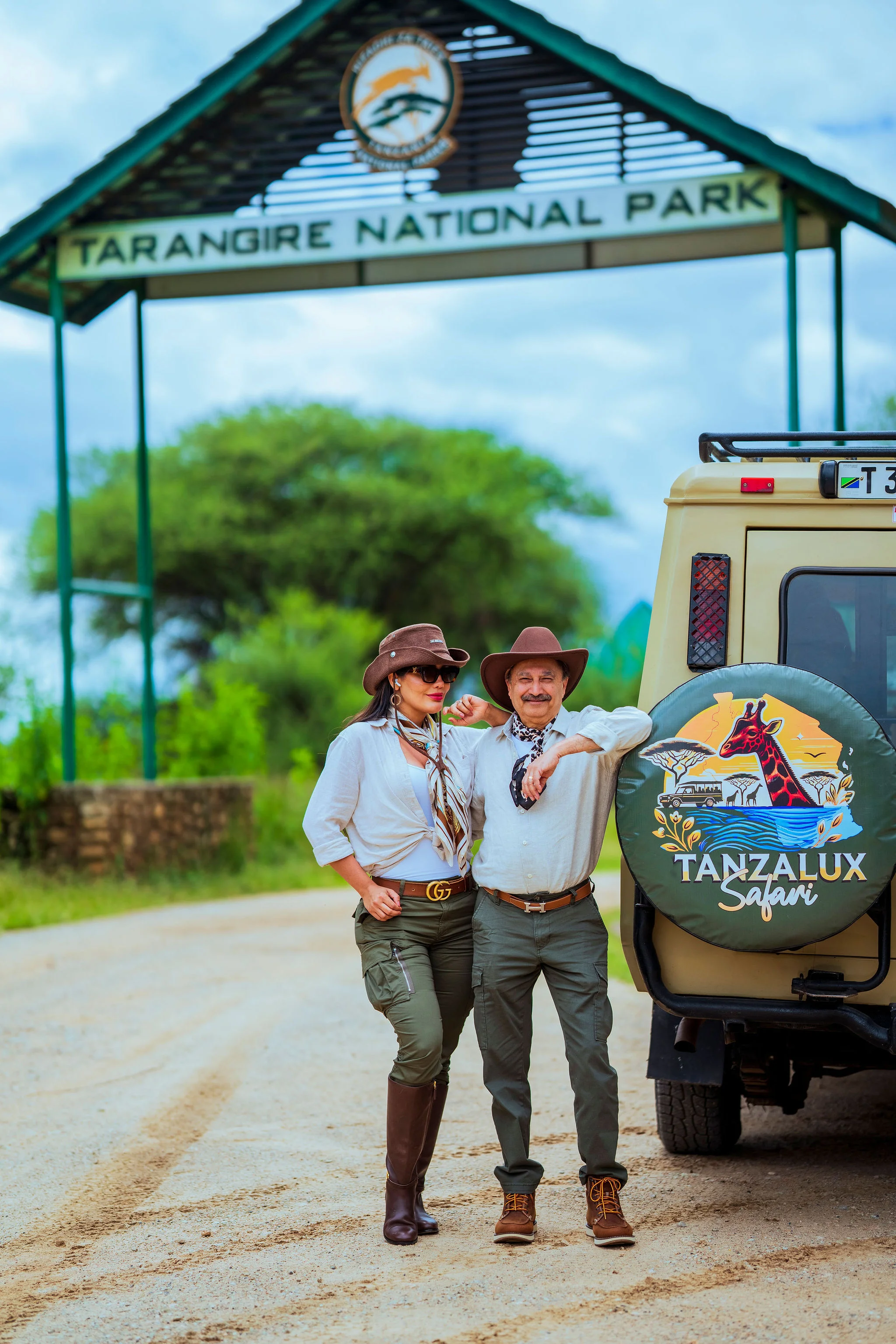
A TanzaLux vehicle at Tarangire. Ask about the vehicle and briefing for your booked trip before departure.
Sample safari packages to discuss with TanzaLux
These sample routes are planning ideas, not fixed offers or live prices. Camps, services and timing need a dated quote. They provide a wildlife holiday, not a promise of close lion sightings.
Sample package: 7-day Northern Circuit safari
Day 1: arrive and stay in Arusha.
Day 2: visit Tarangire and continue to a suitable Karatu-area stay.
Day 3: travel to Central Serengeti.
Days 4–5: enjoy full game-drive days from the same camp.
Day 6: return toward Ngorongoro for an overnight stay.
Day 7: visit the crater and transfer onward, adding a night if needed for your flight.
Best for: a first safari with three Serengeti nights. Check the final day's timings rather than pairing a full crater visit with an early flight.
Request your private Northern Circuit safari from TanzaLux Safaris.
Sample package: 9-day safari at a gentler pace
Day 1: arrive and stay in Arusha.
Days 2–3: spend two nights in the Tarangire area.
Day 4: travel to your chosen Serengeti camp.
Days 5–6: enjoy full wildlife days from that base.
Day 7: travel toward Ngorongoro or Karatu.
Day 8: visit the crater and stay a second night nearby.
Day 9: return to Arusha or your booked departure point.
Best for: guests who want fewer daily moves and time for rest. Tell your planner how long you are comfortable sitting in a vehicle.
Build a slower private Tanzania safari around your comfort and interests.
Sample package: 12-day safari and Zanzibar escape
Days 1–6: follow an Arusha, Tarangire, Serengeti and Ngorongoro-area route.
Day 7: visit the crater and stay overnight in Arusha.
Day 8: take your separately booked Zanzibar connection.
Days 9–11: enjoy time at one beach base.
Day 12: transfer for your onward journey.
Best for: a wildlife trip followed by coastal rest. Check the actual transport provider, baggage rules and connection plans before booking.
Plan your private safari and Zanzibar holiday with TanzaLux.
Why travel with TanzaLux Safaris?
TanzaLux is Tanzanian-owned and based in Arusha. The team plans around dates, pace, interests and budget. Its private safari service offers your own vehicle and guide on a tailored route.
Raise your questions about lions and safari vehicles at the start. A useful plan explains vehicle use, full viewing days, camp positions and the services included in the quote.
A private trip gives your party scope to discuss comfort and time at sightings. The final decisions around wildlife must still respect park rules, conditions and the guide's assessment.
Start a safari conversation with TanzaLux and get clear answers before you travel.
Frequently asked questions
1. Why don't lions usually attack safari vehicles?
Familiar, predictably driven vehicles are often ignored rather than treated as prey. Calm behaviour and sensitive guiding help, but there is no guarantee against an attack.
2. Can lions attack people inside a vehicle?
Yes, it is possible. Do not treat the vehicle as attack-proof. Follow the rules for doors, windows, seating and keeping your body inside.
3. Do lions literally think the vehicle is one animal?
That is an oversimplified explanation. Think of a familiar shape and predictable behaviour instead. Do not assume the lion cannot notice people or movement.
4. Does habituated mean tame?
No. A lion may be used to vehicles while remaining fully wild. Familiarity does not remove its ability to react dangerously.
5. Should I stand up when a lion comes close?
No. Remain seated, keep your body within the vehicle and follow your guide. Do not make a sudden move to get a better view.
6. Can I lower a window for a photograph?
Follow the guide's and park's instructions. Do not lower a window near a lion simply to improve a photo, and never lean outside.
7. Is a viewing roof permission to climb on top?
No. Use the vehicle only as instructed. Do not sit on roof edges or window sills, and remain seated near lions.
8. What if a lion walks toward the vehicle?
Stay seated and quiet, keep your body inside and follow the guide. Do not reach toward it, wave it away or try to create a reaction.
9. Can I touch a lion from the vehicle?
No. Never reach out to touch wildlife. A quiet animal is still wild, and a calm sighting is not an invitation to interact.
10. Are children allowed on safari drives?
Rules vary by provider and activity. Confirm ages, seating and restraint arrangements before booking, and choose drive lengths the children can manage.
11. Can food make a lion approach?
Never feed or bait wildlife. Keep food as your guide instructs and do not use any item to attract an animal to the vehicle.
12. What if I drop my phone outside?
Tell the guide and stay inside. Do not step out to retrieve it. Let the guide assess what can be done.
13. What if our vehicle breaks down?
Follow the guide's emergency instructions. Near wildlife, do not get out to push or inspect the vehicle on your own. Ask about support arrangements before travel.
14. Should we shout to make a lion move away?
Do not improvise with shouting, whistles or gestures. Keep calm and follow the guide, who is managing the encounter.
15. What distance from a lion is safe?
There is no universal number that guarantees safety. Local rules and the guide's assessment determine the position; do not press for a closer view.
16. Can we get closer to cubs?
Do not crowd them or come between a mother and young. Let the guide choose the viewing position and accept a decision to move on.
17. Is a sleeping lion harmless?
No. Resting does not remove the risk. Stay inside and keep the same respectful behaviour as at other lion sightings.
18. Where can we plan lion viewing in Tanzania?
Discuss Serengeti, Ngorongoro and Tarangire as parts of a Northern Circuit route. Choose bases and enough full viewing days, while keeping expectations realistic.
19. Will a private safari guarantee close sightings?
No. Private use concerns your vehicle and travel plan. It does not grant special access to wildlife or remove park rules.
20. How can TanzaLux help us prepare?
Share your interests, comfort needs and questions about lions and safari vehicles. Ask for the vehicle details, route, briefing and support information relevant to your booked trip.
Ready to start planning?
Tell us your dates and what you're after — no obligation.