5.0 Excellent

Chasing the Calving Season: Your Ultimate Guide to Ndutu’s Great Migration
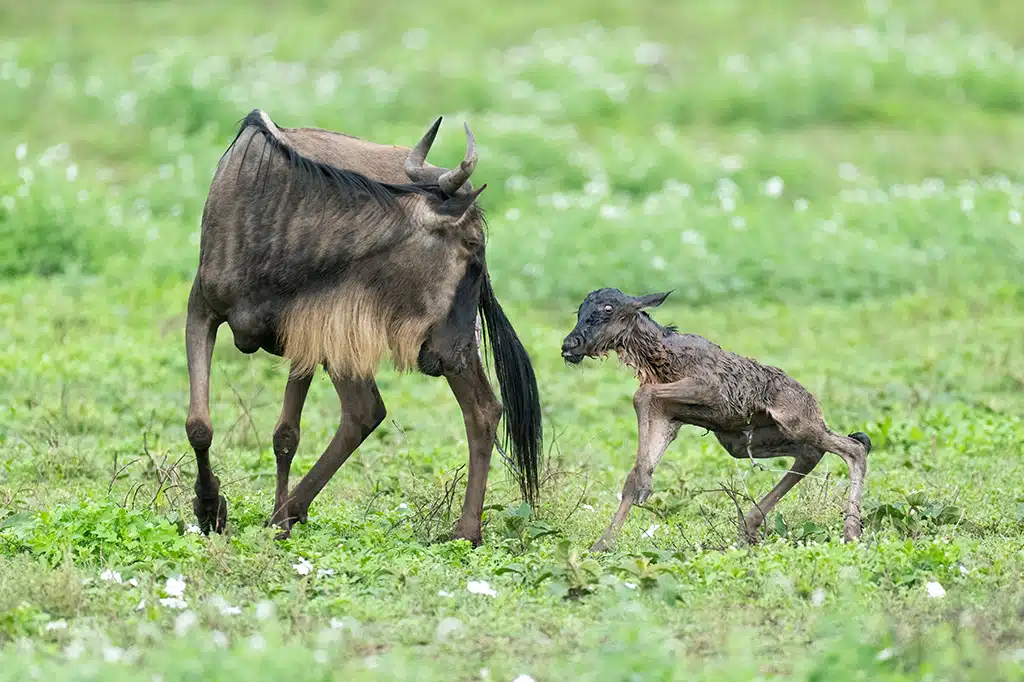
The Ndutu calving season brings new life to Tanzania’s southern plains. Wildebeest gather to graze, mothers tend young calves, and each drive reveals a new scene. A well-planned trip gives you time to watch this stage of the Great Migration unfold.
The usual calving window runs from January to March. February is often the peak, though rain and herd movement shape each year. Choose your dates with care, then leave room for nature to set the pace. No trip can promise a birth, hunt or exact herd location.
This guide explains when to go, where to stay and how to plan your days. You will also find three sample packages, reasons to travel with TanzaLux Safaris and 20 FAQs. Here, “chasing” the season means planning around it while giving wildlife space.
Explore Great Migration safaris with TanzaLux Safaris and start shaping your Ndutu trip.
Ndutu calving season at a glance
Main calving window: usually January to March.
Usual peak: around February, with year-to-year variation.
Wider southern herd season: often mid-December to April, shaped by rain and grazing.
Suggested starting stay: three nights in Ndutu, with more time if your budget allows.
Main focus: calves, herd life, grassland scenes and patient wildlife viewing.
Planning priority: match your camp, travel dates and permitted drive areas.
These are seasonal patterns, not live herd reports. The broader period of herd presence does not mean peak births throughout those months. See Ndutu Safari Lodge’s migration overview and TANAPA’s 2026 calving-season feature for the seasonal background.
Where does the Ndutu Great Migration take place?
Ndutu forms part of the wider Serengeti–Ngorongoro ecosystem in northern Tanzania. Ndutu Safari Lodge sits in the Ngorongoro Conservation Area beside the southern Serengeti. The wider safari area spans connected landscapes with different access rules. Ndutu is not a separate national park.
This matters when you book a camp. A property’s location affects the drive route, travel time and fees. Ask your planner to show where you will sleep and explore. Check which days enter Serengeti National Park and which stay within the conservation area. The lodge’s location guide helps explain this setting.
Plan the Ndutu Great Migration around your specific travel week. A famous camp name alone cannot tell you where the herds will be. Ask for recent field reports near departure. Then let your guide adjust each day within the rules and your confirmed route.
Why the herds return to the southern plains
Rain brings fresh growth to the short grass plains. These mineral-rich grasses help feed mothers and growing calves. Many wildebeest give birth within a concentrated season. Newborn calves can stand and move soon after birth, though their first days remain fragile.
TANAPA describes this link between rain, grazing and new life in its calving-season feature. The Ndutu calving season is therefore more than a chance to see newborns. It shows how food, weather and movement connect across the wider landscape.
Watch the small details as well as the large herds. Notice a calf staying close to its mother. Look at how groups spread out to feed. Ask your guide to explain what you see. Such moments can become the strongest memories of a wildebeest calving safari.
Choosing your travel month
January: plan for the whole wildlife experience
January falls within the usual calving window. Before booking, compare the full route rather than one expected event. Ask how the camp location suits that part of the season. Include enough drive time to explore without rushing between distant stops.
If your dates are fixed, share them at the start. Ask what recent conditions suggest and what remains uncertain. Choose a trip you would enjoy even without seeing a live birth. Herd scenes, birdlife and time in the bush all add depth.
February: the usual peak still needs patience
February often sits at the heart of the Ndutu calving season. Yet peak season does not create a fixed schedule of sightings. A mother may give birth beyond view. A herd may move between areas as the rains change.
Book around the time you can spend watching. A longer stay gives your guide more scope to work with changing conditions. Ask for clear camp options before paying. Compare room type, location and booking terms along with the price.
March: keep the route responsive to conditions
March remains part of the usual calving window. However, do not assume it will look the same as February. Discuss current herd reports with your planner. Ask whether extra nights in another part of the ecosystem would suit your goals.
Rain can affect roads and the pace of travel. Leave space between long drives and onward flights. Confirm seasonal camp opening dates for your exact stay. A flexible daily plan is useful, but major route changes may need new bookings and fees.
What about December or April?
The wider southern herd season often reaches beyond the main calving window. Still, those months should not be sold as a promise of peak births. Ask which areas fit your dates. Build a southern Serengeti safari that works for the full journey.
The key distinction is simple: herd presence, calving and peak calving are different things. The Ndutu migration overview describes the broader seasonal pattern. Use it as a planning guide, then seek current advice for your travel week.
What to expect on a Ndutu calving season game drive
Herd life and newborn calves
Make time to stop and watch. A drive need not move from one sighting to the next. Your guide may suggest staying with a quiet scene as behavior develops. Share your interests early so the day can reflect them.
Do not judge the trip by a birth count. Wild events happen on their own terms. Enjoy the wider story of mothers, young animals and moving herds. A patient Ndutu migration safari leaves room for these details.
Predators and the wider food web
Predator sightings may be part of the trip, but hunts are never assured. Avoid making a dramatic chase the measure of success. Watching an animal rest, scan the plains or move through grass can be rewarding too.
Nature may include scenes that some guests find hard to watch. Discuss this with your guide, especially when travelling with children. You can ask to leave a sighting when appropriate. Keep the focus on observation and respect for wild behavior.
Birds, lakes and changes in the landscape
Ndutu’s habitats include plains, soda lakes, marshes and acacia woodland. Resident birds and seasonal migrants add interest beyond the herds. The lodge’s birdlife guide gives an overview. Specific birds and lake conditions vary, so avoid building your day around one promised sighting.
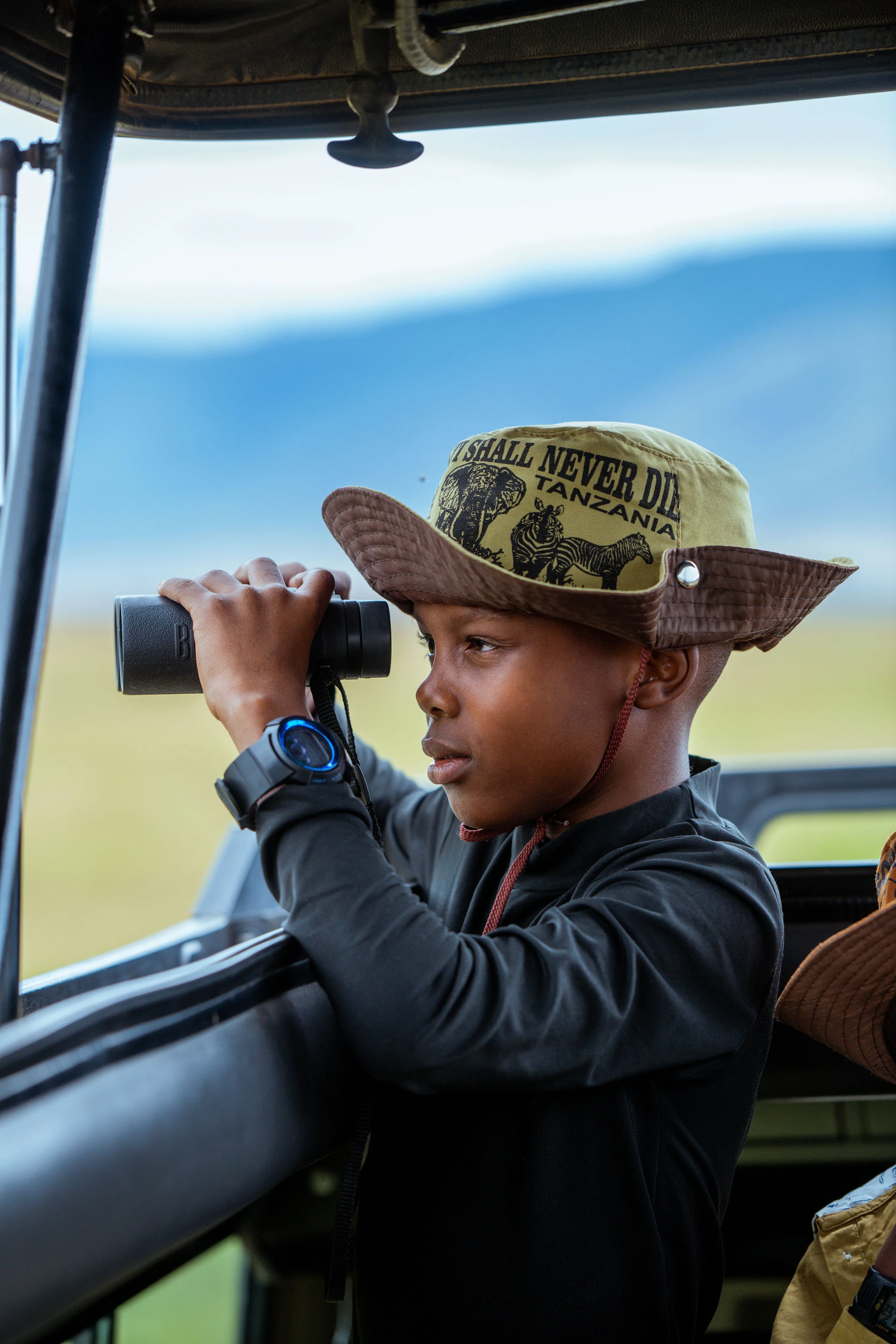
Bring binoculars even if photography is your main aim. Ask your guide to pause for birds and smaller details. These stops can give each drive a different rhythm. They also help you enjoy more of the landscape between major sightings.
How many nights should you spend in Ndutu?
For the Ndutu calving season, three nights is a useful starting suggestion. It can provide two full days between arrival and departure. Check the actual schedule, since a late arrival reduces viewing time. Add nights if you want a gentler pace.
One short stay can feel busy when linked to long road journeys. Count full drive days rather than trip days alone. A six-day itinerary may include airport travel, hotel time and a crater visit. Those days do not all belong to Ndutu.
Ask the planner to list where each night falls. This makes two packages much easier to compare. It also shows whether your main interest gets enough time. Put extra nights where they best serve your goals, rather than adding stops just to fill a map.
Choosing a camp for the Ndutu calving season
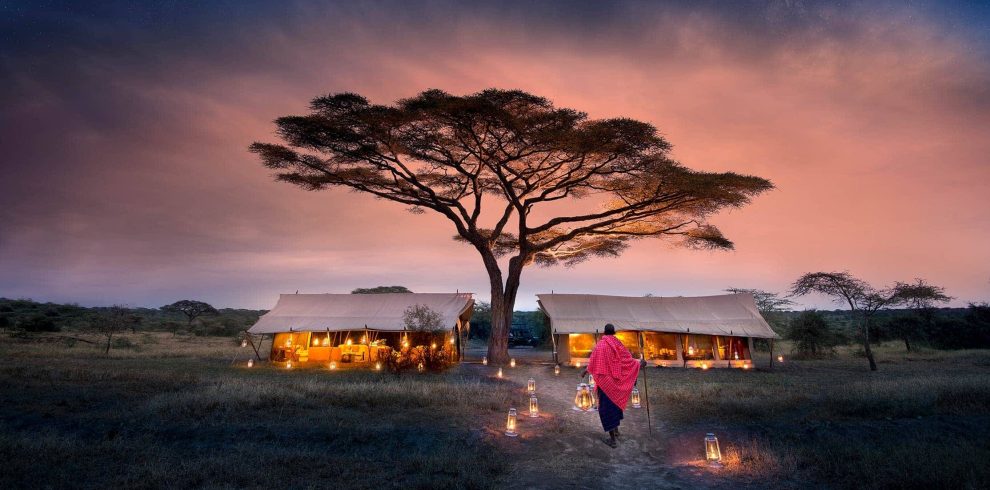
Start with location and dates, then consider comfort. Ask where the camp sits in relation to the planned drives. Check its opening period and the route from your previous stop. A beautiful room is only one part of a good safari stay.
Next, confirm the details that affect your comfort. These may include private bathrooms, hot water, power for charging and meal arrangements. Ask about family rooms, mobility needs and night-time escorts where relevant. Have the camp confirm essential requirements before booking.
Seasonal tented camps and established lodges can offer different styles of stay. Neither label alone defines the quality of your trip. Request current room details and recent images. Compare what each option provides for your exact dates and budget.
Also check the terms for changes or cancellations. Ask what happens if access is affected by local conditions. Do not assume an alternative camp is automatically included. Written details make it easier to choose with confidence.
Getting there from Arusha
Arusha is a useful base for planning a northern Tanzania route. Your transfer may be by road or part of a trip using a light aircraft. Compare the whole journey, including airport transfers and camp access. Flight schedules and baggage rules must be checked for your dates.
A road trip can link several stops in one route. It also takes time away from drives near camp. Ask for a realistic travel plan with breaks. Treat drive times as estimates, since roads and weather can change.
If you arrive on a long flight, consider an Arusha night first. For departure, allow a sensible margin before your onward flight. Tell the planner which airport and flight you will use. Avoid booking a tight connection based only on a rough map estimate.
Watching wildlife with care
The Ndutu calving season calls for quiet, patient viewing. Mothers and calves need space to move. Do not ask a driver to block an animal’s path or force a closer view. Let your guide choose a suitable position and distance.
Follow authorised routes and the permissions that apply to each area. A private vehicle does not grant unrestricted access. Nor does a game drive permit allow guests to walk freely among wildlife. Ask about any planned activity before it is added to your trip.
The Ngorongoro Conservation Area’s tourism guidance and Serengeti visitor guidance set the context for responsible visits. Keep noise low, take litter back and follow your guide’s directions. Good viewing leaves animals free to behave naturally.
Photography and family planning tips
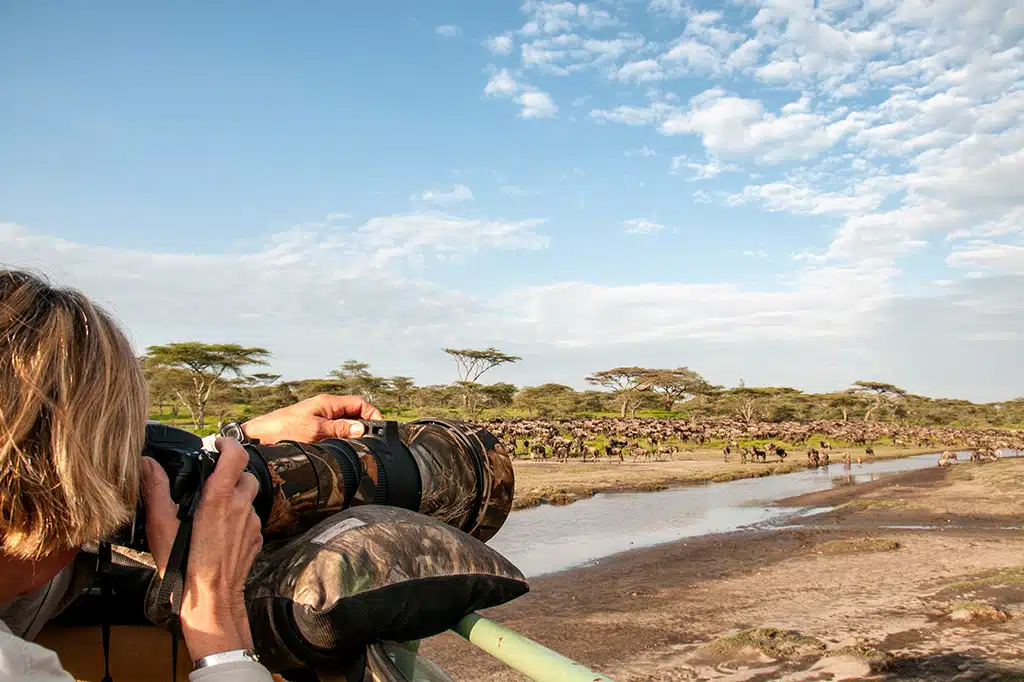
For a photography trip, discuss vehicle space before booking. Ask how many people share each row and where camera bags can sit. Bring suitable protection for dust and rain. Check charging arrangements at camp, then pack spare batteries within airline rules.
Use the reach of your lens rather than pressing for closer access. Ask your guide about light and sight lines. Give other vehicles room to view as well. Patience and a clear view often matter more than a long equipment list.
For families, share each child’s age at the quote stage. Camp and activity age rules vary. Ask about beds, meals, drive lengths and breaks. Prepare children for the full range of wild nature, including scenes of hunting and death.
Tell the team about dietary or access needs before paying. Remote camps differ in what they can provide. Ask for clear confirmation of any essential support. A well-matched Ndutu calving season trip should fit the people travelling as well as the wildlife calendar.
What should your Ndutu safari quote include?
There is no single price for the Ndutu calving season. Dates, camp choice, group size and vehicle use shape the total. Ask for a dated quote based on named properties and a clear route. Compare the full cost, rather than a room rate or headline figure.
Accommodation: each night, property, room type and meal plan.
Vehicle and guide: private or shared use, drive schedule and transfers.
Access charges: applicable park, conservation area, vehicle and camp fees.
Crater visit: the planned descent and relevant charges, if included.
Flights: exact sectors, baggage terms and airstrip transfers, where booked.
Daily essentials: water, meals, drinks and any limits on inclusions.
Extras: tips, personal spending, optional activities and extra hotel nights.
Booking terms: payment dates, changes, cancellations and the quote’s validity.
Ndutu and Ngorongoro Crater are separate parts of a travel plan. Do not assume one fee covers every area or activity. Ask what changes if the route crosses into another zone. A clear written quote helps avoid surprise costs.
Three sample Ndutu calving season packages
These sample routes show how to divide your time. They are planning ideas, not fixed offers or confirmed availability. Camps, fees and travel arrangements need a dated quote. Your arrival time, interests and budget may call for a different pace.
Sample package 1: 4 days of Ndutu and Ngorongoro Crater
Best suited to: travellers who want a compact route and accept a busy pace. This outline has three safari nights: two in Ndutu and one in the Ngorongoro area. It assumes you are ready to leave Arusha on the first morning.
Day 1: travel from Arusha to Ndutu, with a drive if timing permits.
Day 2: spend the day exploring Ndutu with your guide.
Day 3: enjoy a morning drive, then move to the Ngorongoro area.
Day 4: visit the crater as arranged, then return to Arusha.
Compare this outline with TanzaLux’s listed four-day trip. Confirm the current camps, fees and transfer plan before booking. An arrival hotel or final Arusha night should be added only if your quote includes it.
Sample package 2: 6 days with more time for calves
Best suited to: guests who want an arrival night and two full Ndutu days. This plan has five nights: one in Arusha, three in Ndutu and one in the Ngorongoro area. It gives the main focus of your trip more time.
Day 1: arrive and stay in Arusha, with transfers as quoted.
Day 2: travel to Ndutu and settle into camp.
Days 3–4: enjoy two full days of guided wildlife viewing.
Day 5: take a morning drive, then travel to the Ngorongoro area.
Day 6: make the arranged crater visit and return to Arusha.
This is a useful starting shape for a wildebeest calving safari. Add a final hotel night if flight timing requires it. Ask whether the road travel and crater day suit your family or group.
Ask TanzaLux Safaris to tailor a six-day private calving-season route.
Sample package 3: 8 days with central Serengeti
Best suited to: guests with more time who want a broader mix of landscapes. The seven nights are one in Arusha, three in Ndutu, two in central Serengeti and one in the Ngorongoro area. This route adds travel as well as variety.
Day 1: arrive and spend the night in Arusha.
Day 2: travel to Ndutu, with viewing as time allows.
Days 3–4: explore Ndutu over two full days.
Day 5: move to central Serengeti using the agreed route.
Day 6: enjoy a full day in central Serengeti.
Day 7: take a morning drive, then travel to the Ngorongoro area.
Day 8: visit the crater as arranged and return to Arusha.
This southern Serengeti safari outline does not add the far northern river crossings. Those require a different seasonal plan. If you want Zanzibar afterwards, request separate details for flights, hotels and transfers. Do not assume beach arrangements are part of the safari quote.
Build an eight-day Great Migration trip with TanzaLux Safaris.
Why travel with TanzaLux Safaris?
TanzaLux Safaris describes itself as a Tanzanian-owned company based in Arusha. Its company overview sets out a tailored planning approach around dates, pace, interests and budget. It also describes direct contact with a planner throughout the trip process.
For the Ndutu calving season, use that planning support to make practical choices. Ask the team to compare camp locations, full drive days and clear inclusions. Share whether your focus is photography, family time or a slower pace. Request alternatives that show how each choice affects the total.
The company also plans safari, Kilimanjaro and Zanzibar travel. That can help when your wider holiday needs several parts to fit together. Confirm each part in the written itinerary, with its own costs and terms. Personal planning should turn your priorities into a clear, workable trip.
Start planning your Ndutu calving season safari
Send your preferred dates, group size and budget range to the team. Include children’s ages, comfort needs and the time you can spend in Tanzania. Explain which scenes interest you most. Ask for a route that balances wildlife time with the pace you enjoy.
Keep your main goal broad enough for nature to surprise you. A well-planned Ndutu calving season journey offers time to observe, learn and enjoy the bush. The most meaningful moment may be one you never thought to request.
Contact TanzaLux Safaris for a tailored Ndutu calving-season itinerary and itemised quote.
20 frequently asked questions about the Ndutu calving season
1. When is the Ndutu calving season?
January to March is the usual window, with February often the peak. Rain and herd movement shape the timing each year. These months are a guide, not a fixed birth schedule. Ask for recent reports as you plan your travel dates.
2. Where does this part of the migration take place?
The Ndutu Great Migration takes place within the wider Serengeti ecosystem. Ndutu includes land in the Ngorongoro Conservation Area near southern Serengeti. It is not a separate national park. Ask where your camp and drives sit within this wider area.
3. Why do the herds gather on the short grass plains?
Rain helps fresh grass grow across the southern plains. The herds seek this food as they move through the area. Where rain falls can shape where they gather each year. Keep the route flexible enough to respond to current field reports.
4. Do the herds stay in Ndutu throughout the year?
No. The Ndutu calving season is one stage of a moving cycle. The herds travel beyond the area as conditions change. Do not assume a camp has large herds nearby all year. Match the route to your dates and main wildlife goals.
5. Will I see a river crossing in Ndutu?
The famous northern river crossings are a different migration experience. Do not expect a Ndutu visit to include those scenes. Tell the team which event you hope to see. Ask for a route and season that fit that specific goal.
6. Will I see a wildebeest give birth?
The Ndutu calving season brings hopes of seeing new calves. Yet a wildebeest calving safari cannot promise a live birth. Share your goals and allow time for patient game drives. Watch from a respectful distance if you do see a birth.
7. Will I see a predator hunt?
A hunt is a wild event that no guide can promise. Look for signs of life without demanding a dramatic scene. Quiet moments can reveal behavior you would otherwise miss. Let your guide judge the space animals need while you watch.
8. How many nights should I allow?
Three nights can be a useful starting plan for the Ndutu calving season. Treat this as a suggestion rather than a rule. Check how travel affects your actual time for drives. Add nights if you want more time and a slower pace.
9. Should I choose January, February, or March?
Choose dates by your goals, available time, and full route. February often draws interest for calving, but conditions still vary. Ask what each date option means for camp choice and cost. Keep expectations broad across all three months of the usual window.
10. Could December or April work for my trip?
Those dates may suit a southern Serengeti safari, depending on conditions. Do not assume the main herds or births will be nearby. Ask which camps and areas fit your specific travel week. Choose for the whole trip rather than one promised event.
11. Could rain affect the roads or my camp stay?
Rain can affect road conditions and the pace of travel. Check your camp's opening dates before confirming the route. Ask how the team handles a change in access. Leave room for the day's plan to adapt when local conditions require it.
12. How should I choose a camp?
Choose a camp by location, dates, comfort, and access to planned drives. Ask how much driving each day's plan is likely to need. Check the room type and camp opening period in writing. A famous name alone does not settle these details.
13. Is this the right trip for a Big Five checklist?
Plan around the wider scene rather than a fixed species list. Ask how your whole route matches the animals you hope to see. No guide can promise every animal on your list. Leave time to enjoy calves, herd life, and the landscape.
14. Which fees should my quote cover?
Ask which conservation area and park fees apply to your route. A crater visit is a separate part of the travel plan. Check its charges if that visit is included. Request a full written total based on your dates and guest details.
15. Should I choose a private or shared vehicle?
For a Ndutu migration safari, compare vehicle use and group size. A private trip may offer more choice over pace. A shared trip must work for all guests on board. Check the drive schedule, seats, and route before choosing your package.
16. How can I take photos without disturbing the animals?
Give animals space and follow your guide's directions at each sighting. Keep noise low and avoid pushing for a closer view. Driving rules vary by zone, so check what applies. A good photo should not come at the cost of animal welfare.
17. Is a calving trip suitable for children?
Share each child's age and check camp and activity rules. Explain that wild nature includes birth, hunting, injury, and death. Choose a pace with breaks that suit your family. Talk with your guide about the scenes your children feel ready to watch.
18. How much should I budget for this trip?
Ask for a dated quote using your route and group details. Check the nights, vehicle use, meals, fees, and transfers included. Camp choice and dates can change the final price. Compare full quotes rather than judging the trip by a room rate alone.
19. What needs should I discuss before booking?
Share food and access needs before paying for any stay. Ask each camp to confirm what it can provide. Check baggage limits and request a packing list for your route. Clear answers help you choose a trip that suits your needs.
20. How can TanzaLux Safaris help me plan?
Share your dates and goals for the Ndutu calving season. Include your group size, budget, and preferred pace. Ask for a route with clear inclusions and booking terms. Contact TanzaLux Safaris to plan your calving trip.
Ready to start planning?
Tell us your dates and what you're after — no obligation.