5.0 Excellent

Books to Read Before You Travel to Tanzania

A thoughtful Tanzania reading list can make your holiday richer before you even pack. A novel may lead you to ask better questions about the coast. A wildlife guide can help you notice more than the biggest animals. A few pages of Swahili can make your first greeting feel warmer and more personal.
These ten books offer different ways into Tanzania and the wider East African region. The list brings together fiction, nature writing, field guides and practical travel books. You do not need to read them all. Choose one story, one useful guide and a few phrases that match the trip you want.
How should you build your Tanzania reading list?
Start with your interests rather than a stack of famous titles. If you love fiction, begin with a novel and read it well before departure. If the safari is your main goal, learn how to use a field guide. If you are heading to Zanzibar, add a book that gives the islands their own space.
For stories and history: try Paradise, Afterlives or The Book of Secrets.
For nature writing: consider The Tree Where Man Was Born, with its historical context in mind.
For mammal watching: choose The Safari Companion for behaviour or the Kingdon pocket guide for identification.
For birds: explore Field Guide to the Birds of East Africa.
For planning: use Bradt's country or island guide alongside current trip details.
For everyday connection: keep a Swahili phrasebook close at hand.
This Tanzania reading list is a set of choices, not a homework assignment. A book can prompt curiosity, but it cannot stand for every person or place you will meet. Read with an open mind and leave room for what local people choose to share.
1. Paradise by Abdulrazak Gurnah
Choose it for: East African fiction, trade and a young person's view of a changing world.
Paradise follows Yusuf, a boy whose journey with a merchant is bound to his father's debts. Bloomsbury's book description places his coming of age against colonialism and violence in East Africa. It is a novel with difficult human stakes, rather than a light guide to scenic places.
This is a strong starting point for a Tanzania reading list that reaches beyond safari images. We suggest reading it for the questions it raises about power, dependence and movement. Those themes can make a later conversation about trade or the coast feel less remote from individual lives.
Gurnah grew up in Zanzibar and won the 2021 Nobel Prize in Literature, as the Nobel biographical notes explain. Read the book as one author's crafted work. Do not treat a fictional character as a template for people you meet on holiday.
2. Afterlives by Abdulrazak Gurnah
Choose it for: a human-scale view of colonial violence, loss, love and rebuilding.
Afterlives follows lives shaped by German colonial rule in East Africa. The publisher's description introduces characters whose families and futures are changed by forced separation and military service. The book gives you a story to follow while opening questions about a larger past.
Among books about Tanzania and the region, this is worth considering if you want more historical depth in your fiction. We suggest allowing time for it before travel. Themes of violence and displacement may not suit every reader's idea of a light beach book.
You do not have to read both Gurnah novels on this Tanzania reading list. Pick the one whose premise interests you most. If it leads to a historical question, take that question into a guided museum or town visit rather than assume the novel is a complete history.
3. The Book of Secrets by M. G. Vassanji
Choose it for: family histories, memory and a story built around an old diary.
In The Book of Secrets, a retired teacher receives a colonial administrator's diary and begins to investigate its past. Macmillan's description explains how that search draws him into family secrets, East African history and his own life. This is fiction about the act of looking back, as well as about what is found.
It adds another author and another narrative approach to your Tanzania reading list. We suggest it for readers who enjoy layered stories and the slow discovery of links between people. Let the novel unfold rather than seek a checklist of sites to visit.
A useful thought to carry from this kind of reading is simple: whose voice is present in a record, and whose is missing? That question can deepen a visit to a museum or historic site. It can also help you listen with care when a guide explains a place from another point of view.
4. The Tree Where Man Was Born by Peter Matthiessen
Choose it for: literary nature writing and an older account of East Africa.
This work brings wildlife, landscapes, field research and human lives into a broad regional portrait. Penguin's description identifies it as East African nonfiction first released in 1972. Its age is part of how it should be read. It is not a current guide to Tanzania's people, parks or travel conditions.
We include it in this Tanzania reading list for readers drawn to the craft of observing nature. Try reading a short section, then closing the book and noting what held your attention. On safari, practise the same patient attention to light, sound and the wider setting.
Pair older travel writing with fiction by regional writers and with present-day conversations. You can value a writer's eye while asking how time, background and access shaped the account. A good reading list gives you more than one lens.
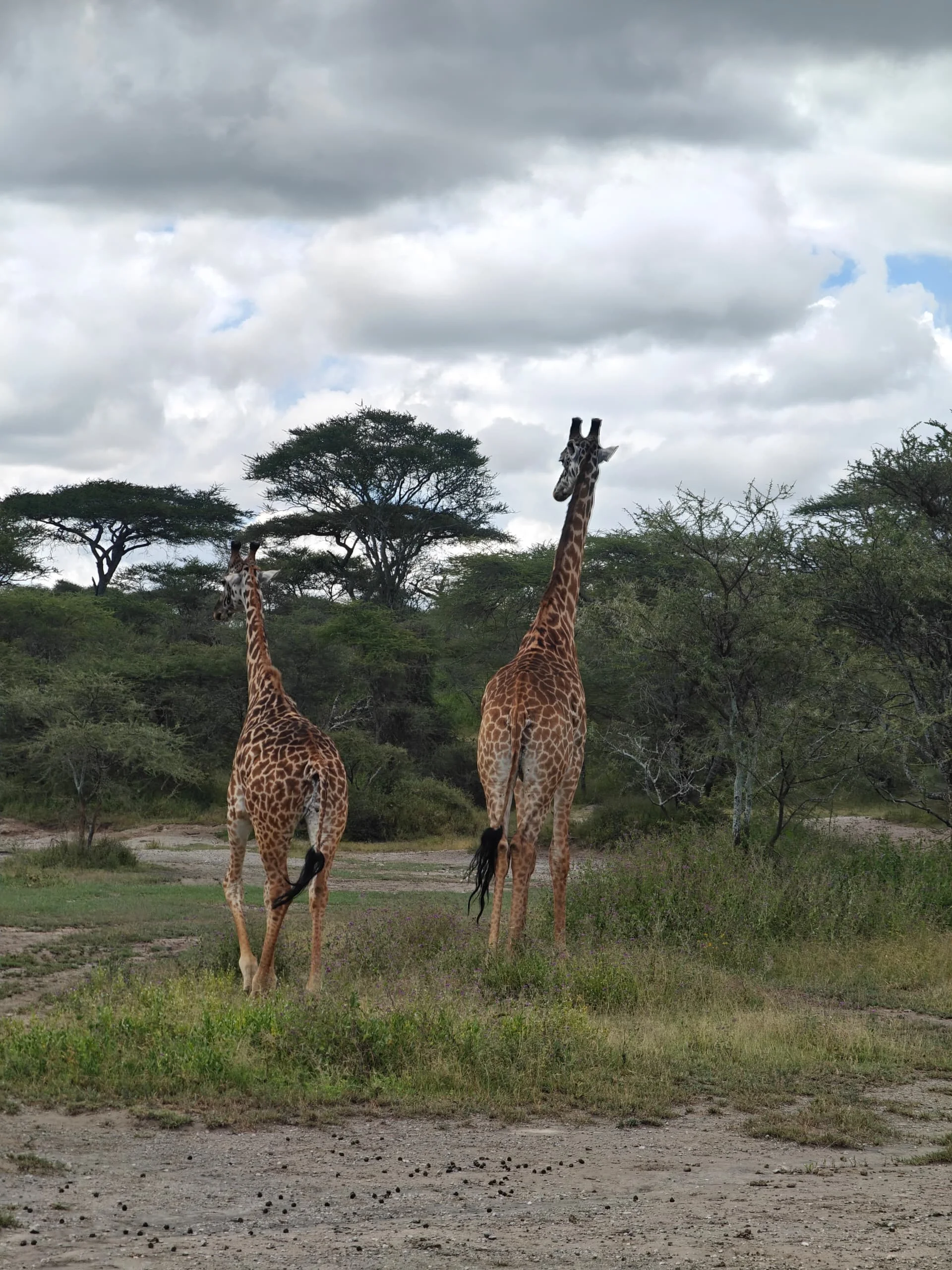
A field guide can help you notice shape, habitat and behaviour while your safari guide adds local context.
5. The Safari Companion by Richard D. Estes
Choose it for: understanding mammal behaviour, not only naming an animal.
The Safari Companion focuses on watching African mammals and making sense of what they do. Chelsea Green's description highlights social behaviour such as courtship, scent marking and care of young. Its scope is broader than Tanzania alone.
This is one of the most useful kinds of Tanzania safari books for a curious observer. A game drive can become more absorbing when you watch a group for a while. Ask your guide what changed, who moved first and what may have prompted the response.
You need not read it from cover to cover. Use the contents to explore a few mammals likely to feature in your route. On your Tanzania reading list, this book can turn a wish to see animals into a wish to watch them well. Keep your distance and let the guide lead the viewing.
6. The Kingdon Pocket Guide to African Mammals by Jonathan Kingdon
Choose it for: an illustrated mammal reference with range maps.
Bloomsbury's Kingdon pocket guide page describes a compact reference adapted from the larger field guide. Its main role is identification. This makes it a useful partner to a behaviour-focused book, or an alternative if you want to carry only one mammal guide.
Its coverage is continental, so many animals in it will not occur on your Tanzania itinerary. Start with the range map and habitat, then compare shape, coat and other visible features. A picture that looks close is only one clue.
Before leaving home, learn how the plates, maps and index work. That small task makes a field guide far easier to use in a moving safari vehicle. This Tanzania reading list does not require you to become an expert; the aim is to give your guide better questions to work with.
7. Field Guide to the Birds of East Africa by Terry Stevenson and John Fanshawe
Choose it for: bird identification across Tanzania and neighbouring countries.
The Helm field guide's publisher page describes illustrated species accounts and distribution maps for Kenya, Tanzania, Uganda, Rwanda and Burundi. It is a detailed regional reference. That depth makes it especially appealing if birds are a major interest.
For a first safari, start small. Learn a few broad shapes, such as a raptor, a heron and a weaver. Notice the bill, posture, habitat and size before you search for a name. Your guide can help narrow the choices.
Give this part of your Tanzania reading list a practical trial at home. Find an unfamiliar bird in the index and follow the cross-references. On the trip, look at the live bird first and the page second. Avoid playing calls to draw birds in for an identification or photo.
8. Tanzania Safari Guide by Philip Briggs and Chris McIntyre
Choose it for: understanding park choices and shaping the broad route.
Bradt's Tanzania Safari Guide covers safari destinations, lodges, wildlife and practical planning, with material on Kilimanjaro, the coast and Zanzibar. It is a useful starting point when several park names blur together and you want to see what makes each place distinct.
Use it to form a shortlist. Mark the parks, landscapes and experiences that appeal to you, then discuss how many fit your available days. A map spread is useful for the big picture, but it does not show how every road transfer will feel.
Check which edition you are buying and look for publisher updates. Printed costs, access details and lodge listings can age. In a Tanzania reading list, the guidebook should support current planning, while live entry rules, health advice and final trip arrangements need fresh checks from the relevant sources.
9. Zanzibar by Chris McIntyre, Susan McIntyre and Philip Briggs
Choose it for: a focused Zanzibar travel guide with Pemba and Mafia coverage.
Bradt's Zanzibar guide includes Stone Town, beaches, culture, wildlife and the nearby island journeys covered by the book. It can help you give the coast the same thought you give the safari, rather than add a beach hotel at the last moment.
Read the sections that match your interests before choosing a base. You may want town walks and history, a quiet coast stay or time for marine outings. Use the book to ask what those choices mean for transfers and the pace of your stay.
Pemba and Mafia are distinct destinations, not casual stops you should assume fit every Zanzibar plan. Check current transport and the time needed. This title earns its place on a Tanzania reading list by helping readers see beyond one generic island holiday.
10. Swahili Phrasebook & Dictionary by Lonely Planet
Choose it for: everyday language practice and a compact travel reference.
Lonely Planet's Swahili phrasebook is designed for on-the-go language help. Begin with greetings, thanks and polite requests. Learn a few phrases you can use with care rather than memorise a long list you cannot yet pronounce.
Read the pronunciation guidance and practise aloud. Ask your guide how a greeting fits the situation and listen to the reply. Swahili is a living language with local usage, so let the people you meet help shape your learning.
As part of your Tanzania reading list, a phrasebook offers a small habit with daily value. It does not need to replace your guide or make every exchange a language test. A patient greeting, a smile and willingness to listen can be a good place to start.
Turn your reading interests into a tailored safari, cultural visit or Zanzibar stay.
Which three books should you choose if time is short?
Keep your Tanzania reading list small enough to enjoy. For a first safari, we suggest one novel, one practical guide and one nature reference. You can borrow them first or read a sample before deciding what to take.
A story: choose Paradise or The Book of Secrets according to the premise that draws you in.
A planning tool: choose Bradt's country guide, or its Zanzibar guide for a trip focused on the islands.
A field companion: choose The Safari Companion, Kingdon's mammal guide or the bird guide to suit your interests.
Add a few pages of Swahili practice if you can. There is no prize for finishing more books than your travel partner. The most useful Tanzania reading list is one that leaves you eager to look, listen and ask questions.
A simple reading plan before you fly
Begin the novel while you still have unhurried time at home. Save a few thoughts in a notebook: a place name, a historical question or a theme you want to understand better. You do not need to turn the book into study notes.
Next, open the travel guide beside a map and your draft route. Check the broad regions and think about how many nights you want in each. Read your chosen field guide in short sessions. Learn its layout before you try to use it on a game drive.
In the final days, practise greetings and download any purchased digital titles you want offline. Give your Tanzania reading list room to change during the trip. A conversation with a guide or bookseller may lead you to a new writer you had not planned to read.
What should you pack: paper, ebooks or audio?
A paperback is simple to share and needs no power. An ereader can hold several titles without filling your bag. Audio may suit a long flight, though some readers prefer to keep their ears free during guided visits and wildlife drives.
Take only the print books you expect to use, especially if your trip includes small aircraft with baggage limits.
Download digital books before departure and check that they open offline.
Keep a field guide within reach rather than at the bottom of your main bag.
Protect paper and devices from dust, water and strong heat.
Ask your travel planner about charging and the exact baggage rules for booked transport.
Your Tanzania reading list should support the journey, not compete with it. Put the book down when something is happening outside. A quiet page at camp can be a lovely end to the day, after you have watched the light fade and heard the guide's account of what you saw.
How can books enrich visits without setting fixed expectations?
Stories and travel accounts come from a particular time and viewpoint. Use them to start questions rather than settle them. Ask a local guide how a place has changed and which parts of its history are most useful to understand today.
A novel is not a promise of what a town will look like. A range map does not guarantee an animal sighting. An older guidebook cannot confirm today's fees or access. Keep your Tanzania reading list alongside fresh local knowledge, and let each do its own job.
If you want to buy a book during your stay, ask about current shops and stock. Support legitimate sellers and use authorised editions or library loans. Ask before leaving books at a lodge or community site, so a well-meant gift meets an actual need.
Sample packages inspired by your Tanzania reading list
These ideas can be tailored to your dates, budget and reading interests. They are sample routes, not fixed departures or confirmed offers. Lodges, visits, transport and fees need a dated quote. The books are reading suggestions; the trips explore real places on their own terms.
Package 1: 6-day northern parks and nature escape
Day 1: arrive in Arusha and settle into your hotel.
Day 2: take an Arusha National Park outing with the agreed activities.
Day 3: enjoy a Tarangire game drive and continue toward Karatu.
Day 4: visit Ngorongoro Crater, subject to permits.
Day 5: explore Lake Manyara, then return to Arusha.
Day 6: depart or start a separate extension.
This five-night outline suits a first safari with time to discuss wildlife and landscapes. Pair it with The Safari Companion and a mammal or bird guide. Keep some lodge hours free for reading and rest rather than fill every gap with an outing.
Request a private northern safari shaped around your nature and wildlife interests.
Package 2: 6-day Zanzibar culture and coast stay
Day 1: arrive and stay in Stone Town.
Day 2: take a guided town walk, with time for your chosen cultural stops.
Day 3: add a pre-arranged spice-farm visit and transfer to your beach base.
Days 4–5: relax by the coast or choose suitable optional outings.
Day 6: transfer for departure.
This five-night idea has two Stone Town nights and three by the beach. Pair it with your chosen Gurnah novel, the Zanzibar travel guide and a Swahili phrasebook. Discuss pace and site access with your guide rather than try to recreate a scene from fiction.
Plan a Zanzibar stay with thoughtful town visits and unhurried beach time.
Package 3: 12-day Serengeti safari and Zanzibar journey
Day 1: arrive in Arusha and rest.
Day 2: visit Tarangire and stay near Karatu.
Day 3: travel to the Serengeti and begin your stay.
Days 4–5: enjoy game drives with room for patient wildlife viewing.
Day 6: leave the Serengeti and stay near Ngorongoro or Karatu.
Day 7: visit the crater, subject to permits, and return to Arusha.
Day 8: take a pre-arranged flight to Zanzibar and stay in Stone Town.
Day 9: take a town walk, then transfer to the coast.
Days 10–11: enjoy a relaxed beach stay.
Day 12: depart.
This eleven-night outline combines seven mainland nights with four in Zanzibar. A compact Tanzania reading list might include one novel, the country guide and one field guide. Choose the Serengeti camp area for your dates, and confirm flights and transfers before booking.
Build a private Serengeti and Zanzibar holiday with TanzaLux Safaris.
Why travel with TanzaLux Safaris?
TanzaLux Safaris is Tanzanian-owned and based in Arusha. We tailor journeys to your dates, pace, budget and interests. Safari, Kilimanjaro and Zanzibar can sit within one plan, with clear links between each part of the holiday.
Share the themes that stood out in your Tanzania reading list. You might want longer wildlife stops, a guided town visit or more quiet hours at camp. We can discuss how those interests fit your route and the services available for your dates.
A useful plan makes room for both discovery and rest. Ask for the daily outline, transport, lodge choices and included visits in your proposal. Your books can spark the ideas; a well-paced trip gives you time to explore them in person.
Start planning a Tanzania journey shaped around what you love to read and explore.
Frequently asked questions
1. What belongs on a first Tanzania reading list?
Choose one novel, one practical guide and one nature reference that matches your interests. Add a few Swahili phrases if you can. A small selection you enjoy is more useful than a large stack you never open.
2. Which novel should I start with?
Consider Paradise for a young person's journey through a changing East Africa, or The Book of Secrets if you enjoy a story built around memory and an old diary. Read a sample to see which voice draws you in.
3. Do I need to read both Gurnah novels?
No. Pick the premise that interests you most and give it time. Reading one book with care can be more rewarding than rushing through two. Both contain difficult themes, so check the descriptions if you prefer lighter holiday reading.
4. Are all ten books only about Tanzania?
No. Some focus on Tanzania or Zanzibar, while others cover East Africa or African mammals more broadly. The scope is explained in each entry. Check the map or coverage before using a regional guide for your exact itinerary.
5. Can fiction teach me the history of a place?
Fiction can prompt strong questions about the past, but it is a crafted story. Pair it with historical sources and a knowledgeable local guide. Do not assume every character, event or setting is a direct record.
6. Why include an older nature book?
Older writing can offer an interesting way of observing and describing a landscape. Read it with its time and viewpoint in mind. It should not stand in for current travel advice or present-day voices.
7. Which book helps explain animal behaviour?
The Safari Companion focuses on watching African mammals and interpreting what they do. Use it alongside your guide's observations. A long, patient stop with one group of animals can be as rewarding as finding a new species.
8. Which book is useful for mammal identification?
The Kingdon pocket guide is designed for identification with illustrations and range maps. Its coverage extends across Africa, so first check whether the species occurs in the region you will visit. Let your guide help with close matches.
9. Should a beginner take the East Africa bird guide?
It is an option if birds interest you enough to use a detailed reference. Learn its layout before travel and start with broad shapes and habitats. You can also ask what bird references your guide already carries.
10. Which practical guide suits a safari trip?
Bradt's Tanzania Safari Guide is useful for comparing destinations and forming route ideas. Check the edition and publisher updates. Confirm current costs, access and final arrangements with the relevant sources before you travel.
11. Do I need a separate Zanzibar travel guide?
A focused island guide can help if you want more depth on Stone Town, coast choices and cultural visits. It is less essential for a very short beach stay. Choose according to how much of the islands you hope to explore.
12. Are Pemba and Mafia simple Zanzibar day trips?
Do not assume they fit that way. They are distinct destinations and need their own transport and time plan. A book can introduce the options, but current connections and the pace of your stay need separate checks.
13. Is a Swahili phrasebook worth taking?
Yes, if you will use it for simple greetings and polite requests. Practise aloud and listen carefully to the reply. Ask your guide about local usage rather than rely only on a printed pronunciation guide.
14. Should I take ebooks or paper books?
Choose what you enjoy reading. Ebooks save bag space, while paper needs no charging and can be easy to consult. Download digital purchases before travel and keep field references within reach. Check transport baggage limits for your booking.
15. Can I use audiobooks during the trip?
Audio may suit flights or quiet personal time if a title is available in that format. Keep your attention on guides and surroundings during visits and game drives. Check the publisher or your library for current formats.
16. Are these books suitable for children?
Not as a blanket recommendation. Several novels include violence, exploitation or loss. Adults should review the content and reading level first. For younger travellers, ask a bookseller or librarian for age-appropriate nature and story choices.
17. Can I borrow instead of buying?
Yes. Check your library's print, ebook and audio catalogues, or read a publisher's sample. Editions and formats vary by market. Borrowing first can help you decide which reference you want to carry and use on the trip.
18. Will I find every title in Tanzania?
Stock varies, so do not rely on finding one specific book after arrival. Ask about current shops and availability if that matters to you. Bring or download the titles you consider essential before you leave.
19. Can books replace current entry or health advice?
No. A guidebook can explain the broad context, but rules and health guidance can change after printing. Use the responsible official sources and appropriate professional advice for current requirements. Keep your final itinerary details up to date too.
20. Can TanzaLux plan a trip around my reading interests?
Yes. Share the themes you enjoy, your dates and the pace you prefer. We can discuss suitable wildlife viewing, cultural visits and coast stays. Your Tanzania reading list can be the start of a personal journey rather than a fixed checklist.
Ready to start planning?
Tell us your dates and what you're after — no obligation.