5.0 Excellent

U.S. Advisory Downgraded to Level 2: What It Means for Your Tanzania Safari

The Tanzania Level 2 update gives safari travellers a useful reason to review their plans with fresh facts. The key is to read the whole advisory, then apply it to your route, dates and needs. A lower overall rating is meaningful, and careful preparation still has a place in the journey.
Facts checked: 25 October 2026. The history of the U.S. Tanzania travel advisory confirms a decrease to Level 2 on 16 October 2026. The previous entry was Level 3, dated 31 October 2025. The October update also added a health risk indicator.
This guide explains the change in plain terms and shows what to check before a safari. You will find practical steps, sample routes and questions to ask your planner and insurer. Use the linked official sources again before you book and fly, as advice can change.
What does the Tanzania Level 2 advisory mean?
Level 2 means Exercise Increased Caution. USAGov’s guide to travel advisories explains that this level calls for awareness of heightened risk. Read the reasons given for the destination and the advice for the places you plan to visit.
For a safari, turn that advice into a clear set of tasks. Check your transfers, the exact parks and stays, health needs and insurance. Ask who will guide each part of the trip and whom to contact if plans change. That is how a headline becomes useful travel planning.
The Tanzania Level 2 rating is one part of your decision. Your health, identity, travel style and tolerance for risk also matter. Two people reading the same advice may choose different plans. A tour company can explain a proposed route, while your own decision should reflect your circumstances.
The four U.S. advisory levels at a glance
Level 1: Exercise Normal Precautions.
Level 2: Exercise Increased Caution.
Level 3: Reconsider Travel.
Level 4: Do Not Travel.
These labels describe increasing levels of concern. They are not a hotel score, a park permit or a personal health assessment. Read the country text and any regional advice before drawing a conclusion from the number alone.
What changed, and which warnings remain?
The Tanzania Level 2 change makes the overall U.S. advice less restrictive than the previous Level 3 rating. It is reasonable to treat that as a positive change in the formal advice. It should lead to a fresh review of the full text, rather than an assumption that every concern has ended.
The current U.S. notice retains warnings about crime, terrorism, unrest, health, arbitrary enforcement of laws and the targeting of gay and lesbian individuals. It keeps Level 3 advice for the Mozambique border area in Mtwara, including risks around the A19 highway. Read the regional section as well as the headline.
The official history records the change and added health flag. Avoid assigning a specific cause to the downgrade unless an official statement supports it. The advisory does not provide a measured safety score for a particular lodge, guide or safari company.
A useful reading of the Tanzania Level 2 update is to separate the facts from the sales message. Check the date, the country-wide level, the named places and the remaining warnings. Then ask what those points mean for the journey you want to take.
How does this affect a Northern Circuit safari?
A Northern Circuit safari can include Arusha, Tarangire, Ngorongoro and Serengeti. Your actual route needs a place-by-place review. A warning naming a border area should not be treated as a description of every park, and a country-wide number should not replace that regional detail.
Start with a map of the trip. Mark the arrival airport, each camp, every road leg and the departure point. Add any overnight stop outside the parks. This makes it easier to ask clear questions about local conditions and avoids judging a whole holiday from one destination name.
After the Tanzania Level 2 update, ask your planner to review the route with you. Which days involve long drives? Who handles the airport transfer? Is there enough time between the last safari leg and the flight home? These questions can improve the plan whatever the advisory level.
A Serengeti safari also needs time for the place itself. Fewer room changes can leave more usable time than a list of one-night stops. A clear route helps you know where you will be, who will meet you and how the day is likely to unfold.
What should you check for Zanzibar?
If you add Zanzibar, review the island stay as a separate part of the holiday. Check the airport transfer, hotel location, meal plan and any boat trips. A beach extension has different practical needs from a game drive, even when both form part of one booking.
The Tanzania Level 2 headline does not settle every detail of an island stay. Read current travel advice for the places you plan to visit and confirm local entry and insurance rules. Ask the hotel about safe swimming and tides before planning time in the sea.
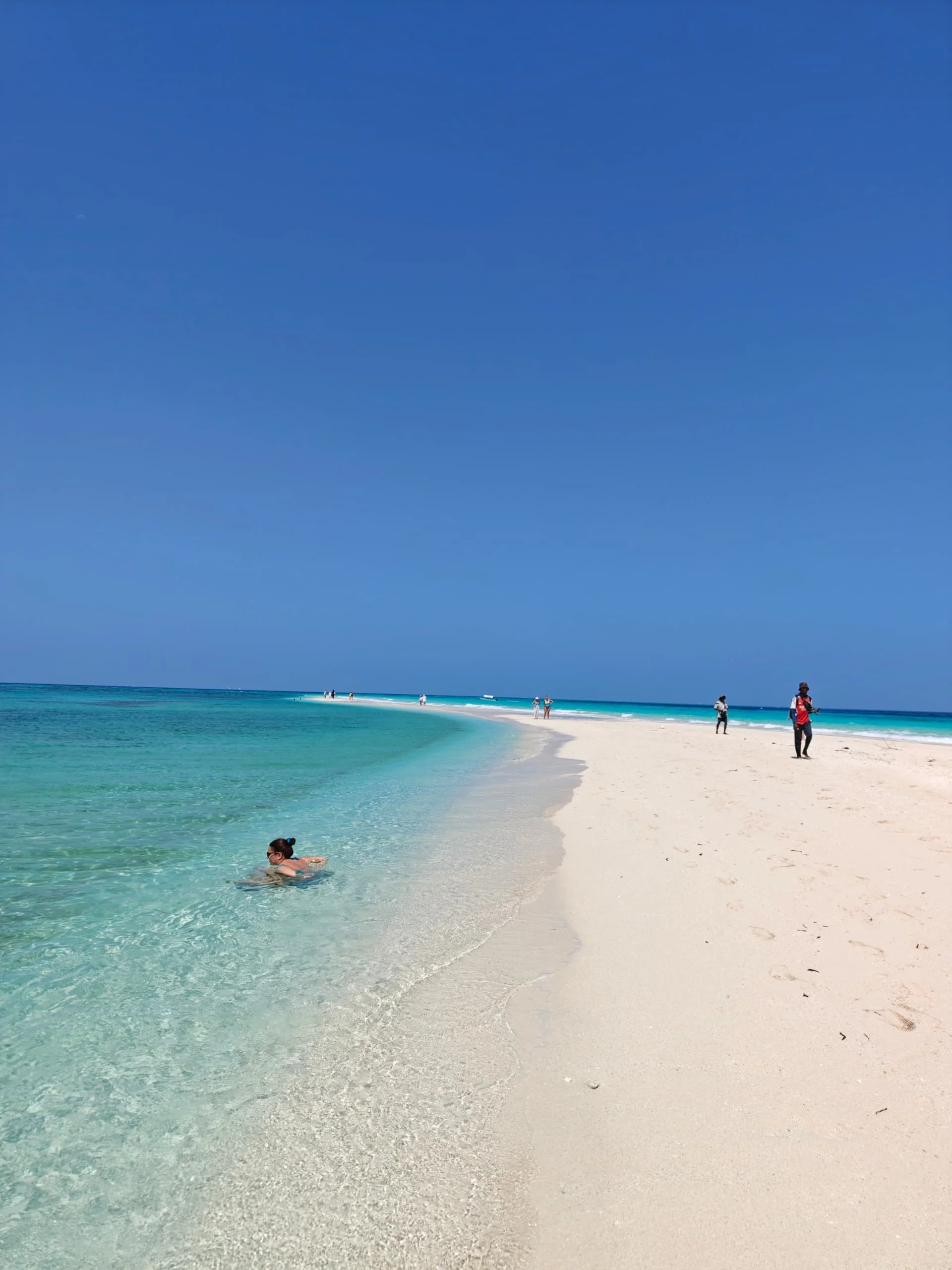
A Zanzibar extension adds a new setting and its own travel details. This media-library image illustrates the coast and does not identify a named resort.
Near-term alerts still deserve attention
As reviewed on 25 October 2026, UK safety advice for Tanzania flags possible demonstrations around the 29 October election anniversary. It advises keeping away from demonstrations and large crowds. It also notes past limits on internet access during unrest.
If your dates fall near that period, ask about current road and airport conditions. Keep the transfer plan flexible enough to respond to local instructions. Save key phone numbers and booking details offline. A calm camp stay still needs a workable journey to and from it.
The Tanzania Level 2 rating and a short-term alert answer different questions. One gives broad country advice; the other may affect a particular day or place. Check both before you travel. During the trip, use the guidance of the authorities and current embassy alerts.
For everyday city time, use arranged transport and keep valuables discreet. Ask the hotel or planner about getting around before you set off. Avoid going towards a crowd to watch or record events. A clear plan for a quiet evening can be as useful as a detailed safari schedule.
Read the advice through your own circumstances
A country rating cannot capture every guest’s needs. Review the sections that relate to your identity, work, family and health. The risks described in travel advice may affect people differently, even when they share a vehicle or stay at the same lodge.
If a point is important to your decision, seek advice from an appropriate professional or official source before paying. Keep the question specific to your needs. Ask your planner for practical details about the route and stays, while recognising the limits of what a tour operator can guarantee.
The Tanzania Level 2 update should support an informed choice. It does not replace your employer’s travel policy, a school’s approval process or your insurer’s terms. If someone else must approve the trip, give them the current advisory and your actual itinerary rather than a news headline.
Travel insurance for Tanzania: what to ask now
Travel insurance for Tanzania needs a policy review, even after the rating changes. Ask whether the exact route, dates and activities are covered. Check existing medical conditions, remote stays and any trekking or water activities. Request a written answer where the wording is unclear.
The State Department’s insurance guidance explains that medical, evacuation and cancellation cover can be different. It also states that the U.S. government does not pay a traveller’s medical bills abroad. Plan for those costs before you go.
A Tanzania Level 2 downgrade does not automatically rewrite an insurance contract. A policy may use advice levels, known events, exclusions or other terms in its own way. Ask what the change means for your policy and booking date. Do not assume cover or a refund from the advisory alone.
Does the policy cover each place and activity on the route?
Are treatment and medical transport both included?
What approval is needed before a transfer or claim?
How are existing conditions and outbreak-related claims treated?
What happens if the advisory changes again?
Which cancellation or interruption costs are covered?
The UK entry advice also lists mandatory local inbound insurance for non-resident visitors to mainland Tanzania and Zanzibar. Confirm the current rules for your entry point. Compare that cover with your wider policy rather than treating either as a complete answer on its own.
Health preparation remains part of a good safari plan
The health flag in the advisory is a reason to check health guidance for the full route. Use the CDC Tanzania page with a travel doctor. Discuss routine vaccines, malaria prevention and any entry rules linked to where you have travelled or transited.
The Tanzania Level 2 rating is a broad travel assessment, not a diagnosis or a declaration about one disease. If you are concerned about Ebola or another outbreak, check a current health-authority report for the named places and dates. Do not infer outbreak status from a change in the country’s advisory number.
Entry checks also need a fresh look. The UK entry page reviewed for this guide reports a health surveillance form for all travellers and heightened checks for arrivals from high-risk regions and affected countries. Use the official Afyamsafiri portal and follow current instructions.
Bring medicines and records you need, within the rules of the countries on your route. Give the doctor the full flight and safari plan. A lodge’s comfort level does not remove health risks, and your guide does not replace qualified medical care.
Visas, flights and entry rules are separate checks
A travel advisory provides risk advice. Tanzania’s entry authorities set the rules for entering the country. Check the Tanzania Immigration Department for the visa and passport conditions that apply to you. Use the correct process for your nationality and purpose of travel.
The Tanzania Level 2 update does not change a ticket’s terms or prove that a particular connection is suitable. Check the actual airports, travel dates and any separate tickets. Ask the airline about the rules for transit and the journey home as well as the outbound flight.
Send your confirmed flights to the safari planner. Make sure the meeting point, arrival time and first night’s stay match. A buffer before a long-haul flight can be worth discussing when the last safari leg uses a light aircraft or a long drive.
Use STEP and keep a contact plan
The Smart Traveler Enrollment Program, or STEP, is a free State Department service for updates and alerts from embassies and consulates. U.S. travellers can register their trip details and keep them current. The service can help the embassy reach you or your emergency contact.
For the Tanzania Level 2 planning process, make one short contact sheet. Include your planner, stays, airline, insurer and a trusted person at home. Save it offline and consider a paper copy. Each guest should know where to find it if the usual phone is unavailable.
STEP is one channel for information. It does not replace insurance, a local contact plan or the need to follow instructions during an incident. If you are not a U.S. citizen, check the services and advice offered by your own government.
What does a well-organised private safari add?
A private Tanzania safari can make the practical parts easier to coordinate. You can discuss the route, pace, room needs and transfer points with one planner. Ask for a clear description of who guides each section and who handles any fly-in or beach handover.
Tanzania safari safety still depends on good decisions during the trip. Wear the available seat belt, follow wildlife briefings and use the camp’s escort rules where required. Tell the guide if you need a break or feel unwell. A private vehicle gives flexibility within the rules.
The Tanzania Level 2 update is a prompt to ask useful questions about the operator. Check the legal company details, written quote, supplier arrangements and contact plan. A government advisory is not an endorsement of a safari company or a certificate for its vehicles and lodges.
Ask about emergency arrangements for the actual route. If a plan includes medical evacuation membership, request its provider, dates and terms. If it is excluded, arrange suitable cover. Avoid relying on a broad phrase such as “everything is covered” without the details.
Should you book now, wait or revise the route?
Start by listing the questions that still affect your choice. They may concern dates, a transit point, insurance or access to medical care. Work through them one at a time. A clear answer to a real concern is more useful than reading the same headline repeatedly.
If the Tanzania Level 2 change makes you ready to revisit a postponed trip, request a fresh proposal. Old room holds, flight prices and supplier terms may no longer apply. Ask for current availability and a dated quote before paying.
If you already have a booking, compare the confirmed plan with current advice. Ask whether any part needs a practical change. Do not cancel a flight or camp stay before checking the costs and alternatives. A revised transfer or an extra buffer night may be worth discussing, depending on the issue.
You may also choose to wait. Review the terms before paying a deposit, and set a sensible date to check advice again. The aim is a choice you understand, made with current facts and a route that suits you.
Sample packages for a thoughtful Tanzania journey
These are planning examples, not fixed offers, live room holds or safety guarantees. Each needs current advice, confirmed stays and transport, and suitable cover. None of these sample routes includes the Mozambique border area. Exact inclusions and prices depend on your dates and group.
Sample package: 8 days / 7 nights of northern safari time
Night 1: rest in Arusha after arrival. Nights 2–3: stay near Tarangire or Lake Manyara for the agreed park visits. Nights 4–6: use one Serengeti base. Night 7: return to Arusha before departure on day 8.
This outline leaves several nights at key bases. Ask for realistic drive times and the confirmed road or air return plan. Use the Tanzania Level 2 review to check each transfer point and the time before the flight home. Add time if your chosen activities would make a day too rushed.
Sample package: 10 days / 9 nights of safari and Zanzibar
Night 1: arrive and rest in Arusha. Nights 2–5: enjoy a Serengeti stay matched to your dates and interests. Nights 6–9: unwind in Zanzibar. Day 10: depart, with the hotel transfer and onward flight planned together.
Check the safari and island sections as one trip, with clear handovers between them. Confirm the flight route, hotel room and meal plan. Review insurance and entry rules for both parts. Keep some coast time free for rest rather than filling every day with another tour.
Sample package: 7 days / 6 nights focused on Serengeti
Night 1: settle in Arusha. Nights 2–5: stay at one suitable Serengeti camp, using confirmed road or air access. Night 6: return to Arusha before departure on day 7. Ask how the arrival and departure times affect usable safari days.
This route can suit guests who prefer fewer room changes. Discuss guiding, meals, room access and the contact plan. The Tanzania Level 2 headline is a starting point; the final proposal should show how this particular journey works for your party.
Adapt a sample safari with TanzaLux and request a current plan for your dates and preferred pace.
Why travel with TanzaLux Safaris?
TanzaLux Safaris is a Tanzanian-owned company based in Arusha. Its company overview describes trips built around guests’ dates, pace, budget and interests. That approach gives you a way to discuss the practical details alongside the wildlife goals.
The private safari service describes your own vehicle and driver-guide on a tailor-made route. Share how you like to spend a day and the support you need. Ask the team to explain the choice of parks, stays and number of nights.
After the Tanzania Level 2 update, a useful planning conversation starts with your actual itinerary. Ask about the first transfer, the longest road day and the final connection. Request clear inclusions, supplier terms and a contact plan. These details help you assess the trip before confirming it.
TanzaLux can help shape and coordinate the Tanzania journey. Authorities set entry rules, doctors advise on personal health and insurers define cover. Clear roles and a well-explained proposal help you travel with realistic expectations and more confidence in the plan.
Ask TanzaLux for a private safari proposal with named stays, clear transfers and written inclusions.
Your Tanzania Level 2 planning checklist
Read the live advisory, its issue date and the regional warnings.
Check alerts for the days and places on your route.
Review advice that relates to your own circumstances.
Confirm insurance, medical transport and cancellation terms.
Check visas, health forms and every transit country.
Choose realistic transfer times and clear meeting points.
Register for suitable alerts and save contacts offline.
Review the final proposal before paying and check advice again before departure.
The Tanzania Level 2 change is useful news when it is paired with a careful reading of the advice. Build your next steps around the route you want and the questions that matter to your group. A clear plan leaves more room to look forward to the safari itself.
Frequently asked questions
1. When was the Tanzania advisory downgraded?
The State Department’s history records the decrease to Level 2 on 16 October 2026. This article was checked on 25 October 2026. Use the live advisory to confirm the position for your booking and departure dates.
2. What does Tanzania Level 2 mean?
It means Exercise Increased Caution. Be aware of the heightened risks described in the advice and prepare for your own route. Read the country text and regional sections together. The number alone does not settle every travel question.
3. Is Level 2 a ban on visiting Tanzania?
A travel advisory gives risk advice; it is separate from entry permission. Check Tanzania’s visa and passport rules and any requirements for your route. Also confirm your insurer’s or employer’s rules if those apply to your trip.
4. Does every area now have the same U.S. advice?
No. The advisory retains Level 3 advice for the Mozambique border area in Mtwara. Read the named areas in full and map your own route. Do not treat the overall number as the only advice that applies.
5. Does the downgrade certify Serengeti as risk-free?
No. It is not a park certificate or a promise about your stay. Review the actual route, guiding, transfers and emergency arrangements. Follow park rules and briefings. Wildlife, weather and access to care still need practical planning.
6. What does the update mean for a Zanzibar extension?
Review the island part separately, including transport, hotel location, boat trips and health rules. Confirm local insurance requirements. A safari and beach trip has several handovers, so ask how the flights and transfers fit together.
7. Should I still check alerts near my travel date?
Yes. A short-term alert may affect a particular day or road even when the broad rating is unchanged. Check current embassy and local updates. Keep important contacts offline and ask your planner about any effect on transfers.
8. Does Tanzania Level 2 automatically restore insurance cover?
No. Your policy’s own terms govern cover. Ask the insurer how advice levels, known events and exclusions affect your route and booking date. Get a clear answer before paying or assuming that a claim would be covered.
9. Which insurance benefits should I check?
Review medical care, emergency transport, cancellation and interruption. Check existing conditions and planned activities. Ask about approval steps and the claims contact. Local inbound cover and your wider policy may serve different needs.
10. Does the health flag confirm an Ebola outbreak in Tanzania?
A broad advisory flag is not a disease-status report. Use current health-authority updates for the named country, place and date. Do not infer Ebola status from the advisory number or from a headline about another country.
11. Are health forms and screening still relevant?
Yes. Check the latest entry guidance and use the official health portal when required. Provide accurate travel and health information. The advisory downgrade does not remove the need to follow current screening and border instructions.
12. Does the downgrade change Tanzania’s visa rules?
Do not assume it does. Check Tanzania Immigration for the process that applies to your passport and reason for travel. Review transit rules too. A visa, an advisory and an insurance policy serve different purposes.
13. What is STEP, and should U.S. travellers use it?
STEP is a free State Department service for embassy updates and alerts. Register your trip and keep the details current. It can help the embassy contact you in an emergency. It does not replace your local contact or insurance plan.
14. Does a private safari make planning easier?
It can help coordinate the route, guide, vehicle and daily pace. Ask for written details and clear handovers. Private travel still requires health preparation, suitable cover and respect for local rules. It cannot remove all risks.
15. What should solo travellers check?
Confirm airport meeting points, who guides each section and how to reach the planner. Ask about transport for free time outside the safari. Keep a trusted person informed of the route and save contacts where you can use them offline.
16. What should families check before booking?
Review children’s ages, room layouts, long drive days and activity rules. Discuss health needs with a doctor and practical support with the planner. A route with time for rest may suit the group better than frequent one-night stays.
17. Does the Tanzania rating cover transit through another country?
No. Review every country on the flight route and any recent-travel rules. Check the journey home too. A connection can affect health screening, entry documents and insurance even when most of your holiday is in Tanzania.
18. Will a new advisory level guarantee a refund?
No general rule settles that. Read the flight, lodge, tour and policy terms for your booking. Ask about options and fees before cancelling. The advisory is useful context, but the applicable contract and policy wording still matter.
19. Why plan a safari with TanzaLux?
TanzaLux offers local planning from Arusha and private routes shaped around your dates, pace and interests. Ask for named stays, realistic transfers and clear inclusions. That makes the full trip easier to assess alongside current travel advice.
20. How often should I review the advice?
Check before booking, before major non-refundable payments and again before departure. During travel, follow current alerts and local instructions. Review sooner if a relevant event occurs. Keep the source and date so you know which version you read.

Ready to start planning?
Tell us your dates and what you're after — no obligation.