5.0 Excellent

Responsible Tourism in Tanzania: A Practical Guide
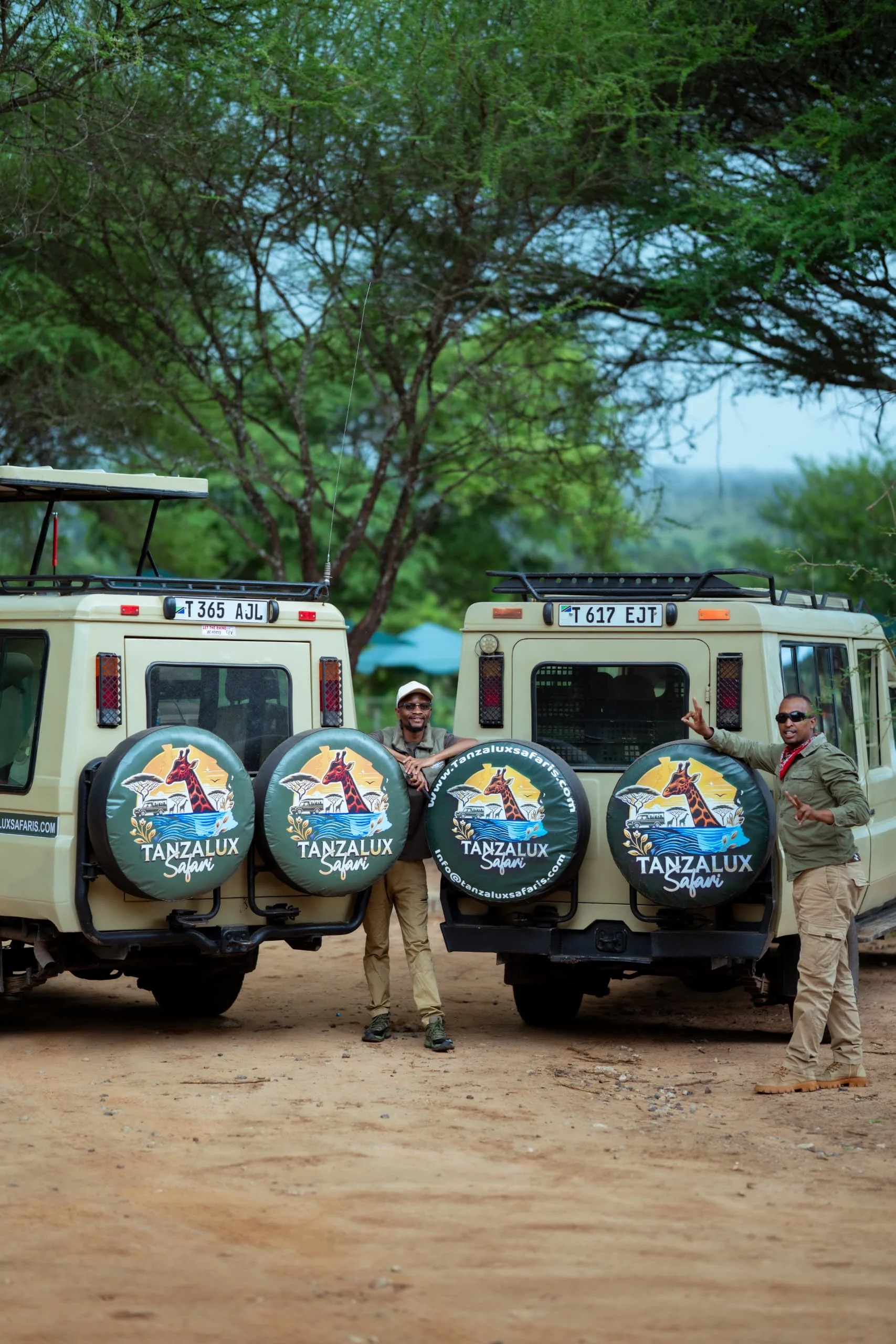
Responsible tourism in Tanzania starts with the choices you make before and during your trip. Give wildlife space. Pay people fairly for their work. Choose visits that hosts welcome, and use water and energy with care. These habits can sit comfortably beside a private safari, a beautiful lodge and a relaxed beach stay.
This guide explains how to turn good intentions into useful actions. It covers wildlife viewing, local spending, cultural visits, lodge checks, mountain crews and the coast. You will also find sample packages and questions to ask before booking. The aim is a thoughtful holiday with clear standards, rather than a long list of labels.
What does responsible tourism in Tanzania mean?
It means taking care over how travel affects the places and people you visit. That includes what happens on a game drive, how a lodge uses resources and how staff and hosts are treated. A reusable bottle is useful, but the bigger decisions about services and conduct matter too.
The Global Sustainable Tourism Council's hotel standard covers management, local social and economic benefits, cultural heritage and environmental impacts. It offers a useful set of themes for questions. It does not mean every property using the word “eco” has been independently checked.
For travellers, responsible tourism in Tanzania is useful. Ask for clear details, follow the rules at each site and let local hosts set the terms of a visit. You do not need to be an expert to make considered choices.
Let wildlife set the pace of a sighting
Watch what the animal is doing before thinking about the photo. Your guide should choose a safe, permitted viewing position and leave room for animals to move. A clear escape route matters more than a closer frame.
TANAPA's visitor guidance says not to feed or disturb wildlife, to keep noise low and to follow guide instructions. It also says off-road driving needs explicit permission. Follow the rules of the exact park or area; do not ask a driver to leave an allowed track just to improve a view.
Stay in the vehicle unless you are allowed to leave at a safe, designated place.
Keep voices low and avoid sudden movements around wildlife.
Let animals cross the road without blocking or chasing them.
Keep food and litter secure, including at picnic sites.
Accept a distant sighting or a missed photo when space is needed.
An ethical safari in Tanzania values patient watching. You may notice a herd's behaviour, a bird call or a change in light while others rush to the next stop. Responsible tourism in Tanzania can make the experience richer as well as more considerate.
Choose activities with clear animal-welfare standards
Ask what guests are expected to do and how animals are kept or approached. Prefer viewing that lets wildlife behave freely. Avoid an activity built around feeding, touching, restraining or provoking a wild animal for entertainment or a photo.
If a place describes itself as a rescue or conservation project, ask who oversees the work and what the visitor fee supports. A moving story is a reason to seek details, not proof of good welfare. Your guide can help you choose alternatives when an outing does not meet your needs.
Responsible tourism in Tanzania also includes being honest about sightings. No operator should need to promise a lion hunt, a rare animal or a river crossing to make a trip appealing. Plan for the landscape and the time outdoors, with wildlife encounters as they happen.
Book cultural visits that hosts help shape
Community tourism works best when local hosts choose how the visit runs. Ask who welcomes guests, what will happen, how long it takes and what the fee covers. A farm, workshop or village visit should fit the hosts' working day and agreed boundaries.
Before entering a home, taking a portrait or joining an activity, ask permission. Your guide can help with language and local etiquette. Dress in a way that suits the setting, listen to the introduction and accept that some spaces or subjects may be private.
Agree the visit and price before arriving.
Ask how hosts and guides receive payment.
Check whether photos is welcome and whether any fee applies.
Follow the hosts' lead on taking part and places you may enter.
Leave time for questions and for buying directly from makers if you wish.
For responsible tourism in Tanzania, the quality of a meeting matters more than how many stops you fit into a day. People are hosts and skilled workers, with lives beyond the visitor's itinerary. A good visit recognises that from the start.
Spend locally and respect the work behind a purchase
Local guides, makers, cooks and small businesses can be a meaningful part of your trip. Ask who made an item, which materials were used and whether you can meet the maker in an appropriate setting. A fair purchase is often a useful way to support work you value.
If bargaining is part of the setting, keep it friendly. Decide what the item is worth to you, then accept or decline politely. You do not need to turn every sale into a contest over the lowest possible price.
Responsible tourism in Tanzania also means looking beyond a business's address. Ask about staff conditions, local purchasing and clear payment terms. Local ownership can be one useful factor in choosing a company; then look at how the actual trip will be run.
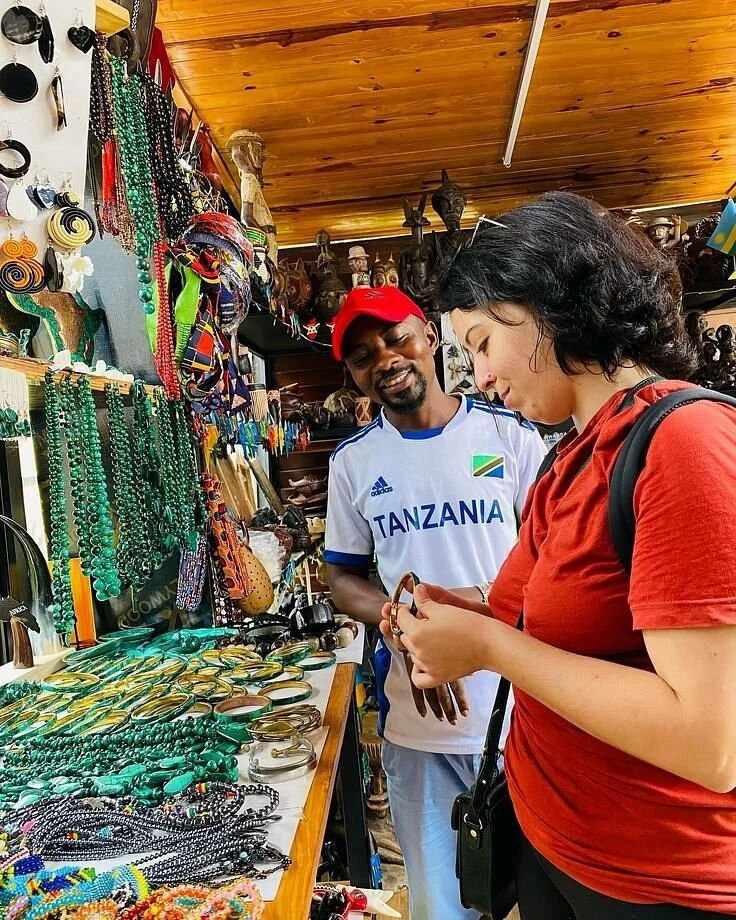
Ask who made an item, learn about its materials and agree a fair price with the seller.
How can you assess eco-friendly lodges?
Ask about the work behind the view. How does the lodge clean used water? Where does its waste go? Who grows the food? Staff should be able to explain these things in plain terms. A small camp and a large hotel may solve them in different ways.
Water: where does it come from, how is use managed and how is wastewater treated?
Waste: how are materials sorted, stored and handled after collection?
Energy: what supplies power, and what happens when a backup system is needed?
People: what training, working conditions and local buying practices are in place?
Claims: is there a current certificate, a public report or another way to check the statement?
GSTC's certification guidance explains the role of external assessment through certification bodies. If a lodge claims certification, check the scheme, issuing body, property covered and validity. Membership, a pledge and an independently assessed certificate are different things.
You can enjoy comfort while asking these questions. Responsible tourism in Tanzania does not require one style of lodging. It asks for sound practice and clear evidence behind the services you choose.
Make porter welfare part of a Kilimanjaro booking
A mountain trip depends on the people who guide, cook and carry supplies. Ask about wages, payment timing, meals, shelter, suitable clothing, loads and medical help for crew. Keep your own baggage within the agreed limit.
The Kilimanjaro Responsible Trekking Organization's programme details sets out porter-welfare good-practice areas and explains taking part through KPAP. Use it to form questions for a trekking company. If a company claims a partnership, check its current status directly rather than infer it from a generic responsible-travel slogan.
Ask for a clear tipping process before the climb. Know who is included and how the intended amount reaches the crew. Tips should be planned alongside fair pay and decent conditions. Responsible tourism in Tanzania includes the people whose work guests may see only briefly at camp.
Reduce waste before it reaches a remote camp
Pack a reusable bottle and ask where safe drinking-water refills are available. Bring durable bags and only the small items you expect to use. Remove needless outer packaging at home where it can be disposed of properly.
The Tanzanian embassy's plastic-bag notice sets out the mainland ban on plastic carrier bags and advises visitors to check luggage before travel. The notice also describes specific exceptions, including retained toiletry Ziploc bags. It is not a statement that every plastic product is banned. Check current guidance for your itinerary before packing.
At camp, use the bins and collection system staff specify. Carry small litter back from a walk, including tissues and snack wrappers. Ask how to handle batteries or damaged electronics; leaving difficult waste at a small remote camp can shift the problem to someone with fewer disposal options.
Responsible tourism in Tanzania starts with what you bring and continues with where it goes. A simple, reusable kit can be more useful than a bag full of disposable travel products.
Use water and energy with care
Follow the lodge's guidance on drinking water, laundry, towels, lights and charging. Report leaks and ask before plugging in high-power kit at a remote camp. Keep doors and windows closed when using air conditioning, where it is provided.
Only request laundry when you need it, and reuse towels if the property's system allows. These are small habits, but they make sense in places where water and power need careful management. Do not compromise hygiene or safe drinking water to reduce use.
Ask how a lodge's wider systems work as well. Responsible tourism in Tanzania should include the business's resource choices, not just a request that guests reuse a towel.
Protect reefs and marine life on the coast
Before a snorkelling or diving trip, ask for a briefing on the site, conditions and wildlife. Keep fins and kit away from coral. Choose a provider that explains how boats, anchors, waste and marine-life encounters are managed.
Green Fins' marine-tourism guidance addresses harmful practices such as fish feeding and poor anchoring. Its code of conduct promotes a no-touch policy for reef visits. Use these principles when discussing a coastal outing; do not assume a provider is a member without checking.
Watch marine animals without chasing, grabbing or surrounding them. Let your guide explain a suitable viewing plan, and decline an encounter that depends on forced contact. Responsible tourism in Tanzania extends from the savannah to seagrass, mangroves and reefs.
Choose souvenirs with clear origins
Look for well-made art, textiles and crafts with known materials and origins. Ask questions before buying a product made from wildlife, shells, coral or an unfamiliar plant. A seller's assurance that an item is allowed may not settle export or home-country import rules.
Official CITES advice for international travellers explains that wildlife souvenirs can be subject to restrictions and permits. Check the relevant authorities for both ends of your trip. A simple choice is to avoid ivory, horn, coral and other sensitive wildlife products altogether.
For responsible tourism in Tanzania, a souvenir should be something you can enjoy without uncertainty over its source. A maker's story and a clear purchase record can be as valuable as the item itself.
Support good causes without turning care into an attraction
If you want to give, ask an established organisation what it needs, who oversees the work and how donations are recorded. A useful contribution may be different from the gifts a visitor first imagines. Take time to understand the request before choosing to support it.
ABTA's orphanage-tourism guidance advises moving away from visits and volunteering in orphanage settings because of the risks to children. Avoid using access to children as the attraction or reward for a donation. Ask instead about support for family- and community-based services with sound safeguarding.
Do not hand out sweets, money or gifts to children along the road. If a host-led project accepts goods, agree the need and handover first. Responsible tourism in Tanzania is about useful support with clear boundaries, rather than a photo of giving.
Plan a route with time to stay and learn
Stay in one area for a few nights. There is less need to pack each day, and more time to get to know a place. Take a slow drive, meet a local guide or spend an hour with a maker. Check the road time before you add a far-off stop.
For sustainable travel, compare the actual road and air options for your route. Do not assume one is always best in every circumstance. If a company makes a carbon claim, ask what travel is counted, how the estimate was made and what any offset payment funds.
A private trip still uses fuel, creates waste and draws on local resources. Responsible tourism in Tanzania means taking care over those effects. Ask what can be done, what has been checked and what needs more work. A clear plan is more useful than a broad claim.
What should you ask before booking?
Keep the questions specific and ask for the key answers in your proposal. A clear route and service list helps you make a choice you can assess. It also gives the guide and hosts a shared understanding of what you expect.
Who is responsible for running each part of the trip?
What wildlife-viewing rules will the guide follow?
Which local hosts have agreed to receive visitors, and how are they paid?
What can each lodge show about water, waste, energy and staff practices?
Which fees are required, which are optional, and what does each cover?
What evidence supports a certification, partnership or donation claim?
How are crew conditions and tips handled on a mountain trek?
What happens if weather, access or a host's needs change the plan?
You can ask for responsible tourism in Tanzania without asking for a perfect trip. Look for clear answers, sound practices and a willingness to address limits. Keep the same standards in mind when you give feedback after the journey.
Discuss your travel priorities and ask TanzaLux for a clear, tailored proposal.
Sample packages with responsible travel choices
These sample routes include time for patient viewing, agreed visits and useful briefings. They are ideas for a tailored quote, not certified impact claims or confirmed departures. Lodges, permits, hosts, dates and services must be checked before booking.
Package 1: 8-day northern safari at a measured pace
Day 1: arrive in Arusha, rest and discuss the safari plan.
Day 2: visit Tarangire, then stay in the Karatu area.
Day 3: travel to your chosen Serengeti camp area.
Days 4–5: explore from the same base, with time for patient wildlife watching.
Day 6: leave the Serengeti and stay near Karatu or Ngorongoro.
Day 7: visit Ngorongoro Crater, subject to permits, then return to Arusha.
Day 8: depart or start a separate extension.
This seven-night outline gives the Serengeti three nights instead of a rushed overnight. Review transfer time, camp practices and viewing needs in the proposal. Responsible tourism in Tanzania can begin with a route that gives your guide time to work within the rules.
Request a private northern safari with thoughtful lodge choices and patient game viewing.
Package 2: 10-day guided Kilimanjaro journey
Day 1: arrive, stay at a hotel and meet the team for a briefing and gear check.
Days 2–9: take an eight-day guided Lemosho climb with an agreed crew and camp plan.
Day 9 after descent: return to the hotel for a meal, shower and rest.
Day 10: depart or continue after suitable recovery time.
This nine-night idea includes seven mountain camping nights and two hotel nights. Before booking, review the ascent plan, safety plans and porter welfare in detail. A summit attempt depends on health and conditions; crew care and proper support belong in the plan from the start.
Ask for a guided Lemosho proposal with clear crew, camp and welfare plans.
Package 3: 6-day Zanzibar culture and coast stay
Day 1: arrive and stay in Stone Town.
Day 2: take a guided town walk with agreed cultural stops.
Day 3: add a pre-arranged host-led spice-farm visit and transfer to the coast.
Days 4–5: enjoy a relaxed beach stay, with optional marine outings after checking the provider's practices.
Day 6: transfer for departure.
This five-night outline has two town nights and three coast nights. Ask about local guiding, lodge systems and marine briefings in the quote. Responsible tourism in Tanzania at the coast includes how you visit homes, streets, beaches and the water beyond them.
Plan a Zanzibar holiday with respectful local visits and considered marine activities.
Why travel with TanzaLux Safaris?
TanzaLux Safaris is Tanzanian-owned and based in Arusha. We tailor trips to your dates, budget, pace and interests. Safari, Kilimanjaro and Zanzibar can be coordinated within one plan, with time to settle in and understand each part of the journey.
Tell us what responsible tourism in Tanzania means for your trip. You may want fewer camp moves, host-led visits, more time for wildlife behaviour or clear answers about lodge practices. Those preferences can help shape the route and the questions asked of providers.
Ask us to set out the operating plans, included fees, proposed visits and lodge choices in your quote. Check any specific partnership or impact claim against its evidence. A thoughtful booking starts with a conversation you can turn into a clear, reviewable plan.
Start planning your Tanzania safari, mountain or island journey with TanzaLux Safaris.
Frequently asked questions
1. What is responsible tourism in Tanzania?
It means making choices that respect wildlife, local people, culture and resources. Ask how services are run, follow site rules and pay fairly for work. The daily conduct of a trip matters as much as the label used to sell it.
2. Can a luxury safari be responsible?
Yes, comfort can be paired with good practice. Check wildlife viewing, staff conditions, local purchasing, water, energy and waste systems. A high price or attractive lodge does not by itself establish those standards.
3. What makes an ethical safari in Tanzania?
Look for permitted access, respectful viewing distances and a guide who follows park rules. Avoid pressure to chase, feed or disturb animals. Ask about the actual services and conduct rather than rely only on the word “ethical.”
4. May a vehicle drive off-road for a better view?
Only where explicit permission and the area's rules allow it. Do not ask a guide to break restrictions for a photo. Stay on allowed routes and accept that some sightings will remain distant.
5. Should I feed animals at a picnic site?
No. Keep food secure and use the designated waste system. Animals that approach people still need space. Follow your guide's instructions and teach children the same rules before the stop.
6. How do I choose a community visit?
Ask who hosts it, what has been agreed and how the fee is shared. Check the visit length, photos rules and boundaries. Choose a visit that hosts welcome rather than arrive at homes or work sites unannounced.
7. Should I ask before photographing people?
Yes. Ask clearly, accept a refusal and check how the image may be used. A group visit fee does not automatically give permission for every portrait. Your guide can help explain the request and any agreed terms.
8. Is buying local crafts useful?
It can support skilled work and local businesses. Ask who made the item and which materials were used. Agree a fair price and keep the exchange friendly. Avoid products whose origin or legal status is unclear.
9. How can I check an eco-lodge claim?
Ask for specific practices and evidence on water, waste, power, staff and local buying. For certification, check the issuer, validity and exact property covered. A membership or pledge is not the same as an independently assessed certificate.
10. Does a solar panel prove a lodge is sustainable?
No. It answers only part of the energy question. Look at the wider operation, including backup power, wastewater, waste disposal and working conditions. Useful answers describe how systems work day to day.
11. How can I reduce waste on safari?
Bring durable bags, a reusable bottle and only the items you expect to use. Ask about safe refills and waste collection. Take litter back from outings and arrange proper handling for batteries or damaged electronics.
12. Can I bring plastic carrier bags?
The mainland notice prohibits plastic carrier bags and describes specific exceptions. Check the official guidance before packing, including any rules for other parts of your itinerary. Durable reusable bags are a useful choice for shopping and day use.
13. What should I ask about porter welfare?
Ask about wages, payment timing, food, shelter, kit, loads and medical help for crew. Check any claimed partnership directly with the programme. Keep to your own baggage limit and understand the tipping process before the climb.
14. Are tips a substitute for fair wages?
No. Ask about both pay and the agreed tipping process. Know who receives the intended amount and how it is shared. A good crew plan also includes suitable food, shelter, kit and care when someone is ill.
15. How can I protect coral while snorkelling?
Follow the briefing, keep fins and kit clear of the reef, and avoid touching or feeding marine life. Ask how the boat uses moorings or manages anchoring. Choose an outing suited to your swimming ability and current conditions.
16. Should I buy shells, coral or ivory souvenirs?
Choose alternatives with clear materials and origins. Wildlife products can involve restrictions and permit rules at both ends of the journey. Avoid sensitive products such as ivory, horn and coral rather than rely on a seller's assurance.
17. Is visiting an orphanage a good way to help?
Avoid treating access to children as a tourism activity. ABTA advises moving away from orphanage visits and volunteering in such settings. Ask about established family- or community-based support with clear safeguarding, needs and records.
18. Does a carbon offset make a trip impact-free?
No. Ask what emissions were counted, how they were estimated and what the payment funds. Keep addressing the actual trip's conduct, waste, resource use and labour practices. One payment does not settle every part of responsible travel.
19. Are park fees the same as a conservation donation?
No. Required access charges and an optional gift to a named project are different payments. Ask for a clear breakdown and receipts. Do not assume your booking funds a specific wildlife project unless that contribution is explained and supported.
20. How can TanzaLux help me plan?
Share your dates, budget, interests and the standards that matter to you. We can discuss a tailored route and the provider details to confirm. Responsible tourism in Tanzania begins with informed choices and continues in how you travel each day.

Ready to start planning?
Tell us your dates and what you're after — no obligation.