5.0 Excellent

Hiking in Tanzania: Explore 5 Amazing Hikes
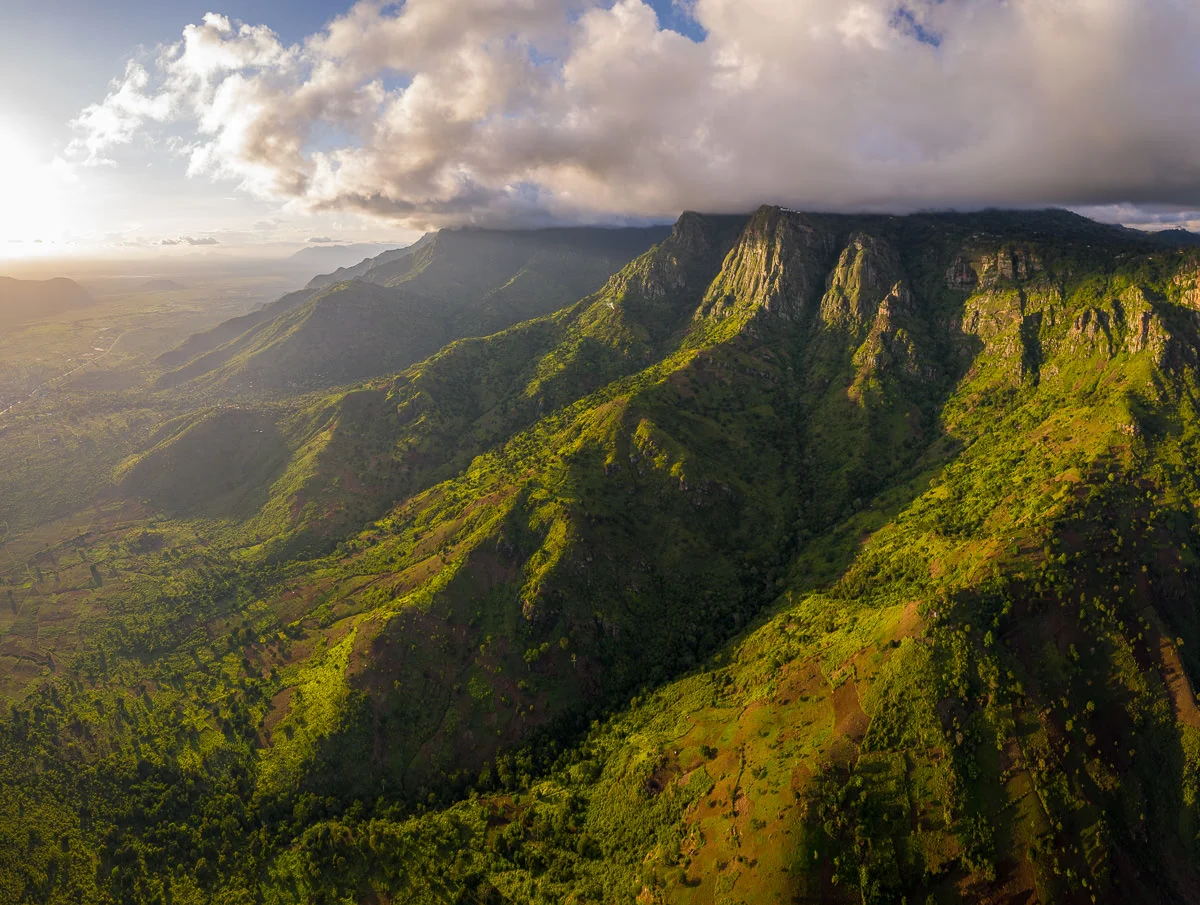
Hiking in Tanzania can mean a long climb above the clouds or a walk through farms to a waterfall. You can sleep in mountain huts, cross open moorland or return to a comfortable lodge after a forest trail. The best hike is the one that fits your time, fitness and sense of adventure.
This guide explores five very different Tanzania hiking trails: Kilimanjaro's Lemosho Route, Mount Meru, Materuni Waterfalls, Irente Viewpoint and Sanje Waterfalls. You will learn what makes each special, how to fit it into a trip and what to prepare. There is no need to attempt a high summit to enjoy Tanzania on foot.
Ask TanzaLux Safaris to plan a private hiking and safari holiday at your pace.
Which hike in Tanzania is right for you?
Start with the kind of day you want. A summit expedition needs a different budget, kit and health plan from a waterfall walk. Think about the descent too. A steep return, heat or mud can make a short trail feel much harder than its length suggests.
For a major mountain goal: consider an eight-day Lemosho climb on Kilimanjaro, plus travel and hotel days.
For a shorter mountain expedition: discuss a four-day Mount Meru trek with huts and the required ranger escort.
For a northern day outing: choose a guided Materuni waterfall walk near Moshi.
For hills and village paths: base yourself near Lushoto and walk to Irente Viewpoint.
For a southern forest experience: make space for Sanje Waterfalls in Udzungwa Mountains National Park.
Hiking in Tanzania is best planned around a region. Materuni, Meru and Kilimanjaro fit northern trips. The Usambaras work well with a dedicated hill stay. Udzungwa belongs naturally with a southern route. You will enjoy more trail time if you avoid long cross-country transfers between every walk.
1. Kilimanjaro via Lemosho: the big mountain journey
The Lemosho Route is a multi-day camping trek on Mount Kilimanjaro. It starts on the western side and leads through forest toward the Shira Plateau before joining higher trails. The changing landscape is a large part of its appeal: green cover gives way to open ground, wide skies and bare mountain slopes.
An eight-day mountain plan is one option to discuss. The Lemosho route overview describes this longer version and its approach. Count those eight days separately from arrival, hotel nights and onward travel. A trek with time to adjust is more useful than a rushed schedule built around a flight.
What makes this hike special?
Few experiences of hiking in Tanzania show such a clear change in landscape over several days. The forest feels enclosed and full of small sounds. Higher up, you begin to see how the trail sits against the mountain. Camp life becomes part of the rhythm: walk, eat, rest and prepare for the next stage.
The summit goal is Uhuru Peak, which TANAPA lists at 5,895 metres. The standard route is a trek, but the altitude and long summit stage make it a serious undertaking. Cold, poor sleep and fatigue can test even a fit hiker. A summit attempt depends on health and conditions, never on a promise made at booking.
Who should choose Lemosho?
Choose it if you want a substantial mountain trip and can devote time to training and the ascent. The official Kilimanjaro visitor guide requires guided climbs through a licensed operator. Arrange the crew, permits, camp service and safety plan in advance. You can book privately for one guest, but you cannot take a standard unguided visitor trek.
Tell the planner about your previous walking and altitude experience. Ask for the sleeping height each night, the camp plan and the descent arrangements. Hiking in Tanzania at this scale deserves its own place in the holiday, with rest before and after it.
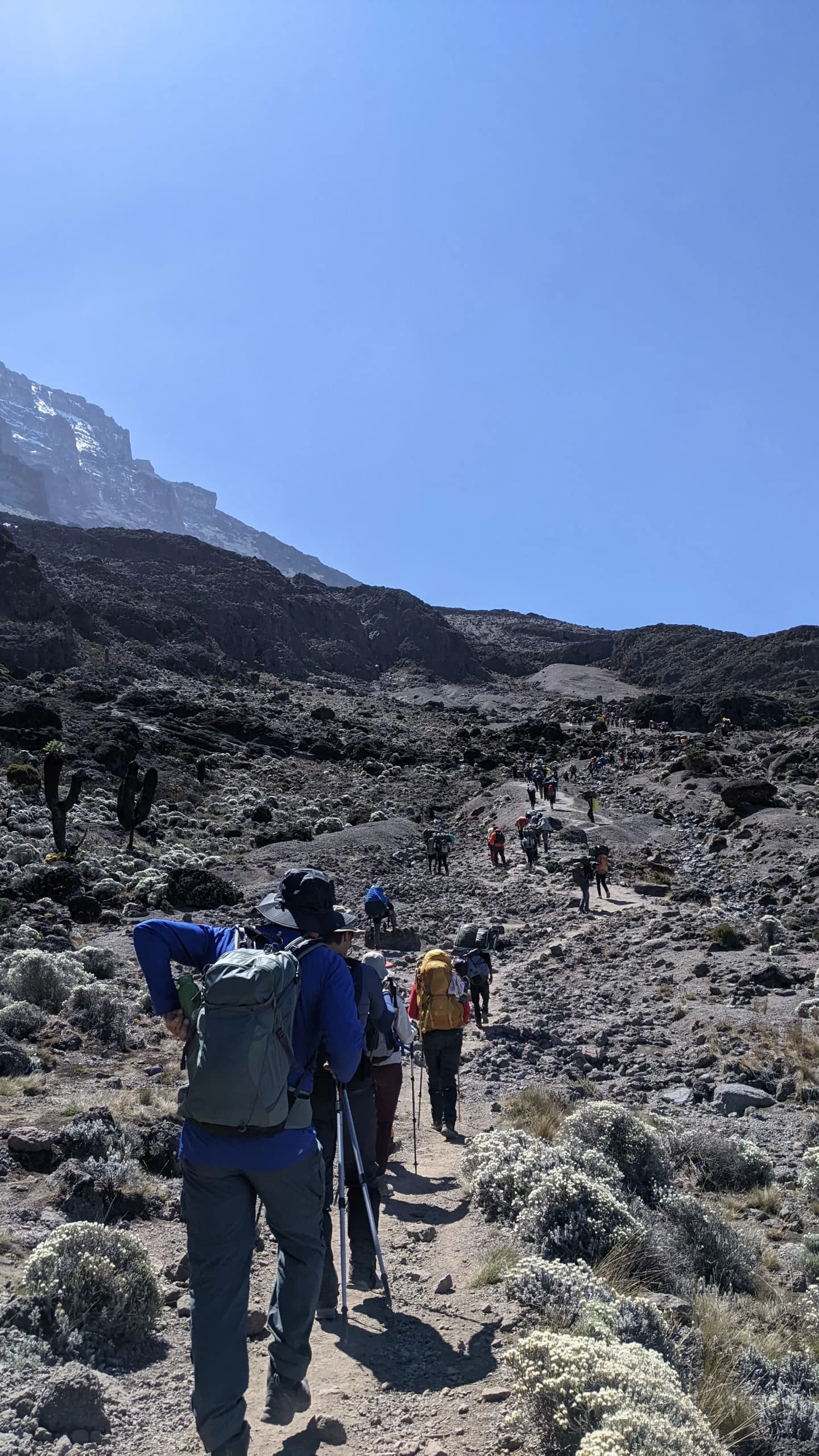
Mountain treks need a full ascent plan, warm layers and a trained guide team.
2. Mount Meru: a hut-based climb from Arusha
Mount Meru rises within Arusha National Park. TANAPA lists the peak at 4,566 metres and describes a landscape of forest, alpine ground and volcanic features. The climb offers a mountain experience close to a major safari hub, yet it still calls for serious preparation.
A four-day Mount Meru trek is a useful plan to discuss. The park's official Arusha brochure recommends four days and describes nights at Miriakamba, Saddle and Miriakamba again. Confirm the current route and hut bookings for your dates. This is a mountain plan with a long summit day, not four gentle day walks.
What makes this hike special?
Meru brings forest walking and a dramatic volcanic setting into the same trip. On lower sections, your ranger may point out wildlife signs and explain why the group stays together. Higher up, the view becomes more open. The light on the slopes can change quickly as cloud moves through.
For hiking in Tanzania with hut nights, Meru is worth a close look. You have a fixed place to sleep rather than a new guest tent each evening. Huts still offer simple mountain conditions, so ask about bedding, warmth and shared space. A roof does not remove the need for good layers and a suitable sleeping bag.
Who should choose Mount Meru?
It can suit fit hikers who want a shorter mountain journey than Kilimanjaro. Arusha National Park's visitor information says the mountain hike must be prearranged and requires porters and an armed ranger escort. Plan through the proper team and follow the ranger's directions.
Meru is sometimes used before Kilimanjaro, but it is also a full goal in its own right. Do not treat it as a harmless warm-up. If you combine both mountains, discuss health, recovery and the total workload. Hiking in Tanzania should leave room to respond to your body.
3. Materuni Waterfalls: a day walk near Moshi
Materuni offers a shorter outing on Kilimanjaro's lower slopes near Moshi. The Tanzania Tourist Board's Materuni guide describes paths through green hills and farms with coffee, bananas and other crops. The waterfall gives the walk a clear focus, while the journey there adds texture to the day.
This is a good choice for hiking in Tanzania when you want an active break without a summit expedition. Allow time for the transfer, the walk and lunch. A locally hosted coffee visit can be added if it is arranged in advance. Ask what the hosts will show you and which parts of the visit are included.
What makes this hike special?
The path brings you closer to everyday land use than a drive past the fields. Notice how shade falls across a coffee plot and how narrow paths link homes and farms. Near the falls, the sound and spray change the mood. Keep your camera dry and stop on firm ground to take in the view.
Ask before close portraits and keep out of planted areas. A local visit works best when guests respect the working day of their hosts. If coffee interests you, leave time for questions rather than rush through the tasting to reach the next stop.
Who should choose Materuni?
Choose it if you enjoy walking and want a nature day near Moshi. It may be manageable for some beginners, but the path can be uneven, muddy or steep. Share any knee, balance or mobility needs before booking. The exact route and weather matter more than a broad “easy” label.
For hiking in Tanzania before a safari, Materuni can fit well after a restful arrival night. Avoid forcing a long walk straight after an overnight flight. You may enjoy the same trail much more with sleep, a calm breakfast and time to linger.
4. Irente Viewpoint: hill-country walking in the Usambaras
Irente Viewpoint is reached from the Lushoto area in the Usambara Mountains. The Tanzania Tourist Board's Usambara guide describes a hike from Lushoto to a broad outlook over the land below. Its suggested full outing is about 15 kilometres and five to six hours. Treat that as one route example, not a fixed distance for every hotel or starting point.
Ask your guide to tailor the start, length and stops. A shorter access plan and a longer village walk can lead to very different days. Confirm which version is in your quote. Lunch or a farm visit should also be agreed rather than assumed.
What makes this hike special?
Hiking in Tanzania here has a hill-country rhythm. Paths pass through a lived-in landscape rather than an empty wilderness. Fields, trees, homes and changing views give you plenty to notice between the start and the lookout. A guide can help explain the crops and local history along the way.
The viewpoint rewards a pause. Let your eyes follow the shapes of the hills and the spread of the plains. Stay well back from edges, especially in wind or on wet ground. You do not need to stand on an exposed rock to get a memorable photograph.
Who should choose Irente?
It suits walkers who want a full hill day with cultural context and wide views. A long route still needs stamina, water and sun protection. Ask about the surface and climbs if you prefer a gentler walk. Bring a light layer as mountain weather can shift.
Give the Usambara Mountains their own stay. They are not a quick side visit from the Serengeti. For hiking in Tanzania at a slower pace, a couple of nights near Lushoto can be more rewarding than one rushed stop between long drives.
5. Sanje Waterfalls: a forest hike in Udzungwa
Sanje Waterfalls lie in Udzungwa Mountains National Park, on the edge of the Kilombero Valley in Morogoro Region. This is a walking destination with forest trails and waterfall viewpoints. Most visits use the Mang'ula area as a base and approach through the Mikumi–Kilombero corridor.
The official Udzungwa visitor guide explains access, route registration and authorised guiding requirements. Ask which Sanje route and viewpoints fit your fitness and the latest conditions. Set aside a full outing window rather than squeeze the hike into a long transfer day.
What makes this hike special?
Forest walking asks you to slow down and look closely. Light filters through leaves, roots cross the path and streams cut through the ground. The falls are a highlight, but the trail itself deserves attention. Stop to listen while the group is still, and you may hear details lost during a fast walk.
Sanje is a strong choice for hiking in Tanzania on a southern safari. Pairing the forest with Mikumi gives the trip two distinct moods: time on foot among trees and time in a vehicle on game drives. Any wildlife sighting is a bonus rather than a condition of a good hike.
Who should choose Sanje?
Choose it if you enjoy forest trails and can manage heat, uneven ground and steep sections. Carry water, a snack, rain protection and footwear with grip. Keep your hands free and use care where rock is wet. The climb back and your pace can change the time needed.
Swimming is allowed only in signed pools when conditions are safe, under park guidance. Do not enter water merely because another visitor did. Hiking in Tanzania should be built around safe trail access, with any permitted swim treated as an optional extra.
Tell us which of these five hikes inspires you, and ask for a realistic route plan.
When is the best time for hiking in Tanzania?
Weather varies by region and height. The Tanzania Tourist Board climate guide describes two wet periods in the north and east: long rains around March to May and short rains around October to December. Southern and western areas follow a different pattern. A forest can stay damp even within a drier season.
Drier periods often make walking and road access simpler, but they do not guarantee clear skies. Rain can bring lush views and fuller falls, as well as slippery ground. High mountain conditions can change quickly in any month. Pack for the route and obtain a fresh forecast near departure.
Plan hiking in Tanzania around your main goal. A Kilimanjaro climb needs a mountain-specific discussion of season and gear. A Sanje day may fit the dates of your southern safari. A local guide should be able to explain current trail conditions and a sensible backup if heavy rain affects access.
How should you prepare for the trail?
Train for the kind of walk you will take. For a day hike, build up comfortable time on uneven ground. For a mountain trek, add longer hill walks, descents and back-to-back days when suitable for your health. Use your intended boots and daypack before the trip.
Tell the planner about walking aids, old injuries and any need for shorter stages. Ask for distance, height gain, steps, exposure and rest stops. Those details are more useful than “suitable for everyone.” Hiking in Tanzania can often be tailored, but some natural paths cannot offer step-free access.
For Meru or Kilimanjaro, consult a travel-health clinician and discuss the ascent profile. CDC altitude guidance explains that fitness does not prevent altitude illness. Allow time to adjust and speak up promptly about symptoms. Training builds endurance; it cannot guarantee how your body responds to thin air.
What should you pack for hiking in Tanzania?
Footwear: worn-in walking shoes or boots with grip, plus suitable socks.
Weather layers: a light rain shell, sun protection and a warm layer suited to the route.
Food and drink: enough drinking water and snacks for the agreed walk; check what the tour provides.
Daypack: a comfortable bag with space for medicine, spare layers and a dry pouch.
Small essentials: sunscreen, insect repellent, a hat and a basic first-aid kit.
Mountain kit: the full cold-weather and sleeping list supplied for Meru or Kilimanjaro, including a headlamp.
A waterfall day list is not enough for a high-altitude trek. Confirm rental items, sleeping bag needs and the guest baggage limit well before arrival. Keep key medicine and hard-to-replace items in hand luggage. A pre-trek gear check helps find gaps while there is still time to act.
What safety and guide rules should you know?
Follow the rules of the exact park, reserve or local route. Kilimanjaro requires a guided climb. Meru needs the proper park arrangements and ranger escort. Forest and community trails have their own access and guiding plans. Do not assume a self-drive safari booking lets you walk anywhere in a park.
For hiking in Tanzania, stay with your guide where required and remain on allowed paths. Keep clear of wildlife and never feed animals. Take care at edges and wet rocks. Ask how the team contacts help, what first-aid supplies it carries and how a guest can turn back safely.
On high mountains, report a new headache, dizziness, nausea or unusual fatigue at once. CDC advice for travellers at altitude says not to ascend with altitude illness symptoms. Worsening symptoms, confusion, poor balance or breathlessness at rest need urgent action, including descent and medical help. Follow the trained team's instructions.
Check that your insurance covers your planned activity and maximum altitude. Ask about medical care, rescue and evacuation terms. A general holiday policy or a park rescue fee should not be assumed to pay every mountain-related cost.
How much does hiking in Tanzania cost?
The price depends on the route, group size and service. A local day walk needs a different budget from a week of staffed mountain camps. Compare the same trip length and inclusions when you seek quotes. A low headline rate may leave transport, fees or meals outside the price.
Check transfers, pickup points and the time spent on the road.
Confirm park or local access fees and any required ranger charges.
Ask which guiding, porter and cooking services are included.
Check meals, drinking water, camp gear, hut bookings and hotel nights.
Allow for personal kit, rentals, insurance and tips where relevant.
Read terms for weather changes, illness, cancellation and early descent.
For hiking in Tanzania with a crew, ask about fair wages, loads, meals and shelter for staff. If a business claims a responsible-travel affiliation, check its current status with that programme. A sound budget should support the people who make the trek work.
Sample packages for hiking in Tanzania
These are sample routes for a tailored quote. They are not fixed departures, confirmed offers or summit guarantees. Camps, huts, lodges, permits and services depend on dates and availability. The final plan may change for health, weather or park requirements.
Package 1: 10-day private Kilimanjaro journey
Day 1: arrive, transfer to your hotel and meet the team for a briefing and gear check.
Days 2–9: take an eight-day guided Lemosho Route climb with the agreed camp and crew plan.
Day 9 after descent: return to the hotel for a shower, meal and rest.
Day 10: depart, or start a separately arranged safari or beach extension.
This nine-night outline includes seven mountain camping nights and two hotel nights. It suits guests making hiking in Tanzania the main focus of their holiday. Review the daily sleeping heights and emergency arrangements before booking.
Request a private eight-day Lemosho climb with pre- and post-trek hotel stays.
Package 2: 6-day Mount Meru escape
Day 1: arrive in Arusha, rest and check your mountain gear.
Day 2: transfer to the park and begin the guided ascent to Miriakamba.
Day 3: continue to Saddle Hut under the agreed plan.
Day 4: attempt the summit if health and conditions allow, then descend to Miriakamba.
Day 5: walk out to the gate and return to an Arusha hotel.
Day 6: depart, or begin a separate extension after suitable recovery time.
This five-night outline has three mountain hut nights and two hotel nights. It keeps a four-day Mount Meru trek distinct from the travel days. Add nights if you want a slower holiday or a Materuni visit before the mountain.
Ask for a Mount Meru hiking package with ranger arrangements and clear inclusions.
Package 3: 7-day Mikumi and Udzungwa forest trip
Day 1: arrive in Dar es Salaam and stay overnight.
Day 2: transfer to the Mikumi area and settle into your lodge.
Day 3: enjoy a full day of Mikumi game drives.
Day 4: travel toward Mang'ula and rest near Udzungwa.
Day 5: take a guided Sanje Waterfalls hike suited to current conditions and your fitness.
Day 6: return toward Dar es Salaam for an overnight stay.
Day 7: depart or continue to a separately arranged coast stay.
This six-night outline gives the forest its own day. It suits guests who want hiking in Tanzania alongside wildlife viewing. The route includes long transfers, so discuss lodge positions and avoid tight onward connections after the walk.
Plan a private Mikumi safari with a Sanje Waterfalls forest hike.
Why go hiking with TanzaLux Safaris?
TanzaLux Safaris is a Tanzanian-owned team based in Arusha. We tailor trips to your dates, budget, pace and interests. We can bring a mountain trek, wildlife safari and Zanzibar stay into one plan, with time for rest and travel between them.
Tell us what hiking in Tanzania means to you. You may want a summit challenge, a full day in the hills or one short walk to break up game drives. Share your experience, comfort needs and any limits early. A useful proposal should make the daily demands clear.
Ask for the guide arrangements, route details, fees and included services in your quote. We can discuss the regions that fit your travel window and how to keep the days well paced. You do not need to do all five hikes to have a rich holiday on foot.
Start planning your Tanzania hiking and luxury safari holiday with TanzaLux Safaris.
Frequently asked questions
1. Where should I start with hiking in Tanzania?
Start with your available days and walking experience. Materuni can suit a northern day outing. Irente offers a longer hill walk. Meru and Kilimanjaro need separate mountain preparation, while Sanje fits a southern forest trip.
2. Which of these hikes is best for beginners?
A suitable version of Materuni or a tailored Usambara walk may be a good starting point. Neither is automatically easy for everyone. Ask about mud, steps, steep sections and the return climb before choosing your route.
3. Can I hike Kilimanjaro without a guide?
No. Standard visitor climbs must be guided through a licensed operator. Book the route, permits and support team in advance. Travelling alone to Tanzania is different from hiking alone on Kilimanjaro.
4. How long should I allow for Lemosho?
An eight-day mountain plan is one option to discuss, with hotel and travel days added separately. Ask for each day's route and sleeping height. Extra time can help with adjustment, but no schedule guarantees a summit.
5. Is Mount Meru just a short warm-up?
No. Meru is a serious high-altitude trek with a demanding summit stage. It can be a full trip in its own right. Discuss a four-day mountain plan, required guiding and suitable preparation before booking.
6. Does Mount Meru require a ranger?
Yes. Arusha National Park requires prearranged mountain hiking with the specified support and an armed ranger escort. Follow the park's current instructions and stay with your group. Wildlife can be present on lower routes.
7. Where is Materuni Waterfalls?
Materuni is near Moshi on Kilimanjaro's lower slopes. The walk can be paired with a locally hosted coffee visit if booked. Allow for transfers and the trail rather than judge the day only by the drive.
8. Is Irente a short viewpoint stop?
It depends on the access plan. The tourist board describes a longer hike from Lushoto, while other starts can change the distance. Confirm your exact route, walking time and lunch arrangements with the local guide.
9. Where should I stay for Sanje Waterfalls?
The Mang'ula area near Udzungwa is a common base. Choose a stay that gives you a fresh start for the forest walk. Do not squeeze Sanje into the middle of a long road transfer.
10. Can I swim during a Sanje hike?
Only in signed pools when conditions are safe and park guidance allows it. Wet rock and strong flow can be dangerous. Treat swimming as optional and follow your guide's decision, even if older photos show people in the water.
11. When should I book hiking in Tanzania?
Plan mountain trips early enough to arrange crew, permits, gear and training. For day walks, confirm the route and guide before arrival where possible. In every season, obtain a current weather and trail update close to the visit.
12. Can I hike during the rainy season?
Some walks may still operate, but mud, high water and road conditions can change access. A guide may shorten or cancel an outing. Discuss a backup plan and the booking terms rather than assume every trail stays open.
13. What shoes should I bring?
Use worn-in footwear with good grip suited to your route. Loose sandals and smooth soles are poor choices for wet or uneven paths. High mountain treks need the full footwear and clothing advice from the trekking team.
14. Do day hikes need the same kit as Kilimanjaro?
No. A day walk needs a suitable daypack, water, weather layers and personal essentials. A high-altitude expedition needs much more cold-weather and sleeping gear. Use the exact kit list for your booked trek.
15. Can children join these hikes?
Some day routes may suit children, depending on age, stamina and conditions. Mountain parks have their own age and height restrictions. Check those directly before booking. Keep children close at edges, wet rocks and water.
16. Can guests with limited mobility join?
Ask for clear details on slopes, steps, path width and rest points. Many natural trails lack step-free access. A shorter or different outing may fit better. Share your needs early so the plan can be assessed honestly.
17. Does being fit prevent altitude illness?
No. Strong hikers can still develop altitude illness. Choose a sensible ascent profile, seek pre-trip health advice and report symptoms promptly. Do not continue upward with altitude illness symptoms or hide how you feel from the guide.
18. Can I see wildlife on a hike?
It is possible in some areas, but sightings are not guaranteed. Follow the guide or ranger, keep your distance and never feed animals. Enjoy plants, views and the trail itself as part of the experience.
19. What should a hiking quote include?
Check transfers, entry fees, guides, any required ranger, meals, water and overnight arrangements. Mountain quotes should explain crew and camp services too. Clarify rentals, tips, insurance and cancellation or early-descent costs before paying.
20. Can I combine the hikes with a luxury safari?
Yes. Choose walks near your main route and leave time to rest. A comfortable lodge can be a welcome base between active days. TanzaLux can tailor hiking in Tanzania around a safari, mountain trip or Zanzibar extension.
Ready to start planning?
Tell us your dates and what you're after — no obligation.