 5.0 Excellent

How to Say Hello in Swahili: Our Top 25 Useful Words
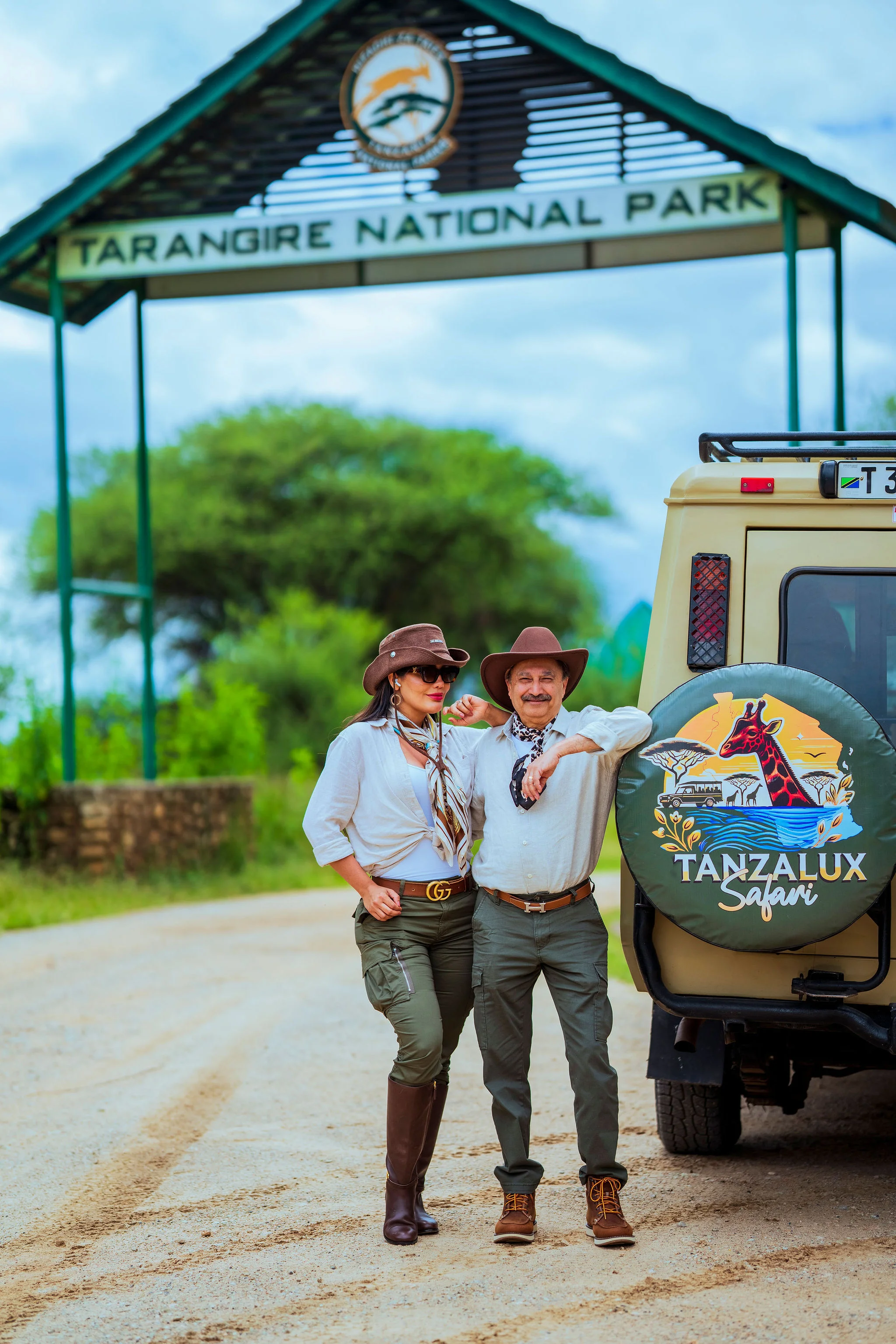
Want to say hello in Swahili before your Tanzania trip? Start with Habari?, a greeting that asks how things are, or Hujambo?, which is used to greet one person. Learn the reply as well as the opening word. A small exchange can make your first meeting feel much easier.
You do not need fluent Swahili to enjoy a safari. A few polite words can help at your lodge, over breakfast, and during a guided town walk. Say them slowly, listen to the reply, and let your guide help when the conversation moves beyond what you know.
This guide to Swahili for travellers brings together 25 useful words and short phrases, with meanings, rough sound guides, and tips on when to use them. Some entries are full phrases because real travel needs more than single words. You will also find sample conversations and safari ideas to tailor with TanzaLux Safaris.
Plan a Tanzania journey with TanzaLux Safaris and make time for local conversation along the way.
What is the best way to say hello in Swahili?
For a useful starting exchange, try Habari? and listen for Nzuri, meaning good or fine. Another pair is Hujambo? and Sijambo. Use the right reply for the greeting rather than learning a list of words with no context.
The University of Kansas greeting lessons show these pairs and the difference between addressing one person and a group. To say hello in Swahili to more than one person, Hamjambo? takes the group response Hatujambo.
Context matters too. Mambo? is casual. Shikamoo is a greeting of respect, commonly from a younger person to an elder. Ask your guide which form fits the person and setting you are about to meet.
A few sound tips before you practise
The sound guides below are rough aids for English speakers. They are not exact phonetic transcriptions. Capitals show the part to stress. English accents differ, so hearing a local speaker is more useful than trying to perfect a word from spelling alone.
Swahili has five clear vowel sounds. A is roughly “ah,” e is “eh,” i is “ee,” o is “oh,” and u is “oo.” Keep the vowels clear rather than turning an unstressed one into an English “uh.” Stress usually falls on the second-last syllable, though there are exceptions.
For Swahili pronunciation and audio examples, use the University of Georgia's Swahili sound guide. It covers vowels and consonants, including sounds that need more care than an English respelling can give. Ask a willing guide or host to repeat a word once, then try it back.
Our top 25 useful Swahili words and phrases
Start with a few Swahili greetings, then add thanks, simple requests, and words you may need during the day. These Swahili phrases cover common travel needs. You can save this list on your phone. The University of Kansas glossary is also useful for checking vocabulary and extending your learning.
1. Habari? — How are things?
Rough sound: hah-BAH-ree. Literally connected with “news,” this is a useful greeting. You may also hear Habari gani? A common reply is Nzuri, good or fine. It is a good first choice when you want to say hello in Swahili and begin a short exchange.
2. Nzuri — Good or fine
Rough sound: n-ZOO-ree. Use this as a reply to a Habari? greeting. You can add asante to thank the person for asking. The opening n can feel unusual at first; listen and copy the sound without adding a large extra vowel.
3. Hujambo? — Hello; how are you?
Rough sound: hoo-JAHM-boh. This form addresses one person. Its usual paired reply is Sijambo. When learning hello in Swahili, practise the two together so that you can both start and answer the greeting. Use the plural form when speaking to a group.
4. Sijambo — I am fine
Rough sound: see-JAHM-boh. This is the standard reply to Hujambo? It is useful to recognise even when you do not start the exchange. Keep this pair distinct from Habari? and Nzuri. The grammar differs, though both exchanges serve as greetings.
5. Jambo! — A familiar visitor greeting
Rough sound: JAHM-boh. You may hear this in tourism settings and songs. It is widely recognised as hello in Swahili, but it is not the only greeting or the best form for every situation. Learning Habari? and its reply gives you another useful option.
6. Mambo? — How's it going?
Rough sound: MAHM-boh. This is a casual greeting, often used between peers. A common reply is Poa. Keep the setting in mind: it need not be your first choice for an elder or a formal introduction. Your guide can help you judge the tone.
7. Poa — Cool; fine
Rough sound: POH-ah. This is a casual reply you may hear after Mambo? Give both vowels room rather than making it one English syllable. It works well as part of an informal exchange, but you do not need to force slang into every meeting.
8. Shikamoo — A respectful greeting to an elder
Rough sound: shee-kah-MOH-oh. This greeting shows respect, commonly when a younger person greets an elder. The usual reply is Marahaba. When choosing how to say hello in Swahili, consider age and context. Ask your guide for help with both the words and the greeting style.
9. Marahaba — The reply to Shikamoo
Rough sound: mah-rah-HAH-bah. You may hear this after you offer Shikamoo. Recognise it as an acknowledgement of the respectful greeting. It is not a general replacement for “thank you.” The Kansas Hujambo textbook explains this greeting pair in its cultural notes.
10. Habari za asubuhi? — Good morning; how is the morning?
Rough sound: hah-BAH-ree zah ah-soo-BOO-hee. This gives your morning greeting a time of day. A reply such as Nzuri fits the habari pattern. Try it before a game drive or at breakfast, when there is time for a short, friendly exchange.
11. Karibu — Welcome; you are welcome
Rough sound: kah-REE-boo. You may hear this when arriving at a lodge, entering a shop, or being invited to join something. It can also answer thanks. If someone welcomes you with Karibu, a warm Asante is a useful reply. Listen to the context.
12. Asante — Thank you
Rough sound: ah-SAHN-teh. This is one of the most useful words for your whole trip. Say it after someone helps you, serves a meal, or explains a place. Asante sana means thank you very much. Thanks are a natural next step after hello in Swahili.
13. Tafadhali — Please
Rough sound: tah-fah-DHAH-lee. The dh sound is roughly like th in English “this.” Add the word to a simple request, with a calm tone. Maji, tafadhali means water, please. A polite word helps, but the way you speak matters as well.
14. Samahani — Excuse me; sorry
Rough sound: sah-mah-HAH-nee. Use it to get someone's attention politely or to apologise for a small mistake. For example, begin with this before asking a question at reception. It is more useful than calling out loudly when a person is busy helping someone else.
15. Ndiyo — Yes
Rough sound: n-DEE-yoh. Keep this small word ready for simple questions you understand. You will also see the spelling ndio in everyday use. Do not agree just to be polite if you have not understood a price, plan, or safety instruction.
16. Hapana — No
Rough sound: hah-PAH-nah. A clear no can still be kind. Hapana, asante means no, thank you. It can help when declining an optional purchase or offer. Keep your tone friendly, and ask your guide to help if a longer explanation is needed.
17. Sawa — Okay; all right
Rough sound: SAH-wah. You may hear this when a simple plan is agreed. Use it when you truly understand what has been said. If you are unsure whether a service is booked or paid for, ask for a clear explanation rather than relying on one word.
18. Polepole — Slowly
Rough sound: POH-leh POH-leh. Also written pole pole, this means slowly or gently. It may be useful when asking for a slower pace. It is different from pole, a word used to express sympathy. Do not treat them as interchangeable just because they look alike.
19. Jina langu ni… — My name is…
Rough sound: JEE-nah LAH-ngoo nee. Add your name at the end. After hello in Swahili, this is a simple way to introduce yourself. Speak your name clearly and give the other person time to answer. Do not feel you need a long speech.
20. Sielewi — I do not understand
Rough sound: see-eh-LEH-wee. This is a useful phrase when your new greeting leads to a reply you cannot follow. Say it kindly and ask for help. A smile can show warmth, but it should not replace a clear request when details matter.
21. Unazungumza Kiingereza? — Do you speak English?
Rough sound: oo-nah-zoo-NGOOM-zah kee-een-geh-REH-zah. This longer phrase is worth practising with a speaker. Begin with Samahani for a polite approach. English ability varies, so ask rather than assume. You can then seek help from your guide if needed.
22. Maji — Water
Rough sound: MAH-jee. This is a practical word to know before a hot safari day. Pair it with tafadhali for a short request. The word alone does not say whether water is safe to drink, so confirm drinking-water arrangements with your lodge or guide.
23. Chakula — Food; a meal
Rough sound: chah-KOO-lah. You may hear this when meals are discussed. It is a useful word to recognise, rather than a full way to order a dish. For allergies and important dietary needs, use a clear shared language and confirm understanding with the kitchen.
24. Choo kiko wapi? — Where is the toilet?
Rough sound: CHOH-oh KEE-koh WAH-pee. This is a full practical question. You can start with Samahani when asking a staff member. The reply may be longer than you expect; a gesture or help from your guide can make the direction clear.
25. Kwaheri — Goodbye
Rough sound: kwah-HEH-ree. Use this when leaving after a conversation or visit. Asante, kwaheri is a simple thank-you and farewell. Once you know how to say hello in Swahili, learning how to close the exchange makes the whole meeting feel more complete.
Try three short conversations
Practise these as pairs, not isolated words. They show how hello in Swahili can lead to a reply, a name, and a polite request. Speak slowly enough to listen to the other person too.
Meeting your guide
You: Hujambo? Hello; how are you?
Guide: Sijambo. I am fine.
You: Jina langu ni Alex. My name is Alex.
A morning at the lodge
You: Habari za asubuhi? How is the morning?
Host: Nzuri. Karibu. Good. Welcome.
You: Asante. Thank you.
A simple request
You: Samahani. Maji, tafadhali. Excuse me. Water, please.
Host: Sawa. Okay.
You: Asante. Thank you.
Use greetings with care and confidence
Learning hello in Swahili is a way to take part in an exchange, rather than a trick to get a better price or special treatment. Greet people before making a request when the setting allows. Watch their cues if they are busy, and keep the exchange brief when needed.
Respectful forms matter. Wisconsin's guide to Swahili greetings explains the role of age and status. You do not need to perform a greeting routine from memory. Ask your local guide to help you choose words that suit the meeting.
A greeting also does not grant permission for a photo, a home visit, or joining an event. Ask separately and respect a no. On a hosted cultural visit, let your hosts decide what they wish to share.
Swahili is not the only language spoken in Tanzania. A person may use several languages, including a heritage language, Swahili, and English. Let people tell you what they prefer. Avoid treating one greeting as a rule that every person must follow.
Ask TanzaLux to add a guided cultural outing with time for thoughtful conversation.
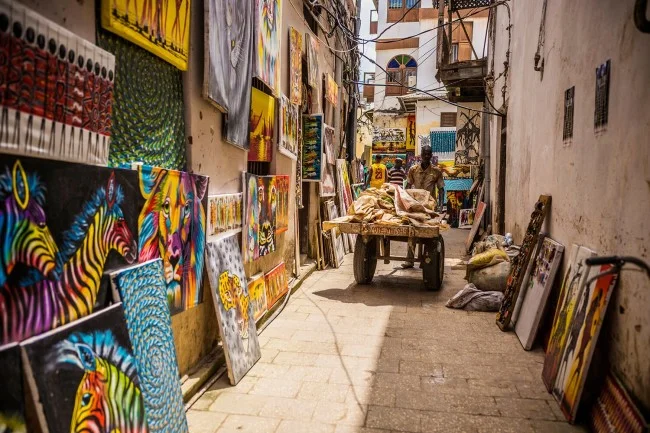
Take time to explore Stone Town and practise a polite greeting when you visit local shops.
Make a small practice plan for your trip
Begin with hello in Swahili and the matching reply. On the next day, add thanks and please. Then learn how to say that you do not understand. This small set may serve you better than trying to recall all 25 entries at once.
Before travel: listen to a few audio examples and save a short word list.
On arrival: try one greeting with your guide and ask for gentle feedback.
At your lodge: practise thanks and a simple request at a suitable moment.
During a town walk: let your local guide help with greetings and replies.
At the coast: keep using the same basics and listen for new forms.
Keep important plans clear. A beginner phrase list is not enough for medical needs, complex bookings, or serious safety instructions. Use a shared language, written details, or a suitable interpreter when accuracy matters.
Sample packages with time to meet people
These are sample routes to tailor with TanzaLux Safaris, not fixed offers or formal language courses. They create room to practise hello in Swahili alongside wildlife and cultural outings. Exact hosts, lodging, visits, transport, and inclusions need confirmation in your written quote.
Sample package: 5-day Northern Safari and Arusha Introduction
Best for: a shorter first trip with time to settle into Tanzania.
Day 1: Arrive in Arusha and meet your guide.
Day 2: Take a planned town or market walk with a local guide.
Day 3: Visit Tarangire and continue to Karatu.
Day 4: Explore Ngorongoro Crater and return to Karatu.
Day 5: Transfer toward Arusha or the airport to suit your flight.
Add a night if the flight plan needs one. Ask for a quiet moment to practise greetings, while respecting the guide's other work and the time of people you meet.
Request a five-day northern safari with a guided Arusha outing.
Sample package: 8-day Northern Circuit with a Cultural Day
Best for: travellers who want wildlife and a pre-arranged local visit.
Day 1: Arrive in Arusha.
Day 2: Enjoy an agreed cultural programme from a suitable northern base.
Day 3: Explore Tarangire and stay near the park.
Day 4: Visit Lake Manyara and continue to Karatu.
Days 5–6: Travel to and explore the Serengeti.
Day 7: Return toward the Ngorongoro highlands and rest.
Day 8: Visit the crater, then return to Arusha.
Stay in Arusha after the final drive if required. A cultural programme needs host agreement and its own time. Do not add it as a rushed stop between long drives.
Explore private safari options and tailor an eight-day route with a cultural visit.
Sample package: 12-day Safari and Zanzibar Discovery
Best for: wildlife, beach time, and a guided introduction to Stone Town.
Day 1: Arrive in Arusha.
Day 2: Explore Tarangire and stay near Karatu.
Day 3: Visit Ngorongoro Crater and return to Karatu.
Days 4–6: Travel to the Serengeti and enjoy game drives.
Day 7: Fly to Zanzibar on a suitable service and transfer to Stone Town.
Day 8: Take a guided heritage walk, then transfer to one beach base.
Days 9–11: Relax, with optional outings planned separately.
Day 12: Transfer to the airport for departure.
Flights can include stops and luggage limits. Add a transit night if needed. A local Stone Town guide can bring context to the walk; a formal Swahili lesson would need a separate arrangement.
Build a safari and Zanzibar holiday with time for local culture and conversation.
Why travel with TanzaLux Safaris?
TanzaLux Safaris is Tanzanian-owned and based in Arusha. Its team tailors trips around your dates, pace, budget, and interests. If local culture matters to you, say so early in the planning process.
The team can help build the right amount of time into your route. A private road safari gives you your own guide and vehicle, while cultural visits need suitable hosts and prior plans. Ask which guide will lead each outing and which language will be used for explanations.
You can learn hello in Swahili before departure and keep practising as you travel. Do not assume that a safari guide is also a trained language teacher. If you want a lesson, ask TanzaLux to check a suitable option and any extra cost.
Clear planning leaves more time to enjoy the journey. Start with a warm greeting, learn the reply, and remain open to what the person you meet wants to share.
Share your travel plans with TanzaLux Safaris and create a Tanzania trip at your own pace.
Frequently asked questions
1. How do you say hello in Swahili?
You can use Habari? or Hujambo? in suitable situations. Learn the reply too: Nzuri for a habari greeting and Sijambo for hujambo. Context and the person you greet matter.
2. Is Jambo the only way to say hello in Swahili?
No. It is widely recognised in visitor settings, but Swahili has many greetings. Learn habari, hujambo, and their replies for a more useful start. Ask your guide which form suits the setting.
3. What should I reply to Hujambo?
The standard reply is Sijambo, meaning I am fine. Practise the pair together. For a group, Hamjambo? takes the response Hatujambo.
4. What should I reply to Habari?
Nzuri, meaning good or fine, is a useful reply. You may also hear other positive responses. Start with one pair you can remember and learn more by listening.
5. When should I use Mambo?
Use it in a casual setting, often with peers. Poa is a common reply. For an elder or a formal meeting, ask your guide about a more respectful greeting.
6. What does Shikamoo mean in use?
It is a respectful greeting, commonly used by a younger person to an elder. The usual reply is Marahaba. Let a local speaker guide you on when it fits.
7. What is the reply to Karibu?
If someone is welcoming you, Asante, thank you, is a useful reply. Karibu can also answer thanks. Listen to what is happening around the word.
8. How do I say good morning?
Habari za asubuhi? is a useful morning greeting. It follows the habari pattern, so Nzuri is a suitable response. Say it slowly at first.
9. How do I say thank you very much?
Say Asante sana. The shorter Asante means thank you. Both are useful after someone helps you or offers a welcome.
10. What is please in Swahili?
Tafadhali means please. Use it with a request and a calm tone. Maji, tafadhali means water, please.
11. How do I politely say no?
Hapana, asante means no, thank you. Keep your tone friendly and clear. If you need to explain more, ask your guide to help.
12. Does polepole mean sorry?
No. Polepole means slowly or gently. Pole is used to show sympathy. Samahani can mean excuse me or sorry when apologising.
13. How do I introduce myself?
Say Jina langu ni… and add your name. You can use this after a greeting. Give the other person time to introduce themselves too.
14. How do I say I do not understand?
Use Sielewi. It is better to ask for help than agree to something you do not understand. For important details, use a shared language or suitable translation support.
15. How do I ask whether someone speaks English?
Say Unazungumza Kiingereza? You can begin with Samahani to get attention politely. Ask your guide to help you practise the longer phrase.
16. How do I ask where the toilet is?
Choo kiko wapi? means where is the toilet? Start with Samahani if you are approaching a staff member. Ask for help if the directions are unclear.
17. Do I need fluent Swahili for a Tanzania safari?
No, but confirm the language used by your booked guides. Knowing hello in Swahili, thanks, and a few basic requests can enrich the trip. English ability varies between people and places.
18. Are Swahili and Kiswahili different languages?
No. Kiswahili is the language's own name; Swahili is the common English name. You will see both terms in teaching resources and travel guides.
19. Are these pronunciation guides exact?
No. They are rough cues for English speakers. Listen to audio and a local speaker for a better model. Keep vowels clear, and do not worry about mastering every sound before arrival.
20. Can TanzaLux help me practise hello in Swahili?
Tell your planner that greetings and local culture interest you. Ask for suitable moments to practise during the trip. A formal language lesson needs a separate arrangement and should not be assumed to be included.
Ready to start planning?
Tell us your dates and what you're after — no obligation.
