5.0 Excellent

The Main Airports in Tanzania (with Tanzania Travel Tips)
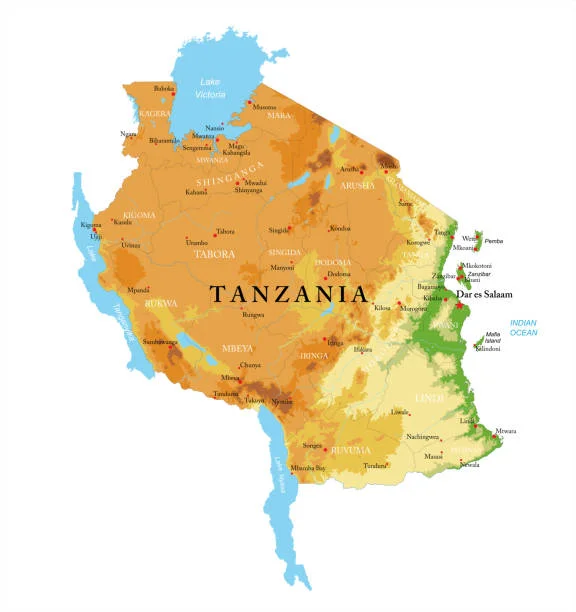
The main airports in Tanzania for most safari and beach holidays are Kilimanjaro, Dar es Salaam, and Zanzibar. Arusha Airport is also important for domestic and safari flights. Choose your arrival airport around your first overnight stop and the full route, rather than the lowest long-haul fare alone.
A northern safari may work well with a Kilimanjaro arrival. A southern safari can make Dar es Salaam worth comparing. For a beach-first trip, look at Zanzibar. The best option still depends on the flights available for your dates, the road transfers, and how much travel you want after landing.
This guide to airports in Tanzania explains the main gateways, useful regional airports, safari airstrips, and the travel tips that make a difference on arrival. Details were checked in November 2026. Flight routes, terminal use, baggage rules, and entry requirements can change, so confirm them against your actual bookings.
Ask TanzaLux Safaris to help match your arrival airport to your private Tanzania journey.
Airports in Tanzania at a glance
Kilimanjaro International Airport — JRO: a key arrival point for Arusha, Moshi, northern safaris, and Kilimanjaro trips.
Julius Nyerere International Airport — DAR: Dar es Salaam's main airport, useful for city stays and onward mainland or island travel.
Abeid Amani Karume International Airport — ZNZ: the main airport on Unguja, the island most visitors mean by Zanzibar.
Arusha Airport — ARK: a separate airport used for domestic and safari connections near Arusha.
Mwanza Airport — MWZ: a regional gateway for Mwanza and the Lake Victoria area.
Songwe Airport — MBI: the airport serving the Mbeya area, useful for a southern-highlands route.
These are useful planning choices, not a complete list of airports in Tanzania or a ranking by passenger numbers. The three-letter codes help you check tickets and transfers. Read both the code and the airport name before paying.
1. Kilimanjaro Airport: a northern safari gateway
Airport code: JRO. Kilimanjaro International Airport lies between the Arusha and Kilimanjaro regions and serves the Arusha–Moshi area. Its official airport profile describes its location and role as a northern tourism gateway.
Consider JRO when your route starts with an Arusha stay, a northern safari, or a transfer towards Moshi. It can give you a straightforward start without first routing through Dar es Salaam. Whether it is the best choice depends on the fare, arrival time, and total journey.
Among airports in Tanzania, JRO is especially relevant to visitors planning Tarangire, Serengeti, and Ngorongoro. That does not mean you land beside those parks. Road travel or a further flight still forms part of the plan. Ask for the actual transfer to your booked lodge, not a general estimate to a city centre.
Arrival tip: send the planner your flight number and local arrival date. Arrange the meeting point before travel and save the contact offline. A late landing may suit an airport-area or Arusha overnight better than a long onward drive.
Common mistake: treating JRO and ARK as the same airport. They are separate places. If your next flight leaves from Arusha Airport, allow for entry formalities, baggage, the road transfer, and check-in. Ask whether an overnight stay is the better fit.
2. Dar es Salaam Airport: mainland and island connections
Airport code: DAR. Julius Nyerere International Airport serves Dar es Salaam. The official airport website lists three passenger terminals and services such as transport, banking, and internet access. Check the terminal for your flight with the airline rather than assuming every service uses one building.
Dar es Salaam is a useful starting point to compare for southern Tanzania and coastal travel. Air Tanzania identifies it as its hub on its destination overview. Other travel plans may involve a domestic flight, a road transfer, or a city overnight.
When comparing airports in Tanzania for Nyerere or Ruaha, include the onward journey in the cost and timing. The lowest fare into DAR may still need a separate safari flight. Likewise, a long road journey can use a full holiday day even when it looks short on a map.
Arrival tip: check whether the next service departs from the same terminal. Confirm where to collect bags and how to reach the next check-in point. Do not assume a short flight to an island means you can make a tight connection after an overseas arrival.
City-transfer tip: choose the first hotel with the next day's route in mind. Ask for a drive estimate for your arrival hour and allow for traffic. A hotel described as being in Dar es Salaam is not necessarily close to the terminal you need.
3. Zanzibar Airport: arrive on the right island
Airport code: ZNZ. Abeid Amani Karume International Airport is on Unguja. The Zanzibar Airports Authority identifies it as the main airport in the archipelago and also lists Pemba Airport as a separate facility. A flight to ZNZ does not land you on Pemba.
This is a natural choice to compare for a beach-first holiday, a Stone Town stay, or an island finish after a safari. A booking marked Zanzibar usually means ZNZ, but check the code before you confirm. If your hotel is on another island, a further transfer may be needed.
For airports in Tanzania that serve beach holidays, the airport-to-hotel leg matters as much as the flight. Stone Town, Kendwa, Paje, and other coastal bases are in different parts of Unguja. Ask for a transfer to the named hotel rather than a single island-wide drive estimate.
Terminal tip: confirm your arrival or departure terminal with the airline. The airport's operator partner describes the international Terminal 3 in its Zanzibar airport operations profile. That is useful background, but your current booking should guide you to the right desk.
Departure tip: leave beach activities and boat trips well away from the airport transfer. Allow time for the road, check-in, security, and any current document checks. A final swim is easier to enjoy when it does not put the flight at risk.
4. Arusha Airport: check ARK before you travel
Airport code: ARK. Arusha Airport is distinct from Kilimanjaro International Airport. TANAPA's Arusha visitor guide identifies both ARK and JRO as arrival options for domestic travel, with road transfers arranged separately.
ARK can be useful for a safari flight after a night in Arusha or an onward domestic journey. Look at the exact route and date. A flight search showing the city name alone can hide the detail that matters: which airport is on the ticket.
This is one of the airports in Tanzania where careful transfer planning can save a rushed start. Tell your planner if you arrive at JRO but depart from ARK, or the reverse. A city name is not enough for the driver or flight connection.
Useful question: is the road transfer included, and where does it begin? Confirm the pickup hotel, time, and baggage plan. If you have stored a large case before a safari flight, make sure the collection fits the return route too.
5. Mwanza Airport: Lake Victoria and regional travel
Airport code: MWZ. Mwanza Airport serves Mwanza and the Lake Victoria area. Auric Air's Mwanza destination page is one airline source for current service enquiries. Check the timetable for your dates rather than relying on an old route map.
Mwanza may suit a trip built around the lake region, family visits, or a broader mainland journey. It should not automatically replace JRO for a first northern safari. The right arrival point depends on where you want to spend time and how the onward travel works.
When reviewing regional airports in Tanzania, ask about the full route to the next lodge or park. Being near a region on the map does not mean every road is direct or every safari airstrip has a convenient connection. Have the transfer checked before you buy the flight.
6. Songwe Airport: the Mbeya-area arrival point
Airport code: MBI. Songwe Airport serves the Mbeya area. The Tanzania Airports Authority's Songwe profile identifies MBI as its code and distinguishes it from the former airport in Mbeya town.
This can be a useful arrival point for a trip focused on the southern highlands. Search results or tickets may use the name Mbeya, so read the airport details carefully. Confirm that the driver knows which airport is on your booking.
As with other regional airports in Tanzania, plan the road leg in detail. Ask where the first night will be, whether the arrival hour suits the transfer, and what happens if the flight changes. A route shaped around one region can feel more relaxed than adding a distant park just to fill a checklist.
Other airports and safari airstrips
Tanzania's air network reaches more places than these six choices. Air Tanzania's destination list includes cities such as Dodoma, Kigoma, and Iringa. Pemba and Mafia also need their own island travel plans. Confirm the operating carrier, airport, and service for your dates.
A safari airstrip is not the same as a large gateway airport. The strip should match your camp and the part of the park you will explore. Seronera appears in Flightlink's published safari schedule, but a Serengeti stay can involve a different landing point.
Ask your camp or planner to confirm the strip before ticketing. Check the pickup vehicle, expected transfer, and whether the flight may stop at other strips. A small-aircraft service is not always a nonstop flight, even when you stay on the same aircraft.
Do not choose among airports in Tanzania by code alone. The code helps prevent booking errors; the whole route determines whether the choice is useful. An extra flight can save road time, but it adds check-in, luggage rules, and another stage to coordinate.
How to choose your arrival and departure airports
When comparing airports in Tanzania, start with the first place you want to stay and the last place you want to visit. Then compare flights into and out of the airports that serve those areas. You may find it useful to arrive through one gateway and leave through another.
For example, a JRO arrival and ZNZ departure can suit a northern safari followed by Zanzibar. That is a route idea, not a promise of a particular fare or connection. Check all legs and the total cost before you commit.
Include domestic tickets, road transfers, extra hotel nights, and baggage charges in the comparison. The cheapest arrival fare may not give the best holiday value. Saving a small amount on a ticket can be less appealing if it adds a long drive or a risky connection.
For a short trip, fewer travel stages often make the plan easier. For a longer journey, a regional airport may open up a place you want to explore. Use airports in Tanzania to support your interests rather than building the holiday around a flight bargain alone.
Share your preferred route with TanzaLux and compare suitable arrival and departure points.
Connections, terminals, and separate tickets
There is no single safe connection time for all airports in Tanzania. The right margin depends on the flight, terminal, entry process, baggage, and ticket conditions. Ask the airline and planner to review your actual booking.
On arrival from abroad, you may need border checks, baggage collection, customs, and a new check-in before a domestic flight. Do not assume your bags will be checked through. Ask the airline to explain the process in writing if it is unclear.
Separate tickets deserve extra care. If the first flight is late, the next airline may not be obliged to rebook you without cost. Check the fare terms and whether insurance covers the situation. An overnight stay may be worth considering when a missed flight would disrupt a remote camp stay.
A transfer from JRO to ARK is a change of airport, not a change of terminal. Treat it as a road journey with its own time and cost. Within a larger airport, terminal changes can also need more time than a map suggests.
Arrival documents and current entry checks
Keep your passport, relevant visa approval, first hotel details, and onward or return booking easy to reach. Tanzania Immigration's official visa guidelines state at least six months of passport validity and at least one unused visa page before applying. Check your nationality's visa category and wait for any required approval before travel.
Check mandatory inbound cover for your point of first entry and any applicable exemption. NIC's public notice says the mainland scheme began on 1 October 2026 and identifies NIC for mainland Tanzania and ZIC for Zanzibar. Confirm the cover needed for your whole route and keep the certificate available.
Health documents depend on your travel history and the rules in force. Ask a travel clinician about preparation and check official entry guidance for your route, including transit countries. Do not assume every visitor needs the same vaccination certificate.
At airports in Tanzania, follow signs and staff instructions for the process that applies to your flight. Public-health or other entry checks may change. Save key documents offline and carry a small paper copy of the details you may need if your phone is unavailable.
Luggage tips for domestic and safari flights
Check every booked flight, not only the long-haul allowance. Your camera, day bag, and hand luggage may count towards a safari-flight total. Weight, dimensions, bag type, and excess-baggage arrangements can all matter.
For example, Coastal lists a 15 kg allowance including carry-on, while Auric lists 20 kg including hand luggage and personal items. These are carrier-specific examples, not one rule for airports in Tanzania. Recheck the current conditions on your ticket.
A soft-sided bag is often useful for a small aircraft or safari vehicle. Do not assume a hard case is banned by every carrier, or that paying for extra weight guarantees carriage. Arrange any excess or stored bag before departure and get the terms confirmed.
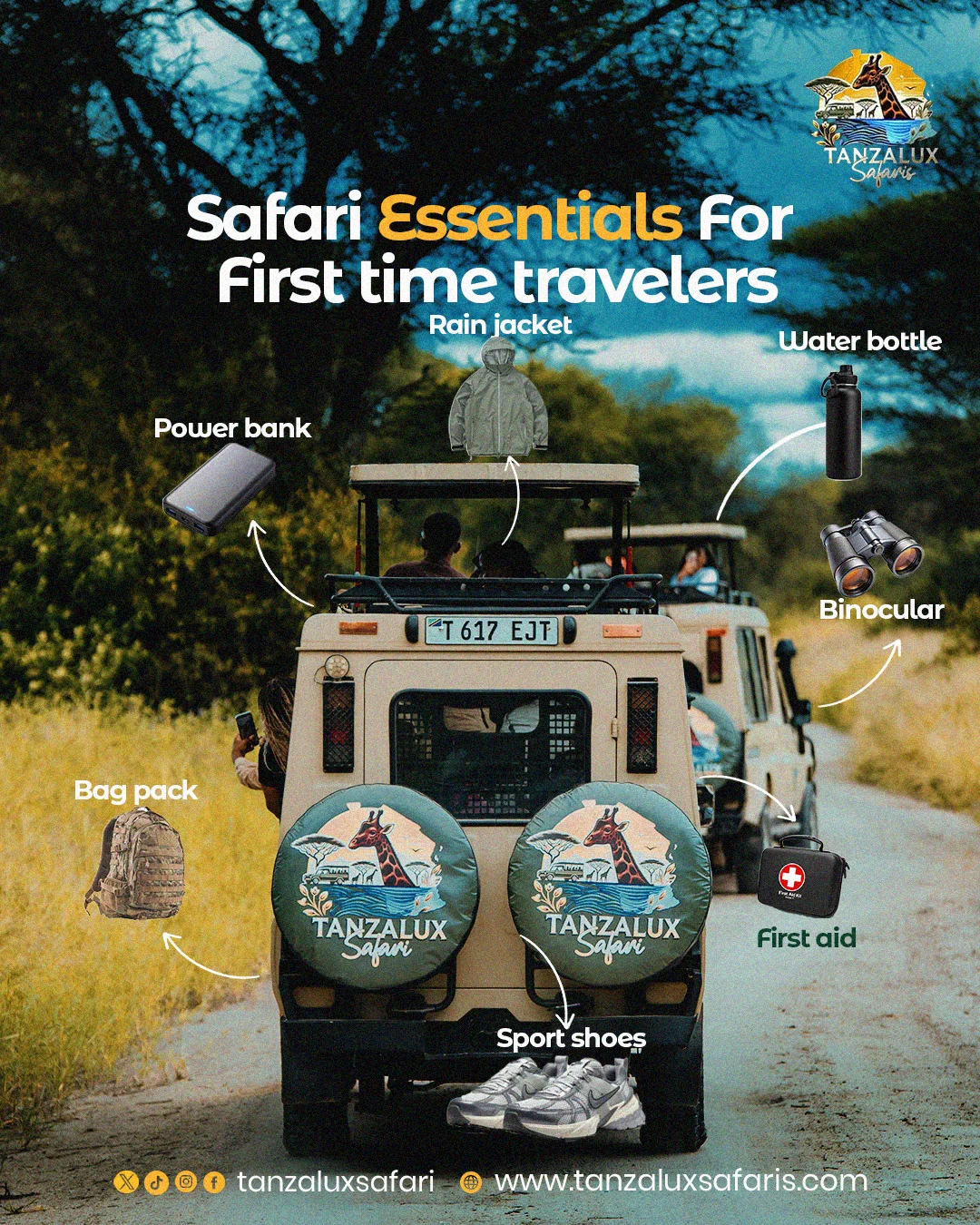
Keep medicines, travel papers, and valuables in your permitted cabin bag. Carry power banks and spare lithium batteries in cabin baggage with terminals protected, following IATA's battery guidance and the airline's current limits. Remove them if the bag is taken for the hold.
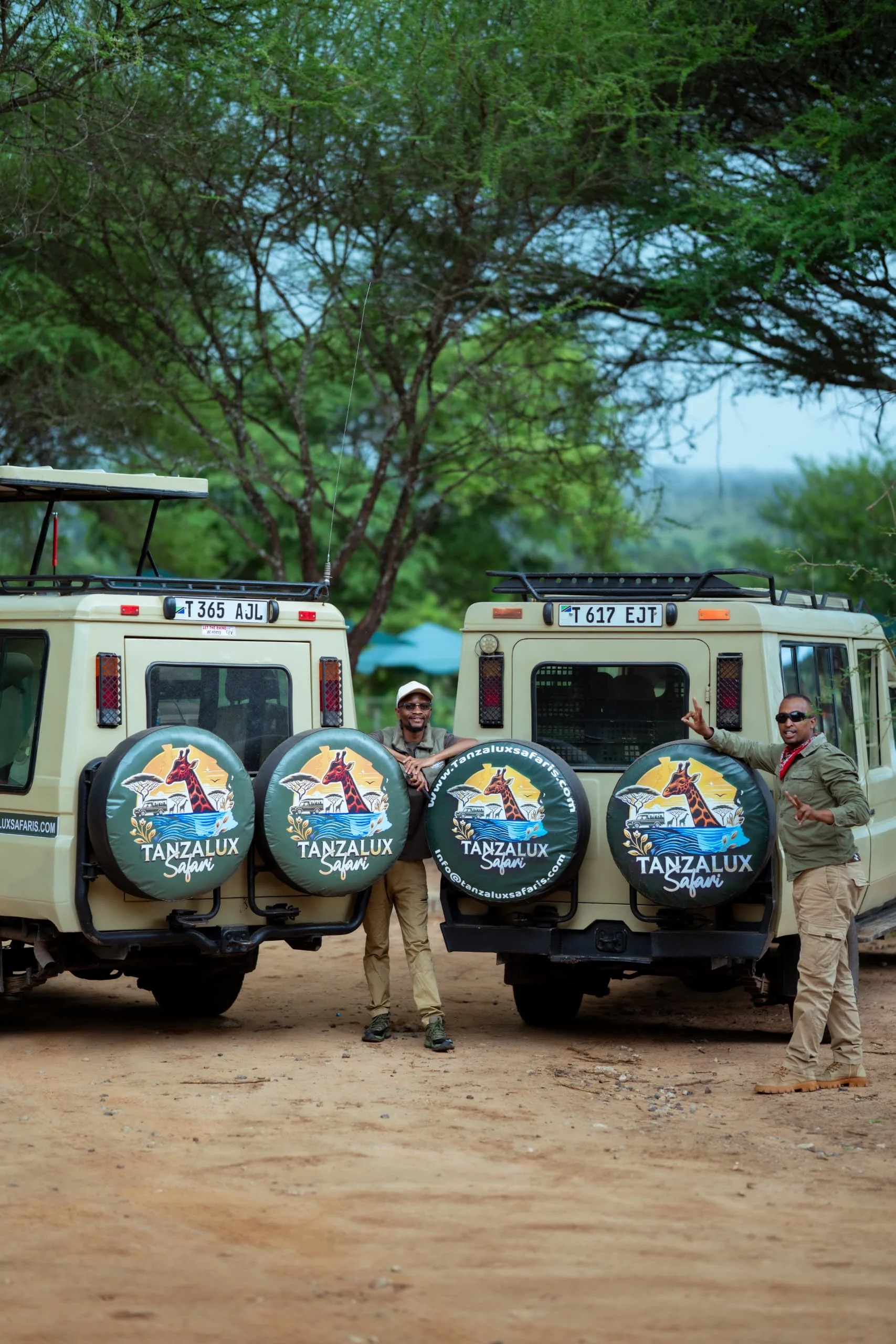
Plan the road leg as carefully as the flight. Confirm your pickup, baggage space, and meeting point before travel.
Tanzania airport transfers and first-night travel tips
Agree on the pickup before you fly. Confirm the airport code, terminal where known, flight number, local arrival date, meeting point, and named contact. Make sure the plan still works if you land after midnight or the flight time changes.
Use the contact details already agreed with your planner or hotel to verify a driver. If the meeting does not go as expected, call that contact before accepting a different arrangement. Keep the phone number offline rather than depending entirely on airport Wi-Fi.
Ask which transfer costs are included and which are payable separately. Discuss child seats, help with mobility, large bags, and stops in advance. For a late arrival, confirm how you will reach the room and whether food will still be available.
Good Tanzania travel tips should leave room for rest. A first night near the start of your route can make the next day easier. Avoid booking a demanding activity soon after landing when flight delays or tiredness could spoil it.
Sample packages with clear airport plans
These are illustrative tailor-made routes, not fixed departures or confirmed flight offers. All flights, camps, transfers, and activities need a dated quote. Your final plan should name the arrival and departure airports, any safari strip, baggage rules, and included transfers.
Eight days: Northern safari with a JRO arrival
Day 1: land at JRO and transfer to Arusha. Day 2: explore Tarangire and stay in the area. Day 3: travel towards Karatu. Days 4–6: continue to and explore the Serengeti. Day 7: fly to ARK if a suitable service is available and stay in Arusha. Day 8: transfer to JRO for departure.
This seven-night plan shows how two airports in Tanzania can serve different parts of one safari. The ARK-to-JRO road transfer needs its own booking. Add time if you want a crater descent or a more distant Serengeti base.
Request an eight-day northern safari with every airport and transfer clearly planned.
Eight days: Nyerere safari and Zanzibar
Day 1: arrive at DAR and stay overnight. Days 2–4: travel to a confirmed Nyerere safari base and enjoy planned activities. Day 5: transfer or fly towards Zanzibar on the agreed route. Days 6–7: relax at your island base. Day 8: depart from ZNZ.
The plan has one Dar es Salaam night, three safari nights, and three Zanzibar nights. Flights may involve intermediate stops or a connection. Confirm the route before fixing hotel dates, and add an overnight if the available timings need it.
Explore a southern safari and Zanzibar holiday with TanzaLux Safaris.
Twelve days: Northern wildlife and a beach finish
Day 1: arrive at JRO and stay in Arusha. Day 2: Tarangire. Day 3: Karatu-area stay. Days 4–6: Serengeti. Day 7: fly towards ZNZ on a confirmed service and stay in Stone Town. Days 8–11: enjoy a coastal hotel. Day 12: depart from ZNZ.
This route has six mainland nights and five island nights. It uses different arrival and departure airports in Tanzania, which can reduce the need to return to the starting point. The safari-to-island flight may have stops or connections; check the full journey and baggage limit.
Ask for a private safari and Zanzibar plan with flights matched to your holiday pace.
Why travel with TanzaLux Safaris?
TanzaLux is a Tanzanian-owned safari company based in Arusha. Its planning approach puts your dates, interests, budget, and pace at the centre of the route. That is a useful place to start when comparing flights with the holiday you want on the ground.
Discuss the whole journey before buying separate tickets. Share the flight options you are considering, the parks you want, and your preferred first and last nights. Ask for a clear plan covering transfers, camps, any domestic flights, and time to rest.
When choosing airports in Tanzania, a tailored route can help you see the trade-offs. A cheaper fare, an extra road journey, or a different final airport may each change the experience. Use the written proposal to check those choices, together with the terms of each flight and service.
Start planning with TanzaLux Safaris and request an arrival-to-departure itinerary built around you.
Frequently asked questions
1. What are the main airports in Tanzania for visitors?
Kilimanjaro (JRO), Dar es Salaam (DAR), and Zanzibar (ZNZ) are key gateways for safari and beach trips. Arusha (ARK) is also useful for domestic and safari connections. Choose the airport around the whole route.
2. Which airport should I choose for a northern safari?
JRO is a useful starting point to compare for Arusha and northern parks. The best option depends on your flight choices, first hotel, and onward travel. Confirm the plan before paying for a separate domestic leg.
3. Are Kilimanjaro and Arusha Airport the same place?
No. JRO and ARK are separate airports. A connection between them involves a road transfer. Allow for arrival checks, baggage, the drive, and the next flight's check-in.
4. What is the airport code for Dar es Salaam?
DAR is the code for Julius Nyerere International Airport. Check the terminal with the operating airline. Do not assume all domestic and overseas flights use the same building.
5. Does Zanzibar Airport serve Pemba Island?
ZNZ is on Unguja, while Pemba has a separate airport. If your hotel is on Pemba, arrange the onward island transfer. Read the code and island name before confirming flights.
6. Which airports in Tanzania suit a southern safari?
Dar es Salaam is worth comparing for a Nyerere or Ruaha plan. You may still need a safari flight or road transfer. The right choice depends on the exact camp and the available services.
7. Can I arrive at JRO and depart from Zanzibar?
Yes, that can suit a northern safari followed by a beach stay. Compare the full cost and all flight legs. Confirm the safari-to-island connection before fixing the last hotel nights.
8. How much time should I leave between flights?
Ask the airline and planner to assess the actual connection. Entry checks, baggage, terminals, separate tickets, and airport changes all matter. No single connection time works for every traveller and route.
9. Will my luggage be checked through to the next flight?
Do not assume so. Ask the airline about your booking and any need to collect and recheck bags. Separate tickets can involve different rules and less protection if the first flight is delayed.
10. Do all airports in Tanzania have the same baggage limit?
No. Baggage rules come from the carrier and booking, and may depend on the aircraft. Check weight, size, and whether hand luggage or camera gear counts towards the total.
11. What is a safari airstrip?
It is a landing point used for access to a safari area or camp. It may be much smaller than a gateway airport. Confirm the right strip and lodge pickup before ticketing.
12. Can I choose any Serengeti airstrip for my camp?
No. The strip should match the camp's location and the planned route. Ask the camp or planner to confirm it. A flight to a different sector can leave a long transfer.
13. What airport should I search for when visiting Mbeya?
Check Songwe Airport, code MBI, and read the full ticket details. Confirm the airport with your driver. It is distinct from the former airport in Mbeya town.
14. Is Mwanza a useful arrival point for Lake Victoria?
It can be useful for a trip based around Mwanza and the lake region. Check flights for your dates and plan the onward road journey. It is not automatically the best arrival for every northern safari.
15. What documents should I keep ready on arrival?
Keep your passport, relevant visa approval, onward booking, hotel details, and required insurance or health certificates accessible. Check the official rules for your nationality and route before flying.
16. Is local inbound insurance the same as my own travel policy?
Do not assume they are interchangeable. Check current mandatory cover rules for your first entry point and any exemption. Keep the relevant certificate, and review your wider travel policy for the activities you book.
17. Should I arrange Tanzania airport transfers before travel?
Advance planning can make arrival easier. Agree on the airport code, flight number, meeting point, price, and contact. Share mobility needs, child-seat requests, and large bags before the driver is assigned.
18. Can I rely on airport Wi-Fi and cash machines?
Keep a backup plan rather than depending on a service being available when you land. Save contacts and key documents offline. Agree on how to pay for the first transfer before travel.
19. Should I book a hotel before a safari flight?
An overnight stay may suit a late arrival, an airport change, or a connection with little room for delay. Compare it with the actual timetable. A rested start may be worth the extra night.
20. How can TanzaLux help with airports and safari planning?
Send your dates, group size, preferred route, and flight options through the linked enquiry page above. Ask for named airports, flight legs, and transfers in the written proposal. Final services remain subject to confirmation.
Ready to start planning?
Tell us your dates and what you're after — no obligation.