5.0 Excellent

Navigating Tanzania’s Level 2 Status: Safety Protocols for Luxury Safari Guests
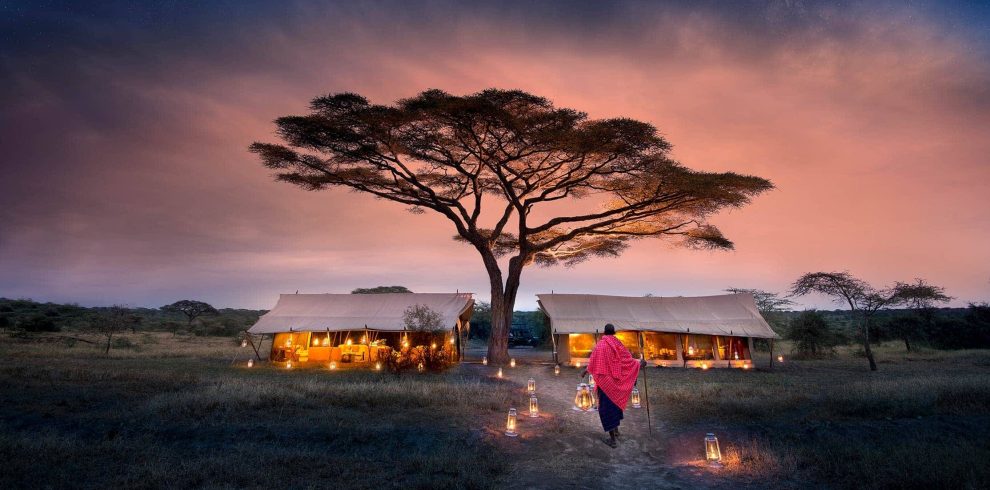
Luxury safari safety starts with a clear plan and the care taken at each step of the journey. A private vehicle, fine tent or personal host can add comfort. You still need to know who meets you, how the day works and where to turn if you need help.
This guide turns Tanzania’s Level 2 context into practical checks for guests. It follows the trip from booking and airport arrival to game drives, lodge stays and the journey home. The steps are guest precautions and planning questions. Confirm the actual services and procedures with each provider in your booking.
Facts checked: 25 October 2026. Read the live advice again before paying and before departure. Your route, health needs, identity and insurance can affect your decision. A luxury stay should support informed choices and clear communication throughout the trip.
What does Level 2 mean for luxury safari safety?
The U.S. Tanzania travel advisory, issued 16 October 2026, gives an overall Level 2: Exercise Increased Caution. It retains warnings about crime, terrorism, health, unrest, arbitrary law enforcement and the targeting of gay and lesbian individuals. Higher Level 3 advice applies to the Mozambique border area in Mtwara, including risks around the A19 highway.
The Tanzania Level 2 advisory is a broad risk assessment. It does not certify a camp, guide, vehicle or airline. Read the whole text and any regional warnings, then compare them with your itinerary. Travellers from other countries should also use their own government’s advice.
Luxury safari safety means making those details useful. Ask for exact stays, transfer points and the name of the team responsible for each handover. A private journey can be planned around your needs, but it still requires sound choices by the operator and the guests.
Near-term alerts matter too. The UK safety advice reviewed for this guide warns of possible demonstrations around 29 October 2026. Keep away from protests and large crowds. Check local conditions near your travel dates and allow the transfer plan to change when needed.
1. Before booking: confirm the people, route and cover
Start with one clear proposal for the whole party. It should name the stays and show how you travel between them. If the trip uses a road guide, camp guide and beach transfer team, ask who leads each part. Keep the final version where every guest can find it.
For luxury safari safety, discuss essential needs before payment. These may include room access, food allergies, bed layouts or help with bags. Ask which requests have been confirmed by the property. A general “we can arrange that” is less useful than a reply about the exact room or service.
Check the operator’s legal details and written booking terms.
Confirm the full route, including airport and overnight stops.
Ask who guides and transports you at each stage.
Review vehicle space, room access and the daily pace.
Identify any included medical evacuation cover by plan name and dates.
Check what you need to arrange yourself, including personal insurance.
Private safari protocols should be easy to explain in plain language. Ask how a change, delay or concern is handled. Keep the agreed contacts and the latest proposal together, rather than relying on separate messages that may describe an older plan.
Request a private TanzaLux proposal with named stays, clear transfers and written inclusions.
2. Arrival: verify the meeting and settle in calmly
Before flying, save the meeting point, driver contact and planner’s number offline. Check which airport you use and the expected arrival time. Send flight changes to the team so they can review the pick-up. Do not assume a general city name identifies the right airport.
If someone says your driver or hotel has changed, verify it through the contact you already hold. A familiar logo or a new message is not enough on its own. Take a moment to make the call before leaving with an unexpected person.
Luxury safari safety should make arrival feel simple. Ask how long the first transfer is likely to take and whether a rest night fits after a long flight. Keep key papers, medicines and the contact sheet easy to reach, within airline and entry rules.
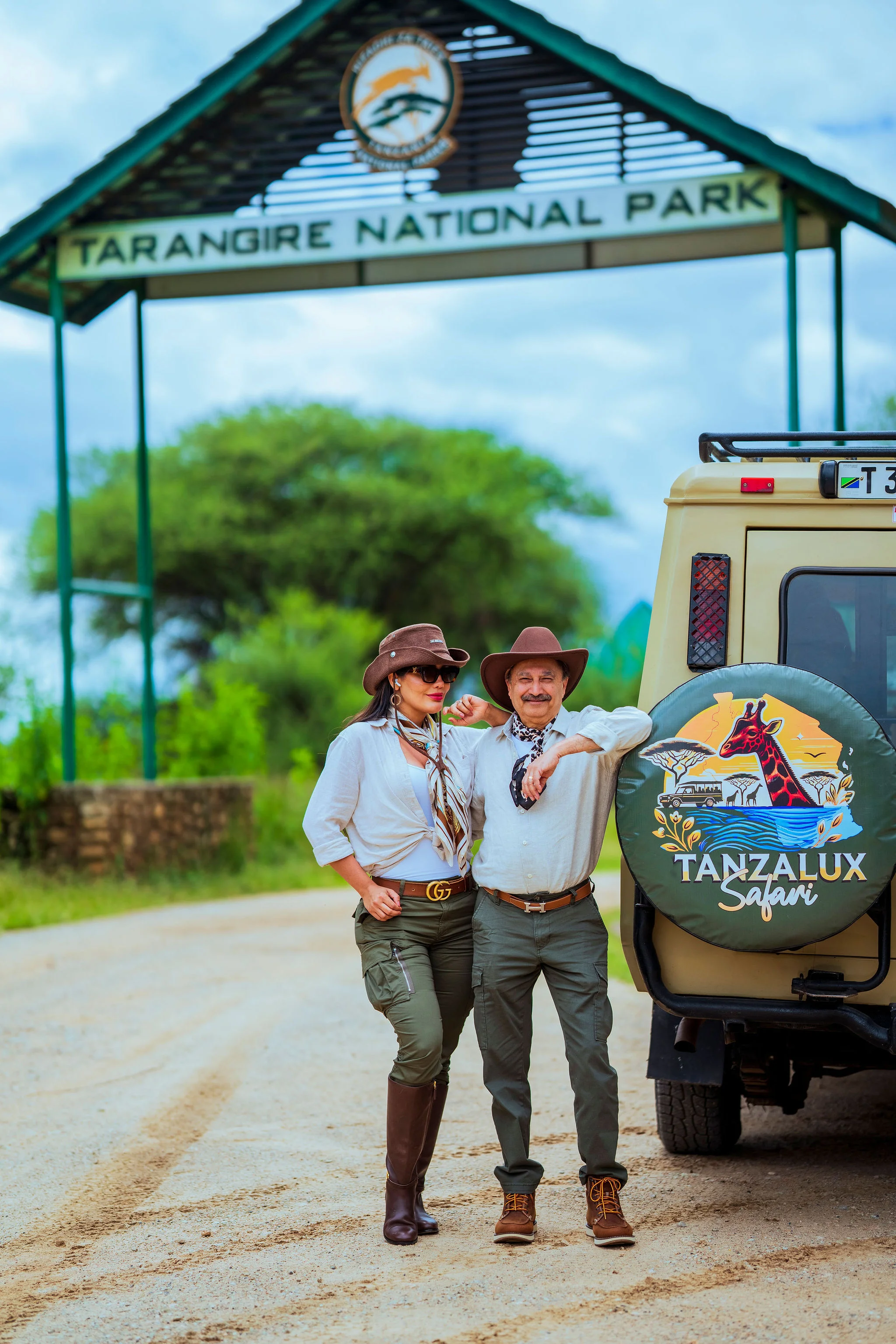
Clear meeting points and handovers help the journey flow. This media-library photograph shows travellers beside a TanzaLux vehicle at Tarangire.
At the first stay, learn how to reach reception or the host. Ask about the next day’s start time and the briefing. If a long delay changes the plan, discuss the new timing rather than trying to recover every lost hour at once.
Discuss arrival times and the first transfer with TanzaLux so the opening day fits your journey.
3. Road travel: use the vehicle and time well
Ask about the actual vehicle for your trip. Check seat-belt use, space for luggage and any support needed to get in and out. Keep loose bags secure and exits clear. The view is part of the pleasure, but the driver needs guests to follow the vehicle briefing.
Luxury safari safety also means realistic road days. Ask when you leave, where breaks can be taken and when you expect to reach camp. Rain, road conditions and park procedures can affect the plan. Allow room for a change rather than making every connection depend on the fastest possible drive.
Discuss stops before they are needed. A guest may want a toilet break, more water or time to rest. Tell the guide early and let them choose a suitable place. Do not leave the vehicle at an unplanned stop without permission.
Ask the operator about vehicle checks, the first-aid kit and breakdown support. If guide training matters to your booking, request the assigned guide’s current credentials. A kit and a first-aid qualification are separate things, and a vehicle photo cannot confirm either.
4. Fly-in trips: check the operating airline
Air travel changes the journey and needs its own review. Ask for the operating airline, airstrip, flight times and transfer arrangements. Check the carrier’s baggage rules and raise medical or access needs in advance. A charter or premium booking still needs these checks.
The UK Air Safety List currently lists all airlines certified by Tanzanian authorities as banned from commercial operations to, from or within the UK. It advises passengers to check the operating carrier, which may differ from the name marketing the flight. Review this safety information before choosing a safari flight.
For luxury safari safety, weigh transport options using current advice and the exact provider. Do not assume that flying is automatically safer than a road leg. Ask for alternatives where needed and check how the choice fits your insurance and overall schedule.
5. Game drives: follow the guide and park rules
The Serengeti visitor guide asks guests to stay in designated areas, avoid feeding wildlife and follow ranger instructions. Your guide should explain how those rules apply to the day’s drive. Ask if you are unsure before acting.
Luxury safari safety includes giving wildlife space. Keep limbs and equipment within the positions allowed by the vehicle briefing. Do not call to an animal, offer food or seek a closer view by ignoring instructions. An animal that appears relaxed can still behave in an unexpected way.
At a sighting, let the guide manage the vehicle position. A good view may require patience. If the area is crowded or an animal needs room, the right choice may be to wait or leave. A private vehicle does not create special access outside the rules.
For a Northern Circuit safari, check the rules for each park and any extra activity. A walking safari has a different briefing from a drive. Tell the provider about fitness, age or access needs and confirm suitability before the activity is booked.
6. At the lodge: learn the room and night-time routine
On arrival, ask how to call staff, which paths you can use and when an escort is required. Learn the fire and emergency instructions given by the property. A short orientation is worth your time even when you are eager to settle into the room.
Luxury safari safety continues after sunset. Follow the host’s guidance about walking between the room and dining area. If you need help at night, use the agreed contact method. Do not walk out alone to find staff when the camp requires an escort.
Keep a light, shoes and key items where you can find them. Ask the team to explain any room feature you do not understand. Report a faulty lock, path light or other concern promptly so the host has time to help.
Luxury lodge hygiene: ask specific questions
Luxury lodge hygiene involves the daily care behind a polished room. Ask about drinking water, bathroom servicing, linen and the way shared items are cleaned. If you need evidence of a particular audit or certificate, request the name, date and scope for the property you will use.
The WHO safer-food framework covers clean handling, separating raw and cooked food, thorough cooking, safe temperatures and safe water and ingredients. Use these principles to ask about meals and packed lunches. A fine menu is only one part of a good dining experience.
Food allergies need a direct conversation. Explain the requirement before travel and ask the property about preparation limits and cross-contact risks. Confirm the details with the host or kitchen on arrival. If something seems wrong, stop and ask rather than guessing.
Share room, dietary and access needs with TanzaLux early so the proposed stays can reply in advance.
7. Daily wellbeing: keep the simple habits
Use a travel doctor to plan for your route and health history. The CDC Tanzania guide helps start a discussion about vaccines, malaria prevention and other needs. Follow the medical plan you are given and ask about any part you do not understand.
Luxury safari safety is supported by water, shade, rest and care with food. Ask your host about safe water and refill arrangements. Keep water within reach on a drive and tell the guide if you feel unwell. Do not leave a problem unmentioned because you do not want to interrupt the outing.
Pack legal medicines in suitable labelled containers and check storage with your pharmacist. If a medicine needs cooling or a device needs power, confirm the exact setup at every stay. A room fridge or charging socket should not be assumed to meet a medical need.
Complete required health and entry checks through the current official process. Include the countries used in transit and the trip home. A country’s risk rating and its border requirements serve different purposes, so review both before you leave.
8. Emergencies: know the contact and coverage plan
Before departure, ask whom to contact if you are ill or injured and how help reaches each camp. Save the guide, host, planner and insurer details offline. Seek urgent help when needed and tell staff where you are and what happened.
For luxury safari safety, medical evacuation cover should be checked as a named product. Ask who is registered, the covered dates and areas, and any exclusions. Confirm whether it is included in the quote or must be arranged separately. A reference to Flying Doctors alone does not establish those details.
AMREF Flying Doctors’ published Maisha terms require registered membership and provider authorisation. They give the provider the decision on the medical need and method of evacuation. Conditions such as weather, aircraft availability, access and safety can affect a response. Check the current terms for the exact plan offered.
Hospital bills, medical transport and travel home may be separate benefits. The U.S. travel insurance guide explains why policies need careful review. Ask about your conditions and planned activities, and keep the insurer’s emergency contact accessible.
Clear roles help in a stressful moment. The guide and host can help alert the right people. Qualified health professionals should assess and treat illness, and the cover provider applies its policy. Avoid promises of a fixed rescue time from every remote location.
Ask TanzaLux to explain emergency arrangements and any cover shown in your safari proposal.
9. Valuables and communication: keep a simple routine
Keep important papers, money and devices secure according to the property’s guidance. Carry only what you need for an outing. Avoid sharing your room number, live movements or private travel records in public groups. Agree where your party will meet if a phone stops working.
Luxury safari safety also includes checking unexpected messages. Use a known contact to confirm a change to transport or payment instructions. Keep the latest itinerary and contact sheet offline. If the internet is limited, you should still be able to find the next meeting point and call for help.
U.S. guests can consider the Smart Traveler Enrollment Program for embassy updates and alerts. Other guests should use the relevant services of their own government. Keep the trip details current and review alerts that affect the route.
10. Free time and extras: confirm before adding them
A boat trip, balloon flight, bush dinner or private city outing can add to the holiday. Check the actual provider, permits, activity limits and insurance before booking. An activity should be assessed on its own terms rather than assumed to be covered by the main safari.
Luxury safari safety benefits from leaving some time free. After a long drive, a quiet afternoon may be the best choice for your group. Tell the planner what you value and avoid filling every gap with another paid activity. Comfort includes the freedom to rest.
11. Departure: finish with a clear handover
Confirm the final pick-up time, airport and driver contact the day before travel. Check your papers and leave time for airport procedures. If the last safari leg changes, ask how that affects the onward connection rather than relying on the original schedule.
Luxury safari safety includes the journey home. Review transit rules, health requirements and airline changes. Keep medicines and essential items accessible within the rules. Tell the team early if your departure plans change so the final transfer can be reviewed.
Sample packages built around a clear guest plan
These are planning outlines, not fixed offers, safety guarantees or confirmed room holds. They show how to put rest and clear handovers into a route. Each needs current advice, a dated quote and suitable insurance. The examples below focus on road-based northern safari planning; confirm the actual transport arrangements before payment.
Sample package: 7 days / 6 nights focused on Serengeti
Night 1: rest in Arusha. Nights 2–5: stay at one suitable Serengeti base. Night 6: return to Arusha before departure on day 7. Ask for realistic road days, planned breaks and a start time that fits park procedures.
This outline suits guests who prefer fewer moves. Review luxury safari safety at each link: the arrival transfer, camp briefing, daily drives and return journey. Add an en-route night if the proposed travel day is too long for your group.
Sample package: 8 days / 7 nights of Tarangire and Serengeti
Night 1: settle in Arusha. Nights 2–3: stay in the Tarangire area. Nights 4–6: enjoy one Serengeti base. Night 7: return to Arusha before departure on day 8. Confirm the road plan and all overnight points in the proposal.
Several nights at each base can leave room for camp time and a calm daily rhythm. For luxury safari safety, ask who guides the route, how meals and water are handled and whom to contact at each stay. Review any added activity separately.
Sample package: 10 days / 9 nights of northern circuit comfort
Night 1: arrive in Arusha. Nights 2–3: stay near Tarangire. Nights 4–6: enjoy Serengeti. Nights 7–8: base near Karatu for the agreed Ngorongoro visit. Night 9: return to Arusha before departure on day 10.
Use the extra time to reduce rushed handovers. Ask for room layouts, guest briefings and the contact plan before you travel. Luxury safari safety should fit the people in your party, including children or guests who need a slower pace.
Adapt a sample route with TanzaLux around your dates, comfort needs and preferred daily pace.
Why travel with TanzaLux Safaris?
TanzaLux Safaris is a Tanzanian-owned company based in Arusha. Its company overview describes trips shaped around your dates, pace, budget and interests. That gives you a way to discuss the practical needs of your party before the route is final.
The private safari service describes your own vehicle and driver-guide on a tailor-made trip. Ask about the exact guide setup, rooms and transfer points. Share the details that would make the journey easier, from fewer steps to more time for a quiet meal.
TanzaLux’s booking terms explain the use of third-party stays and services and ask guests to share dietary needs in advance. Confirm property-specific replies and the written inclusions for your booking. Exact guide training, evacuation benefits and lodge procedures should be verified where they matter to you.
For luxury safari safety, the value of a good planner is a journey that is clear enough to assess. Ask for the facts, keep the agreed plan and tell the team when your needs change. A thoughtful route and timely communication help you focus on the safari itself.
Your final luxury safari safety checklist
Read the live advisory and warnings for the full route.
Confirm the actual vehicle, guide and any operating airline.
Save verified meeting points and contacts offline.
Get clear replies to room, access and dietary needs.
Check medical care, evacuation and insurance terms.
Follow vehicle, wildlife, lodge and activity briefings.
Allow time for rest and sensible transfers.
Recheck the plan before the final journey home.
Luxury safari safety is a shared effort. The operator, guide, lodge team and guests each have a role. Clear plans, careful choices and useful briefings help you enjoy Tanzania with a better understanding of how the trip works.
Frequently asked questions
1. What does luxury safari safety mean in practice?
It means clear planning and careful guest behaviour at each step. Check the route, transport, stays, briefings and emergency arrangements. Comfort can support the trip, while actual service details and suitable cover still need confirmation.
2. What is Tanzania’s Level 2 status?
The U.S. advisory reviewed on 25 October 2026 lists overall Level 2, issued on 16 October. It calls for increased caution and keeps stronger advice for some areas. Read the full notice and the guidance of your own government.
3. Does Level 2 certify luxury lodges as safe?
No. A country rating is not a property inspection or a service guarantee. Assess the actual lodge, room and procedures for your stay. Ask about important hygiene, access and emergency needs before you book.
4. What should I confirm about airport transfers?
Save the meeting point, time, driver contact and planner’s number. Verify an unexpected change through the contact you already hold. Confirm the arrival airport and send flight changes promptly so the team can review the pick-up.
5. Which road-travel checks matter most?
Ask about the assigned vehicle, seat belts, luggage space and support if plans change. Use the briefing and discuss breaks early. Keep travel days realistic and follow the guide’s instructions about safe stops and leaving the vehicle.
6. Are all safari flights equally suitable?
Check the actual operating airline and current safety advice. Review baggage, airstrip transfers and any medical needs. A fly-in itinerary or charter label does not replace that review. Ask for alternatives where the advice or your needs require them.
7. What should I do around wildlife?
Follow the guide and park rules. Do not feed, call to or approach animals. Ask before leaving the vehicle and use approved viewing positions. A private vehicle does not permit access outside the rules.
8. What should the lodge explain on arrival?
Ask about room access, paths, escorts after dark, emergency instructions and how to call staff. Learn the routine before you need help. Report a concern while the team has time to address it.
9. How can I assess luxury lodge hygiene?
Ask about drinking water, food handling, room servicing and shared items. Request current property-specific evidence if an audit or certificate is important. A room photo or luxury label does not show every daily procedure.
10. How should serious food allergies be handled?
Explain the need before travel and request a clear property reply about preparation and cross-contact risks. Confirm directly with the host or kitchen on arrival. Ask your doctor about your own care plan and supplies.
11. Should luxury guests still seek travel-health advice?
Yes. Show a travel doctor the full route and your health history. Discuss vaccines, malaria prevention, medicines and access to care. Follow the plan given to you. A high-end stay does not remove health risks.
12. What if I need medicine storage or medical-device power?
Ask your pharmacist or doctor about the requirements, then confirm the exact setup at each stay and on flights. Do not assume a room fridge or socket is suitable. Plan for delays and legal carrying rules too.
13. Is medical evacuation cover always included?
Confirm this in the quote. Ask for the provider, plan, registration, dates and exclusions. If it is excluded, arrange suitable protection. A general reference to rescue or Flying Doctors is not enough to establish the benefits.
14. Does evacuation cover include hospital bills and travel home?
Those can be separate benefits. Read the exact plan and your wider insurance. Ask about treatment, transfers, existing conditions and repatriation. Keep a written answer where the terms are unclear.
15. Can a rescue time be guaranteed from any camp?
No. Medical assessment, access, weather, aircraft availability and safety can affect the response. Ask about the practical plan for your actual stays. Seek prompt help when needed rather than relying on a fixed-time promise.
16. What helps protect valuables and travel details?
Use the property’s secure-storage guidance, keep private records out of public groups and carry only what you need for an outing. Verify unexpected changes through a known contact. Keep key numbers and the latest plan offline.
17. Do extra activities need separate checks?
Yes. Review the provider, permits, fitness or age limits and insurance for each activity. Follow the activity briefing. Balloon flights, walks, boats and other outings should be assessed on their own terms before booking.
18. What should families or guests with access needs ask?
Confirm exact rooms, beds, steps, paths and help available. Discuss long travel days and a suitable pace. Share essential needs early and request a clear reply. Personal medical suitability should be discussed with a qualified professional.
19. Why plan a private safari with TanzaLux?
TanzaLux offers planning from Arusha and private routes shaped around your dates, interests and pace. Ask for clear stays, guiding and transfer details. That makes the full journey easier to assess alongside current travel advice.
20. What is the best final luxury safari safety check?
Read the latest plan as a whole. Confirm the route, providers, included cover and key needs. Save contacts offline, recheck advice and make sure the group understands the briefings. Keep time for rest and changes as well as the safari.
Ready to start planning?
Tell us your dates and what you're after — no obligation.