5.0 Excellent
Lake Manyara National Park: Safari & Planning Guide
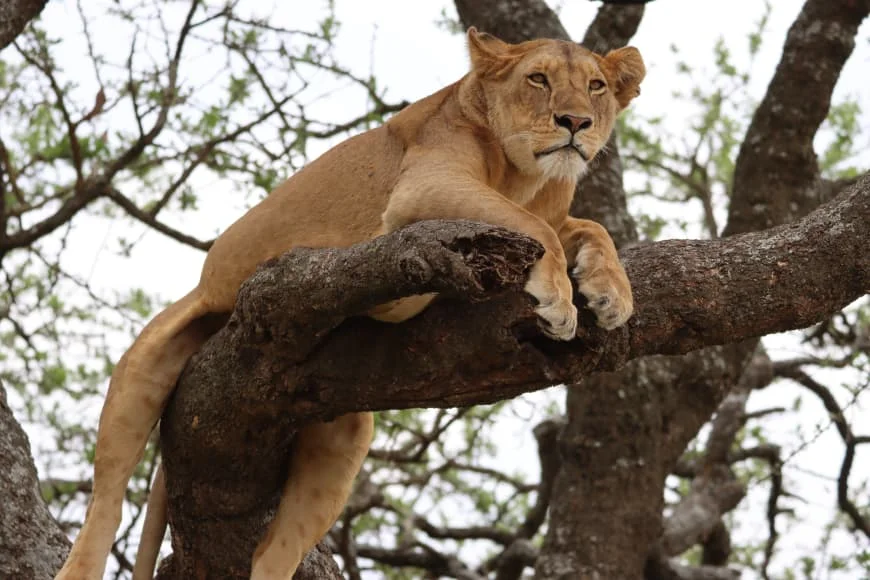
Lake Manyara National Park offers a different side of a Tanzania safari: forest shade, lake views, birdlife, and the steep Rift Valley escarpment. It can work as a day trip or a stop on a longer northern route. Come for the mix of habitats, not a promise of one rare sighting.
This guide helps you decide whether the park fits your trip. It covers wildlife, seasons, transport, activities, costs, lodging, a sample day, and 20 FAQs. Roads, water levels, fees, and activity access can change, so confirm the details for your travel dates.
Why visit Lake Manyara National Park?
Choose Manyara if you enjoy varied scenery and a slower style of wildlife viewing. The appeal is not only big cats. Time spent watching birds or monkeys can be just as rewarding.
The contrast with open plains is part of the experience. Forest gives way to woodland and more open views. The escarpment adds a sense of scale, while the lake changes with conditions.
Look for wildlife within the landscape, not just close portraits.
Allow time for forest sounds and small details.
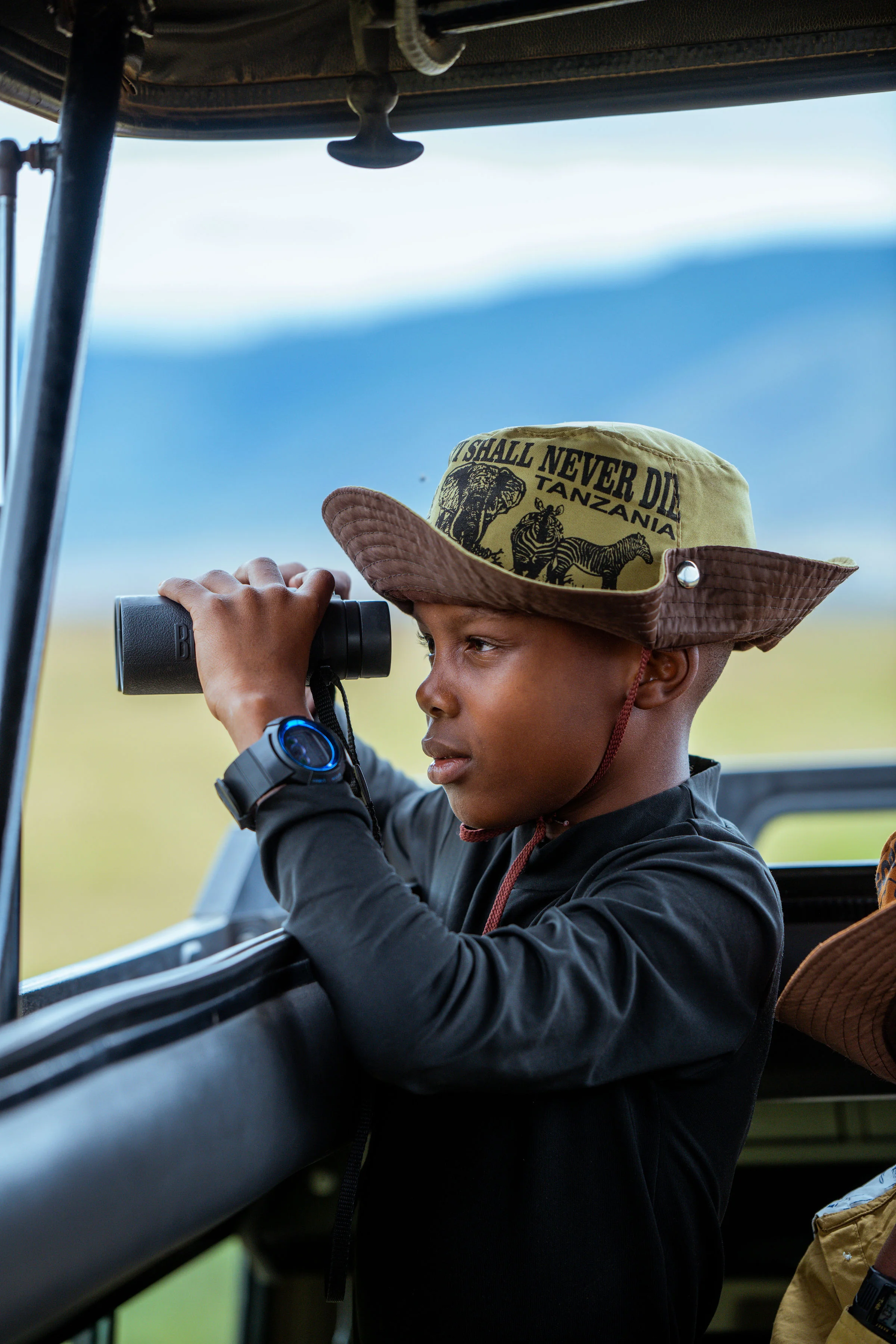
Bring binoculars for birds and distant animals.
Keep your wish list flexible.
Ask your guide what is practical on the day.
If your main goal is several days of big-cat tracking, discuss whether more time elsewhere would serve you better. A good itinerary does not need every park on a map.
Where is Lake Manyara and how do you get there?
The park sits near Mto wa Mbu on Tanzania's northern safari circuit. It lies below the Great Rift Valley escarpment and can fit into routes toward Karatu and Ngorongoro.
Allow roughly two to three hours by road from Arusha as an initial planning estimate. Your hotel, traffic, stops, and road conditions affect the total. Ask for a door-to-door schedule rather than treating map time as guaranteed.
Manyara Airstrip is another possible arrival point, but a flight does not end at the park gate. Confirm the airstrip transfer, baggage allowance, and onward lodge journey. Compare the full travel day before deciding to fly.
What wildlife might you see?
You may encounter elephants, buffalo, giraffes, zebra, baboons, blue monkeys, and other animals. Lions also occur, though finding them is never assured. Habitat, weather, and chance all shape a drive.
Try not to turn the visit into a species count. Watch how animals feed, move, and interact. A patient stop can reveal more than a fast drive past several sightings.
Are tree-climbing lions guaranteed?
No. Lake Manyara is known for this behaviour, but a booking cannot promise it. Lions may be on the ground, hidden by vegetation, or away from accessible routes.
Tell your guide if lions are a priority, then keep the rest of the day open. Do not ask a driver to crowd a resting animal or leave approved tracks. A memorable encounter should not come at the animal's expense.
Will you see flamingos?
Flamingos may be present when conditions suit them, but their numbers and location vary. A photograph of a pink shoreline is not a forecast for your travel day.
Plan to enjoy a wider range of birds. Pelicans, herons, storks, and forest birds may offer other subjects. Binoculars help when birds are far from a viewing point.
What makes the habitats distinctive?
Manyara's interest comes from several habitats close together. The groundwater forest, woodland, floodplain, and alkaline lake each offer a different setting. Explore the contrasts rather than expecting one continuous open savannah.
What should you notice in the forest?
Slow down and look beyond the road. Movement in the canopy, a bird call, or a patch of filtered light can draw your attention. Forest wildlife may be partly hidden, so patience matters.
Ask your guide to explain what you are seeing. A short discussion of a tree, track, or feeding habit can make the place feel more vivid than a list of animal names.
Can you visit the hot springs?
The park has hot springs known as Maji Moto. Whether a visit fits your drive depends on access, available time, and current park guidance. Ask before treating them as a fixed stop.
Stay on approved routes and follow signs around geothermal areas. This is a viewing stop, not an invitation to bathe. Do not sacrifice most of your wildlife time just to complete a checklist.
When is the best time to visit Lake Manyara?
Choose dates for your wider safari, then check conditions at Manyara. A broad seasonal pattern can help, but it cannot predict every road or sighting.
What are the dry-season trade-offs?
June to October is a common starting point for a northern safari. Drier conditions can make travel easier, though dust and busy periods may affect the feel of a day.
Book for the experience you want, not the phrase “best season.” Ask about the route that is open, the hours you will spend inside, and where you will sleep afterward.
What about the green season?
Wetter months can bring lush views and changing birdlife. Rain may also affect tracks and visibility. Ask for current local advice, especially when a plan depends on reaching a particular area.
A quieter date is not always cheaper across the whole trip. Festive periods and lodge pricing differ. Compare actual quotes rather than assuming every wet-season booking is a bargain.
How do water levels affect a visit?
Water levels can change the shoreline and the routes available to vehicles. Do not judge the current park layout from an old photo or a fixed map.
Ask your operator to check access close to departure. If your plan needs to change, discuss how that affects drive time and optional stops. Flexibility is part of a well-planned safari, not a guarantee that every attraction will be reachable.
How long should you spend in the park?
A full day gives more room for varied stops than a brief transit visit. A half-day can still work if it fits a sensible route. The right choice depends on your interests and travel time.
Birdwatchers and keen photographers often benefit from a slower pace. Families may prefer a shorter drive with well-timed breaks. Tell your planner which kind of day you want.
One overnight nearby can reduce the need for a same-day return to Arusha. It also creates more room for the next leg of your trip. Check the lodge's actual location, not only its use of “Manyara” in the name.
What could a Lake Manyara day trip look like?
A practical day balances travel, wildlife viewing, and rest. The outline below is a planning example, not a fixed timetable or a promise of specific stops.
Early departure: leave your Arusha hotel at the agreed time, with breakfast plans confirmed.
Arrival and entry: allow time for gate formalities before the drive.
Morning viewing: explore accessible habitats at a pace suited to the group.
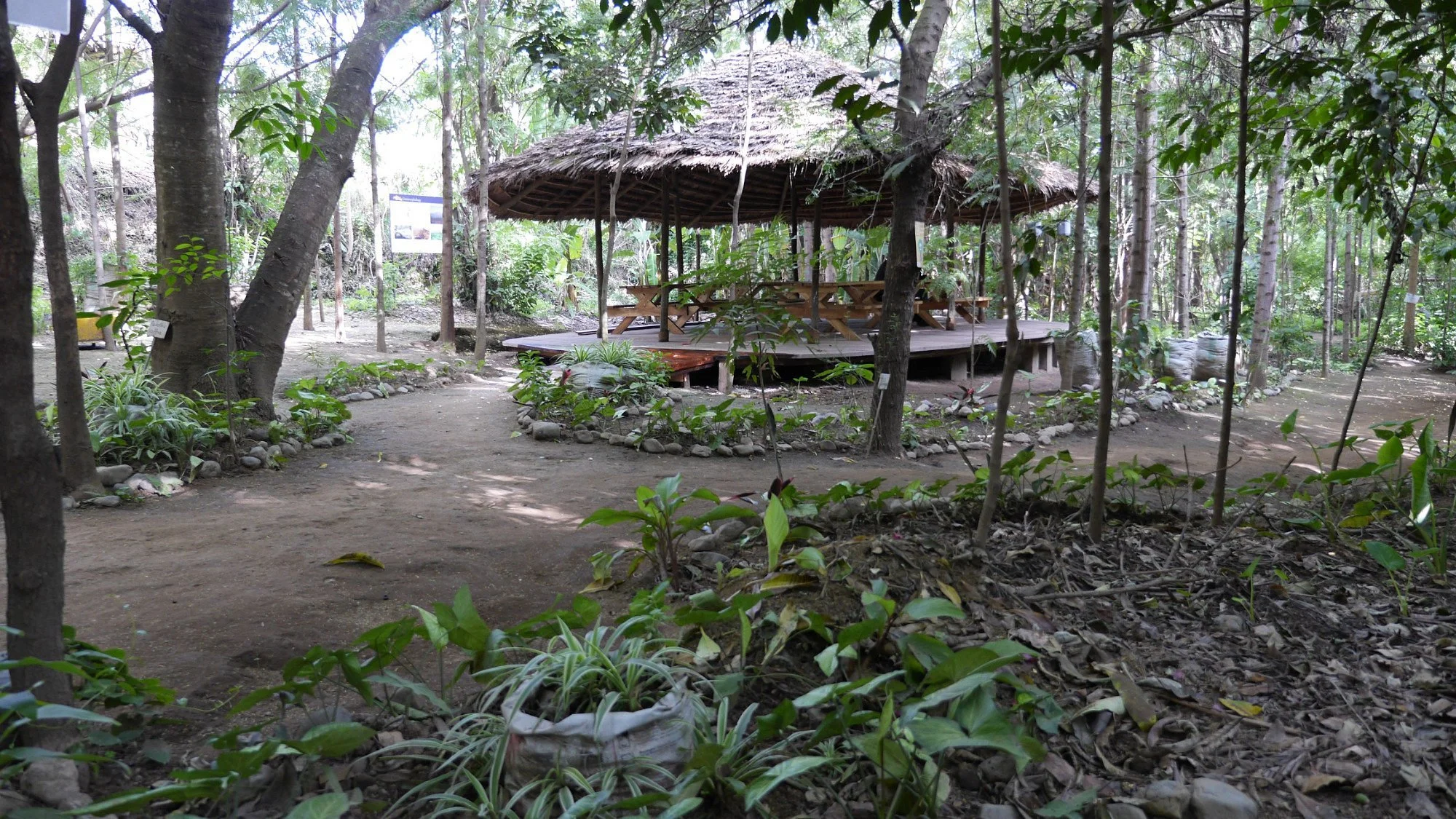
Lunch break: use an approved picnic site or the meal arrangement in your quote.
Afternoon drive: follow current sightings and conditions without rushing for one species.
Return or onward travel: continue to your hotel with a realistic time buffer.
Ask how much of the quoted day is spent in transit. A trip described as “full day” may include several hours on the road. Clear timings help you compare options fairly.
Which activities can you include?
A daytime game drive is the core of most visits. Birdwatching and photography can form part of that drive. Other experiences need separate confirmation.
If you want a night drive, guided walk, or elevated walkway experience, ask about current operation and permissions. Check the provider, age limits, duration, and extra fee. Do not assume an activity seen in an old itinerary is running now.
A cultural visit near Mto wa Mbu is outside the park experience. Allow separate time and agree on the host and cost. Choose a visit based on genuine interest, and ask permission before taking portraits.
Should you choose Manyara or Tarangire?
Choose based on what each stop adds to your route. Manyara offers forest-and-lake contrasts. Tarangire is often chosen for elephants, baobab scenery, and a broader game-drive stay.
If you have only one spare day, compare travel time and current conditions with your main interests. If you already have several long drives, another night at an existing stop may be more rewarding than adding a new park.
Choose variety: consider Manyara when forest and birdlife appeal.
Choose depth: stay longer in one park if you dislike moving daily.
Choose practicality: compare the route from your actual overnight base.
Choose flexibility: ask for a reasoned alternative if access changes.
How does Lake Manyara fit with Ngorongoro and Serengeti?
It can add a different habitat to a northern circuit. Keep enough nights for the longer stops rather than treating all parks as equal one-day visits.
For example, a route could include one night near Manyara, a planned crater visit, and several Serengeti nights. Exact sequencing depends on lodge locations, road transfers, and flights. Ask your planner to show the whole journey.
Do not confuse a park day with a travel day. A long transfer with brief viewing on the way is not the same as a full drive near camp. This distinction matters when comparing two itineraries with the same number of nights.
Where should you stay?
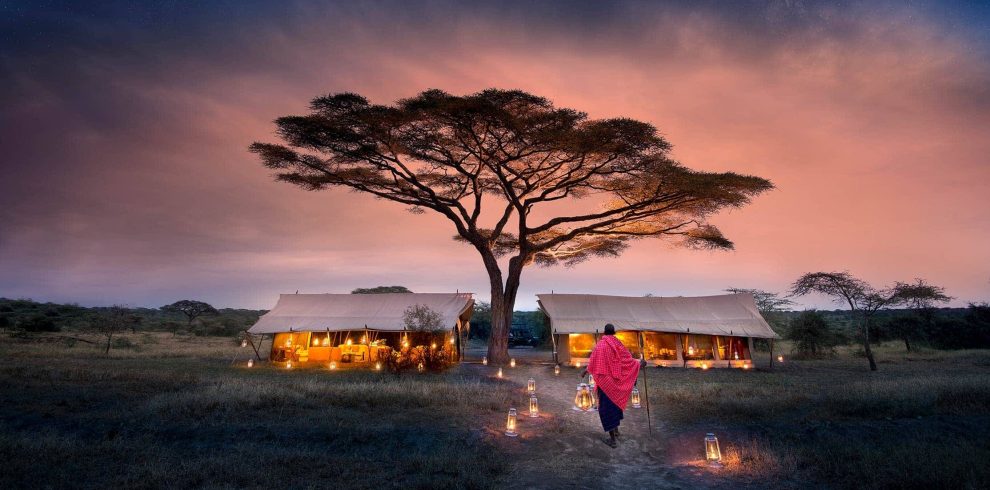
Choose lodging by access and comfort, not price alone. Options in the wider area can include Mto wa Mbu, the escarpment, and Karatu, with different driving times.
A scenic view can be worth an extra transfer for some guests. Others may prefer a base that keeps the next morning simple. Ask for the estimated drive to the gate and to your following destination.
Confirm the room type and bed arrangement.
Check meals, drinks, and early breakfast options.
Ask about steps and walking distances if access matters.
Confirm family-room availability and child policies.
Check power, charging, and internet expectations.
Do not assume a luxury label means every service is included. Read the room and meal details in the quote. A well-located mid-range lodge may fit your route better than a distant upgrade.
How much does a Lake Manyara safari cost?
The total combines park charges, transport, guiding, meals, and any overnight stay. Group size and private versus shared travel can change the per-person amount.
Park charges depend on visitor category and the activities booked. Request current fees for your dates rather than relying on an old blog price. Ask whether all compulsory charges and taxes are included.
Is the quote in US dollars or Tanzanian shillings?
Is the price per person or per vehicle?
What is included in the park-fee allowance?
Are lunch, drinking water, and hotel transfers covered?
Which activities are optional extras?
What happens if the group size changes?
What are the deposit and cancellation terms?
A cheaper quote may use a different lodge, shared vehicle, or shorter park visit. Compare the same inclusions before choosing. Ask for a clear day-by-day breakdown.
What should you pack?
Pack for sun, a cool start, and the chance of rain. Keep the bag light enough to manage in the vehicle.
Binoculars and a camera with spare battery and card.
A hat, sunglasses, and sun protection.
A light warm layer and a rain jacket.
Comfortable shoes for approved stops.
Personal essentials and travel documents.
A dust cover or closable bag for electronics.
Confirm water and meal arrangements before departure. Tell the operator about food needs early. If you are flying onward, check the actual airline's luggage rules rather than using a general safari allowance.
How can photographers make the most of Manyara?
Be ready for light to change between forest and open views. Check your settings after each change of habitat. A shutter speed suited to a still landscape may blur a moving monkey.
Take wide scenes as well as close portraits. The escarpment, trees, and water can help tell the story. Use binoculars first when a distant subject is too small for a strong photo.
Ask the guide about a safe viewing position, then accept the limits. Never block an animal's path or ask for prohibited off-road driving. A respectful photo is worth more than a forced encounter.
Why plan your Lake Manyara safari with TanzaLux?
Ask TanzaLux Safaris to explain how this park fits your dates, interests, and overall route. Share your pace, budget, group size, and main priorities.
Request clear choices: a day trip versus an overnight, private versus shared travel, and the cost of extras. Ask which details will be checked again before departure. Good planning makes the trade-offs visible.
Contact TanzaLux Safaris to plan your Lake Manyara visit. Confirm the vehicle, guide, lodging, meals, and transfers in your final itinerary. Keep wildlife expectations open and give the day room to unfold.
Lake Manyara National Park: 20 frequently asked questions
These answers cover common planning choices. Confirm changing details with your operator before travel.
1. Is Lake Manyara worth visiting?
Yes, if forest, birds, lake scenery, and habitat variety appeal to you. Consider how it complements the rest of your route rather than visiting only for lions.
2. Can you visit from Arusha in one day?
Yes, but allow for the return road journey. Ask how many hours are planned inside the park and when you should reach your hotel.
3. Are tree-climbing lions guaranteed?
No. They are wild animals and may not be visible. Enjoy other sightings rather than judging the whole day by one behaviour.
4. Is the lake always full of flamingos?
No. Their presence and numbers vary with conditions. Plan for a wider birding experience rather than a guaranteed pink shoreline.
5. What animals might you see?
Possible sightings include elephants, buffalo, giraffes, zebra, baboons, and monkeys. What you actually see depends on the day and accessible habitats.
6. Is it a good park for birdwatching?
Yes. Its range of habitats makes birds an important part of the visit. Bring binoculars and tell the guide you want time for identification.
7. Is half a day enough?
It can suit a short stop. A full day allows more patient viewing. Compare actual park hours, not just the length of the tour name.
8. Do you need to stay overnight?
No, but a nearby overnight can reduce backtracking. It may also make an onward journey toward Karatu or Ngorongoro easier to pace.
9. When is the best season?
Choose for your full safari, then check local conditions. Dry and green periods have different benefits; neither guarantees a particular sighting.
10. Can rain affect the route?
Yes. Ask which sections are accessible close to your visit. Keep optional stops flexible when rain or water levels change the plan.
11. Are the hot springs always included?
No. They depend on route access and available time. Request confirmation if they are a priority.
12. Can you walk freely in the park?
No. Remain in the vehicle except where your guide and park rules permit a stop. A guided activity must be arranged separately when required.
13. Are night drives part of standard entry?
Do not assume so. Confirm whether a permitted service is operating, who provides it, and what extra charges apply.
14. Is Lake Manyara suitable for children?
It can be with a suitable pace. Share ages and needs before booking. Confirm vehicle arrangements, breaks, meals, and any activity age limits.
15. Can you feed monkeys at a picnic site?
No. Keep food secure and follow the guide's instructions. Feeding wildlife can cause harm and encourage unsafe behaviour around visitors.
16. Should you choose Manyara or Tarangire?
Compare habitats, drive time, and current conditions. Manyara may add forest-and-lake variety, while Tarangire may suit a longer wildlife stay.
17. Is a private vehicle necessary?
No. A shared trip may suit your budget. Private travel can offer more control over pacing, but park rules still apply.
18. Are park fees included in every quote?
Not necessarily. Ask for written inclusions and current compulsory charges. Compare like-for-like packages before paying.
19. Can you combine the park with a cultural visit?
Yes, if arranged with a local host and enough time. Confirm the separate cost and avoid rushing both experiences into a tight day.
20. How do you book with TanzaLux Safaris?
Send your dates, group size, budget, and planned overnight stops. Ask for a route that explains travel time, park hours, inclusions, and alternatives.
Plan for variety, not promises
Lake Manyara is best approached with curiosity and time to observe. Let the forest, birds, and changing views be part of the reward.
Choose a realistic route, confirm current access, and leave room for surprises. That is a stronger basis for a safari than a promise of one perfect photograph.
Ready to start planning?
Tell us your dates and what you're after — no obligation.