5.0 Excellent

How to Plan Your First Safari Vacation
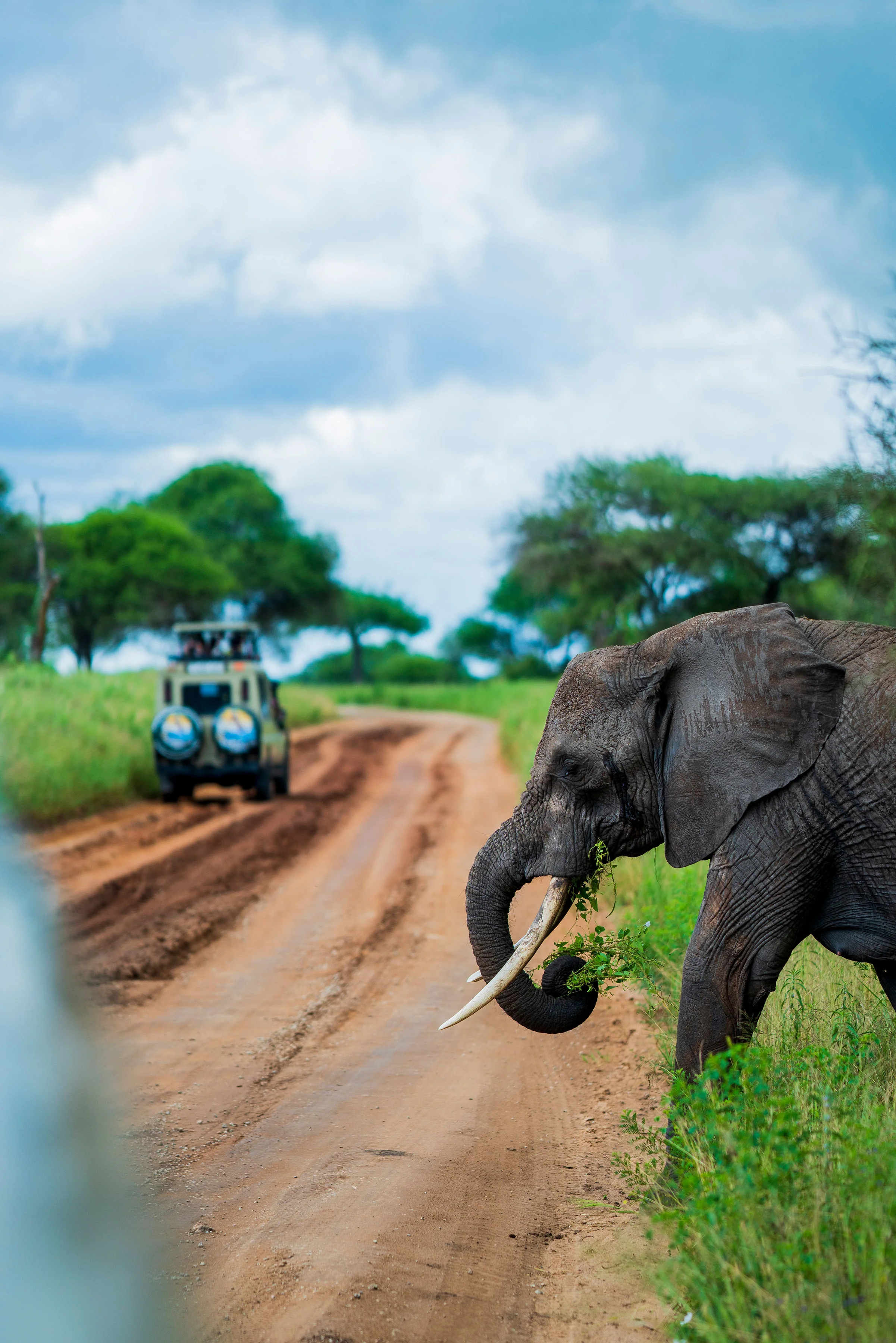
Your first safari vacation starts with a few clear choices: what you hope to see, when you can travel, how much time you have and what feels comfortable to spend. Once those are clear, parks, camps and transport become easier to choose.
A good starting plan is to choose a destination, match your dates to your interests, set a total budget and build a route with full days for wildlife. Then confirm the operator, services, entry preparation and packing before departure.
This safari planning guide uses Tanzania as a practical example, especially its Northern Circuit. The planning steps also help you think through a wider African safari. You will find a checklist, sample packages and answers to the questions first-time guests often ask.
Start planning your first safari vacation with TanzaLux Safaris.
1. Decide what you want from your first safari vacation
Begin with the experience, not a long list of parks. Do you want lots of wildlife drives, time with a photographer, a family holiday or a safari followed by the beach?
Write down three priorities. These might be seeing the Serengeti, having your own vehicle and staying several nights in one camp. Then name any limits, such as long drives, frequent hotel changes or very early starts every day.
Share those points with everyone travelling. A couple who both love full-day drives needs a different plan from a family that wants short outings and rest breaks.
For a first safari vacation, it is useful to say what you are curious about. Birds, animal behaviour, scenery and local experiences can all shape a rewarding route.
2. Choose a destination and a route that fit your time
Do not try to cover every famous safari region on one trip. A focused route gives you more time in each place and fewer days spent moving.
For Tanzania, a Northern Circuit route can bring together Tarangire, the Serengeti and the Ngorongoro area. These places offer different settings, but they still need a realistic driving plan.
The Tanzania National Parks trip planner recommends matching parks to your interests, time and budget, then arranging access, stays and permits.
Ask to see your proposed route on a map. For each move, check where you start, where you sleep and how much time is left for viewing. A day labelled “Serengeti” may include a long transfer.
Your first safari vacation does not need to include another country to feel complete. A border crossing adds its own entry checks, transport and timing.
3. Match the season to your wildlife goals
There is no single best month for every safari. Weather, vegetation, access and animal movements vary by place.
TANAPA's planner describes June to October as a broad dry-season window, November to December as a short-rains period and March to May as a long-rains period. It also notes Tanzania's varied local climates.
If you want a specific migration phase, discuss the region as well as the month. An early-year southern ecosystem stay and a northern river-crossing trip use different bases. Herd movements remain subject to natural conditions.
For your first safari vacation, choose a season with several reasons to enjoy the trip. Do not make the whole holiday depend on one crossing, birth or rare sighting.
Ask which camps are open, how rain may affect transfers and whether your dates fall in a high-demand period. Compare actual options rather than assuming a wet month is always cheap or quiet.
4. Set your safari budget and total holiday cost
Decide what your budget must cover before comparing safari quotes. A headline price may exclude important parts of the holiday.
International travel and nights before or after the safari.
Accommodation, room basis and meal plans.
Guiding, vehicle use and transfers.
Park, conservation and activity charges.
Any domestic transport or beach extension.
Travel documents, required cover and personal insurance.
Optional outings, drinks, voluntary tips and personal purchases.
Keep the units clear. Is the quote per person or for the whole party? Does it assume two people sharing a room? Are children priced separately?
For a first safari vacation, compare the same dates, group size and services. If one plan costs more, ask which features account for the difference.
A useful budget has room for the things you value most. You could choose fewer camp changes, a different room style or an extra full wildlife day. Ask for those choices separately so the trade-off is easy to see.
5. Choose private or shared guiding
A private safari gives your party its own vehicle and guide for the services described in the booking. A joining trip shares a departure and vehicle under a set plan. Both styles can suit different needs.
Private use can be helpful for families, photographers or guests who want to discuss a personal pace. A shared trip may appeal if you enjoy meeting other travellers and the schedule suits you.
Ask about seating, the daily plan and any limits on changes. Confirm the scope of private use across the whole holiday; a separate boat trip or flight is not automatically exclusive.
For your first safari vacation, choose the format that matches how you like to travel. Be clear about comfort needs before booking rather than hoping the vehicle setup will suit on arrival.
6. Count full viewing days, not just nights
As a planning suggestion, allow at least three nights in one main safari base when you can. That leaves two full days between arrival and departure. Two nights usually leave only one.
A week-long route can provide a useful introduction, while ten to fourteen days may give room for a slower safari or a beach finish. These are pace suggestions, not rules or fixed offers.
Look at every transfer day. An early start, drive, lunch stop and camp check-in can use much of the day. Do not count it as a full game-drive day without reading the details.
Your first safari vacation should also leave space to rest. Time to enjoy camp can matter just as much as another hour on the road.
7. Choose camps for location and comfort
Start with where the property sits. A beautiful room may be poorly placed for the area you want to explore.
Ask about the actual room category, bathroom, paths, steps, meals and time needed to reach game-drive areas. Share dietary and access needs early so suitable choices can be discussed.
A tented camp is not necessarily basic. Nomad's safari FAQ explains that tented camps and lodges can both offer comfortable beds and en-suite bathrooms. The style and facilities still vary by property.
For a first safari vacation, do not judge comfort by the word “luxury” alone. Decide which features you will use and confirm them for the booked room.
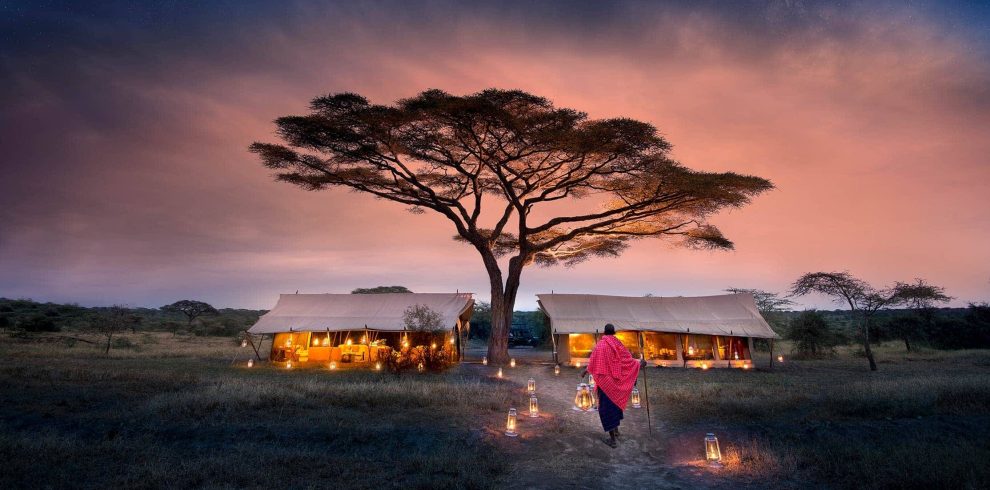
A tented camp illustrates one safari stay style. Your final property, room and facilities should be clearly stated in the booking.
8. Make the transport plan work from door to door
Compare the whole journey. Road travel includes stops and changing surfaces; a flight also includes transfers, check-in and the drive from an airstrip to camp.
The Serengeti visitor guide describes road and air access, with Arusha a common starting point. Your own route needs estimates for the exact camps and connections.
If considering a light-aircraft transfer, confirm the actual operating carrier, relevant current safety advice, baggage conditions and any intermediate stops. Do not assume your international baggage allowance applies to every flight.
For your first safari vacation, allow a sensible buffer before an important onward connection. An arrival or departure night can be worth more than squeezing in one final activity.
9. Review the operator and written quote
Speak to the planner and ask for reasons behind the route. A useful proposal explains camp locations, travel pace, full viewing days and what the price includes.
Who provides the vehicle and guiding?
Which properties and room categories are quoted?
What meals, drinks, fees and activities are included?
Which transfers are private, shared or separately operated?
What support contacts will you have during travel?
What payment, change and cancellation terms apply?
Read recent guest accounts of trips similar to yours. Look for detail about planning, guiding and how the team handled questions.
Before confirming your first safari vacation, get important requests in writing. A conversation is useful, but the final plan should show what has actually been agreed.
Ask TanzaLux for a clear route and quote built around your priorities.
10. Prepare travel documents, health and insurance
Check the Tanzania Immigration visa guidelines for your nationality and route. Review passport validity, the right visa process and any onward-travel evidence before departure. Do not assume every traveller has the same entry options.
For health preparation, use the CDC Tanzania traveller page and a travel clinician. CDC advises reviewing vaccines and medicines with a doctor at least a month before travel where possible. Your history, activities and transit route affect the advice.
Also verify current mandatory inbound cover. A September 2026 Norwegian Embassy notice describes NIC for entry through mainland Tanzania and ZIC for entry through Zanzibar, with one inbound policy for a combined visit. Check the current rules and exemptions through the NIC portal or ZIC portal for your journey.
Review personal travel insurance separately for your needs, including medical care, evacuation, cancellation and booked activities. Do not assume a required entry policy covers every cost or circumstance.
For a first safari vacation, save the relevant documents and emergency contacts offline, and carry any required evidence in the form specified by the authorities and providers.
11. Pack for your route and baggage limits
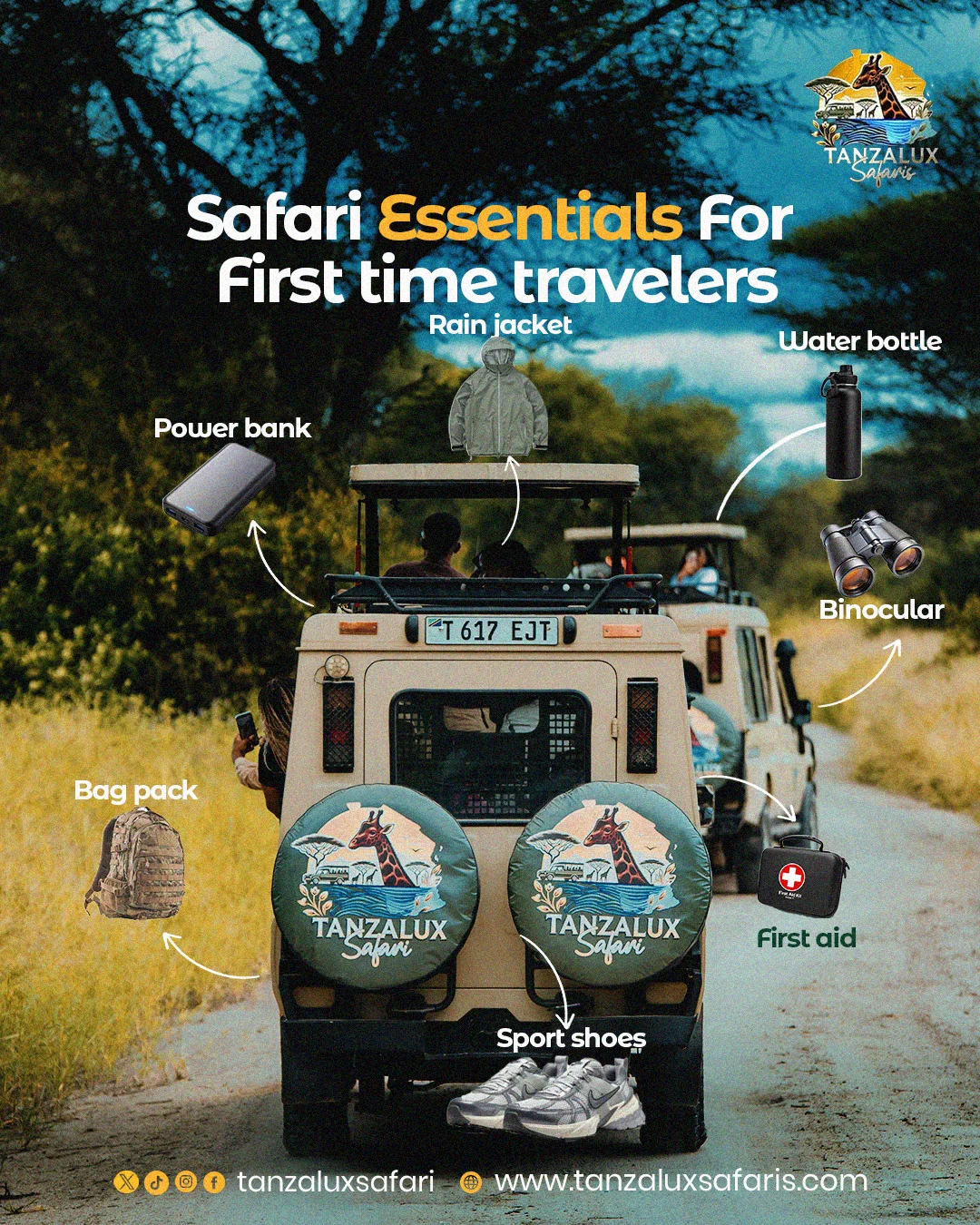
Build your safari packing list around a small set of comfortable clothes you can layer. Long trousers, breathable tops, a warm layer, rain protection, a hat and worn-in closed shoes are practical basics.
Check laundry at each stay and the baggage conditions of every transfer. Keep essentials and a change of clothing in permitted hand luggage in case checked bags are delayed.
Bring binoculars if you can, along with a camera or phone, charging gear and enough storage. Test new equipment before travel so you can spend less time on settings during a sighting.
Your first safari vacation does not require buying every item marketed as safari gear. Pack for the actual activities. Walking, mountain trekking and beach days may need separate additions.
12. Know what a game-drive day may feel like
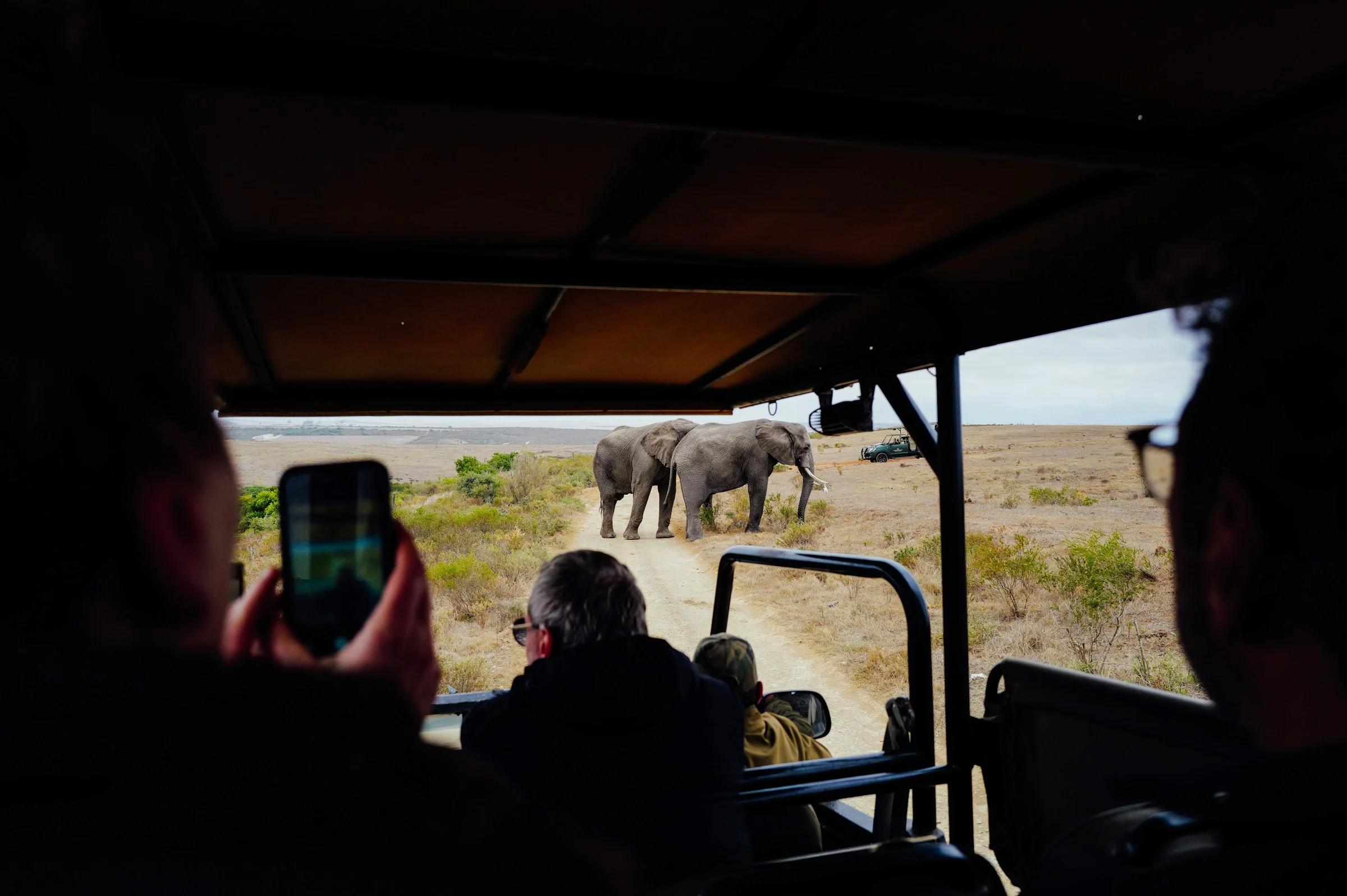
You may start early, pause for a meal and spend long periods watching or looking for animals. Some days use shorter drives with a camp break; others use a longer outing with a packed meal.
Ask how flexible the day is and discuss comfort stops before setting out. Let the guide know if someone needs a gentler pace.
Wildlife viewing includes quiet stretches. A sleeping pride, a bird beside the track or a herd moving through the distance can all be part of the experience.
On your first safari vacation, give yourself time to learn. Ask what the guide is looking for and why a particular place or hour is worth exploring.
13. Travel respectfully around wildlife and local hosts
Follow your guide and park rules. Stay in the vehicle at wildlife sightings, keep your body inside and leave animals space to move. Do not feed them or seek a reaction for a photograph.
For local visits, greet people and ask permission before taking portraits or entering private spaces. Confirm the host, activity and fees through a clear arrangement.
Keep expectations realistic. A guide can plan carefully and read the landscape, but no specific sighting or animal behaviour is guaranteed.
A good first safari vacation is a chance to observe, learn and enjoy the place while respecting the people and wildlife living there.
Sample safari packages for first-time guests
These are sample route ideas, not fixed departures or live prices. Camps, access, travel times and services depend on your dates and written quote.
Sample package: 7-day classic Northern Circuit safari
Day 1: arrive and stay in Arusha.
Day 2: visit Tarangire and continue to a suitable Karatu-area stay.
Day 3: travel through the Ngorongoro area to Central Serengeti.
Days 4–5: enjoy full game-drive days from the same camp.
Day 6: return toward Ngorongoro for an overnight stay.
Day 7: visit the crater and transfer onward, adding a night if your flight timing requires it.
Why it suits a first trip: it gives you three Serengeti nights and several different settings. Check the final day's driving before pairing it with an onward flight.
Request a 7-day private safari from TanzaLux Safaris.
Sample package: 10-day safari with more time in each place
Day 1: arrive and stay in Arusha.
Days 2–3: spend two nights in the Tarangire area.
Day 4: travel to your chosen Serengeti base.
Days 5–7: enjoy full wildlife days from that camp.
Day 8: return toward Ngorongoro or Karatu.
Day 9: visit the crater and stay a second night nearby.
Day 10: return to Arusha or your booked departure point.
Why it suits a first trip: four Serengeti nights and two Tarangire nights leave time to explore without a room change every day. Choose the Serengeti base for the season and your interests.
Build a slower first safari vacation with TanzaLux.
Sample package: 12-day safari and Zanzibar holiday
Days 1–6: follow an Arusha, Tarangire, Serengeti and Ngorongoro-area route.
Day 7: visit the crater and stay overnight in Arusha.
Day 8: take your separately booked Zanzibar connection.
Days 9–11: enjoy time at one beach base, with optional outings.
Day 12: transfer for your onward journey.
Why it suits a first trip: it gives wildlife and coastal rest their own time. Add a Stone Town night or extra beach nights if you want a longer cultural or seaside chapter.
Plan a private safari and Zanzibar escape with TanzaLux Safaris.
Your planning checklist before departure
Agree your dates, priorities and total budget.
Review the route, driving estimates and full viewing days.
Confirm rooms, private or shared services and inclusions.
Read booking, payment and cancellation terms.
Check entry, health and insurance preparation for your route.
Review current official travel advice before booking and departure.
Check every transport service and its baggage conditions.
Share dietary, access and comfort needs in advance.
Save the final itinerary, provider contacts and required documents.
Leave room for rest and the unexpected.
Use this as a working list for your first safari vacation. Tick off items against the final booking, not an early proposal that may have changed.
Why travel with TanzaLux Safaris?
TanzaLux is Tanzanian-owned and based in Arusha. The team plans around dates, pace, budget and interests. Its private safari service offers your own vehicle and guide on a tailored route.
That makes the planning conversation a useful place to explain your first safari vacation priorities. Ask why each camp fits the route, how much driving is involved and where you have full days to enjoy wildlife.
Review the current booking terms and get the final services in writing. Clear plans help you arrive with a good idea of what to expect.
Tell TanzaLux your dates and interests and start shaping your first safari.
Frequently asked questions
1. How do I start planning my first safari vacation?
Choose your priorities, likely dates, trip length and total budget. Share these with a planner, then review a focused route before committing to the details.
2. Is Tanzania a good first-safari option?
It is worth considering for a route combining varied wildlife areas. A Northern Circuit plan can include Tarangire, Serengeti and Ngorongoro, with time shaped around your pace.
3. How long should a first safari be?
A week can give an introduction, while a longer stay can reduce rushing or add a beach finish. Count full wildlife days as well as nights.
4. How many parks should I visit?
Choose a few that work well together. A long list is less useful if transfers leave little time to explore each place.
5. What is the best month to travel?
It depends on your goals and region. Discuss weather, access and wildlife interests together rather than looking for one month that is best everywhere.
6. Should I choose a private or joining safari?
Choose private use for a route and pace focused on your party. A joining trip may suit if you like its set departure, shared vehicle and social format.
7. Can I guarantee the Big Five or a migration crossing?
No. Wildlife moves freely and behaviour cannot be scheduled. Build several reasons to enjoy each area and allow time for patient viewing.
8. How do I compare safari prices?
Use the same dates, group size, room basis and services. Check whether figures are per person or per party and ask for all inclusions and exclusions.
9. Are tented camps always basic?
No. Some offer comfortable beds and private bathrooms. Check the actual camp, room category and facilities rather than judging by the word “tent.”
10. Should I travel by road or light aircraft?
Compare the complete journey, cost, comfort and connections. For flights, check the actual carrier, relevant safety advice, stops and baggage terms.
11. When should I book?
Start once you have a useful date range. Fixed dates, small camps and special room needs make early planning helpful, but availability must be checked for your trip.
12. What travel documents do I need?
Check official requirements for your nationality, entry route and transit points. Passport, visa and supporting-document rules are not identical for every traveller.
13. How should I prepare for health needs?
Consult a travel clinician in advance and review official destination health guidance. Share relevant comfort, dietary or access needs with your planner before confirming activities.
14. Does mandatory inbound insurance replace all other cover?
Do not assume so. Verify the current entry policy and review your own needs, limits and exclusions with an insurer, including evacuation and cancellation.
15. What clothing should I pack?
Choose comfortable layers, long trousers, breathable tops, a warm layer, rain protection, closed shoes and a hat. Adapt for walks, weather and any beach stay.
16. Is there one baggage allowance for every safari?
No. Check each carrier and transfer for weight, dimensions and bag style, including whether camera equipment and hand luggage count toward the limit.
17. Can children join a first safari?
Discuss ages, drive lengths, seating and room needs. Confirm each camp's and activity's rules, and choose a pace that works for the family.
18. Can I add Zanzibar after the safari?
Yes, if the time and budget allow. Build in the transfer day and enough beach nights, and check the actual connection and entry preparation.
19. What happens if I need a break during a drive?
Tell the guide early and discuss comfort stops before setting out. Use authorised places and follow instructions; do not leave the vehicle at a wildlife sighting.
20. What should I send TanzaLux for a first proposal?
Send your dates, party size, budget, main interests and preferred pace. Add room, diet, mobility or other needs so the first plan has a clear brief.
Ready to start planning?
Tell us your dates and what you're after — no obligation.