5.0 Excellent

Big Five Destination – Tanzania: A Safari Guide
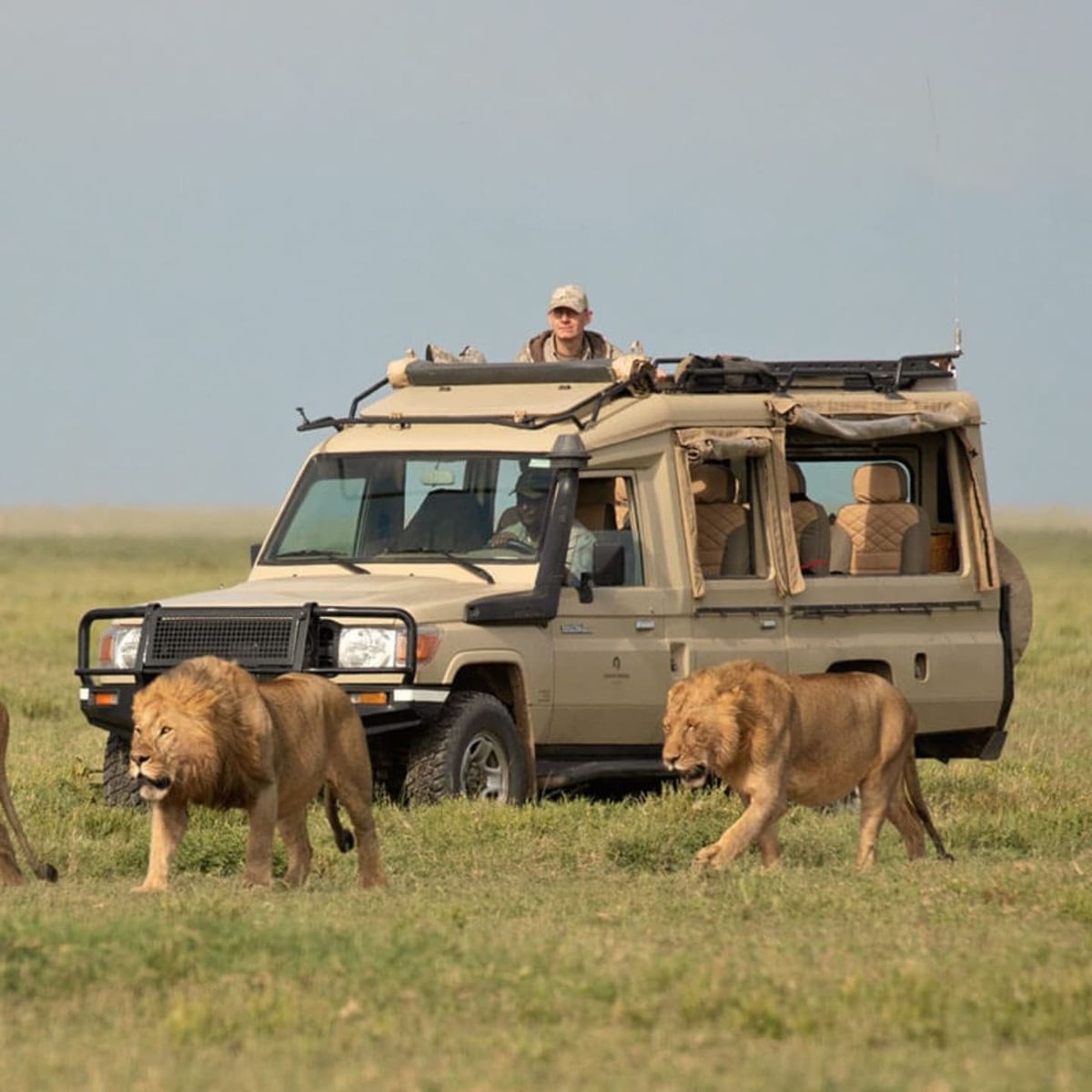
A Big Five safari in Tanzania brings you into landscapes shared by lions, leopards, elephants, buffalo, and rhinos. From the Serengeti plains to the Ngorongoro highlands, the country offers far more than five names to tick off. You can watch a herd feed, follow a cat's gaze, and learn how water and habitat shape each day.
Tanzania is a compelling Big Five destination because several wildlife areas can fit into one well-paced journey. Yet no route guarantees every species. The best plan combines suitable parks, enough time in the bush, and a guide who helps you enjoy what unfolds. This guide explains where to go, when to travel, and how to build that trip.
Plan your private Big Five safari with TanzaLux Safaris.
What are the Big Five animals?
The Big Five are the lion, leopard, elephant, African buffalo, and rhinoceros. The name comes from hunting history, rather than a ranking of the five largest animals. Today, travellers commonly use it for wildlife viewing and photography. Lex's reference entry explains the term's background.
For the classic northern Tanzania route in this guide, the rhino you hope to see is the black rhino. Giraffes, hippos, cheetahs, and wildebeest are not members of the Big Five. They can still become the highlight of your holiday. Give them the same time and interest when they appear.
Lion: the social big cat often seen with other pride members.
Leopard: a rosette-marked cat that can be hard to spot in cover.
Elephant: the large, trunked herbivore of woodland, grassland, and river landscapes.
African buffalo: a powerful wild bovine seen in herds or smaller groups.
Black rhino: a rare and carefully protected part of the northern safari story.
Why choose Tanzania for a Big Five safari?
Tanzania lets you link contrasting habitats within one trip. The Serengeti has plains, kopjes, woodland, and river corridors. Ngorongoro adds a volcanic crater and highland scenery. Tarangire brings baobabs and river habitats. Each place offers a different setting in which to watch wildlife.
That variety matters more than a promise of a perfect checklist. Different habitats give your guide different places to explore. Several nights also let you revisit an area in new light. A quiet drive one afternoon may lead to a rich morning the next day.
A Tanzania wildlife safari also has depth beyond the main mammals. Look for birds on a buffalo's back, small antelope beside the road, or the shape of an old tree. These details turn a drive into a story about an ecosystem. A good guide helps you notice the links.
Where should you go to see the Big Five?
Serengeti National Park: the core wildlife experience
Serengeti National Park supports all five animals. TANAPA's official wildlife overview lists them and describes the park's range of habitats. For travellers, the key point is scale: you cannot cover the whole park in a short stay.
Start your Serengeti Big Five plan with your dates and priorities. Choose a camp location that gives useful access to the areas you intend to explore. A famous lodge far from your planned drives can cost you hours on the road. Ask your planner to show where each night fits on the map.
Several nights in one area can be more rewarding than a new camp every day. Your guide can return to promising habitat while keeping the day flexible. Rhinos remain a rare sight; do not assume their presence in the park makes them easy to find. Respect any special access rules and restricted zones.
Ngorongoro Crater: a valuable part of the route
A Ngorongoro Crater safari adds a very different setting to a Big Five safari. The crater floor brings open views within steep volcanic walls. The wider conservation area also includes forested highlands and other landscapes. The Ngorongoro Conservation Area Authority lists the Big Five among the area's wildlife.
Include the crater when looking for black rhino in Tanzania, while keeping expectations measured. A rhino may be distant or out of sight. Bring binoculars and accept a small, clear view as a privilege. No guide can make an animal move closer to a road.
Leopards need particular patience. NCAA's wildlife brochure describes their occurrence on the forested rim and within the crater. That does not make a crater-floor leopard sighting routine. Treat the floor and the wider conservation area as distinct habitats when discussing your plan.
Tarangire: elephants and a change of scenery
Tarangire makes a rewarding addition to a Big Five safari, especially if elephants interest you. TANAPA highlights its elephant herds and the role of the Tarangire River in dry-season wildlife viewing. See the park's official attractions guide for this habitat context.
Enjoy Tarangire for its own strengths. Watch a family move between shade and water, then let the guide explain what you are seeing. Do not expect this stop to supply every missing Big Five animal. Plan rhino viewing around suitable northern destinations rather than relying on Tarangire.
Adding a second park also adds travel time and park costs. On a short trip, choose carefully. It can be better to enjoy two areas well than rush through four. Ask how many hours each proposed transfer takes under realistic conditions.
Can you choose southern Tanzania instead?
You can build a rich wildlife holiday around parks such as Ruaha or Nyerere. However, do not treat a southern route as interchangeable with a northern Big Five safari. Ask which species are realistic targets in the precise areas included. Rhino viewing needs a specific, credible plan rather than a broad destination claim.
If your main aim is the classic five, begin by comparing Serengeti and Ngorongoro options. If you value a different landscape or a particular activity more, discuss that too. The right route is the one that fits your interests, time, and budget.
Meet the five animals and learn how to watch them
Lion: look beyond the first portrait
Lions are a major draw on a Big Five safari. A first sighting may be a resting cat in the shade rather than a hunt. Stay interested. A change of posture, a greeting between pride members, or cubs at play can be just as striking as fast action.
Let the guide choose a legal viewing position with space around the animals. Do not ask the driver to wake a resting lion or block its path. If other vehicles are crowding a sighting, a patient pause or a quieter alternative may give you a better experience.
For background on lion habitat and conservation challenges, the African Wildlife Foundation's lion profile is a useful starting point. On your drive, ask about the behaviour in front of you. Each encounter is a moment in a wild animal's day.
Leopard: patience, cover, and careful looking
Leopards can blend into branches, rocks, and dense cover. Their coat carries dark rosettes, and they are strong climbers. The African Wildlife Foundation's leopard profile explains their climbing ability and use of varied habitats.
Scan slowly and let your guide direct your eye. A tail below a branch or a change in the shape of the shade may reveal the cat. Do not look only in trees; a leopard may also be on the ground. Binoculars can make a distant, calm view far more satisfying.
Missing a leopard on one drive is normal. A Big Five safari needs room for uncertainty, especially with a secretive cat. More time offers more chances to explore. It does not turn a wild sighting into a booked event.
Elephant: make room for the herd
Elephants deserve time rather than a quick stop for a close photograph. Watch how members of a group feed and move together. Notice the space they choose and the route they take. Your guide can help you read the scene without guessing each animal's mood from one gesture.
Never ask to drive between animals or block a route to water. Stay inside the vehicle unless your guide has authorised an activity in a suitable place. Follow instructions promptly if the driver needs to create more room. A respectful distance gives both guests and wildlife space.
Tarangire elephants are a strong reason to add the park to your journey. Yet an elephant encounter in the Serengeti can feel just as memorable. Focus on the quality of time spent watching, rather than how many herds you count.
African buffalo: a powerful presence
African buffalo can seem quiet while feeding, but they remain powerful wild animals. Give them space and follow the guide's directions. A lone animal deserves the same care as a large herd. Never approach on foot for a better angle.
For a richer view, watch the herd's movement across the landscape. Notice the light on the horns and the shapes of animals standing together. This can be a fine scene for wide photographs. A Big Five safari should leave room for these slower subjects.
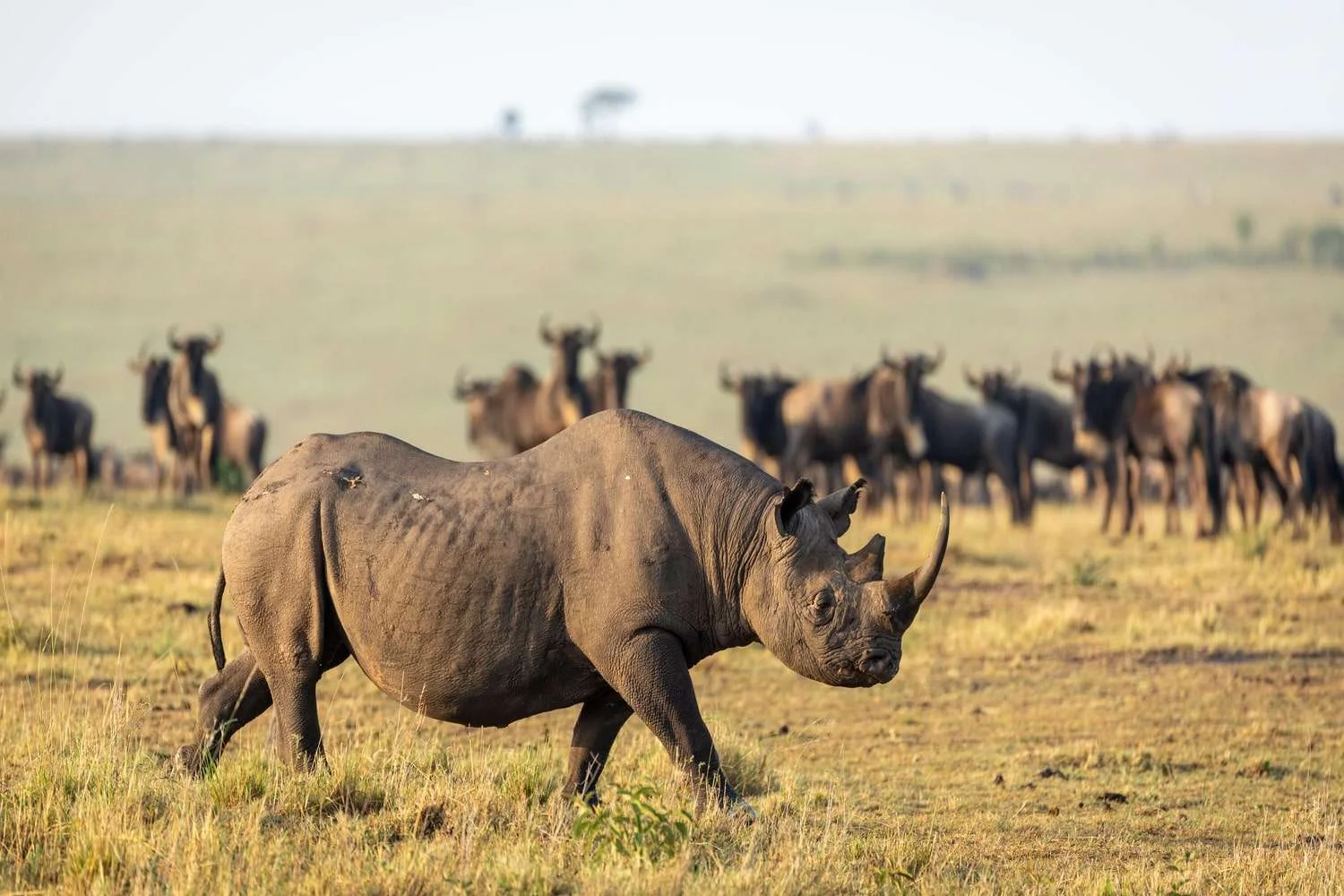
A black rhino in open grassland. A sighting may be distant, and patient viewing matters more than a close approach.
Black rhino: keep the encounter respectful
A rhino sighting is a special possibility on a northern Big Five safari. TANAPA's Serengeti brochure identifies the black rhino among the park's rare protected species. Plan for patience, distance, and rules that place conservation first.
Bring binoculars so you do not need a close approach to enjoy the view. Do not pressure a guide to enter a closed area or leave a permitted route. If a special viewing activity is suggested, confirm its current availability, fee, and permit conditions in writing.
Avoid sharing precise, live rhino locations on social media. Ask your guide about local guidance before posting. A sighting is not an invitation to reveal sensitive details. You can share the wonder of the encounter without giving an exact position.
When is the best time for a Big Five safari?
The northern parks offer wildlife viewing through the year. Your choice should reflect the parks, weather, camp locations, and pace you want. The Tanzania Tourist Board's seasonal guide notes year-round viewing in Serengeti and Ngorongoro, with dry-season strengths across many parks.
June to October: a popular dry-season choice
Dry conditions can reduce cover and draw animals towards remaining water. This often helps general wildlife viewing. Tarangire can be a strong addition at this time. Expect popular areas and camps to be busy, and book with enough lead time to secure a well-placed stay.
A dry-season Big Five safari still needs realistic expectations. Water and grass conditions vary by year. An animal may be present but hidden from your route. Cool early mornings also make a warm layer useful, even when the afternoon feels hot.
January and February: combine wildlife with southern plains
These months can suit a trip with interest in the wider southern Serengeti and Ndutu calving season. The timing of herds and births depends on conditions. A migration-focused camp choice and a Big Five plan need to be discussed together. They are related wildlife interests, but they are not identical routes.
Do not choose every night around one hoped-for scene. Include enough time for other habitats and interests. Your planner should explain where the itinerary seeks general wildlife and where it follows seasonal herd movements.
Wetter months: check access and camp plans
Rain can bring green scenery and dramatic skies. It can also affect tracks, drive times, and camp operations. Ask what is open for your exact dates and what happens if a road becomes unsuitable. A lower room rate does not always mean a lower total trip cost.
Choose travel dates with a clear view of these trade-offs. A flexible schedule can help, but it should still have confirmed accommodation and sensible transfers. No month removes the uncertainty that makes wildlife viewing a wild experience.
How many days should you allow?
For a first Big Five safari, consider roughly seven to ten days as a planning starting point. This is a recommendation for pace, not a promise of all five. It allows room for arrival, several wildlife days, and transfers. The exact balance depends on which parks you choose.
Count usable game-viewing time rather than trip length alone. An eight-day holiday may contain arrival and departure days plus long road journeys. Ask how many full or partial drives the proposal gives you. Keep an Arusha overnight if a final crater drive makes a same-day flight too tight.
A shorter Big Five safari can still be rewarding if you reduce the number of stops. A longer trip can add rest and different habitats. Neither guarantees a complete list. Choose a pace that leaves you keen to explore the next morning.
What to expect on a private game drive
A private Tanzania safari gives your travelling party its own agreed vehicle and guide for the road safari. Confirm the arrangement in the quote. It can let you spend more time with one sighting or return to camp earlier. Park rules, closing times, and road conditions still apply.
The guide may suggest an early start, a picnic drive, or split morning and afternoon outings. Discuss your comfort and interests each evening. Families may want a shorter drive; photographers may prefer to wait for changing light. Let the day's plan stay flexible within the confirmed services.
Tell the guide what interests you most, while staying open to other wildlife.
Use binoculars before asking to move closer.
Keep voices low and movements calm at sightings.
Stay within the vehicle's safe viewing areas and follow the guide.
Use only approved places for breaks and meals.
Allow time to leave a sighting without rushing to a gate.
A successful Big Five safari is not measured by constant action. Quiet drives give you time to understand habitat, tracks, and smaller life. Ask questions and enjoy the landscape. Some of the best memories come from an encounter you never expected.
Choosing camps and planning your budget
Start with camp location, then consider comfort and style. A beautiful room is less useful if it puts every planned drive hours away. Check whether the lodge is inside the wildlife area or outside a gate. Ask how that affects daily access and fees.
Luxury can mean a peaceful setting, thoughtful service, and enough time in one place. It does not guarantee rare animals or an empty park. Discuss your preferences for beds, meals, bathrooms, power, and family rooms. Ask about steps or long walks if access needs matter to you.
For your Big Five safari budget, request an itemised proposal. Check accommodation, meals, park and conservation charges, vehicle use, guide services, transfers, and any internal flights. Clarify what is excluded, such as tips, drinks, optional activities, and personal purchases.
Ask for the currency, travel dates, party size, room sharing, and quote validity to be clear. A private road safari does not automatically include private flights or exclusive activities. Avoid comparing two total prices until you understand the services behind them.
Sample Big Five safari packages
These sample routes are starting points for a tailored proposal. They are not fixed offers or promises of particular sightings. Camps, permits, flights, and optional activities need confirmation. Your dates and interests should shape the final plan.
6-day Serengeti and Ngorongoro safari
Day 1: Arrive in Arusha and rest.
Day 2: Travel through the highlands to the Serengeti, with viewing en route where permitted.
Day 3: Spend a full day exploring suitable Serengeti habitats.
Day 4: Enjoy a morning drive, then travel towards the Ngorongoro highlands.
Day 5: Take a crater drive and return to Arusha.
Day 6: Transfer for departure.
This compact route focuses on two core areas. Road days are substantial. A longer stay is worth considering if you want more unhurried drives.
Request a tailored 6-day Big Five safari proposal.
8-day Northern Circuit with Tarangire
Day 1: Arrive in Arusha.
Day 2: Drive to Tarangire, explore, and stay near the park.
Day 3: Enjoy more Tarangire viewing, then continue to Karatu.
Day 4: Travel to the Serengeti with wildlife viewing where permitted.
Days 5–6: Spend two full days on Serengeti game drives.
Day 7: Return towards the Ngorongoro highlands.
Day 8: Visit the crater and return to Arusha for an overnight stay. Arrange onward travel for the following day.
This route combines elephants, plains, and crater scenery. Camp locations should suit the season and your drive plans. Ask for transfer times before finalising flights.
Build an 8-day northern Tanzania wildlife package.
12-day Big Five safari and Zanzibar holiday
Day 1: Arrive in Arusha and settle in.
Day 2: Explore Tarangire, then stay in Karatu.
Day 3: Take a Ngorongoro Crater drive and stay in the highlands.
Day 4: Continue to the Serengeti.
Days 5–6: Enjoy full days of wildlife viewing.
Day 7: Fly to Zanzibar on a suitable service and stay in Stone Town.
Day 8: Take a guided town walk, then transfer to your beach hotel.
Days 9–11: Relax by the coast, with optional activities to suit you.
Day 12: Transfer for departure.
Check internal flight schedules, possible stops, and baggage limits. Zanzibar extends the holiday with coast and culture; it does not add another Big Five game drive. Choose beach nights according to your pace.
Design a 12-day safari and Zanzibar escape.
Pack for better wildlife viewing
Bring binoculars for each keen observer if possible. A distant rhino or a leopard in shade can be difficult to share through one pair. Pack a camera you know, spare power, and enough storage. A long lens helps with detail, but a phone can still record the landscape and the day.
Choose light layers, a warm top for cool starts, and sun protection. Carry water as advised by the guide. Soft luggage may be needed on small aircraft; confirm the exact limits with the booked carrier. Keep key personal items and documents easy to reach.
On a Big Five safari, protect your equipment from dust without making it slow to use. A simple bag or cover can help between sightings. Put the camera down at times too. Watching with your own eyes is part of the experience.
Why travel with TanzaLux Safaris?
TanzaLux Safaris is a Tanzanian-owned company based in Arusha. Its trips are planned around the guest's dates, pace, and priorities. That approach suits a Big Five safari because camp location and usable time matter as much as a list of park names. Read about the TanzaLux team and its planning approach.
Tell the team whether this is your first safari, a family holiday, or a return trip focused on photography. Ask for a clear route with a private guide and vehicle where agreed. Discuss rest, long drives, and the level of comfort you want. These details help turn a general idea into a trip that fits you.
Review the proposal together before booking. Confirm camps, room types, transfers, park visits, flight arrangements, and exclusions. Ask how the team will stay in touch during the journey. Clear plans and honest expectations give you a sound start, while wildlife remains free to surprise you.
Travel with respect for the places and people along the route. Follow park rules and pay required fees through the confirmed arrangements. If you want to support a particular conservation project, ask for a named recipient and clear terms. Do not assume every safari sale includes a separate donation.
Start your Tanzania Big Five journey with TanzaLux Safaris.
Frequently asked questions
1. Is Tanzania a Big Five destination?
Yes. Tanzania has wildlife areas that support lions, leopards, elephants, buffalo, and rhinos. Serengeti and Ngorongoro are core options for a northern route. Seeing all five on one holiday is possible, but never guaranteed.
2. Which animals make up the Big Five?
The group includes lion, leopard, elephant, African buffalo, and rhinoceros. On a classic northern Tanzania route, black rhino is the relevant rhino target. Cheetahs, giraffes, and hippos are not members of this group.
3. Why are they called the Big Five?
The term comes from hunting history and the challenge associated with these animals. It is not a list of the largest species. Today, the name is widely used for watching and photographing wildlife.
4. Can I see all five in Serengeti National Park?
All five occur in the park, but a complete set of sightings is not assured. Rhinos are rare and some animals can be hidden or far from your route. Plan several wildlife days and keep expectations flexible.
5. Should I include Ngorongoro Crater?
It is a useful addition to many northern routes, especially when rhino is a priority. It also offers a distinct volcanic landscape. A crater visit does not guarantee a rhino, leopard, or all five animals in one day.
6. Is Tarangire a good addition?
Yes, particularly for elephant viewing and a change of habitat. The river and baobab landscapes give it a distinct feel. Include it for these strengths rather than expecting it to complete every Big Five sighting.
7. Which Big Five animal is hardest to find?
Rhinos and leopards often need particular patience on northern itineraries. The answer varies with location, conditions, and chance. Ask your guide about realistic expectations for the areas you will visit rather than relying on a fixed ranking.
8. What is the best month to travel?
There is no single best month for every guest. June to October is popular for dry-season viewing, while northern parks also offer year-round interest. Match dates with your chosen areas, camp locations, and any migration plans.
9. Can I combine the Big Five with the Great Migration?
Yes, with a route shaped around the season and enough time. The migration moves across a large ecosystem. A camp chosen for herds may not suit every other wildlife goal, so discuss both interests together.
10. How long should my safari be?
About seven to ten days is a useful starting point for a first northern trip. Shorter routes can work if you limit stops. Count actual wildlife-viewing time, since arrival, departure, and transfer days reduce time in the parks.
11. Can a tour operator guarantee all five?
No responsible wildlife itinerary can guarantee free-ranging animals on a set schedule. Good planning helps you explore suitable habitat. Animal movement, cover, weather, and chance still shape what you see.
12. Is a private safari worth considering?
A private vehicle and guide can help tailor the day's pace to your party. Confirm this service in the quote. You still follow park rules and share public wildlife areas with other visitors.
13. Is this type of safari suitable for children?
It can be, with a family-friendly route and suitable accommodation. Check age rules for camps and optional activities. Discuss drive length, toilet breaks, and safe behaviour with the planner before booking.
14. Do I need a long camera lens?
A long lens helps with distant detail, especially when close approaches are unsuitable. Binoculars are useful even if you do not take photos. Choose equipment you can use easily and follow the guide's distance instructions.
15. Can I leave the vehicle near wildlife?
Only leave it when your guide authorises this in an approved place or activity. Do not step out for a closer photograph. Stay within safe viewing areas and follow camp and park instructions throughout the trip.
16. Does a luxury camp improve sighting guarantees?
No. Location, access, and time can support a good viewing plan, but luxury does not control wildlife. Choose comfort that suits you and a camp placed sensibly for your route. Treat sightings as wild encounters.
17. What should a safari quote include?
Ask for accommodation, meals, guiding, vehicle use, park charges, transfers, and flights to be itemised where relevant. Check exclusions and optional activity fees. Confirm the party size, dates, room arrangement, and currency behind the total.
18. Can I add Zanzibar after the safari?
Yes. Many travellers combine northern wildlife areas with Stone Town and beach time. Confirm flights, transfers, baggage limits, and hotel nights as one clear plan. Leave enough time for connections rather than rushing the final drive.
19. How can I make my wildlife viewing responsible?
Keep a respectful distance, stay on permitted routes, and avoid disturbing animals for photographs. Do not feed wildlife or share sensitive live rhino locations. Follow the guide and ask for clear details of any optional conservation donation.
20. How do I plan with TanzaLux Safaris?
Share your dates, group size, preferred comfort, budget range, and main wildlife interests. Ask for a tailored proposal with clear inclusions. Review the route and confirmed services together before booking your Big Five safari.
Ready to start planning?
Tell us your dates and what you're after — no obligation.