5.0 Excellent

Are Giraffes Friendly?
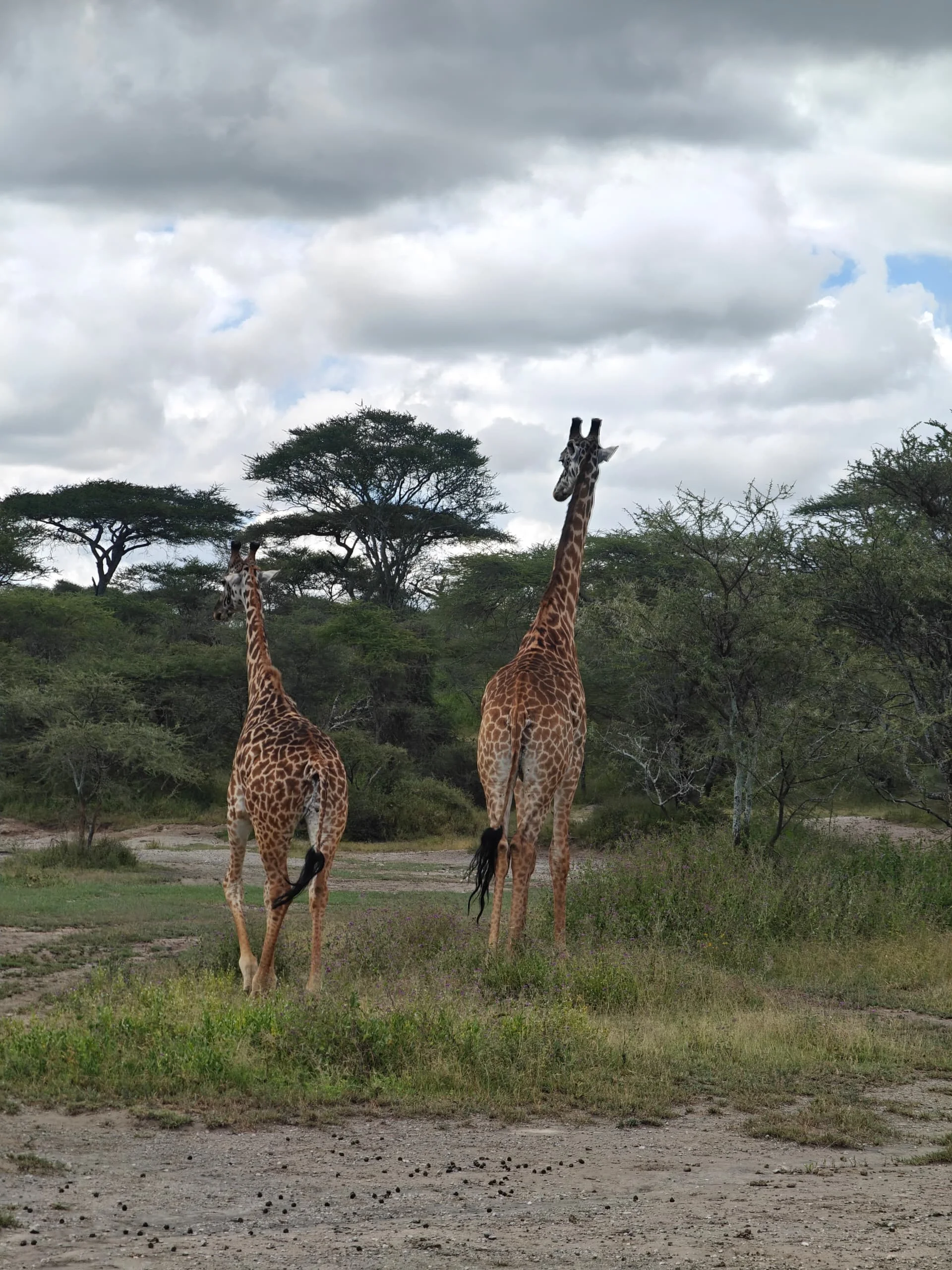
Are giraffes friendly? They can look calm and curious, but wild giraffes are powerful animals that need space. Watching them browse beside a safari track can feel peaceful. That does not make them safe to touch, feed or approach on foot.
Understanding giraffe behaviour helps you enjoy the encounter on the animal's terms. This guide explains social bonds, defensive behaviour and what respectful viewing looks like. It also covers places to see giraffes in Tanzania, sample safari packages and practical answers for first-time guests.
Plan a private wildlife safari with TanzaLux Safaris.
Are giraffes friendly to humans?
A giraffe may carry on feeding while people watch from a vehicle. It may also pause and look towards them. These moments can seem friendly, but they do not show that the animal wants contact. A wild animal's tolerance can change with distance, disturbance and the situation around it.
It helps to separate three ideas:
Calm: the animal appears to be going about its day.
Used to vehicles: it may tolerate ordinary traffic without moving away.
Safe to approach: this cannot be assumed from either of the above.
For safari guests, the best response is simple. Stay within the vehicle, keep noise low and let your guide choose where to stop. Enjoy a natural view rather than seeking a reaction. You can feel a strong connection to wildlife without physical contact.
Giraffe behaviour: what a calm encounter can show you
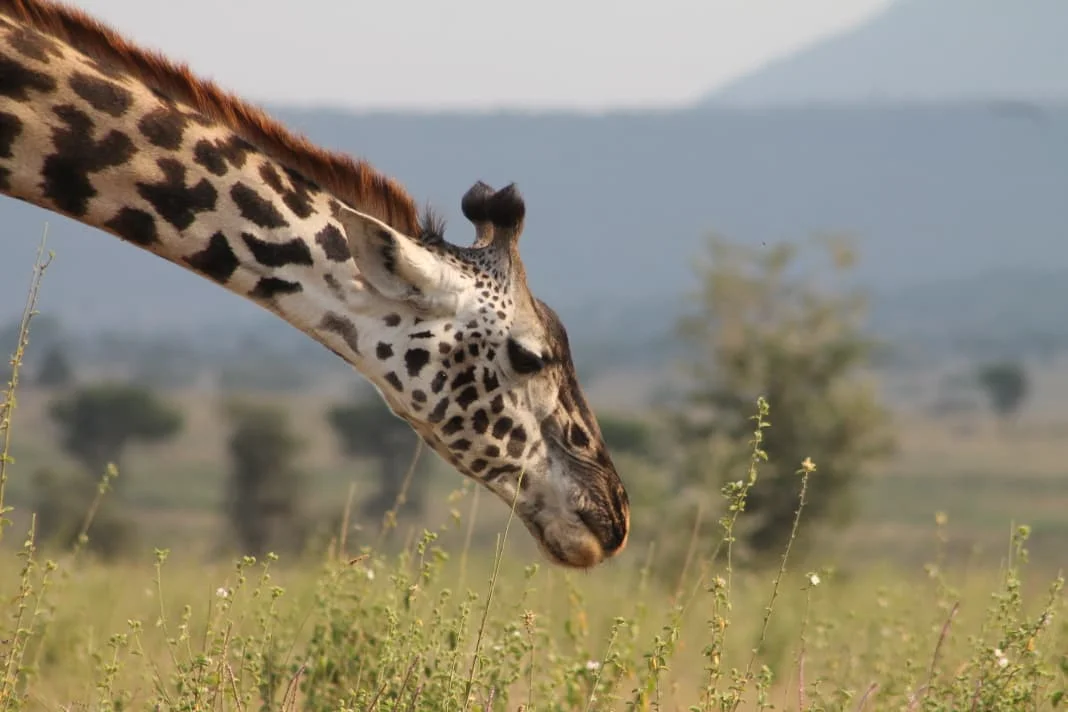
Giraffes are browsers. They feed mainly on trees and shrubs, using their lips and long tongues to reach vegetation. A good sighting may involve little drama: a step forward, a reach into the branches, then a pause to chew.
The Giraffe Conservation Foundation's facts guide explains their feeding and other adaptations. Use that knowledge to watch with more purpose. Notice which plants they choose, how they move between trees and how much time they spend in one patch.
Giraffe behaviour becomes more rewarding when you stop looking only for a close portrait. A wider view can reveal the animal's place in the landscape. Its height, its choice of food and the distance between group members all become part of the story.
Are giraffes dangerous despite being herbivores?
Yes. A plant-based diet does not make a large wild animal harmless. Giraffes can defend themselves with strong kicks. Their size and strength mean an encounter can cause serious injury, especially if someone is too close or tries to handle the animal.
The Taronga Zoo giraffe guide describes the power of a giraffe's kick. The point for travellers is to respect that ability, rather than become afraid of every sighting. A calm game drive with sensible distance is very different from entering an animal's space.
Do not test how much a giraffe will tolerate. Do not walk underneath its neck, reach towards its face or stand near its legs. Leave close handling to qualified wildlife staff working under proper procedures. Ordinary visitors have no reason to try it.
Do giraffes form friendships with each other?
Giraffes have social lives that are more complex than a chance gathering at a tree. Groups can join and split over time. This changing group pattern does not mean that all relationships are brief or random.
A study of female Masai giraffes in northern Tanzania found distinct social communities and preferred associations. Researchers also found links between proximity to human settlements and the structure of those relationships. These were population-level findings, not a way to predict what one giraffe will do beside your vehicle.
On safari, look at the group as well as the individual. Who is feeding nearby? Which animals move in the same direction? Your guide may help you ask better questions about giraffe behaviour, while being honest about what a short sighting cannot prove.
Why do giraffes swing their necks at each other?
Necking can involve social contact, practice or more intense competition between males. It should not automatically be described as either a cuddle or a serious fight. The context and force of the interaction matter.
Research on adolescent giraffe social behaviour describes necking on a scale from gentle contact to forceful combat. This is a useful reminder that giraffe behaviour does not fit neatly into human labels such as friendly or angry.
If you see two animals interacting, watch from where your guide stops. Give them room to move. Never ask the driver to edge between them for a closer angle. A short video of the whole scene can be more useful than a tight crop that hides what happened before and after.
Giraffe behaviour around mothers and calves
Calves can be charming to watch, but their presence calls for extra care. Never try to approach a young giraffe or position yourself between it and an adult. A small calf is still a wild animal, and adults need room to respond to events around them.
Keep the whole group in view. A calf may be hard to see in long grass or behind a tree. Let your guide judge when to wait and when to move on. A photo is never worth separating animals or blocking their path.
For families travelling with children, this is a good lesson in giraffe behaviour and respect. Ask children to watch quietly and describe what they see. They can enjoy the animal's movement, colour and height without trying to attract its attention.
Can body language tell you when to move back?
Body language can help an experienced guide assess a scene, but it is not a simple safety test for visitors. A single ear position, stare or tail movement cannot tell you that an approach is safe. Nor should you wait for an obvious warning before allowing space.
Let your guide know if an animal stops what it was doing, moves away from the vehicle or changes direction towards your group. These observations need context. They are reasons to pay attention and follow instructions, not to try to diagnose an animal's mood yourself.
The most useful giraffe behaviour rule is to avoid creating pressure in the first place. Do not follow an animal that is moving away. Do not crowd it with several vehicles. Leave a clear route so it can continue its day.
Giraffe behaviour and safe viewing from a vehicle
Good viewing starts before you reach the sighting. Listen to the vehicle briefing and agree on simple rules for the whole party. Cameras, phones and excited children should all stay within the guide's instructions.
Stay inside the vehicle near wildlife. Get out only where permitted and when your guide says it is appropriate.
Keep your body and arms within the vehicle's safe viewing area.
Speak quietly and avoid sudden attempts to draw an animal's attention.
Never offer food, water or branches to bring a giraffe closer.
Let animals cross the track. Do not demand that the driver block them for a photo.
Accept the decision to leave a sighting when the guide judges it necessary.
TANAPA's Serengeti park guidance tells visitors not to harass, feed or interfere with wildlife, or get out or hang out of vehicles near animals. Follow the current rules for the park you visit and any ranger directions on the day.
What if a giraffe walks towards the vehicle?
Remain calm, keep your hands inside and follow the guide's instructions. Do not assume the giraffe is coming to greet you. It may simply be using the same route or moving towards food beyond the vehicle.
Do not reach out, shout or offer a snack. Let the driver manage the vehicle's position and give the animal room. Avoid sudden changes of seat that could distract the guide. If you are unsure what to do, ask quietly.
There is no need to turn normal giraffe behaviour into a staged encounter. A crossing can be a lovely moment precisely because you have allowed it to happen without interference.
Can you feed or touch giraffes in Tanzania?
On a wild safari, do not feed or touch giraffes. Food should never be used to change their route or draw them towards guests. A photo from a managed facility elsewhere does not set the rules for a national park.
Even a dedicated giraffe visit may have a strict no-contact policy. The Arusha Giraffe Centre's visitor FAQ, for example, states that visitors must not touch or feed its giraffes. The centre describes guided observation and naturally foraging animals.
If you are considering a facility visit, ask about animal welfare, supervision and its exact visitor rules. Check current booking arrangements directly. No centre visit or special access is included in the sample safari routes below unless it appears in your written quote.
Ask TanzaLux about a safari built around natural wildlife viewing.
Where can you see giraffes in Tanzania?
The Masai giraffe is native to Tanzania. The country's national giraffe conservation plan describes its use of varied savanna and woodland habitats. A route with suitable browsing habitat gives you a better focus than a promise of a particular animal at a set hour.
Arusha National Park
Arusha can be a rewarding start to a northern trip, with lakes, forest edges and open areas. The official park guide includes giraffes among its wildlife and describes walking and canoe options that require arrangements. Any walk needs the proper permissions and escort. It is not a chance to approach giraffes freely.
Tarangire National Park
Tarangire is worth considering for giraffes alongside elephants, baobabs and varied habitats. It also gives you time to enjoy smaller scenes between major sightings. The official habitat guide describes its woodland, grassland and wetland mix. Ask your guide to focus some time on browsing animals instead of rushing only towards big cats.
Serengeti National Park
The Serengeti offers more than migration herds and predators. Include woodland areas and time for ordinary resident wildlife in your plan. Several nights give more room to explore at a calm pace. Your camp location, legal tracks and conditions will shape each day's options.
Giraffe sightings are never guaranteed in any park. Choose more than one suitable habitat if giraffes are a major interest. Tell your planner that you want time to watch giraffe behaviour, rather than only a quick stop for a photo.
When is the best time to watch giraffes?
Giraffes are resident wildlife, so you do not need to time a trip around a single migration crossing. Viewing conditions still change with rain, vegetation, roads and the location of food. Dry months can offer more open views in some areas. Greener months may bring lush backgrounds and a different feel.
Choose dates for the whole trip, including comfort, lodge space and other wildlife goals. Ask about the park and camp you are actually booking. A broad seasonal label is less useful than clear advice about that route.
For learning about giraffe behaviour, time is often as valuable as timing. Two or three patient sightings can reveal more than one very close encounter. Allow full game-drive days and leave room to wait when the scene is rewarding.
Photography tips that respect giraffe behaviour
Use a zoom lens or binoculars to bring the view closer. Do not use the vehicle to force that closeness. A wide image with trees, sky and the full animal can be more striking than a head shot taken at an intrusive distance.
Frame the full height: leave room above the head and below the hooves.
Watch the background: shift your framing from your seat rather than demanding a new vehicle position.
Show the habitat: include the tree the giraffe is feeding from.
Wait for movement: a turn of the head may improve the shot without any prompting.
Keep the group in mind: avoid blocking other guests or distracting the driver.
Put the camera down for a few minutes as well. Ask your guide what the animals are doing and what remains uncertain. That conversation can make your Tanzania safari more memorable than a large set of nearly identical photos.
How can respectful viewing help giraffe conservation?
Conservation extends beyond one vehicle encounter. The Giraffe Conservation Foundation identifies loss and fragmentation of habitat among the pressures giraffes face. Animals need connected space as well as protection at a viewing stop.
As a visitor, choose guides who follow access rules and leave animals room. Ask how an operator supports local conservation, and request specific evidence for any claimed donation or partnership. Do not assume that a luxury price alone proves a conservation benefit.
Learning about giraffe behaviour can also change what you value. Quiet browsing, group movement and an undisturbed path are worthwhile sights. A close selfie does not need to be the measure of a good safari.
Sample packages for a giraffe-focused Tanzania safari
These routes are illustrative planning ideas. They are not fixed offers, live prices or guarantees of giraffe sightings. TanzaLux can check dates, rooms, guides and travel times before quoting your trip. Fees, meals, transport and optional activities should be listed clearly.
Sample package: 4-day Arusha and Tarangire escape
Day 1: arrive in Arusha, meet your planner and rest.
Day 2: explore Arusha National Park on a guided game drive.
Day 3: travel to Tarangire and enjoy wildlife viewing, then stay near the park.
Day 4: take a further game drive if permits and timing allow, then return to Arusha.
This short trip suits guests who want a gentle first safari. Add a night before an early onward flight. Any walking activity needs separate confirmation and the required park arrangements.
Request an Arusha and Tarangire safari quote.
Sample package: 7-day Northern Circuit wildlife journey
Day 1: arrive in Arusha and settle in.
Day 2: visit Tarangire and stay near Karatu.
Day 3: travel to the central Serengeti.
Days 4–5: spend full days watching wildlife in the Serengeti.
Day 6: return towards the Ngorongoro highlands.
Day 7: enjoy a crater game drive, then return towards Arusha.
Tarangire and Serengeti provide the giraffe focus. The crater adds a different wildlife landscape. Confirm the final day's flight connection, and add an Arusha night where needed.
Plan a private Northern Circuit wildlife safari.
Sample package: 10-day safari and Zanzibar stay
Day 1: arrive in Arusha.
Day 2: explore Tarangire.
Day 3: transfer to the Serengeti.
Days 4–5: enjoy full game-drive days with time for giraffes and other wildlife.
Day 6: return to Arusha for an overnight stay.
Day 7: take a booked connection to Zanzibar and transfer to your hotel.
Days 8–9: rest by the coast, with optional outings quoted separately.
Day 10: transfer for onward travel.
This route leaves space to enjoy the bush before slowing down at the beach. Actual flights, luggage limits and transfer times must be checked before the order is confirmed.
Create a Tanzania safari and Zanzibar package.
Why travel with TanzaLux Safaris?
TanzaLux is a Tanzanian-owned company based in Arusha. Its planning approach starts with your dates, budget, pace and interests. That allows you to explain why giraffes matter to you and request more time for quiet wildlife watching.
A private road safari can give your party its own guide and vehicle. Discuss photo stops, children's needs and rest time before booking. Ask your guide about giraffe behaviour during sightings, and accept that animal welfare and park rules shape what is possible.
TanzaLux can also help link safari and Zanzibar plans. Request a written itinerary with named accommodation, transport details and clear inclusions. A well-planned trip creates room for natural encounters without relying on staged contact or guaranteed sightings.
Enjoy the encounter without asking for contact
Are giraffes friendly? The most useful answer is that they can appear peaceful while remaining fully wild. Social bonds within a giraffe group do not make a human approach welcome. Give them room, trust your guide and enjoy what unfolds.
Learning about giraffe behaviour adds depth to an ordinary game drive. A quiet moment at a tree can become the sighting you remember best. Choose a route that gives those moments time.
Start planning your giraffe-focused Tanzania safari with TanzaLux.
Frequently asked questions
1. Are giraffes friendly?
They may seem calm or curious, but they are wild animals. Tolerance of a vehicle is not an invitation to approach. Watch quietly and follow your guide's instructions.
2. Are giraffes dangerous to people?
They can be. Their size and strong kicks can cause serious injury. Keep your distance and never try to touch, corner or handle a wild giraffe.
3. Do giraffes like humans?
You cannot tell from a look or a calm sighting. An animal may tolerate people in one setting and react differently in another. Avoid assigning it a human motive.
4. Why do giraffes look at safari vehicles?
Giraffe behaviour needs context. A look alone does not establish the reason. Let your guide assess the whole scene. Do not assume the animal is seeking attention or use its interest to move closer.
5. Can you touch a wild giraffe?
No. Guests should not try to touch wild giraffes. Keep hands inside the vehicle and allow the animal to choose its path without interference.
6. Can you feed giraffes on safari?
No. Do not offer snacks, branches or other food to wild animals. Follow park rules and keep all food secure, even when a giraffe appears curious.
7. What should I do if a giraffe approaches our vehicle?
Stay calm, keep your hands inside and follow the guide. Do not reach out or offer food. Let the driver manage the position and allow room for the animal.
8. What is normal giraffe behaviour around other giraffes?
Groups can feed, move and rest together, then split or join other groups. Social ties can persist within that changing pattern. A short sighting shows only part of their lives.
9. Why do male giraffes fight with their necks?
Necking includes gentle social contact, practice and stronger competition. Males can use their heads and necks in forceful combat. Watch from a safe position chosen by your guide.
10. Are giraffes gentle with their calves?
Adult-calf interactions are part of their natural social life. Visitors should observe without interference. Never approach a calf or get between it and an adult.
11. Does a giraffe give a clear warning before reacting?
Do not rely on a warning. Behaviour needs context and can change quickly. Keep space from the start and let a trained guide assess the encounter.
12. Is there one safe distance for every giraffe sighting?
No single number covers every situation. Follow current park rules and your guide's judgement. Use binoculars or a zoom lens when the animal is farther away.
13. Can children enjoy giraffe viewing?
Yes, with close adult supervision and a suitable safari plan. Explain quiet viewing before the drive. Keep children within the vehicle and follow the guide's instructions.
14. Can I walk near giraffes in a national park?
Only as part of a permitted guided activity under its rules. Do not step out of a game-drive vehicle to approach them. Confirm age, fitness and escort requirements before booking.
15. Which giraffes live in Tanzania?
The Masai giraffe is native to Tanzania. Ask your guide to explain what you are seeing, including its coat pattern and habitat, without turning identification into a reason to approach.
16. Where can I see giraffes in Tanzania?
Arusha National Park, Tarangire and Serengeti are useful northern route options. Choose suitable habitats and allow time. Every sighting depends on free-ranging animals and local conditions.
17. Is giraffe viewing limited to migration season?
No. Giraffes are resident wildlife. Rain, vegetation and access still affect viewing, so choose dates for the whole route rather than a migration event alone.
18. How can I photograph giraffes respectfully?
Use a zoom lens, stay within the vehicle and keep noise low. Include the landscape in some frames. Never call, feed or crowd an animal to change its position.
19. Can a safari guarantee close giraffe sightings?
No. Wild animals move freely, and respectful guides cannot promise closeness. Choose a route with time in suitable habitat and enjoy the encounter at the distance offered.
20. Can TanzaLux plan a trip focused on giraffe behaviour?
Yes. Share your dates, budget and wildlife interests. Ask for patient game-drive time, suitable parks and a clear quote. Giraffe sightings and particular behaviours remain natural events.
Ready to start planning?
Tell us your dates and what you're after — no obligation.