 5.0 Excellent

Top 10 Zanzibar Food Dishes to Try for Your Luxury Visit
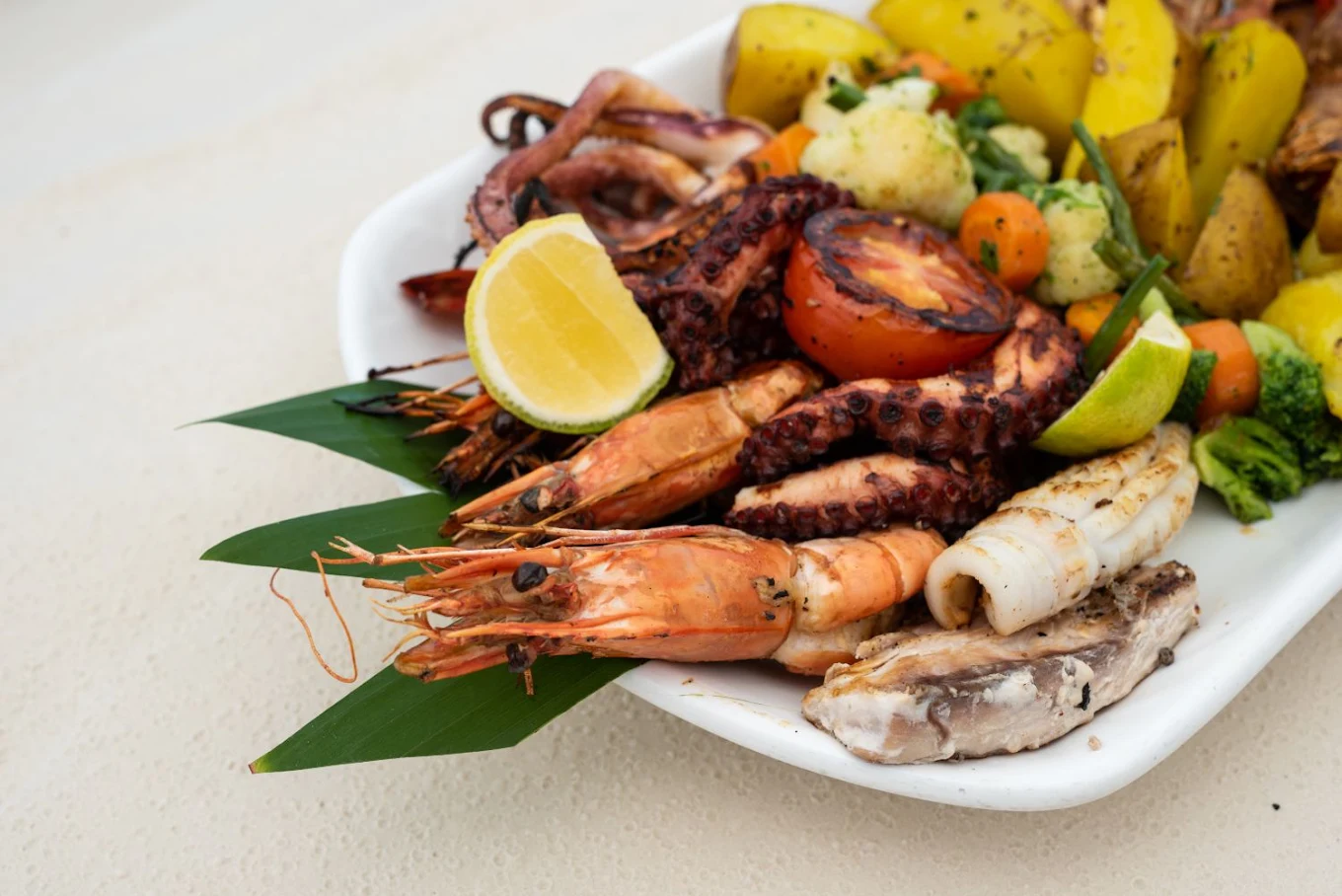
Zanzibar food adds a rich new layer to a luxury island escape. A bowl of spiced rice, fish in coconut sauce, or a warm rice cake can tell you as much about a place as a view from the beach. Leave time to taste slowly and ask what is on the plate.
This guide brings together ten dishes worth seeking out, from Stone Town snacks to coastal meals and breakfast treats. Some are shared across the Swahili coast and wider East Africa. Recipes vary between homes, cooks, and restaurants, so this is a tasting guide rather than a single rule for how each dish must be made.
A thoughtful Zanzibar holiday can include both a relaxed restaurant meal and a guided look at local food culture. Choose the setting that suits you, confirm dietary needs early, and build meals into the route. The best food memories often come from giving a simple dish your full attention.
Plan a Zanzibar escape with TanzaLux Safaris and make local food part of your journey.
What makes Zanzibar food worth exploring?
Swahili cooking draws on the island's coastal setting and long links across the Indian Ocean. Coconut, rice, fish, beans, and fragrant spices appear in many forms. The Tanzanian Embassy's Zanzibar overview describes the blend of cultural influences found in its cuisine.
Cloves, cinnamon, cardamom, ginger, and other spices can add scent and warmth. Chilli brings a separate kind of heat, and the amount varies by cook. Ask for your preferred heat level rather than assuming every dish will be fiery or mild.
Luxury Zanzibar dining can be about time, comfort, and good hosting as much as the table setting. A well planned lunch, a cook explaining a family dish, or a quiet breakfast can all belong in the same trip. Leave room for the food beyond a resort's international menu.
Top 10 Zanzibar food dishes to add to your tasting list
1. Urojo: a tangy bowl of Zanzibar mix
Urojo, often called Zanzibar mix, brings broth and a mix of toppings into one bowl. Versions may include potatoes, fritters, cassava crisps, chutneys, egg, or meat. The appeal is the play of tangy, soft, and crisp textures as you eat.
Ask what is included before the bowl is assembled. You can then understand the cook's version and check any ingredients you avoid. Start with a modest serving if you plan to taste other dishes at the same meal.
For a relaxed visit, ask your guide to find a suitable place where you can sit and learn about the dish. Mamas of Zanzibar's own menu includes urojo among its local food examples, along with many home-style dishes. An individual cooking experience may have a fixed menu, so request details in advance.
2. Zanzibar pizza: a folded griddle-cooked snack
Zanzibar pizza is made with thin dough folded around a filling and cooked on a hot griddle. Savoury versions can contain egg, vegetables, meat, or cheese. Sweet versions may use fruit and chocolate spread. Ask what is going into yours rather than ordering by the name alone.
This is a fun Zanzibar food choice when you want to watch a cook at work. Notice how the dough is stretched and the edges folded before cooking. You can enjoy the process without trying to fit a full evening meal into one snack.
Forodhani Gardens is a well known evening food setting in Stone Town. The Tanzania Tourist Board's visitor guide highlights its food market. Plan a guided visit if you want help with context and ordering, and make your own food-safety choices with care.
3. Biryani: fragrant rice with a rich main dish
Biryani belongs on a Zanzibar food tasting list for its scent, colour, and depth of flavour. Spiced rice may be layered with meat or served with a rich sauce alongside it, depending on the kitchen. Chicken, beef, seafood, and vegetable versions can appear on menus.
Order it as the focus of a leisurely lunch. Ask which version is being prepared that day, what sides come with it, and whether the serving suits sharing. The dish can be filling, so leave space in the plan before a large dinner.
Enjoy the rice on its own for a first bite, then add a little sauce. This helps you notice how the parts work together. A restaurant may add yoghurt-based accompaniments or cook with ghee, so a vegetable version is not automatically dairy-free or vegan.
4. Pilau: rice cooked with aromatic spices
Pilau is another rewarding way to explore Swahili cuisine. Rice is cooked with fragrant spices and often stock, with meat or vegetables depending on the recipe. Cardamom, cinnamon, cloves, and pepper may be part of the blend.
The pleasure lies in how the rice takes on the seasoning. It can be a complete meal or part of a table with other dishes. Ask the cook how their pilau differs from the biryani they serve; local answers are often more useful than a rigid definition.
Try pilau on a different day from biryani so each gets its own place in the trip. If you avoid meat, ask about the stock as well as the visible ingredients. Zanzibar food is full of variation, and that question helps you order with confidence.
5. Pweza wa nazi: octopus in coconut sauce
Pweza wa nazi pairs octopus with a coconut-based sauce. Spices and other ingredients vary, while rice or a bread may complete the meal. It is a useful dish to ask about when you want to explore Zanzibar seafood beyond a plain grill.
Choose a kitchen that can explain the dish and its preparation. Ask what is available, where the seafood comes from, and how it will be served. Availability should guide the choice, rather than an expectation that one dish must be supplied every day.
The Zanzibar App's food guide describes this coconut-and-octopus dish alongside coastal fish preparations. Give it the space of a proper lunch or dinner, rather than adding it to an already crowded order.
6. Samaki wa kupaka: fish with a coconut finish
Samaki wa kupaka is a coastal fish dish associated with coconut sauce and spice. Some kitchens grill the fish; others use a different cooking method or serve a fillet. Ask whether you are ordering a whole fish, a portion, or a boneless preparation.
It can suit a quiet beachfront lunch when you want to slow down. Rice makes a simple partner for the sauce. If you prefer a mild version, ask whether chilli is in the sauce already or can be served separately.
Boho Social's lunch menu provides one restaurant example of this dish. The version you receive elsewhere may differ. Treat published menus as a starting point and confirm the day's choice before travelling for a particular meal.
7. Mishkaki: marinated meat on skewers
Mishkaki brings the scent of a grill to the Zanzibar food experience. Pieces of marinated meat are threaded on skewers and grilled, with the meat and seasoning varying by kitchen. They can appear as a snack or as part of a larger plate.
Ask which meat is used, how many skewers form a serving, and what comes with them. A small order can fit a tasting lunch. For a full dinner, let the restaurant suggest a suitable accompaniment rather than ordering too many dishes at once.
Choose food cooked thoroughly and served hot. The smell of a grill does not tell you how a dish has been stored or handled. A guide can help you communicate, but no venue or tour can guarantee that a meal is free of risk.
8. Maharage ya nazi: beans in coconut
Maharage ya nazi, also written as maharagwe ya nazi in some menus, is beans cooked with coconut. It offers a comforting change of pace from rice and seafood. The sauce and seasoning depend on the cook, and it may be served with rice or bread.
This is a lovely dish to discuss during a cooking experience. Ask how the beans are prepared, what the coconut adds, and which side the host would choose. The Mamas of Zanzibar menu lists beans in coconut among its food examples.
It can be a useful option for plant-based travellers when the full recipe suits them. Check stock, added fats, and preparation methods before calling a serving vegetarian or vegan. Simple questions can reveal more than a menu heading.
9. Vitumbua: small rice cakes for a slow breakfast
Vitumbua are small rice cakes cooked in a pan with rounded wells. They are often lightly sweet, with coconut common in recipes. A warm serving with tea can make breakfast feel like part of the island experience rather than a quick stop before a tour.
Ask your hotel whether it can offer them during your stay. A request made ahead gives the kitchen a chance to explain what is possible. You may also encounter them in a café or another local breakfast setting.
For Zanzibar food at an easy pace, make one morning deliberately slow. Taste the cake before adding anything to it, notice the texture, and ask how it is cooked. Rice as a main ingredient does not establish that every recipe or shared pan is gluten-free.
10. Mandazi: lightly sweet fried dough
Mandazi are pieces of fried dough enjoyed as a snack or at breakfast across much of East Africa. Some recipes use cardamom or coconut milk. Shapes, sweetness, and texture vary, so there is room to try more than one cook's version.
Order a small warm serving with tea or coffee. A gentle breakfast is a good place to enjoy something simple without a large menu. If you want less sugar in your drink, say so when you order.
Mr. Kahawa's Paje kitchen guide describes both mandazi and vitumbua as morning treats. They make a useful final pair on this Zanzibar food list: two small foods with different bases and textures, each worth tasting in its own right.
Make time for an unhurried coastal meal, with a menu and setting chosen for your tastes.
How to enjoy Zanzibar food during a luxury stay
Build a varied week around a few good meals. You might start with a local-style breakfast, plan one Stone Town food outing, and reserve a coastal dinner. Leave free time between them so that a tasting plan still feels like a holiday.
Plan a guided Stone Town food tour
Ask for a walk that includes context on ingredients and daily life. A food guide can help you read a menu, speak with cooks, and find the kind of setting you prefer. Confirm the route, duration, accessibility, and whether tastings are included.
A market visit may include raw ingredients as well as ready-to-eat food. Decide with the guide whether you want to shop, learn, or eat. You can enjoy the atmosphere without tasting everything on display.
Request a cooking experience in advance
A hosted lesson can bring you closer to the method behind a dish. Ask what you will cook, who will host, how hands-on the session is, and what the meal includes. Confirm transport and any kitchen access limits.
Share allergies and dietary needs before the date is confirmed. A fixed menu may not suit every guest. If the kitchen cannot meet your needs, choose another experience rather than hoping the recipe can be changed on arrival.
Make one evening feel special
For a romantic meal or a celebration, discuss the setting as well as the food. Ask about steps, seating, weather cover, transport after dark, and how long a set menu takes. A beautiful view is more enjoyable when the practical details work.
Reserve special meals early enough for your dates, and confirm the current menu and price. A beachfront dinner, rooftop table, or private chef service should be requested and quoted separately. None is assumed to be included in a hotel room or sample package.
Tell TanzaLux which food experiences you would like woven into your Zanzibar holiday.
Dietary needs and food choices to discuss before you travel
Food is part of the pleasure of travel, and clear preparation helps you enjoy it. Tell your planner and hotel about dietary needs in advance. Then confirm each order with the kitchen, since ingredients and cooking methods can change.
For food allergies, the CDC's allergy travel guidance recommends clear ingredient questions and translated allergy information. Carry your prescribed medicines and follow your own clinician's emergency plan. If a kitchen cannot confirm ingredients or cross-contact controls, choose another meal.
Vegetarian or vegan: check stocks, ghee, butter, milk, egg, and garnishes.
Gluten-free: ask about flour in broth, coatings, dough, sauces, and shared equipment.
Seafood allergies: discuss ingredients as well as shared grills, oil, tools, and surfaces.
Halal needs: request confirmation from the venue rather than assuming every dish qualifies.
Heat preference: ask how much chilli is already in the dish.
Use food and water precautions throughout the trip. The CDC's food and water guidance favours fully cooked food served hot and safe drinking water. Street food carries added uncertainty; a busy stall alone does not prove safe handling. Luxury surroundings do not remove the need for care either.
Choose sealed bottled water or water that has been adequately treated. Check the source of ice. Wash hands before eating, and avoid raw or undercooked seafood. These steps reduce risk but cannot make every meal risk-free.
A simple Zanzibar food tasting plan
Spread the ten dishes across several days. The outline below is flexible and depends on availability, your appetite, and your diet. You do not need to finish a checklist to have eaten well.
First morning: ask about vitumbua or mandazi at breakfast.
Stone Town lunch: choose pilau or biryani as the main dish.
A guided food outing: learn about urojo or Zanzibar pizza and decide what to taste.
A coastal lunch: ask about fish with coconut sauce or pweza wa nazi.
A cooking session: explore beans in coconut or another dish offered by the host.
Another dinner: try mishkaki or revisit a favourite in a new kitchen.
Ask about opening arrangements during Ramadan and follow local guidance on eating in public. Be respectful when taking photographs of vendors, diners, or cooking in a home. A food purchase does not replace permission for a close portrait.
Sample luxury packages with time for Zanzibar food
These are sample routes for discussion, not fixed departures. Hotels, meals, guides, tastings, cooking sessions, flights, and special dinners must be confirmed in your quotation. Food activities are optional unless the proposal lists them as included.
5-day Stone Town and Spice Coast Escape
Day 1: Arrive, transfer to Stone Town, and enjoy a relaxed dinner.
Day 2: Take a guided heritage walk with a planned food stop or optional evening market visit.
Day 3: Visit a spice farm or join a pre-booked cooking session, then transfer to your beach hotel.
Day 4: Enjoy the coast and request a local dish for lunch or dinner.
Day 5: Transfer for departure.
This short trip balances context with rest. Confirm whether lunch is part of the farm or cooking visit. Choose one main activity on transfer day so the journey stays calm.
Tailor a five-day Zanzibar escape with Stone Town, a food experience, and time by the sea.
7-day Zanzibar Culinary and Beach Retreat
Day 1: Arrive and settle into Stone Town.
Day 2: Explore with a guide and enjoy a planned restaurant lunch.
Day 3: Take a cooking experience or spice visit, then move to your coastal hotel.
Days 4–5: Leave time for the beach, slow breakfasts, and optional meals outside the hotel.
Day 6: Enjoy a free day with a separately arranged celebration dinner if desired.
Day 7: Transfer for departure.
A longer stay gives Zanzibar food room to become part of the daily rhythm. Ask about travel time before choosing restaurants far from your hotel. A quiet meal close by may fit the day better than a long return drive.
Create a seven-day Zanzibar retreat with local flavours and the level of comfort you prefer.
12-day Tanzania Safari and Zanzibar Flavours Journey
Day 1: Arrive in Arusha.
Day 2: Explore Tarangire and stay in or near the park.
Day 3: Continue to the Ngorongoro highlands.
Day 4: Enjoy a crater drive, with another highlands night.
Day 5: Travel to a suitable Serengeti base.
Days 6–7: Explore on game drives.
Day 8: Take a confirmed flight connection to Zanzibar and stay in Stone Town.
Day 9: Join a guided town and food outing, then transfer to the coast.
Days 10–11: Relax, taste local dishes, and add a cooking session if desired.
Day 12: Transfer for departure.
Confirm flight stops and baggage limits before choosing the connection. Allow a transit night if needed. Private road guiding does not make flights, boat trips, or all food activities private.
Combine a private wildlife safari with Zanzibar and a thoughtfully planned food experience.
Why travel with TanzaLux Safaris?
TanzaLux Safaris is Tanzanian-owned and based in Arusha. Its team plans safari and coastal journeys around your dates, interests, pace, comfort, and budget. Share your interest in Zanzibar food early so that the route leaves time for it.
You can discuss hotel locations, transfers, a mainland safari, and island activities in one planning conversation. Ask for the host and inclusions of any food tour or cooking session in writing. A tailored plan should make clear which services are private and which may be shared.
TanzaLux can help shape a trip around the kind of meals you enjoy, from a gentle breakfast to a special dinner. Dietary requests, restaurant availability, and a private chef need specific confirmation. A meal plan or room rate should never be assumed to include every food experience described here.
A memorable island visit needs space for both discovery and rest. Choose a few dishes that excite you, learn from the cooks you meet, and enjoy the variety that makes Zanzibar food such a rewarding part of a Tanzania holiday.
Contact TanzaLux Safaris for a personal Zanzibar itinerary and a clear quotation.
Frequently asked questions
1. What Zanzibar food should I try first?
Choose one dish that suits your taste and diet. Pilau or biryani can make a good main meal, while mandazi or vitumbua fit breakfast. Urojo is an interesting choice when you want to learn about a mixed local dish.
2. Is Zanzibar food always hot and spicy?
No. Many dishes use fragrant spices, while chilli heat varies by cook. Ask whether chilli is already in the sauce and request your preferred level. A dish described as mild elsewhere may taste different to you.
3. Is Zanzibar pizza like an Italian pizza?
It is usually a thin dough parcel cooked on a griddle. Fillings can be savoury or sweet. Ask for the ingredients of the version you are ordering, since meat, egg, cheese, or other additions may be used.
4. What is urojo made from?
It combines a tangy broth with a selection of toppings. Potatoes, fritters, cassava crisps, chutneys, egg, and meat can appear in different versions. Ask the cook to explain the bowl rather than assuming every serving is the same.
5. How do pilau and biryani differ?
Pilau generally cooks rice with spices and stock. Biryani may use layers or rice with a rich sauce served alongside. Methods vary between kitchens, so tasting and asking about the local preparation is part of the pleasure.
6. What is pweza wa nazi?
It is octopus with a coconut-based sauce, with spices and sides chosen by the kitchen. Ask about the day's availability and preparation. If seafood is not suitable for you, choose another dish from the list.
7. What does samaki wa kupaka mean on a menu?
Expect a fish dish with a coconut-and-spice preparation. The cooking method, portion, and sauce vary. Confirm whether the dish is a fillet or whole fish, what sides it includes, and how much chilli is used.
8. Can vegetarians enjoy Zanzibar food?
Yes, with clear ingredient questions. Beans in coconut, vegetable rice dishes, and some snacks may suit. Check stock, added fats, and garnishes rather than relying only on the absence of visible meat.
9. Are coconut dishes automatically vegan?
No. Coconut may be used alongside dairy, meat stock, fish, or egg. Ask about the whole recipe and how it is prepared. A dish name alone does not confirm that it meets a vegan diet.
10. Are vitumbua gluten-free?
Rice is central to many recipes, but that does not confirm every serving is gluten-free. Check added ingredients and shared equipment. If you have coeliac disease or an allergy, explain the level of care required before ordering.
11. Are mandazi served only as dessert?
No. They are commonly enjoyed as a snack or at breakfast, often with tea or coffee. Sweetness, shape, and seasoning vary. Ask for a small serving if you want to compare them with rice cakes.
12. Where can I explore Zanzibar food in Stone Town?
A guided food walk, a restaurant meal, or a look at Forodhani's evening market can provide different experiences. Confirm the route and tastings in advance. Visiting a market does not mean you need to eat every food offered.
13. Is Zanzibar street food guaranteed to be safe?
No. Handling, storage, cooking, and water quality all matter. Street food carries added uncertainty, and a busy stall is not proof of safety. Choose carefully and follow travel-health guidance, especially if you have additional health needs.
14. What should I do if I have a food allergy?
Tell the planner, hotel, and kitchen in advance and confirm each order. Carry clear allergy information, prescribed medicine, and your emergency plan. If ingredients or cross-contact cannot be confirmed, choose a different meal or setting.
15. Can a food tour cater for every diet?
Do not assume so. Some tastings and cooking sessions have fixed menus or shared kitchens. Confirm your needs with the actual host before booking. A suitable alternative may be better than trying to change the experience on arrival.
16. Is every meal in Zanzibar halal?
Do not assume every venue, ingredient, or preparation meets your requirements. Ask the restaurant to confirm sourcing and cooking practices. Make the request clear before a set menu or special dinner is booked.
17. Can I join a Zanzibar cooking class?
Ask TanzaLux to check a suitable hosted experience for your dates. Confirm the dishes, group size, language, transport, dietary fit, and price. A cooking session is separate from a standard hotel stay unless specifically included.
18. Should I reserve a luxury dinner in advance?
Advance planning is sensible for a special table, set menu, or private meal. Confirm the current menu, weather arrangements, access, and transport. Published menus and old prices may have changed by your travel date.
19. Can I combine Zanzibar food experiences with a safari?
Yes. Build the island stay after a mainland wildlife route, with time for Stone Town and the coast. Check flight connections and leave breathing room around transfers so that meals and activities do not feel rushed.
20. Are the sample packages all-inclusive?
No inclusions should be assumed from these outlines. Ask for a quote listing hotels, meals, transfers, guides, flights, and food experiences. Optional cooking sessions, tastings, and special dinners need written confirmation from TanzaLux.
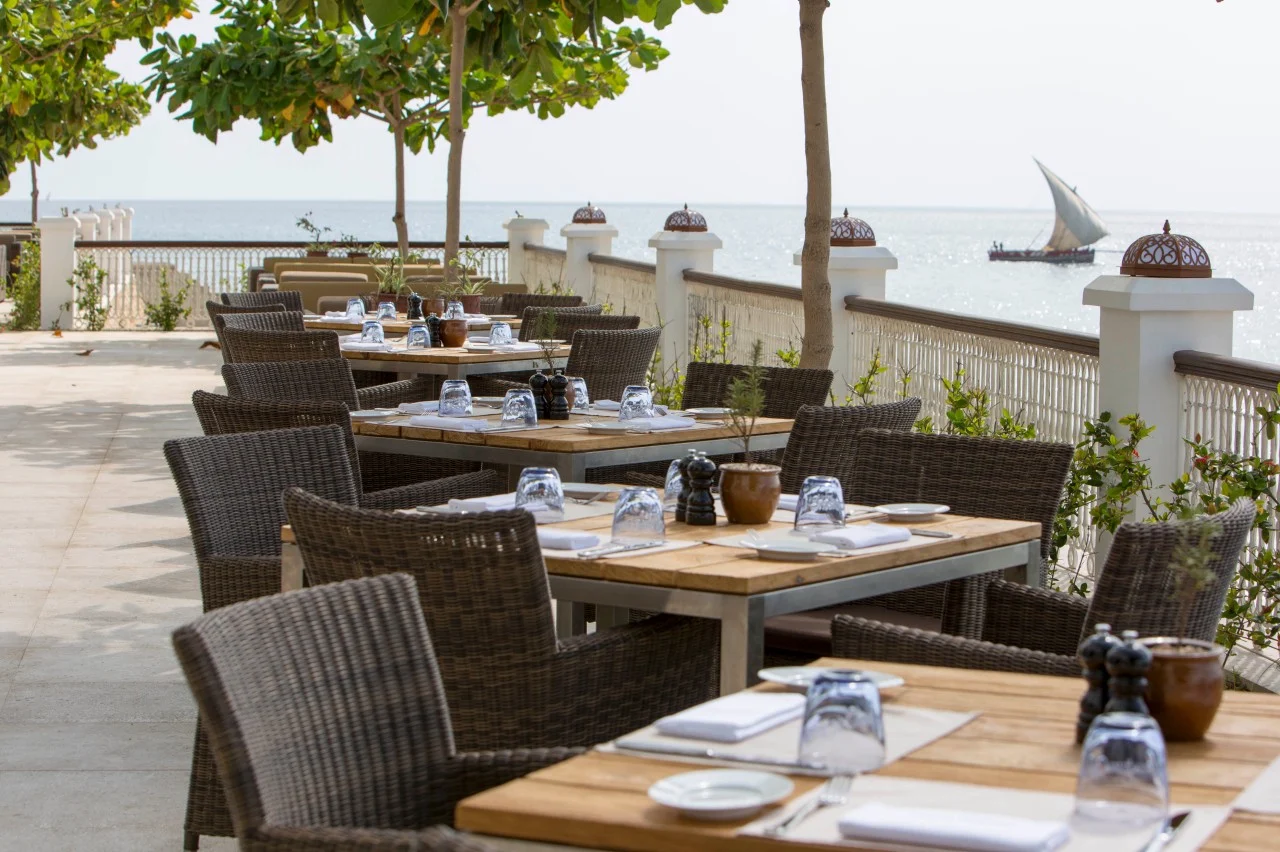
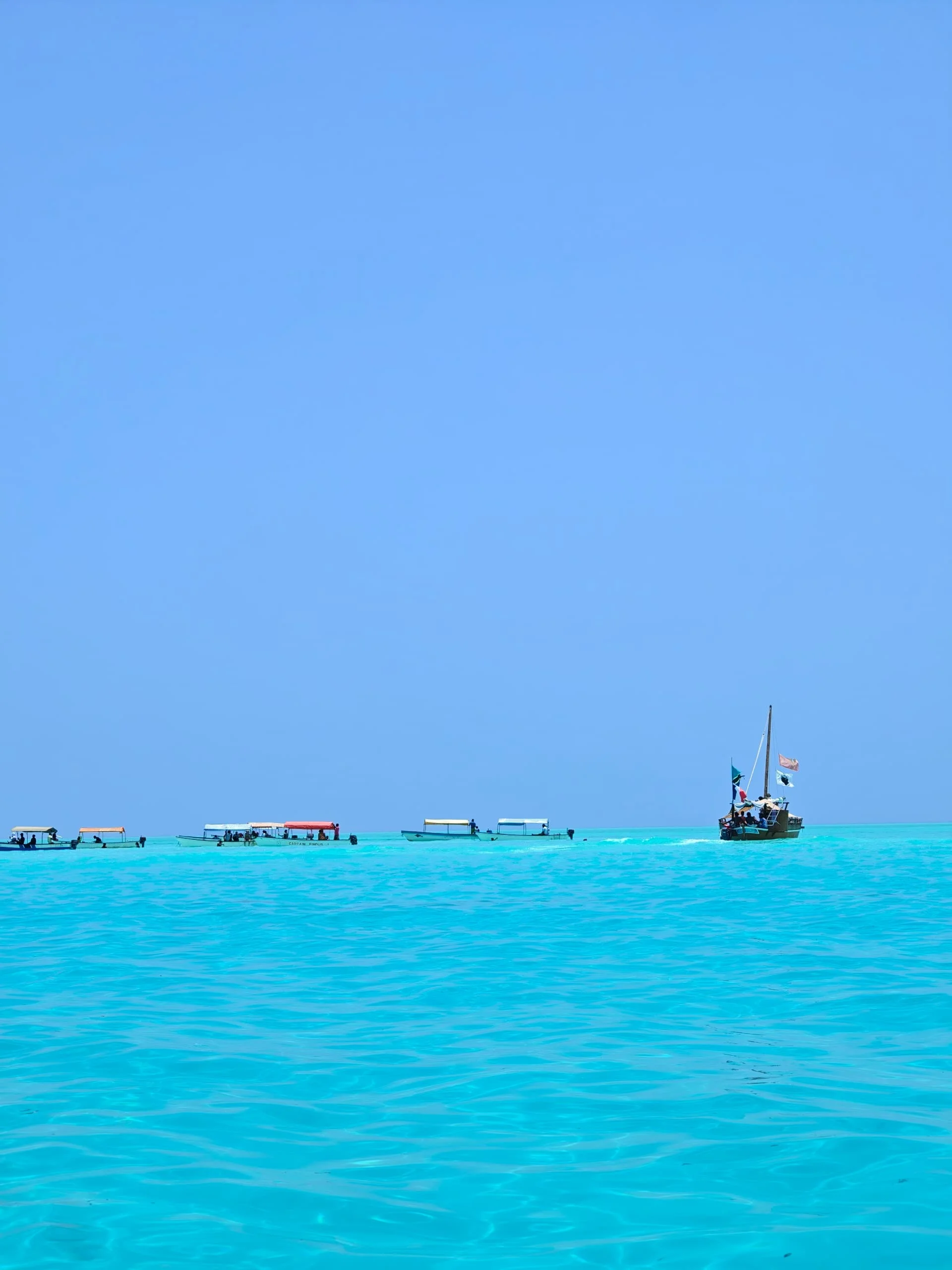
Ready to start planning?
Tell us your dates and what you're after — no obligation.
