5.0 Excellent

Top Zanzibar Scuba Diving Sites
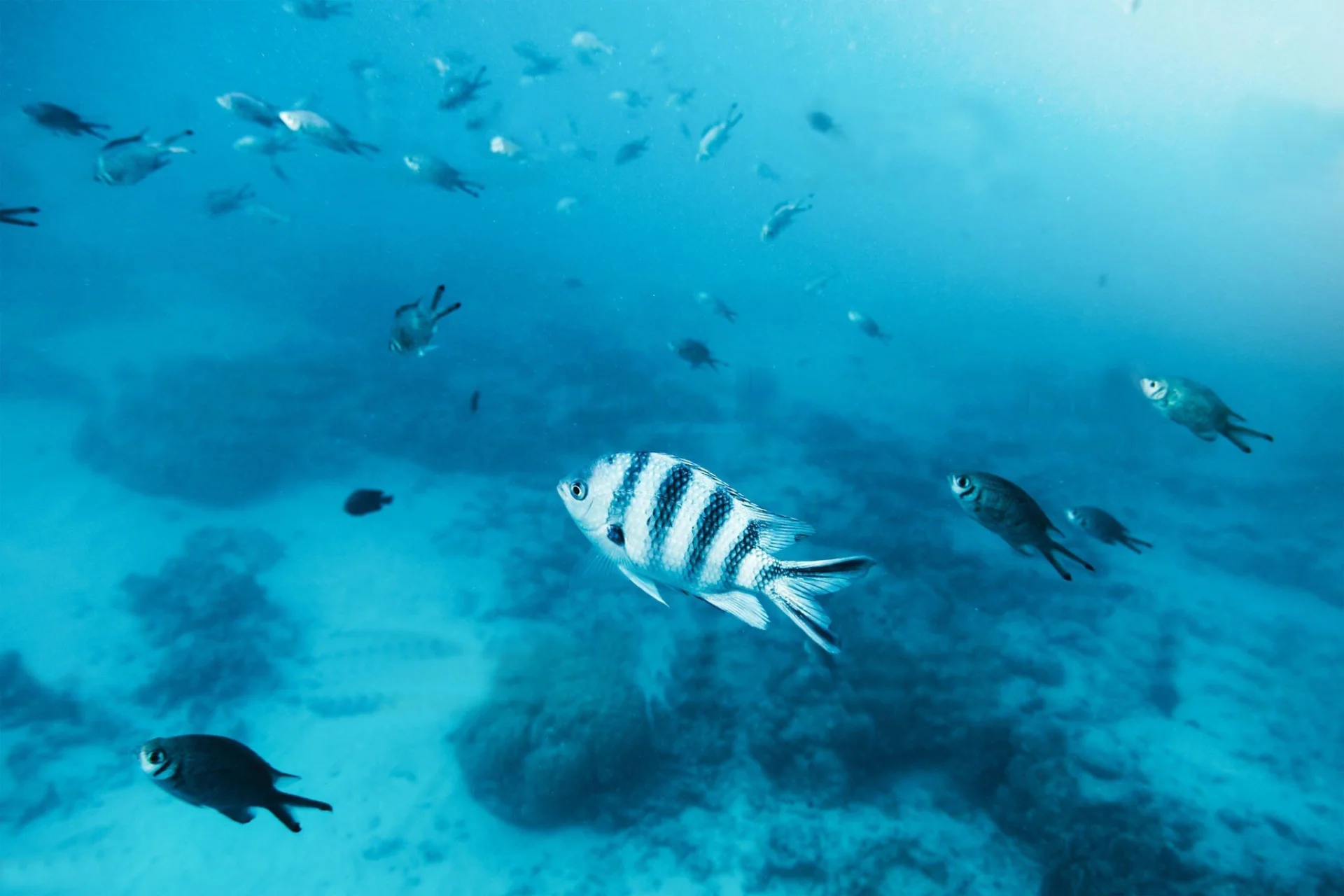
Zanzibar scuba diving brings a new dimension to a Tanzania holiday. Beyond the white sand are coral gardens, sloping reefs, walls and small marine creatures that reward a patient eye. The best site for your trip depends on your training, recent dives and the sea conditions on the day.
This Zanzibar scuba diving guide compares nine Zanzibar dive sites and areas. Eight are around Unguja, the island most visitors call Zanzibar. The final choice is a separate Pemba extension. You will also find practical booking tips, sample packages and advice on linking dives with a mainland safari.
Ask TanzaLux to plan your safari and Zanzibar escape.
How to choose your Zanzibar scuba diving base
Start with the dive area, then choose the hotel. A lovely beach does not always mean a short journey to the boat. Ask where you will meet the crew, whether a road transfer is needed and how tides affect departure.
Matemwe and the northeast: useful bases for Mnemba Atoll diving.
Nungwi and Kendwa: options for northern reefs, Tumbatu and selected offshore trips.
Stone Town: a base to discuss west-coast reefs and wreck outings with a local centre.
Pemba: a separate island stay for divers who want more time around its reefs and walls.
Choose a qualified dive operator that will assess your experience and select the right dive plan. A site name is not a promise of calm water. Even a shallow reef can be unsuitable when currents, visibility or surface conditions change.
The site notes below describe general features, rather than a dive plan. Any quoted depth range describes the reef, not a depth you should aim to reach. Your dive card, age limits, skills and the guide's briefing set the limits of your dive.
1. Wattabomi: a varied Mnemba reef slope
Wattabomi is a good place to discuss when planning Zanzibar scuba diving around Mnemba. The reef slopes through different depths, with coral formations and sandy areas offering a changing view. TGI describes a range of roughly 6–30 metres, so the same site name can cover quite different profiles.
Best for: reef scenery and a route matched to the group. Planning note: ask which section is right for your level and the day's current. A beginner label never means permission to follow the slope deeper.
See the TGI dive-site guide. Marine life varies; enjoy what you find without expecting a particular animal.
2. Kichwani: coral walls and schooling fish
Kichwani gives divers a chance to enjoy a reef wall rather than a flat seabed. One Ocean's Mnemba guide describes coral structure and schools of reef fish. The appeal is in the changing shapes and the view along the wall, as much as any one sighting.
Best for: divers seeking a reef-and-wall experience suited to their training. Planning note: ask your operator about the entry, current and planned maximum depth. Do not follow another diver down simply because the reef continues below you.
The One Ocean Mnemba site guide gives useful context. Your local briefing should always take priority over a general description.
3. Shetani: a small wall near Tumbatu
Shetani offers a different setting for Zanzibar scuba diving on the western side of Tumbatu. The PADI listing describes a shallow wall with coral-covered features and overhangs. This can reward a slow pace and close observation from a respectful distance.
Best for: reef detail and a wall profile selected by a local professional. Planning note: a shallow wall is not a reason to enter caves or swim beneath confined overhangs. Stay on the route agreed in the briefing and within your training.
Check the PADI Shetani site entry. Ask about the actual conditions and group level before booking the boat.
4. Mwana wa Mwana: coral gardens and small details
Mwana wa Mwana is worth considering if you enjoy taking your time around a reef. Spanish Dancer Divers describes a gently sloping reef near Tumbatu, with sandy areas beyond it. Small marine life adds interest, though finding it depends on the day and your guide's eye.
Best for: curious divers who value close observation over covering a long distance. Planning note: ask about the planned route and depth. Do not drift into a deeper sandy section while following a camera subject.
The Spanish Dancer Divers site guide outlines the setting. This is a rewarding style of Zanzibar scuba diving when you let the scene unfold.
5. Shane's Reef: a focus on macro life
Shane's Reef suits a different kind of underwater search. Instead of scanning only for large fish, you look for small, well-hidden life. Zanzibar Watersports lists it as a macro site, with possible sightings such as frogfish and flying gurnards. These are examples, never a checklist the guide can promise to complete.
Best for: patient divers and underwater photographers with sound buoyancy. Planning note: keep your fins, camera and gauges clear of the bottom. Let the guide point out animals without moving or handling them.
Read the Zanzibar Watersports site notes. Macro-focused Zanzibar scuba diving works best when small subjects remain undisturbed.
6. Hunga Reef: coral formations off the north coast
Hunga offers coral formations and open-water reef scenery near the northern dive bases. TGI describes coral bommies and schooling fish, with its listed profile around 10–17 metres. Conditions still matter more than an appealing depth range on a website.
Best for: trained divers seeking a reef outing from the north. Planning note: discuss surface conditions, entry and pickup before setting out. A moderate depth does not remove the need for good buoyancy and awareness of your buddy.
Consult TGI's Hunga description. For Zanzibar scuba diving, a local reef day can be as rewarding as a more distant trip.
7. Leven Bank: an offshore choice for skilled divers
Leven Bank is an offshore underwater rise, known for depth and currents. It deserves a different level of planning from a sheltered reef outing. Spanish Dancer Divers recommends it for skilled divers and notes that the right sea and tide conditions limit the days it can be visited.
Best for: suitably trained divers with recent dives in comparable conditions. Planning note: a dive card alone does not settle suitability. Ask about the operator's experience requirements, entry procedure, group size and recovery plan.
Read the operator's Leven Bank notes. Accept a change of site or cancellation. Big fish and pelagic encounters are never guaranteed.
8. Bawe reefs: a west-coast option near Stone Town
Bawe is useful to discuss if you want Zanzibar scuba diving while based in Stone Town. One Ocean's route map lists Bawe North and Bawe South among its west-coast reef sites. A town stay can therefore include more than history and waterfront walks.
Best for: travellers who prefer to ask about local reef trips from a Stone Town base. Planning note: confirm the exact reef, visibility, boat departure and skill requirements. A sightseeing excursion to an island is not automatically a guided scuba trip.
See One Ocean's area and site information. Verify current availability and inclusions, as published schedules and prices can change.
9. Misali, Pemba: plan a separate diving extension
Misali belongs in a wider Zanzibar scuba diving discussion, but it needs a Pemba plan. It is not a quick reef stop on an ordinary Unguja boat day. Fundu Lagoon describes diving around Misali and Pemba's coral-wall settings, with routes chosen for the local conditions.
Best for: divers who can devote several nights to a separate island stay. Planning note: book access, lodging and diving together. Allow time after the final dive before any onward flight.
Read Fundu Lagoon's diving overview. A TanzaLux planner can discuss whether a Pemba extension is practical; suppliers and plans need to be confirmed in your quote.
When is the best time for Zanzibar scuba diving?
Diving is offered through the year, but conditions vary by coast, site, tide and wind. A general beach-season calendar cannot promise a smooth boat ride or clear water at a particular reef. Ask a centre that works in your chosen area about your exact dates.
PADI's archipelago overview highlights the role of trade winds and currents. It is useful background, while local forecasts and current operations should guide your booking. Leave some spare time so one rough day does not decide the whole diving part of your holiday.
Choose flexibility: allow more than one possible dive day.
Check the coast: conditions can differ across the island.
Bring the right wetsuit: ask the centre what suits the expected water temperature and your comfort.
Set realistic goals: water clarity and wildlife sightings are variable.
Do not book Zanzibar scuba diving around a promised whale shark, turtle or dolphin. Good reef structure and careful guiding are worthwhile even when larger animals do not appear.
Do you need a dive card for scuba diving in Zanzibar?
Certified divers should bring proof of training and recent dive experience. If you have been out of the water for a while, discuss a refresher. The centre needs an honest account of your comfort, not just the name on your card.
For a first experience, ask about an instructor-led try-dive course. PADI's Discover Scuba Diving guidance explains how you can try diving with an instructor. This does not earn a full dive card. It includes learning and practising basic skills, with any open-water part kept within course limits.
Read the centre's medical questionnaire before travel. The current PADI forms guidance explains when a medical assessment is needed. Complete screening honestly and obtain any required clearance in advance. Do not treat this article or a hotel booking as confirmation that you are fit to dive.
Zanzibar scuba diving can suit a mixed group, but each person needs an activity that suits them. Ask about children's age limits, supervision and snorkelling options. A non-diving partner should not be added to a scuba boat without confirming space and a proper activity plan.
How should you schedule flights after diving?
Plan the no-fly interval before buying flights. Divers Alert Network guidance gives minimum intervals of 12 hours after a single no-decompression dive, and 18 hours after multiple dives or diving days, for divers without symptoms. Longer intervals reduce risk.
These minima are not guarantees. Follow your computer and professional advice; complex dives or travel to altitude may need more time. Check every flight, including short island hops.
Sample routes leave a full day without scuba and aim for at least 24 hours. Check actual times; allow longer when needed. If you feel unwell after diving, seek prompt medical assessment. Do not fly with possible decompression symptoms.
What should a Zanzibar scuba diving quote include?
A low headline price may leave important extras outside the total. Ask the centre or planner for a written breakdown. Compare the same number of dives, type of supervision and equipment before choosing between offers.
Number of dives, planned days and the type of trip.
Guide or instructor plans and group size.
Equipment rental, sizes, condition and any items you must bring.
Boat costs and hotel transfers, including a clear meeting point.
Conservation or marine access fees and any site surcharges.
Course materials, dive-card fees or refresher costs, where relevant.
Weather cancellation, rescheduling and refund terms.
Ask about oxygen, communications, first-aid capability and the emergency response plan. Check that your own insurance covers the diving you intend, including depth and evacuation terms. General travel cover should not be assumed to include every dive activity.
Request a clear quote for your Tanzania safari and Zanzibar stay.
Protect the reef while you enjoy it
Good buoyancy helps you avoid damaging coral and disturbing sand. Keep loose gear secured, leave animals alone and do not collect shells or other marine life. Ask for practice time away from the reef if you need to regain control.
Reef Relief's visitor guidance explains how light contact can damage coral. For photos, wait for a clear angle rather than resting on the reef. Do not allow anyone to move a creature into a better position for your camera.
One destination needs a special distinction: Chumbe Island's visitor FAQ says scuba diving is not permitted in its protected marine area. It offers a guided snorkelling experience. Do not book it as a scuba site simply because it appears on a general reef list.
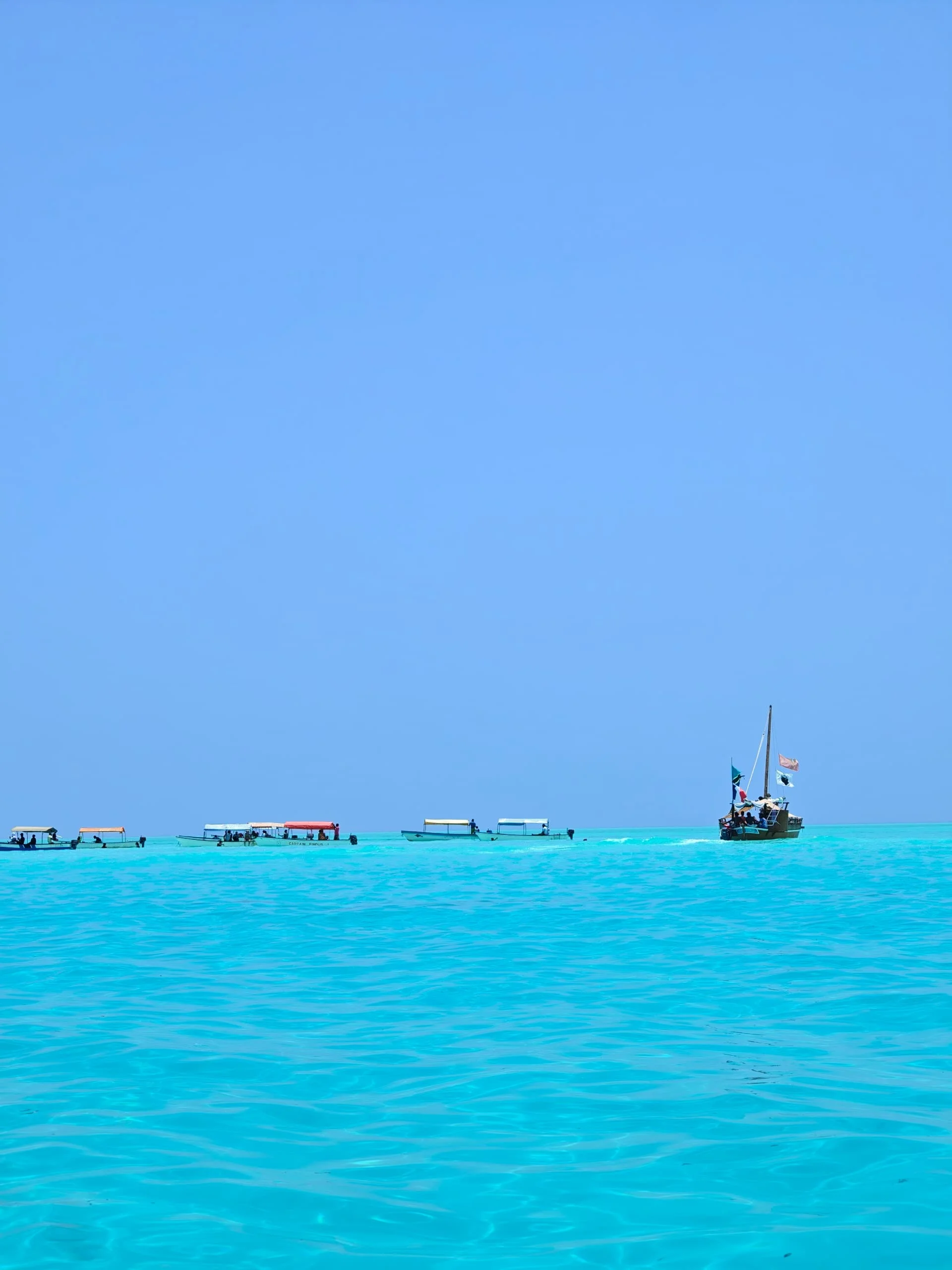
Sample packages for Zanzibar scuba diving and safari
These are planning examples, not fixed offers, live prices or promises of a particular site. Zanzibar scuba diving depends on a specialist provider, suitability checks and conditions. TanzaLux can quote the wider journey, with every dive arrangement and extra confirmed in writing.
Sample package: 6-day Zanzibar reef and beach escape
Day 1: arrive, transfer to your chosen base and complete dive registration.
Days 2–3: enjoy guided reef dives that suit your level, or a try-dive course if arranged.
Day 4: keep a flexible dive or rest day, subject to conditions and your final flight timing.
Day 5: take a day without scuba, relaxing at the beach or enjoying a gentle cultural outing.
Day 6: depart after the agreed no-fly interval has elapsed.
Choose Matemwe, Nungwi or Kendwa after discussing your main dive area. The best hotel is one that fits both your comfort needs and the boat logistics.
Ask about a Zanzibar reef and beach itinerary.
Sample package: 8-day learn-to-dive Zanzibar stay
Day 1: arrive and meet the dive centre.
Days 2–5: allow a block for the agreed course, theory, skills practice and training dives.
Day 6: enjoy a day without scuba.
Day 7: continue resting or explore Stone Town with a local guide.
Day 8: transfer for onward travel, with the no-fly interval checked.
This outline allows learning time rather than rushing between attractions. The instructor confirms the course schedule and requirements. You earn the dive card by passing the required skills; it is not guaranteed by the number of nights booked.
Plan a Zanzibar stay with time for a guided dive course.
Sample package: 12-day Tanzania safari and reef journey
Day 1: arrive in Arusha and rest.
Day 2: enjoy Tarangire, then stay near Karatu.
Day 3: travel to the Serengeti.
Days 4–5: spend full days watching wildlife.
Day 6: return to Arusha for an overnight stay.
Day 7: take a booked connection to Zanzibar and transfer to your hotel.
Days 8–9: enjoy dives matched to your skills with a confirmed local provider.
Days 10–11: allow beach time without scuba and the required preflight interval.
Day 12: depart on your onward flight.
Confirm actual road days, flights and luggage limits before booking. Bringing large dive bags on small aircraft may need advance plans and extra charges.
Design your own mainland safari and Zanzibar diving holiday.
Why travel with TanzaLux Safaris?
TanzaLux is a Tanzanian-owned company based in Arusha. Its planning approach connects safari, mountain and Zanzibar travel around your dates, interests and budget. That helps you build a holiday with realistic transfers and time to rest.
For a trip that includes Zanzibar scuba diving, tell the planner your dive level, recent dives and preferred base. Ask for the specialist dive provider to be identified, with the activity scope and charges made clear. A private safari vehicle does not mean a private dive boat unless that is specifically quoted.
TanzaLux can shape the mainland section around your party's pace and coordinate the island stay. The dive professional must decide underwater suitability and the day's site. Clear roles help the whole trip run well.
Start planning your Zanzibar scuba diving and Tanzania safari trip.
Frequently asked questions
1. Where should I start with Zanzibar scuba diving?
Choose a qualified centre and explain your experience. Mnemba and northern reef areas offer varied options, but the exact site should match your skills and the day's sea conditions.
2. Is Mnemba one dive site?
No. Mnemba is a wider reef area with named sites such as Wattabomi and Kichwani. Ask which site and depth profile your centre plans to use, rather than booking by the area name alone.
3. Are shallow sites always right for beginners?
No. Current, waves, entry conditions and visibility matter as well as depth. A professional should choose the site after assessing the person and the conditions.
4. Can I try diving without a dive card?
Ask about a guided try-dive course with a qualified instructor. It requires screening, instruction and skills practice. It does not give you a full qualification to dive on your own.
5. What makes Leven Bank different?
It is an offshore site where depth and currents require relevant training and recent dives. The right tide and sea conditions also limit access. Accept an alternative if the operator judges it unsuitable.
6. Which sites suit underwater photographers?
Shane's Reef is worth discussing for small marine life. Mwana wa Mwana and other reefs also reward patient observation. Good buoyancy and care for the habitat come before getting a photo.
7. Can I dive while staying in Stone Town?
Yes, subject to current local operations. Discuss west-coast reefs such as Bawe with a dive centre. Confirm the exact departure point, activity and included equipment before paying.
8. Is Pemba a day trip from a Zanzibar beach hotel?
Plan Pemba as a separate island stay, with its own transfers and dive plans. Do not assume a normal Unguja dive boat can include Misali as a quick extra stop.
9. Can I scuba dive at Chumbe Island?
No. Chumbe's protected marine area does not permit scuba diving. Its guided snorkelling visits are a different activity, with their own booking rules and conditions.
10. When is the best season for Zanzibar scuba diving?
There is no single best period for every coast and site. Ask a local centre about your dates, expected wind and boat conditions. Keep flexibility for a weather change.
11. Will I definitely see turtles or dolphins?
No. Marine animals move freely. Choose a trip for the reef, guiding and overall experience, and treat any special wildlife encounter as a bonus.
12. Is equipment included in every dive package?
No. Some prices include full rental, while others include only certain items. Ask about a regulator, buoyancy device, wetsuit, mask, fins and any required computer before comparing prices.
13. What should certified divers bring?
Bring dive-card details, recent dive records and any required medical clearance. Share equipment sizes in advance. Ask the centre about its own requirements and whether you need a refresher.
14. Can children scuba dive in Zanzibar?
Some courses accept children under specific age, depth and supervision rules. Check the exact course with the instructor. A child's age alone does not establish readiness or suitability.
15. Can non-divers join the same boat?
Sometimes, when the operator offers a snorkelling or boat option that suits the group. Confirm space, supervision and sea conditions. Do not assume every scuba trip can accommodate non-diving companions.
16. How long should I wait before flying?
Follow DAN guidance, your dive computer and professional advice for your profile. The sample routes allow a full day without scuba and aim for at least 24 hours. Longer may be needed.
17. Does a short internal flight need a no-fly interval?
Discuss it with the dive professional before booking. Short flight duration does not establish a safe altitude exposure. Include every onward flight in your post-dive plan.
18. Should I buy insurance for diving?
Check that your policy covers your intended depth, activity and emergency evacuation. General travel insurance may have exclusions. Read the actual terms rather than relying on the policy name.
19. What happens if weather stops a dive?
The operator may change the site, reschedule or cancel. Ask for the written policy before paying. Keep enough time to adjust without sacrificing the required interval before your flight.
20. Can TanzaLux combine Zanzibar scuba diving with a safari?
Yes, ask for a tailored route with the dive provider, inclusions and timing confirmed. Put wildlife days, island transfers, diving and the final rest period into one clear itinerary.
Ready to start planning?
Tell us your dates and what you're after — no obligation.