5.0 Excellent
Where Is Tanzania? Discover the Country Behind the Miss Grand International 2026 Winner

Where is Tanzania? It is in East Africa, on the Indian Ocean coast. Zanzibar lies offshore, while wildlife parks and mountains stretch across the mainland.
If Jihan Dimack’s Miss Grand International 2026 win brought you here, start with our report on Tanzania’s historic crown. Then use this guide to plan a first visit.
Tanzania offers much more than one famous park or beach. You can watch wildlife, walk through old town streets, climb a mountain or rest by the sea. A good route gives each place enough time.
Where is Tanzania on the map?
Tanzania lies on Africa’s eastern side, south of Kenya. The Indian Ocean forms its eastern edge, with Mozambique farther south along the coast.
Inland, the landscape changes from plains to highlands and lakes. The Visit Tanzania geography guide describes the central plateau, Great Rift Valley and islands. This range of settings helps explain why travel days matter.
Region: East Africa.
Coast: Indian Ocean.
Capital: Dodoma.
Currency: Tanzanian shilling.
Languages: Kiswahili and English.
Island destination: Zanzibar.
Dodoma, the currency and language facts also appear in this Tanzanian embassy country profile. For your trip, the key point is to choose a region before choosing hotels.
Where is Tanzania in relation to Kenya?
Tanzania is south of Kenya. Both countries are in East Africa, but each has its own parks, cities and entry rules.
A trip that includes both countries needs a clear border or flight plan. Share that wish early when you ask for a quote. Your guide can then allow time for the move between them.
Which cities matter for a first visit?
Arusha, Moshi and Dar es Salaam serve different travel plans. Dodoma is the national capital, but your holiday route may start elsewhere.
Arusha: a useful base for a northern safari and the home of our TanzaLux team.
Moshi: a base to discuss for Kilimanjaro trips.
Dar es Salaam: a coastal city to consider when planning a mainland and island route.
Choose your arrival airport after you settle the route. Ask for the airport name, transfer plan and first night’s location in writing. That helps avoid booking a flight far from your first stop.
Where is Tanzania’s main northern safari region?
The northern safari route brings together parks such as Serengeti and Tarangire with the Ngorongoro area. Arusha is a common starting base.
Each stop gives you a different view of the country. A park’s name alone tells you little about the time needed to reach it. Build the route around your nights, interests and pace.
What can you see in the Serengeti?
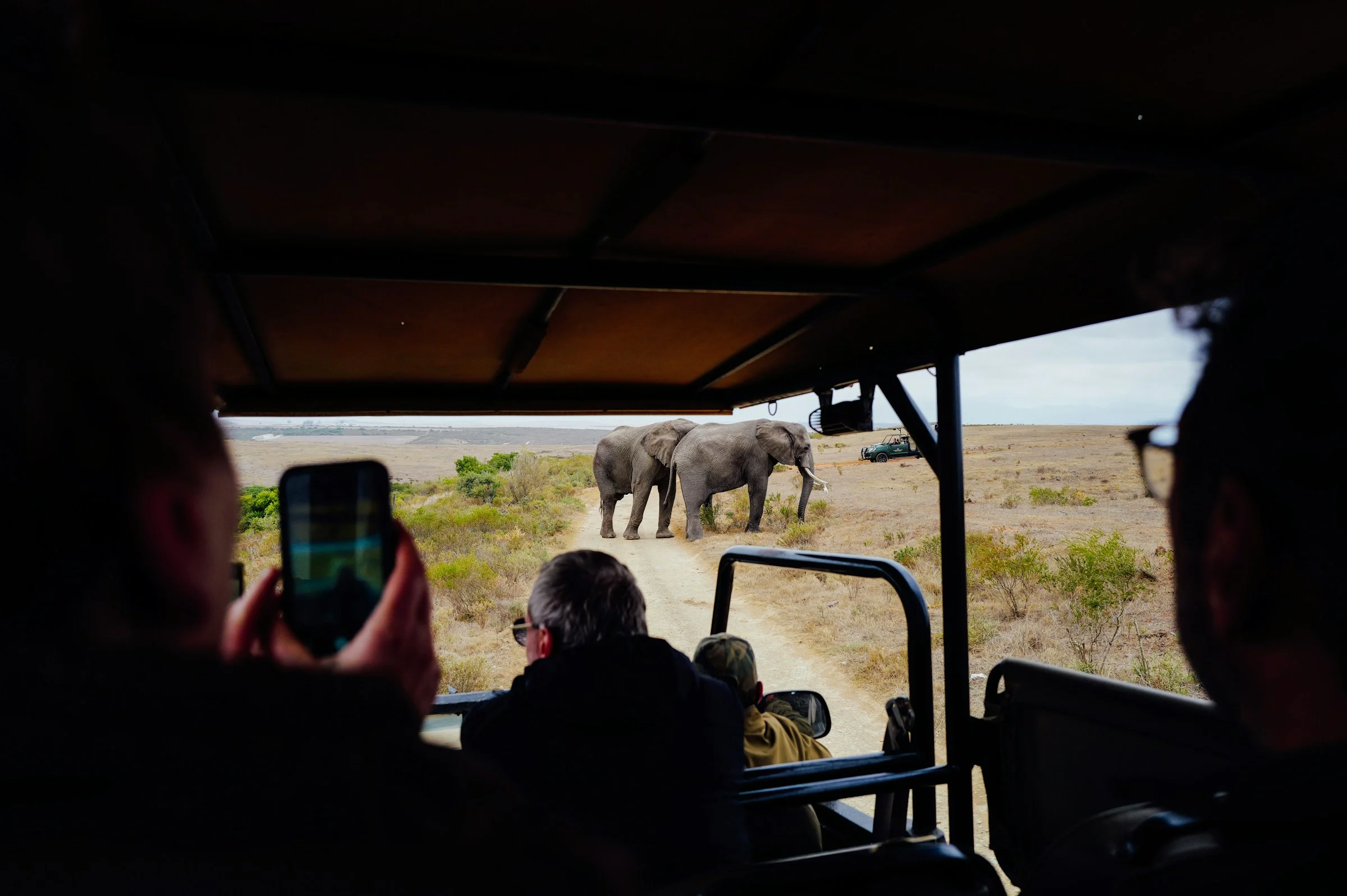
The Serengeti is known for open plains, wildlife and the Great Migration. Give it time if game drives are your main reason to visit.
The official Serengeti park guide explains its wildlife and seasonal appeal. Ask which area fits your travel month. Herds move, and a river crossing cannot be booked for a fixed hour.
Several nights also leave room to watch rather than rush from one sighting to the next. Tell your planner if you love birds, big cats or quiet time in camp.
Why add Tarangire and Ngorongoro?
These stops add new landscapes to a northern safari. They can make a varied route when the drive days fit your schedule.
Tarangire is known for elephants and baobab trees. Tanzania National Parks describes wildlife gathering near the Tarangire River in the dry season.
Ngorongoro adds a crater setting and highland views. Choose a place to stay that fits the next day’s drive. Adding too many stops can leave less time to enjoy each one.
Where is Tanzania’s coast, and how does Zanzibar fit in?
Tanzania’s coast faces the Indian Ocean. Zanzibar is part of Tanzania and lies offshore, making it a beach and culture option after a safari.
On Zanzibar, leave time for Stone Town as well as the beach. UNESCO’s Stone Town listing explains its Swahili trading history and the mix of cultural influences in its buildings.
A short town stay and a longer beach stay can serve different needs. Tell your planner whether you want walks, food, time on the water or quiet days. Ask how each hotel fits those plans.
How does Kilimanjaro fit into a trip?
Kilimanjaro can be the focus of a full climb or a shorter visit. A summit trek needs its own plan and enough days.
Tanzania National Parks identifies Kilimanjaro as Africa’s highest peak at 5,895 metres. The park also lists guided day hikes among its visitor activities.
Be clear about your goal: views, a day walk or the summit. Ask about the route and its full schedule before adding safari nights. Include rest and transfer time in the total trip.
When should you visit Tanzania?
Your best month depends on what you want to do. Park visits, beach time and a mountain trek may need different plans.
The TANAPA trip-planning guide highlights June to October as the dry season. It notes short rains around November and December and longer rains from March to May.
Use seasons as a starting point, then ask about your exact route. Rain can affect roads and camp access. Wildlife also moves with conditions, so a plan should fit your dates.
How do you build a first Tanzania itinerary?
Pick your main interest first, then decide how many nights you can spend. Leave space for transfers and rest.
Choose a focus: wildlife, beach, culture or a mountain trip.
Set your pace: decide how often you want to change hotels.
Map the route: ask where drives or flights fit.
Check the full quote: review rooms, meals, park visits and transfers.
Confirm entry needs: use Tanzania Immigration’s current guidance for your nationality.
For a route example, read our 6-Day Private Tanzania Mid-Range Safari: Tarangire, Manyara, Serengeti & NgorongoroA sample is a starting point; adjust it to your interests and travel dates.
15 FAQs about Tanzania’s location and travel
These quick answers cover the questions most useful when you first put Tanzania on your travel list.
1. Where is Tanzania located?
Tanzania is in East Africa, beside the Indian Ocean. It sits south of Kenya and has a mainland and offshore islands, including Zanzibar.
2. Where is Tanzania compared with South Africa?
Tanzania is farther north, in East Africa. South Africa is at the continent’s southern end. They are separate countries, so plan travel between them as a distinct journey.
3. What is the capital of Tanzania?
Dodoma is the capital. Dar es Salaam is a coastal city with a different role in many travel routes. Confirm which city your flights and transfers use.
4. Is Zanzibar part of Tanzania?
Yes. Zanzibar is part of Tanzania. A safari and beach trip can combine the mainland with the islands, with transfer time built into the route.
5. Is Arusha a good base for a safari?
Arusha is a common starting point for northern safaris. The right first night still depends on your arrival time and where your park route begins.
6. Where is Tanzania’s tallest mountain?
Mount Kilimanjaro is in northern Tanzania. It reaches 5,895 metres and is Africa’s highest peak. Decide whether you want a view, day hike or full climb.
7. Is the Serengeti in Tanzania?
Yes. Serengeti National Park is in northern Tanzania. If the migration is your focus, ask which part of the park suits your travel month.
8. Can you combine a safari with Zanzibar?
Yes. Allow enough nights for both and include the transfer day. A clear plan shows when game drives end, when you travel and when beach time begins.
9. What languages are used in Tanzania?
Kiswahili and English are used in Tanzania. Learning a few Kiswahili greetings can add warmth to your trip. Your guide can help you practise them.
10. What currency does Tanzania use?
The currency is the Tanzanian shilling. Ask your operator how to pay each part of your trip and what payment options your hotels accept.
11. Do you need a visa for Tanzania?
Visa needs depend on your nationality and travel documents. Check the official Tanzania Immigration guidance before booking. Do not assume one rule applies to every traveller.
12. What is a good season for a first safari?
June to October is a common dry-season choice. Your ideal dates depend on the parks and wildlife you want to see. Ask about conditions along your whole route.
13. Is ten days enough for Tanzania?
Ten days can suit a focused safari and beach trip. It leaves less room for a long climb or many distant stops. Count arrival and transfer days too.
14. Does a safari guarantee wildlife sightings?
No sighting or migration crossing is guaranteed. A guide and a well-chosen route help you explore, while wildlife remains free to move.
15. How can TanzaLux help plan a first visit?
Our Arusha-based team can shape a route around your dates, group and interests. Share your budget range, preferred pace, room needs and must-see places.
Ready to plan your Tanzania trip?
Start with your dates, number of nights and main wish. We can help turn those details into a route with clear travel days.
Browse TanzaLux Tanzania safaris, then share the places that interest you. For more trip ideas, explore our Tanzanian culture guide and Jihan Dimack profile.
.jpg?alt=media&token=95a5caed-fa4c-47ac-a42e-c42ac61e6b69)
Ready to start planning?
Tell us your dates and what you're after — no obligation.