5.0 Excellent

Tarangire National Park vs. Manyara: Which is Best for Wildlife Photography?
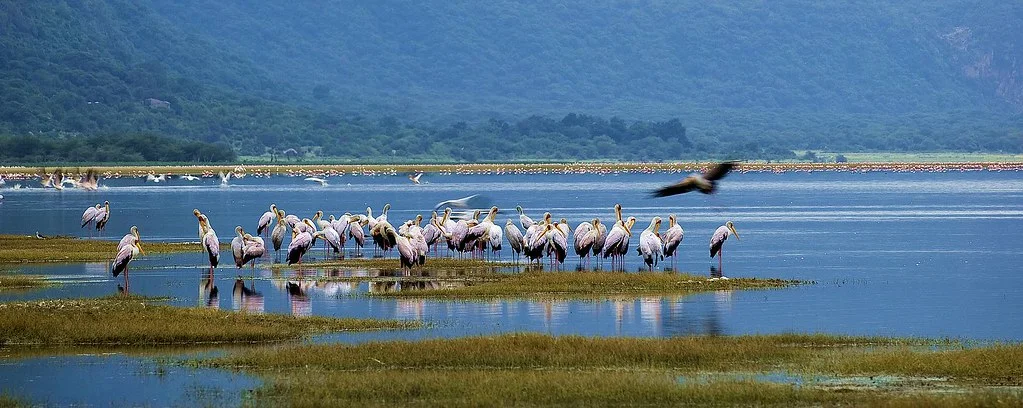
Tarangire vs Manyara is a choice between two useful wildlife photography settings. Tarangire is our first pick for an elephant-led trip with baobabs and broad animal-in-landscape scenes. Lake Manyara is a strong choice for forest, primates and waterbirds. The better park depends on the pictures you want to make.
For most first-time guests who can visit only one, we would start with Tarangire, especially during the main dry season. This is an editorial recommendation based on the parks' habitats and wildlife appeal. A photographer drawn to forest subjects or wetland birds may choose Manyara instead.
This guide compares subjects, light, seasons, camera planning and time on location. It also includes sample routes, reasons to travel with TanzaLux Safaris and practical answers to common questions. “Manyara” here means Lake Manyara National Park, rather than the wider lake region.
Plan a private photography safari with TanzaLux Safaris around your subjects, dates and pace.
Tarangire vs Manyara: the quick decision
Choose Tarangire for: elephant-focused images, baobab settings and dry-season river scenes.
Choose Lake Manyara for: groundwater forest, primates, waterbirds and varied habitat in one park.
Choose both for: a wider photo story, if the route leaves enough time at each.
Choose by your dates: ask about current access, water levels and recent viewing conditions.
Keep expectations open: no booking can promise a lion in a tree, a flamingo flock or a close elephant view.
The Tarangire vs Manyara decision should begin with a short list of photo goals. Share the three subjects or styles you value most. Ask your planner which route best supports them. A clear focus is more useful than trying to collect every famous sight.
How the two parks differ for photographers
TANAPA describes Tarangire's mix of elephants, baobab landscapes, river areas, swamps and woodland in its attractions guide. Its Lake Manyara wildlife guide highlights groundwater forest, lake and wetland habitats, with primates and waterbirds among the subjects. Those differences shape our photographic comparison.
Large mammals and a broad sense of place
Tarangire is the stronger starting choice in our view if elephants lead your plans. Look for the relationship between an animal and the space around it. A wide frame can show scale, movement and habitat. A close portrait can then add a different detail to the story.
Forest, branches and layered scenes
Manyara can suit guests who enjoy working with cover, branches and changing backgrounds. A subject may be partly hidden or set against a busy scene. Treat that as a creative task. Wait for a clear view and choose what the frame needs.
Waterbirds and the lakeside setting
Manyara gives wetland-focused photographers a clear reason to consider it. Yet Tarangire also has rich birdlife. Decide by the bird habitats you want, rather than assuming one park is the only birding choice. Ask what current reports suggest for your dates.
Why choose Tarangire for wildlife photography?
Tarangire wildlife photography can focus on elephants within a distinctive landscape. Baobabs, river terraces, open ground and woodland give the scene context. TANAPA's park overview explains the river's dry-season role. Wildlife gathers around remaining water as the wider landscape dries.
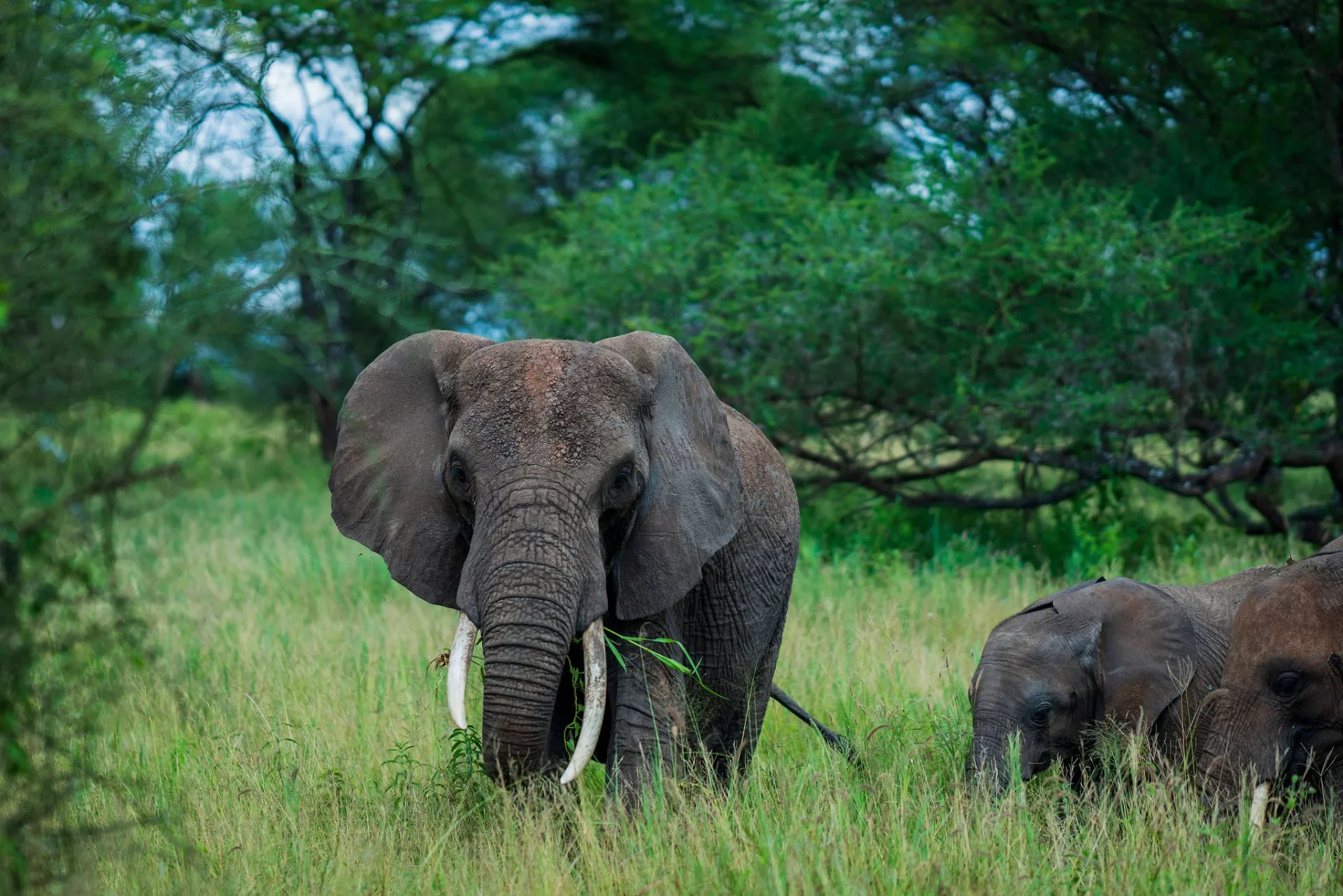
Elephant subjects can support both close details and wider views that include their habitat.
For a photographer, this suggests time spent watching behavior rather than driving from sighting to sighting. A group may pause, move through cover or head towards water. Let your guide choose a responsible viewing position. The animals must keep their path and space.
Tarangire also has woodland and shade, so it will not always offer a clean, open background. Work with the scene you find. Try a wider composition when a tight frame feels cluttered. Use a few different views to show the animal within its setting.
Our Tarangire vs Manyara recommendation favors Tarangire for this mammal-and-landscape combination. It is a choice about photographic fit, rather than a guarantee of more sightings. A quiet day can still produce a strong set of pictures if you watch with care.
Why choose Lake Manyara for wildlife photography?
A Lake Manyara photography safari offers a different set of visual choices. Groundwater forest, an alkaline lake, floodplain and woodland create varied settings. TANAPA's park overview describes the forest, Rift Valley backdrop and primates. These can suit a photographer who enjoys habitat as much as large mammals.
In forest, look for a calm background before seeking a closer frame. Branches and leaves may become part of the picture. Watch how a subject moves through the available space. Ask your guide to explain what you can observe without changing its behavior.
At the lake or wetland edges, consider groups, patterns and the surrounding scene. The wildlife guide notes that flamingos are seasonal. Numbers, water levels and viewing distance can change. A specific flock should remain a hope rather than the basis of a guaranteed photo plan.
Think of Tarangire vs Manyara through the kind of work you enjoy. If you like varied habitat and quieter details within a scene, Manyara deserves serious consideration. Tell the planner why those images matter to you. Give the park enough time to support that focus.
What about tree-climbing lions and other predators?
Lake Manyara is known for tree-climbing lions, but a lion in a tree is never assured. Do not choose the whole trip around that single frame. Tarangire also has predators, as TANAPA's attractions guide notes. Neither park should be sold as a promise of a hunt.
Build a photo plan that works when the famous sight does not appear. A resting animal, a bird or a broad landscape can all add value. Ask the guide to explain the context of a sighting. Keep your goals open enough to enjoy what is actually there.
Tarangire vs Manyara for bird photography
Both parks deserve a place in a bird photographer's planning. Tarangire's official guide lists varied birds across its habitats. Manyara's wildlife overview highlights wetland and forest birdlife. The practical question is which setting fits your interests and current conditions.
For waterbirds and a lake-based scene, we would lean towards Manyara. For birds combined with a broader elephant-and-baobab trip, we would lean towards Tarangire. These are planning judgments based on the habitat mix. They are not species or sighting guarantees.
Tell your guide if birds deserve long stops. A shared group may prefer a different pace. Ask how the daily plan will balance those interests before booking. Bring binoculars so you can enjoy identification and behavior even when a photograph is out of reach.
Light and backgrounds: which park is easier?
Ease depends on the habitat, weather, subject and viewing position. Open ground can give you more room to separate an animal from its background. Forest can make that task more demanding. Both parks contain more than one habitat, so avoid treating every drive as the same lighting exercise.
In a shaded scene, review sharpness and exposure before taking many frames. When light changes, check the settings again. A still animal and a moving animal call for different choices. Practise these controls before the trip so the camera does not interrupt your observation.
For Tarangire vs Manyara, the useful distinction is your preferred style of work. Broad scenes may feel more natural to one photographer. Another may enjoy a layered forest frame. Choose a trip that gives you time to develop the style you value.
When should you visit for photography?
The main dry season
June to October is a useful planning window for Tarangire's dry-season wildlife focus. TANAPA's visitor guide identifies this as the peak dry season. Request camp options early, then ask how your exact dates affect the route. Weather and sightings still vary.
Rainier periods and changing access
Ask how rain, vegetation and road conditions may affect your travel week. Manyara's visitor guide notes that some routes can close temporarily during rains. Water and habitat conditions also affect viewing. Seek current advice rather than relying on an old trip report.
Season should shape a Tarangire vs Manyara decision without replacing your own interests. Share your dates first, then ask which park best fits the photographs you hope to make. A dated route suggestion is more useful than a blanket claim that one park wins all year.
Vehicle space and time can matter as much as the park
A private vehicle may give your group more choice over stops and waiting time. Ask how many people share each row and where camera bags can sit. Check the daily drive plan too. A private vehicle does not make a camp or a wildlife sighting exclusive.
For Tarangire vs Manyara planning, count full viewing days rather than park names alone. A transfer day can leave less time with your subject. A camp's location affects the journey to and from drives. Ask how each night supports your photo goals.
Discuss the needs of companions who do not take photos. Long waits may not suit every guest or child. Plan breaks and shared interests as well as camera time. The best pace is one the whole group can enjoy.
Camera preparation for both parks
Start with the equipment you know how to use. Think about wide scenes as well as distant subjects. A longer lens can help you work from a respectful distance, while a broader view shows habitat. Choose gear you can handle comfortably within your baggage plan.
Focus: practise continuous autofocus for moving subjects.
Tracking: learn animal or eye detection if your camera supports it, then check results.
Motion: choose a shutter speed fast enough for the movement you want to freeze.
Support: ask whether a beanbag or another suitable rest works with the vehicle.
Review: check a few frames as the light or subject changes.
Canon's wildlife lens guide discusses lens choice, support and subject motion. Its wildlife focus guide explains tracking on one camera system. Use your own manual to find the equivalent controls and practise before departure.
Tarangire vs Manyara does not call for one fixed camera setting. Light, movement and distance change throughout a drive. Bring spare power and storage, and confirm charging at camp. Ask separately for photo tuition if you need it; wildlife guiding does not automatically include camera lessons.
Photograph wildlife without shaping its behavior
Follow designated routes and your guide's directions. Keep noise low and do not block animals moving towards water. Stay in the vehicle except at approved points. Avoid calling, feeding or otherwise trying to cause a pose or reaction.
The official Tarangire and Lake Manyara visitor guides explain responsible access. Walking, special activities and professional work may need separate arrangements. Confirm what applies to your plans before booking, rather than assuming special access is included.
In Tarangire vs Manyara, a good photograph should work within the same basic principle: leave wildlife free to move and behave naturally. Accept a distant or hidden view when that is what the scene allows. The frame you leave untaken can be part of a responsible trip.
Three sample photography safari packages
These Tarangire vs Manyara routes are tailored planning ideas, subject to access and availability. They are not fixed offers or confirmed prices. Ask for a dated quote with named camps and clear inclusions. Early starts and late finishes must fit local rules and the confirmed route.
Sample package 1: 2 days focused on Tarangire
Best suited to: guests ready to leave Arusha on the first morning who want a compact elephant-led trip. This plan has one night in or near Tarangire. The amount of viewing on each day depends on transfers and camp location.
Day 1: travel from Arusha, enjoy an arranged Tarangire drive and stay in the area.
Day 2: explore Tarangire again as scheduled, then return to Arusha.
Arrival and final Arusha hotels are separate unless quoted. Check gate entries and the last day's timing against onward flights. This plan gives one park the attention a short trip can support.
Request a focused two-day Tarangire photo route from TanzaLux Safaris.
Sample package 2: 4 days comparing both parks
Best suited to: guests who want to work with contrasting habitats. The three nights are two in or near Tarangire and one near Lake Manyara. This plan assumes you can start from Arusha on the first morning.
Day 1: travel to Tarangire for viewing and stay in the area.
Day 2: enjoy a full Tarangire viewing day and return to the same base.
Day 3: travel towards Lake Manyara, with an arranged drive as timing permits.
Day 4: spend more time in Lake Manyara as booked, then return to Arusha.
Ask the quote to show the relevant park entries and any re-entry costs. Transfer time will affect each drive. Check whether the balance gives your main photographic interest enough time.
Compare a four-day Tarangire and Lake Manyara itinerary with TanzaLux Safaris.
Sample package 3: 6 days with an arrival night and a slower pace
Best suited to: guests who want more time to observe and less pressure at each stop. The five nights are one in Arusha, two in or near Tarangire and two near Lake Manyara. The final transfer should fit your onward travel.
Day 1: arrive and spend the night in Arusha.
Day 2: travel to Tarangire for viewing and stay in the area.
Day 3: enjoy a full Tarangire day.
Day 4: move towards Lake Manyara, with viewing as arranged.
Day 5: spend a full day exploring Lake Manyara.
Day 6: return to Arusha using the agreed transfer plan.
This Tanzania photography safari gives time to compare a set of images from each park. Add a final hotel if needed for flight timing. Ngorongoro, Serengeti or Zanzibar extensions need a revised route and separate cost details.
Build a slower six-day wildlife photography journey with TanzaLux Safaris.
What should the quote include?
Compare Tarangire vs Manyara packages using the full trip total. Park choice alone does not settle the price. Dates, camps, group size, vehicle use and activities all matter. Request named properties and the same service details across options.
Every night: property, room type, meals and charging arrangements.
Vehicle and guide: private or shared use, drives, seats and transfers.
Access: park entries, re-entry, vehicle and camp charges that apply.
Photo support: any requested tuition or equipment, confirmed separately.
Daily costs: water, drinks, meals and limits on inclusions.
Terms and extras: tips, activities, extra hotels, changes and cancellations.
Ask which costs remain outside the total. Confirm special arrangements in writing before paying. A clear quote helps you judge value by useful time and services, rather than the number of parks on the page.
Why travel with TanzaLux Safaris?
TanzaLux Safaris is a Tanzanian-owned company based in Arusha. Its company overview describes tailored trips shaped around dates, pace, interests and budget. Its private safari collection explains dedicated vehicle and driver-guide arrangements. Confirm the final services for your own booking.
Use that planning process to resolve your Tarangire vs Manyara choice. Share your preferred subjects, camera needs and the pace of your companions. Ask the team to compare camp positions and full viewing days. Your priorities should be clear in the day-to-day plan.
For more planning detail, see the company's Tanzania safari photography guide. Discuss vehicle space, charging and the guide's role before booking. Request specialist camera tuition separately if it matters to you. Clear arrangements help the trip serve your creative goals.
Choose the park that fits your photographs
Our Tarangire vs Manyara verdict is straightforward: start with Tarangire for elephants and baobab settings; favor Manyara for forest, primates and waterbird interests. Include both if you have time to enjoy the contrast. Then let current conditions and your guide shape the details of each day.
Contact TanzaLux Safaris for a tailored wildlife photography itinerary and itemised quote.
Frequently asked questions about Tarangire vs Manyara
1. How do I choose Tarangire or Lake Manyara?
Start your Tarangire vs Manyara choice with the pictures you want. Tarangire is our first pick for an elephant-led trip. Manyara may better suit forest, primates and waterbird interests. Share your dates and preferred subjects, then compare routes that give them enough time.
2. Which park would you choose for one visit?
For most first-time guests focused on large mammals, we would start with Tarangire. That is a planning judgment, rather than a sighting promise. If forest subjects and wetland birds matter most, discuss Manyara instead. Choose by your interests and the conditions expected for your dates.
3. When is a useful time to plan Tarangire?
June to October is a useful starting window for the main dry-season focus. Confirm the route and camps for your exact week. Weather and viewing still vary, so keep expectations open. Ask how the daily plan will use the time available for your subjects.
4. Does Tarangire wildlife photography guarantee elephant close-ups?
No booking can promise a close elephant view or a particular frame. Distance, movement, cover and the rules shape what you can photograph. Use the lens you have and give animals space. A wider scene may tell a strong story when a portrait is out of reach.
5. Will I see a lion in a tree at Manyara?
Tree-climbing lions are a famous part of the park's appeal, but sightings are uncertain. Do not build the whole trip around that one image. Enjoy other subjects and ask the guide to explain the scene. A successful visit can include quiet and unexpected moments too.
6. Does a Lake Manyara photography safari guarantee flamingos?
Flamingo numbers and viewing conditions vary, so a particular flock cannot be promised. Ask about current lake conditions near your travel dates. Keep other birds and habitat scenes in mind as well. A flexible plan can help you enjoy what the park offers that day.
7. Which park is best for bird photography?
Both belong in a Tarangire vs Manyara birding discussion. We would lean towards Manyara for waterbird and forest interests. Tarangire can suit birds combined with an elephant-led trip. Tell the guide which habitats and subjects matter most, and allow time for patient stops.
8. Will forest photography be harder for a beginner?
In Tarangire vs Manyara planning, think about the scenes you enjoy working with. Forest cover can mean changing light and busy backgrounds. Practise focus and exposure controls before travel, then review a few frames on location. Choose a pace that leaves room to learn.
9. Can beginners and family members enjoy this trip?
Yes, if the pace and arrangements suit the whole group. Share skill levels, children's ages and the interests of guests without cameras. Build breaks into the route as well as viewing time. Check camp and activity rules before confirming the plan for your family.
10. Do I need costly gear for wildlife photography in Tanzania?
Start with the camera equipment you know how to use. Consider the subjects, reach and weight you can handle before adding gear. Ask a trusted camera specialist about your needs if unsure. Leave time to practise with any unfamiliar kit before your trip begins.
11. Which camera controls should I practise first?
Learn how to change focus, shutter speed and exposure without a long menu search. Test continuous autofocus for movement and any supported subject tracking. Check the results rather than assuming the camera chose correctly. Keep your manual available offline for a quick reminder when needed.
12. Is a private vehicle worth discussing?
A private vehicle may give your group more choice over stops and waiting. Check seats, camera bag space and the daily drive plan. Ask whether a support such as a beanbag fits the setup. Compare the complete arrangement and cost before choosing private or shared travel.
13. Will the guide also provide camera lessons?
Wildlife guiding and camera tuition are different roles. Explain the help you need before booking and ask who will provide it. Specialist photo coaching should be separately confirmed if important to you. Do not assume a professional photographer or equipment is included in a standard safari.
14. How much time should I give the two parks?
For Tarangire vs Manyara, compare full viewing time after transfers. Several days can leave more room to watch and revisit subjects. A short route may work better with one clear focus. Ask for two versions and judge the pace rather than the number of parks.
15. Should I try to visit both parks in one day?
Ask how much of the day would be spent travelling between stops. A rushed plan can leave little room for patient photography. Compare it with a route that gives each park useful time. Check park entries, drive hours and the practical schedule before deciding.
16. Could rain or access changes affect Manyara?
Some routes may close temporarily during rains, according to the park's visitor guidance. Ask for current advice before departure and follow directions on the day. Check what a change would mean for your booked plan. Keep sensible margins around transfers and onward travel.
17. Can I leave the vehicle for a lower camera angle?
Stay in the vehicle except at approved points as directed by your guide. A photo goal does not change the access rules. Walking and other special activities need their own arrangements where allowed. Make the frame from your permitted position and give wildlife space.
18. What should my quote include?
Request a dated Tanzania photography safari quote using your group and route details. Check camps, meals, vehicle use, guides, transfers, park entries and any re-entry charges. List requested tuition or equipment separately. Confirm the extras and booking terms before comparing totals or paying a deposit.
19. Can I add Ngorongoro or Serengeti afterwards?
Both can be discussed as part of a wider northern route. Ask how the extra stops change nights, driving time and fees. Do not shorten every stay just to add more names. Request a revised itinerary that makes the full journey and its costs clear.
20. How can TanzaLux Safaris help with the choice?
Share your Tarangire vs Manyara goals, dates, group size and budget. Explain your camera needs and the pace you prefer. Ask for clear camp choices, drive time and inclusions. Contact TanzaLux Safaris to plan your wildlife photography trip.
Ready to start planning?
Tell us your dates and what you're after — no obligation.