5.0 Excellent

Why Tarangire National Park Was the Ultimate Team Expedition
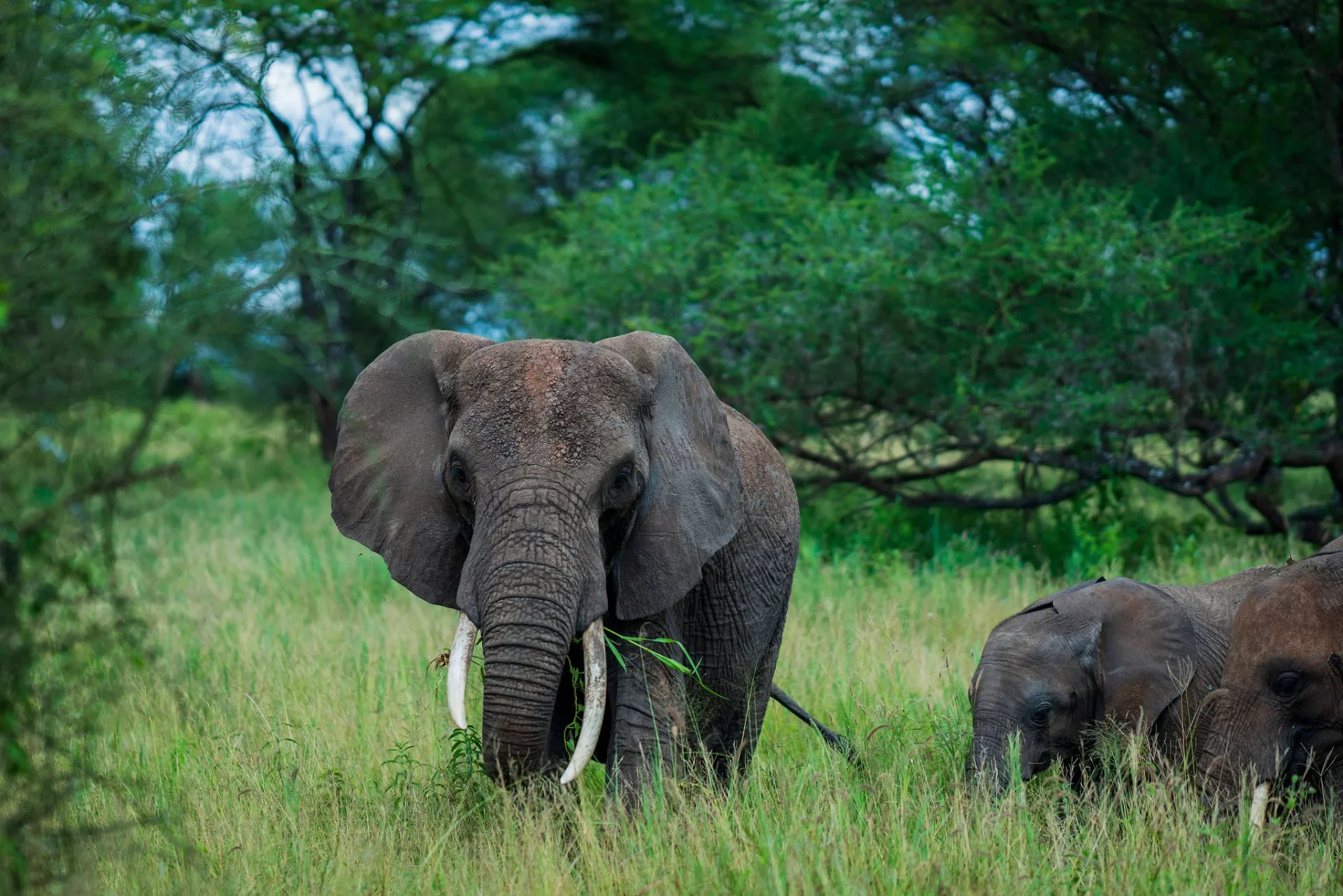
Tarangire National Park gives a team a strong reason to step away from the desk and share a place together. Elephants draw the eye, baobabs shape the view and the open landscape invites a slower pace. For TanzaLux, it is a fitting setting for a team safari story.
Our co-founders Joel Jenge and Ally Hussein both went on the team’s Tarangire visit. Their shared outing is the personal link behind this article. It gives us a starting point for exploring why the park suits a group journey and what guests can take from that idea.
“Ultimate” is our own team-story theme, rather than an award or a ranking of every park. The reflections below explain that appeal. Wildlife notes describe the destination, and library images illustrate it; they do not claim specific sightings, quotes or dates from the co-founders’ trip.
For a visual introduction, explore our film, The Wild Heart of Tarangire National Park. Then read on for the qualities that make a shared safari rewarding, plus sample routes for a trip of your own.
Share your group’s interests with TanzaLux and start planning a personal Tarangire journey.
Why Tarangire National Park suited our team story
A team expedition needs a common focus. A wild place provides one without asking each person to enjoy the day in the same way. One guest may notice birds, another may frame a tree and someone else may simply enjoy the view.
That is a useful way to think about Joel and Ally’s shared visit. The value of the story lies in the people behind the business making a connection with the destination. It also opens a conversation about how guests experience a park day together.
Tarangire National Park offers a setting with several points of interest. A group need not base the whole day on a single animal. Trees, smaller wildlife and broad landscape views can all give people something to notice and discuss.
The lesson for planning is simple: agree on a few shared priorities and leave some room for surprise. Too many fixed targets can turn a day out into a race. A clear, flexible brief lets the guide work with the conditions.
Reason 1: a landscape that gives everyone something to notice
A good group outing welcomes different levels of interest. You do not need expert wildlife knowledge to enjoy a broad tree, a striking sky or the shape of an animal in the distance. The guide can build on that first moment of curiosity.
The TANAPA wildlife and habitats guide describes a mix of grassland, woodland, river habitat and seasonal swamps. That variety helps explain the park’s appeal. It gives a drive changing settings as well as changing subjects.
For a team safari in Tanzania, this creates room for shared discovery. A simple question can draw the group into the scene. What is moving? Where is the shade? Which details make this view different from the last one?
In Tarangire National Park, a quieter stretch can still be part of the experience. Look at the setting instead of treating it as empty space between sightings. A group with that outlook has more ways to enjoy the day.
Tell your planner about interests that matter to the group. A few keen birders or photographers may change the pace you prefer. Mention those interests early so that the plan suits the people who will actually travel.
Reason 2: elephants bring scale and perspective
An elephant scene can hold a whole vehicle’s attention. The animals’ size makes the road and the safari vehicle feel small. It is a reminder that guests are visitors in a place shaped by wildlife.
Tarangire National Park is well known for elephants. TANAPA also highlights dry-season wildlife use of the river corridor. Those facts provide context, while the actual sightings on any departure remain uncertain.
Do not measure a team day by a promised number of animals. Enjoy the encounter available from a suitable distance and let the guide judge the position. An animal’s route needs more space than a photo wish.
The library photo used for this article introduces that sense of scale. It illustrates wildlife in the destination, rather than recording an encounter confirmed from Joel and Ally’s outing. Your own album will have a story shaped by your own day.
Plan a private Tarangire safari with space for patient viewing and your group’s interests.
Reason 3: baobabs make the pauses worthwhile
Not every memorable stop needs a moving subject. A baobab can change the feel of a whole view. Its trunk and branches offer a strong shape to look at, sketch or frame in a photograph.
Tarangire National Park invites that wider way of looking. Give trees and landscape views a place beside animal portraits. A varied set of memories can describe the journey more fully than one long list of species.
For a group, a landscape scene also gives people a different point of interest. Someone who has struggled to see a distant bird may enjoy the tree in full view. Small shifts of attention help make the day more inclusive.
Ask about a tree’s role in the setting, but avoid attaching an exact age without a source. Size alone is not proof of a number. An honest description of what you can see is enough to make a fine caption.
Stay within the rules at every stop. A tree beside the route is not permission to step out of the vehicle. Enjoy the view from the approved position and leave the guide to assess where a break is allowed.
Reason 4: shared curiosity works better than a packed agenda
The best group conversations often start with a simple observation. One person spots a movement, another asks a question and the guide adds context. No one needs to win a sighting contest for the whole group to gain something.
A visit to Tarangire National Park can support that style of day. There is room to learn from the guide and from the interests of the people beside you. Let questions come from what is happening, rather than forcing every scene into a fixed plan.
This is a useful idea for friends, families and small work groups. Agree that everyone can ask a basic question. Leave space for a guest who wants a little more explanation, as well as the person who prefers a quiet view.
Keep phone use considerate. Ask before taking or sharing a photo of a travel companion. Do not assume a team trip makes everyone comfortable with their image appearing on a public page.
The aim is a shared day with room for individual interests. That works best when people say what they need before travel. A short conversation can prevent a group from discovering different expectations halfway through a game drive.
Reason 5: it encourages better group planning
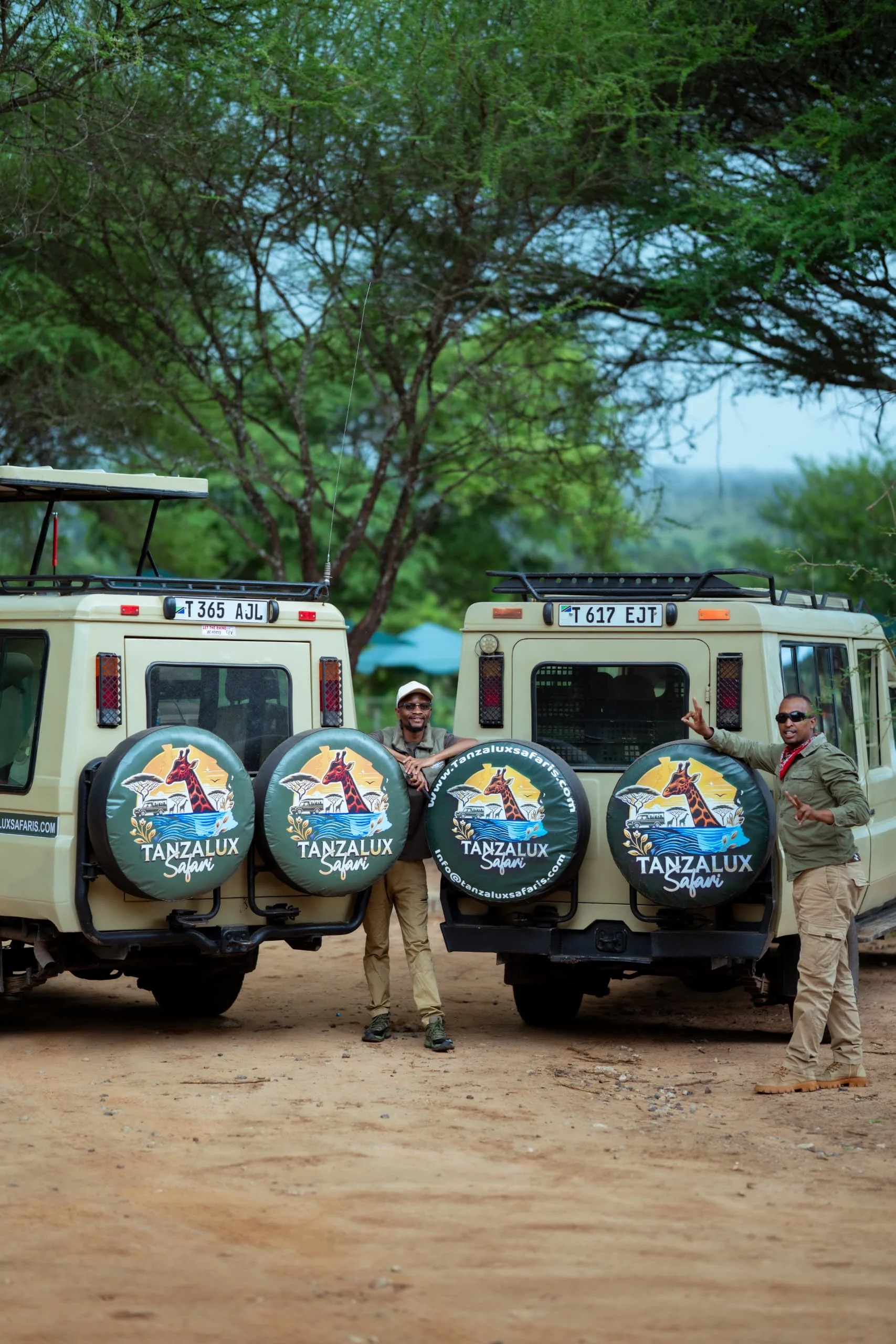
A library image of guides and safari vehicles illustrates the people and planning behind a group journey.
A good expedition starts before the vehicle leaves. The route, pickup, seats, meals and breaks all affect how the day feels. Those details matter even when the main reason for going is wildlife.
For Tarangire National Park, start with the real journey from your chosen base. A map pin is not a full schedule. Ask how much of each day is likely to be spent on the road and how much is set aside for the park.
Discuss the pace openly. A group of keen photographers may want longer stops, while a family may need more breaks. A private plan can reflect those preferences within the services booked and the park’s rules.
Dates: identify the days you can travel and any fixed flight times.
People: share group size, ages and room needs.
Interests: agree on the two or three things that matter most.
Comfort: mention food, access, seating and long-drive concerns.
Budget: state a useful range and ask which choices change the price.
Read the proposal as a group before confirming it. Check that the pace and services match what you discussed. A plan is easier to enjoy when everyone understands its shape.
Send your group’s dates, pace and comfort needs so TanzaLux can prepare a tailored route.
Reason 6: respect is part of the experience
A shared safari works well when people accept the same basic limits. The guide’s instructions apply to everyone, including the most keen photographer. A closer image is never a reason to disturb wildlife or press for a rule to be bent.
The TANAPA visitor guide directs guests to designated tracks and approved places for leaving vehicles. It also says not to feed or harass animals. These are practical habits that support a respectful visit.
In Tarangire National Park, keep viewing space calm and let animals move freely. Share the view with other guests where possible. If a scene is crowded, trust the guide’s judgement about waiting or moving on.
The same care applies to the people who make the trip work. Be ready for agreed departure times and give useful information about your needs. Good teamwork between guests and staff can make the day feel smoother.
A team expedition is most rewarding when care for the place sits alongside enjoyment. Take photographs, ask questions and make memories. Leave the scene with its space and dignity intact.
When is the right time for your team to go?
Start with your group’s available dates, then compare what the season may offer. There is no one month that fits every set of interests. The park visit also needs to fit the rest of the holiday.
For Tarangire National Park, TANAPA identifies June to October as the peak dry-season period and advises booking ahead. Ask about current conditions and space for your exact dates. A popular period may bring more demand for preferred stays.
In other months, confirm the access, services and activities in the proposal. Weather can affect plans and road conditions. Keep expectations suited to the season rather than expecting the same scene every week of the year.
An overnight visit may give a group more breathing room than a long day trip. Compare both options if your time is short. The best choice is the one that offers a comfortable pace within your actual travel window.
For a northern circuit safari, look at the whole route before adding parks. A long list can hide a lot of driving. Add time where it matters most instead of trying to fit every famous name into one week.
What should you bring for a shared safari day?
Pack for comfort and easy access. Light layers, a hat, sun protection and water are a useful starting point. Keep your everyday items in a small bag that does not crowd the shared space.
For photos in Tarangire National Park, bring the equipment you can use with ease. Charge batteries and check storage before departure. Binoculars can help you enjoy a distant subject without needing a close photo of it.
Tell the planner about mobility and food needs early. Confirm the actual vehicle, seating and planned breaks. For children, ask about suitable restraints and the lodge’s policies before confirming the trip.
Read travel cover and activity terms in advance. Arrange personal health advice for your own circumstances before departure. A group’s shared plans should still allow each person to prepare for their individual needs.
Most of all, bring a flexible outlook. A wild place is not a timed performance. The guide can shape the day around conditions, but no one can book the exact movement of an animal.
Talk through your group’s comfort needs with TanzaLux before choosing the final safari plan.
Sample packages for your own team expedition
The routes below are examples to adapt, not priced offers or fixed departures. Availability and your group’s needs shape the final plan. Request a written quote showing the transport, stays, meals, guiding, charges and exclusions.
Package 1: a focused team escape — 4 days, 3 nights
This Tarangire National Park trip gives one destination room in the schedule. It suits a small group that prefers a clear route and two nights at the same safari base. The arrival night adds space before the park stage.
Day 1: arrive and spend one night in Arusha.
Day 2: transfer to Tarangire, enjoy the planned game drive and stay at the chosen base.
Day 3: spend another day exploring, with a second night at that base.
Day 4: return to Arusha for onward travel.
The three nights are one in Arusha and two at the safari base. Confirm the viewing time on both park days. Allow a suitable flight margin after the final road transfer.
Package 2: Tarangire and the crater — 6 days, 5 nights
This private route adds a new setting while keeping two-night safari bases. It can suit friends, colleagues or a family group. The schedule leaves room to discuss pace rather than changing hotel each day.
Day 1: arrive in Arusha for one night.
Days 2–3: explore Tarangire from one base for two nights.
Days 4–5: move to Karatu for two nights, with a Ngorongoro Crater excursion.
Day 6: return to Arusha for departure or an extra night if needed.
One Arusha night, two Tarangire nights and two Karatu nights make five. Ask how transfers and the crater visit fit into the days. Any extra night should appear separately in the final quote.
Package 3: shared safari and island time — 12 days, 11 nights
This route pairs Tarangire National Park with the Serengeti, a crater visit and Zanzibar. It suits a group that has time for several chapters. Make sure everyone wants both the safari pace and the chosen coastal stay.
Day 1: arrive in Arusha and stay overnight.
Days 2–3: explore Tarangire with two nights at one base.
Days 4–5: transfer to the Serengeti for two nights in an area suited to your dates.
Days 6–7: stay two nights in Karatu and include a crater excursion.
Days 8–11: transfer for the flight to Zanzibar and enjoy four island nights.
Day 12: transfer for departure.
The seven mainland nights and four island nights total eleven. Confirm the day-eight road transfer and flight connection before booking. Luggage limits, airport transfers and optional beach activities need their own clear arrangements.
Ask TanzaLux to adapt a sample package around your group’s dates, budget and shared interests.
Why travel with TanzaLux Safaris?
Our Tanzanian-owned team is based in Arusha. We plan around the guest’s dates, pace, priorities and budget. Safari, Kilimanjaro and Zanzibar can be discussed as parts of one wider journey.
A visit to Tarangire National Park gives that conversation a clear starting point. Tell us what your group hopes to enjoy together. Explain any different interests too, so the proposal can reflect the people behind the booking.
Local planning: discuss your route with a team based near the northern circuit.
A personal approach: shape the pace and stays around your brief.
Connected travel: plan the park days and onward journey together.
Clear decisions: review the proposed services and booking terms in writing.
Joel Jenge and Ally Hussein’s visit gives this story its team connection. Guests can bring their own reason for going: a shared break, a first safari or time together in nature. The right expedition begins with a plan that fits those reasons.
Begin your group’s Tarangire National Park journey with TanzaLux Safaris.
Frequently asked questions
1. Who took part in the TanzaLux team visit?
Co-founders Joel Jenge and Ally Hussein both went. Their shared visit is the confirmed personal link behind this story. We have not added unverified quotes, exact dates or specific wildlife encounters.
2. Why call it the ultimate team expedition?
It is the theme of our team story. It expresses the park’s appeal as a place for shared curiosity and time together. It is not an official award or a measured ranking of destinations.
3. Why is Tarangire National Park good for a group?
A group can enjoy wildlife, trees and landscape views together. Different interests can fit within one day. Agree on priorities beforehand and choose a pace that works for the people travelling.
4. Is this a fixed corporate team-building programme?
No fixed programme is offered in this article. The focus is a shared safari and ideas for planning it well. Ask for any meeting space, private event or other special service to be confirmed separately.
5. Will Joel or Ally guide our safari?
Their participation in the team visit does not confirm that. Your proposal should explain the actual guiding arrangements. Ask for any particular person’s involvement to be agreed before booking.
6. Are the photos from the co-founders’ outing?
The images come from the media library and illustrate the story. They are not presented as a dated record of that visit. People pictured are not identified as Joel or Ally without confirmation.
7. Are elephant sightings guaranteed?
No. The park is known for elephants, but wildlife moves freely. Enjoy the wider experience and let the guide assess the day’s conditions. No itinerary can promise a particular encounter.
8. When should we visit Tarangire National Park?
June to October is a popular dry-season period. Choose dates that fit your group and ask about current conditions. Book preferred stays ahead and confirm what the plan offers in your season.
9. Is one day enough?
A day trip can offer an introduction if the road time suits you. An overnight base may make the pace gentler. Compare the actual park time rather than only the number of calendar days.
10. How many nights would suit a relaxed group visit?
Two nights at a suitable safari base can give more breathing room. Add an Arusha night around arrival if useful. The right plan depends on flights, driving preferences and the wider holiday.
11. How large can our group be?
Ask the planner to confirm vehicles, seats and rooms for your numbers. Larger groups may need more than one vehicle. Discuss how to keep the shared schedule workable without assuming everyone fits in one car.
12. Is a private safari useful for different interests?
It can help the group agree its own pace within the booked services. Tell the planner about birding, photography or rest needs. Park rules and practical limits still apply to a private trip.
13. Can children join a group safari?
Discuss their ages and needs before booking. Confirm suitable seats, restraints, breaks and lodge policies. The route should fit the children’s comfort as well as the interests of the adults.
14. What should we pack for Tarangire National Park?
Bring comfortable layers, sun protection, water and a small day bag. Pack charged camera equipment and storage if you use them. Confirm aircraft baggage limits separately if your route includes a flight.
15. Can we get out for a group photo?
Only at a place where leaving the vehicle is allowed and staff approve. Never step out at a wildlife sighting. Ask the guide to identify a suitable permitted stop instead.
16. Can we fly a drone for team content?
Do not assume that is allowed. TANAPA requires prior written permission for drones. Raise the request before travel and wait for the proper approval rather than planning an unauthorised flight.
17. What costs should our group check?
Review transport, guiding, park charges, rooms, meals and transfers. Check tips, drinks, flights and optional activities separately. Ask how the cost changes if group numbers or room arrangements change.
18. Can we add the Serengeti and Ngorongoro?
Yes, if you allow time for the parks and the roads between them. Check the longer travel days before confirming. More nights may suit a group that wants an unhurried viewing pace.
19. Can we add Zanzibar after the safari?
Yes, subject to flights and available services. Agree on a coastal base that suits the group’s interests. Confirm luggage, airport transfers and the connection from the mainland stage.
20. How do we start planning with TanzaLux?
Send your dates, group size, budget and shared priorities. Add individual room, food and access needs. Review a written proposal together before confirming services and accepting the booking terms.
Ready to start planning?
Tell us your dates and what you're after — no obligation.