 5.0 Excellent

Beyond the Elephant Herd: Key Highlights from Our Team Trip to Tarangire
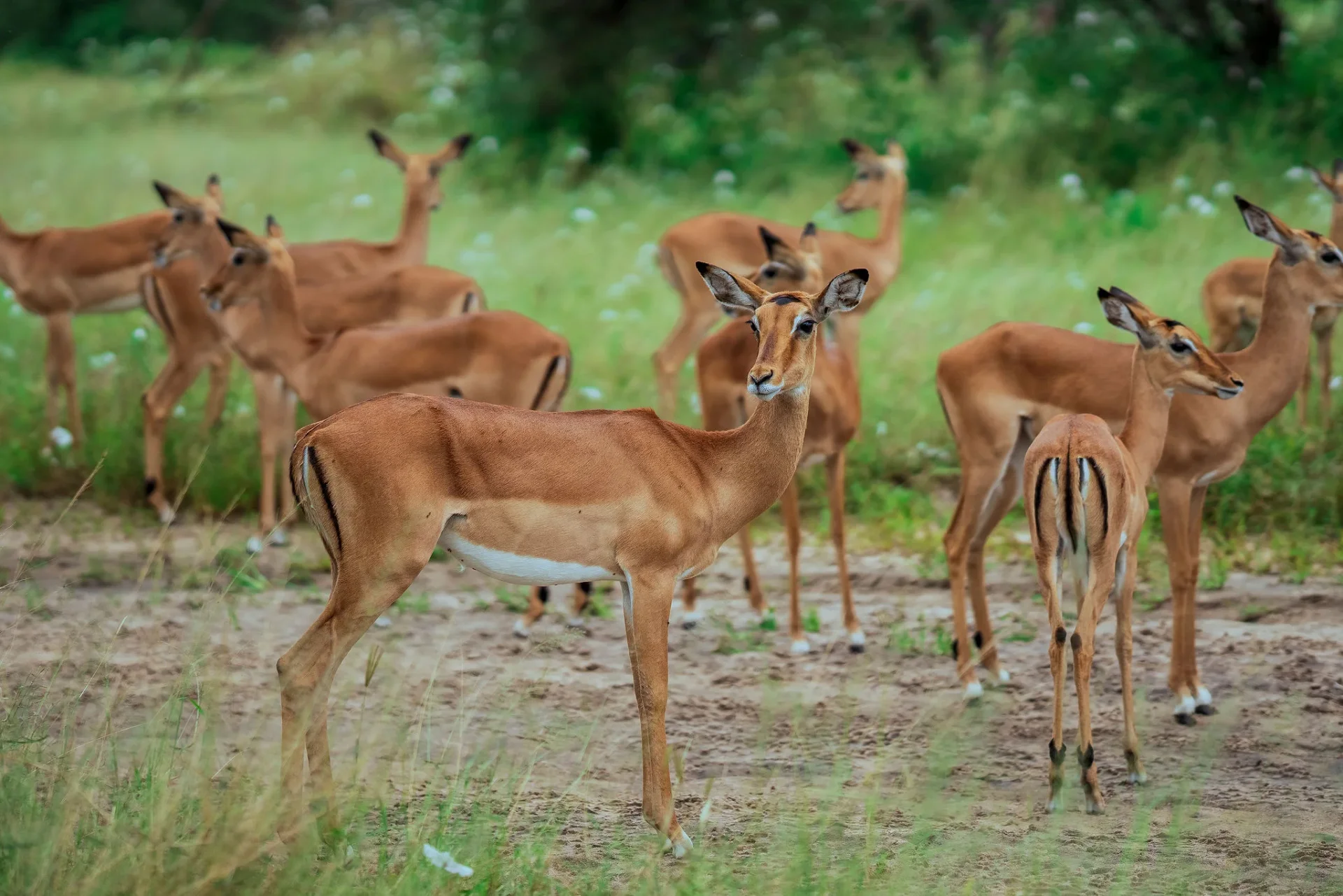
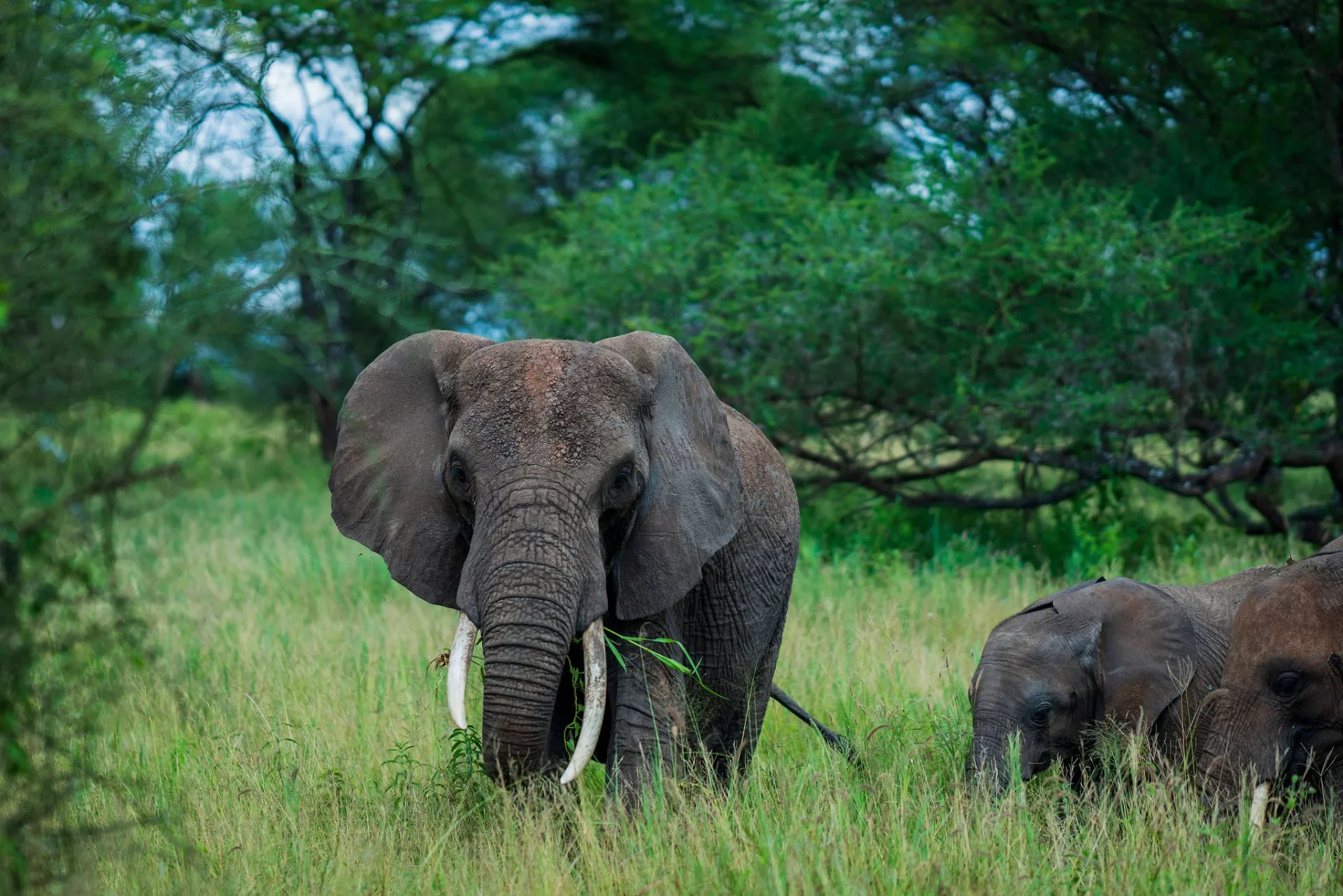
Tarangire highlights reach far beyond the elephant herds that make the park famous. Baobab trees change the skyline. Birds bring colour to branches and river edges. Open ground, woodland and wetland offer different ways to look at the same wild place.
Our co-founders, Joel Jenge and Ally Hussein, both went on the TanzaLux team trip to Tarangire. Their confirmed visit is the starting point for this closer look at the park. Here, we focus on the wider features that can turn a game drive into a fuller nature experience.
The wildlife and landscape notes below describe Tarangire’s attractions, rather than a verified list of every sighting on the co-founders’ outing. Our published film, The Wild Heart of Tarangire National Park, offers further inspiration. Your own visit will have its own pace, light and surprises.
This guide explores Tarangire highlights for curious travellers: what to look for, which questions to ask and how to leave enough time to enjoy the smaller details. It also includes sample packages and useful advice for planning with TanzaLux Safaris.
Plan a Tarangire journey with time for wildlife, birds and the wider landscape.
What our team trip brings to the Tarangire story
A team visit connects the people behind an itinerary with the destination itself. Joel Jenge and Ally Hussein’s trip gives this article that personal link. It also opens a useful planning question: how can a guest enjoy more of the park than a short list of famous animals?
For TanzaLux, the answer starts with the guest’s interests. A keen photographer may want time to frame a tree against open ground. A family may enjoy a guide’s explanation of a bird or a mound. Someone on a first safari may simply want a calm introduction to the bush.
These different interests can fit within the same park. The important part is to tell the planner about them early. Tarangire highlights become more rewarding when the day has space for the things that matter to your group.
The co-founders’ visit is part of our team story, but your trip needs its own plan. Ask who will guide it, how long you will spend in the park and where the overnight base will be. A good proposal turns inspiration into clear choices.
Tarangire highlights at a glance
Start with a broad view of the park, then choose where to place your time. TANAPA’s Tarangire attractions guide introduces its baobabs, river areas, birdlife and varied scenery. The following themes give a useful starting point for a conversation with your guide.
Baobab forms: look at the shape of trunks and branches, not only the size of a tree.
Birdwatching: pause for birds on the ground, in trees and near water.
River habitats: ask how water shapes the places animals use.
Termite-mound country: notice the smaller structures within a wide landscape.
Changing light: make room for a view that looks different later in the day.
Guided interpretation: ask why a scene matters, not just what an animal is called.
You do not have to cover every theme in one outing. Pick two or three priorities and let the guide assess conditions. A short, well-explained stop can be more memorable than another long drive to a distant place.
Baobab trees: the landscape has a story too
Baobab trees deserve a place among the main Tarangire highlights. A broad trunk and a branching crown can hold your attention even when no large animal is nearby. Look at the tree’s outline, the ground around it and the way it fits into the wider view.
The African baobab, Adansonia digitata, is a deciduous tree, so a bare crown is not in itself a sign that a tree has died. Kew’s baobab species profile describes its form, flowers and wider ecological role.
Rather than asking for a precise age based on appearance, ask your guide what can be said with confidence. Size alone does not provide a reliable birthday for a particular tree. A good explanation can be interesting without adding an unsupported number.
For photos, try a wider frame that leaves space around the branches. From a permitted vehicle position, look for a clean background and avoid cutting off the crown. If light is harsh, study shapes and shadows rather than expecting every scene to look like a sunset image.
A tree stop can also be a useful break in the pace of a drive. It gives the group a chance to look, ask and listen. That is one way to enjoy Tarangire highlights without making the day depend on rare sightings.
Tarangire birdwatching: a reason to look closer
Tarangire birdwatching adds a new layer to a safari. TANAPA’s wildlife and habitats guide mentions birds such as kori bustards, ostriches, bee-eaters, hornbills, ashy starlings and yellow-collared lovebirds. Which ones you see depends on conditions and the route.
A beginner does not need to learn a long list before arriving. Start with shape, size and movement. Is the bird walking on open ground, sitting on a branch or circling above? Those simple details give the guide a useful starting point for an explanation.
Make each stop easier to share
When someone spots a bird, describe a fixed point first. “On the bare branch above the fork” is more useful than “over there.” Give others time to find it before moving on. A shared view can be enjoyable even when nobody gets a photo.
Binoculars help with small or distant subjects. Ask whether a pair is available and bring your own if birding is a main interest. A camera’s close view can be useful, but it is easy to spend the whole stop searching through a lens.
Keep the experience calm
Birds are part of the park, not props for a photo. Avoid calling, crowding or trying to make them fly. Follow your guide’s lead and leave a subject alone when the view is poor or an approach would disturb it.
Among Tarangire highlights, birds are especially useful for changing the pace. They offer reasons to enjoy the quieter parts of a drive. You can leave with a few clear memories rather than an impressive list you barely had time to see.
Ask for a safari plan that gives birdwatching and photography enough time.
The river and wetlands: think about the whole habitat
The Tarangire River helps explain the park’s seasonal pattern. As temporary water sources dry, animals may gather around more reliable water. The official wildlife guide also describes a mix of woodland, grassland, palm thickets and seasonal swamp habitats, including Silale.
These places are Tarangire highlights because they show how the landscape works. Ask what the guide is looking for before a stop. Water, shade and open sightlines can all shape what is visible, while changing conditions can make a familiar area feel different.
A habitat view need not involve a close-up animal. A wide scene may show a watercourse, trees and animals using different parts of the space. Try to understand the scene before deciding that it is too distant to be worthwhile.
Access needs to be realistic. Do not assume that a place mentioned in a park guide can be reached on every short visit or in every season. Ask the operator which areas fit your route, lodge position and available time.
Leave the final routing to the guide within the agreed trip. A plan should have clear goals, but it must also respond to tracks, weather and wildlife movement. Tarangire highlights are best approached as a living landscape, not fixed appointments.
Termite mounds and the smaller details of the bush
Termite mounds can be easy to pass when everyone is scanning for large animals. Yet they are part of Tarangire’s distinctive terrain. TANAPA’s park overview includes them among its features and notes that wildlife may use raised ground as a lookout.
A mound invites questions. What made it? What does the guide notice about its form? Can anything be said about its current use, or would that require a closer study? These questions add interest without assuming that every structure has the same history.
Do not climb on a mound, damage it or leave the vehicle to inspect it without permission. The point is to notice more while following park rules. A respectful view from the track can still lead to an engaging explanation.
Other small details may include tracks, bark marks or a shape in the grass. Let the guide explain what can be identified. An uncertain sign should remain uncertain; it does not need a dramatic story to be worth discussing.
This is one of the simplest ways to enjoy Tarangire highlights beyond the elephant herd. Slow the pace slightly, ask a clear question and allow the answer to deepen the view.
Predators and other mammals: possibilities, not a checklist
Tarangire supports more than its best-known herds. TANAPA describes zebra, wildebeest, buffalo and other wildlife, as well as predators. Treat them as reasons to explore, rather than a list of promised sightings. Each day has its own mix of movement, light and chance.
For your own safari, a broad set of interests helps. Watch how animals use space, move together or rest in shade. Ask for an explanation of visible behaviour, while understanding that a brief encounter does not reveal everything about an animal’s life.
If predators are a priority, tell the planner. Then keep expectations realistic on the day. A good guide may assess likely areas, but a lion or leopard cannot be summoned to complete a list. The park remains rewarding when a hoped-for species stays hidden.
Tarangire highlights also include the relationships between scenes. A wide landscape, a bird stop and a quiet animal encounter can together make a fuller memory than one rushed close view.
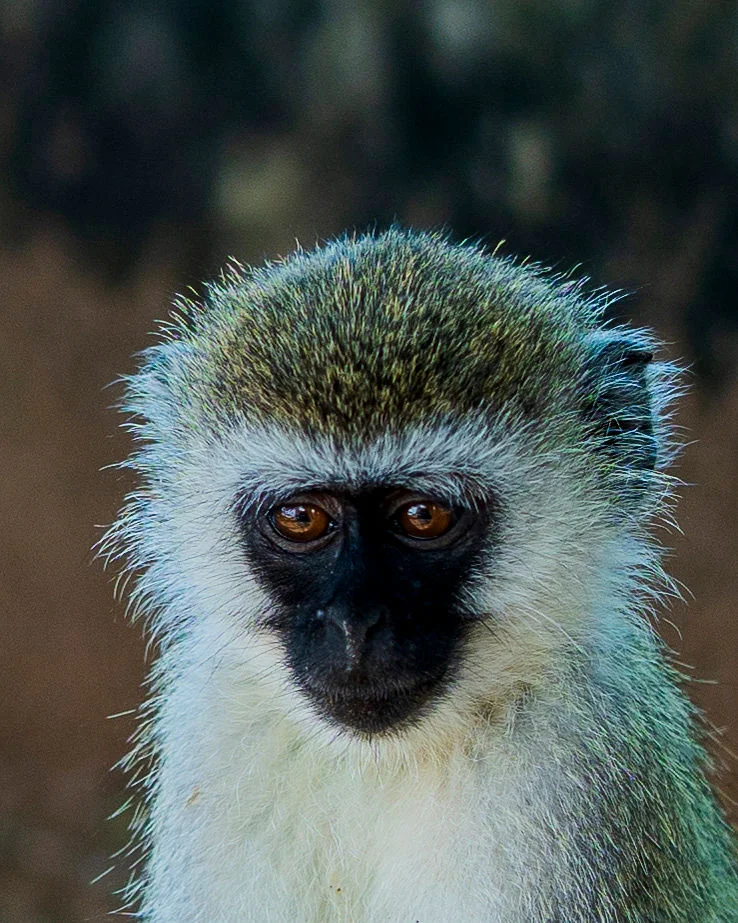
A closer look at smaller wildlife can add another layer to a safari.
Photos that tell a fuller safari story
You can bring home more than animal portraits. Think of a photo set as a small story: a wide view, a closer detail and a subject within its habitat. This works with a phone as well as with a larger camera.
Start wide: include the tree line, open ground or river setting.
Then look closer: frame a branch, texture or visible animal behaviour.
Keep the background simple: check what sits behind the subject.
Steady the camera: use a safe support within the vehicle where possible.
Share the view: give other guests a fair chance at useful positions.
Know when to stop: enjoy some moments without watching a screen.
Ask before photographing people, including your guide and other crew. A warm exchange can be more rewarding than a rushed portrait. Respect a refusal and avoid interrupting someone’s work for a better shot.
When planning photos of Tarangire highlights, allow for the booked schedule and park hours. Good light can be brief, and a day trip may not cover every hour you want. Discuss the overnight base if photography is central to the holiday.
Shape a private Tarangire safari around the subjects you most want to photograph.
Turn these interests into a workable park visit
Tarangire highlights need time, but that does not mean driving to every named area. Choose a few themes and ask what fits the route. A day with several unhurried stops can be more satisfying than a long circuit with little time to look.
A day trip from Arusha includes a substantial road journey. An overnight stay can change the rhythm, depending on where the lodge is located. Compare actual driving time, gate access and the amount of viewing time, rather than hotel style alone.
June to October is a common dry-season planning window. Greener periods bring a different setting, with rain and track conditions to consider. Ask about your exact dates instead of assuming every month delivers the same route or wildlife pattern.
For a family, keep breaks and attention spans in mind. For a keen birder, discuss time for small subjects. For friends with different interests, agree on a few shared priorities. A private Tarangire safari should begin with a clear group brief.
Before booking, check the vehicle, meals, guide arrangements, park charges and any planned extra activity. Walking, special meals and other outings should be confirmed separately where relevant. They are not automatic additions to a standard game drive.
Enjoy Tarangire highlights with care
The park is a wild place with rules that protect both visitors and its habitat. Read the official visitor guidance and follow your guide and park staff. Stay on designated tracks and leave the vehicle only where allowed.
Keep food secure, carry rubbish to the agreed disposal point and avoid attracting animals to the vehicle. Drones require the relevant permission. A film containing aerial footage does not give another visitor permission to launch a drone.
TANAPA also describes corridor protection and other conservation work in the wider ecosystem. This wider setting helps explain why habitats matter beyond a single game drive. Keep that bigger picture in mind as you explore the park.
You can make practical choices as a guest. Give wildlife space, listen at the briefing and raise concerns calmly through the agreed contact. Responsible viewing is part of enjoying Tarangire highlights, rather than a separate task added at the end.
Discuss a thoughtful route, suitable pace and clear activity choices with TanzaLux.
Sample packages for a closer look at Tarangire
These are sample route ideas inspired by the themes in this article. They are not the schedule of the co-founders’ outing or confirmed offers. Lodges, dates, park services and all optional activities need to be checked in your own proposal.
Package 1: Tarangire nature break — 4 days, 3 nights
Day 1: arrive and spend one night in Arusha.
Day 2: travel to Tarangire, enjoy a game drive and stay at a suitable lodge.
Day 3: spend a full park day with time for birds, trees and landscapes; stay a second night in the area.
Day 4: return toward Arusha for the agreed drop-off.
This gives Tarangire highlights their own place in the holiday. Choose the lodge for the route as well as comfort, and confirm how much time is actually spent inside the park. Wildlife and viewing conditions remain variable.
Package 2: Tarangire, Manyara and Ngorongoro — 6 days, 5 nights
Day 1: arrive for a night in Arusha.
Day 2: visit Tarangire and stay nearby.
Day 3: continue the Tarangire visit as timing allows, then transfer to Karatu.
Day 4: take a Lake Manyara excursion and return to Karatu.
Day 5: visit Ngorongoro Crater and stay a third night in Karatu.
Day 6: return to Arusha for the agreed onward plans.
This Tanzania Northern Circuit route offers several different settings. Ask the planner to check current access and excursion timing. It suits guests who want variety without adding the longer Serengeti stage to a short trip.
Package 3: Northern safari and Zanzibar — 14 days, 13 nights
Day 1: arrive and stay in Arusha.
Days 2–3: explore Tarangire from a suitable base for two nights.
Days 4–6: travel to the Serengeti for three nights in a seasonally appropriate area.
Days 7–8: stay two nights in Karatu, including a Ngorongoro Crater excursion.
Day 9: return to Arusha for an overnight stay.
Days 10–13: fly to Zanzibar and spend four nights at the chosen coastal base.
Day 14: transfer for departure.
Nine mainland nights and four island nights allow a fuller journey. Keep the Tarangire highlights in view when planning the first park stage, then match the Serengeti base to the season. Confirm flights, bags and coastal transfers before fixing the final plan.
Request a tailored quote for one of these Tarangire and northern Tanzania journeys.
Why travel with TanzaLux Safaris?
TanzaLux is Tanzanian-owned and based in Arusha. Our approach to planning brings safari, Kilimanjaro and Zanzibar together around your dates, budget, interests and pace. A local point of contact helps turn a broad wish list into a clear route.
Co-founders Joel Jenge and Ally Hussein’s Tarangire visit gives this story its team connection. For your own trip, the useful next step is to share what you would like to notice and learn. That might be birdwatching, the shape of a baobab, a better photo or simply a less hurried day.
A personal brief: explain your interests before choosing a route.
A sensible pace: allow for stops and the journey between bases.
Clear options: compare a short visit with a longer park stay.
One wider plan: link Tarangire with other parks or a beach stage.
Ask for written inclusions, named lodges and clear terms. The goal is to understand what you have booked while leaving wildlife free to surprise you. Tarangire highlights are not a fixed checklist, and your most lasting memory may be something you did not expect.
Explore Tarangire beyond the elephant herd with a trip shaped by TanzaLux Safaris.
Frequently asked questions
1. Which co-founders went on the team trip?
Joel Jenge and Ally Hussein both visited Tarangire. This article uses their confirmed trip as its team connection. The wider wildlife notes describe the park’s attractions and are not a complete sighting log from their outing.
2. What are the main Tarangire highlights beyond elephants?
Start with baobab trees, birds, river habitats, termite mounds and the changing landscape. The best choice depends on your interests. Ask your guide what fits the conditions and the time available on your visit.
3. Is Tarangire birdwatching suitable for beginners?
Yes. Start with shape, size and behaviour rather than trying to memorise names. A guide and binoculars can help you enjoy both small birds and larger subjects. Tell the planner if birding is a main interest.
4. Which birds might I see?
The park supports many kinds, including ostriches, bustards, hornbills and bee-eaters. Exact sightings vary. Use the official park guide as background and let your guide identify the birds visible on the day.
5. Do I need my own binoculars?
Ask whether any are supplied for your trip. Bringing your own can be useful if you want to watch birds for long periods. Sharing works for some groups, but it may limit how long each person can look.
6. Why do some baobabs have no leaves?
The African baobab is deciduous and loses its leaves during part of its seasonal cycle. A bare crown alone does not mean a tree is dead. Ask the guide about what can be understood from the tree’s visible condition.
7. Can a guide tell the exact age of a baobab?
Appearance alone does not establish an exact age. Treat precise numbers carefully unless they are backed by a documented study of that tree. Its form and place in the landscape can be interesting without a fixed age claim.
8. Why is the Tarangire River important?
It helps shape where wildlife gathers as temporary water sources dry. The river corridor is one part of a wider habitat system. Water levels, weather and animal movement affect what you see at any particular stop.
9. Is Silale Swamp included in every route?
No. Access and timing depend on the route, conditions and overnight base. Ask whether the area fits your planned visit. Do not assume a short day trip can reach every named attraction in the park.
10. Is Tarangire’s seasonal movement the Serengeti migration?
No. The two should be planned as separate wildlife systems. If following the famous Serengeti herds is your priority, discuss the right region and season for that part of the itinerary.
11. Are predator sightings guaranteed?
No. Predators can remain hidden or move out of view. Tell the guide what interests you, but enjoy the wider park too. A safari should not depend on one animal appearing.
12. Do I need a professional camera?
No. A phone can capture landscapes and broader scenes. A longer lens helps with distant subjects, but it does not replace patience or a good viewpoint. Use the camera you can handle comfortably within the vehicle.
13. Can children enjoy these Tarangire highlights?
They can, with a suitable pace and short, clear explanations. Birds, trees and shapes in the landscape can add interest between large-animal sightings. Check the driving time, breaks, vehicle setup and lodge policies for your family.
14. How much time should I allow?
A day trip can offer an introduction, but an overnight base may allow a slower visit. Compare actual park time and travel time. Two nights near a useful route can help guests who want more unhurried stops.
15. When is the best time to enjoy Tarangire highlights?
Choose dates around your main interests and the wider trip. The dry season is a popular wildlife window; greener months offer another setting. Ask about current conditions rather than expecting the same experience in every month.
16. Can I walk to look at a tree or mound?
Only where the activity is permitted and properly arranged. Do not leave the vehicle on your own. Guided walking requires the appropriate support and permissions, which should be checked before booking it as an activity.
17. May I bring a drone?
Discuss it in advance and obtain the required permissions before use. A promotional film showing aerial views does not make drone flying freely available to park visitors. Follow the operator’s and park authority’s instructions.
18. Should I stay inside or outside the park?
Compare the exact lodge location, route and access rather than the label alone. A lodge outside the boundary may suit one plan well, while another creates long drives. Ask how each option changes your time on safari.
19. Can I combine this visit with Zanzibar?
Yes, when the trip length and transport allow it. Confirm the flight route, baggage rules and beach transfers. Keep time for rest and avoid a tight connection after a long road day.
20. How do I start planning with TanzaLux?
Send your dates, group size, budget and main interests. Add any room, food or access needs. Ask for a written route and inclusions, then review the choices and booking terms before confirming the trip.
Ready to start planning?
Tell us your dates and what you're after — no obligation.
