5.0 Excellent

Exploring Tanzanian Rivers: A Journey Along Tanzania’s Lifelines
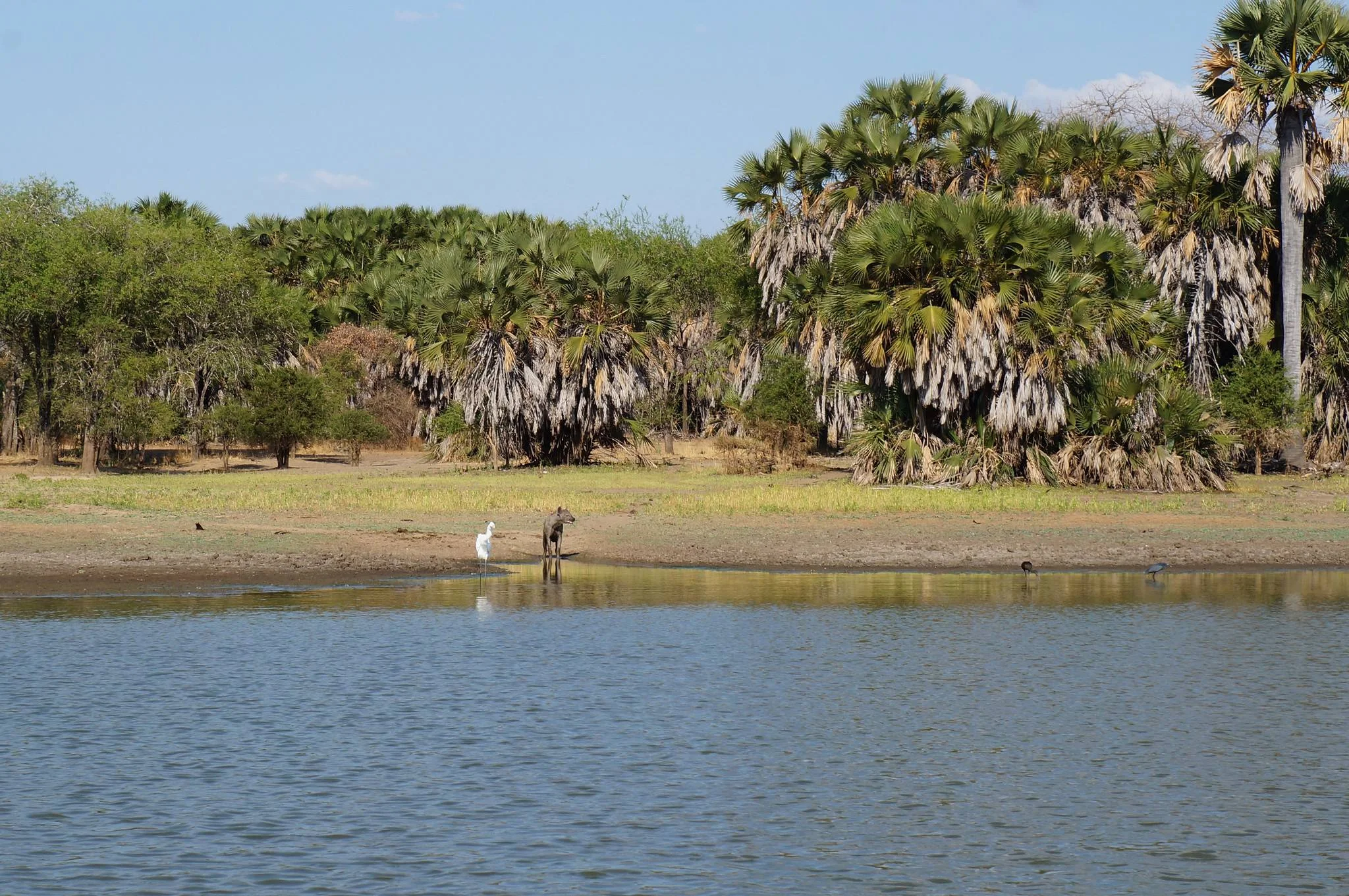
Tanzanian rivers connect mountain catchments, farms, wetlands, towns, and wildlife habitats. Some reach the Indian Ocean. Others feed Lake Victoria or inland lakes. Following their stories reveals a Tanzania that reaches far beyond one game drive or a single river crossing.
A river can shape the whole mood of a safari. You may watch elephants move toward water, hear birds along a shaded bank, or take a guided boat through a suitable channel. Yet each river has its own geography, access rules, and seasonal limits.
This guide explores ten rivers and explains how to build a thoughtful trip around them. It covers wildlife, local daily life, conservation, safety, and sample safari packages. Travel guidance was reviewed in November 2026. Check current river levels, camp access, allowed outings, and regional advice before booking.
Plan a trip inspired by Tanzanian rivers with TanzaLux Safaris.
Tanzanian rivers: a quick way to choose your focus
Rufiji: discuss guided boat safaris in the Nyerere river-and-lake landscape.
Great Ruaha: explore a river-shaped safari setting and the role of water flows.
Kilombero: learn about a broad floodplain, wetlands, and working landscapes.
Tarangire: plan wildlife viewing around a river and its associated wetlands.
Mara and Grumeti: choose the correct Serengeti region for your dates and migration interests.
Pangani and Wami: explore different river stories toward the Indian Ocean coast.
Kagera and Ruvuma: understand shared waters and Tanzania's wider regional links.
Why rivers matter far beyond the safari view
Rivers in Tanzania support people as well as wildlife. A catchment may provide water for homes, farming, fishing, industry, or power generation. The needs upstream and downstream are linked, even when the people using the water live far apart.
Tanzania's Ministry of Water basin overview explains how rivers are managed through different basin systems. It identifies the Great Ruaha, Kilombero, Luwegu, and Rufiji within the Rufiji basin, which drains toward the Indian Ocean.
For a visitor, this makes a river more than a backdrop. Ask where its water comes from, what happens beyond the park, and how seasonal change affects the landscape. Tanzanian rivers tell a story of shared water, with people and nature part of the same wider system.
1. Rufiji River: a southern safari lifeline
The Rufiji is central to the river, lake, and floodplain scenery of Nyerere National Park. TANAPA's Nyerere guide describes boat safaris alongside game drives and approved walks. This is a useful starting point if a river safari in Tanzania is your main goal.
A boat outing may use the river, linked lakes, or suitable channels, depending on the camp and conditions. Ask which water area your booking will explore. A lodge name near the Rufiji does not by itself establish the exact boat route or what is included.
Of the Tanzanian rivers in this guide, the Rufiji is a good place to ask about a boat trip. Stay a few nights to leave time for drives and rest as well. The crew will choose the route to suit the water on the day.
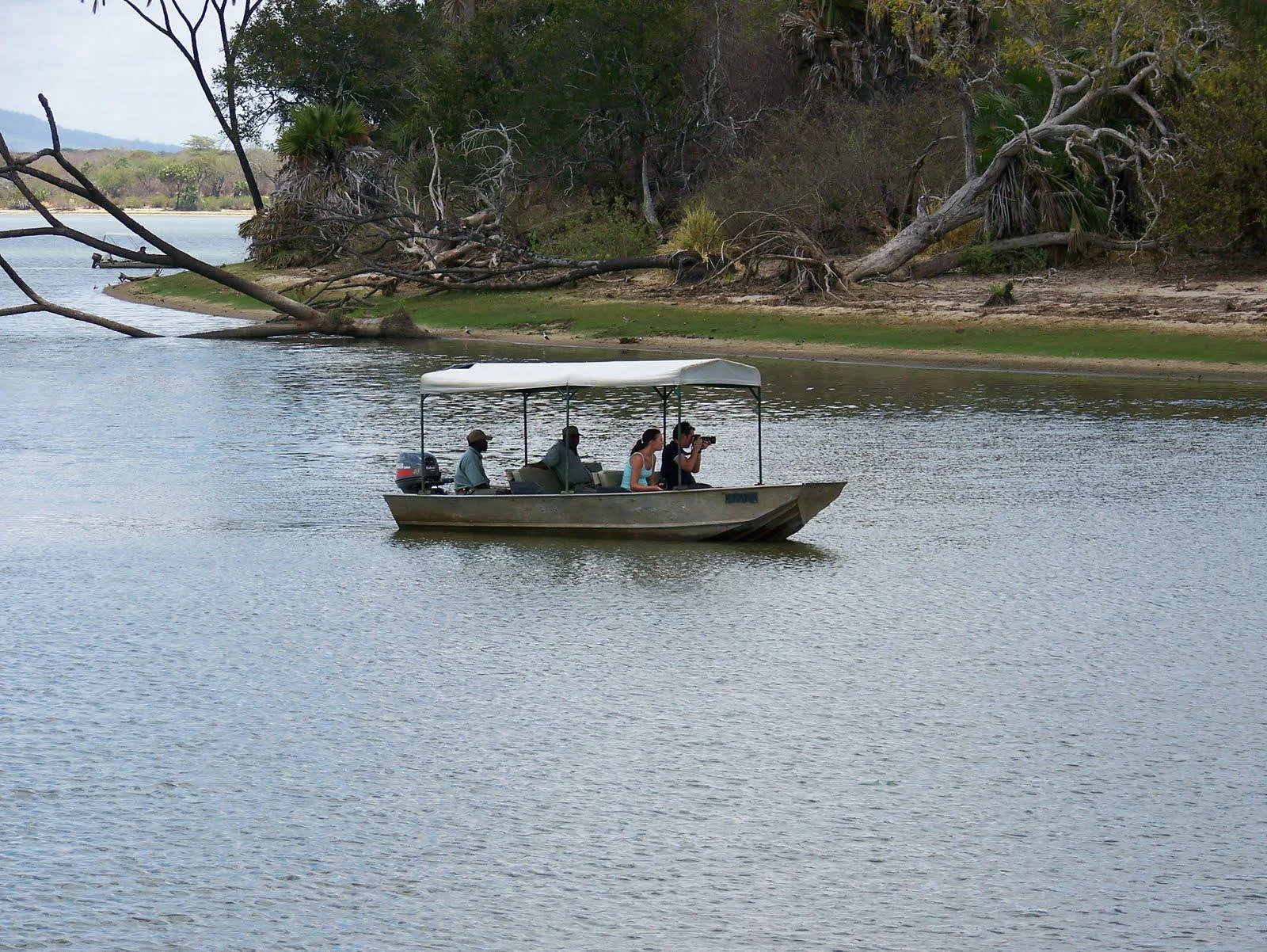
A Rufiji-area boat safari in Nyerere, from the TanzaLux media library. Check the booked route and current operating conditions.
2. Great Ruaha River: water and wildlife in balance
The Great Ruaha shapes the landscape of Ruaha National Park and forms part of the wider Rufiji system. TANAPA's Ruaha habitat page places it among the park's river systems, alongside woodland, rocky ground, and open safari country.
Its story also involves water scarcity. A Leibniz-IZW research account explains how reduced water affects wildlife in Ruaha. Flow can vary greatly, and a river scene in one season may look very different in another.
When you visit Tanzanian rivers, ask what the river looks like now. It may have pools, a broad flow, or dry ground in parts. Watch where the animals move and rest. Your guide can explain why the view has changed.
3. Kilombero River: the floodplain story
The Kilombero is part of the Rufiji basin and is associated with a wide wetland landscape. The Kilombero Valley Ramsar information sheet describes seasonal flooding and the role of fishing and agriculture. Its dated baseline helps explain the setting; it is not a live travel report.
This is a river story about a whole valley, not only one bank. Water spreads, retreats, and helps shape how land is used. A visit needs current local knowledge of access, guiding, and the purpose of any stop.
To learn more about Tanzanian rivers and daily life, ask for a visit led by a local host. Watch from a place they choose. Keep clear of boats and farm work, and ask before you take a photo. Each bank has its own use.
4. Tarangire River: a focus for wildlife viewing
The Tarangire River and associated wetlands are vital to the park's dry-season wildlife story. TANAPA's Tarangire brochure describes the river's northward course through the park toward Lake Burunge, along with linked swamps and their role as water sources.
For most safari guests, the experience is a game drive with river and wetland views. Ask how the camp and daily route fit current wildlife movements. A river-focused safari does not need to involve a boat.
This is one of the Tanzanian rivers you can see on a safari from Arusha. Leave time to sit and watch. Keep the path to the water free so animals can come and go. Let the guide choose where you stop.
5. Mara River: shared water and the migration
The Mara is a cross-border river connecting Kenya and Tanzania within the Lake Victoria basin. Kenya's Water Resources Authority overview places it in that shared catchment. The river's role reaches beyond the crossing scenes that draw many safari guests.
For migration viewing in Tanzania, discuss a northern Serengeti base and the dates most suited to your goal. The Tanzania High Commission's Serengeti calendar provides broad seasonal context. Herd position and crossing events still depend on nature.
The Mara is one of the Tanzanian rivers you may know from films. Take time to watch the whole scene. Herds may graze near the bank or turn away. A guide can help you see more than the moment they reach the water.
6. Grumeti River: a different Serengeti setting
The Grumeti belongs to the western Serengeti landscape. It is a different river and travel focus from the Mara in the north. TANAPA's Serengeti habitat guide identifies the Grumeti among the park's key landscape features.
Ask your planner to explain the western route, camp position, and seasonal wildlife focus. A trip sold simply as “Serengeti” may not place you near the river you want to see. Park boundaries and access rules also matter when comparing camps.
For Tanzanian rivers on the herd's route, choose the area that fits your dates. The two rivers need their own plans. You may spend hours by a bank and see no crossing. The full scene can still be rich in life.
7. Pangani River: from inland waters toward the coast
The Pangani River system links northern highland catchments with the coast. The Pangani Basin Water Board describes the main river below Nyumba ya Mungu reservoir and the Kikuletwa and Ruvu tributaries that feed that system. It also outlines water uses such as farming, fishing, and power generation.
A Pangani-focused visit should have a clear local plan. Ask whether you want to learn about the town, river mouth, surrounding local people, or a allowed water outing. Those outings need different plans.
Among Tanzanian rivers, Pangani shows how water links the hills with the sea. Ask a local host to help you read that link. Plan the roads, boat use, and weather checks before the visit.
8. Wami River: mangroves and the Saadani coast
The Wami River is a key part of Saadani National Park's coastal setting. The official park overview describes boat safaris on the Wami, with chances to observe hippos, crocodiles, and birdlife. This is another option to discuss for water-based wildlife viewing.
Ask which team runs the outing, where it starts, and how conditions affect the route. River levels, weather, and the local water setting matter. Follow the crew's instructions and keep hands and equipment inside the boat as directed.
When you plan Tanzanian rivers near the coast, ask how a Wami outing fits your stay. Keep time for the ride to the boat and back to camp. The boat trip should be clear in the quote, with a plan if it cannot run.
9. Kagera River: Tanzania's link to the wider Nile basin
The Kagera is part of a shared river system flowing into Lake Victoria. A Nile Basin Initiative project study describes its cross-border course and link to the lake. It shows why Tanzania's river story cannot be understood within national boundaries alone.
Lake Victoria is part of the wider Nile basin. That link does not make every river in Tanzania a Nile tributary. It also does not make the whole Kagera course a standard safari route.
To see Tanzanian rivers in the northwest, start with a local guide who knows the area. Agree where to go, how to get there, and which banks you may visit. Keep the route to places that have safe, approved access.
10. Ruvuma River: shared waters in the south
The Ruvuma, also called Rovuma, forms much of the Tanzania–Mozambique boundary and reaches the Indian Ocean. The Ministry of Water basin overview describes the shared system. It is a key part of the geography of southern Tanzania.
Geography and trip suitability need separate checks here. Read current official regional risk advice before considering border-area travel. Some areas near Mozambique have specific security warnings, and a general river guide should not be treated as a route recommendation.
Tanzanian rivers matter far beyond a safari route. This profile shows where the Ruvuma fits on the map. Seek current local advice and a well-checked route for any planned visit.
Not all rivers follow the same path
A river basin is the land area that drains water into a connected system. Two rivers can be far apart on the surface yet linked downstream. Nearby rivers can also drain in different directions.
Rufiji system: includes the Great Ruaha, Kilombero, Luwegu, and Rufiji basin areas, draining toward the Indian Ocean.
Lake Victoria links: the Mara and Kagera belong to the wider Lake Victoria and Nile-basin story.
Tarangire: TANAPA describes its course toward Lake Burunge, an inland destination.
Pangani and Ruvuma: both form part of Tanzania's Indian Ocean river story, in different regions.
When exploring Tanzanian rivers, use a map of the catchment as well as a safari map. It helps explain why water use outside a park can matter to wildlife inside it. It also helps you avoid trying to join distant places into an overly rushed trip.
When should you visit?
Choose dates for the experience you want. A dry-season wildlife plan, a boat safari, a birding visit, and a migration-focused trip have different needs. Do not assume the lowest water level gives the best boat access.
For Tanzanian rivers, ask the chosen camp about current service and access. Which channels can be used? Are the roads open? Does the booked outing depend on water depth, weather, or a minimum age? Check the answer for your dates.
Seasonal guidance is a starting point. Rain may fall far upstream, and flow can change even when the sky above you is clear. Leave room for an outing change and enjoy the wider park or coastal setting if a water outing cannot run.
How to enjoy river wildlife safely
Use approved guides and suitable teams. TANAPA's Nyerere visitor guide calls for lifejackets on boat safaris and following ranger and crew instructions. Ask about the briefing, safety gear, age limits, and the plan if conditions change.
Keep a respectful distance from wildlife on land and water. Never block access to a river for a photo. Do not assume a quiet bank is safe to walk on, or that a still-looking pool is suitable for swimming.
For Tanzanian rivers, boating, swimming, canoeing, and fishing are separate outings with different rules and risks. A boat safari booking does not include permission to swim or fish. Check access and permits before any outing, and follow the guide's decisions.
Wear sun protection, carry drinking water, and secure camera gear. A dry bag can protect your own items, but it does not replace careful handling. Keep your balance and ask before standing or changing position in a boat.
Rivers, local daily life, and respectful travel
Rivers are workplaces and sources of water, food, and income. A fishing landing, farm edge, or village bank is not automatically a visitor site. Ask for a hosted visit and agree the purpose, cost, and photo permissions.
Give working boats space and avoid blocking access points. Ask before taking portraits. Buy goods or meals on fair, agreed terms if you choose, without treating people as scenery for a wildlife holiday.
A trip along Tanzanian rivers can deepen your knowledge when the visit is shaped with local hosts. Let the conversation include daily needs and changing conditions, rather than only the animals you hope to see.
Conservation: why the flow itself matters
A river needs more than a small pool of water to remain healthy. The timing, amount, and movement of water help shape habitats. Research on the Great Ruaha's environmental flow needs explains why water allocation matters to the river and its ecosystem.
These are shared planning questions involving water users, local local people, authorities, and conservation teams. A guest should not assume every change comes from one cause, or that a quick view reveals the full condition of a catchment.
When travelling near Tanzanian rivers, use water thoughtfully, take litter back, and respect banks and vegetation. Ask camps how they manage wastewater and water use. If you want to support a project, ask for clear details about the organisation and what your contribution funds.
Ask TanzaLux to shape a river-focused safari with clear outings and careful viewing plans.
Sample packages inspired by Tanzanian rivers
These are tailor-made ideas for discussion, not fixed departures. Camps, guiding, transport, fees, boat service, and seasonal access need checking for your dates. Choose one main river region and give it time, rather than trying to visit every river in one holiday.
Six days: Rufiji landscapes and Nyerere wildlife
Day 1: arrive in Dar es Salaam and stay overnight.
Day 2: travel to the selected Nyerere-area camp by the agreed road or flight route.
Days 3–4: two full days for planned game drives and a guided boat outing if conditions allow.
Day 5: return to Dar es Salaam and stay overnight.
Day 6: departure transfer.
This six-day, five-night idea includes three nights at the safari base. Check the water area, park access, airstrip or road transfers, and what happens if boating cannot operate. It is a focused river-and-wildlife introduction.
Request a six-day Rufiji and Nyerere safari with clearly planned boat outings.
Eight days: Great Ruaha and time in the bush
Day 1: arrive and stay in Dar es Salaam.
Day 2: planned flight to the chosen Ruaha airstrip and camp transfer.
Days 3–6: four full days to explore the park at your preferred pace.
Day 7: return flight and a Dar es Salaam overnight.
Day 8: departure transfer.
This eight-day, seven-night idea gives five nights in Ruaha. The focus is the river-shaped park landscape, game drives, and any separately confirmed outings. It does not assume the river is suitable for boating or has continuous flow on every date.
Plan an eight-day Ruaha safari around wildlife, river scenery, and a steady pace.
Nine days: Tarangire and a seasonal Serengeti river focus
Day 1: arrival and an Arusha overnight.
Day 2: Tarangire game drive and an overnight in the chosen area.
Day 3: another Tarangire day and a second local night.
Day 4: planned onward flight or road transfer to the selected Serengeti region.
Days 5–7: three full days based in that region.
Day 8: agreed return flight and an Arusha overnight.
Day 9: departure transfer.
This nine-day, eight-night idea has four Serengeti nights. Choose a western Grumeti or northern Mara focus to match the season; they are different options. Long transfers may need staging or flights, with the final route and cost agreed before booking.
Match Tarangire and Serengeti river landscapes to your safari dates.
Why travel with TanzaLux Safaris?
TanzaLux is a Tanzanian-owned company based in Arusha. Its About TanzaLux page describes a tailored approach shaped by dates, pace, budget, and interests. Safari, Kilimanjaro, and Zanzibar can be coordinated within a wider trip.
For Tanzanian rivers, begin with the experience you most want: a boat safari, wildlife beside water, birding, or time to understand a landscape. Ask the team which region and local plans can support that goal on your dates.
A local planning base: discuss the route with an Arusha-based team.
Your own focus: choose the river region, pace, and room style that suit you.
Clear details: check camps, guiding, fees, transport, and water outings in writing.
A wider holiday: discuss an onward beach stay or another part of Tanzania.
The most rewarding trips along Tanzanian rivers leave time to watch, learn, and notice how the landscape works. Choose a realistic route, respect the water and its users, and let the full setting become part of your safari story.
Share your dates and river interests with TanzaLux Safaris to begin planning.
Frequently asked questions
1. Which Tanzanian rivers are most useful to safari planning?
Rufiji, Great Ruaha, Tarangire, Mara, Grumeti, and Wami are useful starting points for different safari settings. The right choice depends on whether you want boating, game drives, migration viewing, or a coastal plan.
2. Do all rivers in Tanzania reach the Indian Ocean?
No. Rivers drain into different systems. Some reach the Indian Ocean, while others connect to Lake Victoria or inland lakes. Look at the catchment map as well as the safari map to understand the route.
3. Can I take a Rufiji River boat safari?
Discuss a guided outing with the chosen Nyerere-area camp or team. Check the actual river, lake, or channel used, current conditions, safety gear, fees, and age limits. Boat service is not guaranteed on every date.
4. Is boating the main way to explore Great Ruaha?
Do not assume that. Plan Ruaha around its park landscape and confirmed outings, such as game drives. A river-focused stay does not establish boat access. Ask the team what is actually allowed and offered.
5. Does the Great Ruaha flow continuously all year?
Do not rely on that assumption. Research has documented reduced flows and dry-season interruptions in parts of the river. Ask about current conditions for your route, while recognising that one section does not show the whole catchment.
6. Why is the Kilombero Valley key?
It is a broad wetland and floodplain landscape within the Rufiji system. Its Ramsar record describes seasonal water changes and links with fishing and farming. A visit needs current local access and guiding advice.
7. Is Tarangire a boat-safari destination?
A standard Tarangire river-focused safari usually centres on land-based wildlife viewing. Do not assume boating is included or allowed. Check each outing in the route and follow the park and guide's instructions.
8. Are Mara and Grumeti the same river?
No. The Mara is associated with the northern Serengeti migration focus, while Grumeti is part of the western setting. They require different camp and route choices. Ask which best fits your dates and interests.
9. Can I guarantee a migration river crossing?
No. Herd movements and crossings are wild events. Choose an appropriate region and allow several days, but plan to enjoy the wider wildlife too. A crossing cannot be promised as part of a booking.
10. What is the link between Kagera and the Nile?
The Kagera flows into Lake Victoria, within the wider Nile basin. It is a shared cross-border river system. That link does not make every Tanzanian river part of the Nile or a standard visitor route.
11. Can I combine Pangani with a coastal stay?
Discuss it as a separate coastal route with a suitable local provider. Check the town or river area you want to visit, transport, hosting, and allowed outings. Access and boat plans should be confirmed before travel.
12. Where can I explore the Wami River?
Saadani National Park is a place to discuss guided Wami boat safaris. Check the provider, starting point, camp location, conditions, fees, and safety briefing. A general park visit does not automatically include a river outing.
13. Is Ruvuma suitable for a casual safari detour?
Do not treat it as a casual addition. Border-area travel needs current regional risk checks and a suitable local plan. Some areas near Mozambique have specific warnings. This guide includes Ruvuma for its geographic role.
14. Can I swim in these rivers?
Do not assume a river or pool is safe for swimming. Wildlife, currents, depth, water quality, and access rules matter. Follow local and team guidance, and keep swimming separate from a wildlife boat-safari plan.
15. Can I fish during a river safari?
Only if fishing is allowed and separately arranged with the right team and permits. A boat safari or riverside stay does not create fishing access. Check the location, season, rules, and equipment before booking.
16. What should I pack for a boat safari?
Bring sun protection, drinking water, a light layer, and secure storage for personal items. Protect camera gear from splashes. Use the safety equipment supplied and follow the crew's instructions about seating and movement.
17. Are boat safaris suitable for children?
Age rules and suitability vary by team, boat, water conditions, and route. Ask before booking. Check suitable lifejackets, trip length, shade, and how the outing will be managed for your family.
18. How can I photograph river wildlife responsibly?
Use a safe position chosen by the guide, keep gear secure, and give animals space. Do not ask to block a path to water or move too close. A wider scene can be as rewarding as a close view.
19. Can I visit all ten rivers in one short holiday?
That would create a rushed and impractical route. Choose one main region and the experience you value most. Other rivers can remain part of your knowledge of Tanzania without becoming stops on the same trip.
20. How do I plan a river-focused trip with TanzaLux?
Share your dates, group size, budget, and main interests through the contact page. Ask for a clear route with named camps, transport, guiding, and allowed outings. Review current conditions, inclusions, and terms before paying the agreed deposit.
Ready to start planning?
Tell us your dates and what you're after — no obligation.