5.0 Excellent

Northern vs. Southern Tanzania Safaris: Cost, Accessibility, and Crowd Differences
Tanzania safari costs depend on much more than choosing the north or south. Your camps, flights, group size and pace all shape the final bill. Crowd levels also vary within each region. A famous park can have quiet corners, while a remote camp can still have shared drives.
Choose northern Tanzania if Serengeti, Ngorongoro and a classic road route are your main goals. Consider southern Tanzania if you want a trip centred on Ruaha or Nyerere, with time for a different rhythm. Neither circuit is always cheaper, easier or free from other visitors.
This guide looks closely at money, access and crowds. You will find a clear way to compare quotes, practical route advice and three sample packages. The aim is to help you spend well and choose a trip that feels right for you.
North or south: which safari fits your priorities?
Start with the experience you most want, then check how the route works. Tanzania Tourism's northern circuit guide includes Serengeti, Ngorongoro, Tarangire and Lake Manyara. Its southern circuit guide includes Ruaha and Nyerere. This article focuses on those core safari choices rather than every possible stop.
For famous northern highlights: build a route from Arusha with enough nights for the longer Serengeti leg.
For a southern camp stay: compare a focused Nyerere trip with a longer Nyerere and Ruaha plan.
For fewer vehicles: weigh season, camp area and daily route, as well as the circuit name.
For a clear budget: compare complete trips with the same dates, party size and comfort level.
The best approach to Tanzania safari costs is to price the holiday you want to take. A low room rate can lose its appeal if it adds long transfers. A costly flight may earn its place if it protects a full day of your limited leave.
Ask TanzaLux Safaris to compare northern and southern routes for your dates and budget.
Why Tanzania safari costs differ between the circuits
Road travel and the size of your party
A northern road safari can link several headline parks within one journey. You keep a vehicle and guide across the planned route, rather than paying for a new flight at each move. This can make the cost easier to spread across a small group.
For example, four friends sharing a private vehicle may divide its daily cost more widely than a couple. Room charges and park fees still depend on the guests and their booking. Do not assume that every part of the package falls by the same amount when more people join.
When comparing Tanzania safari costs, ask for the actual seat plan. A full vehicle may lower the price per guest but leave less room for cameras and day bags. Your ideal group size should suit both the budget and the way you want to watch wildlife.
Flights can change the whole budget
A southern itinerary may use light aircraft to reduce long road journeys. Once you add arrival flights, an inter-park move and a flight back to the coast, transport can be a major part of the total. Remote does not always mean low cost.
Northern trips can also be built around flights. Flying to or from Serengeti may save a long return drive, depending on your route. Compare a road-only plan with a road-and-flight option before deciding where an upgrade offers the most value.
For Tanzania safari costs, count every flight leg and transfer. Check the airline, route, baggage terms, airstrip pickup and onward airport transfer. A fare without those details is hard to compare with a complete trip quote.
Camp style matters as much as location
A simple camp, a comfortable tented lodge and a small luxury property can sit within the same broad circuit. Their prices may cover very different things. Meals, drinks, laundry and activities need to be checked for each property.
Also ask whether drives are private or shared with other camp guests. A private room does not imply a private safari vehicle. On a fly-in stay, camp-run activities may be the standard arrangement, with exclusive use priced separately.
Tanzania safari costs become clearer when the quote names the camp, room type and activity basis. “Luxury safari” alone does not tell you how the day will feel. Decide whether you value more space, more privacy, better route placement or an extra night most.
Fees and extras need to be visible
Park entry is one part of a safari bill. Vehicle, camping, concession and activity charges may also apply. TANAPA's Ruaha visitor guide advises checking the current fee schedule for your visitor category and activities. Use a dated operator quote rather than an old online tariff.
For a route with Ngorongoro, ask for required conservation-area and crater charges to be shown too. Confirm what is included in the quoted total, rather than adding one headline park fee to a room rate and assuming the job is done.
When planning Tanzania safari costs, set aside money for any excluded tips, drinks, flights and personal purchases. Confirm insurance and other entry-related expenses for your own journey through the relevant official providers. Keep safari inclusions and personal travel costs clear.
What do published safari prices tell you?
As checked on 24 October 2026, TanzaLux's private safari page lists a seven-day luxury Tanzania safari with a Serengeti balloon flight from US$3,600 per person. The advertised route covers Arusha, Tarangire, Serengeti and Ngorongoro. Treat this as a starting price to confirm for your dates and party.
For a separate southern market example, Asilia advertises Pure South Tanzania, an eight-day Nyerere and Ruaha itinerary, from US$7,370 per person sharing. This is another operator's product, not a TanzaLux quote. It shows why a quiet southern trip can still have a substantial budget.
These examples have different lengths, suppliers and inclusions. They do not prove that one circuit costs twice as much, or establish a typical rate for either region. Use them to understand the need for a proper quote. Tanzania safari costs should be compared on the same basis before you draw a conclusion.
Ask for two options using the same travel month, number of guests and room standard. Include flights in both totals or exclude them from both. Then compare full wildlife days and nights, rather than dividing a headline price by a headline day count.
Request a dated quote with camps, flights, fees and activity arrangements clearly listed.
How to compare Tanzania safari costs fairly
Create one simple list for each offer. If a detail is missing, ask for it before comparing the totals. A short written reply can prevent a costly misunderstanding later.
Dates and guests: same travel week, adults, children and room sharing.
Nights: exact camps and any city or airport hotels.
Transport: private road vehicle, scheduled flights, transfers and baggage terms.
Viewing time: full drive days, arrival drives and mainly transfer days.
Activities: what is included, what is optional and whether use is private.
Meals and drinks: clear meal plans and any exclusions.
Charges: required park, crater, vehicle and activity fees.
Terms: deposit, balance dates, cancellation rules and quote validity.
To lower Tanzania safari costs, first test a simpler route. One well-placed camp with more nights can be better value than several short stays. Removing a move can reduce travel demands and leave more time for the experience you came for.
Ask what changes if you shift dates, choose a different room or reduce one flight leg. Keep the core goals intact. Saving money by removing your only full day in a key park may weaken the trip more than choosing a less lavish room.
Accessibility in the north: practical choices from Arusha
Northern Tanzania safaris often use Arusha as their planning and departure base. Check the exact arrival airport on your booking; Kilimanjaro International Airport and Arusha Airport are different places. Every transfer should name its start and end point.
TANAPA confirms that Serengeti can be reached by road or air, with Arusha a common gateway. A road route lets the journey form part of the holiday. A flight may suit guests who want to reduce time on long transfers.
Ask for realistic travel blocks between your chosen lodges. A route to central Serengeti is different from one reaching a far northern camp. Road conditions, stops and gate arrangements all affect the day. Avoid a fixed driving-time promise based only on park names.
Accessibility also shapes Tanzania safari costs. A camp closer to the area you want to explore may save repeated daily drives. A cheaper room farther away can demand more time from every morning. Ask the planner to show your bases on a map.
Accessibility in the south: plan each connection
Nyerere: road access or a light-aircraft stay
TANAPA's Nyerere guide lists road access from Dar es Salaam and other approaches depending on the gate. It also lists scheduled and charter flights to park airstrips. Your chosen camp determines the most useful route and pickup point.
A road-based Nyerere trip can work for some itineraries. Ask for the full transfer plan, current conditions and whether your lodge sits inside or outside the park. “Near Nyerere” does not tell you how much driving comes before each game drive.
Ruaha: give the journey enough space
Ruaha can be approached by road from Iringa or by air to park airstrips. A road plan needs to include getting to Iringa as well as the final park leg. Do not mistake a short local transfer for the whole journey from the coast.
If you combine Ruaha and Nyerere, ask which connection operates on your dates. Confirm every leg before locking in camps. A Tanzania fly-in safari should have a clear travel sequence, rather than a vague promise that flights will be added later.
In southern Tanzania safaris, the simplest plan may be one park with a longer stay. This can help manage Tanzania safari costs and reduce the number of travel days. Choose two parks because you want both experiences, rather than to fill a map.
Does flying always make access easier?
Flying can shorten a long land journey, but it comes with its own practical needs. Confirm baggage limits, bag type and any rules for camera gear with the operating airline. These terms vary, so avoid treating one generic luggage figure as universal.
Check the whole door-to-door day. You still need time to reach the departure airport and transfer from the arrival strip to camp. Some services may have stops. Make sure the schedule leaves a sensible buffer for your next journey.
For Tanzania safari costs, compare the value of the time gained. A flight that removes a tiring return leg may be worth more to you than a costly room upgrade. Another guest may prefer the road journey and spend the saving on an extra night.
For guests with mobility needs, ask specific questions about aircraft steps, vehicle height, room paths and bathroom access. Road travel also needs careful planning for comfort. The word “accessible” should describe your actual needs, not just whether a park appears on a flight map.
Tanzania safari crowds: what differs in practice?
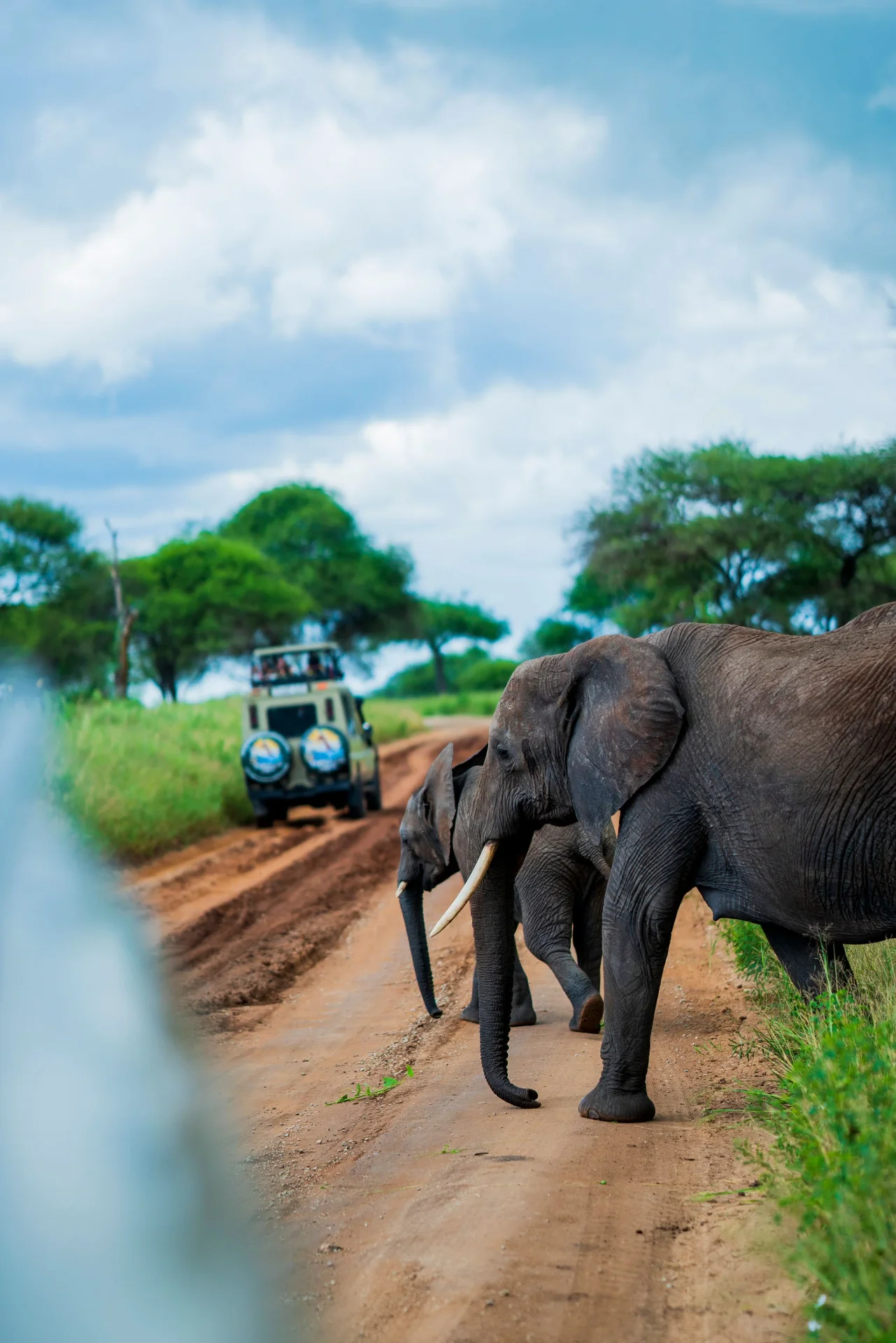
The north's famous wildlife areas draw strong interest. Serengeti migration events and Ngorongoro's crater setting can bring several vehicles to popular places. Southern parks are often chosen for a quieter feel, but a good sighting there can attract other guests too.
Asilia's southern circuit overview describes fewer tourists in Ruaha and Nyerere than in popular northern destinations. Treat this as a broad pattern, not a promise of solitude. There is no honest fixed vehicle count for the lion or riverbank you will visit.
It helps to separate three kinds of crowding: a full camp, a shared activity and a busy wildlife sighting. You might stay at a small lodge yet meet many vehicles at one animal. You could also have a quiet drive from a camp with several other rooms occupied.
Spending more on Tanzania safari costs can buy a different room or private vehicle, where offered. It cannot buy sole use of a public park. Ask what privacy the package actually includes and what remains shared.
How can you seek a quieter northern safari?
Discuss your tolerance for busy sightings at the planning stage. Ask for a camp area and daily pace suited to that preference. You may choose a less event-focused route, longer stays or dates outside the most popular travel weeks.
Allow your guide to leave a crowded stop when another view makes more sense. That choice may mean missing one reported sighting, but it can protect the calm pace you wanted. Quiet travel sometimes involves choosing patience over chasing each update.
What does a quieter southern trip involve?
Choose a suitable camp base and allow several nights to settle into its area. Ask about room numbers, vehicle use and how activities are organised. A remote address alone does not tell you whether drives are exclusive.
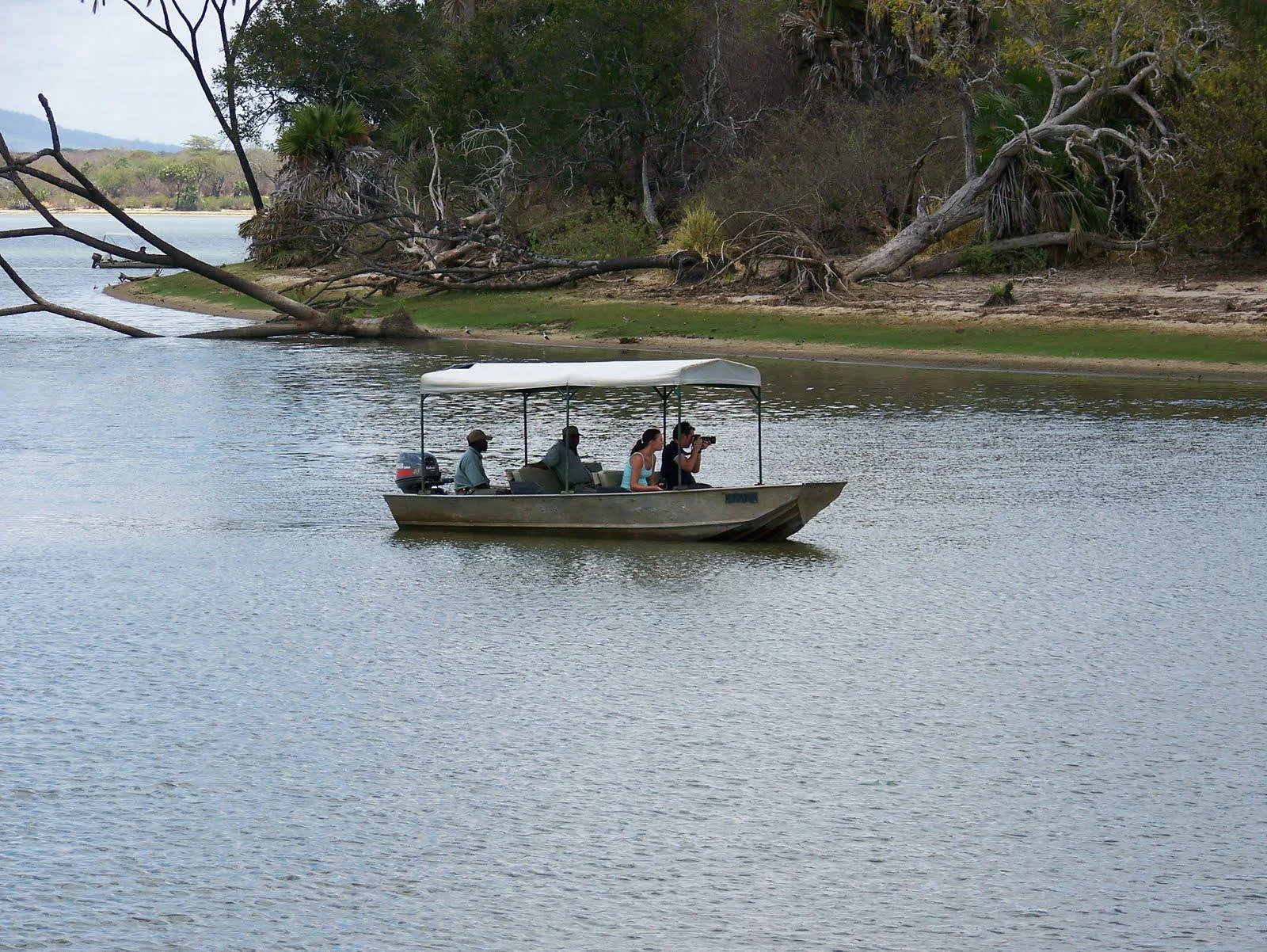
Walking or boating can add variety where authorised and offered. Nyerere boat trips follow safety and river conditions; Ruaha walks need authorised arrangements. Confirm the specific activity with the camp. Do not assume every southern lodge runs every experience each day.
Tell TanzaLux how much privacy you want in your camp, vehicle and daily safari pace.
Seasons affect prices, access and crowd levels
June to October is a commonly chosen dry-season window for southern safaris. For both regions, popular dates can put pressure on camp space. Ask what your chosen week means for availability rather than assuming a broad low-season label applies everywhere.
Tanzania Tourism's travel guide notes that rain shapes wildlife movements. It highlights migration travel in different seasons and warns that heavy rain in April and May can disrupt viewing. These broad patterns do not forecast a specific week.
Green-season scenery may appeal if you enjoy birds and changing skies. Some camps may close for part of the wetter period, and roads or activities can be affected. Confirm the exact property's operating dates and current route advice before paying.
To compare Tanzania safari costs across seasons, request the same camp and room plan for two sets of dates. Ask what else changes with the lower rate. Good value depends on the trip still delivering the experience you want.
Match the route to the people travelling
First safari, family trip or repeat visit?
A first-time guest may prefer northern highlights and a clear road sequence. Another may want one southern camp and a slower week. Neither preference needs to be tied to how many safaris you have taken. Start with interests and comfort rather than a rule about who belongs where.
For families, check room layouts, child policies and activity age limits at each camp. Young children may benefit from fewer moves and flexible rest periods. Confirm vehicle arrangements too, especially when a fly-in package uses shared camp drives.
Photography, privacy and a beach extension
Photographers should discuss time at sightings, space for equipment and whether the party agrees on pace. Both regions can reward patience. A private vehicle may be more useful than an extra park if waiting for light is a key part of your trip.
A beach stay can follow either circuit. Ask for current connections to Zanzibar and enough transfer time at each airport. Keep the beach budget visible when reviewing Tanzania safari costs, so the safari choice does not absorb money already set aside for the coast.
Build a private safari around your family's pace, photography interests or Zanzibar extension.
Sample packages to compare Tanzania safari costs
These are suggested routes to discuss with TanzaLux Safaris. They are not fixed departures or priced offers. Camps, flights, private activities and access remain subject to your dates and a written quote. The two eight-day plans make a useful starting point for a tailored comparison.
Sample package: 8-day Northern Highlights by Road and Air
Best for: guests who want a classic Northern Circuit safari with one flight to reduce the return road journey.
Day 1: arrive and settle into Arusha. Overnight Arusha.
Day 2: travel to Tarangire for a game drive. Overnight in the Tarangire area.
Day 3: enjoy further viewing, then transfer to Karatu. Overnight Karatu.
Day 4: take a planned Ngorongoro Crater descent. Overnight at the same Karatu base.
Day 5: travel into central Serengeti. Overnight Serengeti.
Days 6–7: explore from the same camp. Overnight Serengeti on both nights.
Day 8: fly to Arusha, with onward arrangements timed around the confirmed service.
This plan has seven nights and two full days based in Serengeti. When reviewing Tanzania safari costs, ask how the total changes if you drive back instead. A road return needs a revised day plan; it should not simply replace a flight on paper without allowing travel time.
Request a quote for this eight-day northern route with your preferred camp standard.
Sample package: 8-day Nyerere and Ruaha Fly-In Safari
Best for: guests who want two southern bases and prefer flights for the longer links.
Day 1: arrive in Dar es Salaam and rest. Overnight Dar es Salaam.
Day 2: fly to the airstrip serving your Nyerere camp. Overnight Nyerere.
Days 3–4: enjoy planned game drives and a boat trip if conditions and camp arrangements allow. Overnight Nyerere on both nights.
Day 5: take a confirmed flight connection to Ruaha and transfer to camp. Overnight Ruaha.
Days 6–7: explore Ruaha, with an authorised walk only if booked and suitable. Overnight Ruaha on both nights.
Day 8: fly to Dar es Salaam. Allow a suitable buffer or add a hotel night for your onward flight.
The seven nights include three in each park and one in the city. Compare Tanzania safari costs with private drives clearly stated in the quote. If camp vehicles are shared, ask for that to be shown. Confirm the flight sequence before securing non-refundable travel elsewhere.
Sample package: 6-day Nyerere Stay with Fewer Moves
Best for: travellers who prefer one safari base and want to test a simpler Southern Circuit safari.
Day 1: arrive in Dar es Salaam. Overnight in the city.
Day 2: transfer to Nyerere by the quoted road or flight option. Overnight at your chosen camp.
Days 3–5: enjoy three days based at the same camp, with drives, rest and any confirmed boat activity. Overnight there on all three nights.
Day 6: return to Dar es Salaam, or follow a separately confirmed connection for your beach stay.
This six-day trip has five nights, including four at one safari base. It is shorter than the other samples, so its total is not a direct circuit price comparison. It shows another way to manage Tanzania safari costs: reduce moves while keeping useful time in the field.
Compare the sample routes and ask which offers the best use of your time and budget.
Why travel with TanzaLux Safaris?
TanzaLux Safaris is Tanzanian-owned and based in Arusha. The team builds trips around guests' dates, interests and pace. Its private Tanzania safari service offers your own vehicle and guide on the agreed route. For any camp-run activity or fly-in stay, confirm the exact private or shared arrangement.
That planning process helps turn a broad north-versus-south question into a useful choice. Share your budget range and the experience you value most. Ask for a route map, named camps and a clear outline of travel days. Then refine the plan with the team.
Clear Tanzania safari costs make it easier to decide where to spend more and where to simplify. You may choose an extra night, a private drive or a flight that removes a long transfer. The right balance depends on you.
Send your dates, party size, comfort level and main interests to start the discussion. Include any access needs and onward travel plans so the whole holiday can be considered together.
Frequently asked questions
1. Which circuit is cheaper, northern or southern Tanzania?
There is no fixed winner. A northern road trip may spread vehicle costs across your party, while a southern fly-in plan adds air travel. Compare the same dates, room level and inclusions before choosing.
2. Are Tanzania safari costs lower when there are fewer visitors?
Not always. A quiet remote camp may cost more to reach and run. Privacy and a low guest count can also carry a premium. Ask what the price includes rather than using crowd levels as a price guide.
3. Why can a southern fly-in safari be expensive?
Several flight legs, airstrip transfers and small camp stays can add to the total. Private vehicle use may also cost extra. Request the full travel sequence and activity basis so you can judge the overall value.
4. Can I visit the southern parks by road?
Yes, road access exists. The practical route depends on the park, gate, camp and conditions. Build the whole journey into your plan, including any overnight stops, instead of treating the final local transfer as the full drive.
5. Which arrival city suits northern Tanzania safaris?
Arusha is a common safari base. Confirm whether your flight uses Kilimanjaro International Airport or Arusha Airport, then match the transfer. Airport names and pickup points should be clear in the itinerary before travel.
6. Which city works for southern Tanzania safaris?
Dar es Salaam is a useful starting point for many southern routes. Your best arrival plan depends on confirmed flights, road transfers and camp location. Ask your planner to check the whole connection from your international arrival.
7. Do I need to fly between Nyerere and Ruaha?
Flying can reduce a long road journey, but the best choice depends on your time and budget. Check available services for your dates. A road plan needs enough time and suitable stops rather than a rushed transfer.
8. Is the north always crowded?
No. Popular sightings and seasonal events can be busy, while other areas may feel much quieter. Camp placement, date and daily route all matter. Tell your planner if avoiding busy viewing spots is a high priority.
9. Will I be alone at sightings in the south?
That cannot be promised. Southern areas often offer a quieter feel, but other vehicles may gather at a good sighting. A private vehicle gives your party its own space; it does not reserve the wildlife scene.
10. Does a luxury camp include private game drives?
Not necessarily. Some packages use shared camp vehicles unless private use is booked. Ask for the arrangement in writing, including the guide, vehicle and any extra charge. Room privacy and activity privacy are separate matters.
11. When is a good time to visit Ruaha and Nyerere?
June to October is a common dry-season choice. The right week still depends on your goals, camp availability and conditions. Confirm current access and activity plans, especially if you are considering a wetter travel period.
12. Can green-season travel lower Tanzania safari costs?
It may offer lower rates at some camps. Check whether flights, activities or camp operations change too. Compare the complete itinerary, since a room saving alone does not show the final cost or suitability of the trip.
13. Is the Great Migration part of a southern circuit safari?
A Serengeti migration stay belongs in a northern route, even when the herds are on southern Serengeti plains. “Southern Serengeti” and “southern Tanzania circuit” mean different things. Ask for the exact park area on your map.
14. Can I combine north and south in one holiday?
Yes, with enough time and workable flight connections. Choose a few strong bases rather than many short stops. Ask your planner to show how much time each move removes from wildlife viewing and rest.
15. Can I add Zanzibar after either circuit?
Yes, subject to a suitable travel plan. Check the actual flight sequence, airport transfers and baggage rules. Leave enough connection time, and keep the beach stay in your overall budget from the start.
16. Which route is better for families?
The best route fits your children's ages, rest needs and interests. Confirm room layouts, activity age limits and private vehicle arrangements. Either circuit can need careful planning; fewer moves may matter more than the region's name.
17. Are boat safaris included in every Nyerere package?
No. Confirm the activity, its cost, departure point and operating conditions with your camp. River and safety conditions affect what can run. An itinerary should identify a boat trip clearly rather than leave you to assume it.
18. What baggage can I take on a bush flight?
Ask the operating airline for the limit, bag type and camera-equipment rules on your specific service. Do not rely on one general allowance for all flights. Arrange any excess baggage or storage before departure.
19. How can I reduce the total without rushing?
Test fewer bases, a different room level or a change of dates. Preserve the full days that matter most to you. Removing a transfer can help more than squeezing several parks into a shorter, tiring route.
20. What should I send TanzaLux to get a useful quote?
Share dates, party size, room needs, budget range and your top interests. Mention privacy and access needs. The team can then compare suitable routes and explain Tanzania safari costs for the trip you actually want.
Ready to start planning?
Tell us your dates and what you're after — no obligation.