5.0 Excellent

Tanzania Northern Circuit vs. Southern Circuit: Choosing the Best Safari Experience
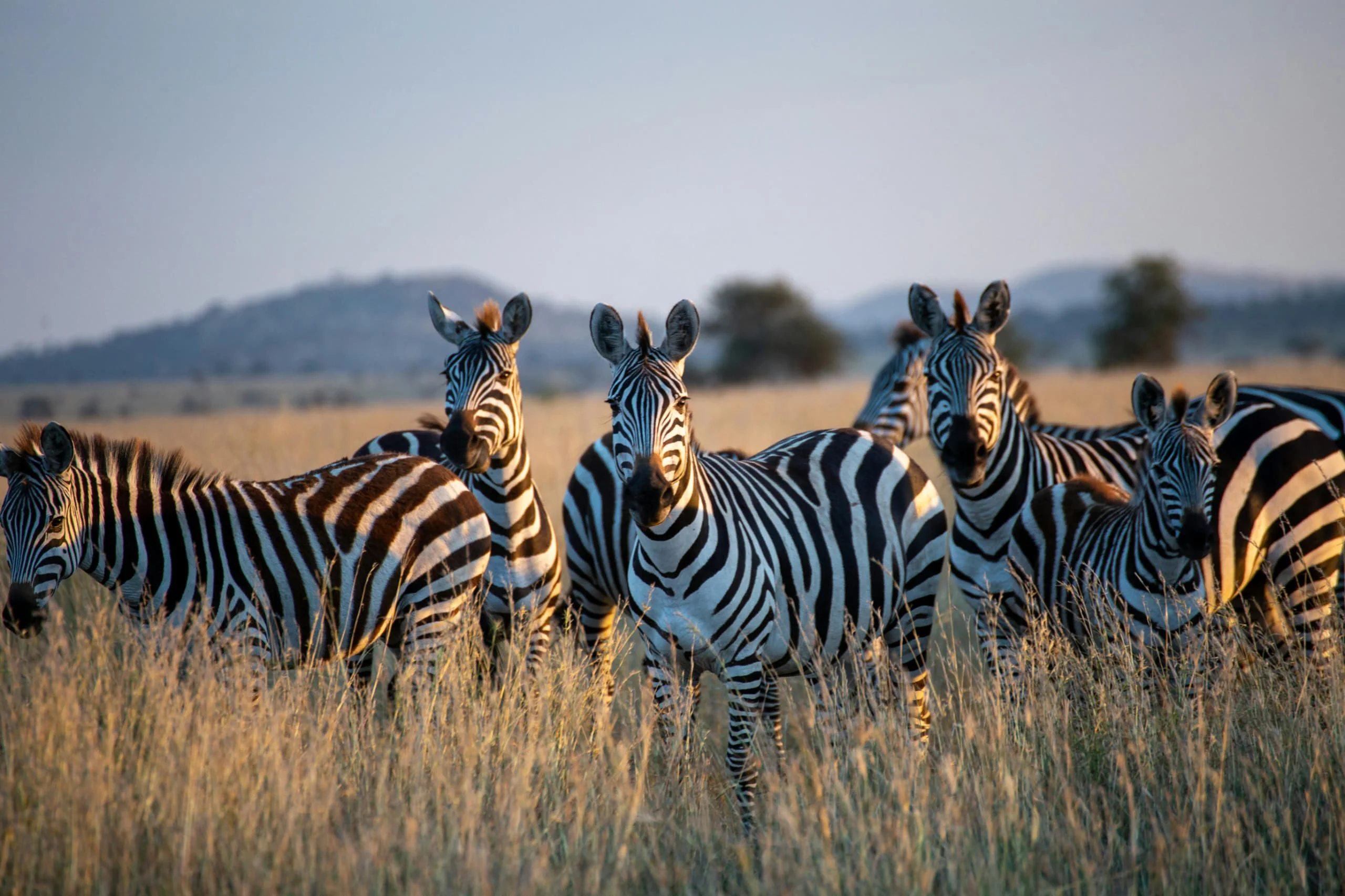
Choosing between Tanzania safari circuits starts with the kind of trip you want. The north brings together famous plains, a dramatic crater and a well-established road safari route. The south offers a different rhythm, with river trips, woodland landscapes and longer stays in remote camps. Both can be excellent.
Choose the north if the Serengeti Great Migration or Ngorongoro Crater is central to your dream. Consider the south if you want Rufiji boat trips, time in Nyerere or the landscapes of Ruaha. Your dates, budget and flight plans should shape the final choice. A first safari can work well in either region.
This guide compares wildlife, activities, seasons, travel time and overall value. It also explains how private guiding and camp stays can differ. You will find three sample routes and questions to ask your planner. The aim is a journey that fits you, rather than a winner that suits everyone.
Ask TanzaLux Safaris to compare northern and southern route ideas for your dates and interests.
Tanzania safari circuits: what do the labels mean?
A circuit is a useful way to group places for travel planning. It is not one park, one permit or a promise that every stop is close. Tanzania Tourism groups Serengeti, Tarangire and Lake Manyara in the north, with Nyerere and Ruaha among its southern destinations. Start with these park choices, then look at the actual route.
A Northern Circuit safari often uses Arusha as its planning base. A classic trip can link Tarangire, Serengeti and the Ngorongoro area. Lake Manyara or Arusha National Park may fit particular interests. Adding a park should serve the trip, rather than make the list longer.
A Southern Circuit safari often centres on Nyerere, Ruaha or both. Dar es Salaam is a useful gateway for many such plans. Some trips use road travel; others rely on park flights. These two parks need their own travel links and should not be treated as close neighbours for a quick drive.
When comparing Tanzania safari circuits, remember that regional labels can vary between maps and sellers. Ask for named parks, gates, camps and airstrips. Those details tell you much more than a broad circuit name. They also make quotes easier to compare.
Which circuit fits your main safari goal?
Begin with your must-see experience. Then ask what time and budget it needs. A moving herd, a crater drive and a boat trip each call for a different plan. Choosing the right base can matter more than the number of parks you visit.
Great Migration: choose a suitable Serengeti region in the north.
Crater scenery: include a planned Ngorongoro descent.
River safari: look at a suitable Nyerere camp and boat activity.
Ruaha landscapes: allow time for drives and any confirmed guided walks.
Road-based variety: compare a northern route with sensible overnight breaks.
Longer camp stays: review well-placed bases in either circuit.
Tanzania safari circuits offer different ways to spend the day. The north can suit a broad wildlife introduction with several landscapes. The south can suit guests who value a river setting or a more focused camp experience. Neither choice requires you to have been on safari before.
What makes the Northern Circuit special?
The great strength is the contrast between its main stops. UNESCO describes Serengeti’s vast plains and annual migration. The wider landscape supports a changing wildlife journey over several days. A camp in the right region gives your guide time to explore rather than rush through.
Ngorongoro adds a very different setting. The UNESCO listing for the conservation area describes highland plains, woodland, forest and the crater within it. A descent onto the floor is a distinct activity. Passing through the wider area on the way west is separate from that crater game drive.
Tarangire can add another landscape to the route. Think carefully about how its stay fits between arrival and the longer westward journey. Manyara or Arusha may also suit your interests, but they are not required boxes to tick. A good northern trip can be simple and well paced.
For Tanzania safari circuits, the north is a strong starting point when several famous names matter to you. It also allows many trips to keep one vehicle and guide for the road portion. Confirm the actual guiding setup, nights and transfers before assuming that every package works this way.
What makes the Southern Circuit special?
The south deserves to be chosen for what it offers in its own right. It is not simply a quieter version of the same northern route. Nyerere’s river setting and Ruaha’s woodland and river landscapes create a different experience. Your camp and its confirmed activities shape much of the trip.
Nyerere: river scenery and a varied daily pace
TANAPA describes Nyerere National Park as a landscape of Rufiji channels, lakes, floodplains and woodland. It highlights elephants, buffalo, hippos, crocodiles, predators and birdlife. The park was formed from part of the former Selous landscape. Check the current protected area and camp rather than treating every Selous reference as the same place.
Boat trips can give you a new view of that setting. From the water, birds, banks and the broad river scene become part of the day. A boat outing is still subject to the host’s arrangements and current conditions. It should be listed clearly in your quote.
For Tanzania safari circuits, this mix can be a deciding factor. You might enjoy a drive one day and a suitable boat trip the next. Ask which activities your camp actually offers. Do not assume that every lodge has the same river access or departure point.
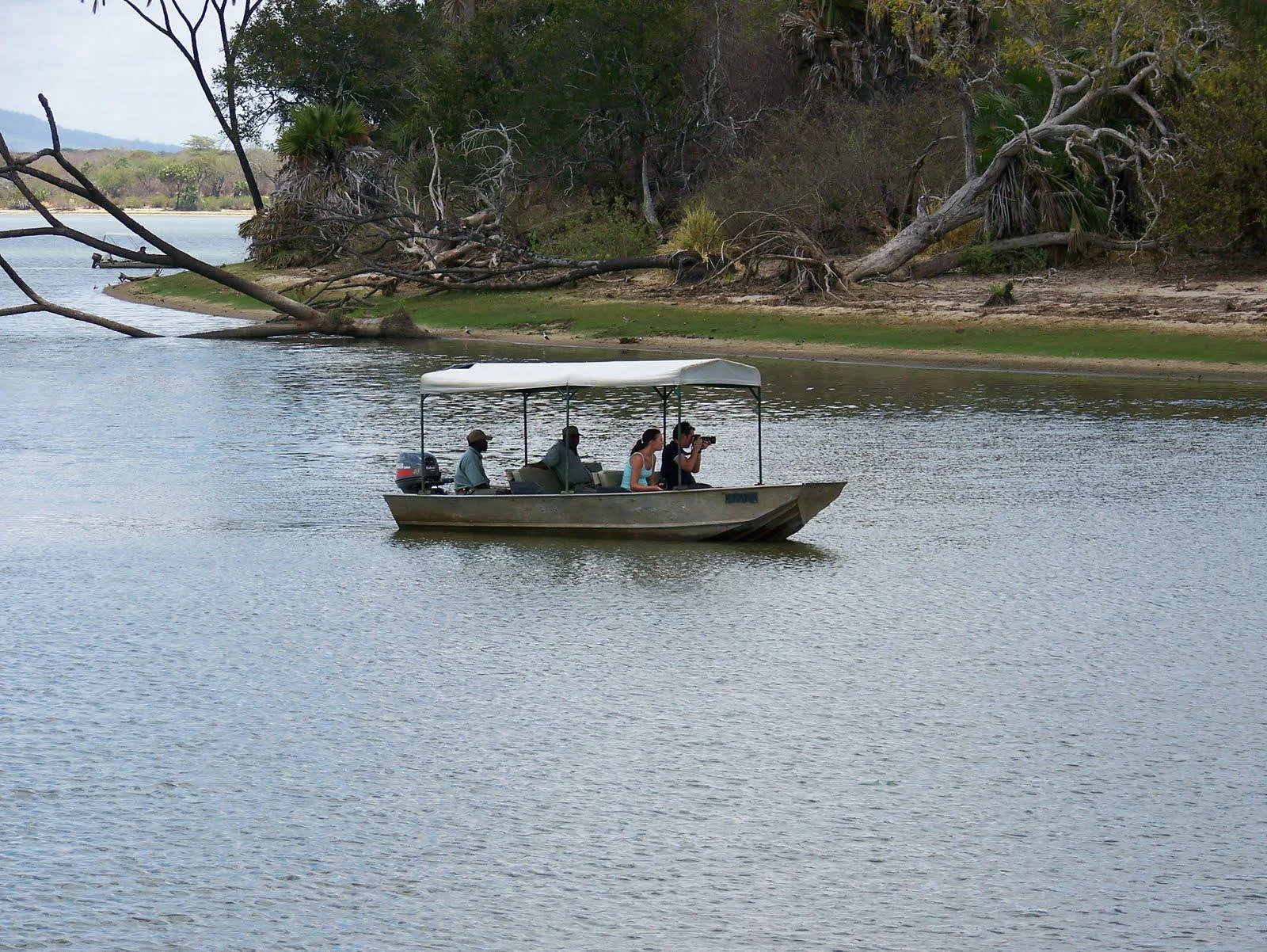
A river outing offers a different safari viewpoint. Confirm the boat route, conditions and activity terms with your chosen Nyerere camp.
Ruaha: time in a broad wildlife landscape
The official Ruaha attractions guide highlights the Great Ruaha River, baobab plains, rocky viewpoints and varied woodland habitats. It also describes elephants, predators and rich birdlife. A stay here rewards time to explore with your guide. The appeal is the full setting, rather than one guaranteed sighting.
Ruaha National Park can suit travellers who want a focused wildlife stay with fewer changes of base. Choose a camp for its location as well as its style. Ask about the areas explored, drive lengths and any planned walks. A large park name does not tell you how each camp’s day will feel.
When reviewing Tanzania safari circuits, keep Nyerere and Ruaha distinct. Boat plans should be checked for the specific river camp offering them. A Ruaha stay may instead centre on game drives and authorised walks. Southern does not mean that all activities are available everywhere.
Wildlife: migration, predators and wild dogs
If the Great Migration is the main reason for your trip, choose the north. Then match your camp to the expected herd region for your dates. The migration is not an event that happens beside every lodge at once. Allow enough time and keep expectations flexible.
The south offers a different wildlife focus. TANAPA identifies Nyerere as a stronghold for African wild dogs. That is a reason for interest, rather than a promise that you will see a pack. Elephants, predators, birds and the river habitats can make the whole stay rewarding.
For Tanzania safari circuits, avoid judging value by a single species list. A short sighting in one place does not predict the next day elsewhere. Wildlife moves, grass grows and weather changes. Your guide’s skill and the time you allow matter in both regions.
Guests hoping for rhino may value a crater stop in a northern route. The species is noted in the wider area’s UNESCO listing. It can still be hard to find or far away. No trip should promise a complete Big Five list as a fixed result.
Activities: what can you do beyond a game drive?
Start with the camp’s actual offer. A broad itinerary phrase such as “all activities” can hide important limits. Ask whether drives, boats, walks and other outings are included, shared or private. Confirm age limits, access rules and any extra cost.
The Nyerere visitor guide calls for arranging boat and game-drive plans with your accommodation. It also advises checking river levels and road conditions in wet weather. On boat outings, follow the crew and use the provided life jacket. The river should be enjoyed through a properly arranged activity.
The Ruaha visitor guide says walking safaris are guided activities that need authorised arrangements. Check the exact walk, group size, fitness needs and age rules through your host. A walk is not a self-guided wander from camp. Availability should be confirmed before it becomes a key reason for choosing a stay.
Among Tanzania safari circuits, the south can appeal to guests who want this activity mix. The north can also offer planned walks, balloon flights or heritage interests in suitable places. Each needs its own location and terms. Compare real activities rather than assuming one circuit has every option.
How crowded will the safari feel?
Famous northern sights can attract several vehicles, especially when many guests want the same seasonal event. That does not describe every corner or hour of the north. Camp location and patient guiding can change the experience. Ask how your team approaches busy sightings.
TANAPA highlights Nyerere’s low visitor density, while its Ruaha guide describes lightly visited tracts. These broad qualities can appeal to guests seeking space. They do not mean you will have a park or sighting to yourself. Popular areas can still bring vehicles together.
When comparing Tanzania safari circuits, ask about the likely pace around your actual camp. A quieter stay is one part of the choice. Good viewing, a comfortable room and sensible travel also matter. Avoid paying for an image of solitude that no one can guarantee.
Best time to visit: match the park and the activity
Use the season to choose the base and route, rather than relying on one country-wide answer. Tanzania Tourism describes the migration as a year-round cycle shaped by rain. It highlights different experiences through the year. A northern migration plan needs a specific region, not just a dry-season booking.
For Ruaha, Tanzania Tourism highlights June to October for dry-season viewing. It describes rains generally from late November to May. These are useful patterns, rather than a daily forecast. Confirm camp openings, roads and activities for the exact dates you want.
Tanzania safari circuits can feel very different in greener months. Rain may affect access, transfer time and what a camp can offer. It can also change the light and the landscape. Do not assume that all southern parks close for one fixed period, or that every camp stays open.
Ask about your main activity first. Boat plans depend on current river conditions and local arrangements. Walks have their own limits. Flights and road links need checking too. A well-priced room is only useful if the rest of the plan works.
Getting there: Arusha, Dar es Salaam and park flights
The north commonly starts through Arusha, with arrival arrangements linked to the international airport that suits your flights. The south often uses Dar es Salaam as a gateway. Ruaha can also have other useful air links. Choose your international ticket after discussing the full safari route.
TANAPA’s guides describe road and air access for both southern parks. Ruaha is reached by road through the Iringa area, or through suitable park airstrips. Nyerere also has road access and park flights. Do not assume those options run at the same times or fit every camp.
For Tanzania safari circuits, the important question is door-to-door time. Include airport transfers, check-in, flight stops and the drive from the airstrip. Ask for a realistic plan for the long links. A short flight on paper can still form part of a full travel day.
Can you drive between the southern parks?
A road route may be possible, but it should be planned as a real journey with suitable stops. Do not treat the gap between Nyerere and Ruaha as a quick game-drive transfer. Compare a road itinerary with confirmed air links. The better choice depends on time, interests and budget.
In either circuit, build space around your arrival and final departure. Rest after a long international journey. Avoid linking a remote transfer to a tight onward flight. Ask how the plan works if conditions slow the day down.
Costs: is the south always cheaper?
No. Less visitor traffic does not automatically mean a lower trip price. Remote camps, park flights and longer supply links can add costs. The north can offer several road-based lodging styles, while southern trips can range from simpler stays to high-end camps. Compare actual proposals.
Tanzania safari circuits should be priced on the same basis. Match the number of nights, room level, dates and party size. Then check whether the guide and activities are private. A private transfer does not by itself mean every drive or boat outing at camp is exclusive to your party.
Exact lodges, room types and nights.
Private or shared game drives and other activities.
All required park, vehicle and accommodation-related charges.
Flights, airstrip transfers and baggage limits.
Meals, drinks, tips and optional visits.
Payment, change and cancellation terms.
Ask for a dated quote and clear exclusions. An extra night in one camp may add more value than another rushed park stop. A flight may be worth the cost if it protects time in the bush. Judge the route as a whole.
Which circuit is best for your travel style?
For a first trip with several famous places in mind, a Northern Circuit safari is a strong default. You can combine a varied set of landscapes in one road plan. Keep the number of bases realistic and give the larger park stay enough nights. The north is more than a quick highlights tour.
A Southern Circuit safari can be an excellent first choice too. It may suit you if the river setting or a specific camp is what excites you most. Do not choose the north only because you feel you must “complete” it first. Pick the experience you want now.
For families comparing Tanzania safari circuits, review the longest travel day and the activity rules. Share children’s ages, room needs and tolerance for drives. For photographers, discuss light, patient stops and lens space. For couples, camp atmosphere and rest time may matter as much as the park list.
Can you combine both circuits or add Zanzibar?
Both circuits can form part of a longer trip, with careful flight and transit planning. That does not make them a sensible short add-on to one another. Give each main stay enough nights and allow time for the links. A combined trip should feel like two worthwhile chapters.
Zanzibar can also follow either circuit if the flights and transfers fit. Do not select the safari only from the shortest line on a map. Ask about the exact service, baggage rules and beach transfer. Beach nights should be listed separately in your final quote.
For Tanzania safari circuits, a focused single-region trip is often better than a compressed nationwide tour. If you combine regions, budget for both time and transport. The sample routes below show the difference in shape. They are starting points to tailor.
Three sample packages for Tanzania safari circuits
These are illustrative routes, rather than fixed departures or guaranteed offers. Camps, flights, current fees and activities need checking for your dates. The night counts include the arrival city. Any optional walk or boat outing must be confirmed by the authorised host.
Sample package: 9-day classic northern circuit
Best for: a varied introduction to the north. Plan eight nights: one in Arusha, two in Tarangire, three in Serengeti and two in the Ngorongoro area. Choose the park camp for your travel month. Keep the major transfer days clear of too many extras.
Day 1: arrive and rest in Arusha.
Days 2–3: explore Tarangire from one base.
Day 4: travel to your selected Serengeti camp.
Days 5–6: enjoy full wildlife days.
Day 7: transfer to the Ngorongoro area.
Day 8: take a guided crater game drive.
Day 9: return for your planned onward connection.
This private Tanzania safari gives the main destinations time to stand on their own. Check drive estimates against the exact camps. Ask for fees and optional activities to be clear. Allow a sensible buffer before your departure flight.
Request a nine-day northern safari proposal from TanzaLux Safaris.
Sample package: 8 days in Nyerere and Ruaha
Best for: a southern trip with two contrasting wildlife stays. Plan seven nights: one in Dar es Salaam, three in Nyerere and three in Ruaha. This version uses confirmed air links between the stays. Your planner must check routing, stops and operating dates.
Day 1: arrive and stay in Dar es Salaam.
Day 2: fly to the suitable Nyerere airstrip and transfer to camp.
Days 3–4: enjoy game drives and any confirmed boat or walking activity.
Day 5: travel to Ruaha through the agreed flight links.
Days 6–7: explore from your selected Ruaha camp.
Day 8: depart through a confirmed flight and transfer plan.
Among Tanzania safari circuits, this route places emphasis on time at camp. Check whether activities are private or shared. A boat trip belongs to the suitable Nyerere stay, rather than being assumed at both parks. The final quote should state exactly what is included.
Ask TanzaLux Safaris to check an eight-day southern route, camps and flight options for your dates.
Sample package: 13 days linking north and south
Best for: guests with time and budget for two safari chapters. Plan twelve nights: one in Arusha, four in Serengeti, two in the Ngorongoro area, one in Dar es Salaam and four in Nyerere. The transit night gives the regions a clearer travel break.
Day 1: arrive in Arusha.
Day 2: fly to your selected Serengeti airstrip.
Days 3–5: explore from a well-placed camp.
Day 6: travel by road to the Ngorongoro area.
Day 7: enjoy the crater game drive.
Day 8: travel to Dar es Salaam through confirmed road and air links.
Day 9: fly to Nyerere and transfer to camp.
Days 10–12: enjoy the camp’s confirmed wildlife activities.
Day 13: depart through the agreed onward route.
This comparison of Tanzania safari circuits becomes a longer, more complex trip. Use a Serengeti base that fits the road link to the crater area. Check all transit-day buffers and flight stops. If the links do not fit, change the sequence or add a night.
Discuss a tailored north-and-south safari with TanzaLux Safaris before fixing international flights.
Why travel with TanzaLux Safaris?
TanzaLux Safaris is Tanzanian-owned and based in Arusha. Its trips are shaped around your dates, pace, budget and interests. That offers a clear starting point for a route discussion. You can compare the kind of experience you want before choosing a string of lodges.
When reviewing Tanzania safari circuits, share your must-see wildlife, preferred activities and flight plans. Ask the team for exact camps, guiding arrangements and realistic transfer times. For a southern or combined proposal, request confirmation of the local arrangements and flight links. The details should be clear before you commit.
Tell the planner whether you value fewer lodge moves, photography time, family breaks or a beach extension. Ask for full inclusions and optional costs. A tailored plan should turn those preferences into practical days. Good planning helps the trip fit you, whichever circuit you choose.
Speak with TanzaLux Safaris about your priorities and a clear, tailored safari quote.
Frequently asked questions
1. What are Tanzania safari circuits?
They are regional groupings used to plan routes between parks and other destinations. The north commonly includes Serengeti, Tarangire and the Ngorongoro area. Nyerere and Ruaha are core southern choices. Always check the actual parks and travel links.
2. Which circuit is best for a first safari?
The north is a strong default if famous plains and the crater are your main goals. The south can suit a first trip just as well if river activities or a particular camp appeal more. Choose by interests and practical travel.
3. Where should I go for the Great Migration?
Choose a suitable Serengeti region in the north and match the camp to your dates. The migration is a changing annual cycle. It is not a Southern Circuit attraction, and no camp can promise a river crossing on demand.
4. Is the south always less crowded?
Its parks can offer a sense of space, and TANAPA highlights low visitor density in Nyerere. That is not a promise of exclusive sightings. Compare the exact camp area and guiding style rather than expecting every drive to be empty.
5. Can I see African wild dogs in the south?
Nyerere is identified by TANAPA as a stronghold, so it is a place of interest for that goal. A sighting is never guaranteed. Allow time and enjoy the wider wildlife and landscape alongside the search.
6. Can I expect the Big Five on either route?
Do not book on a guarantee. Species and viewing conditions vary by park. A northern crater stop may interest guests hoping for rhino. Tanzania safari circuits should be chosen for their whole experience, rather than a promised checklist.
7. Where can I take a boat safari?
Look at a suitable Nyerere camp and its confirmed Rufiji activity. Check water conditions, access and inclusion in the quote. Do not assume a Ruaha stay has the same boat offer simply because both parks are in the south.
8. Are walking safaris available?
They may be arranged in suitable places through authorised guides and operators. Confirm the route, age rules, fitness needs and costs with your host. A park’s general activity list does not mean every camp offers a walk every day.
9. Is Nyerere the same as Selous?
Nyerere National Park was created from part of the former Selous landscape. The names should not be treated as interchangeable for all current access and lodging. Ask which protected area and camp are actually included in the quote.
10. Which months suit Ruaha?
Tanzania Tourism highlights June to October for dry-season viewing, with rains generally from late November to May. These are broad patterns. Check your camp’s opening dates, flight links and planned activities for the exact travel period.
11. Is a green-season safari a bad idea?
Not necessarily. It can offer a different look and atmosphere, but access and activities need checking. Some camps may close for part of the year. Compare Tanzania safari circuits against your actual dates, rather than assuming one seasonal rule fits all.
12. Which gateway should I use?
Arusha commonly supports northern routes, while Dar es Salaam is useful for many southern trips. The best international airport depends on the full itinerary. Discuss arrivals, park flights and onward travel before buying tickets that may constrain the plan.
13. Can I drive between Nyerere and Ruaha?
A road journey needs careful routing and enough time for stops. Treat it as a travel plan in its own right. Compare it with confirmed flights. Do not assume it works as a short transfer between game drives.
14. Is the Southern Circuit cheaper?
Not automatically. Remote camps and flights can raise the total. Compare Tanzania safari circuits using the same dates, room level, nights and activity arrangements. A lower visitor count does not by itself create a lower price.
15. Are camp game drives always private?
No. Ask whether drives, boats and other outings are shared or exclusive to your party. A private itinerary or transfer may still use camp activities with other guests. The quote should make the exact arrangements clear.
16. Which circuit suits families?
Either can work with the right route and camp. Check drive lengths, room layouts, breaks and activity age rules. Share children’s ages and needs early. The best family trip fits daily life on safari, rather than only the park names.
17. Can either circuit link with Zanzibar?
Yes, if suitable flights and transfers fit your dates. Check the actual airstrip, service, stops and baggage rules. Beach nights are a separate part of the quote. Do not assume every camp has a direct island flight.
18. How many safari nights should I allow?
Three or four nights at a main wildlife base can be a useful planning starting point. Add time for each travel link. Tanzania safari circuits work better with worthwhile stays than a long list of one-night stops.
19. Is combining north and south worthwhile?
It can be rewarding on a longer trip with time and budget for the links. Keep each main stay substantial and check flights early. A focused single-circuit trip may be better when days are limited.
20. How can TanzaLux Safaris help me choose?
Share your dates, budget, flights and main interests. Ask for a comparison of Tanzania safari circuits with exact camps and clear inclusions. Request your tailored TanzaLux Safaris proposal and detailed quote.
Ready to start planning?
Tell us your dates and what you're after — no obligation.