5.0 Excellent

Award-Winning Eco-Luxury: Behind Tanzania’s Top Sustainable Lodges
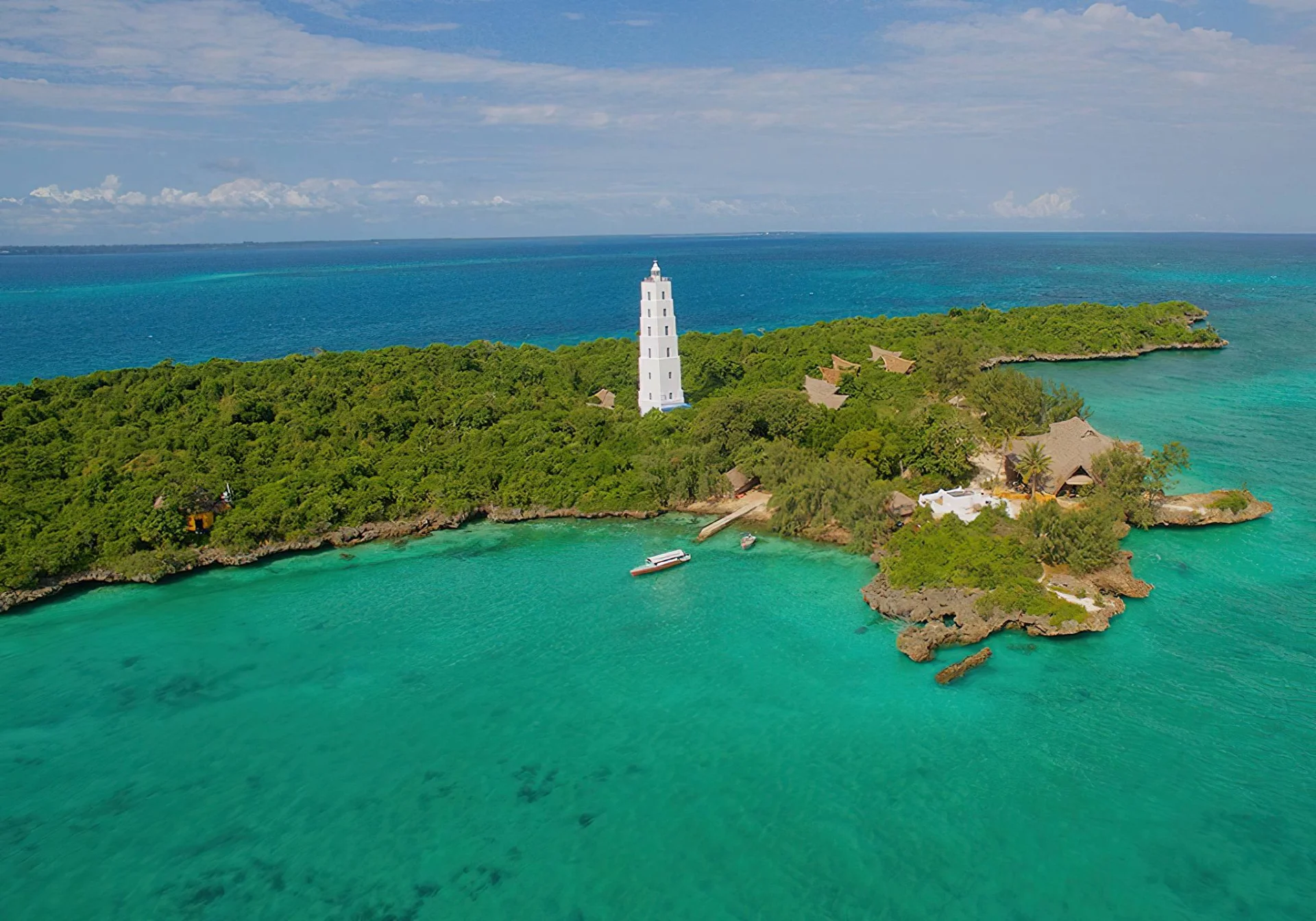
Sustainable lodges in Tanzania can offer more than a beautiful room in a remarkable setting. The strongest stories reach behind the guest suite to the habitat around it, the people who work there and the systems that keep the lodge running. That is where the meaning of eco-luxury becomes clearer.
A comfortable bed, fine food and time in nature can sit alongside thoughtful resource use and support for conservation. The details matter. An award introduces a lodge, while its public work helps you see what it does and how your stay fits into that model.
This guide explores four examples: Chem Chem Lodge, Singita Serengeti House, Chumbe Island and LUX* Marijani. It links their verified honors with public work for nature and local people, then offers sample journeys and practical ways to compare your options with TanzaLux Safaris.
Explore sustainable lodges in Tanzania with a tailored TanzaLux itinerary.
What should sustainable lodges in Tanzania show you?
Look for a clear link between the stay and the work behind it. A useful answer names the place, project or partner involved. It also gives a date and a way to learn more. This makes it easier to see the difference between a goal, a task and a stated result.
Habitat: what landscape, wildlife area or marine environment does the project help protect?
People: how do local staff, suppliers and community partners take part?
Resources: how does the lodge handle energy, water and waste?
Funding: which fees or payments support the work, and who receives them?
Evidence: what current report, award citation or verification can you read?
Use these questions to compare stays around your own goals. You may value a wildlife corridor, a local supply chain or an island built around resource limits. The most useful choice is one you can explain in concrete terms.
The awards behind this selection
These examples span safari lodging, a private villa, an island eco-lodge and a beach resort. Their honors come from several bodies and categories. The selected award details were checked on 24 October 2026.
Chem Chem Lodge: Africa's Leading Luxury Safari Lodge 2026, World Travel Awards.
Singita Serengeti House: Africa's Leading Luxury Safari Villa 2026, World Travel Awards.
Chumbe Island Coral Park: the Ethical Wildlife Experience award in 2024, ATTA for Action Awards.
LUX* Marijani: Africa's Leading Green Hotel 2026, World Travel Awards, plus Silver for Local Economic Benefit in the 2026 ICRT WTM Africa Responsible Tourism Awards.
A luxury category has its own focus. A responsible-tourism citation addresses a named issue. A certification also has its own scope and review process. Read the exact title, year and named winner, then look at the operational evidence that matters to your stay.
Chem Chem Lodge: the story of a wildlife corridor
When comparing sustainable lodges in Tanzania, Chem Chem offers a useful landscape-level example. Its linked wildlife story centers on the Kwakuchinja Wildlife Corridor between Tarangire and Lake Manyara. A corridor matters because wildlife needs space to move beyond the boundaries of individual parks.
Chem Chem Association describes habitat care, wildlife monitoring and protection work in that corridor. This is ongoing work by a named local group. They give more substance to the lodge's wildlife story than a general green description alone.
People are part of the model
The Association's community programme has education and business skills training with partner groups. The aim is to connect conservation with opportunity for the people who share the landscape. Read each project's goals alongside the years covered by its reports.
For a guest, this creates an opportunity to learn about the wider setting of a safari. Ask which learning visits fit your stay. A meaningful visit should be led by the host, fit the work already taking place and respect the people involved.
What to expect from the stay
The lodge's public fact sheet places it in a protected wildlife area adjacent to Lake Manyara and describes a slower safari pace. It lists private guiding and a vehicle for each booking. Confirm the exact lodge, outings and separate park excursions in your quote.
Give this base enough time to feel the landscape rather than treating it as a quick stop. A full day can include an agreed outing and space to rest. That slower approach also gives your guide time to explain how the corridor fits the wider ecosystem.
Ask TanzaLux about a northern safari with time to learn about landscape conservation.
Singita Serengeti House: comfort linked to a wider wildlife area
Sustainable lodges in Tanzania take many forms, such as a house-style safari retreat. Singita Serengeti House is in Grumeti Reserve, with four suites, shared living areas and a pool. It can suit a family or group that wants a private base for time together.
The wider story is the link between tourism and the surrounding landscape. Singita describes its partnership with Grumeti Fund, a nonprofit working on nature care and local projects in the western Serengeti setting. Its public account lists habitat care, research, wildlife protection and community programmes.
Look at the partner's own reporting
The Grumeti Fund impact library offers annual reports, with a 2025 report. These offer a route to understanding the work over time. Check the report year and the area covered when reading a result.
Singita says the Fund manages its own finances for its work with nature and local people. It receives support from donors and other groups. This is why a stay, a fee and an optional gift should be read as separate items. Your quote should show the charges that apply to your booking.
For guests exploring these stays, the key choice is whether the house and route fit the group. Ask about its occupancy basis, guiding and flight access. Then use the project reports to learn about the wider work, without turning a room rate into an assumed donation amount.
Chumbe Island: an eco-lodge built around resource limits
Chumbe brings another model to sustainable lodges in Tanzania. Its conservation page describes a coral reef sanctuary and forest reserve, with visitor payments supporting nature care and learning. Here, the island's natural setting and the lodge's operating model are closely linked.
The appeal is immersion in a small island environment. Guided learning can make the reef and forest more than a scenic backdrop. Follow the team's advice on where to go and how to behave. The value lies in understanding the place as well as enjoying the view.
Design choices you can see
Chumbe's stay guide describes solar-powered bungalows, rainwater collection, composting toilets and wastewater treatment. These are tangible systems that shape how the stay works. The design is part of the experience, rather than an unseen label attached to a standard resort room.
Choose this style of comfort with clear expectations. Ask about the exact bungalow, sleeping platform, stairs, bathroom and facilities. Each layout will suit some guests better than others. Share mobility needs and family requirements early so the team can explain the fit.
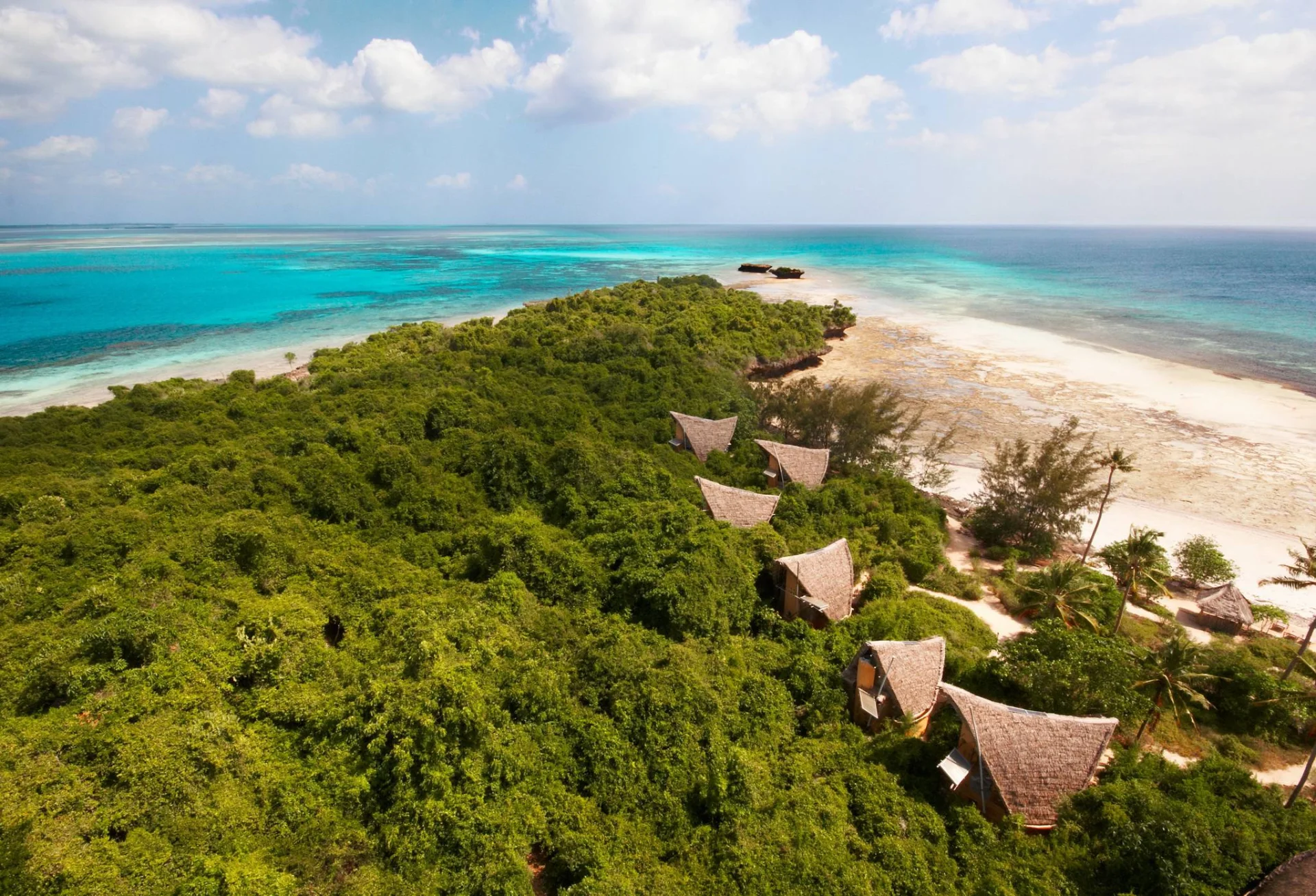
Chumbe's bungalow setting places the forest, shore and lodge design close together.
When assessing sustainable lodges in Tanzania, this example shows why comfort is personal. Some guests value a close connection with natural systems; others want the services of a larger resort. Match the setting to your needs while keeping its resource systems in view.
Explore a safari and island journey with learning about nature built into the plan.
LUX* Marijani: local economic benefit behind a beach stay
A beach resort can also add useful evidence to a search for sustainable lodges in Tanzania. LUX* Marijani's 2026 responsible-tourism citation focuses on local economic benefit. That gives you something clear to examine beyond the separate green-hotel title.
The ICRT WTM Africa citation describes local sourcing and ties with nearby businesses. It also highlights access for the Mama wa Pwani women's group to sell products to guests. This is a model based on ongoing trade and market access.
That distinction matters. A hotel can create value through the food it buys, the services it uses and the opportunities it opens to suppliers. Ask how those ties work today and how you can buy directly when appropriate. A respectful purchase can be a useful part of a visit.
For the holiday itself, confirm your room, meal basis and beach goals. If energy or water use matters strongly to you, ask for details about that hotel. Group-wide initiatives should be checked for the actual hotel you are considering.
Behind sustainable lodges in Tanzania: energy, water and waste
Good resource management is often most visible in small routines. Lighting, hot water, laundry, cooling and food storage all need energy. Bathrooms, kitchens and gardens use water. The useful question is how a lodge meets those needs and tracks its progress.
Energy: ask what the system supplies
Solar panels can serve part or all of a lodge's needs. Ask which services the panels power, whether backup power is used and what period a quoted energy figure describes. A clear answer gives more context than the presence of panels alone.
Water: follow the source and the outflow
For sustainable lodges in Tanzania, water care has both supply and treatment. Ask where water comes from, how use is measured and what happens after it leaves the shower or kitchen. At an island stay, the answer may be part of the building's design.
Chumbe's public stay page offers an example of rainwater collection and treatment systems. Use that guide to learn how the island runs. For another lodge, seek its own details, since the same technology may not be used in every setting.
Waste: look beyond the sorting bins
A useful waste plan explains what is avoided, reused, composted or sent elsewhere. Ask who handles each stream after collection. If a lodge cites a reduction, check the dates and whether it measures total waste or waste per guest night.
When comparing sustainable lodges in Tanzania, these questions help turn a broad claim into a clearer picture. They also show where details are still incomplete. A clear account of progress and limits can be more useful than an absolute promise.
Wildlife conservation and local livelihoods
People living near wildlife areas bear real daily costs and make key decisions about the land. A useful conservation model should explain how local partners take part and benefit. Jobs, training, purchasing and locally led businesses are several paths, each worth understanding on its own terms.
Chem Chem Association's business skills training and the supplier ties in LUX* Marijani's award citation illustrate two approaches. One focuses on skills and enterprise, while the other creates ongoing commercial links. Ask who leads the work and how results are reported.
For guests, this can shape more than the room choice. You can choose a locally led outing, buy from an artisan on fair terms and respect the host's guidance. Keep any community visit based on consent, purpose and a sensible group size.
How does your payment support the work?
A room charge, a park fee, a conservation levy and a donation can serve distinct purposes. Ask for each to be labeled in the proposal. You should be able to see whether a contribution is required or optional and which group receives it.
For sustainable lodges in Tanzania, a clear funding answer is more useful than assuming every luxury stay follows the same model. Chumbe describes direct support through visitor payments. Other projects may use separate donations, partner funds or charges. Read each arrangement as it is actually offered.
If you want to give more, ask for the project's own goals and reporting. A contribution should support work identified by the people running it. Your planner can help you find the right details without promising a set result for wildlife from one booking.
How to choose eco-friendly safari lodges
Start with your travel needs as well as your values. Sustainable lodges in Tanzania still need to fit your dates, route, budget and comfort preferences. A lodge can have a strong wildlife story and still be a poor match for a rushed itinerary.
Read the named award and its year.
Look for a current lodge or partner report.
Choose one or two practices you want explained in detail.
Check the room, access and outing plans.
Request a clear quote with fees and any gifts listed apart.
Give yourself time in each place. Fewer moves can leave more room for learning and enjoying the landscape. Ask how guides or hosts can explain the work in ways that suit the site. The most thoughtful visit follows the needs of the place as well as the guest.
Ask TanzaLux to compare stays around your comfort needs and interest in nature.
Three sample journeys with sustainable lodges in Tanzania
These routes show ways to explore the stays featured here. They are ideas for TanzaLux to assess and quote, subject to dates, availability and booking plans. Arusha, Karatu and Stone Town hotels would be chosen during planning. Each overnight total is shown so you can compare the use of your time.
Sample package: 7-day corridor and crater safari
Best for: a slower northern trip with time to learn about a conservation landscape. Six nights: one in Arusha, three at Chem Chem Lodge and two near Karatu.
Day 1 — Arusha: arrive, meet your transfer and rest before the safari.
Day 2 — Chem Chem: transfer to the lodge and settle in. Agree on an outing if the day's timing allows.
Days 3–4 — Two full lodge days: follow the confirmed outing plan, with time for landscape interpretation and rest. Any project-related visit must be agreed with the host.
Day 5 — Karatu: travel to the highland area and spend a quieter afternoon at your lodge.
Day 6 — Ngorongoro: visit the crater, then return to the Karatu area.
Day 7 — Return: drive toward Arusha for your agreed onward plan.
This route keeps the focus on one main wildlife area and a crater visit. Check the lodge's opening dates, included outings and any separate park excursion charges. An extra arrival or departure night can be added if the international flight timing needs it.
Sample package: 10-day Grumeti villa and Zanzibar retreat
Best for: a family or group of friends who want shared space and a beach finish. Nine nights: one in Arusha, four at Singita Serengeti House and four at LUX* Marijani.
Day 1 — Arusha: arrive and rest before the safari connection.
Day 2 — Grumeti: fly on a confirmed service to Sasakwa Airstrip and transfer to the house.
Days 3–5 — Three full safari days: enjoy the agreed private guiding plan and time together at the house. Ask the team about ways to learn about the wider work for nature.
Day 6 — Zanzibar: take the confirmed flight connection and continue to the beach hotel.
Days 7–9 — Island days: rest, explore at your own pace or choose optional locally led outings.
Day 10 — Departure: transfer to the airport.
For this selection of sustainable lodges in Tanzania, confirm the villa occupancy basis, fees and guiding plans. Ask about the exact Zanzibar room and meal plan too. A flight connection between Grumeti and the island must be confirmed before the complete route is accepted.
Sample package: 10-day wildlife corridor to island conservation
Best for: guests interested in both land and marine conservation. Nine nights: one in Arusha, three at Chem Chem Lodge, three on Chumbe Island and two in Stone Town, split before and after the island stay.
Day 1 — Arusha: arrive and settle in.
Day 2 — Chem Chem: transfer to the lodge and begin at a gentle pace.
Days 3–4 — Lodge days: enjoy the agreed outings, landscape learning and time to rest.
Day 5 — Zanzibar: transfer to the agreed airport or airstrip and fly on a confirmed service. Stay in Stone Town.
Day 6 — Chumbe: take the arranged island transfer, subject to the operator's plan and conditions.
Days 7–8 — Island days: follow the hosted outing plan and enjoy the reef, forest and bungalow setting.
Day 9 — Return to Unguja: take the arranged boat transfer and spend the final night in Stone Town.
Day 10 — Departure: transfer to the airport.
The final town night offers space between the island transfer and your onward journey. Check boat plans, the bungalow layout and all applicable charges in advance. Choose this route for its distinct style of comfort and learning, with enough time to enjoy each setting.
Ask TanzaLux to tailor and quote your preferred nature-focused journey.
Why travel with TanzaLux Safaris?
Choosing sustainable lodges in Tanzania is only one part of a good holiday. The route also needs to fit your pace, interests and available nights. Thoughtful planning can connect the places you value without leaving you tired from constant moves.
TanzaLux Safaris is a Tanzanian-owned company based in Arusha. Its tailored trips begin with your dates, budget and goals. Safari, Kilimanjaro and Zanzibar can be planned through the same team, helping you see the journey as a whole.
Tell the team which conservation or community topics interest you. Ask for the requested stays to be assessed, with clear room choices, transfer plans and fees. A useful proposal should keep each lodge's own claims and payments clear, while giving you a comfortable route that fits your needs.
Plan your stay at sustainable lodges in Tanzania with TanzaLux Safaris.
Frequently asked questions
1. What makes a lodge sustainable?
Look for clear practices in habitat care, resource use, local livelihoods and responsible management. Ask for current evidence and the scope of each claim. A clear account of ongoing work is more useful than a broad green description.
2. Are all award-winning lodges certified?
No. A travel award and a certification serve distinct purposes and use their own review processes. Check the named body, title, year and scope. If a lodge claims a certification, ask how to verify its current status and scope.
3. Which sustainable lodges in Tanzania are covered here?
The selection covers Chem Chem Lodge, Singita Serengeti House, Chumbe Island and LUX* Marijani. They offer a range of comfort and conservation stories. Choose around the evidence and the stay that fits your trip.
4. What did Chem Chem Lodge win?
It won the 2026 Africa luxury-safari-lodge category linked above. Its wildlife story is explored separately through Chem Chem Association's public work. Keep the lodge's award and the partner's projects clear when comparing the two.
5. What is the Kwakuchinja Wildlife Corridor?
It is a wildlife movement link between the Tarangire and Lake Manyara settings. Chem Chem Association describes restoration, protection and monitoring work there. Read its sources for the named projects and their report dates.
6. What is the Grumeti Fund connection?
Singita describes a conservation partnership with the Fund in the western Serengeti setting. The Fund publishes annual impact reports. Ask how any fees or donations in your own booking relate to the named group and work.
7. Does a Singita villa stay equal a fixed donation?
Do not assume a fixed amount from the room price. A stay, applicable fees and optional gifts can be separate items. Ask for the current charges and who receives each payment in writing.
8. What makes Chumbe's bungalows stand out?
The operator describes solar power, rainwater collection, composting toilets and wastewater systems as part of the design. Confirm the exact bungalow layout and facilities. The experience is distinct from a conventional full-service beach resort.
9. Does Chumbe describe a direct conservation funding link?
Yes. The island's own guide says visitor payments support conservation and education. Check the current package and charges when booking. The operator also offers details and reports about the island's conservation work.
10. Which responsible-tourism honor did LUX* Marijani receive?
It received Silver for Local Economic Benefit in the 2026 ICRT WTM Africa awards, alongside its separate WTA green-hotel title. The citation highlights supplier ties and access for a local women's group.
11. How do sustainable lodges in Tanzania support local people?
Models may include employment, training, local purchasing or partnerships with community businesses. Ask which model a lodge uses and who leads it. Look for current examples rather than assuming every stay has the same impact.
12. Does solar power mean the whole lodge is renewable?
Ask what the system supplies and whether backup power is used. A panel installation alone does not give the full energy picture. Current figures should identify the lodge, dates covered and what is included.
13. What should I ask about water use?
Ask about the source, use and treatment of water. Ask what happens after use. An island and a mainland lodge may use distinct systems. Seek the answer for the exact lodge you are considering.
14. How can I assess a conservation fee?
Check whether it is required or optional, who receives it and what it supports. Ask for it to be separate in the proposal. Read the group's reports if you want to see the wider work.
15. Can I visit a community project during my stay?
Only when the host agrees that a visit will fit. It should have a clear purpose, local consent and fair terms. Choose learning that supports the work and respects people's time and privacy.
16. Are sustainable lodges in Tanzania suitable for families?
They can be, if rooms, access and outings fit the children's ages and needs. Check the exact layout and policies before booking. An open island bungalow and a private safari house need their own plans for day-to-day comfort.
17. Will nature-focused travel guarantee wildlife sightings?
No. Habitat protection supports a wider landscape, but individual sightings still depend on conditions and chance. Give your guide time to explore and enjoy the setting as well as the animals you hope to see.
18. Can I combine safari with a nature-focused island stay?
Yes. Confirm flights, boat plans and the place of each overnight in the route. The corridor-to-island sample offers one starting point. Keep enough time around transfers, with a final land night where useful.
19. Are eco-luxury stays always more expensive?
There is no single price rule. Compare the actual dates, rooms, transport and included outings. Ask for all fees and payments to be shown clearly so you can judge the total against your budget and goals.
20. How can I book sustainable lodges in Tanzania with TanzaLux?
Share your dates, available nights, budget, comfort needs and interest in nature. Ask the team to assess the requested stays and provide a clear proposal. Review the room choices, route, inclusions and terms before booking.
Ready to start planning?
Tell us your dates and what you're after — no obligation.