5.0 Excellent

Serengeti National Park vs. Ngorongoro Crater: Which Should You Visit First?
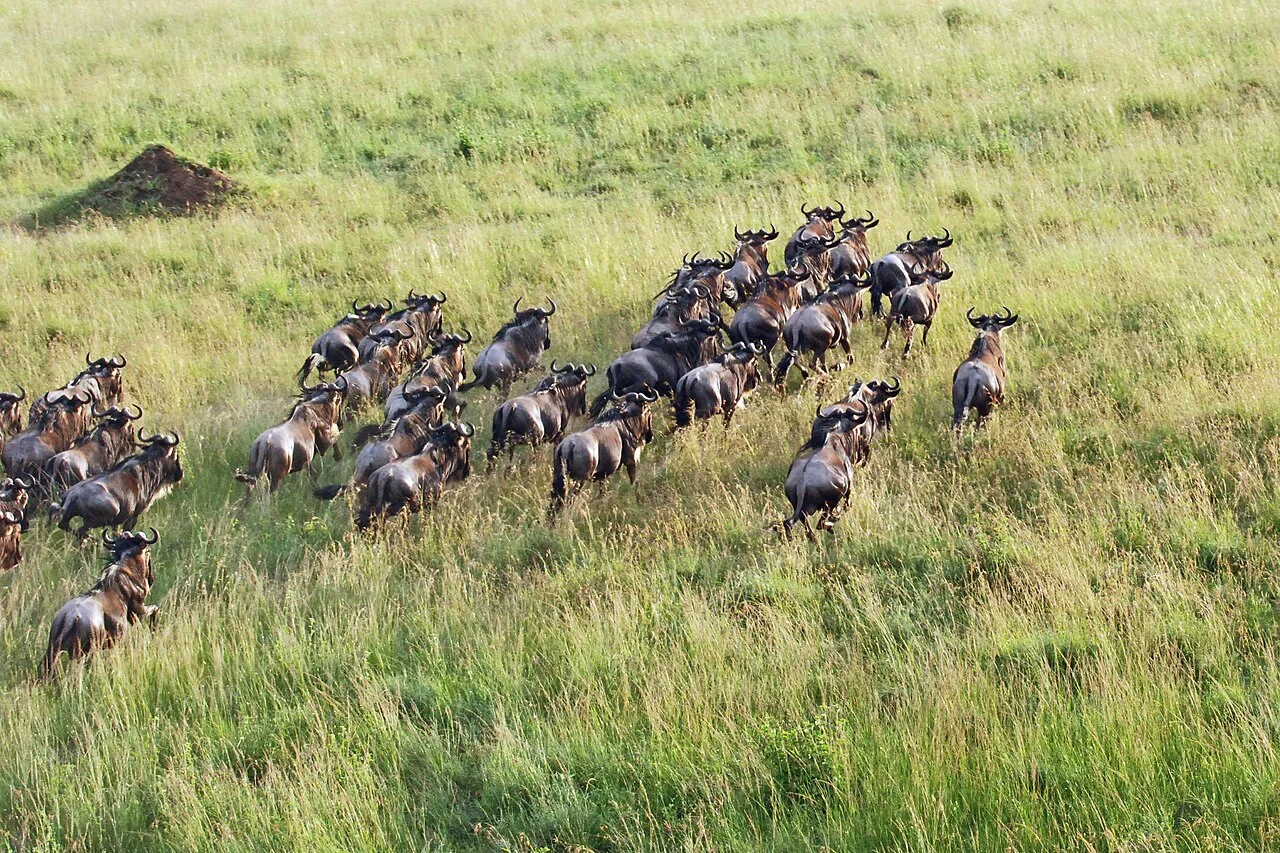
Serengeti vs Ngorongoro is one of the first choices many travellers face when planning Tanzania. Both can deliver a remarkable wildlife trip, yet they feel very different. One offers vast plains and room to explore over several days. The other brings a striking crater landscape into a more focused visit.
For a road safari that returns to Arusha, our planning default is often Serengeti first and the crater on the way back. For a route that drives west and flies out of the plains, crater first often fits better. These are starting points for a route, rather than rules for every trip.
Your dates, camp locations and flights should decide the final order. This guide compares the wildlife, seasons, costs and daily pace. It also offers three sample routes and practical questions for your planner. If time allows, visiting both can be more rewarding than choosing a single winner.
Ask TanzaLux Safaris to compare both route orders for your dates and private safari.
Serengeti vs Ngorongoro: the quick decision
Choose the route shape first. Then give each place enough time. A large park rewards a stay across several days. A crater drive works well as one planned wildlife day, with a suitable night before it. Neither should be squeezed between long transfers simply to add a name to the list.
Road trip back to Arusha: consider the plains first and the crater as your final wildlife day.
Drive west, then fly onward: consider the crater first and a longer park stay after it.
Migration is your main goal: place the best-suited camp and flights before fixing the order.
Very limited time: compare one well-paced destination with a rushed attempt to visit both.
Family or first safari: give arrival rest and drive lengths real weight.
In the Serengeti vs Ngorongoro choice, “first” means your first main wildlife visit. You may pass through the wider conservation area on the way to the park. That transit is separate from descending onto the crater floor. Your itinerary should show the crater game drive as its own activity.
How do the two places differ?
Serengeti National Park is a vast wildlife landscape. UNESCO describes its broad savannah plains, migration and predator-prey relationships. The scale is central to the experience. You explore different scenes over time, with each day shaped by where animals move and where your camp sits.
Ngorongoro Crater is a caldera within the much larger Ngorongoro Conservation Area. The UNESCO listing for that wider area includes highland plains, woodland, forest and cultural heritage. A crater visit is only one part of it. Keep those boundaries clear when reading a map or comparing fees.
The Serengeti vs Ngorongoro comparison is therefore also a choice of scale. The plains invite a longer search and changing horizons. The crater offers a dramatic setting that you can explore in a focused day. Both can hold surprises, quiet spells and memorable encounters.
The plains: space, movement and time
Expect the sense of a much wider journey. You may watch a herd for a long while, then move to a new stretch of ground. A good guide helps you see more than a list of animals. Tracks, birds, weather and habitat all add to the day.
Allow at least three nights as a useful planning starting point if this is a key part of your trip. Add more when your interests and route justify it. Three nights still gives only two full days between arrival and departure. A far northern base may need a different plan from a central one.
The crater: a distinct setting for one main drive
The official Geopark Caldera Route describes a mix of forest, springs, swamps and Lake Magadi. These habitats give the floor more variety than a view from the rim may suggest. The lake’s birdlife changes with conditions and seasons. Ask your guide to explain the links between water, cover and wildlife.
Plan the drive around the access arrangements that apply to your dates. Stay in the area beforehand so the day starts from a practical base. Two nights can give you a calm arrival, a crater day and a separate onward transfer. More time may suit wider highland or heritage interests.
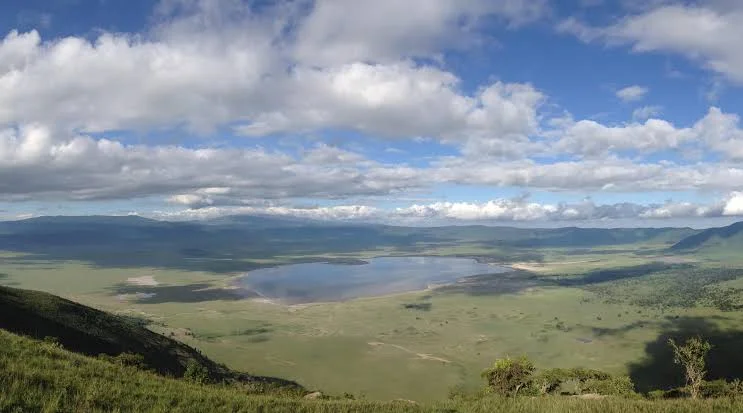
The crater offers a clear sense of place from the rim. Plan the descent as a separate wildlife day in your route.
Which gives a better first wildlife experience?
It depends on what you want from that first day. The crater can offer a focused introduction to habitats and large mammals within one striking setting. The plains can give you the feeling of entering a much wider wild world. Neither needs to be judged by the number of species seen before lunch.
For Serengeti vs Ngorongoro wildlife viewing, give your guide room to work with the day. Weather, grass, light and animal movement affect what you see. A famous destination does not promise a close sighting. Good guiding turns even a quiet spell into time to learn.
Predators, rhinos and the Big Five
Both destinations can form part of a trip built around large wildlife. The crater is a worthwhile stop for guests who hope to see black rhino, a species noted in the wider area’s UNESCO listing. Treat that as an opportunity, not a promise. Distance and conditions can make any animal hard to find.
If big cats are your main interest, allow time on the plains rather than relying on a short stop. Several days give you more chances to look and wait. A guide can adapt each drive to recent activity. No route order can guarantee a hunt, a leopard or a complete Big Five list.
Where does the Great Migration fit?
This is the clearest difference in the Serengeti vs Ngorongoro decision. If the moving herds are your main goal, build the trip around the wider migration landscape and the right camp for your dates. A crater drive is not a substitute for time in the seasonal herd areas.
Tanzania Tourism describes the migration as a year-round cycle shaped by rain. Its guidance highlights July to September for a chance of Mara River crossings. It also points to green-season birdlife and calves. These are broad planning patterns, not a timetable that wildlife follows each day.
The TANAPA park overview highlights January and February for calving interests. Discuss the suitable southern base with your planner for those dates. At other times, a central, western or northern stay may serve a different aim. Check the actual region rather than booking any camp with the park name.
In Serengeti vs Ngorongoro planning, migration priorities may outweigh the usual route order. You might choose a crater visit early, then fly onward after several park nights. You might fly into the herd region first and drive back through the highlands. The best sequence follows your dates and the camp you need.
Should you visit Serengeti first?
Consider it for a road journey that returns to Arusha. You can give the larger wildlife area its main block of time, then enjoy the crater as a distinct final day. This works especially well when the overnight stops make the long links comfortable. It is our route suggestion, rather than a universal best order.
The Serengeti vs Ngorongoro route still needs a careful outward plan. A night in Karatu or the highland area may break the journey. You can then continue to your park camp and save the descent for the return. Passing the crater region earlier does not mean you have already used your crater day.
Why this order can feel rewarding
The plains give you time to settle into game-drive life. The crater then brings a new setting and a strong change of scene. You finish the wildlife portion closer to your Arusha return than many distant park bases. Still, keep the final road journey separate from a tight flight connection.
Ask your planner to show the likely drive time for each chosen camp. “Serengeti” covers a large area, so one standard transfer estimate is not enough. A northern camp can change the whole route. Rest and realistic travel matter more than keeping a preferred order at all costs.
When does Ngorongoro first make more sense?
Consider crater first if your trip drives west, stays on the plains and then flies onward. This can avoid a long return by road simply to reach the crater later. It also lets the park stay form the main wildlife finale. Check flight times and lodge availability before settling the order.
For Serengeti vs Ngorongoro fly-out routes, the overnight pattern is key. Arrive, rest and travel to a suitable crater base. Enjoy the descent without trying to reach a distant park camp that same evening. Continue west on a separate day, then stay long enough to make that journey worthwhile.
A strong option for a beach extension
If Zanzibar follows the safari, a flight from the right park airstrip may suit your route. Check whether the service is direct or has stops, and how the lodge transfer works. Baggage rules and timings vary by service. A flight line on a map is only the start of the plan.
The official Serengeti visitor guide confirms road and air access. The exact camp and airstrip should appear in your quote. Make sure your planner allows time for transfers and onward flights. Avoid assuming that every part of the park has the same flight options.
How do seasons affect the order?
For Serengeti vs Ngorongoro, the month often changes camp choice more than it changes which place is “better.” Start with your main wildlife interest. Then check the route, weather, access and lodge openings. A fixed sequence is less useful than a plan that fits the places you will actually visit.
Rain can change road conditions, light and the pace of a transfer. Drier periods can mean dust and strong demand at popular bases. Ask about conditions for your dates without expecting a perfect forecast. Build some flexibility into long road days and optional activities.
The crater also changes in look and feel through the year. Green grass, cloud and water can create a different scene from a dry, clear day. Bring layers for time in the highlands. Ask your guide how to prepare for the next morning rather than packing for one fixed temperature.
Which is better for photographers and families?
The Serengeti vs Ngorongoro answer changes with your travel style. Photographers may value several days in one area and the chance to wait for light or behaviour. The crater offers broad views from the rim and a varied floor. Give each setting enough time rather than seeking a single best photo stop.
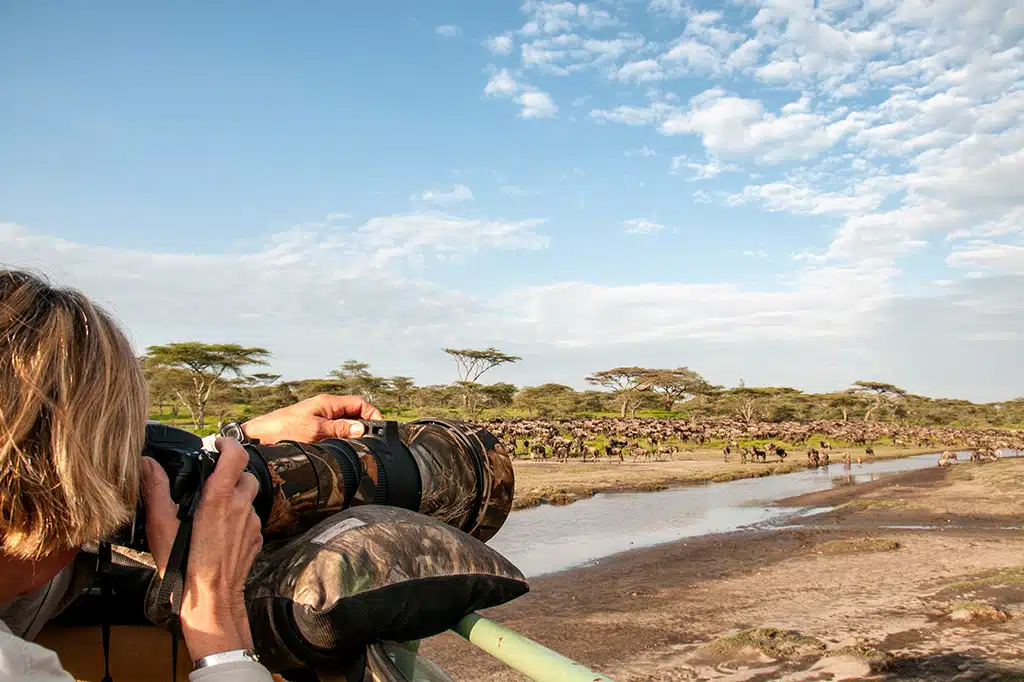
Talk to your guide about safe stopping, lens space and the pace you enjoy. Keep a camera rain cover and spare batteries close. Use a long lens or binoculars for distant animals. A good photograph should come from patience, rather than pressure on a driver to crowd wildlife.
For families, compare drive lengths and rest time before the species list. A focused crater day may suit one family, while a longer camp stay with flexible drives suits another. Share children’s ages and needs early. Check room layouts, meals and the plan for the longest travel day.
Where should you stay?
In the Serengeti vs Ngorongoro choice, location can matter more than the order. A lovely camp in the wrong region for your main aim may mean long daily drives. Ask for its exact area and access route. Compare that with the wildlife you hope to see at your travel dates.
For the crater, compare a rim or highland stay with Karatu. Check the actual drive to the planned descent route. A rim setting may offer memorable views; a Karatu lodge may suit your room style or budget. The name “Ngorongoro” alone does not tell you how the day will work.
The wider conservation area also offers heritage interests. The official Geopark North Route guide describes the Loduare interpretation centre and Olduvai Gorge. Ask whether a stop fits your road plan with enough time to learn. Do not add it to an already full transfer day without checking the effect.
Serengeti vs Ngorongoro: costs and overall value
Compare full itineraries rather than one entrance charge. Your total depends on nights, room level, season, party size and transport. A longer park stay adds accommodation and access costs. A crater visit has its own entry and vehicle-related arrangements. Ask for the charges that apply to your exact route and dates.
The Serengeti vs Ngorongoro cost question also includes how you use time. A flight may cost more but spare a long drive. An extra night can make a route calmer. A cheaper lodge farther away may add road time. Review the whole experience before judging the headline price.
Exact lodges, room types and number of nights.
Private or shared vehicle and guiding arrangements.
Park, conservation-area and crater charges.
Meals, drinks and any optional activities.
Flights, airstrip transfers and baggage limits.
Onward connections, change terms and exclusions.
A good private Tanzania safari quote should make these points easy to review. Request a dated price and written inclusions. Ask how a route change affects fees and nights. Choose the order that works for your time and priorities, with clear costs behind it.
Three sample packages showing both route orders
These are planning ideas for a tailored quote, rather than fixed offers. Lodge space, flights, access and current fees need checking. The night counts include the Arusha arrival stay. They show how the Serengeti vs Ngorongoro choice can become a realistic day-by-day route.
Sample package: 8-day road loop, plains first
Best for: guests who want to return to Arusha by road. Plan seven nights: one in Arusha, one in Karatu, three in Serengeti and two in the Ngorongoro area. The early Karatu night stages the outward trip. The crater drive comes near the end.
Day 1: arrive and rest in Arusha.
Day 2: travel to Karatu at a measured pace.
Day 3: continue to your selected park camp.
Days 4–5: enjoy full wildlife days on the plains.
Day 6: travel to the Ngorongoro area.
Day 7: take a guided crater game drive.
Day 8: return for your agreed onward connection.
Use a camp that fits this road route, rather than assuming any northern base will work. Keep the final departure buffer sensible. Optional stops on the way out need time in their own right. Ask for realistic road estimates before confirming.
Request an eight-day road safari with Serengeti first and the crater on your return.
Sample package: 8-day crater-first safari with a fly-out
Best for: travellers who want to finish with a longer park stay. Plan seven nights: one in Arusha, two in the Ngorongoro area and four in Serengeti. The crater day comes before the westward transfer. A confirmed flight handles the onward journey.
Day 1: arrive and rest in Arusha.
Day 2: travel to your crater-area lodge.
Day 3: enjoy the crater game drive.
Day 4: continue to your selected park camp.
Days 5–7: explore from a suitable wildlife base.
Day 8: fly to the agreed airport or onward destination.
This Serengeti vs Ngorongoro route keeps the long return drive out of the plan. Check the exact airstrip, flight service and baggage limit. A Zanzibar extension may be possible with the right connections. Beach nights are separate from this eight-day sample.
Plan a crater-first private safari with four park nights and a suitable fly-out.
Sample package: 10-day northern circuit with Tarangire
Best for: a broader wildlife trip with a one-way safari route. Plan nine nights: one in Arusha, two in Tarangire, two in the Ngorongoro area and four in Serengeti. The first main wildlife stop is Tarangire. The crater then leads into the longer plains stay.
Day 1: arrive in Arusha.
Days 2–3: explore Tarangire from one base.
Day 4: travel to the Ngorongoro area.
Day 5: take a crater game drive.
Day 6: travel to the chosen park camp.
Days 7–9: enjoy wildlife drives shaped around your interests.
Day 10: depart through a confirmed flight and transfer plan.
Camp location can be tailored to the season, provided the transfers remain practical. More than one park base may change the travel time and cost. Ask your planner to show the trade-offs. A migration interest should guide the final camp choice without a promise of a crossing.
Build a ten-day northern Tanzania safari with TanzaLux Safaris around your dates and wildlife goals.
Why travel with TanzaLux Safaris?
TanzaLux Safaris plans private tours from Arusha, with your own vehicle, guide and pace. Routes are tailored to your dates, interests and budget. That gives you room to compare the order before booking lodges and flights. The plan can follow how you want to travel.
For Serengeti vs Ngorongoro, ask the team to price both sensible route shapes. Share your arrival and departure times, main wildlife hopes and comfort needs. Compare the exact camps and nights. A useful proposal should show how each choice affects your days.
Tell your planner if you prefer fewer lodge moves, time for photography or shorter family drives. Request clear fees, meals, transfers and extras. Check the flight links for any beach extension. A smooth trip begins with these details, rather than a fixed rule about which famous place must come first.
Speak with TanzaLux Safaris about the route order, lodges and quote that fit your trip.
Frequently asked questions
1. Serengeti vs Ngorongoro: which should I visit first?
For a road return to Arusha, consider the plains first and the crater later. For a westward trip with a park fly-out, consider crater first. Your dates, camp locations and flights should decide the final order.
2. Is it worth visiting both?
Yes, if you allow enough time. The wider plains and the crater offer distinct settings and pace. Compare a realistic combined route with a focused single-destination trip. A rushed transfer between them can reduce the value of both.
3. Are they part of the same park?
No. Serengeti is a national park. The crater lies within the separate Ngorongoro Conservation Area. Their wider landscapes are connected, but access arrangements and charges differ. Your itinerary should show the actual areas and activities involved.
4. Does passing through the conservation area count as a crater visit?
No. Transit through the wider area is separate from a descent and game drive on the crater floor. Check that the itinerary lists the crater activity clearly. This distinction helps make sense of the route order.
5. How many nights should I allow on the plains?
Three nights is a useful starting point for planning, with longer stays where your route and interests justify them. It gives two full days between arrival and departure. A distant migration base may need more time or flights.
6. How long should I stay near the crater?
Two nights can support a calmer arrival, one main crater day and a separate onward transfer. This is a planning suggestion, rather than a rule. Add time if you want wider highland or heritage activities.
7. Which destination is best for the Great Migration?
Build migration plans around the right part of the wider plains ecosystem for your dates. A crater drive does not replace time in the herd areas. In Serengeti vs Ngorongoro planning, camp location is central to that goal.
8. Can you guarantee a river crossing?
No. Herd movement and crossings depend on conditions and animal choices. Broad seasonal patterns help select a base, but they do not promise a particular event. Allow enough time and keep your plans flexible.
9. Can I see the Big Five in one crater day?
Do not plan on a guarantee. Wildlife remains free-ranging, and some sightings are difficult or distant. A crater day can be rewarding without completing a list. Let your guide work with the conditions and the animals present.
10. Which is better for black rhino?
The crater is a worthwhile chance for travellers who hope to see one. The species is noted in the wider area’s UNESCO listing. Sightings still depend on conditions and can be distant. Choose the visit for the whole landscape too.
11. Which is better for big cats?
If cats are a major interest, allow several park days so your guide has time to search and wait. Avoid judging Serengeti vs Ngorongoro by a promised sighting. Neither route order guarantees a predator encounter or a hunt.
12. Can I drive from Arusha to the park in one day?
Road access is possible, but the camp’s exact location changes the journey. Ask for a realistic estimate with stops and gate formalities. An overnight break may suit you better than a long drive straight after international arrival.
13. Is crater first better if I finish in Zanzibar?
It can suit a westward route that ends with a park flight. Check the exact airstrip, service and onward transfer. Compare this with other practical flight options. Beach plans should be part of the route discussion from the start.
14. Should I stay on the rim or in Karatu?
Compare the property’s setting, room style, price and drive to the planned descent route. A rim stay may offer views; Karatu may suit other priorities. Ask for actual access details instead of choosing from a lodge name alone.
15. Which option is better for families?
Start with children’s ages, drive tolerance and rest needs. A focused crater day may suit some families; longer camp stays suit others. For Serengeti vs Ngorongoro, compare the full daily plan rather than only the animals you hope to see.
16. Which is better for photography?
The plains offer time to work with varied scenes and behaviour. The crater gives rim views and a distinct habitat setting. Discuss light, safe stops and patient viewing with your guide. A good route can make room for both.
17. Can I add Olduvai Gorge between the two?
Ask whether it fits your exact road route with enough time for the visit. The official Geopark guide describes its museum and human origins context. Check current access, fees and the effect on your arrival at camp.
18. Which costs more?
Compare complete trips. Nights, lodge level, season, group size and flights all affect the total. A crater visit has its own charges; a longer park stay adds more nights and access costs. Ask for dated quotes with the same inclusions.
19. Are flights and balloon rides always included?
No. Check each item in your quote. Flights need suitable airstrips, times and baggage rules. A balloon activity depends on the location, availability and operator terms. Keep enough room in the plan for any confirmed optional experience.
20. How can TanzaLux Safaris help me choose?
Share your dates, flights, budget and main interests. Ask for a Serengeti vs Ngorongoro route comparison with exact camps and nights. Request your tailored TanzaLux Safaris itinerary and detailed quote.

Ready to start planning?
Tell us your dates and what you're after — no obligation.