5.0 Excellent

Serengeti – When and Where to Go
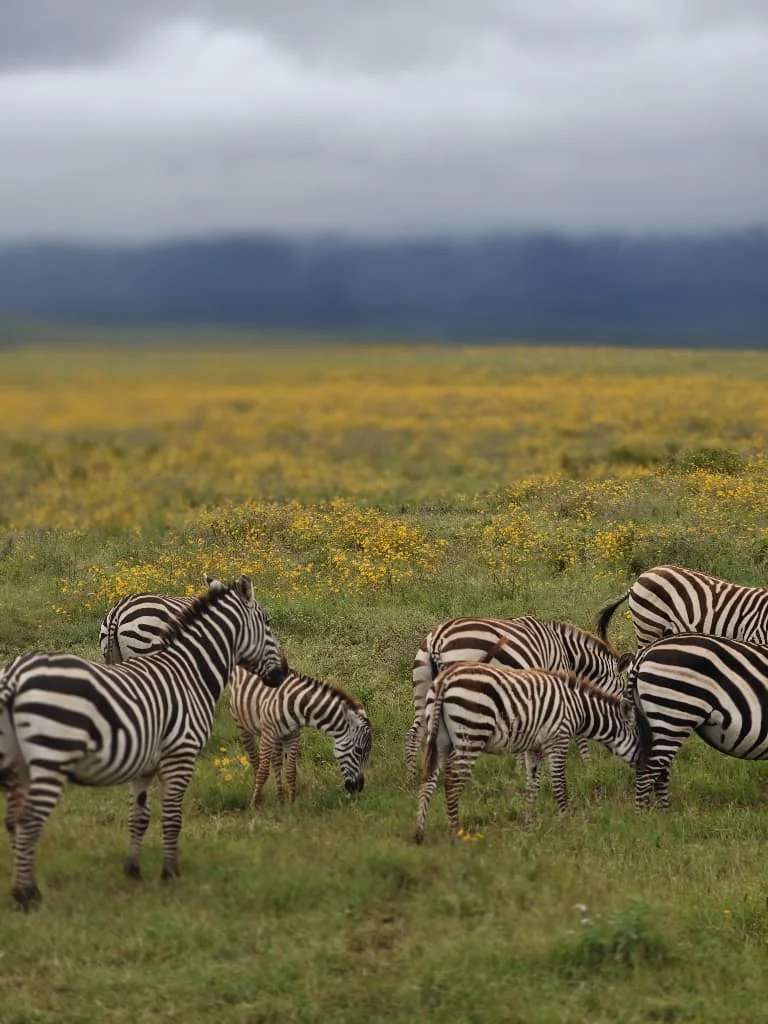
A Serengeti safari begins with two linked choices: when to travel and where to stay. The park has wildlife all year, but the best base changes with your goals. A camp that suits a February calving trip may be far from the herds on a September river-crossing journey.
The quick answer: consider the southern plains and Ndutu area for the early-year calving season, the Western Corridor around the mid-year migration movement, and the northern Serengeti for possible Mara River crossings roughly from July to October. Central Serengeti is a useful base for a broader wildlife trip. These are planning windows, not fixed dates or promises of sightings.
This guide helps you choose the best time to visit Serengeti for your interests. It explains the main regions, the Great Migration cycle, camp choices, travel pace and sample packages. The aim is a trip that feels right on the ground, with enough time to enjoy each place.
Plan your Serengeti safari with TanzaLux and match your camp to your travel dates.
When is the best time for a Serengeti safari?
There is no single best month for every guest. Start with what you most want to see. Newborn wildebeest, huge moving herds, big cats and quiet time in the bush can lead to different routes.
Tanzania National Parks highlights June to October for dry-season migration travel and January to February for calving. Use those broad seasons as a starting point. The exact region and your length of stay matter just as much as the month.
For calving: look at the southern ecosystem in the early part of the year, often January to March.
For northern river crossings: consider July to October, with several nights close to the relevant area.
For a first wildlife trip: build a route around a well-placed central base, then add a seasonal area if time allows.
For greener scenes: consider dates with rain in mind and confirm road access and camp openings.
For a slower stay: give one good base more nights instead of trying to cover the whole park.
Your Serengeti safari should have more than one reason to delight you. If a crossing does not happen, a quiet hour with elephants, a lion pride or a wide sunset can still make the day feel rich.
Understand the map before choosing a camp
The Serengeti is a large landscape, not one game-drive area. Its plains, river valleys, woods and rocky outcrops create very different scenes. The park's wildlife and habitats guide explains how these habitats support wildlife and influence seasonal movement.
Think in terms of regions and actual camp locations. Two properties sold as “Serengeti” can be many hours apart. Ask your planner to show each base on a map, along with the areas you hope to explore.
Also distinguish Serengeti National Park from the wider ecosystem. Ndutu lies in the southern ecosystem around the national park and Ngorongoro Conservation Area boundary. Your exact camp and driving route determine which permissions and fees apply.
A well-planned Serengeti safari links nearby areas with a clear purpose. It does not treat the far north as a short side trip from a southern camp.
Where should you go in the Serengeti?
Central Serengeti and the Seronera area
Central Serengeti is a sensible place to discuss for a first visit, especially if your dates do not centre on one migration event. Seronera is the best-known central hub. A central stay can pair with a southern, western or northern extension.
Allow time to explore rather than using this region only as a stop on the way elsewhere. Choose a camp for the drives it makes practical, not just for a room photograph. At popular sightings, patience and a good guide help the day flow.
Good fit: guests seeking a balanced Serengeti safari, a range of habitats and a base that can form part of several routes. Ask how much time your plan leaves for real game drives after each transfer.
Southern Serengeti and the Ndutu area
The short-grass plains are a key early-year focus. The Ngorongoro Conservation Area Authority's seasonal guide explains that herds gather on the plains to have their young and that some of these plains lie within the conservation area. The Ndutu calving season is part of this wider story.
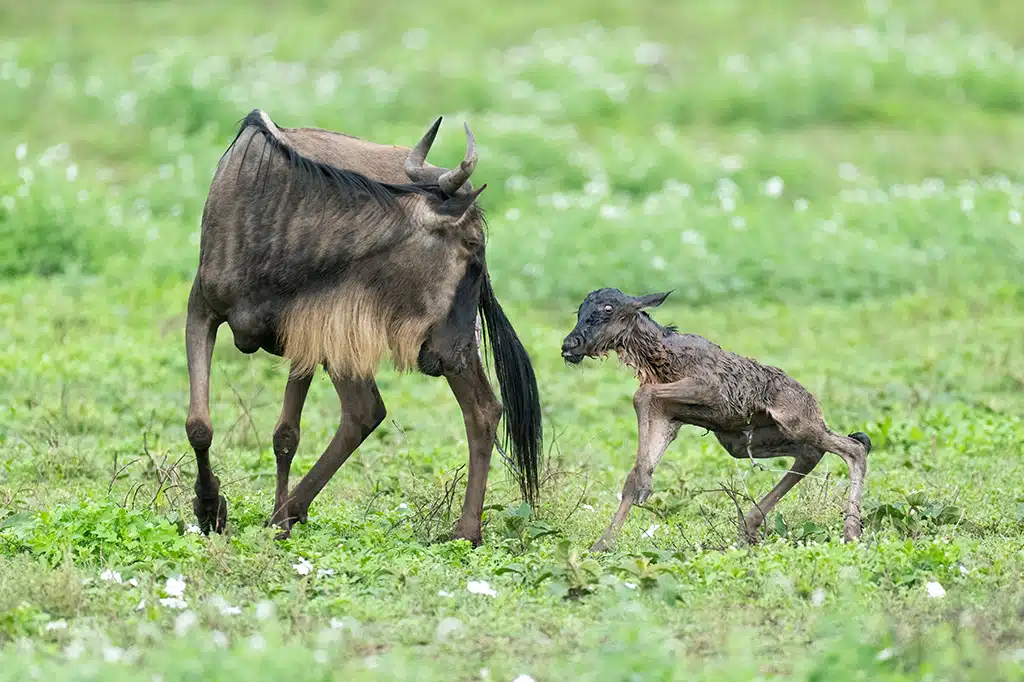
A birth is a wild event, not an appointment. You may see calves, close herds and the tense relationship between prey and predators. Let your guide judge each situation and keep space around mothers and young.
Good fit: guests drawn to calving and open-plains scenes. For a Serengeti safari at this time, check the actual southern camp location and access rather than assuming every property with “Ndutu” in its description uses the same routes.
Western Corridor and the Grumeti area
The Western Corridor brings river landscapes into the picture. Around the mid-year movement, the herds may pass through this side of the park. The Grumeti River is a different river from the Mara, so be clear which experience your route targets.
Also ask whether a proposed stay is inside the national park or in an adjacent reserve or concession. A broad area name does not tell you which driving rules, access rights or charges apply.
Good fit: guests who want a western base as part of a seasonal route. Do not add it merely to collect another region; give the stop enough time to justify the travel.
Northern Serengeti, Kogatende and Lamai
The northern region is the main Tanzania-side focus for Mara River crossing trips. Kogatende and Lamai are useful names to discuss with your planner, but the camp's precise position still matters.
Nomad's Serengeti planning guide identifies July to October as a key northern window. Herds can spread out, move across the border or cross back and forth. Staying in the north improves access to the area; it does not assure a crossing.
Good fit: a Serengeti safari with river-crossing hopes and room for patient days. Stay several nights, mix river time with other drives, and avoid building your whole holiday around one expected moment.
Eastern plains and the Namiri area
The eastern side is another option for guests who want to focus on plains and big cats. Asilia describes its Namiri Plains area as eastern Serengeti big-cat country.
Discuss this area when photography or a longer stay matters more than ticking off several regions. Check which bases fit your road route and the time needed to reach them. A place that looks close on a small map may still need a substantial drive.
Good fit: guests who want to spend time watching behaviour. On any Serengeti safari, a cat may sleep for hours. Give your guide the chance to wait when the scene has promise.
Serengeti by month: a practical planning calendar
This calendar combines broad seasonal patterns described by Nomad's migration camp guide and Asilia's Serengeti season guide. It is a route-planning aid, not a live herd map. Rainfall can change both timing and distribution.
January and February
Discuss a southern base for calving-season interests. Build time around the plains rather than trying to reach the far north as well. Check whether your preferred camp uses a seasonal location and confirm where it will be for your exact stay.
March
A southern focus may still suit the herds, while rain becomes more relevant to plans. Keep the route workable if conditions change. Ask how transfers and game drives will be handled in wet weather.
April and May
The long rains can bring difficult tracks and changes to camp availability. Herds may remain south before moving through central and western areas. A Serengeti safari in these months needs a well-chosen base, current local advice and room for changes.
June
Discuss the western and central areas as herds move north and conditions begin to dry. Avoid treating the first day of June as a switch in the migration. Recent reports should refine a broad plan.
July and August
The north becomes a key focus for crossing hopes. Popular camps and river areas can be busy. Build a stay that also works for general game drives, with enough time to wait calmly rather than racing between reports.
September and October
Northern plans can still suit migration interests, though exact herd locations vary. If you want a wider Serengeti safari, combine the northern stay with a second base instead of spending every day at the river.
November and December
Short rains can bring fresh grass and a gradual southward shift. The herds may be spread over a wide area. Confirm a seasonal camp's location and build the route around current conditions, especially at the edges of the expected window.
How reliable is a Great Migration calendar?
A calendar shows a pattern. It cannot tell you where a herd will stand at noon on your first day. Wildebeest follow grazing and water, and groups can be spread across a vast area.
For your Serengeti safari, ask your planner to separate three things: the long-term seasonal pattern, recent field reports and what can still change before arrival. That makes the advice easier to judge.
A mobile camp is not a vehicle that follows the herd while you sleep. Camp moves are normally planned between seasonal locations. Nomad explicitly notes that its mobile camp does not move during a guest's stay and that herd access cannot be guaranteed.
Book the best practical base for the season, then let your guide work with conditions on the day. This gives you a strong plan without making nature sound predictable.
Ask TanzaLux which Serengeti region best matches your dates and wildlife goals.
Dry season or green season: which suits you?
The drier months often make wildlife easier to see as vegetation thins and animals use remaining water. Wet periods can bring fresh colour, dramatic skies and changes to access. Neither season removes the need for patient viewing.
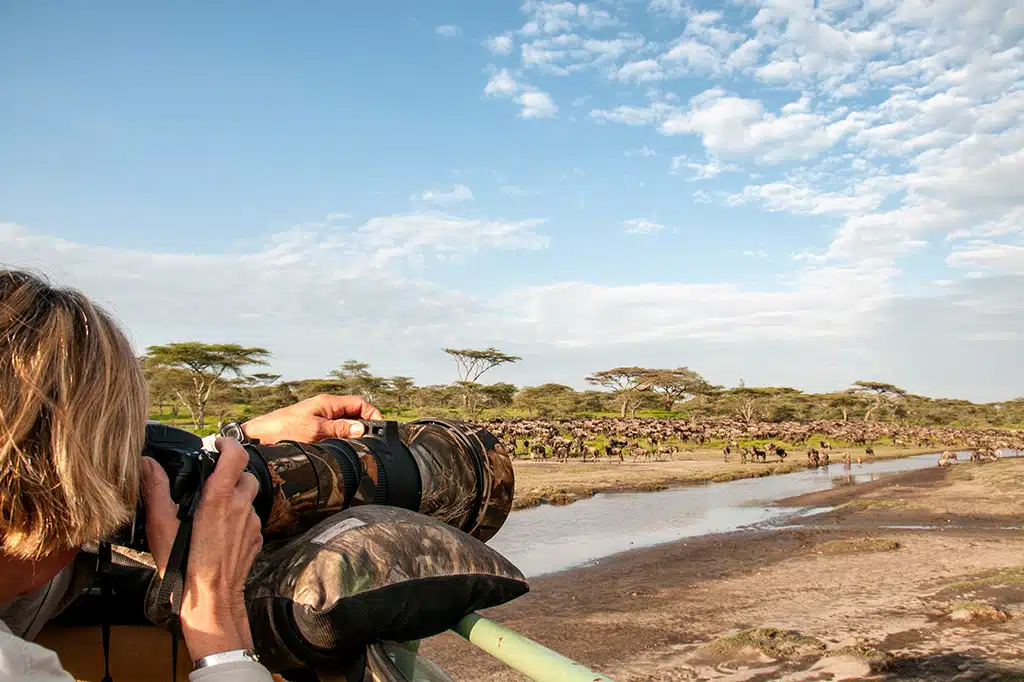
For a Serengeti safari with a photographer, ask about light, backgrounds, seat space and time to wait. A wet afternoon may offer a striking sky but change the next day's road plan. A dry drive may offer clear views but plenty of dust.
Lower-demand dates can bring different rates, yet do not assume every green-season week is cheap or quiet. Calving areas and festive dates can draw strong demand. Compare actual quotes for the same room style, inclusions and travel dates.
The right season is the one whose trade-offs suit you. Tell your planner if you prefer dry roads, green scenes, fewer camp changes or the best practical chance of one seasonal event.
How many nights do you need?
As a planning recommendation, allow at least three nights in one Serengeti base when time permits. Two nights can leave only one full day between arrival and departure. More nights let you enjoy a good sighting without worrying about the next transfer.
For two regions, consider five to seven nights in the park area, with the split shaped by distance and your goals. That is a pace suggestion, not a rule. Your total holiday length and comfort on long drives matter.
A short Serengeti safari should focus on one area. A longer route can add contrast. Central and northern stays, for example, give different settings without requiring you to cross the entire ecosystem twice.
Ask for the number of full game-drive days as well as the number of nights. A day described as “Serengeti” may include a long road transfer, camp check-in and only a brief drive.
Where to stay: choose location before room style
A beautiful room is only one part of the choice. Your camp needs to fit the area you want to explore, the season and your travel pace. Ask how the location affects the first and last hours of each day.
Permanent lodges and camps: check their exact position, room setup and the drives they make practical.
Seasonal tented camps: confirm the dated location, move schedule and facilities for your stay.
Family stays: ask about linked rooms, age rules, walking distances and meal times.
Private stays: confirm whether privacy applies to your room, game-drive vehicle or the entire property.
Accessibility needs: discuss steps, paths, bathroom layout and help before booking.
For a luxury Serengeti safari, comfort should support time in nature. Ask about hot water, charging, laundry, dietary needs and cooling arrangements rather than assuming that every high-end tent has the same features.
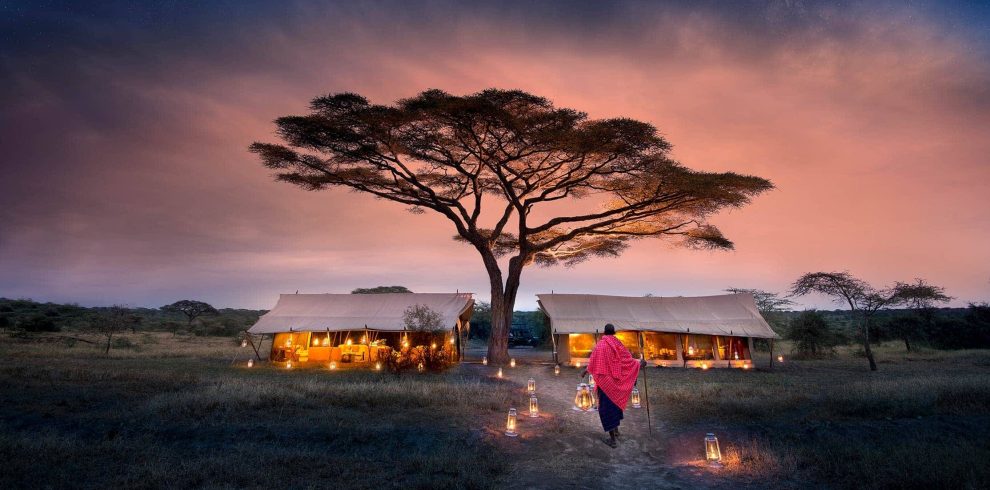
A tented camp at dusk illustrates one style of Serengeti stay. Your final camp and facilities depend on the confirmed booking.
Road access, airstrips and travel time
The official park visitor guide describes road and air access, with Arusha a common starting point. Road travel can form part of a Northern Circuit route through other parks and the Ngorongoro area.
A road-based Serengeti safari gives the journey its own place in the holiday. It also means long stretches in the vehicle. Ask for realistic transfer estimates, stops and a plan for the final day's flight connection.
If you consider a light-aircraft transfer, confirm the actual operating carrier, current safety advice, baggage limits, stops and the airstrip serving your camp. The closest strip on a general map may not be the one on your booking. Leave a sensible buffer before an international departure.
Compare the full journey rather than just the time in the air. Airport transfers, check-in, intermediate stops and the drive from the strip to camp all affect the day.
What should your safari budget include?
Ask for a dated quote with a clear list of included and excluded services. Camp level, season, nights, group size and transport choices all affect the cost. Avoid comparing two headline prices without checking the details.
Accommodation, meal plans and drinks.
Vehicle use, guiding and any limits on activities.
Park, conservation and concession charges for the actual route.
Road transfers or separately quoted air travel.
Optional balloon flights, walks or other permitted activities.
Personal costs, voluntary tips and any excluded services.
Your Serengeti safari quote should also explain payment and cancellation terms. A lower room rate may come with different conditions or fewer inclusions. Ask about the total holiday cost before deciding which option offers value.
Sample packages: three ways to plan your visit
These are tailor-made route ideas, not fixed departures or live offers. Camps, access, timings and prices require a quote. Each plan includes one arrival night, so you can see how the calendar works.
Sample package: 7-day classic Serengeti safari
Day 1: arrive and stay in Arusha.
Day 2: explore Tarangire and stay in the wider Karatu area, subject to a workable driving plan.
Day 3: travel through the Ngorongoro area to a central Serengeti base.
Days 4–5: enjoy two full days of game drives from the same camp.
Day 6: return toward Ngorongoro and stay nearby.
Day 7: visit the crater and transfer onward; add a night if your flight timing requires it.
Best for: a first Northern Circuit visit with three Serengeti nights. This is a road-focused plan; confirm driving distances and avoid pairing a rushed crater day with an early departure.
Request your 7-day private Serengeti and Northern Circuit safari.
Sample package: 8-day southern plains safari
Day 1: arrive and stay in Arusha.
Day 2: visit Tarangire and stay in the Karatu area.
Day 3: travel to a southern ecosystem or Ndutu-area camp chosen for your dates.
Days 4–5: take two full days to explore nearby plains.
Day 6: travel back toward the Ngorongoro highlands.
Day 7: enjoy a crater visit and a second highlands-area night.
Day 8: return to Arusha or your confirmed departure point.
Best for: early-year calving interests with a clear southern focus. This Serengeti safari idea has three southern nights and avoids adding a distant northern stop. Exact conservation-area permissions depend on your camp and drives.
Plan a southern Serengeti and Ndutu trip around your calving-season dates.
Sample package: 10-day central and northern safari
Day 1: arrive and stay in Arusha.
Day 2: travel to the Karatu area with a suitably timed activity or rest stop.
Day 3: continue to Central Serengeti.
Day 4: spend a full day on central game drives.
Day 5: travel north and settle into your next camp.
Days 6–7: explore the north, with river time when conditions suit.
Day 8: begin the road return with a central overnight stop.
Day 9: continue toward the Ngorongoro or Karatu area.
Day 10: return to Arusha for a suitably timed onward connection.
Best for: guests who want two regions and have time for substantial road travel. It includes three northern nights. This road version does not include a crater descent; add time if you want one. Discuss alternate transport separately if long drives do not suit you.
Build a central and northern Serengeti journey with TanzaLux Safaris.
Make each game-drive day count
Speak to your guide about pace on the first day. Some guests enjoy a long drive with a packed meal. Others prefer breaks at camp and shorter outings. A useful Serengeti safari plan leaves room for your energy, the light and the wildlife.
Carry binoculars, a charged camera, spare storage and a dust cover. Pack layers for cool starts and a rain layer when conditions call for one. Keep items you need during drives within easy reach.
Tell your planner about health, diet or access needs before you confirm camps. Ask your travel clinician for personal health advice well before departure. Keep essential medicines and their instructions with you during transfers.
At river crossings, follow the park's Mara River viewing guidance. It requires designated viewing positions, space for animals and remaining in the vehicle except in emergencies. Do not urge a driver to block a herd or move closer during a crossing.
Why travel with TanzaLux Safaris?
TanzaLux is Tanzanian-owned and based in Arusha. The team plans around your dates, pace, budget and interests. Its private safari service offers your own vehicle and guide on a tailored route.
That is useful when a Serengeti safari needs careful choices. Share your main goal, then ask the planner to explain why each camp fits that goal. You should be able to see how the season, location, driving days and nights work together.
You can also discuss Tarangire, Ngorongoro and Zanzibar as parts of one holiday. Keep the Serengeti section long enough to enjoy, then add other places within the time you have. A good route serves your interests and comfort.
Tell TanzaLux your dates and let the team shape a private Serengeti safari around you.
Frequently asked questions
1. Is the Serengeti worth visiting all year?
Yes, it has wildlife throughout the year. The key is to choose a region and camp that suit your dates, interests and expected access conditions.
2. What is the best time to visit Serengeti?
Choose by goal. Early-year southern trips suit calving interests, while northern crossing trips usually focus on July to October. General wildlife routes can work in other months too.
3. Where should first-time visitors stay?
Discuss a central base as a starting point, then add one seasonal region if time allows. Ask your planner why the exact camp location works for your route.
4. When is the Ndutu calving season?
Plan broadly around January to March, with February a key calving focus. Births and herd locations depend on natural conditions, so no particular day can be promised.
5. Is Ndutu inside Serengeti National Park?
The Ndutu area belongs to the wider southern ecosystem around the park and Ngorongoro boundary. Confirm the exact camp and drive locations to understand permits and charges.
6. When can I see Mara River crossings?
July to October is a broad northern planning window. A crossing cannot be scheduled. Allow several nights nearby and enjoy other wildlife while waiting for conditions to develop.
7. Are Grumeti and Mara crossings the same?
No. They are different rivers in different parts of the ecosystem. Clarify which area a proposed migration trip targets and how your dates fit it.
8. Does the Great Migration happen in one month?
No. It is a continuing cycle of movement, grazing and calving. River crossings are only one part of that cycle, and herds can be spread across wide areas.
9. Can a camp guarantee the herds will be close?
No. A well-chosen seasonal location improves the plan, but rainfall and grazing influence herd movements. Ask for recent reports alongside the usual seasonal pattern.
10. Does a mobile camp move during my stay?
Usually it uses planned seasonal sites rather than moving with each herd. Ask the specific camp for its schedule and confirm its location for your booking dates.
11. How many nights should I book?
Our planning suggestion is at least three nights in one base when possible. A two-region trip needs more time, with enough room for the transfer between camps.
12. Can I visit every region in a week?
Trying to do so would make the trip heavily focused on transfers. Choose one main area, or two that fit your route, and spend more time exploring.
13. Is April or May a poor choice?
Those months can suit guests who accept wet-weather trade-offs. Check road conditions, camp openings and flexible plans. They are less suitable if dry tracks are your main priority.
14. Is green season always cheaper?
No. Rates depend on the camp, demand, exact dates and terms. Compare complete quotes; do not assume every wet-season or calving-season stay has a lower price.
15. Should I choose a luxury lodge or tented camp?
Start with location, then compare facilities, room layout and service. Tented stays vary widely. Confirm the features that matter to you before making the choice.
16. Can I reach the Serengeti by road?
Yes. It can form part of a Northern Circuit road safari. Ask for realistic driving times and stops, since distance, weather and camp location affect each transfer.
17. Can I add a balloon flight?
Ask whether an operator serves your chosen camp area and dates. Confirm availability, price, eligibility, pickup logistics and weather cancellation terms before treating it as part of your plan.
18. Is a Serengeti safari suitable for children?
It can be, with a route shaped around their ages and needs. Confirm camp age limits, room arrangements, drive lengths and activity rules before booking.
19. Can I combine Serengeti with Ngorongoro or Zanzibar?
Yes, but allow enough time for transfers and full safari days. A beach extension needs its own travel plan. Do not squeeze all three into dates that make the holiday rushed.
20. How do I choose the right route with TanzaLux?
Share your dates, group size, budget and top wildlife interests. Ask for a Serengeti safari plan that explains camp locations, full viewing days, transport and all quoted inclusions.
Ready to start planning?
Tell us your dates and what you're after — no obligation.