5.0 Excellent

What Defines World-Class Hospitality in the Heart of the Serengeti?
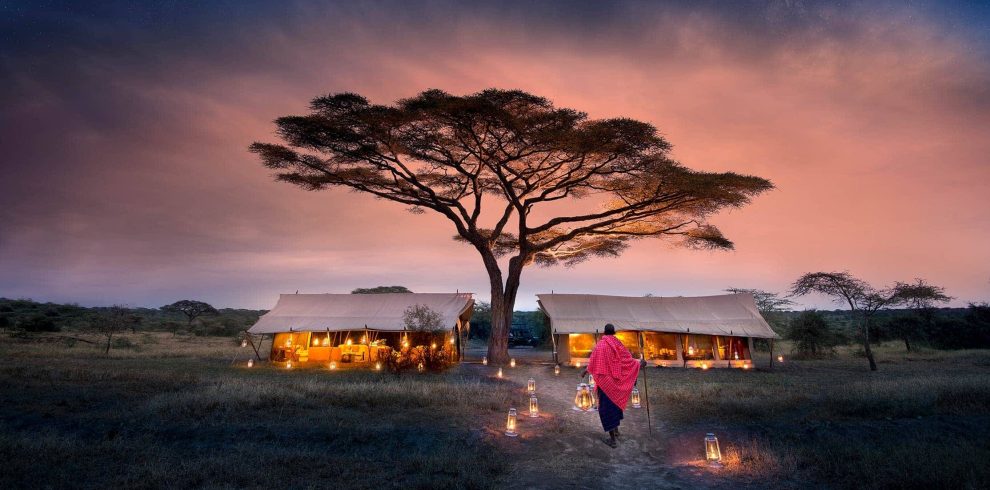
Serengeti hospitality begins long before you step into a beautiful room. It starts when someone listens to how you want to travel. It grows through a calm arrival, a guide who explains the bush well, and a team that helps you feel at ease in a new place.
World-class service in the Serengeti brings skill, care and a strong sense of place together. A fine meal matters, but so does breakfast served in time for your drive. A lovely tent matters, but so does a clear reply about steps, beds or power. This guide shows what to look for, what to ask and how to plan a stay that fits you.
What defines world-class Serengeti hospitality?
The best service makes a complex trip feel simple. You know who will meet you, what your stay includes and how the next day will work. Staff pay attention without taking over your time. Your guide shares knowledge at a pace that suits you and respects the wildlife around you.
There is no single official service score behind the phrase “world-class” in this guide. We use it to describe a high standard of care. You can assess that care through clear details before you book and through thoughtful service once you arrive. Price and an impressive photo are only part of the picture.
Warmth: a welcome that feels personal and sincere.
Skill: guiding, hosting and planning done with care.
Clarity: honest answers about costs, access and what is possible.
Comfort: a room and daily pace that suit your needs.
Respect: care for wildlife, staff, local people and shared spaces.
Consistency: good service across the whole stay, not just at check-in.
Plan a private Serengeti stay with TanzaLux Safaris and shape the trip around what matters to you.
Serengeti hospitality starts with the first conversation
Good Serengeti hospitality begins with useful questions. Who is travelling? What do you most want to see? Do you enjoy full days out or a slow return for lunch? A planner should use your answers to shape the route, the rooms and the level of service you need.
Share the details that might change your comfort. These could include twin beds, a short walk to meals, early dinners or help with heavy bags. Be clear about what is essential and what would simply be nice. This gives the team a fair chance to find the right fit.
Personalized safari service should lead to a plan you can read and understand. Ask for the exact property and room type, the number of nights, the guiding setup and the transfer points. A good proposal shows how the parts connect. It should not depend on you guessing what a broad word such as “luxury” includes.
The welcome: calm, clear and suited to your journey
After a long flight or a dusty drive, a smooth arrival has real value. You should know where to meet your driver and which name to look for. If you arrive at an airstrip, confirm who handles the transfer to camp. A clear handover helps you settle into the safari.
Once at the lodge, a useful welcome balances warmth with a short briefing. You need to know where your room is, how meals work and how to reach staff. In a wildlife setting, the team should also explain the escort rules and any limits on moving around camp.
The strongest Serengeti hospitality gives you time to rest before a long list of choices. Ask in advance whether early check-in or a meal on arrival can be arranged. These are requests to confirm, rather than benefits to assume. Room readiness and flight delays can affect the plan.
Your guide is central to the experience
Expert guiding helps you understand what you see. A good guide can explain tracks, birds, plants and animal behaviour in clear language. They also listen. Some guests want rich detail about the ecosystem. Others prefer quiet time to watch a scene unfold. The right balance can change during the day.
Patient viewing is a key part of Serengeti hospitality. The best moment may be a herd moving through soft light or a lion lifting its head after a long rest. A guide should help you enjoy these moments without turning every drive into a race to complete a list.
Before you book, ask who will guide each part of the trip. A private road safari may have one driver-guide across several parks. A fly-in camp stay may use the lodge’s own guiding team. Confirm language needs, vehicle use and any special photography interests before the final quote is agreed.
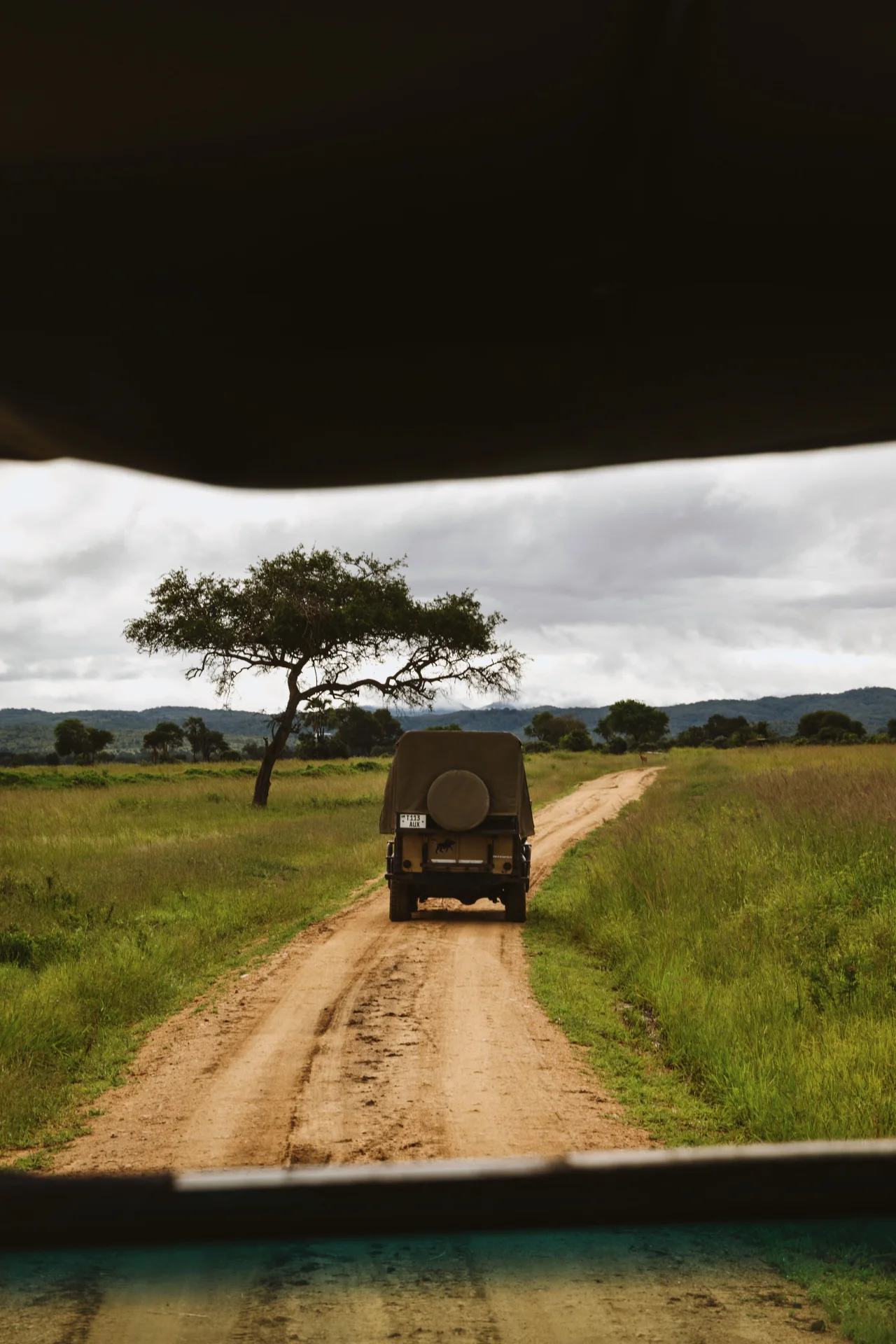
Thoughtful guiding combines a well-paced drive with time to observe and learn. This media-library photograph illustrates a safari drive and does not identify a named lodge.
Private guiding needs a clear definition
A private safari experience should state who shares your vehicle and how many vehicles your group has. A private room does not always include a private game drive. Ask about seating, space for camera gear and the daily schedule. If some guests want to rest while others drive, discuss the options and costs.
Wildlife respect is part of good service
Responsible Serengeti hospitality protects the experience you came to enjoy. A guide should follow park rules even when a guest hopes for a closer view. Giving animals space is part of skilled hosting. A dramatic photo is never a reason to disturb wildlife or ignore a ranger’s instruction.
The Serengeti National Park visitor guide asks guests to remain in designated areas, avoid feeding wildlife and follow rules on speed and safety. Use the current instructions given by your guide and park staff. Ask before leaving the vehicle or arranging any activity beyond a standard drive.
At river crossings, patience matters even more. Park guidance calls for vehicles to use designated viewing areas and give animals space to pass. See the Mara River crossing guidance. A caring guide may choose to wait or move away when a site is busy. That decision can be a sign of good judgement.
Comfort should fit the setting and the guest
Serengeti luxury lodges and camps offer different forms of comfort. Some guests value a solid-walled suite with cooling and shared facilities. Others prefer canvas, a private deck and the sounds of the bush. Neither style tells you everything about service. The right choice depends on how you like to live and sleep.
Ask about the exact room category. A photo of one suite may not show the room in your quote. Check the bed layout, bathroom, hot water, shade, charging and cooling. If a private pool or a view is important, make sure it belongs to that booked category.
In luxury tented camps, canvas can bring the outside world closer. That is part of the appeal, yet it may be new to a light sleeper. Ask about the night-time routine, staff escorts and how to call for help. Clear answers are more useful than a vague promise that everything will be perfect.
Small details make rest easier
A comfortable chair, a clean bathroom and a bed ready for rest can matter more than a long list of gadgets. Think about what you will use each day. If you need power for specific equipment, ask about supply and charging before you travel. Do not rely on general room photos.
Reliable Serengeti hospitality also respects privacy. Housekeeping times should fit sensibly around your plans where possible. Staff should explain any service routine that affects your room. You can ask for quiet time, but agree how the team can reach you if needed.
Serengeti hospitality at the table
Safari dining can be one of the joys of the trip. A relaxed breakfast, a well-packed lunch and a fresh evening meal give shape to the day. The setting adds to the pleasure, but thoughtful service still starts with food that suits the guest and a time that works.
Tell the planner about dietary needs before booking. Distinguish a preference from an allergy or a strict dietary requirement. Ask the property to confirm what it can provide, including how it handles preparation and cross-contact concerns. Remote kitchens may have limits, so seek a clear answer rather than a broad assurance.
Good Serengeti hospitality leaves room for simple choices. You may want a light meal after a long drive or an early supper for children. Ask what can be arranged and whether there is an extra charge. Also confirm which meals, drinks and packed lunches are included in your rate.
Bush meals should feel special and well planned
A bush breakfast or private dinner can add a memorable pause to the trip. Check the location, timing, weather plan and price. A meal outside camp may need permits or a specific setup. It should be arranged in an approved place with staff guidance, not treated as an option at any scenic stop.
Create a TanzaLux safari plan with room for thoughtful meals, patient game drives and time to rest.
Three real examples of different service styles
These properties show that Serengeti hospitality can take several forms. Their published services help explain the choices, but each stay still needs a dated quote. Check the exact property, room, rate and activity terms. These examples do not imply a guaranteed booking or a formal partnership with TanzaLux.
Siringit Serengeti Camp: an intimate canvas setting
Siringit Serengeti Camp has ten luxury canvas tents in Serengeti National Park, near Seronera airstrip. Its published details include en suite bathrooms, solar-heated showers and a small team. This is a useful example for guests who value a camp atmosphere and a close feel of the bush.
The property describes bespoke service and menus created for the Siringit Collection by a Michelin-starred chef. That statement concerns the menu design; it should not be read as a claim that the camp has a Michelin star or that the chef is on site for your stay. Ask about the meals and services for your dates.
Four Seasons Safari Lodge Serengeti: a wider range of facilities
The Four Seasons services page lists restaurants, a spa, a fitness centre, a pool and the Discovery Centre. This style may suit guests who want more ways to spend time at the lodge between drives. Check which activities and treatments are included or cost extra.
The Discovery Centre gives guests ways to learn about the area’s wildlife, history and people. Learning spaces can add depth to a stay, especially when you want a calm afternoon. Ask about the current programme and any specialist sessions rather than assuming a particular expert will be there.
Singita Serengeti House: a private team and shared home
Singita Serengeti House is in Grumeti Reserve and accommodates up to eight guests in four suites. Published inclusions list a private guide, house manager, chef and house staff. It shows how a private house can bring guiding and hosting around one group’s stay.
The details list one game-viewing vehicle for up to eight guests. Some fees and wellness treatments are excluded, and the remote Wi-Fi can be slow. The house rate should be read as a house rate, with the stated guest bands. Personal service still needs a clear understanding of space, vehicles, extras and limits.
Families, couples and photographers need different care
Strong Serengeti hospitality adapts to the guests who are actually travelling. A honeymoon couple may want quiet meals and fewer planned events. A family may value linked rooms, simple food and shorter drives. A photographer may want patient waits and time to return to one area in good light.
Give your planner a short list of priorities. If you travel as a group, ask each person what would improve the trip. Some needs can fit into one plan, while others may require extra space or a second vehicle. Discuss that before booking rather than expecting the guide to solve every conflict on the day.
Family service goes beyond a child rate
Check minimum ages, room rules and activity limits. A child may be welcome at a property but unable to join a specific outing. Ask about supervision, early meals and the route between the room and shared areas. Tell the team each child’s age and your preferred sleeping setup.
Photography service means time, space and judgement
Explain whether you are a keen hobbyist or planning a focused photo trip. Ask about space for lenses, charging and the likely daily pace. Good service gives you time to work within the rules. It does not promise to place wildlife in the right light or to remove other vehicles from a sighting.
Time to do less can be a luxury
A well-paced luxury Serengeti safari leaves room to enjoy the camp itself. Back-to-back early starts and long transfers can make even a fine stay feel rushed. Compare a route with fewer bases and more full days against one that changes rooms every night.
This is where Serengeti hospitality and trip design meet. A host can offer a calm lunch, but you need to be at camp to enjoy it. A private deck has little value if you arrive late and leave at dawn. Put some unplanned time into the route when you choose your nights.
A sample day might include an early drive, lunch, rest and a shorter outing later. Another day may be a full drive with a packed lunch. These are options to discuss with your guide, subject to rules and conditions. You do not need to follow the same rhythm each day.
Good service includes honest answers when plans change
Good Serengeti hospitality includes clear help when plans change. Rain, a flight change or a blocked route can affect a safari. No team can remove every uncertainty. What matters is how clearly they explain the issue, offer workable options and tell you about any cost or schedule change.
Before departure, ask who to contact during the trip. Keep the agreed transfer details and the name of each property handy. If something is wrong with your room or service, tell the host early and describe the issue clearly. This gives the team time to help while you are still there.
Serengeti hospitality should also be honest about connection limits. A remote lodge may have Wi-Fi without a strong signal in every room. If you must join a work call, ask detailed questions and build a backup plan. A quiet place to switch off may be easier to promise than a flawless office in the bush.
Respect for people adds depth to a stay
Tanzania safari hospitality is built by people with skills, local knowledge and pride in their work. A warm exchange with a host or guide can teach you as much as a formal talk. Be curious, listen and ask before taking someone’s photograph.
Choose cultural visits with clear consent, respectful hosting and transparent costs. Ask who leads the visit and where payments go. A meaningful meeting should let people speak for themselves. Do not assume that any visit labelled “community” funds a specific cause unless there is evidence.
You can also ask a property about staff training, local buying and waste practices. Look for concrete answers. A claim about helping the community should name the activity and explain the role of the guest’s payment. Avoid treating every booking as a donation or a guarantee of a measured conservation outcome.
How to compare hospitality in a safari quote
Serengeti hospitality is easier to judge when you compare clear, like-for-like proposals. The lowest room price may leave out guiding or transfers. A higher rate may include more, yet it still needs a breakdown. Ask for the total for your party and dates, not just a headline figure.
Exact property, room category, beds and nights.
Private or shared guiding, with the vehicle count.
Meals, drinks, laundry and any limits.
Airport and airstrip transfers at both ends.
Park, reserve and other required fees.
Optional meals, spa visits, balloon flights and other extras.
Any agreed access, dietary or family arrangements.
Payment dates, change terms and cancellation conditions.
Clear quotes are part of Serengeti hospitality. Ask which requests are confirmed and which remain subject to availability. Save the final proposal so you can check it against your booking. A helpful response before payment is a useful part of service, but the contract and written inclusions still matter.
Sample packages focused on service and experience
These routes show how Serengeti hospitality can shape a balanced stay. They are sample planning ideas, rather than fixed offers or live room reservations. Dates, flights, fees and access must be checked. A final quote should show the exact camps and any services you select.
Sample package: 7 days / 6 nights of unhurried Serengeti comfort
Night 1: rest in Arusha after arrival. Nights 2–5: use one Serengeti base matched to your dates and interests. Night 6: return to Arusha for a final rest before departure on day 7. Choose road or air access through a confirmed transfer plan.
This route leaves time to get to know your guide and enjoy the camp between drives. Siringit Serengeti Camp is one example to explore for a central stay. Ask for the exact tent and guiding terms. You could plan a mix of full and shorter drive days, with no need to pack up each morning.
Sample package: 9 days / 8 nights of a private house and Zanzibar
Night 1: arrive and rest in Arusha. Nights 2–4: stay at a private safari house chosen for your party. Nights 5–8: unwind in Zanzibar. Day 9: depart, with the island transfer and onward flights checked together.
Singita Serengeti House is an example for a small group to discuss, subject to availability and budget. Confirm the suite allocation, vehicle plan and house price. On the coast, choose the room and board basis separately. A private safari stay does not mean the island hotel provides the same service model.
Sample package: 10 days / 9 nights for families who enjoy learning
Night 1: settle in Arusha. Nights 2–3: stay near Tarangire for the agreed park visit and time to rest. Nights 4–7: enjoy a Serengeti lodge with suitable family rooms and activities. Nights 8–9: return to Arusha for a slower finish. Day 10: depart.
Four Seasons Safari Lodge Serengeti is one option to explore for its facilities and learning spaces. Ask about the current family programme, age rules and exact room setup. Keep the number of planned activities sensible. A family trip works best when children have time to rest as well as time to learn.
Ask TanzaLux to adapt a sample package around your family, interests and preferred level of service.
Why travel with TanzaLux Safaris?
TanzaLux Safaris is a Tanzanian-owned company based in Arusha. Its company overview describes planning around your dates, pace, budget and interests. That approach gives you a way to connect the service you want with a route that makes practical sense.
The company’s private safari page describes a tailor-made trip with your own vehicle and driver-guide. Use the planning stage to discuss how much time you want at sightings, which parks interest you and what comfort means to your group. Confirm the setup for every part of the final itinerary.
For a fly-in stay, ask how the camp’s guiding team and the wider trip planner will work together. If you add Zanzibar, ask for one clear plan for flight and hotel handovers. Consistent Serengeti hospitality depends on these links as much as it depends on the welcome at the lodge.
You can make the advice more useful by sharing your real priorities. Explain whether you want quiet mornings, patient photography, family meals or space to celebrate. Ask TanzaLux to show how the proposed rooms, guide and schedule meet those needs. Clear details turn a broad promise of luxury into a trip you can assess.
Your final service checklist before booking
Choose Serengeti hospitality that makes you feel informed as well as excited. Read the final proposal slowly and ask about any gaps. The strongest plan makes room for wildlife, rest and the people travelling with you.
Do I know who meets me at each arrival point?
Are the room and vehicle setups clear?
Have the property and planner replied to my key needs?
Do I understand which services cost extra?
Does the route leave time to enjoy each stay?
Do I know who to contact if plans change?
Frequently asked questions
1. What is Serengeti hospitality?
It is the care, hosting and service that shape your stay in the Serengeti. It includes planning, transfers, guiding, meals, room comfort and clear communication. The best experience brings these parts together around your needs while respecting wildlife and the place you are visiting.
2. What makes Serengeti hospitality world-class?
Skill, warmth, clarity and consistency are key. Staff should listen, explain what is possible and follow through on agreed details. Good service also handles changes calmly. An expensive room or a long list of facilities can add comfort, but neither replaces attentive people.
3. Is a private safari the same as a private lodge?
No. A private safari usually refers to your vehicle, guide and itinerary. You may still share lodge dining areas and facilities with other guests. A private house has a different setup. Confirm room use, vehicles and shared spaces in the written quote.
4. Can a tented camp offer Serengeti hospitality at a high level?
Yes. Canvas does not prevent thoughtful hosting, comfortable beds or good meals. The details vary, so ask about the exact camp and tent. Check power, bathroom facilities, cooling and the night-time routine. Choose the style that helps you feel comfortable in the bush.
5. Will I have the same guide for the whole trip?
That depends on your route and booking. A private road trip may keep one driver-guide across parks. A fly-in stay may use the camp’s local team. Ask who leads each section and how any handover works. Do not assume a single guide is included throughout.
6. Can I choose when to go on game drives?
Discuss your preferred pace before booking and with your guide. Private travel can offer more choice, but park rules, daylight, weather and local conditions still apply. Some camp activities follow set times. Confirm what flexibility your specific arrangement provides.
7. Does good service guarantee the Big Five?
No. Wildlife is free-ranging, and sightings are never guaranteed. Good guiding improves your understanding of what you see and helps use time well. A skilled guide should be honest about the possibilities and respect animals rather than make promises no one can control.
8. Can lodges handle dietary requirements?
Many can discuss requests, but you need a property-specific reply. Share requirements early and distinguish allergies from preferences. Ask about preparation limits and cross-contact concerns where relevant. Get confirmation before booking instead of assuming every remote kitchen can meet every need.
9. Are private bush dinners included?
Not always. Some rates cover special meals; others charge extra or require advance arrangements. Ask about location, timing, weather changes and any permit needs. An outdoor meal must follow the rules for the area. Confirm the full cost and what happens if conditions change.
10. Is Wi-Fi reliable at luxury safari lodges?
It varies by property and can be affected by a remote location. Ask about coverage in your room and the needs of any planned work call. Published Wi-Fi access does not guarantee a strong connection at all times. Keep essential work plans flexible.
11. How does Serengeti hospitality support families?
Thoughtful family service can include suitable rooms, well-timed meals and a pace that allows rest. Specific facilities and age rules vary. Share each child’s age and ask which activities they can join. Confirm supervision and sleeping arrangements before you pay.
12. What should photographers request?
Explain your interests, equipment and preferred pace. Ask about vehicle space, charging and time at sightings. A focused photo trip may need a different setup from a general safari. Your plans should fit park rules and avoid disturbing wildlife or other guests.
13. Is a spa essential to a luxury Serengeti safari?
No. Some guests value a spa, gym and pool; others prefer a small camp with fewer facilities. Decide what you will use. If treatments matter, check availability and pricing. A feature shown on a website may still need to be booked separately.
14. Can I arrange a honeymoon surprise?
Ask early about what the property can offer, the price and any practical limits. A private meal or room detail may be possible, but it needs confirmation. Give clear instructions without packing the day with events. Leave time to enjoy the safari together.
15. How many nights should I spend at one base?
Two or three nights can allow more usable time than repeated one-night stops. A longer stay may fit a focused wildlife or photography goal. Check arrival and departure times too. Three nights do not always mean three full days of game viewing.
16. What should I do if service falls short?
Tell the host or your planner while there is time to help. Explain the issue and what would improve it. Keep the conversation clear and calm. For a booking concern, refer to the written inclusions and ask who will follow up.
17. How can I respect local hosts and staff?
Learn names, listen and ask before taking photographs. Follow the camp’s routines and speak respectfully when you need help. For community visits, check consent, hosting and costs. If tipping is important to your budget, ask for current guidance and the property’s preferred method.
18. How much does Serengeti hospitality cost?
There is no single rate. Dates, room type, party size, guiding and included services affect the total. Ask for a dated quote for your own group. Compare full trip costs, including fees and transfers, rather than judging value from the room price alone.
19. Why plan with TanzaLux Safaris?
TanzaLux offers local planning from Arusha and private trips shaped around your pace and interests. Ask the team to connect stays, guiding and transfers in one proposal. A clear plan helps you see how the service you want will work across the journey.
20. What information should I send to start planning?
Send your dates, group size, children’s ages and broad budget. Add wildlife goals, room preferences and any dietary or access needs. Say how you like to spend a day and whether you want a beach finish. These details help shape a more personal proposal.
Ready to start planning?
Tell us your dates and what you're after — no obligation.