5.0 Excellent

Conservation-Led Luxury: How Your Private Tanzanian Safari Protects Local Wildlife
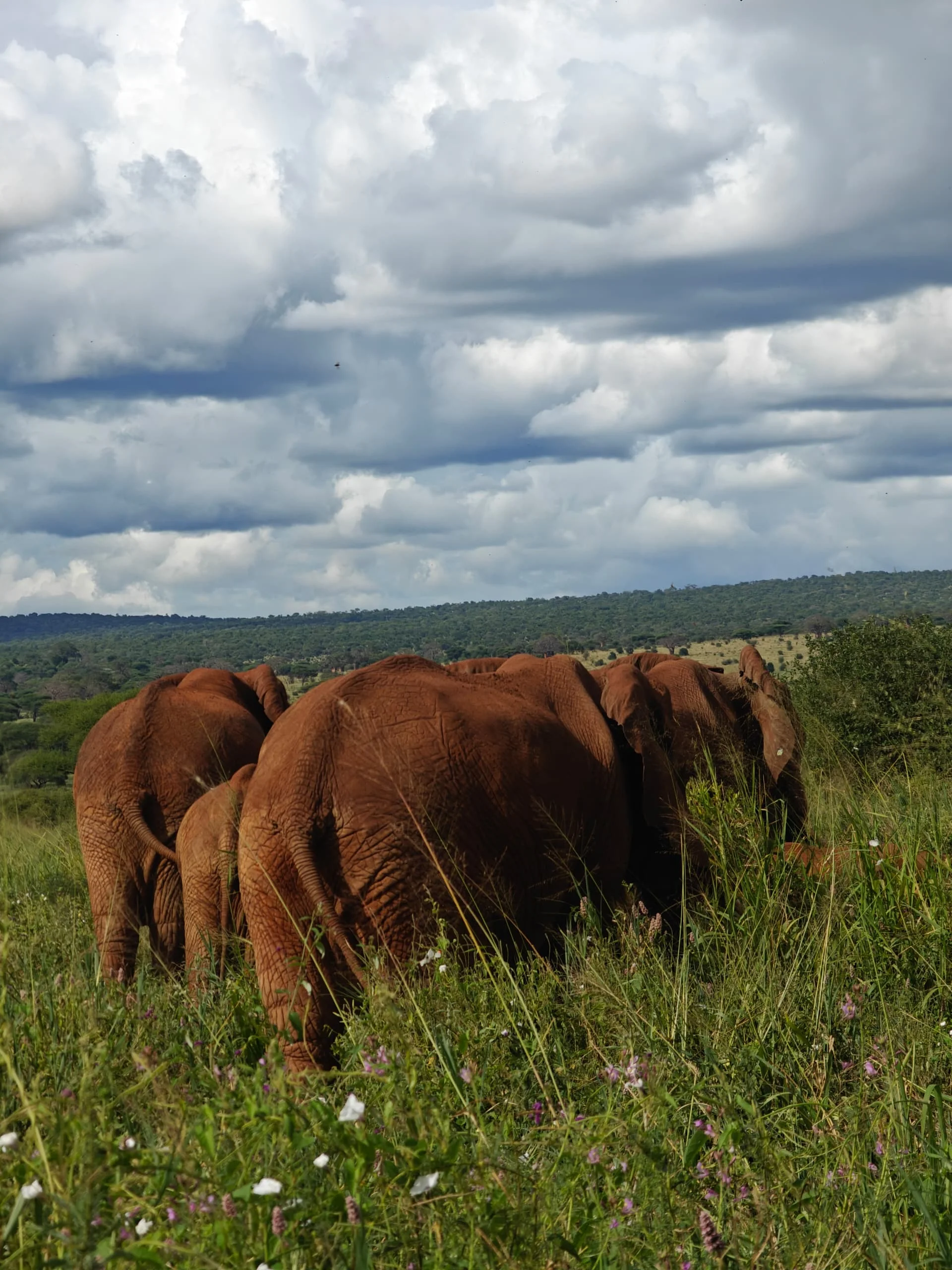
A private safari in Tanzania can be much more than a beautiful escape. Your trip brings income to protected areas and the people who work around them. Your choices also shape what happens beside a lion, at a camp and on a busy track. That is where conservation-led luxury becomes real.
Picture a slow morning in the bush. An elephant steps onto the road, and your guide waits. No one asks it to move for a better view. Back at camp, you enjoy a fine meal and a quiet room. Comfort feels richer when it comes with care for the place around you.
This guide explains how safari tourism can support wildlife conservation in Tanzania. It shows where your money can help and what to ask before booking. You will also find sample routes and practical advice for your own trip. The aim is a rewarding journey with clear, credible benefits.
Plan a private safari with TanzaLux Safaris around your wildlife interests and travel values.
What does conservation-led luxury mean?
It means making wildlife and habitat care part of the trip’s design. The lodge can be lovely and the service warm. At the same time, the route, guide and daily choices should respect the place. A beautiful room is one part of the experience, rather than proof of its impact.
For a private safari, that starts with a few clear priorities. Pay the right access fees. Choose camps with sound practices. Give animals space. Value local skills. Ask for evidence when a business makes a conservation claim. Small choices work best when they fit a well-planned whole.
Funding: protected-area revenue and any clearly named project contributions.
Behaviour: patient viewing, permitted routes and respect for wildlife.
Operations: thoughtful water, waste and energy use at camp.
People: local work, fair opportunities and visits led by willing hosts.
Clarity: a quote that explains what you pay for.
The word luxury should give you time and choice. It can mean a longer stay, a skilled guide and room to linger. It can also mean a camp that suits your needs without needless excess. The best details help you enjoy the wild while taking its limits seriously.
How your private safari supports protected areas
One of the clearest links is protected-area revenue. Tanzania National Parks describes revenue reinvestment in conservation, community projects and park infrastructure. This is a broad funding pathway. It helps explain why paying official fees matters to the places visitors come to see.
Your total trip price has several parts. Lodging, transport, guiding, taxes and access charges each serve a purpose. The whole bill is not a donation to wildlife. Ask your planner to explain the main categories. Clear pricing makes the conservation element easier to understand.
A private safari can support that system through properly arranged access. National parks, the Ngorongoro Conservation Area and other areas may have different charges. Ask which authority manages each stop. Request fees that apply to your dates, ages and visitor categories. Avoid using an old tariff as a promise of today’s price.
Good planning also respects the work behind each visit. Roads, gates and visitor services are part of a functioning protected area. Your guide’s time and your lodge staff’s skills matter too. A fair view of value includes these people and systems. The cheapest headline price may leave out key costs.
Is a conservation fee the same as a donation?
No. A required entry or conservation charge is part of accessing an area. A voluntary gift to a project is a separate choice. A lodge may also include a named levy. Ask who receives each payment, what it supports and whether it is already included in your quote.
You do not need a complex breakdown of every internal cost. You do need plain answers about charges presented as support for conservation. A fixed levy should have a named purpose and recipient. A voluntary gift should remain a choice. Keep the terms clear before you pay.
What direct wildlife protection can look like
Real projects give the broad idea a practical form. The Frankfurt Zoological Society’s Serengeti de-snaring programme describes support from tourism operators. Teams under park management search for wire snares and free trapped animals. The programme links protected-area staff, local knowledge and private-sector funding.
This is a useful example of a specific conservation pathway. It has a named programme, a management structure and a defined task. It does not mean that every safari company or camp funds it. If a proposed stay claims support, ask for its current contribution details.
Your private safari does not need to include a patrol visit to be meaningful. Wildlife protection is skilled work, often in sensitive places. Guest access can add demands to that work. A clear report or a well-run talk may be more useful than a staged encounter.
If you want to give extra support, research the organisation first. Read its recent reports and check its official contact details. Ask how the money is used and how progress is shared. Give through a verified channel. You should not need a dramatic animal encounter to justify your contribution.
Patient guiding protects the wildlife experience
The guide’s choices shape each encounter. A private safari gives your party room to agree on a calm pace. You can spend longer with one scene or leave a crowded sighting. The value comes from how you use that freedom. An exclusive vehicle alone does not prove responsible conduct.
The official Serengeti visitor guide tells guests to stay in designated areas, avoid feeding wildlife and follow speed limits. These are useful foundations for a respectful drive. Your guide should confirm the current rules for each area. Permissions can differ between parks and other managed lands.
Never ask your driver to crowd an animal for a photograph. Leave room for a herd to cross. Avoid calling, clapping or playing sounds to provoke a reaction. Watch how an animal behaves rather than pushing for a pose. A quiet scene often tells a better story.
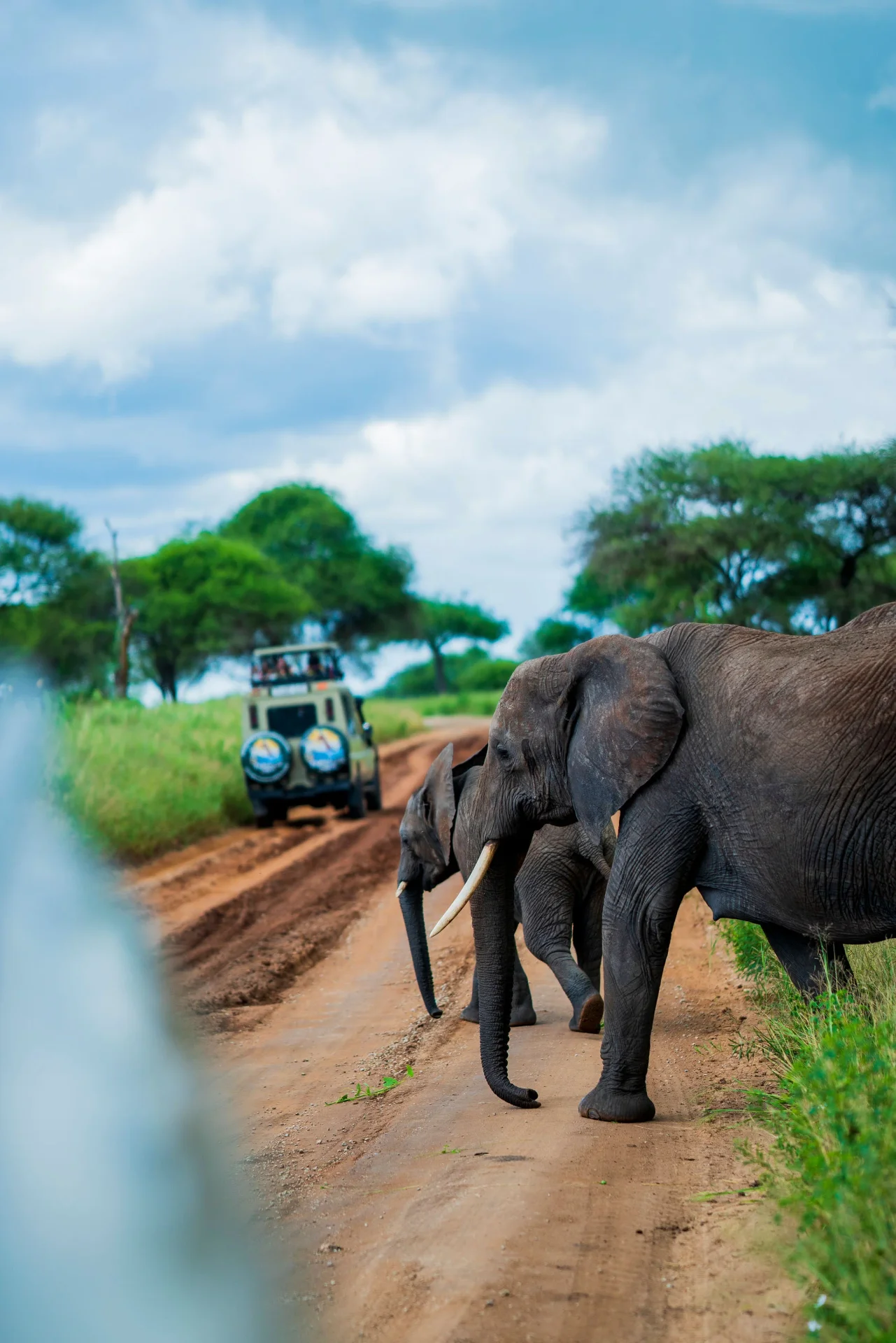
Let wildlife choose its path. Follow your guide’s instructions when animals approach a road.
What should happen at a crowded sighting?
Ask your guide whether to wait, watch from farther away or move on. Do not make the closest view the only measure of success. A distant lion resting in its habitat can be a fine sight. So can birds feeding nearby or a herd passing through soft light.
A private safari works well when everyone shares that outlook. Discuss it at the start of the trip. Tell your guide that you value animal behaviour and space. That helps set the tone before an exciting moment arrives. The best viewing is a privilege, never a demand.
Can you leave the vehicle or use a drone?
Only follow activities that are permitted and properly arranged. TANAPA’s trip planning guidance says to stay in the vehicle unless allowed by guides. It also restricts off-road driving without explicit permission and requires special permissions for drones. Check arrangements before travel; do not assume private access changes the rules.
Walking activities need suitable guides and local approval. A scenic stop is not an invitation to wander. Stay with the plan your guide explains. If you are unsure, ask before acting. A good photograph is never worth putting people or animals under pressure.
Choose luxury camps with evidence behind their claims
A luxury Tanzania safari can offer both comfort and thoughtful camp practice. To assess a camp, look beyond words such as green or natural. Ask about water supply, wastewater, rubbish and power. Request examples that apply to the property you will use. A group-wide slogan may not answer a site-specific question.
Water is a good place to start. Ask how drinking water is supplied and how refills work. Check how the camp handles wastewater. Use towels and laundry services with care where practical. Enjoy a comfortable stay while avoiding waste that adds little to it.
Energy needs deserve the same attention. Solar panels can be part of a sound system. They do not tell you the whole story about backup power or fuel use. Ask how the system works in practice. Specific, modest answers are more useful than a sweeping promise of zero impact.
How is rubbish stored so wildlife cannot reach it?
Where is waste taken after it leaves the camp?
How are drinking water and wastewater managed?
What power sources does the camp use?
How are local staff trained and supported?
What evidence supports any named certification?
A small camp is not automatically better in every way. Nor does a larger lodge automatically lack care. Location, management and daily practice all matter. Match the room to your needs, then review its wider operations. Your planner can help you put useful questions to each shortlisted property.
Local livelihoods are part of wildlife conservation
Wildlife conservation in Tanzania also concerns the people who share the wider landscape. Elephants can affect crops, while predators can threaten livestock. The Frankfurt Zoological Society describes community-led work on savings groups, forest care, land-use planning and conflict reduction. These examples show why livelihoods and wildlife need attention together.
A private safari creates opportunities to value local skills. Guides, cooks, drivers, room staff and suppliers all help make the trip work. Ask about local employment and purchasing when choosing a camp. Look for clear practices rather than a vague claim that every booking changes a life.
Community conservation should involve real choices for local people. Ask who leads a visit and who receives its fee. Find out whether the activity was designed with its hosts. Their rights and priorities matter in their own right. A warm welcome should come with room to say no.
Buy crafts because you value the work. Ask before taking portraits. Avoid entering homes or private spaces without consent. Follow sensible local advice about gifts and visits involving children. A respectful exchange can add depth to your trip without turning daily life into a performance.
Design your private safari to reduce needless pressure
A thoughtful route can mean fewer rushed transfers and more time in each place. It does not make travel impact disappear. It can help you avoid driving far simply to tick another name off a list. Plan around your main interests, then choose a realistic number of bases.
For example, three nights in one well-placed camp may suit you better than three one-night stops. You can learn the area with your guide and settle into its rhythm. You also spend less time packing. Check whether that base fits the wildlife you hope to see at your travel dates.
A private safari is not automatically the option with the lowest emissions per person. Party size, vehicle use, flights and the route all matter. Ask your planner to compare practical choices. Choose flights for a clear reason, such as saving a very long transfer. Avoid claims that a shorter drive proves a carbon-neutral holiday.
Should you travel outside the busiest months?
Consider it if the season suits your interests. Quieter dates may offer a different atmosphere, but road conditions and camp openings need checking. Rain can change access and daily plans. Ask what is realistic for the exact places on your route. A quiet camp is only useful if it fits your trip.
For a migration safari, camp location matters more than a famous month alone. Herd movements respond to conditions. Plan for likely areas with room for change. A responsible safari should never promise a river crossing on demand. Give your guide time to look and accept what the day offers.
How to read conservation claims before booking
Start with the claim itself. Is the business describing a required fee, its own practices or support for a separate project? Each needs a different kind of evidence. A named recipient and recent report help with a donation claim. Clear site details help with camp operations.
Ask whether a contribution is per guest, per night or a fixed company amount. Check whether it is included or added later. If a business cites a certificate, confirm the property, dates and scope. Good questions should lead to useful answers. You do not need to accept a label without context.
Claim: a stay funds wildlife protection. Ask: which project and what contribution?
Claim: a camp supports communities. Ask: who leads the work and who benefits?
Claim: a lodge uses clean power. Ask: what system and what backup?
Claim: a trip has low impact. Ask: what was measured and compared?
A private safari quote should also stand up to ordinary travel questions. Confirm lodges, room types, meals, guiding and transfers. Check park charges, optional activities and baggage limits for flights. Read change and cancellation terms. Clear trip details and credible conservation claims should support each other.
Sample packages for a conservation-minded private safari
These routes are ideas for a tailored quote, rather than fixed offers. Each uses time, guiding and camp choice to support a thoughtful experience. No separate donation is assumed. Ask TanzaLux Safaris to confirm lodge practices, fees and any project contribution for your chosen dates.
Sample package: 6 days in Tarangire and Ngorongoro
Best for: a first safari with time to slow down. Plan five nights: one in Arusha, two in the Tarangire area and two in the Ngorongoro area. Choose comfortable bases that suit your pace. Keep optional activities clearly listed in the quote.
Day 1: arrive and rest in Arusha.
Days 2–3: explore Tarangire with patient game drives.
Day 4: travel to the Ngorongoro area and settle in.
Day 5: take a guided crater game drive.
Day 6: return for a planned onward connection.
Use the extra time to ask about habitats and animal behaviour. Review each lodge’s water and waste practices before booking. Choose an onward flight that allows a sensible road buffer. The route should feel calm from arrival to departure.
Request a six-day private safari with carefully reviewed lodge choices.
Sample package: 9 days across the northern circuit
Best for: travellers who want a longer wildlife journey. Plan eight nights: one in Arusha, two in Tarangire, three in Serengeti and two in the Ngorongoro area. Place your Serengeti camp to suit your month. Avoid adding far-flung stops just to lengthen the park list.
Day 1: arrive in Arusha.
Days 2–3: stay in the Tarangire area.
Day 4: transfer to Serengeti with realistic road time.
Days 5–6: enjoy full wildlife days from your camp.
Day 7: travel to the Ngorongoro area.
Day 8: explore the crater with your guide.
Day 9: return to your agreed airport or onward base.
This private safari gives you time to watch rather than chase sightings. Ask whether any camp on the shortlist supports a named wildlife project. Verify that support before treating it as part of the trip’s benefit. Heritage stops can be added where the route allows enough time.
Tailor a nine-day northern circuit safari with TanzaLux Safaris.
Sample package: 12 days of bush and Zanzibar rest
Best for: a wildlife journey followed by time at the coast. Plan eleven nights: one in Arusha, two in Tarangire, three in Serengeti, two in the Ngorongoro area and three in Zanzibar. This builds on the nine-day route. It adds beach time after the main safari.
Days 1–8: follow the northern circuit plan above.
Day 9: transfer to the confirmed airport and fly to Zanzibar.
Days 10–11: enjoy beach time and suitable optional outings.
Day 12: transfer for your onward flight.
Choose the flight around the road transfer, with room for delays. Ask the beach property about water use and waste too. For marine outings, favour operators who explain wildlife conduct and guest safety. Keep reef contact and animal disturbance out of the plan.
Combine your private safari and Zanzibar stay in one tailored itinerary.
Why travel with TanzaLux Safaris?
TanzaLux Safaris is Tanzanian-owned and based in Arusha. Its approach centres on trips shaped around your dates, pace, budget and interests. You work with a local team on the route and practical details. That gives you a clear place to start a thoughtful planning conversation.
For a private safari, the benefit is choice with local input. Tell the team whether you value long wildlife stops, photography, family time or fewer lodge moves. Ask which camps fit those needs. Review actual travel time as well as the attractions on the map.
You can also make conservation part of the brief. Ask for clear park charges and specific answers from each shortlisted lodge. Discuss wildlife viewing standards and respectful community visits. Request details of any claimed project support. A tailored plan gives you room to choose on evidence.
TanzaLux can coordinate safari and Zanzibar within one itinerary. Confirm each transfer, flight and stay in the final quote. Share mobility needs, food needs and room preferences early. Good communication helps comfort and care fit into the same trip.
Speak with the TanzaLux Safaris team about a luxury Tanzania safari planned with care.
Frequently asked questions
1. How can my safari help protect wildlife?
Your trip can support protected-area revenue, local work and responsible businesses. Your behaviour matters too. A private safari helps most when fees are properly arranged, claims are credible and wildlife viewing respects animals’ space.
2. Does the whole trip price go to conservation?
No. Your bill also pays for rooms, meals, transport, staff and other services. Ask which access charges are included. Treat any separate project contribution as its own item with a named purpose and recipient.
3. What do park fees support?
TANAPA describes park revenue being reinvested in conservation, community projects and infrastructure. That is a broad funding pathway. Do not assume a fixed share of your own payment goes to one animal or one patrol.
4. Is a private safari automatically more sustainable?
No. Its impact depends on the route, group size, transport, camps and conduct. The flexibility can help you avoid crowded sightings and rushed days. Use that choice thoughtfully rather than treating privacy as an environmental certificate.
5. Can luxury accommodation be responsible?
Yes, but review the property’s actual practices. Ask about water, wastewater, waste storage, power and local jobs. Comfort and care can fit together. A high room price alone does not show strong environmental performance.
6. What makes an eco-friendly safari claim credible?
Specific evidence makes the claim useful. Look for a named practice, project or current certification with a clear scope. Ask how results are checked. Broad labels should lead to details about your actual route and stays.
7. Do all Serengeti camps fund de-snaring work?
Do not assume so. FZS describes support from participating tourism operators and donors. Ask each proposed camp about its current role. A programme operating in the same park does not prove that a particular booking funds it.
8. Can guests join anti-poaching patrols?
Do not assume visitor access. Protection work has safety and operational needs. Ask about authorised talks or learning opportunities instead. Never make a patrol encounter a condition of support or enter sensitive areas without approval.
9. How should we behave near lions or elephants?
Stay calm and follow your guide. Give animals room to rest, feed and move. Avoid noise or attempts to draw a reaction. A private safari should let you observe natural behaviour without demanding a close encounter.
10. Can our guide drive off-road for a better view?
Only where explicitly permitted under the relevant area’s rules. TANAPA guidance restricts off-road driving without permission. Ask your guide what applies. Do not pressure a driver to break rules for a photograph.
11. May I bring a drone for wildlife filming?
Do not assume you can fly it. Park and aviation permissions may be needed. TCAA advises applicants to contact park authorities for added guidance. Check the official TCAA information and confirm all requirements before travel.
12. How can photography be more respectful?
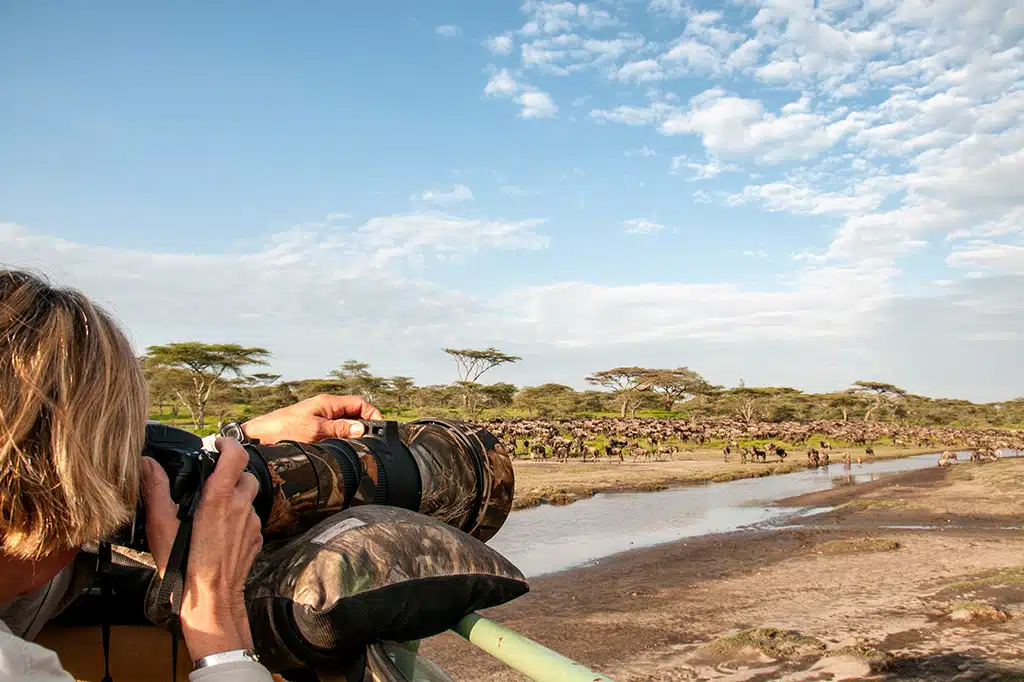
Use patience and suitable lenses rather than forced proximity. Let your guide choose safe stops. Avoid calling animals or blocking their paths. Ask permission before photographing people, and respect a refusal without pressure.
13. Why do local livelihoods matter to conservation?
People near wildlife can bear real costs from crop damage and livestock loss. FZS describes community-led work that links livelihoods, land use and coexistence. Supporting local skills and listening to hosts are useful parts of thoughtful travel.
14. Should I add a community visit?
Choose one if it interests you and its hosts freely offer it. Ask who organises the visit, who receives the fee and what behaviour is welcome. A respectful exchange needs clear consent and a fair arrangement.
15. Are longer camp stays always better?
They can reduce packing and rushed transfers, but the right location matters. A private safari should use bases that fit your dates and interests. Compare the whole route rather than assuming one extra night guarantees a lower footprint.
16. Is a fly-in safari carbon-neutral?
Do not assume that. A flight can save road time, but it still has an impact. Ask for evidence behind any carbon claim. Choose flights for clear travel needs and review the route as a whole.
17. Can families enjoy conservation-led travel?
Yes. Keep drives realistic and let children ask about tracks, birds and habitats. Choose suitable rooms and breaks. Share ages and interests with your planner. Learning can happen through a calm game drive without extra formal activities.
18. Do I need to make an extra donation?
No. An extra gift is optional unless a clearly stated levy forms part of the booked price. If you choose to donate, verify the organisation and payment channel. Ask how its work is reported and funded.
19. What should I pack to avoid needless waste?
Bring a refillable bottle where safe refills are available, suitable layers and reusable personal items. Keep rubbish secure until it can be handled properly. Ask your camps about power and baggage limits before packing extra equipment.
20. How do I book a thoughtful trip with TanzaLux Safaris?
Share your dates, party size, budget and wildlife interests. Ask for a private safari with clear fees, reviewed camps and a realistic pace. Request your tailored TanzaLux Safaris plan and detailed quote.
Ready to start planning?
Tell us your dates and what you're after — no obligation.