5.0 Excellent

Why the Serengeti and Northern Circuit Remain East Africa’s Premier Safe Haven
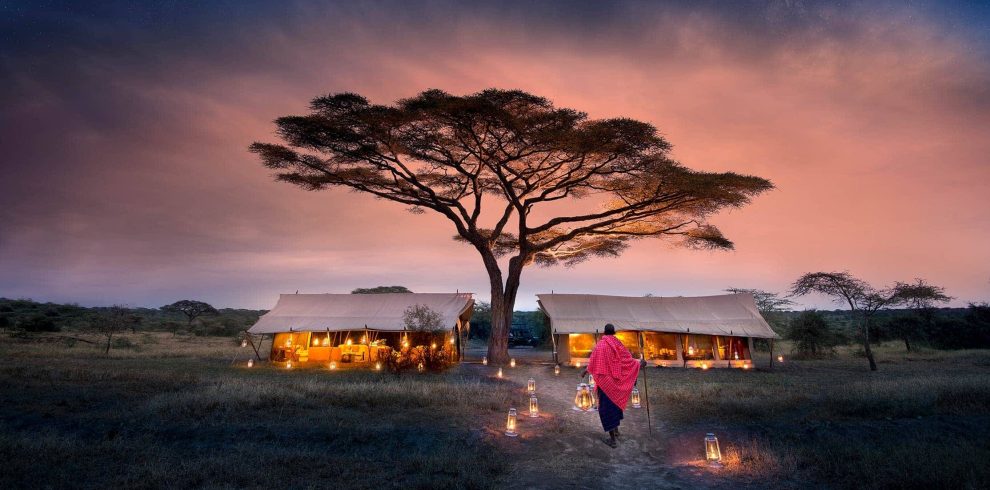
A Northern Circuit safari brings together some of Tanzania’s most compelling wildlife areas with a route you can shape around your needs. The Serengeti offers open plains and room to linger. Tarangire, Lake Manyara and Ngorongoro add new habitats, views and experiences to the journey.
Here, “safe haven” describes the appeal of a carefully planned retreat in nature. It is not an official safety label or a claim that the north is the safest region in East Africa. The case for visiting rests on wildlife, thoughtful guiding and sound trip design, alongside current advice and sensible care.
Facts checked: 25 October 2026. Read live government guidance before booking and departure. Your route, health, identity and insurance can affect your decision. No destination or luxury booking can guarantee a risk-free trip.
Why a Northern Circuit safari holds such appeal
The north lets you build a safari around several distinct places. You can spend time on wide plains, explore woodland and pause in the highlands. You can also leave days open enough to rest. That balance is a strong reason to choose the route.
A Northern Circuit safari works best when the plan has a clear purpose. Start with what matters to your party: long wildlife drives, a gentle pace, photography or time at camp. Choose parks and stays to serve those interests rather than trying to include every famous name.
The comfort comes from small, useful details. A clear airport meeting point, a room that fits your needs and a guide who explains the day can make the journey feel more settled. Ask for those details in the proposal so the promise of care becomes something you can assess.
Distinct parks give the route variety.
Private guiding can support your preferred pace.
Several nights at one base reduce repeated packing.
Named stays and transfers make the plan easier to review.
Park rules give guests clear boundaries around wildlife.
Health preparation and suitable cover support the wider journey.
Put the geography beside the current travel advice
The classic Northern Circuit safari connects Arusha with parks in northern Tanzania. That is a different itinerary from the far southeastern border area near Mozambique. Check the actual map and every transfer point before drawing conclusions from a national headline.
The U.S. Tanzania travel advisory, issued 16 October 2026, lists overall Level 2: Exercise Increased Caution. It cites crime, terrorism, health, unrest, arbitrary enforcement of laws and the targeting of gay and lesbian individuals. Level 3 advice applies to the Mozambique border area in Mtwara, with risks including the A19 highway.
The UK advice, updated 20 October 2026, advises against all but essential travel within 20 kilometres of the border with Mozambique’s Cabo Delgado province. This regional warning should be read with the countrywide guidance. Being outside a named warning zone does not establish that a place has no risk.
For a Northern Circuit safari, geography helps you ask the right questions. Where do you land? Which roads and towns are on the route? Who meets you if a connection changes? A park name alone does not describe the full journey.
Near-term alerts matter too. The UK safety page warns of possible demonstrations around 29 October 2026. Avoid protests, rallies and large crowds. Keep contacts offline, as past unrest has included internet limits, and review arrival transfers close to travel.
Serengeti: a remarkable wildlife setting, with rules to respect
The Serengeti’s appeal begins with its scale and wildlife. UNESCO’s Serengeti listing describes extensive savannah and the annual movement of wildebeest, zebra and gazelles, followed by predators. It is a World Heritage site for its natural value, not a visitor-safety certification.
For a Northern Circuit safari, several nights in one suitable Serengeti base can be more rewarding than a quick pass through. You have time to see how light and animal movement change the scene. A slow morning may become a highlight without the need to chase a single sighting.
Serengeti safari safety depends in part on how guests behave. Keep the guide’s instructions at the centre of the outing. A relaxed animal is still wild, and a good photograph should never depend on breaking the rules or pressing closer than the guide allows.
The official Serengeti visitor guide tells guests to use designated areas, avoid feeding wildlife and follow ranger instructions. It also advises guided travel and carrying water. Ask for a clear briefing before the first drive and whenever an activity changes.
The route is strongest when wonder and restraint work together. Let the guide decide where to stop and how to leave a sighting. Give animals space and be willing to move on. The sense of calm comes from good choices within a wild place.
Tarangire, Manyara and Ngorongoro add depth to the route
A Northern Circuit safari can offer more than one style of landscape. TANAPA’s Tarangire guide highlights elephants, baobabs and dry-season wildlife gatherings. Spend time watching the wider scene rather than using the park only as a brief stop on the way elsewhere.
Lake Manyara’s park guide describes a setting beneath the Rift Valley escarpment with groundwater forest. It can bring a change of mood after open plains. Check current access and the exact plan with your guide; a park’s reputation does not guarantee a particular animal sighting.
UNESCO’s Ngorongoro listing describes highland plains, woodland, forest and the crater within a wider conservation area. It also recognises the area’s human history and land use. Treat the visit as a chance to understand the place, with respect for both wildlife and residents.
These differences help you choose a route that feels rich without feeling rushed. A Northern Circuit safari need not include every park. Two places enjoyed well may suit your group better than four places linked by long, tiring days.
Arusha helps give the journey a clear start and finish
The Serengeti visitor guide identifies Arusha as a common gateway. Use the first stop well. Rest after the flight, meet the team and review the plan before the longer safari legs begin. A night spent settling in can be a useful part of the holiday.
A Northern Circuit safari should start with a verified pick-up. Save the meeting point, driver contact and planner’s number. Check the airport name carefully and send flight changes promptly. Verify an unexpected change through the contact you already hold.
Road travel still needs realistic timing. Ask about breaks, road conditions and the likely arrival at each stay. A transfer is not spare time that can always be shortened. Plan it as part of the day and avoid fitting a long drive too close to an onward flight.
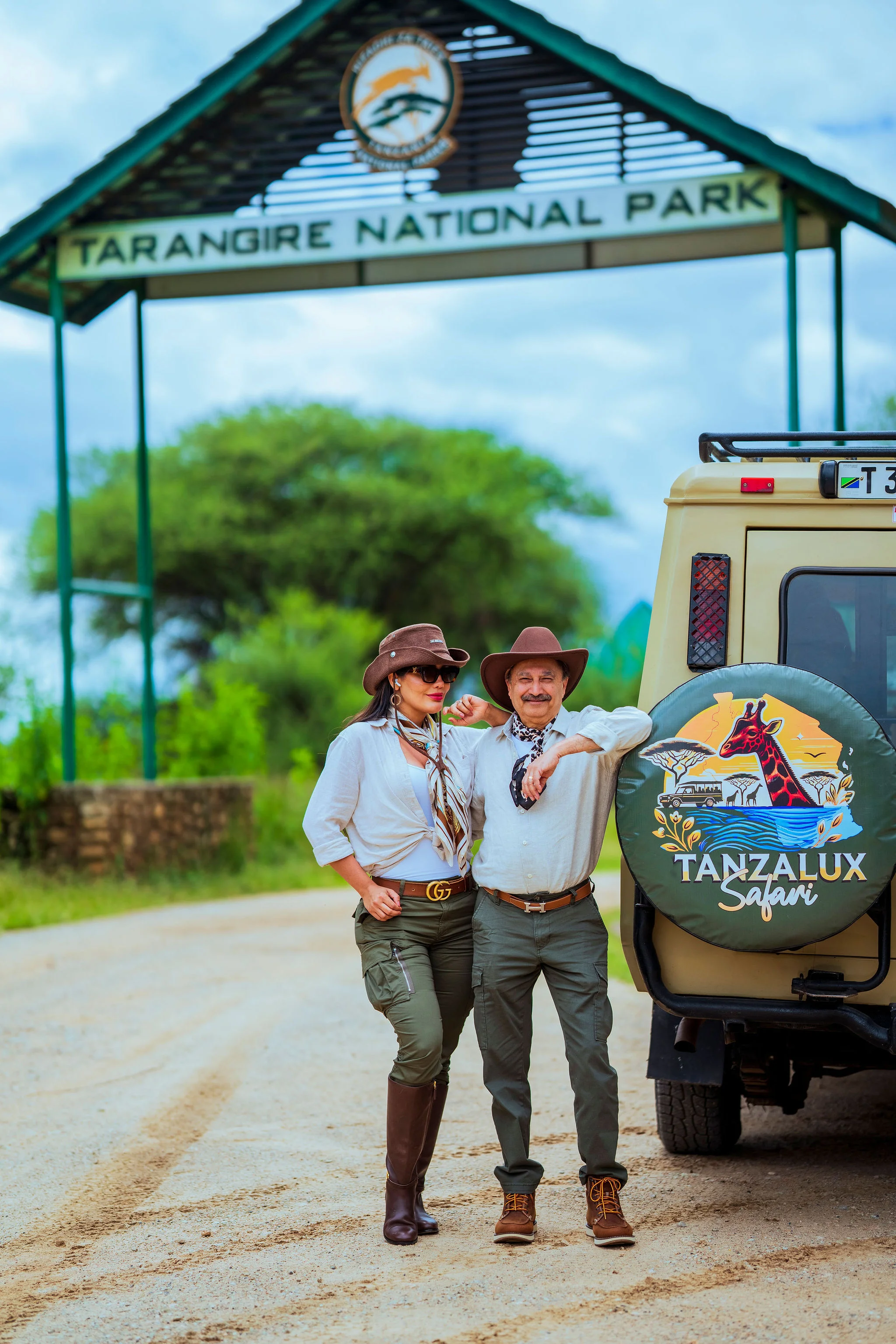
Travellers beside a TanzaLux vehicle at Tarangire. Clear meeting points, briefings and handovers help a safari day run smoothly. Image from the TanzaLux media library.
Private guiding can turn a route into a personal journey
With a private vehicle, you can discuss the day around your own party. Some guests want a long outing with a packed lunch. Others prefer a shorter drive and a quiet meal at camp. Tell the planner which rhythm works for you.
A Northern Circuit safari still follows park rules, permits and practical limits. Private travel does not create unrestricted access or guaranteed sightings. Ask the guide to explain what can change during the day and what must stay fixed.
Good communication also helps guests speak up. Tell the guide early if you need water, a break or a change of pace. Agree how photo stops work and ask where it is permitted to leave the vehicle. Each guest should feel able to ask a simple question.
For a private safari in Tanzania, confirm the assigned guide and vehicle arrangements. Ask about current credentials, first-aid provision and breakdown support. A first-aid kit is useful, but it is not proof of a medical qualification. Confirm specific training where that matters to your booking.
Choose a stay for its fit, not only its photographs
Luxury safari lodges can be part of a restful trip when the actual room and service suit the guest. Ask about steps, distance to dining, bed layouts and help with luggage. If you need a particular feature, get a reply about the exact stay.
For a Northern Circuit safari, camp location also shapes the day. A striking room far from the area you want to explore may mean more travel. Ask why each base has been chosen and how it supports the wildlife plan, rather than comparing room photos alone.
On arrival, learn how to call staff and when an escort is required. Ask about paths after dark, the room’s safety instructions and drinking water. Keep a light and key items easy to find. Report a concern while the team has time to help.
Food and hygiene deserve specific questions too. Explain serious allergies before travel, ask about preparation limits and confirm details with the host or kitchen. Request property-specific evidence if a particular audit or certificate is important. Do not infer it from a luxury label.
A well-paced trip offers a different kind of luxury
A Northern Circuit safari feels more spacious when you leave time to enjoy where you are. You can watch the light change, sit with a view or take a short break before dinner. Those moments need room in the itinerary just as game drives do.
Fewer changes of camp can also simplify the routine. You learn where things are, unpack what you need and avoid repeated early departures. This is a planning choice, not a promise that every remote stay has the same services or ease of access.
Ask for a day-by-day plan in plain language. It should show the drive, the park visit, the meal stops and the overnight base. If every day looks full, choose what matters most and remove a stop. A clear plan helps you see where the time really goes.
Families and guests with access needs may value that pace in different ways. Discuss the actual steps, vehicle entry, paths and help on offer. Children’s activity limits and room rules should be checked at each stay. Seek medical advice where personal suitability is involved.
Health preparation belongs in every safari plan
Nature can offer a welcome change of pace, but remoteness also affects access to care. The U.S. advisory notes limits to routine and emergency medical services outside major urban centres. Ask how help reaches your specific camps and keep the contacts accessible.
The CDC Tanzania health guide recommends a pre-travel health visit to review vaccines and medicines. Discuss your full route, health history and malaria prevention with a clinician. A luxury stay does not replace a personal health plan.
A Northern Circuit safari also benefits from simple daily care. Ask about safe water, use suitable sun and bite precautions and make time for rest. Tell the host or guide promptly if you feel unwell. Qualified health staff should assess illness rather than leaving it to a guide.
Review the current entry-health guidance as well. It describes heightened Ebola screening, the required Travellers Health Surveillance Form and mpox temperature checks. Screening is a precaution at entry; it does not by itself establish an outbreak at a safari camp. Follow the live instructions before departure.
Check cover, transport and the emergency plan
For Tanzania safari planning, check insurance against the whole trip. The U.S. insurance guide distinguishes medical, evacuation and cancellation benefits. Ask the provider about your route, existing conditions, activities and help in an emergency. Confirm any applicable inbound insurance requirement separately.
A Northern Circuit safari quote should make any included evacuation arrangement clear. Ask for the provider, plan, registered guests, dates and exclusions. Find out who authorises a response and whether hospital bills or travel home are separate. Avoid relying on a general mention of rescue.
Check the actual operating airline before buying a safari flight. The UK Air Safety List currently lists all airlines certified by Tanzanian authorities as banned from commercial operations to, from or within the UK. Review that safety advice and the carrier’s identity. The restriction is not a domestic legal flight ban.
For road travel, confirm seat belts, room for bags and support if the vehicle has a problem. Neither a private car nor a charter label replaces a provider review. Choose transport with current advice, your needs and the actual route in mind.
Request a TanzaLux proposal with clear transport, stays, emergency contacts and written inclusions.
Choose the season and base for the experience you want
A Northern Circuit safari should follow your interests and the conditions at the time. Tell the planner whether you value migration wildlife, photography, a particular park or a quieter daily rhythm. Ask how the camp location and road plan support those aims.
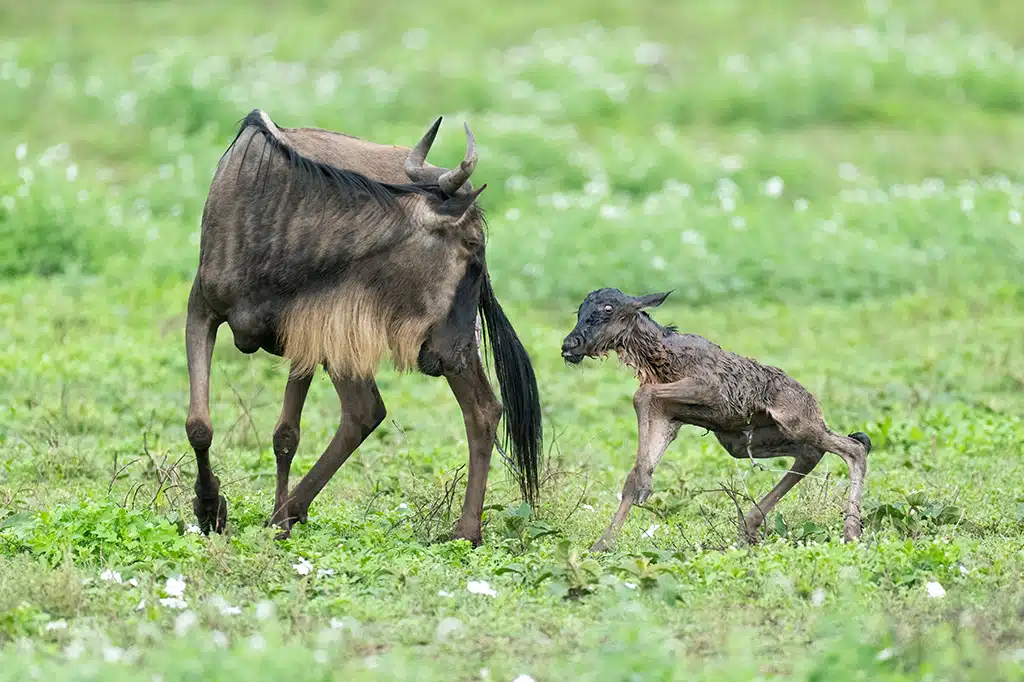
Migration movement follows ecological conditions rather than a timetable set by a tour company. A route can target a likely area without promising a crossing or a birth. Build the trip around the wider wildlife experience so one uncertain event does not carry the whole holiday.
Weather can affect roads and the pace of travel. Ask about current access, the proposed vehicle and alternatives if a leg changes. Check any seasonal opening dates for the exact camp. A good plan should explain those choices in plain terms.
If peace and space matter most, discuss them directly. Ask about the camp layout, game-drive routine and the areas likely to be used. No operator can promise that every sighting will be uncrowded. A patient guide and flexible expectations can help you enjoy what the day brings.
Sample packages for a calm northern journey
These sample packages are planning outlines, subject to current advice, access, availability and a dated quote. They are not fixed offers or safety guarantees. Each uses road-based northern planning with overnight breaks. Confirm exact drive times, park visits and transfer arrangements before payment.
Sample package: 8 days / 7 nights with a Serengeti focus
Night 1: rest in Arusha. Night 2: stay near Karatu. Nights 3–5: use one Serengeti base. Night 6: return to Karatu. Night 7: Arusha before departure on day 8.
This Northern Circuit safari leaves three nights for the plains and a clear finish before the flight home. Discuss whether a Ngorongoro visit fits the Karatu leg. Add time if the agreed driving plan feels too full for your group.
Sample package: 10 days / 9 nights with Tarangire
Night 1: Arusha. Nights 2–3: Tarangire area. Night 4: Karatu. Nights 5–7: Serengeti. Night 8: Karatu. Night 9: Arusha before departure on day 10.
Use the extra nights to enjoy different habitats without a new room every day. Ask how meals, breaks and any crater visit fit the route. The proposal should show what is included and what remains an optional extra.
Sample package: 12 days / 11 nights with more time to settle
Night 1: Arusha. Nights 2–3: Tarangire area. Night 4: Karatu. Nights 5–8: Serengeti. Nights 9–10: Karatu for the agreed Ngorongoro or Manyara plan. Night 11: Arusha before departure on day 12.
This Northern Circuit safari allows more camp time and scope for a slower day. Choose the park visits to suit current access and your interests. Review extra activities separately and keep an afternoon free if rest is part of your idea of luxury.
Why travel with TanzaLux Safaris?
TanzaLux is a Tanzanian-owned company based in Arusha. Its team describes trips built around your dates, pace, budget and interests. That gives you a direct way to discuss what will make this journey feel right before the route is final.
The private safari service offers your own vehicle and guide on a tailor-made route. Discuss time for wildlife, room needs and the balance of drives and rest. Confirm exact services and assigned providers in the written booking.
For a Northern Circuit safari, ask the planner to explain why each park and stay belongs in your route. Clear answers help you compare the full experience. Check transfers, meals, permits, optional activities and any included cover, rather than judging the trip by its room category alone.
Good local planning should make the details easy to understand. Bring current advice into the conversation and raise concerns early. The goal is a safari you can assess with confidence and enjoy with a clear sense of how the journey works.
Your Northern Circuit safari planning checklist
Read current government advice and regional warnings.
Check the full route, including arrival and departure.
Choose parks and bases around your real interests.
Allow enough time for drives, breaks and rest.
Confirm guides, transport, rooms and practical needs.
Review health preparation, entry rules and insurance.
Save verified contacts and the final plan offline.
Follow wildlife, vehicle and camp briefings each day.
The north earns its place on a safari wish list through the richness of its parks and the journeys you can build between them. A Northern Circuit safari becomes more rewarding when the pace, guiding and stays work together. Keep preparation thoughtful, leave room for wonder and enjoy the place with respect.
Begin your TanzaLux safari plan and explore a northern route designed around you.
Frequently asked questions
1. Is the Northern Circuit officially East Africa’s safest region?
This guide does not establish a comparative safety ranking. “Safe haven” describes the appeal of a well-planned retreat. Use current government advice, your needs and the full route to make an informed decision.
2. What is included in a Northern Circuit safari?
The route often connects Arusha with Serengeti, Ngorongoro, Tarangire or Lake Manyara. The exact stops depend on your dates and interests. Meals, transport, rooms and permits should be confirmed in the quote rather than assumed.
3. Is the northern route the same as the Mozambique border area?
No. The classic northern parks form a different route from the southeastern border area named in the advisories. Read the maps and all countrywide warnings too. Distance from a warning zone does not remove other risks.
4. What does the current U.S. Level 2 advice mean?
The notice checked on 25 October 2026 calls for increased caution overall, with stronger regional advice. Read the full official text and your own government’s guidance. A rating is not a lodge or operator certification.
5. Can national events still affect a safari trip?
Yes. Arrival transfers, communications and other parts of the journey can be affected. Review current alerts with the planner and save contacts offline. Avoid protests and large crowds, and follow official instructions.
6. Why is Serengeti such a strong wildlife choice?
Its extensive plains, migration ecosystem and variety of wildlife give the visit depth. UNESCO recognises its natural value. Choose a suitable base and leave time to enjoy the wider scene; no itinerary can guarantee every sighting.
7. Does World Heritage status certify visitor safety?
No. It recognises the site’s heritage value. Guests still need current advice, suitable providers, insurance and park briefings. Assess the actual trip and follow the rules of each place you visit.
8. Should I include every northern park?
Choose the parks that fit your time and interests. Several nights in fewer places can be more restful than a packed route. Ask the planner to show how much of each day is spent in transit.
9. How does private guiding help the experience?
You can discuss the day around your party’s interests and pace. Tell the guide about breaks and viewing preferences. Park rules, permits, weather and practical limits still apply, and sightings remain unpredictable.
10. Can I leave the vehicle to get a closer photograph?
Ask the guide and use only permitted places. Do not approach, feed or call to wildlife. Follow ranger instructions and the vehicle briefing. A private booking does not create special access outside the rules.
11. How do I choose among luxury safari lodges?
Compare location, room access, layout, service details and the daily driving plan. Request a clear reply about essential needs. A fine room is most useful when it fits both the guest and the route.
12. Are tented camps suitable for families?
Check the exact property’s age rules, beds, paths, escorts and activities. Discuss your children’s needs before booking. The answer depends on the camp and the family, so ask about the actual room rather than the general label.
13. What should older guests or travellers with access needs confirm?
Ask about steps, paths, vehicle entry, room distance and available help. Review drive lengths and rest time. Share essential needs early and seek medical advice where personal suitability is involved.
14. Does a luxury stay remove the need for health preparation?
No. Review your route with a travel-health professional and follow the plan given to you. Discuss vaccines, malaria prevention, medicines and access to care. Ask hosts about safe water and report illness promptly.
15. Is evacuation automatically included in every private safari?
Check the written inclusions. Ask for the provider, plan, registration, dates and limits of any offered cover. Hospital treatment and travel home can be separate benefits. Keep the actual terms and emergency contacts available.
16. Is flying always the best way to reach the parks?
Review the actual carrier, safety advice, airstrip transfers and baggage rules. Compare road options and realistic travel days too. Your needs, the route and current guidance should shape the choice.
17. How many nights should I spend in Serengeti?
Several nights at one suitable base can leave more room for drives and rest. The right number depends on the full trip. Ask how the base matches your interests and the likely conditions during your dates.
18. Can a migration crossing be guaranteed?
No. Animal movement and river crossings are not fixed appointments. Choose a route that offers a rich wider experience. A guide can respond to conditions while keeping the day within park rules.
19. Why plan a Northern Circuit safari with TanzaLux?
TanzaLux plans from Arusha and offers private routes shaped around your pace and interests. Ask for clear stays, guiding and transfers. That helps you assess the complete journey alongside current advice and your needs.
20. What is the best final check before confirming the trip?
Read the route, advice, health plan and insurance together. Confirm essential needs, the actual providers and written inclusions. Save contacts offline, allow time for rest and make sure each guest understands the daily briefings.
Ready to start planning?
Tell us your dates and what you're after — no obligation.