5.0 Excellent

Inside Ngorongoro Conservation Area: Why It Won a Sustainability Award in 2026
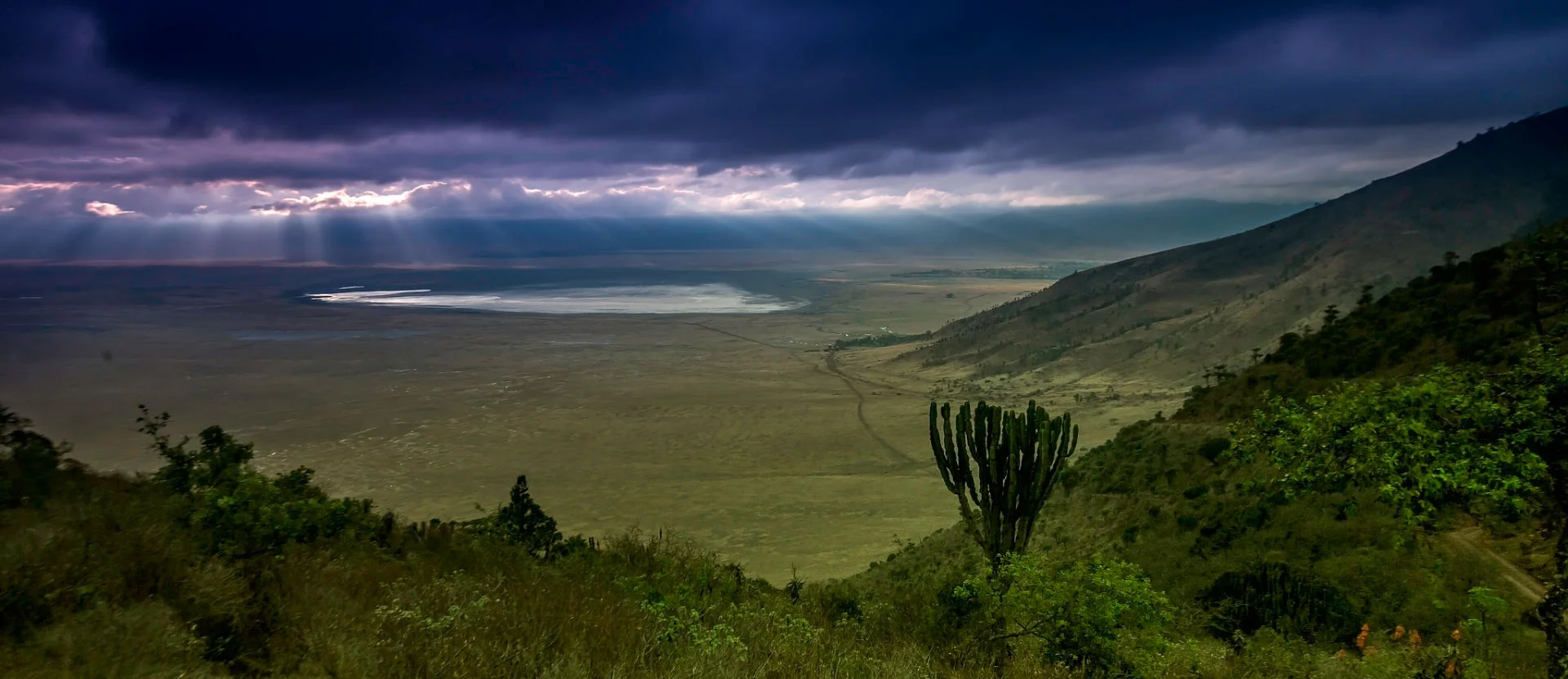
A Ngorongoro safari brings you into a place of rare depth. Wildlife shares the wider landscape with living cultures and ancient sites. Ngorongoro Crater is the famous view, but it tells only part of the story. In October 2026, a new award put that wider story in focus.
According to The Citizen’s report of 18 October 2026, the Ngorongoro Conservation Area Authority received the Excellence in Sustainable Tourism and Conservation Management Award. It was presented at the Africa Business Forum & Awards in Accra, Ghana, on 17 October. The report links the honour to wildlife protection, sustainable tourism and natural and cultural heritage.
What does that mean for your trip? It offers a reason to look beyond the next wildlife sighting. This guide explains the award, the place behind it and the choices you can make. It also covers sample routes, questions to ask and ways to visit with care.
Start planning a private Ngorongoro safari with TanzaLux Safaris.
Which award did Ngorongoro win in 2026?
The recipient was the authority that manages the conservation area. The full award name matters when you compare news reports. It was a sustainable tourism and conservation management honour. It was not a new UNESCO designation.
Award: Excellence in Sustainable Tourism and Conservation Management Award.
Event: Africa Business Forum & Awards 2026.
Place and date: Accra, Ghana, 17 October 2026.
Reported focus: wildlife, tourism and natural and cultural heritage.
Daily News also reported the honour. Its account highlights the links between conservation, tourism and heritage. These are the broad themes named in the coverage. The reports do not provide a full judging scorecard. They also do not prove that every management challenge has been solved.
Keep this separate from the World Travel Awards. Ngorongoro won Africa’s Leading Tourist Attraction in 2023 and 2025. The 2026 winner of that category was Selous Game Reserve; Ngorongoro was a nominee. These are different awards with different purposes. For that reason, this guide refers to one verified sustainability award in 2026.
Why the Ngorongoro conservation award matters
An award can draw attention to work that visitors rarely see. A game drive is the visible part of a much larger system. Roads need care. Waste needs safe handling. Sites need protection. Tourism also affects the people who live in the wider area.
The award reports point to three connected themes. First comes the protection of wildlife and habitats. Next comes tourism that can support the place over time. The third theme is the care of natural and cultural heritage. A strong visit should help you understand all three.
Still, an award is a starting point for questions. It should not replace them. Ask how a lodge uses water. Ask how a visit benefits its hosts. Ask why a guide chooses one route over another. Specific answers tell you more than a green badge alone.
A Ngorongoro safari goes beyond the crater floor
The Ngorongoro Conservation Area covers much more than the crater. Its wider setting includes highlands, plains, woodland and forest. UNESCO’s World Heritage listing recognises both natural and cultural values. Natural inscription came in 1979; cultural values were added in 2010. That history helps explain why a wildlife-only view feels incomplete.
The area was established in 1959 under a multiple land use approach. Wildlife and Maasai pastoralist heritage are central to its identity. Its links with the wider Serengeti landscape also matter. Animals and habitats do not follow the neat lines on a visitor map.
For your Ngorongoro safari, leave room to read the landscape. Notice how the air cools on the climb. Watch the shift from forest to open ground. Ask where rainwater flows and where animals find cover. Those small details give each sighting a setting.
You do not need to rush to see more. Spend time with one scene when your guide can stop safely. A herd grazing beside a wet patch can reveal a great deal. Look at the birds, the grasses and the space between animals. The whole scene is often the real reward.
Wildlife protection starts with healthy habitats
The crater is a mosaic of habitats, rather than one flat grassland. The official Geopark Caldera Route guide describes Lerai Forest, springs, swamps and Lake Magadi. These places support different forms of life. Their condition shapes the wildlife experience you enjoy.
A good guide helps you connect those parts. Why do some animals seek shade at this hour? Which birds favour the wet ground? What changes when grass grows tall? A Ngorongoro safari becomes richer when you ask about behaviour, not just names.
Give wildlife space even when a sighting feels special. Let animals choose where to move. Avoid asking a driver to crowd a hunt or block a crossing. A quiet wait can bring a better view. It also reduces pressure on the animal you came to see.
Keep voices low near wildlife.
Keep hands and food inside the vehicle.
Follow your guide’s instructions at each stop.
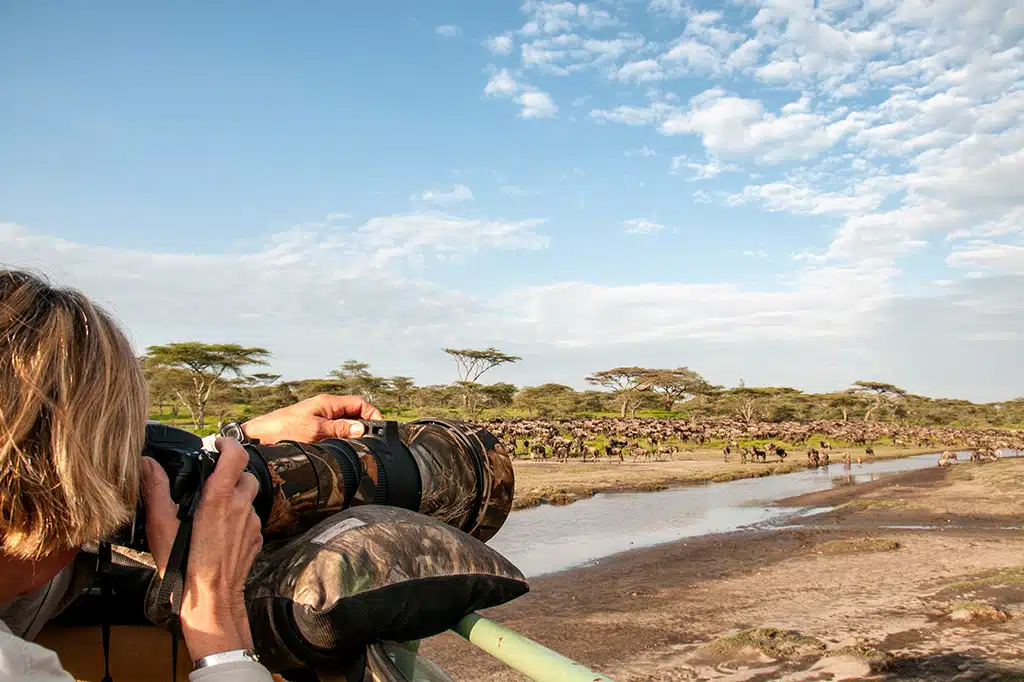
Use a long lens or binoculars for distant views.
Accept that some sightings will remain far away.
Never judge the day only by a species checklist. Wild animals can be hard to find, even in a famous place. Weather, light and animal movement all shape the result. No responsible guide can promise every species. Patience makes room for the moments that do happen.
Volcanoes, human origins and a deeper sense of place
The wider region has a strong geological story. The Ngorongoro-Lengai UNESCO Global Geopark, designated in 2018, helps explain it. Its landscape reflects the East African Rift and volcanic activity. The geopark and the conservation area are distinct designations. Their boundaries should not be treated as the same.
Standing at the rim changes how you see scale. Your guide can help explain a caldera in plain terms. Look at the steep walls, the floor and the distant slopes. You are seeing the remains of a vast volcanic system. Give this view time before the drive below.
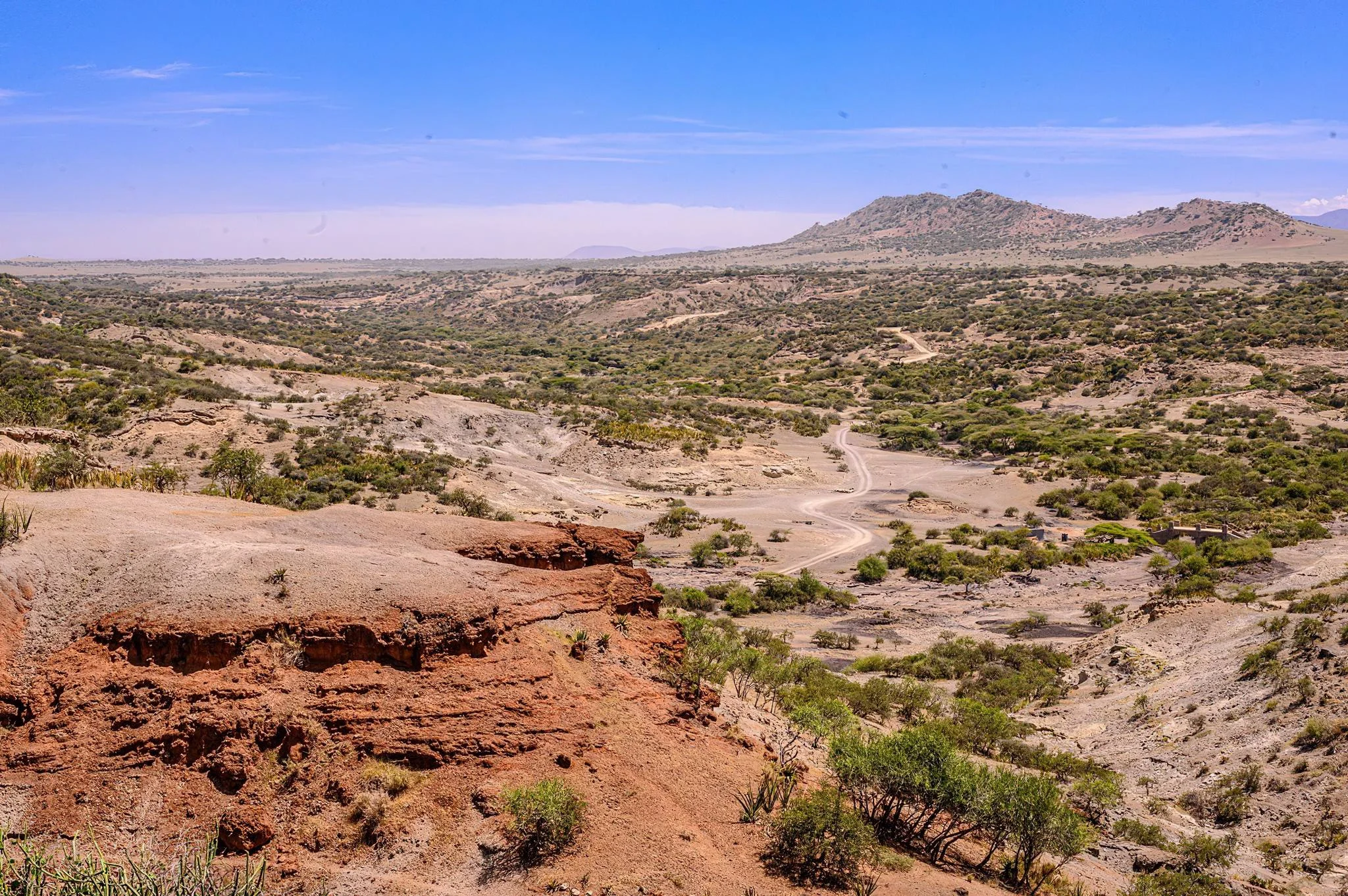
Olduvai Gorge adds a human origins chapter to a northern Tanzania safari.
Olduvai Gorge adds another layer. The official Geopark North Route guide describes the museum, fossil discoveries and stone tools. It also notes the role of the Leakey research. This is a place to slow down and learn. Museum time can turn a long transfer into a meaningful day.
Ask for an arranged visit with clear access details. Excavation areas need official guidance. Do not assume that a museum stop includes every research site. The same care applies to Laetoli and its ancient footprints. Sensitive sites need protection, so confirm what visitors may actually see.
Your Ngorongoro safari can include this heritage without crowding each day. Place Olduvai on a suitable onward route towards Serengeti. Allow time for the visit and the road after it. A rushed stop gives you less insight and more stress.
People’s rights belong in the sustainability story
An honest account must include the people who live here. On 23 April 2026, UNESCO rejected forced evictions in its statement on Ngorongoro. It said any voluntary resettlement must respect rights and free, prior and informed consent. It also stressed participation, livelihoods and better living conditions. The award does not show that these concerns have been resolved.
For a traveller, respect begins with how a visit is arranged. Ask who will host you and who receives the fee. Choose visits that hosts want to offer. Agree on photo rules before lifting your camera. People should be able to say no without pressure.
Do not treat daily life as a staged wildlife sighting. Listen when a host shares a story. Ask before entering private space. Buy goods because you value the work, with clear and fair terms. Follow local advice about gifts, tips and visits involving children.
These choices do not settle wider policy debates. They do shape the contact you have on the ground. A respectful encounter can be warm, thoughtful and led by its hosts. It should give both sides room to choose how they take part.
What sustainable tourism in Tanzania asks of visitors
Care on a Ngorongoro safari is built from small acts. Keep your litter until you reach a suitable bin. Refill a water bottle where safe drinking water is supplied. Use water with care at your lodge. Leave stones, plants and old objects where they belong.
Follow current access rules and your guide’s route choices. Do not push for a shortcut to reach an animal. Stay within the agreed visitor areas. If several vehicles gather, ask whether you can wait elsewhere. There is often more to enjoy away from the busiest sighting.
A responsible safari also makes room for limits. Some walks need a ranger and prior arrangements. Some sites may have restricted access. Road and weather conditions can change a plan. A flexible day is easier to manage than a promise built around fixed sightings.
UNESCO’s 2025 World Heritage Committee decision called for work on tourism pressure, waste, roads and stakeholder engagement. It also raised wider conservation concerns. This context is useful when reading the 2026 award news. Recognition and unfinished work can exist at the same time.
Plan a Ngorongoro safari with time to spare
Two nights can give your Ngorongoro safari a calmer pace. This is a planning suggestion, not a rule. Your ideal stay depends on your route, interests and arrival time. A crater drive and a heritage stop need different blocks of time. Leave room for meals, rest and road delays.
Start with the experience you want most. Is it a full wildlife day, a family trip or time for photography? Do you want to learn about geology or human origins? Share those priorities before choosing a lodge. The right base should support the day you want.
Crater rim or Karatu: where should you stay?
A rim stay puts the crater setting close to your door. Check the lodge’s actual location and drive to the descent route. A Karatu stay may suit a wider range of budgets and gardens. It also means more road time for a crater visit. Compare the whole day, rather than just the room photos.
Ask about heating or warm bedding for cool nights. Check room access, steps and meal times if you have specific needs. Families should confirm room layouts and child policies in writing. Couples may prefer quiet space and a slower start after arrival. A lodge name alone cannot answer those questions.
Which season suits your visit?
There is no single best date for every traveller. Rain can affect road conditions, views and plans. Drier spells may bring dust and a different look to the plains. School holidays can affect lodge demand. Discuss the month, route and your main interests together.
For a Ngorongoro safari built around photographs, light matters as much as dates. Talk about safe stops, lens space and how long you want to wait. Keep a warm layer and rain cover close. Ask your guide what the next day’s conditions suggest. Let the plan respond to the place.
What should your quote explain?
Request a dated quote with clear inclusions. It should name each lodge, room type, meal plan and transfer. Ask which entry charges and crater vehicle charges are included. Confirm whether museum visits, walks and community visits cost extra. Fees and access rules should be checked for your travel dates.
Exact nights and the order of each stay.
Private or shared vehicle and guiding arrangements.
Park, conservation area and crater charges.
Meals, drinks, tips and optional visits.
Flight baggage limits where flights are used.
Payment, cancellation and change terms.
Ask better questions about your lodge
A luxury room does not prove strong environmental practice. Ask for simple, specific examples. How is waste sorted and removed? Where does drinking water come from? What happens to wastewater? How does the lodge reduce power and water use? Clear answers are more useful than broad claims.
Ask about local jobs, staff training and supplies as well. A named project is easier to understand than a vague promise. If a lodge cites a certificate, check its scope and current status. Do not assume one award applies to every hotel in the area. Each business needs its own evidence.
Your Ngorongoro safari budget also reflects practical choices. Room level, private guiding, flights and trip length all affect the total. Travel dates and party size matter too. Compare quotes on the same basis before judging value. A low headline price can hide excluded fees or long transfers.
Three sample packages for a Ngorongoro safari
These sample routes are starting points for a tailored trip. They are not fixed departures or guaranteed offers. Lodge space, permits, flights and current charges need confirmation. TanzaLux Safaris can shape a quote around your dates and interests. Ask for a final day-by-day plan before booking.
Sample package: 4 days of crater views and highlands
Best for: a short private break with one focused crater day. Plan three nights: one in Arusha and two in the Ngorongoro area. This gives you a night to recover after arrival. It also avoids linking a long arrival day to a rushed descent.
Day 1: arrive, meet your transfer and rest in Arusha.
Day 2: travel to the area, with a planned viewpoint or interpretation stop.
Day 3: take a guided crater game drive, then return to your lodge.
Day 4: return to the agreed airport or onward base with a sensible buffer.
Choose a rim or Karatu lodge to suit your pace. Keep extra activities optional. This compact route leaves little room for a distant detour. Your planner should check flight times against the road journey.
Request a four-day private crater and highlands itinerary.
Sample package: 6 days in Tarangire and Ngorongoro
Best for: travellers who want two contrasting wildlife settings. Plan five nights: one in Arusha, two near or in Tarangire and two in the Ngorongoro area. This route spreads the drive days. It leaves time to settle into each landscape.
Day 1: arrive and stay in Arusha.
Days 2–3: explore Tarangire with time for game drives.
Day 4: travel to the highlands and settle into your lodge.
Day 5: enjoy your crater game drive.
Day 6: return for your planned onward connection.
A highland walk may fit if time, access and ranger support allow. Keep it as a confirmed addition to the quote. Do not force it into an already full transfer day. A little rest often improves the next morning’s drive.
Ask TanzaLux Safaris to tailor this six-day northern Tanzania route.
Sample package: 9 days of wildlife and human origins
Best for: a broader northern circuit with an Olduvai visit. Plan eight nights: one in Arusha, one in Tarangire, two in the Ngorongoro area and four in Serengeti. The longer stay gives your guide more room to adjust. Choose the Serengeti base for your travel month.
Day 1: arrive in Arusha.
Day 2: visit Tarangire and stay nearby or within the park.
Day 3: travel to the Ngorongoro area.
Day 4: spend the day on a crater game drive.
Day 5: visit Olduvai on a suitable route towards Serengeti.
Days 6–8: explore Serengeti from your selected camp.
Day 9: take a confirmed onward flight, with time allowed for connections.
This Ngorongoro safari combines wildlife with a clear heritage thread. The Olduvai stop needs time in its own right. Ask how it affects the drive and arrival at camp. Flights, baggage rules and onward transfers must match the final route.
Build a nine-day wildlife and heritage safari with TanzaLux Safaris.
Why travel with TanzaLux Safaris?
Good planning helps a Ngorongoro safari flow at your pace. With TanzaLux Safaris, start by sharing your dates, budget and main interests. Ask for a route shaped around how you want to travel. A family, a keen photographer and a first-time couple may need quite different days.
For your Ngorongoro safari, use the planning stage to settle the details. Ask for the lodge location, likely drive time and guiding setup. Make optional visits clear. Request current fees and permit arrangements in the written quote. This makes the plan easier to review before you commit.
Tell the team if conservation and heritage are priorities. Ask for time to learn from your guide and suitable local hosts. Discuss photo consent and how community visits are arranged. Request lodge choices with clear answers on waste, water and local benefits. Thoughtful questions help shape a thoughtful trip.
The aim is a safari that fits your needs and respects the place. Comfort matters, but so do time, clarity and care. Keep your final plan realistic. Leave space for a quiet view, a good question and an unexpected sighting.
Contact TanzaLux Safaris to discuss your dates and a tailored safari plan.
Frequently asked questions
1. What sustainability award did Ngorongoro win in 2026?
Reports identify the Excellence in Sustainable Tourism and Conservation Management Award. It was presented to the Ngorongoro Conservation Area Authority at the Africa Business Forum & Awards in Accra on 17 October 2026.
2. Why did it receive the award?
The coverage highlights wildlife protection, sustainable tourism and natural and cultural heritage. It does not publish detailed judging scores. Treat these as the reported themes, rather than a complete audit of every aspect of management.
3. Did Ngorongoro win Africa’s Leading Tourist Attraction in 2026?
No. The World Travel Awards lists Selous Game Reserve as the 2026 winner. Ngorongoro was nominated. Its wins in that category in 2023 and 2025 are separate from the October 2026 conservation award.
4. Was the 2026 award given by UNESCO?
No. The reported award came from the Africa Business Forum & Awards. UNESCO World Heritage status is a separate recognition. The wider region’s UNESCO Global Geopark designation is also distinct from this 2026 honour.
5. Is the crater the whole conservation area?
No. The wider area includes highlands and other landscapes beyond the crater. A Ngorongoro safari can explore more than the crater floor. Choose visits that fit your route, time and current access arrangements.
6. Does the award mean every conservation issue is solved?
No. An award does not settle every challenge. UNESCO has raised concerns about tourism pressure and wider management needs. Read the recognition alongside that context, and ask operators for specific evidence behind their environmental claims.
7. How do local people fit into responsible travel?
Their rights, choices and livelihoods are central. UNESCO’s April 2026 statement stressed consent and rejected forced evictions. For any community visit, ask who hosts it, who benefits and whether people freely choose to take part.
8. How many nights should I allow?
Two nights in the area can support a calmer Ngorongoro safari. That is a useful starting point, not a fixed requirement. Add time if you want walks, heritage stops or a slower family pace.
9. Should I stay on the rim or in Karatu?
Compare location, comfort, price and the drive to your planned activities. A rim stay offers a crater setting. Karatu may suit your budget or lodge style. Ask for actual drive times before you decide.
10. Is there one best month to visit?
The right month depends on your route and interests. Weather can affect light, views and road conditions. Discuss your travel dates with your planner. Match the whole itinerary to the season, especially if Serengeti is included.
11. Can I expect to see every Big Five species?
No wildlife list can be guaranteed. A Ngorongoro safari depends on where animals move and what conditions allow. Let your guide set realistic expectations. Enjoy behaviour, habitats and smaller species alongside the larger animals.
12. Can I take a guided walk in the highlands?
Some highland walks can be arranged with the right guidance. The official Caldera Route notes ranger support for Olmoti. Confirm the route, fitness needs, access and ranger arrangements in advance. Do not set off on your own.
13. Is Olduvai Gorge worth adding?
It suits travellers who enjoy human origins and archaeology. The museum gives context to the landscape and discoveries. Allow enough time for the visit. A route towards Serengeti can make more sense than a rushed detour.
14. Can I freely visit excavations or Laetoli’s original footprints?
Do not assume open access to sensitive research sites. Confirm current visitor arrangements through your planner and the relevant site staff. A museum visit does not imply access to all excavations or original footprint surfaces.
15. What should I do when many vehicles gather?
Let your guide judge the safe and permitted approach. Avoid asking to block an animal or force a closer view. You can wait, watch from farther away or move on. A quieter scene may be just as rewarding.
16. How can I take respectful photographs of people?
Ask first and accept the answer. Agree on any terms before taking the picture. Respect private spaces and local guidance. Do not make gifts or money a way to pressure someone into posing, especially a child.
17. Which fees should my safari quote include?
Ask for entry and crater charges, guide and vehicle costs, lodging and meals. Check museum stops, walks and community visits separately. Your Ngorongoro safari quote should state exclusions and reflect the rules and fees for your dates.
18. How can I assess a lodge’s green claims?
Ask for evidence on water, waste, power use and local jobs. Check any named certificate and its scope. An area-wide award does not certify each lodge. Prefer clear answers about real practices over broad claims of being eco-friendly.
19. Can families follow these sample routes?
Yes, as planning ideas that need tailoring. Share children’s ages, room needs and tolerance for long drives. Ask about lodge age rules and meal times. Shorter drives and rest time may matter more than adding another activity.
20. Can TanzaLux Safaris tailor a private trip?
Ask for a Ngorongoro safari built around your dates, budget and interests. Confirm lodges, guiding, activities and fees in writing. Request your tailored TanzaLux Safaris itinerary and a detailed quote.
Ready to start planning?
Tell us your dates and what you're after — no obligation.