5.0 Excellent

Off-the-Beaten-Path Serengeti: Why Ndutu Belongs on Your Tanzania Safari Itinerary
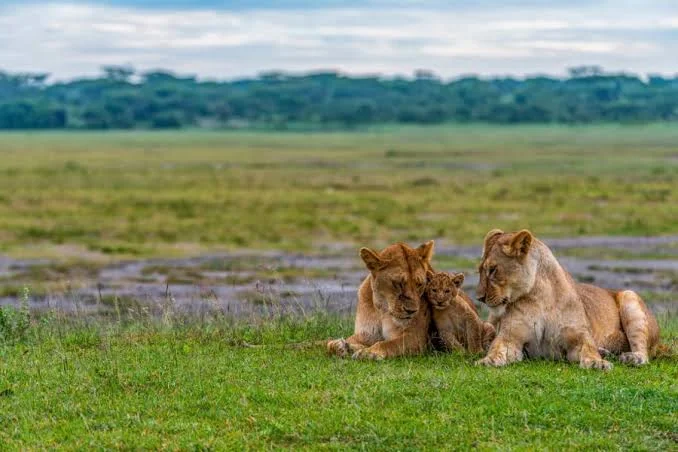
A well-planned Ndutu safari itinerary adds a rich mix of habitats to a Tanzania holiday. Open plains give way to acacia woodland, while lakes and marshes bring a new mood to each drive. Spend time here and the small details can become as rewarding as the headline sightings.
Ndutu is an established safari area within the wider Serengeti–Ngorongoro ecosystem. Its appeal reaches beyond the famous calving season. Resident wildlife, varied birdlife and changing landscapes give you several reasons to include it. The best route matches those interests to your dates and the time you have.
In this guide, “off the beaten path” means taking a more thoughtful approach to your days. Ndutu can be busy around popular sightings. Give the place time, explore with care and let your guide help you notice more. Below, you will find seasonal advice, sample packages and 20 FAQs.
Explore private safaris with TanzaLux Safaris and shape a Ndutu stay around your interests.
Why add a Ndutu safari itinerary to your Tanzania plans?
Ndutu adds variety and room for a slower pace. It can suit guests who enjoy birds, wildlife behavior and the wider scene. It also works as one part of a route through northern Tanzania. Choose it because the experience fits your trip, then give it enough time.
Varied settings: plains, lakes, marshes and woodland bring different views.
More than one season: the main herds are one part of the wildlife story.
A broader focus: birds and smaller animals reward close observation.
Time to watch: several nights can reduce the pressure to keep moving.
Route choice: link Ndutu with other areas when dates and travel time suit.
A good Ndutu safari itinerary begins with your priorities. Tell your planner whether you want to follow seasonal herds, seek birds or enjoy a relaxed pace. Ask how the proposed days support those aims. Each night should have a clear purpose.
Where is Ndutu, and why does its location matter?
Ndutu lies in the southern part of the wider Serengeti ecosystem. Ndutu Safari Lodge places itself in the Ngorongoro Conservation Area beside the southern Serengeti plains. This setting helps explain why a route may involve more than one protected area. See the lodge’s location guide for context.
Ndutu is an area rather than a separate national park. Camp and drive locations matter when checking rules, access and fees. Ask your planner to show each overnight stop on a map. Then check which days enter Serengeti National Park and which explore the conservation area.
This map review is a simple but useful step. Two camps described as “Ndutu” may support quite different daily plans. Check the travel between camp and the areas you hope to explore. A strong Tanzania safari itinerary makes these choices clear before you pay.
Reason 1: several landscapes shape each day
Ndutu’s habitats include short grass plains, shallow soda lakes, freshwater marshes and acacia woodland. Each offers a different setting for wildlife viewing. The lodge’s birdlife overview describes this mix. Water levels and local conditions change, so the scene will vary with your visit.
Build time into your Ndutu safari itinerary to enjoy that range. A broad view across grassland can be followed by a quiet woodland pause. Near a lake, look at the whole scene before seeking a close photograph. Ask your guide what has changed since their last visit.
Landscape gives the trip a sense of place. Notice the shape of a tree, the color of the ground and the way animals use cover. Such details help each drive feel distinct. They can also make a familiar safari scene feel fresh.
Reason 2: resident wildlife adds interest beyond the herds
The great herds move through a much wider ecosystem. Ndutu also has resident wildlife. Its lodge’s predator guide describes lions, cheetahs, leopards and smaller carnivores using local habitats. This supports a broader wildlife focus when migratory herds are elsewhere, with sightings still shaped by conditions.
For a Ndutu wildlife safari, share the kinds of behavior you enjoy watching. You may value time with one animal more than a long species list. Ask your guide to explain tracks, movement and signs in the landscape. Take pleasure in learning how the area works.
Keep expectations open at each sighting. A predator may rest for much of the time you watch. A small animal may vanish into cover before you lift the camera. These are normal parts of wild viewing. Patient observation gives you space to appreciate them.
Reason 3: birds reward a change of pace
Ndutu supports resident birds as well as seasonal migrants. Its varied habitats make birdwatching a useful part of the visit. The local birdlife guide notes both intercontinental and intra-African migrants. Species and lake conditions vary, so a particular bird or flamingo scene should remain a hope.
A bird-focused Ndutu safari itinerary can be rewarding even for beginners. Bring binoculars and tell your guide that you would like to learn. Ask for help with a few species at a time. Look at shape, movement and habitat as well as color.
Give these stops a place in the day. If birds matter to you, say so before the route is agreed. A shared group may have different interests and a set schedule. A private trip can offer more choice over how your group spends its viewing time.
Reason 4: a slower stay can reveal more
Moving camp each day can make a safari feel like a series of transfers. Several nights in one base can change that rhythm. You gain time to revisit an area and watch how it differs. You also have room to rest and enjoy the camp.
For a first Ndutu safari itinerary, consider three nights as a starting suggestion. With suitable arrival and departure plans, that can leave two full days. This is a planning idea, not a rule. Add or remove time based on your interests and the rest of the route.
Count full viewing days when comparing options. A late arrival and early departure may leave little time in the bush. Ask your planner to mark travel and game-drive time clearly. This helps you judge the real value of an extra night.
Reason 5: photography can tell a wider story
Ndutu gives a photographer reasons to look beyond close animal portraits. Trees, open space and changing light can shape a frame. Try a wider view that shows the habitat around your subject. Let the setting explain something about the animal’s world.
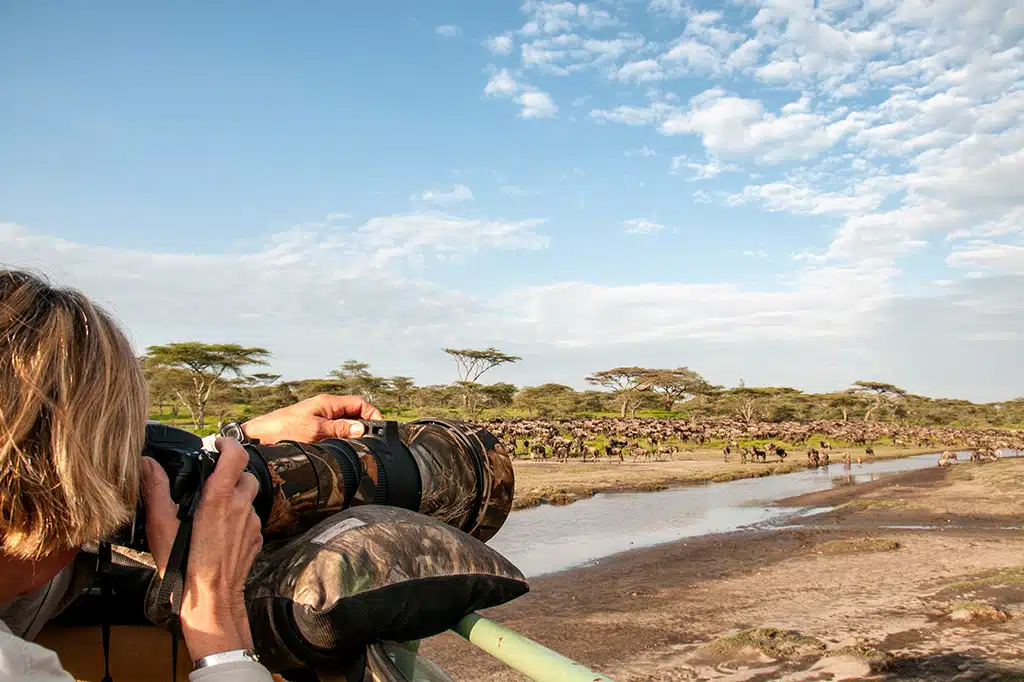
Discuss your needs while planning the Ndutu safari itinerary. Ask about vehicle seating, bag space and charging at camp. Check whether your group wants long waits at a sighting. Good planning helps everyone enjoy the day, including guests who prefer to watch without a camera.
Use the reach of your lens and follow your guide’s directions. Avoid pressing for closer access or a forced angle. Keep equipment ready so you can work calmly when a scene develops. The aim is to make good images while wildlife moves freely.
Reason 6: Ndutu can complement other northern safari stops
Ndutu can form one part of a southern Serengeti safari. Central Serengeti and the Ngorongoro Crater may also fit a longer route. Each adds travel, booking needs and access charges. Check the route as a whole before adding another stop.
A useful question is what each place contributes to your holiday. One camp may give you more time with a favorite habitat. Another may broaden the landscapes you see. If a stop adds mostly driving, ask whether those nights would be better spent elsewhere.
The best Ndutu safari itinerary fits your dates and pace. It may be short and focused, or part of a broader journey. Avoid choosing the longest list of parks by default. Ask for two versions if you need help weighing depth against variety.
When should you include Ndutu?
When seasonal herds are your main interest
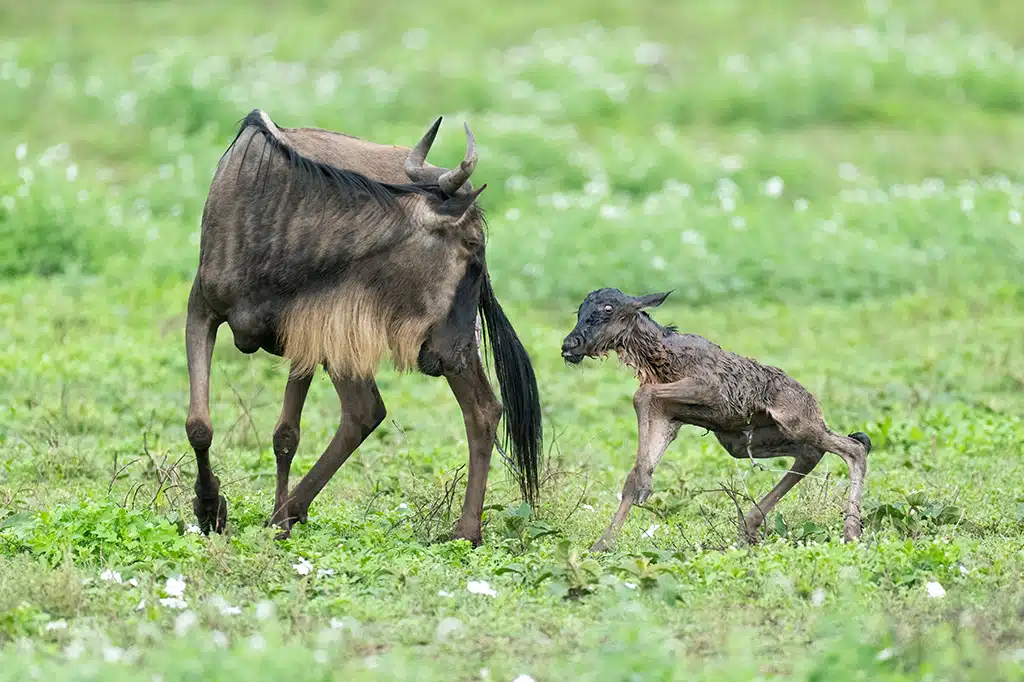
Herds often use the southern plains from mid-December to April as rain and grazing allow. The main calving window is usually January to March, with February often the peak. These patterns help guide your dates. They do not fix a herd’s position or promise a birth.
The Ndutu migration guide describes the broader southern season. TANAPA’s calving-season feature explains the period of new life. Use this background to choose a starting window, then ask for current field advice near departure.
When you value resident wildlife and landscape
A Ndutu safari itinerary outside the main herd period needs a different focus. Ask about resident wildlife, local conditions and camps open for your exact dates. The local predator guide explains the resident-wildlife appeal. That gives a reason to consider a visit without assuming migration scenes.
Discuss the fit with the rest of your Tanzania trip. If the main herds are your clear priority, another area may suit the season better. If birds, habitat and a slower stay interest you, review Ndutu on those terms. Let your goals guide the choice.
Weather and access need a date-specific plan
Rain can affect road conditions and travel times. Lake levels can also change the look of a drive. Check camp opening periods and the planned access route before confirming. Ask what options exist if local conditions require a change.
Use a dated quote for any seasonal comparison. A different travel week may change camp choice, cost or logistics. Lower cost alone does not tell you whether the trip suits your interests. Compare the experience you can reasonably expect across the full route.
What does “off the beaten path” mean here?
It means giving your trip a focus that reflects what you enjoy. That might be a long birdwatching pause or time to watch one animal. It could also mean fewer camp changes and more room to rest. These are choices you can discuss with your planner.
A Ndutu safari itinerary cannot promise solitude. Sightings, dates and nearby camps affect how busy an area feels. Tell the team if space and a calm pace are priorities. Ask how camp location and daily plans may help support them.
Access remains subject to local rules and permissions. Use authorised routes and follow your guide. A private vehicle does not provide special rights to drive or walk wherever you choose. The Ngorongoro Conservation Area’s visitor guidance sets the context for responsible visits.
Choosing the right camp and vehicle
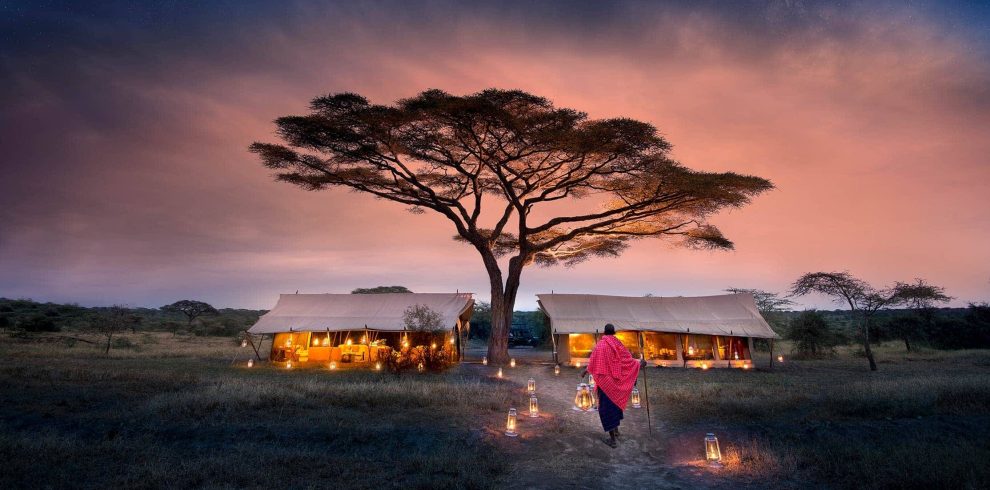
Choose a camp that supports your route before comparing extras. Ask where it sits, when it opens and which drives it suits. Then check room type, bathrooms, meals and charging arrangements. Have the camp confirm any essential comfort or access needs.
For a private Ndutu safari itinerary, clarify what “private” includes. It often refers to your group’s vehicle and guide, as stated in the quote. Camp dining or other facilities may be shared. Ask for the exact arrangement so the trip matches your expectations.
A shared safari may suit guests who enjoy travelling with others. Check the group size, seats and daily schedule. Ask how the route handles different interests. Photography, birdwatching and family travel can call for different rhythms, so discuss these before choosing.
Share children’s ages early and confirm camp and activity rules. Plan rest breaks and realistic transfer days. Tell the team about food needs before paying. A clear reply from each camp helps you choose a stay with confidence.
Road travel, flights and useful time in the bush
Your Tanzania safari itinerary may start with a night in Arusha. This can give you a break after a long flight before setting out. A road route can connect several safari areas. A trip using light aircraft needs its own transfer and baggage plan.
Compare the whole journey when weighing road and air travel. A flight still needs airport or airstrip transfers. A road day needs time for breaks and changing conditions. Ask for realistic estimates based on the actual camps, not just the names of broad areas.
Leave a sensible margin before international flights. Confirm which airport you use and who arranges each transfer. If a final hotel night is needed, have it added to the quote. Small details at the ends of the trip can shape how relaxed the whole journey feels.
Three sample Ndutu safari itinerary packages
These examples show ways to divide your time. They are sample tailored routes, not fixed offers or confirmed camp availability. Exact dates, access, fees and travel arrangements need a written quote. Each plan can be adjusted to suit your group.
Sample package 1: 5 days with a focused Ndutu stay
Best suited to: guests who want three nights in Ndutu and a crater visit. This outline has four safari nights: three in Ndutu and one in the Ngorongoro area. It assumes you can leave Arusha on the first morning.
Day 1: travel from Arusha to Ndutu and settle into camp.
Days 2–3: enjoy two full days of guided wildlife viewing.
Day 4: take a morning drive, then travel to the Ngorongoro area.
Day 5: make the arranged crater visit and return to Arusha.
Add arrival or final hotel nights if your flights require them. For a shorter seasonal option, compare TanzaLux’s listed four-day Ndutu migration trip. Its timing and focus should suit the experience you seek.
Request a five-day Ndutu route with TanzaLux Safaris, tailored to your dates.
Sample package 2: 7 days with Ndutu and central Serengeti
Best suited to: guests who want two safari bases and an arranged flight finish. The six nights are one in Arusha, three in Ndutu and two in central Serengeti. The final flight is subject to a suitable confirmed schedule.
Day 1: arrive and spend the night in Arusha.
Day 2: travel to Ndutu, with viewing as time permits.
Days 3–4: explore Ndutu over two full days.
Day 5: travel to central Serengeti using the agreed route.
Day 6: enjoy a full day of guided viewing in central Serengeti.
Day 7: transfer for your booked flight to Arusha, with onward plans confirmed.
Check which airstrip, flight and baggage allowance your quote covers. Ask about ground transfers at both ends. The fly-back plan should fit your onward connection with a sensible margin. Add a hotel night when needed.
Ask TanzaLux Safaris to compare road and fly-back options for a seven-day safari.
Sample package 3: 9 days across a broader northern route
Best suited to: guests with time for more stops and longer road days. The eight nights are one in Arusha, one near Tarangire, three in Ndutu, two in central Serengeti and one in the Ngorongoro area. Review the pace before booking.
Day 1: arrive and stay in Arusha.
Day 2: visit Tarangire as arranged and stay in the area.
Day 3: travel to Ndutu; allow for a substantial transfer day.
Days 4–5: enjoy two full days in Ndutu.
Day 6: move to central Serengeti.
Day 7: spend a full day exploring central Serengeti.
Day 8: travel to the Ngorongoro area, with viewing as timing permits.
Day 9: visit the crater as arranged, then return to Arusha.
This broader southern Serengeti safari needs careful travel planning. Ask whether removing a stop would better suit your group. If you also want Zanzibar, request separate flight, hotel and transfer details. Those additions need their own clear arrangements.
Plan a nine-day Tanzania journey with TanzaLux Safaris and compare your route options.
What should a Ndutu safari quote include?
Price your Ndutu safari itinerary as a complete trip. Extra nights can add camp, vehicle, guide and access costs. Changing a camp may also change the travel plan. Ask for named properties and clear inclusions so two quotes can be compared fairly.
Every night: property, room type and meal plan.
Vehicle and guide: private or shared use, drives and transfers.
Access charges: the park, conservation area, vehicle and camp fees that apply.
Crater arrangements: the planned visit and its relevant charges.
Flights, if booked: sectors, baggage rules and airstrip transfers.
Daily costs: water, meals, drinks and any limits on inclusions.
Extras: tips, personal spending, optional activities and extra hotels.
Terms: payment dates, cancellation rules, changes and quote validity.
Ask how the total changes if you shift dates or spend an extra night in Ndutu. Check all areas and planned activities rather than assuming one fee covers the route. A dated, itemised quote gives you a firm basis for choosing.
Why travel with TanzaLux Safaris?
TanzaLux Safaris is a Tanzanian-owned company based in Arusha. Its company overview describes trips shaped around dates, pace, interests and budget. It also sets out direct planner contact and support through the trip process. This gives you a clear place to discuss the choices behind your route.
Use that support to refine your Ndutu safari itinerary. Ask the team to compare two camp options or show what an extra night changes. Explain if birds, photography or family rest are priorities. Request a plan that reflects those details in the day-to-day schedule.
TanzaLux also plans safari, Kilimanjaro and Zanzibar travel. If your holiday has several parts, discuss how they connect. Confirm each service and cost in writing. A tailored trip works best when your priorities become clear bookings and realistic travel days.
Give Ndutu a thoughtful place on your route
Start with your travel dates, group size, budget and main interests. Then ask how much time Ndutu needs within the wider journey. Let the season shape your wildlife hopes. Give yourself space to enjoy the scene that unfolds on the day.
A strong Ndutu safari itinerary offers more than another name on a map. It gives you time to look closely at habitat, wildlife and the links between them. That depth can make Ndutu a memorable part of your Tanzania safari.
Contact TanzaLux Safaris for a tailored Ndutu itinerary and a clear quote for your travel dates.
20 frequently asked questions about a Ndutu safari itinerary
1. What does Ndutu add to a safari route?
A Ndutu safari itinerary can add lakes, woods, and open plains. Each setting gives the drive a different feel as you explore. Choose it for this mix and the time to look closely. Ask how it fits with the other stops on your route.
2. Where does Ndutu fit on the map?
Ndutu sits in the wider southern Serengeti ecosystem near Ngorongoro. Check your camp and drive areas on a map before booking. The exact location affects your route and the fees you need. Ask the team to explain each overnight stop in clear terms.
3. Is Ndutu a national park of its own?
No, Ndutu is an area rather than a separate national park. The name alone does not tell you which rules apply. Ask where your camp and each planned drive will be. Check the zone, fees, and access terms when you review the quote.
4. Will every drive take place on open plains?
The area offers more than wide views across the plains. Lakes and wooded areas can also shape your time here. Ask your guide how the day's route uses this range. Leave room to pause where the light, birds, or small details catch your eye.
5. Is Ndutu always quiet and free of crowds?
A quiet feel is a hope rather than a promise. Dates, sightings, and nearby camps can affect how busy a drive feels. Tell the team if space and a slower pace matter to you. Ask how the plan can support those goals.
6. How should I choose my travel dates?
Build your Ndutu safari itinerary around your main goals and dates. Herd movements can shape some visits, while other guests value the landscape. Ask what is likely during your chosen week. Let the whole route guide your choice of when to travel.
7. Can I enjoy Ndutu when the main herds have moved?
A Ndutu wildlife safari need not focus only on the main herds. Resident wildlife and the landscape can give the visit its own appeal. Sightings still vary, so keep your hopes broad. Check camp opening dates and ask what suits your travel period.
8. How many nights should I set aside?
Start your Ndutu safari itinerary with the pace you want. A few nights can leave more room for drives and rest. Check how travel on each end affects your time here. Ask for two route options if you are unsure how long to stay.
9. Can I reach Ndutu by road from Arusha?
A road route can link Ndutu with other northern safari stops. Ask for a plan based on your dates and overnight stays. Check the drive times with your team before you book. Leave room for road conditions, breaks, and time to enjoy the journey.
10. Should I fly instead of taking the road?
Compare the full trip when choosing between a drive and flight. A flight also needs a plan for ground transfers and bags. Ask which option fits your time, route, and budget best. Check the schedule before you confirm the camps on either end.
11. Can I add a visit to the Ngorongoro Crater?
Yes, ask where a crater visit fits your Tanzania safari itinerary. Ndutu and the crater are separate places on the route. Check the drive, night stops, and fees for each part. Allow enough time to enjoy both without rushing through the travel day.
12. Can I continue from Ndutu into other Serengeti areas?
A southern Serengeti safari can form part of a wider park route. Ask which next stop makes sense for your dates and goals. Check the time spent driving between camps as well as watching wildlife. Fewer stops may give you a calmer, richer stay.
13. What should I look for when choosing a camp?
Choose a camp that supports your Ndutu safari itinerary and travel dates. Ask about its location, opening period, room type, and daily drive plans. Check meal terms and the level of comfort you want. Request a named camp and clear booking terms in writing.
14. Is a private vehicle the best choice?
A private vehicle may give your group more choice over pace. A shared trip needs a plan that works for all guests. Compare seats, bag space, drive schedules, and the total cost. Choose based on your group's needs rather than the label alone.
15. How much will an extra Ndutu stay cost?
Ask for a Ndutu safari quote based on the full route. Extra nights can add camp, vehicle, guide, and fee costs. Check what changes if you remove a night somewhere else. Compare the final trip totals with the same services clearly listed.
16. Is this stop suitable for families?
Share the children's ages and your family's preferred pace before booking. Ask about camp rules, rooms, meals, and planned activities. Build in rest rather than filling every hour with a drive. Check the travel days too, since long transfers can shape the family experience.
17. How can I take photos while giving animals space?
Keep quiet, follow your guide, and let animals move freely. Do not ask the driver to force a closer view. Look for light and context as well as close shots. A wide view of the scene can tell a rich story of its own.
18. Does a booking include permission to drive off-road?
Driving rules depend on the zone and the permissions in place. Do not assume the same access applies across the whole area. Ask which rules cover your planned drives before booking. Follow your guide's directions and respect the limits at each sighting.
19. What should I check before I pack?
Ask for a packing list that fits your route and dates. Check flight bag limits if you plan to fly. Tell the team about food and access needs before paying. Confirm what each camp can provide so you can make a sound choice.
20. How can TanzaLux Safaris plan this addition?
Share your dates and goals for a Ndutu safari itinerary. Include your group size, budget, and other planned stops. Ask for a route that leaves time to enjoy each place. Contact TanzaLux Safaris to plan your trip.
Ready to start planning?
Tell us your dates and what you're after — no obligation.