5.0 Excellent

How High-End Tanzanian Tours Are Funding Modern Anti-Poaching Efforts
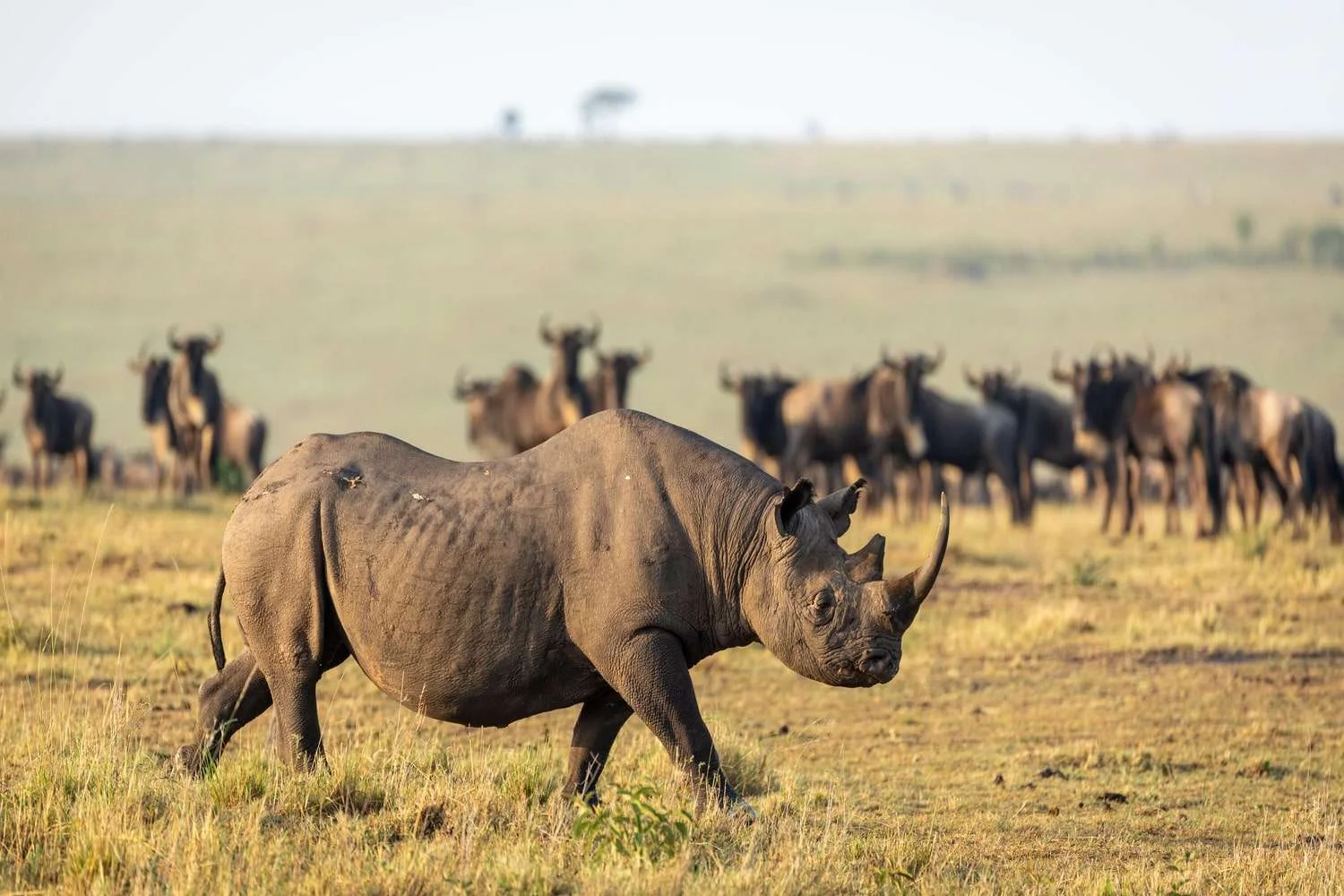
Luxury safaris in Tanzania can help fund work that most guests never see. Beyond the fine tents and long game drives, wildlife teams need trained staff, working vehicles and steady funds. Some tourism businesses contribute to named projects. Guests can also give through trusted wildlife partners.
The link is real, but it takes more than a high room rate. A hotel bill pays for many services. A required park charge differs from a voluntary gift. To understand how high-end tours help anti-poaching in Tanzania, follow the money to a clear purpose and group.
This guide looks at documented examples from Serengeti and the wider western ecosystem. It explains modern tools, the people behind them and the costs that keep work going. You will also find sample routes and questions to ask before booking. The aim is a rewarding trip with a clear view of wildlife conservation in Tanzania.
How do luxury safaris help fund anti-poaching?
There are several routes from travel spending to wildlife care. Required access fees help a wider protected-area system. Some operators and lodges make direct gifts to named projects. Guests may choose to give extra. Each route needs clear wording so you can understand what your booking supports.
Tanzania National Parks describes revenue reinvestment in wildlife, community projects and infrastructure. That is a broad funding pathway. It does not mean that every park payment is reserved for a specific patrol. Ask your planner to separate required charges from any added project help.
Required charges: access and other official fees for your route.
Business funds: a lodge or operator’s gift to a named project.
Guest giving: a voluntary gift through a verified group.
Fundraising events: organised activities with a stated wildlife purpose.
For luxury safaris, a good question is simple: how does the funding work? A business gift may come from its own budget. A guest levy may be a separate item. A gift may be entirely optional. Clear answers make these different forms of help easier to compare.
A documented example: Serengeti de-snaring
The Frankfurt Zoological Society’s Serengeti de-snaring project offers a direct example. FZS says tourism operators help fund teams managed by Serengeti park authorities. Their work includes finding wire snares and freeing trapped animals. Snaring can harm both targeted animals and other species caught in the traps.
The project began in 2017. FZS reports thousands of snares removed and hundreds of animals released alive since its start. Its supporter list includes Four Seasons Safari Lodge Serengeti and Lemala Camps & Lodges, among others. Check each stay’s terms; gifts can vary.
FZS also describes the practical side of funding: gear, team supplies, transport and vehicle maintenance. A sound vehicle and a well-supplied team can matter as much as a new tool.
When comparing luxury safaris, ask whether a proposed camp supports this or another named project. Request current details for the property you will use. Find out whether a gift is part of the stay or extra. A listed partnership is a starting point for that conversation.
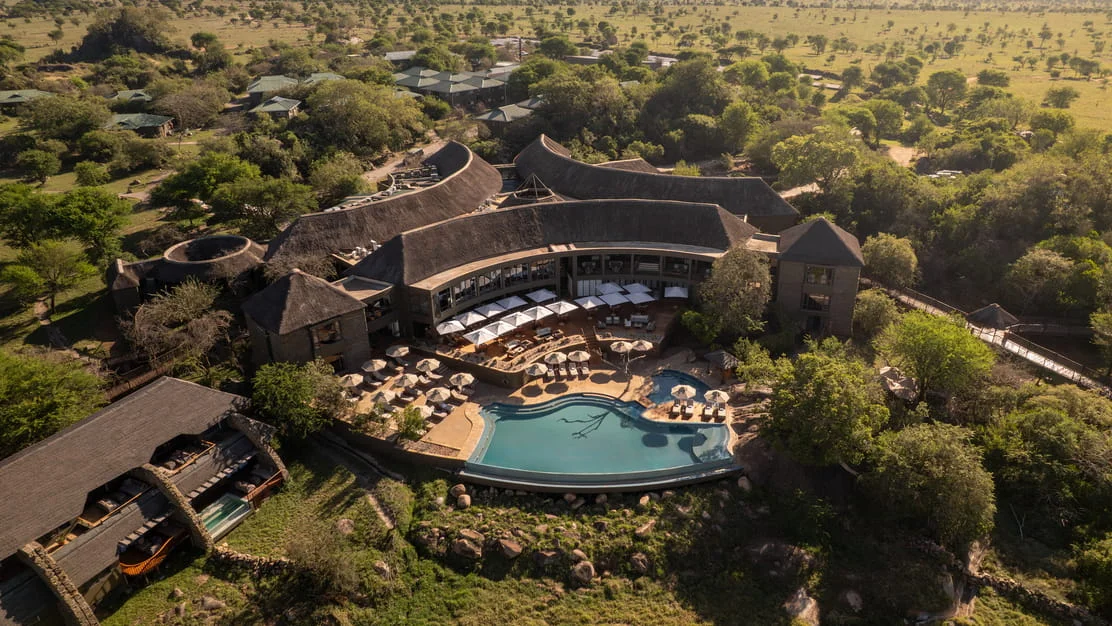
Lodge choice can connect a trip with named wildlife projects. Check the current gift details for your proposed stay.
Guest gifts and the Grumeti Fund
A second example comes from the western Serengeti ecosystem. Singita describes its partnership with the Grumeti Fund, a separate nonprofit carrying out wildlife and community work. The page identifies gifts from Singita guests, NGOs and philanthropists as sources of funding. This shows how high-end hospitality can introduce travellers to long-term giving.
The distinction is useful. A guest may enjoy a lodge stay and then choose to help the Fund’s work. The stay and the gift are connected through the travel experience, but they are not the same payment. Ask for the current terms of any levy, included gift or optional gift.
Luxury safaris can create time to learn about a landscape and care about its future. That can lead to informed giving after the holiday ends. A gift should follow the group’s official process. Its value does not depend on arranging a dramatic encounter during your stay.
Grumeti and Serengeti National Park should also be kept distinct in your itinerary. A stay in the wider ecosystem does not grant access to every concession or project. Your planner should name the property, airstrip and activities. Check any special visit with the authorised host.
What makes anti-poaching modern?
Modern wildlife protection combines trained people with useful tools and good teamwork. No single device does the whole job. A camera needs power, upkeep and someone to review its output. A vehicle needs fuel and servicing. The best question is how the parts help the people doing the work.
For guests on luxury safaris, this is a chance to look beyond the most eye-catching technology. Ask what a project needs now and why. It may be better gear, steady operating help or staff training. Let the wildlife team explain its priorities.
Shared data and communications
The Grumeti Fund’s wildlife protection page describes its use of EarthRanger to bring together current field data. It also highlights ongoing scout training and radio skills. These are examples of people and data working together. The aim is to guide sound choices across a vast area.
Think of communications as part of the basic system. Useful data needs to reach the right team in a clear form. Equipment must work when needed, and staff must know how to use it. Funding that supports these daily needs helps a system remain useful over time.
Cameras, night vision and other tools
Singita’s public technology overview names camera systems, night vision, drones and tools that combine data. These examples describe the Grumeti context. They should not be treated as gear available at every Tanzanian park or as activities included in a guest stay.
The wider lesson for luxury safaris is to fund work that serves a clear need. Ask what a tool helps the team do. Ask how upkeep, training and replacement are funded. A large gear purchase is only one part of a sound project. Steady funds can be just as useful.
Detection dogs and skilled handlers
Working Dogs for Conservation describes its Tanzania partnership with the Singita Grumeti Fund. Its canine work supports wildlife crime detection and tracking in the western Serengeti ecosystem. Dogs and handlers add a specialist skill to a wider team effort. They work alongside, rather than replace, other teams.
A canine unit also needs more than the dogs themselves. Training, handler time, care and transport are part of keeping it ready. If a project requests this kind of help, ask how a gift will be used. A well-run learning session should fit the team’s work and the animals’ welfare.
Aviation and landscape monitoring
The Grumeti Fund’s aviation page describes work in wildlife monitoring, anti-poaching patrols, research and emergency response. Seeing a broad landscape from above can serve several wildlife needs. This is specialist work with its own staff and operating costs. It is different from a scenic guest flight.
When planning luxury safaris, keep those purposes clear. Your transfer flight gets you to camp. A patrol aircraft serves the project’s own work. A gift may help that work, but it does not automatically buy access to a monitoring flight or a field operation.
Why steady funding matters as much as new gear
Wildlife care is an ongoing task. A team needs help after the first launch, photo or gear handover. Vehicles wear out and supplies run down. Skills need practice. A project’s budget should cover the less visible costs that make its work possible.
For travellers choosing luxury safaris, this changes the way to think about giving. Ask whether a project prefers general help or a restricted gift. A named piece of gear may sound appealing, yet the team may need repairs or operating funds first. Follow the group’s stated priorities.
What work will this gift fund?
Is it a one-time purchase or an ongoing need?
Who manages the funds and reports on them?
What happens if the stated target is already funded?
How can a donor follow progress later?
Longer-term help does not need a large public gesture. A modest gift through a sound process can fit a wider budget. Read the organisation’s reports and use its official channels. The aim is useful giving with realistic expectations about what one gift can achieve.
Local people belong at the heart of wildlife care
Anti-poaching in Tanzania is also about the people who live near wildlife. The Grumeti Fund says its scouts come from surrounding communities. Its community outreach project also describes education, small business projects and work with women and girls. These are distinct parts of a wider landscape approach.
A job, a skill or a local market can be valuable in its own right. It is too simple to claim that one booking removes a cause of poaching. People make choices within varied social and economic conditions. Tour operators and wildlife teams should respect their rights, needs and knowledge.
Luxury safaris can value local skills through paid guiding, hospitality and purchasing. Ask how each proposed lodge works with nearby suppliers and staff. Request specific examples. Community benefits should be explained on their own terms, rather than reduced to a slogan about saving animals.
Professional standards and respect for rights
Wildlife work must also respect people. In its 2024 annual report, FZS describes social safeguards training for rhino protection rangers from several Tanzanian protected areas. It places law enforcement within a wider professional framework. Equipment and results should be discussed alongside standards and accountability.
As a traveller, look for organisations that explain both their work and their responsibilities. Ask where to find policies and reports. Respect for local people is part of a credible wildlife story. It should not be treated as a separate concern that disappears when wildlife is at risk.
Fundraising experiences can build lasting donor links
Some wildlife partners use organised events to connect travel with giving. The Grumeti Fund’s fundraising page describes the Wagora Bike Ride, held with Singita to help anti-poaching scouts. It also describes the Serengeti Girls Run, which supports girls’ empowerment. The two events have different stated purposes.
These examples show why the group and purpose should be named. An event’s setting alone does not tell you where its funds go. Check current dates, requirements, availability and gift terms with the organiser. Do not assume a standard safari booking includes an event place.
For luxury safaris, a quieter form of learning may suit you just as well. Ask whether a wildlife talk is available at your camp. Read the partner’s public reports before you arrive. A thoughtful conversation can help you choose how to fund the work after your trip.
How to assess claims about wildlife work before booking
Start with the actual promise. Does the trip include a required fee, a business gift or an optional gift? Ask for the group, amount or calculation method, and payment terms. A high price does not prove a direct gift. Evidence should connect the claim to your proposed stay.
When comparing luxury safaris, check the property rather than only the wider brand. A group may help several projects in different countries. Ask which one is relevant to your route. Check whether the funding is current and how it is reported.
Look beyond a single success number too. Reports may discuss work done, animals helped or changes in threats. Those figures can refer to different periods and places. Ask what was measured and when. Avoid treating one year’s result as a permanent guarantee.
Named project: can you find its official data?
Clear payment: are funds included, separate or optional?
Current evidence: does the claim match recent reporting?
Realistic outcome: does it avoid promising a fixed number of animals saved?
Confirmed access: has any learning visit been accepted by its host?
Responsible luxury travel starts on the game drive
Funding care is one part of a thoughtful trip. Daily conduct matters too. Let your guide choose a permitted stop and give wildlife room to move. Stay quiet near animals and keep food secure. Patience often creates a more rewarding scene than a rushed close-up.
Luxury safaris can give your party control over the day’s pace. Use that freedom to linger, rest or leave a crowded sighting. Choose a route with time to enjoy each base. The best encounter does not need to be the closest one.
If you notice an injured animal or suspicious activity, tell your guide. Let the guide contact the relevant authorities. Do not handle a snare, approach a distressed animal or investigate on your own. A useful report through the right people is the practical way to help.
Three sample packages for thoughtful luxury safaris
These are starting points for a tailored quote, rather than fixed offers. Lodge space, flights, fees and activities need confirmation for your dates. No patrol access, project gift or special wildlife session is assumed. Ask for any claimed gift to be stated separately and checked with its group.
Sample package: 5 days of Serengeti wildlife by air
Best for: travellers who prefer fewer road transfers and one main wildlife base. Plan four nights: one in Arusha and three in Serengeti. Choose the camp for your travel month and interests. Ask about its latest wildlife projects before settling on the stay.
Day 1: arrive and rest in Arusha.
Day 2: take a confirmed flight to the selected Serengeti airstrip.
Days 3–4: enjoy game drives from one comfortable camp.
Day 5: fly to your agreed onward airport or destination.
Leave space to watch animal behaviour and learn from your guide. A camp talk may be requested if offered and available. Check baggage limits, airstrip transfers and onward connection time. A fly-in route is a travel choice, rather than proof of a lower environmental footprint.
Request a five-day Serengeti itinerary with TanzaLux Safaris and review your camp choices.
Sample package: 8 days across the northern circuit
Best for: a varied wildlife holiday with time in Serengeti. Plan seven nights: one in Arusha, one in Tarangire, three in Serengeti and two in the Ngorongoro area. Use private guiding to shape a realistic pace. Keep the main travel days clear of too many extras.
Day 1: arrive in Arusha.
Day 2: explore Tarangire and stay nearby or inside the park.
Day 3: travel to your selected Serengeti camp.
Days 4–5: take unhurried game drives.
Day 6: transfer to the Ngorongoro area.
Day 7: enjoy a guided crater game drive.
Day 8: return for your planned onward connection.
This route suits guests comparing luxury safaris across several landscapes. Request clear access charges and current lodge data. If a camp supports de-snaring work, verify that link. Keep any optional gift separate from the core trip price.
Build an eight-day private northern circuit safari with TanzaLux Safaris.
Sample package: 9 days in the western ecosystem and Zanzibar
Best for: a focused luxury stay followed by beach time. Plan eight nights: one in Arusha, four at one confirmed western Serengeti or Grumeti property and three in Zanzibar. The selected property determines access and activities. It must be named in the final quote.
Day 1: arrive and rest in Arusha.
Day 2: fly to the appropriate airstrip and meet your transfer.
Days 3–5: enjoy wildlife drives and the activities your host confirms.
Day 6: take arranged flights and transfers to Zanzibar.
Days 7–8: relax at the coast, with optional outings.
Day 9: depart through your planned transfer and flight.
Ask about a suitable wildlife learning session if it interests you. Its content, access and cost require separate confirmation. A western ecosystem stay does not automatically include the Grumeti Fund’s activities. Flight links and lodge availability will shape the final plan.
Discuss a western Serengeti and Zanzibar journey with the TanzaLux Safaris team.
Why travel with TanzaLux Safaris?
TanzaLux Safaris is Tanzanian-owned and based in Arusha. Its trips are shaped around your dates, pace, interests and budget. That approach gives you room to discuss how you want to travel. You can place comfort, wildlife time and careful choices in the same brief.
For luxury safaris, local planning helps turn a long wish list into a workable route. Tell the team whether you prefer flights, fewer lodge moves or more time with one guide. Ask for realistic transfer times. Share room needs, food needs and family details early.
You can also ask for evidence behind claims about wildlife work. Request current data from shortlisted camps and clear wording for any gift. Check the host and terms of any learning activity. A tailored quote should help you review these details before you commit.
TanzaLux can coordinate safari and Zanzibar in one plan. Check the lodges, guiding, fees, flights and transfers in writing. The goal is a trip that feels smooth and gives you time to care about the place. Good planning makes that experience more rewarding.
Frequently asked questions
1. Do luxury safaris really help fund anti-poaching?
They can, through required charges, named business gifts and guest gifts. The route varies by property and project. Ask what applies to your booking. A high price alone does not prove a direct payment to anti-poaching work.
2. Does my whole safari payment go to wildlife care?
No. It also pays for lodging, meals, staff, transport and other services. Ask which official fees are included. Any separate wildlife gift should have a clear purpose, group and payment arrangement.
3. What is the Serengeti de-snaring project?
FZS describes park-managed teams that remove wire snares and help trapped animals. Participating tourism operators and other donors help the work. Ask your proposed camp about its current role rather than assuming all stays contribute.
4. Is Grumeti Fund part of a safari hotel?
It is a separate nonprofit with a partnership described by Singita. Its wildlife and community work receives donor funds, including gifts from guests. Check the terms of your particular stay and any proposed gift.
5. Are required park charges the same as gifts?
No. Required charges are part of access to the relevant area. Donations are a separate form of help. For luxury safaris, a clear quote should distinguish access costs, stated levies and any optional gift.
6. What modern tools are used in wildlife work?
Public Grumeti sources describe shared data systems, cameras, night vision and other tools. Use varies by place and project. These tools help trained people; they do not remove the need for skills, upkeep and sound management.
7. What is EarthRanger’s role at Grumeti?
The Fund says it uses EarthRanger to bring together current field data and guide choices. This is one example of wildlife data use. It is a field tool, rather than a guest wildlife-tracking service.
8. How do detection dogs help?
Specialist dogs and handlers can help wildlife crime detection and tracking. Working Dogs for Conservation describes this role in its Tanzania partnership. A unit depends on training and ongoing care, alongside the wider field team.
9. Does a scenic flight help wildlife aviation?
Not automatically. A guest transfer or scenic flight is a travel service. Conservation aircraft serve specialist work such as monitoring and response. Ask for evidence if a flight product claims a separate wildlife gift.
10. Can I join a patrol during my holiday?
Do not assume patrol access. Ask about authorised talks or learning sessions instead. The host must check any visit and its conditions. Luxury safaris do not create an entitlement to take part in law enforcement work.
11. Can I visit a canine unit?
Only if the authorised host offers and confirms a suitable visit. Availability, welfare needs and work come first. Request current terms through your planner. A canine encounter should never be promised from an old brochure alone.
12. What is the Wagora Bike Ride?
The Grumeti Fund describes it as an event with Singita that supports anti-poaching scouts. It is separate from a standard safari. Check current dates, fitness needs, availability and fundraising terms with the organiser.
13. How are local communities involved?
Grumeti Fund describes scouts from nearby communities and separate outreach work in education and enterprise. More broadly, ask lodges about local jobs and purchasing. These benefits deserve clear evidence rather than claims that one booking solves poaching.
14. Is gear more useful than an unrestricted gift?
Ask the group. A project may need operating funds, repairs or training before new gear. Useful help follows its current priorities. Check how any restricted gift will be handled if the original need changes.
15. How can I check a lodge’s gift?
Request the project name, group and current arrangement. Ask whether funds come from the business budget, a stated levy or your optional gift. For luxury safaris, check the actual property rather than only the group’s wider claims.
16. Does a reported success prove poaching has ended?
No. Results refer to a particular place, period and method of measurement. Read the context and date. A positive result can be meaningful without becoming a permanent promise that wildlife faces no further threats.
17. Can families enjoy wildlife learning?
Yes. Ask about age-suitable talks and activities that the host actually offers. Keep wildlife drives and rest time realistic. Learning from a guide about tracks, habitats and animal behaviour can be valuable without a formal project visit.
18. What should I do if I see a snare or injured animal?
Tell your guide promptly and follow instructions. Let the guide contact the relevant authorities. Keep your distance from distressed wildlife and leave gear untouched. Do not investigate or try to carry out a rescue yourself.
19. Will I be expected to donate extra?
Ask what is included before booking. A clearly stated levy may form part of the trip cost; a voluntary gift remains your choice. Use official channels for any gift and request clear group details.
20. How can TanzaLux Safaris help me choose a trip?
Share your dates, budget and wildlife interests. Ask for luxury safaris with suitable camps, clear fees and realistic activities. Request your tailored TanzaLux Safaris itinerary and detailed quote.
Ready to start planning?
Tell us your dates and what you're after — no obligation.