5.0 Excellent

The 2026 Luxury Traveler’s Guide to Ethical and Sustainable Tanzanian Safaris
An ethical safari in Tanzania can be both deeply rewarding and wonderfully comfortable. You can enjoy a fine lodge, warm service and a skilled private guide. You can also choose a trip that respects wildlife, local people and the wider landscape. Those choices belong in the plan from the start.
For luxury travellers in 2026, the best questions go beyond room size and views. Who leads the game drive? How does the camp use water? Who hosts a local visit? What evidence sits behind a green claim? Clear answers help you choose sustainable Tanzania safaris with care.
This guide turns those questions into practical steps. It covers wildlife welfare, lodge choices, community rights, travel routes and honest climate claims. You will also find sample itineraries and advice for working with TanzaLux Safaris. The aim is a trip that feels good on the ground, with choices you can explain.
Start planning an ethical safari with TanzaLux Safaris around your dates, comfort needs and values.
What makes an ethical safari?
It is a trip that takes the needs of people and nature seriously. Wildlife has room to behave naturally. Hosts choose how to take part. Staff skills are valued, and claims are open to review. These principles should shape the journey as well as the sales page.
An ethical safari also makes room for trade-offs. Flights can save road time, yet still have an impact. A remote camp can offer quiet, yet need complex supply links. A private vehicle can give you choice, yet use more resources per guest than a well-filled shared one. Ask about the whole plan.
Wildlife: patient viewing, space and care for animal welfare.
People: consent, local skills and fair paid work.
Place: sound use of water, power and materials.
Travel: a route with realistic days and clear transport choices.
Proof: specific answers about claims, fees and project gifts.
Luxury can help by giving you time. Stay long enough to settle in. Watch one scene without racing to the next. Choose a guide who explains the bush well. Good service and a thoughtful pace can enrich the trip without adding needless excess.
What should luxury travellers know in 2026?
Current standards offer a useful starting point. The Global Sustainable Tourism Council’s Tour Operator Standard covers management, local benefits, cultural heritage and the environment. GSTC notes that its former industry standard evolved into separate hotel and tour operator standards in 2025. In 2026, check which standard and business a claim actually refers to.
This is a way to ask better questions, rather than a reason to trust every badge. A lodge and a tour operator have different roles. A certificate for one business does not cover every supplier on your route. Ask for the name, scope and dates of any certificate you are shown.
For your ethical safari, also review the places you plan to visit. Rights, access rules and local needs deserve attention alongside wildlife. A World Heritage label or a tourism award does not settle every issue. Use recent, credible information when discussing a route with your planner.
Choose guides who put wildlife first
A good guide reads more than tracks. They judge when to stop, when to wait and when to move on. They can explain why an animal needs space. Ask how the team handles crowded sightings and guest requests for a closer view. The answer tells you a lot about the day ahead.
TANAPA’s trip guidance says not to feed or disturb animals, to keep noise low and to follow guides. It also restricts off-road driving without explicit permission. Confirm the rules for each area on your route. A private booking does not change them.
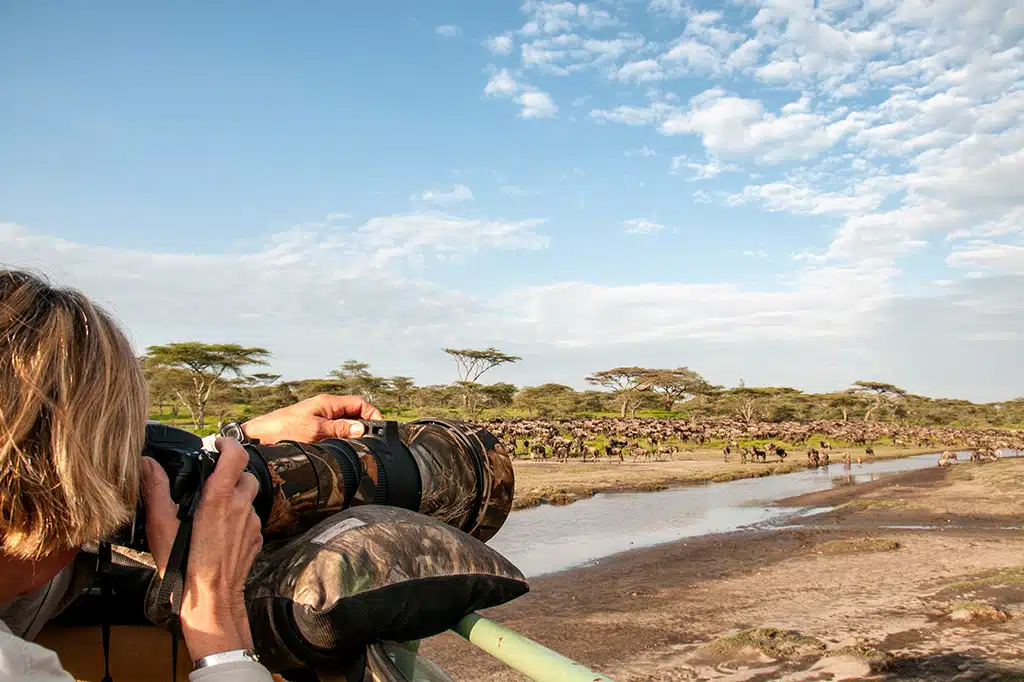
During an ethical safari, let the animals set the scene. Avoid calling, clapping or trying to make one look at you. Let herds cross without blocking their path. If an animal moves away, give it space. The chance to watch natural behaviour is the real privilege.
How should you handle a busy sighting?
Ask your guide whether to wait farther back or try another area. The closest view is not always the best one. A lion in the shade, birds near a pool or a herd in soft light can all reward patience. Give your guide room to choose a calm option.
Set that tone early. Tell the team you value good behaviour over a rushed checklist. Use binoculars and a suitable lens for distant views. Keep voices low and movements calm. Small acts help make the game drive better for everyone.
Animal welfare goes beyond the game drive
An ethical safari should also review any captive-animal stop. A label such as sanctuary or rescue does not answer every welfare question. Ask why animals are there, how they are cared for and whether guests are expected to handle them. Choose observation over a staged close encounter.
ABTA’s advice for travellers warns against direct contact with dangerous wild animals. Its guidance identifies lion-cub holding and elephant riding or bathing among unacceptable practices. It also advises giving free-ranging animals enough space to avoid changing their behaviour. These are useful welfare checks when reviewing an itinerary.
For your ethical safari, ask for the full activity list before booking. Do not leave animal encounters hidden inside a vague city tour or transfer day. If a proposed stop centres on touching, feeding or posing with wildlife, request an observation-based alternative. Comfort and wonder do not require physical contact.
How to assess eco-friendly safari lodges
Start with the property you will actually use. Ask about water, waste, power and staff practices. Look for plain answers and examples. A beautiful view or a tented room does not prove low impact. A lodge’s daily systems matter more than its style.
An ethical safari can include a spacious room, good food and attentive service. The useful question is how those comforts are provided. Does the camp know where its water comes from? Can it explain what happens to waste? These details make a green claim easier to assess.
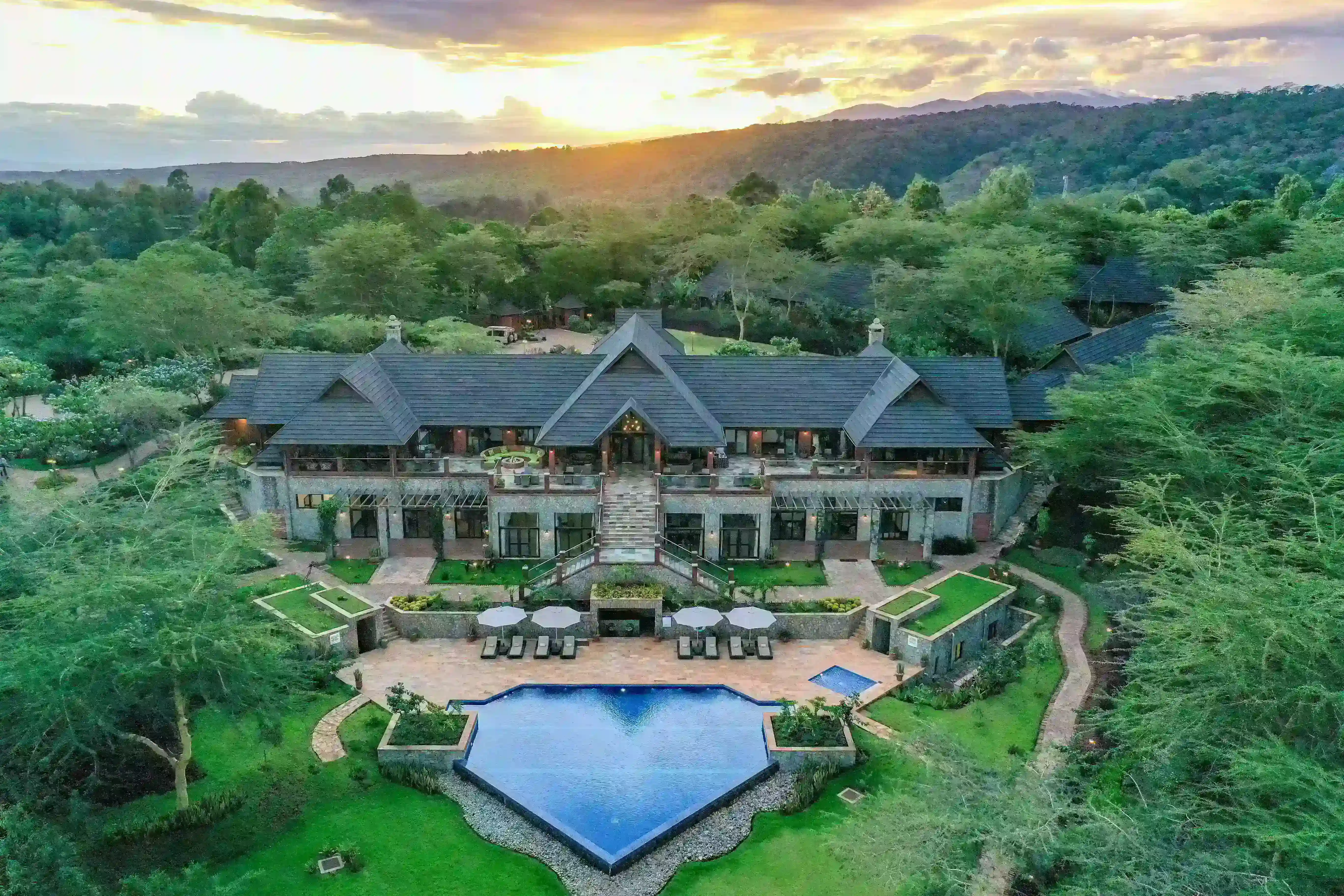
Enjoy the setting, then ask about the systems behind the stay. A lodge photo alone cannot show its environmental performance.
Water and wastewater
Ask how safe drinking water is supplied and whether refills are available. Find out how wastewater is treated. A pool or long shower can be part of a luxury stay, but water use still needs care. Ask what the lodge does to avoid waste and manage demand.
You can help in simple ways. Reuse towels when practical and request only the laundry you need. Report a leaking tap. Use a refill bottle where safe water is provided. These choices work best alongside sound lodge systems, rather than replacing them.
Power, cooling and waste
Solar panels are one part of an energy system. Ask about backup power and how the camp manages use. Check whether charging hours suit your needs. A clear answer can be more useful than a broad promise of being fully green.
Ask how food waste and rubbish are stored and removed. Bins must not become an easy food source for wildlife. Find out where waste goes after it leaves the property. Reducing single-use items helps, but the full waste process matters too.
Certificates and green badges
GSTC explains that independent certification bodies certify tourism businesses; GSTC accredits those bodies. Ask who issued a certificate and which property it covers. Check its dates and scope. A claim that a standard is recognised is different from a claim about the body that carried out an audit.
For an ethical safari, a certificate is one useful piece of evidence. It does not answer every question about your route. Nor should a business without a badge be judged from photos alone. Ask for clear practices, current details and honest limits.
Community rights are part of responsible luxury travel
People who live near wildlife have their own needs, knowledge and choices. An ethical safari should respect them as hosts and rightsholders. Ask who wants to receive visitors and how the visit is arranged. Local culture is not a service that guests can demand at any moment.
Ngorongoro gives this issue specific weight in 2026. In its 23 April statement, UNESCO rejected forced evictions and stressed free, prior and informed consent for any voluntary resettlement. It also called for respect for rights and local livelihoods. This context belongs in an honest discussion of the area.
Your role as a guest is modest but meaningful. Choose visits led by willing hosts. Ask who receives the fee and who makes decisions about the activity. Accept limits on access and photography. A warm welcome should come with space for a person to decline a request.
Choose community-based tourism with clear terms
A guided food, farm or craft experience can add depth to your holiday. Ask who owns the enterprise and who does the work. Check the fee, group size and time needed. Pay for skill and service rather than seeking a performance built around a story of need.
On an ethical safari, ask before taking portraits or entering private spaces. Let your guide help with language and expectations. Buy crafts you value on fair terms. Avoid casual drop-ins to schools or settings involving children. If you want to give, ask a credible group what support it has requested.
Plan a route with fewer rushed days
Begin with your main interests, then choose a realistic number of bases. Three nights in one well-placed camp may suit you better than three one-night stops. You have more time to watch, rest and learn. You also spend less time packing and checking in.
An ethical safari does not need to include every famous park. Match the route to your dates and the wildlife you hope to see. Ask for likely drive time, with room for road conditions and stops. A map can make places look closer than they feel from a vehicle.
Discuss private and shared guiding honestly. A private vehicle gives your party control over the pace. A shared drive spreads resources across more guests but offers less choice. Neither label proves the better outcome on its own. Compare the actual setup and what matters to your group.
When do flights make sense?
Flights can make a remote stay workable or spare you a very long drive. They still have a climate impact. Ask which airstrip serves your camp and how the road transfer works. Avoid adding a flight simply because it sounds more exclusive. Give each travel leg a clear purpose.
For your ethical safari, compare two complete routes when the choice is close. One may use fewer stops; another may use one flight to keep the trip comfortable. Consider cost, time, access and impact together. Do not assume a shorter road journey proves a lower total footprint.
What should you ask about carbon claims?
Ask what was measured, which parts of the trip were counted and what action reduces emissions. A statement about a camp’s power does not cover your whole holiday. International flights, local transport, food and other services may sit outside that claim. The scope needs to be clear.
The Glasgow Declaration on climate action in tourism puts measurement and real cuts at the centre of its approach. It says offsets should complement, rather than replace, real reductions. That is a useful test for a carbon-neutral holiday claim. A payment alone should not end the questions.
An ethical safari can favour practical steps without promising zero impact. Choose a route that avoids needless travel. Ask camps about measured use and waste. If you choose a climate contribution, check the project and reporting. Keep that gift distinct from claims about emissions that your own trip avoids.
Understand conservation fees and optional gifts
Wildlife conservation in Tanzania needs long-term resources and skilled work. Your trip has several costs, including lodging, guiding, transport and official access fees. A separate project gift is another kind of payment. Ask your planner to make those parts clear.
An ethical safari quote should name any claimed project support. Ask who receives the funds, how the amount is set and whether it is optional. Check the group’s own reports and official payment route. A nearby project does not mean every camp in the area funds it.
You can also support local work through ordinary purchases. A cook, guide or craft maker earns income from a service or product. That is valuable without being called a donation. Clear terms show respect for the work as well as the people behind it.
A simple way to compare your shortlist
Use the same questions for each proposed trip. An ethical safari should stand up to ordinary checks as well as green claims. Compare the route, comfort and total cost first. Then review how each business explains its wildlife, people and resource choices.
Guide: how are wildlife space and crowded sightings handled?
Lodge: what are the water, waste and power systems?
People: who hosts visits and who receives payment?
Route: how much time is spent travelling rather than staying?
Claims: what records support a badge, gift or carbon statement?
Comfort: do rooms, meals and drive lengths fit your needs?
Quote: are fees, extras and change terms clear?
A useful answer is specific and open to review. You do not need every property to use the same system. You do need enough information to choose. If a detail matters to you, ask for it in writing before you commit.
Three sample packages for an ethical safari
These are starting points for a tailored quote, rather than fixed offers. Lodge space, fees, flights and activities need checking for your dates. No property is assumed to hold a certificate or make a project gift. Ask for current details when reviewing your final shortlist.
Sample package: 6 days of comfort in Tarangire and Ngorongoro
Best for: a first trip with time to settle in. Plan five nights: one in Arusha, two in the Tarangire area and two in the Ngorongoro area. Choose two wildlife bases with a calm pace. Review lodge practices alongside room style and location.
Day 1: arrive, meet your transfer and rest in Arusha.
Days 2–3: enjoy Tarangire game drives from one base.
Day 4: travel to the Ngorongoro area and settle into your lodge.
Day 5: take a guided crater game drive.
Day 6: return for your planned onward connection.
This ethical safari plan keeps the park list short. Use private guiding to shape stops and rest time around your needs. A local hosted activity may be requested if it fits the route. Check consent, timing and costs before adding it.
Request a six-day private safari with comfortable bases and thoughtful lodge choices.
Sample package: 9 days of unhurried northern Tanzania
Best for: a fuller wildlife route with longer stays. Plan eight nights: one in Arusha, two in Tarangire, three in Serengeti and two in the Ngorongoro area. Select the Serengeti camp for your travel month. Keep the main drive days realistic.
Day 1: arrive in Arusha.
Days 2–3: explore Tarangire.
Day 4: travel to your chosen Serengeti camp.
Days 5–6: spend full wildlife days in the area.
Day 7: transfer to the Ngorongoro area.
Day 8: explore the crater with your guide.
Day 9: return to your agreed airport or onward base.
For this ethical safari, agree on patient viewing from the outset. Check each camp’s location, room type and daily systems. Ask for official fees and extras to be clear. Leave optional walks or heritage stops subject to access and enough time.
Tailor a nine-day Tanzania safari with TanzaLux Safaris and review the details together.
Sample package: 12 days from wildlife plains to Zanzibar
Best for: a safari followed by a restful coast stay. Plan eleven nights: one in Arusha, two in Tarangire, three in Serengeti, two in the Ngorongoro area and three in Zanzibar. Use the nine-day safari as the foundation. Confirm flight links before choosing the beach property.
Days 1–8: follow the northern circuit plan above.
Day 9: transfer to the confirmed airport and fly to Zanzibar.
Days 10–11: enjoy beach time and suitable optional outings.
Day 12: depart through your arranged transfer and flight.
The same care should follow you to the coast. Ask the resort about water, waste and local work. For marine outings, choose calm viewing and let animals keep their distance. Follow the guide’s advice around reefs. Optional visits need their own checks and clear terms.
Combine a thoughtful Tanzania safari and Zanzibar stay in one tailored itinerary.
Why travel with TanzaLux Safaris?
TanzaLux Safaris is Tanzanian-owned and based in Arusha. Its trips are shaped around your dates, pace, budget and interests. That gives you a local team with whom to discuss the whole route. You can set priorities before lodges and transfers are fixed.
For an ethical safari, tell the planner what matters most. You may want patient wildlife viewing, fewer lodge moves or a host-led food experience. Ask for current answers from shortlisted camps. Compare them with your comfort needs and available time.
A tailored plan also helps you ask clear questions about fees and claims. Request the exact lodging, guide setup, meals, transport and optional costs. If a badge or project gift is part of the proposal, check its evidence. Make those details part of the final review.
TanzaLux can coordinate safari and Zanzibar in one journey. Share mobility needs, food needs and family details early. Ask for sensible buffers around flights and long drives. Good planning gives you time to enjoy Tanzania with care for the place and its hosts.
Speak with the TanzaLux Safaris team about a luxury journey shaped around your needs and values.
Frequently asked questions
1. What is an ethical safari?
It is a trip that respects wildlife welfare, local rights and the use of resources. It also values clear claims and fair paid work. The idea should guide your route, lodge choice and daily conduct, rather than remain a slogan.
2. Does luxury automatically mean more sustainable?
No. A high price or a fine room does not prove strong practices. Ask about the property’s actual systems and the route’s impact. Comfort and care can fit together when the choices are thoughtful and the evidence is clear.
3. Is a private safari always the better choice?
It offers control over pace and interests, but its impact depends on the setup. Shared travel may spread resources across more guests. For an ethical safari, compare party size, route, vehicle use and your group’s needs.
4. How do I choose a responsible guide?
Ask about training, wildlife conduct and how crowded sightings are managed. Look for clear answers and realistic promises. A good guide should explain why patience and space matter, and feel able to decline a request that would disturb wildlife.
5. Can I feed or touch wild animals?
Choose observation and keep your distance. TANAPA guidance says not to feed or disturb wildlife. Follow your guide and local rules. Physical contact should not be treated as a luxury extra or a measure of a good safari.
6. Are sanctuary visits always ethical?
No label settles that question. Ask about welfare, why the animals are there and how visits work. ABTA advises caution around captive-animal photo opportunities and direct contact. An ethical safari can favour viewing without handling or staged interaction.
7. How do I assess an eco-friendly lodge?
Ask about water, wastewater, waste removal, power and staff practices. Check the property you will actually use. Request specific examples and current records. A tent, a remote setting or a green logo alone cannot answer those questions.
8. Does GSTC directly certify a safari camp?
GSTC says independent certification bodies certify tourism businesses, while GSTC accredits those bodies. Ask who issued the certificate, what it covers and when it is valid. Check the exact property and scope rather than relying on a broad claim.
9. Do solar panels mean a lodge has no footprint?
No. Power is one part of the stay. Water, waste, food, supply trips and backup systems also matter. Ask how the whole property works. A useful answer explains real practices without promising that every impact has disappeared.
10. Should I avoid every internal flight?
Compare the complete route. A flight may make a remote stay practical or avoid a very long drive. It still has an impact. An ethical safari gives each travel leg a clear purpose and avoids needless extra movements.
11. Can a carbon offset erase my holiday’s impact?
Do not assume so. The Glasgow Declaration says offsets should complement real emissions cuts. Ask what was measured and what is being reduced. A climate payment should be clear in purpose and should not replace practical steps to cut waste and travel.
12. How can tourism benefit local people?
It can create paid work through guiding, hospitality, supplies and hosted experiences. Ask who owns the service and who is paid. Choose clear arrangements and willing hosts. A valuable exchange does not need to be called a donation.
13. Why do community rights matter in Ngorongoro?
They are part of an honest view of the area. UNESCO’s April 2026 statement stressed consent, rights and livelihoods and rejected forced evictions. An ethical safari should treat local people’s choices as central, alongside the landscape and wildlife.
14. May I photograph people during a local visit?
Ask the host and the person first. Accept a refusal without pressure, and check before entering private spaces. Your guide can help with language and expectations. Be thoughtful about sharing images as well as taking them.
15. Are park fees the same as charitable gifts?
No. Required charges pay for access and related costs. A gift to a project is a separate arrangement. Ask your planner to state the recipient, purpose and terms of any claimed project payment, including whether it is optional.
16. Should I bring gifts for children?
Ask a credible local organisation what support is requested before packing items. Avoid casual handouts and drop-in school visits. Useful giving should respect privacy and daily routines. A well-arranged paid local service can also create value without a gift handover.
17. Is the quietest season always the most responsible?
No. Dates should fit local access, camp openings and your interests. Quieter periods can feel different, but weather may affect plans. Ask for advice on your specific route. Low guest numbers alone do not prove a trip is sustainable.
18. How many days should I allow?
Choose enough time for the route you want. An ethical safari may work better with fewer bases and longer stays. Review drive lengths, rest and flight buffers. The sample six-, nine- and twelve-day routes offer starting points to tailor.
19. What should I check in the quote?
Review lodges, rooms, meals, guiding, transfers and required fees. Check optional activities, gifts, flight baggage limits and change terms. Request evidence for claims that affect your decision. A clear quote helps you compare comfort, cost and care on the same basis.
20. How can TanzaLux Safaris help me plan?
Share your dates, budget, interests and comfort needs. Ask for an ethical safari with a realistic route and clear lodge information. Request your tailored TanzaLux Safaris itinerary and a detailed quote.
Ready to start planning?
Tell us your dates and what you're after — no obligation.