5.0 Excellent

Ngorongoro Crater vs. Serengeti Plains: Comparing Big Five Sightings and Landscapes
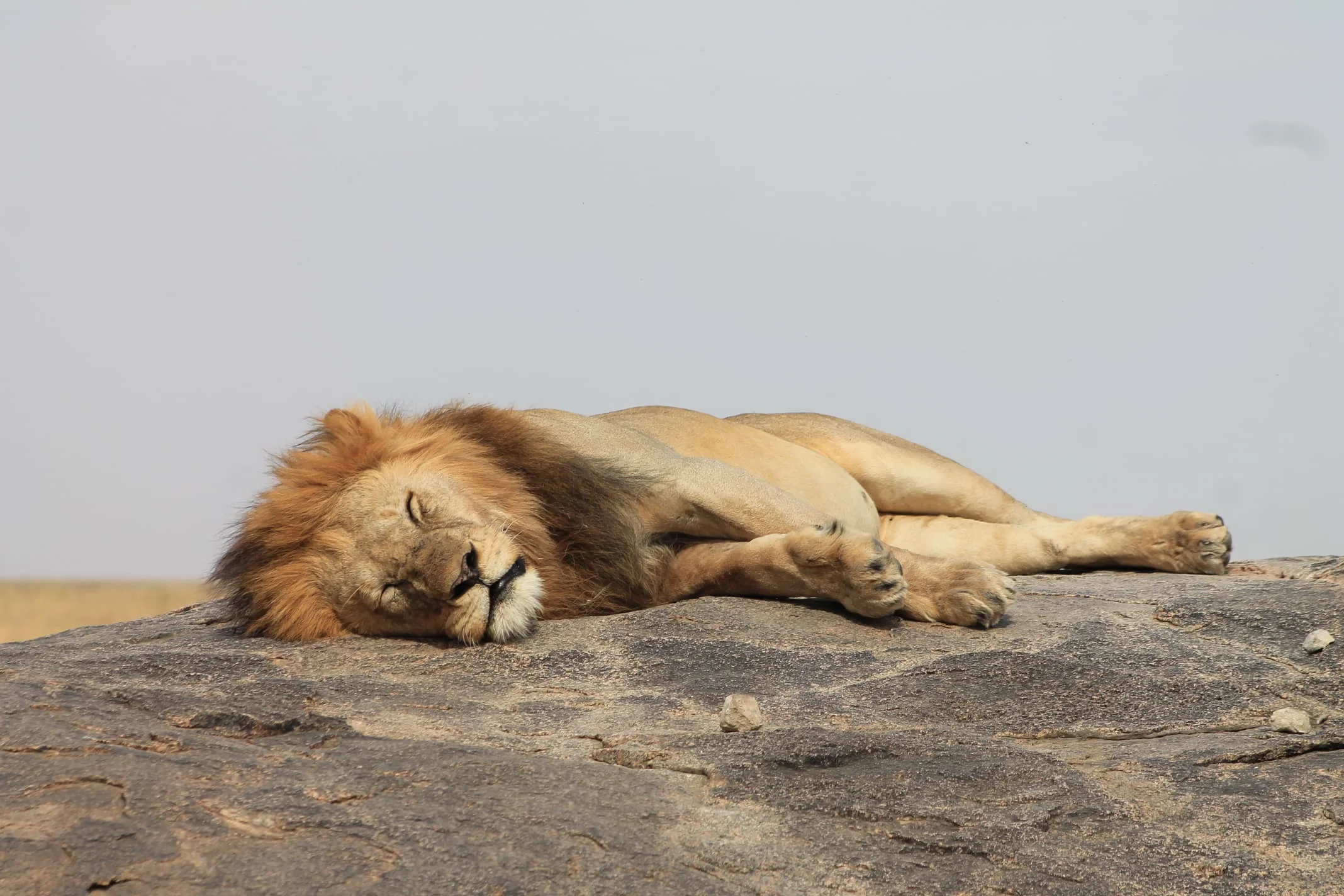
A Big Five safari in Ngorongoro and Serengeti can reveal two very different sides of Tanzania. The crater draws you into a vast volcanic bowl. The Serengeti opens out into plains, rocky outcrops and distant skies. Both reward patient wildlife viewing, yet each asks you to plan your time in a different way.
Choose Ngorongoro for a focused crater day with a strong sense of place. Give Serengeti several nights if you want time to explore, wait with wildlife and enjoy changing scenes. If your dates allow, combine them. You will gain a richer trip than a race to tick five names off a list.
This guide compares the wildlife, views, seasons and daily pace. It also explains what sightings can realistically mean, how to choose a base and how to build a private trip around your interests.
Which destination suits your Big Five safari?
The short answer depends on your time and goals. Ngorongoro offers a compact wildlife setting framed by crater walls. Serengeti gives you much more ground to explore. More days there let your guide work with different habitats and fresh conditions, though extra time still cannot promise a rare sighting.
Choose the crater if a dramatic caldera and one well-planned wildlife day are key parts of your trip.
Choose Serengeti if you want several days of searching, watching and taking in broad landscapes.
Combine both if you value contrast and want to widen the range of places you visit.
Keep expectations open if seeing all five animals matters to you. Presence in a park does not mean an animal will be visible that day.
The Ngorongoro Lengai Geopark guide lists lion, leopard, elephant, buffalo and rhino in the crater. Tanzania National Parks also lists all five in Serengeti. These are species records, rather than daily sighting forecasts. No honest comparison can turn them into a guarantee.
Plan a private Big Five safari with time for both Ngorongoro and Serengeti.
Understand the places before comparing them
Ngorongoro Crater is part of the much larger Ngorongoro Conservation Area. A crater descent is one specific experience within that wider region. UNESCO describes the conservation area as a mix of highland plains, savannah, woodland and forest. Do not assume that a photo from anywhere in the area shows the crater floor.
Likewise, the Serengeti Plains are only part of the national park's story. Your Serengeti Plains safari may include open grassland, but your route can also reach river edges, woodland and kopjes. Kopjes are rocky outcrops that break the horizon. Camp location should reflect the habitats you want to explore.
Ask to see each night's base on a map. A lodge name with “Serengeti” in it does not tell you how close it sits to your planned drives. For a Big Five safari, this simple check is often more useful than a long list of luxury room features.
Big Five sightings: a species-by-species comparison
Lions: leave time to watch, rather than rush
Lion sightings can be a highlight in either destination. Yet a sleeping lion and an active pride give very different experiences. Plan to enjoy what happens naturally. A lion lifting its head, greeting another cat or walking through grass may be more rewarding than a brief stop beside a busy line of cars.
At the crater, think about how much of your day you want to spend with one sighting. In Serengeti, several nights can give you more chances to return to a promising area. Your guide must still work within access rules and the day's conditions. Neither place can schedule a hunt or a close view.
For your Big Five safari, discuss patience before you set off. A guest who wants to wait for animal behaviour needs a different pace from someone who prefers broad views and many short stops.
Leopards: an elusive cat needs realistic hopes
Do not read “Big Five destination” as “easy leopard sighting.” A leopard may be hidden, distant or simply outside the area you visit. Avoid building your whole day around a promise that no guide can control. Enjoy the search while staying open to other wildlife along the way.
Serengeti's range of habitats gives scope for a varied search over several drives. That is a planning advantage when you have enough time, rather than proof of a fixed success rate. A single fast drive through the park will not use that scope well.
Ask your guide where the day's legal route makes sense. Let current conditions shape the plan. Good binoculars help you enjoy a distant cat without asking the driver to move closer than the rules or animal's comfort allow.
Elephants: think about the setting around the animal
An elephant photo can tell a different story in woodland, near water or against a wide sky. In the crater, the official caldera route guide describes Lerai Forest and wetland areas used by elephants. These habitats add depth to a day that might otherwise seem to be all open grass.
For Serengeti, ask how woodland and river habitats fit into your route. The word “plains” can lead guests to picture every sighting on bare open ground. A varied drive can help you see the park more fully.
Keep a calm pace at a sighting. Give animals room to choose their path. Your Big Five safari should leave space for their movement, even if that means waiting quietly before the vehicle can continue.
Buffalo: look beyond the checklist
Buffalo deserve more than a quick photo taken to complete a list. Look for shape, texture and the way a group fills a frame. A wide view can show the landscape well, while a safe, distant close-up may reveal details around the face and horns.
Once your guide finds a suitable view, take a moment to lower the camera. Watch how the scene changes. You may prefer the quiet rhythm of the group to the first photo you took. This is a useful habit throughout a Tanzania wildlife safari.
Rather than asking which park guarantees more buffalo, ask how your day's route allows time for good viewing. Both the crater and Serengeti include this species, but the quality of a stop depends on the view you actually find.
Black rhinos: a special hope, never a promise
For many guests, black rhino sightings are a strong reason to include the crater. Treat this as a worthwhile hope. A rhino can be far from the road, partly hidden or absent from your view. A guide who explains those limits helps you enjoy the experience with clear expectations.
Serengeti also supports black rhinos, as noted in UNESCO's park profile. That does not mean you should expect one on every plains drive. Discuss your interest before booking so your planner can assess a suitable route using current official guidance.
For a Big Five safari, bring binoculars and accept a distant sighting as a valid wild encounter. Avoid requests for sensitive locations or special access. No photo is worth pressuring a guide to break wildlife rules.
How do the landscapes compare?
Ngorongoro: a natural bowl with many layers
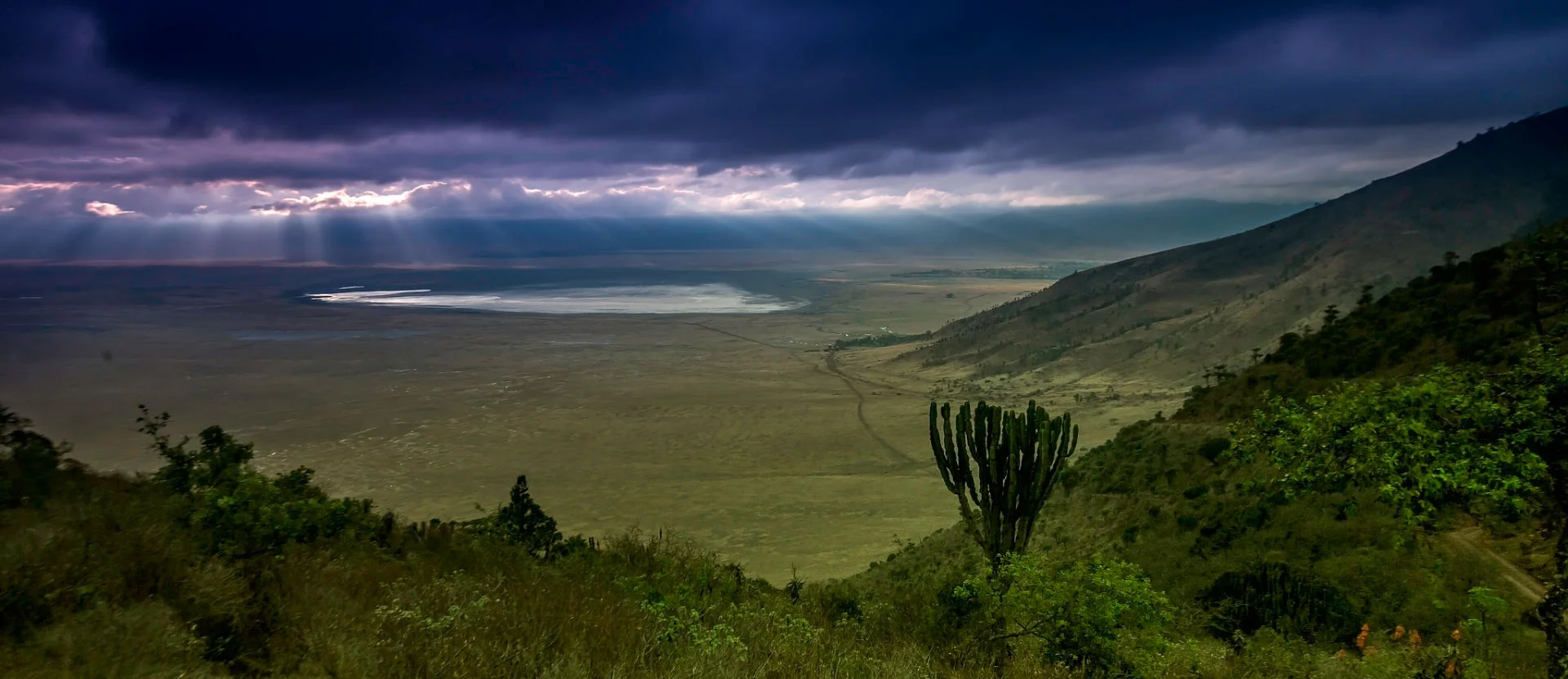
The crater's impact starts with its shape. From above, the floor seems held within a great rim. Once you descend, the walls provide a strong backdrop. Grassland, wetland and woodland sit within this volcanic setting, which gives even a quiet wildlife scene a clear sense of scale.
The crater is a natural landscape where animals can move in and out. It is not a sealed wildlife enclosure. This distinction matters when you hear claims that every animal must be easy to find. Landform and wildlife concentration do not remove the need for luck and patient viewing.
Use your camera to show the setting as well as the subject. A small animal below the crater wall can make a fine image. Leave space in the frame for cloud, slope and grass. Your Ngorongoro Crater wildlife photos can then tell the story of a place.
Serengeti: space, changing habitats and long horizons
The Serengeti offers a different visual rhythm. An animal can appear small against a vast horizon, while a rocky outcrop anchors the view. Rivers and trees can then change the scene within the same trip. UNESCO highlights these plains, kopjes, rivers and woodlands as key parts of the landscape.
That variety rewards a slower Serengeti Plains safari. Give yourself time to notice light on rocks, a line of trees or the shape of a cloud. The view between sightings can be part of the experience, rather than empty distance to cover.
A Big Five safari here works best when you accept that space takes time. Avoid chasing every radio report across the map. A guide can help choose a sensible area and work it well, with less time lost to long, hurried drives.
Where does the Great Migration fit?
The Great Migration adds moving herds and a sense of scale to the wider Serengeti ecosystem. It is a separate interest from a search for the Big Five. Wildebeest and zebra are not on that five-species list. A route built only around herds may differ from one built around a broad wildlife mix.
Migration travel requires a seasonal camp plan. Tanzania Tourism's timing guide explains that the movement occurs through the year and follows rain patterns. River crossings remain uncertain, even in a commonly chosen travel window. A date on your booking cannot make a herd cross.
UNESCO also notes migration into the northern plains of the wider Ngorongoro Conservation Area. That is different from promising a mass migration scene on the crater floor. Ask your planner to label the specific area in your itinerary so these two experiences do not get confused.
Ask TanzaLux to balance your Big Five safari with a seasonally placed migration stay.
When should you visit?
There is no single month that ensures all five species. Start with your dates, then match the route to conditions and your interests. A Big Five safari can focus on wildlife and landscapes without depending on one brief seasonal event.
June to October: often chosen for drier safari conditions. Popular travel periods can bring busy sightings and strong demand for rooms.
November to March: a green-season option with possible showers, birdlife and changing light. Place any herd-focused stay according to seasonal advice.
April and May: heavier rain can disrupt wildlife viewing and travel. Check access, camp operations and your tolerance for weather changes before choosing dates.
These are broad planning patterns, not a forecast for your exact week. Rain can arrive early or late. Leave room for your guide to adapt each day's route. For photography, a cloudy sky may also give you a scene that looks quite different from a dry-season brochure image.
If you have fixed school or work dates, share them first. A good plan works with the season you can visit. It does not sell you a distant camp simply because its photos look appealing.
What does a day in each place feel like?
A crater day is focused. You travel to the descent, explore the floor and leave within the permitted visit arrangements. Confirm your lodge's position and the planned start with your operator. A rim stay and a Karatu stay can involve different morning transfers, so compare the whole day.
In Serengeti, a stay of several nights can offer a more open rhythm. You might plan a long day out or split drives with a break at camp, depending on distances and camp arrangements. Avoid assuming every lodge can offer the same schedule.
For a balanced Big Five safari, protect rest as well as drive time. A long transfer followed by a full wildlife day can feel tiring. Children, older guests and keen photographers may all benefit from fewer changes of base.
Before booking, ask how many days are mainly transfers. “Three days in Serengeti” can mean much less viewing if arrival is late and departure is early. Nights, full drive days and travel legs should be clear on the same itinerary.
Photography: how to return with stronger images
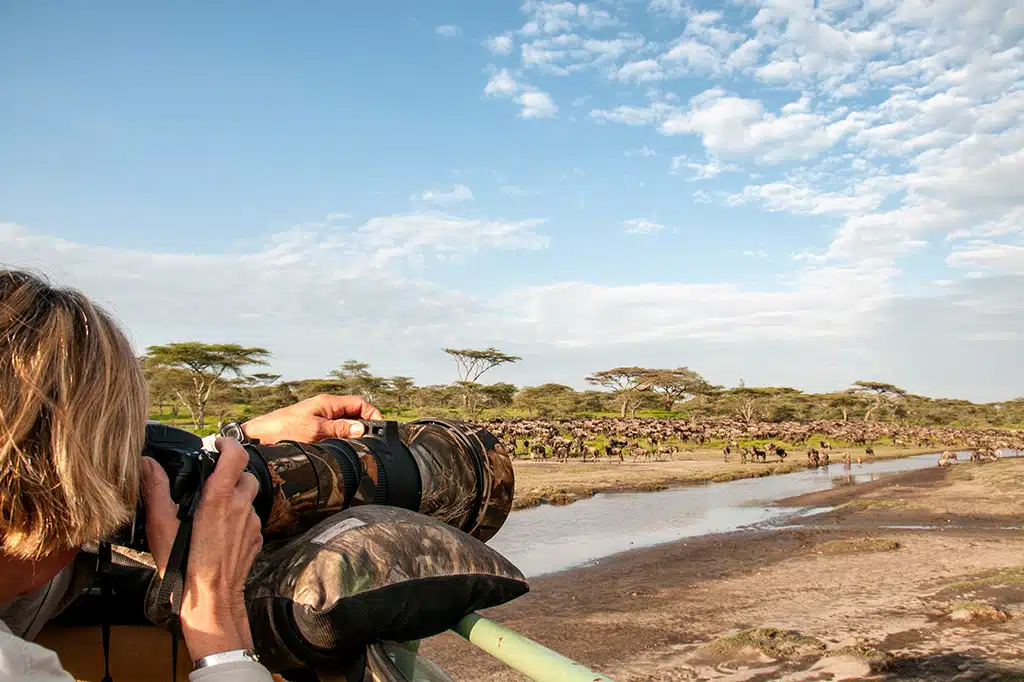
Tell your planner if photography shapes the trip. A private vehicle can help you set a shared pace within your own party. Agree whether you prefer to wait with one subject or seek a wider range of scenes. These choices affect the day more than the size of your camera.
Bring a long lens or binoculars for animals far from the track.
Keep a wider view available for crater walls and Serengeti skies.
Pack spare batteries, memory cards and a simple dust cover.
Ask about charging at your chosen camps before departure.
Stay seated and quiet when your guide asks, and avoid blocking another guest's view.
Use legal viewpoints and let the guide judge safe vehicle placement.
For your Big Five safari, plan for ordinary moments as well as rare ones. A resting lion on rock, a buffalo in soft light or an elephant within a wide scene can make a strong image. Close distance alone does not make a photograph better.
Design a private photography safari around patient viewing and changing landscapes.
Where should you stay on a Big Five safari, and what affects cost?
Choose a base for the route first, then compare style and comfort. Near Ngorongoro, weigh a rim location against a Karatu base. In Serengeti, check the actual area of each camp. A beautiful room is less useful if it adds long daily drives to the places you want to explore.
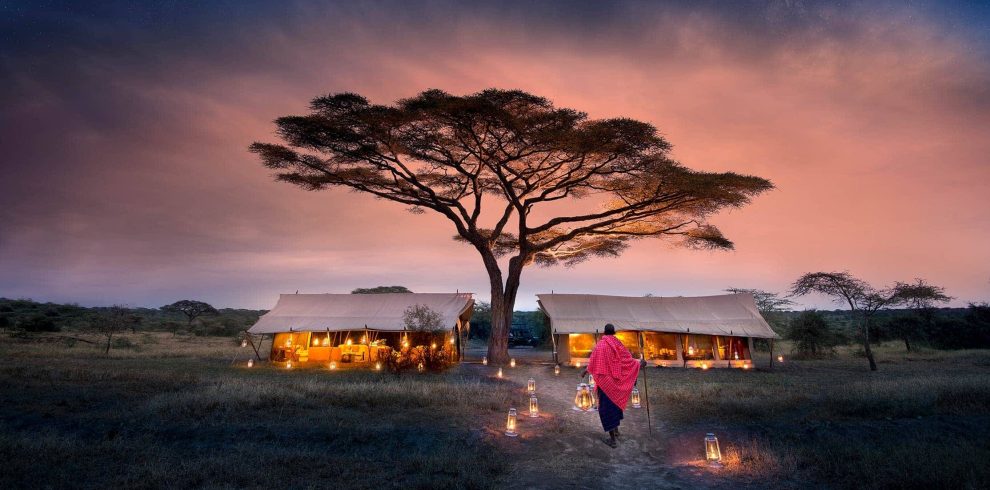
Ask about room layout, meals, hot water, power, laundry and access needs. If you want a family room or step-free access, confirm the details for the specific property. “Luxury” can describe very different camp experiences.
Your Big Five safari quote should show the travel dates, group size, rooms, vehicle, guide and route. Ask for all required park and crater charges to be included or clearly identified. Seasonal rates, flights and room choices can change the total, so use a dated written quote.
Check drinks, tips, flights, insurance and optional activities separately. A lower headline price is hard to judge without these details. Compare the same number of nights and full drive days, rather than two package names that sound alike.
Sample Big Five safari packages combining the crater and plains
The following are suggested private routes to tailor with TanzaLux. They are planning examples, subject to dates, camp space, access and a final quote. Each includes a different pace for a Big Five safari. None promises all five animals.
Sample package: 7-day Crater and Central Serengeti
Best for: guests who want both landscapes with a limited week and one main Serengeti base.
Day 1: arrive and rest in Arusha. Overnight Arusha.
Day 2: transfer to the Ngorongoro area. Overnight Karatu or the rim.
Day 3: enjoy a crater descent. Return to the same base for the night.
Day 4: travel into central Serengeti, allowing for the road journey. Overnight Serengeti.
Days 5–6: explore from the same camp. Overnight Serengeti on both nights.
Day 7: take a planned flight to Arusha, with any onward journey timed safely.
This seven-day plan has six nights: one in Arusha, two near the crater and three in Serengeti. Add a night if flight timings require it. The flight is a quoted part of the plan, subject to schedule and baggage rules.
Request a tailored seven-day crater and plains itinerary.
Sample package: 9-day Big Five safari with more time
Best for: first-time visitors and photographers who prefer fewer rushed mornings.
Day 1: arrive in Arusha and settle in. Overnight Arusha.
Day 2: transfer to a crater-area lodge. Overnight Karatu or the rim.
Day 3: descend into the crater. Overnight at the same lodge.
Day 4: travel to Serengeti. Overnight at your chosen camp.
Days 5–7: enjoy three full days based in one Serengeti area. Overnight there each night.
Day 8: fly to Arusha and rest before your onward trip. Overnight Arusha.
Day 9: depart or continue with a separately arranged extension.
Eight nights give this route a calmer finish. It includes four Serengeti nights and a final Arusha night. The extra time supports a patient search while leaving room for a quiet afternoon when needed.
Sample package: 11-day Seasonal Plains and Crater Journey
Best for: guests who want a broad wildlife trip plus a separate seasonal herd focus.
Day 1: arrive in Arusha. Overnight Arusha.
Day 2: transfer to the Ngorongoro area. Overnight near the crater.
Day 3: take your crater drive. Overnight at the same base.
Day 4: travel to central Serengeti. Overnight there.
Days 5–6: explore central Serengeti. Overnight there on both nights.
Day 7: move to a second camp selected for the season. This may require a long road leg or a quoted flight.
Days 8–9: explore from that seasonal base. Overnight there on both nights.
Day 10: fly to Arusha. Overnight Arusha.
Day 11: depart or begin your next travel chapter.
This plan has ten nights. Confirm the second area's location before booking; it should serve your travel month. Your Big Five safari and migration interests can then share a route without pretending every wildlife goal lies beside one camp.
Compare these sample packages and ask for a route matched to your dates.
Why travel with TanzaLux Safaris?
TanzaLux Safaris is Tanzanian-owned and based in Arusha. Its private safari service offers your own vehicle and guide, with routes shaped around your dates, pace and interests. That approach suits a trip where one guest may love landscapes while another hopes to spend longer with cats.
Use the planning stage to explain what matters most. Share your must-see places, room needs, walking limits and preferred daily pace. Ask for a map and a clear quote. Then refine the balance of travel, game drives and time at camp with the team.
A private Tanzania safari can make the schedule more personal. It still follows wildlife access rules and the reality of wild sightings. The best Big Five safari plan gives you sound choices and enough time to enjoy what you find.
To begin, send your dates, party size, preferred comfort level and top wildlife interests. TanzaLux can use those details to shape a practical crater and Serengeti route.
Frequently asked questions
1. Can I see the Big Five in both places?
Both destinations support all five species. Seeing them all during your visit is uncertain. Choose a route with enough viewing time, then enjoy each encounter rather than judging the trip by a completed list.
2. Which is better for a short visit?
The crater suits a focused wildlife day if you are based nearby. Serengeti needs more time to explore well. Include the transfer from your arrival point when deciding what fits a short break.
3. Is Ngorongoro a good place to hope for rhinos?
Yes, rhinos are a key reason many guests include it. Sightings can still be distant or missed. Tell your planner about this interest and bring binoculars, while keeping the rest of the day's wildlife in view.
4. Does Serengeti have black rhinos?
Yes. UNESCO identifies black rhino among Serengeti's wildlife. That does not make them a routine plains sighting. Discuss a suitable route through your operator and follow current official guidance without seeking sensitive location details.
5. Are leopards guaranteed in Serengeti?
No. A leopard may be hidden or outside your route. Several drives allow more search time, but no number of nights can promise one. Leave space to enjoy the habitats and other animals too.
6. Can I see leopards in Ngorongoro Crater?
The official Geopark guide lists leopard among the crater's Big Five. Treat a sighting as a possibility. A one-day visit cannot ensure that any elusive animal will be visible when you pass.
7. Is a cheetah part of the Big Five?
No. The five are lion, leopard, elephant, buffalo and rhino. Cheetahs can still be a special safari highlight. Keep your wildlife interests broad so a short checklist does not limit what you enjoy.
8. Are the Serengeti Plains the whole park?
No. The national park includes several habitats beyond open grassland. Ask where your camp sits and what your drives can reach. This gives a clearer picture than a general promise of “endless plains.”
9. Is the crater a closed enclosure?
No. Animals can move in and out of this natural caldera. Its walls create a striking setting, but they do not make wildlife fixed in place or ensure that every species can be found.
10. Which destination has better landscapes?
Choose the crater for a strong volcanic backdrop and Serengeti for wide horizons and varied scenes. Personal taste matters. Many guests combine them because the contrast adds more to the trip than a single ranking.
11. How many nights should I spend in Serengeti?
Three or four nights at one base can provide useful time for several drives. Add more if you want a second area. Check arrival and departure times, since a night count alone can hide limited viewing hours.
12. Is one crater day enough?
One well-planned descent fits many combined routes. Your interests may justify a different plan. Ask what the permitted visit covers and how much transfer time your lodge adds before choosing a second crater day.
13. Will I see the Great Migration on the crater floor?
Do not plan on that. Migration in the wider conservation area is different from a crater descent. Specify a seasonally suitable plains stay if large moving herds are an important part of your trip.
14. Which month guarantees all five species?
No month does. Weather, animal movement and time in the field affect each visit. Choose dates that suit your wider goals, then build a realistic route around those dates with your planner.
15. Can I visit during the rainy season?
Yes, with suitable planning and current access advice. Heavy rain can disrupt drives and transfers, especially in April and May. Confirm camp operations and leave room for weather changes in the daily plan.
16. Should I book a private vehicle for a Big Five safari?
A private vehicle can help your party agree its own viewing pace. It is useful for photographers or guests with different rest needs. Compare the full cost and confirm the arrangement in your written quote.
17. Where should I stay for the crater?
Compare rim and Karatu options by location, room needs, meals and planned transfer time. Ask for the lodge to be marked on your route map. A scenic setting and an easy morning start are separate choices.
18. Do I need a long camera lens?
It can help with distant wildlife, though binoculars are also valuable. Keep a wider option for landscapes. Choose equipment you can use comfortably, and avoid expecting every animal to come close to the vehicle.
19. What should a combined safari quote include?
Check rooms, meals, guide, vehicle, transfers and required park and crater charges. Identify flights, tips, drinks and optional activities. Ask for dated terms so you can compare routes on the same basis.
20. How do I start planning with TanzaLux Safaris?
Send your dates, party size, budget range and main interests. Explain whether your Big Five safari should focus on photography, family pace or broad wildlife viewing. The team can then shape a private route for review.
Ready to start planning?
Tell us your dates and what you're after — no obligation.