5.0 Excellent

7-Day Northern Circuit vs. 7-Day Southern Circuit: Sample Itineraries and Highlights
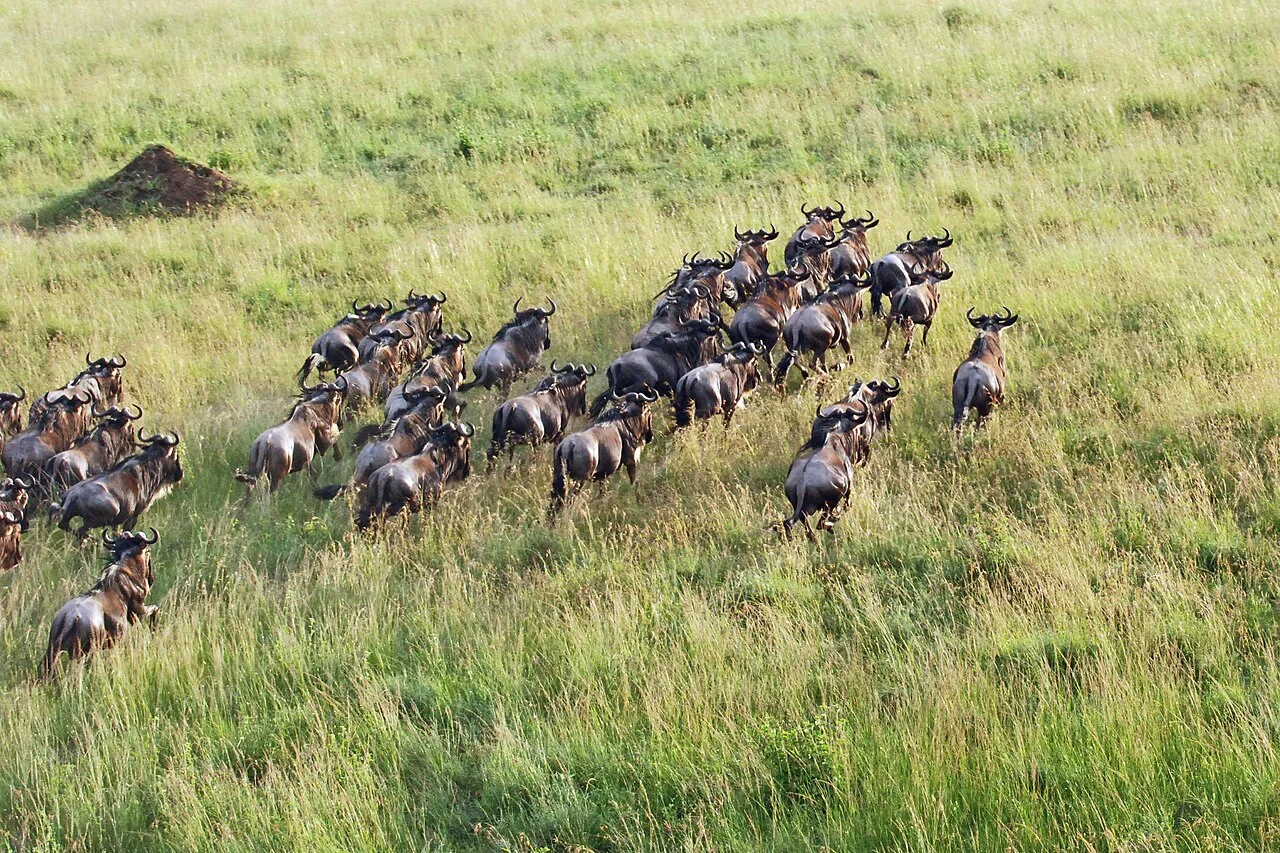
A 7-day Tanzania safari can take you through famous northern parks or into the river and woodland landscapes of the south. Both can make a rewarding week. The right choice depends on what you want to see, how you like to travel and how much time you want at each base.
The northern Tanzania safari itinerary links Tarangire, Ngorongoro and central Serengeti. The Nyerere and Ruaha safari pairs two southern parks. You will also find a slower Nyerere option for guests who want one main safari base.
Each route uses seven days and six nights, with arrival on Day 1 and the final domestic return on Day 7. International flights are separate. If your onward flight needs another hotel night, add it to the plan and budget. These are proposed routes to tailor, subject to rooms, access and confirmed transport.
Which 7-day Tanzania safari should you choose?
Choose the north if your main goal is a Serengeti and Ngorongoro safari with contrasting landscapes in one road-and-air route. Choose the south if you want to combine a river setting with Ruaha and prefer to fly the long links. A week is enough for either plan when the transfers are sensible.
Northern route: Arusha, Tarangire, Ngorongoro Crater and central Serengeti.
Southern route: Dar es Salaam, Nyerere and Ruaha.
Northern travel style: private road travel between bases, followed by a flight from Serengeti.
Southern travel style: a fly-in route with camp transfers and clearly agreed activity terms.
Slower alternative: one city night and five nights at one Nyerere base.
For your 7-day Tanzania safari, count full wildlife days as well as nights. A day that starts at a hotel and ends at a distant camp may include some viewing, but much of it can be travel. The plans below make that time visible.
Ask TanzaLux Safaris to compare these seven-day routes for your dates, interests and budget.
Sample package: 7-day Northern Circuit safari
Route: Arusha → Tarangire → Karatu → Ngorongoro Crater → central Serengeti → Arusha.
Six-night split: one night in Arusha, two nights in Karatu and three nights in central Serengeti. This 7-day Tanzania safari includes a flight out of Serengeti to protect the final day from a long road return.
Day 1: Arrive and settle into Arusha
Meet your arranged transfer and travel to your hotel. Keep the first day light, especially after an overnight flight. Use the briefing to review the route, luggage, meal needs and the next morning's start.
Confirm the actual arrival airport. Kilimanjaro International Airport and Arusha Airport are different places, so the pickup plan should name the right one. Avoid relying on a vague “Arusha arrival” note in your booking.
Overnight: Arusha. Main focus: arrival, rest and safari briefing.
Day 2: Explore Tarangire, then continue to Karatu
Travel to Tarangire for a game drive. TANAPA's wildlife guide highlights its elephants, baobabs and river-linked habitats. Take time for the setting as well as the animals. A wide view beneath a baobab can be as memorable as a close wildlife portrait.
Later, continue to your Karatu base for the next two nights. The day includes both park viewing and road travel. Your guide should set the exit time around the lodge location and conditions, rather than try to squeeze in a late drive and a rushed transfer.
On this 7-day Tanzania safari, Tarangire is a focused introduction. If it is your favourite park or photography priority, ask what an extra night would add.
Overnight: Karatu. Main focus: Tarangire viewing, followed by a transfer.
Day 3: Descend into Ngorongoro Crater
Leave for the crater according to your confirmed permit and lodge plan. The descent brings a strong change of scene from the highlands to the caldera floor. The official Geopark guide describes grassland, swamp, river and woodland habitats within this natural bowl.
Look for the wildlife that is visible on the day. The crater supports the Big Five, but a single descent does not promise all five. Binoculars help with distant animals, and patience often adds more than rushing between reported sightings.
Return to the same Karatu lodge. Staying put avoids packing again after a busy wildlife day. Confirm the permitted visit arrangements with your operator before travel.
Overnight: Karatu. Main focus: a crater descent and wildlife viewing.
Day 4: Travel to central Serengeti
This is the main road transfer day of the northern route. Leave enough time for the journey, entry steps, meal stops and the approach to camp. Any viewing along the way depends on the route and progress; it should not be sold as a full day based in the park.
TANAPA confirms road and air access to Serengeti. This sample uses the road to enter, then keeps the same camp for three nights. That gives you a base from which to explore without another room change.
Overnight: central Serengeti. Main focus: travel and arrival at camp.
Day 5: Enjoy a full day in Serengeti
Plan the day with your guide. You may prefer a longer outing with a packed lunch, or drives around a camp break when the distances allow. Explain whether your party likes to wait with one subject or explore a wider range of scenes.
Serengeti's official habitat guide includes open grassland, riverine forest, woodland and rocky kopjes. These differences matter when looking for wildlife. The park offers more than one type of plains view.
Keep the day open to what you find. A hunt, a close cat sighting or a moving herd cannot be scheduled. Your guide can choose a sound route, but the animals set their own pace.
Overnight: central Serengeti. Main focus: a full wildlife day from one base.
Day 6: Explore again without changing camp
A second full day gives you time to work with fresh conditions and different light. It also leaves room to revisit an area that interested you. This is a useful part of a 7-day Tanzania safari, since one morning alone may not reveal much of a large park.
Do not assume that a central Serengeti stay includes a northern river-crossing trip. If the Great Migration is your main aim, ask the planner to place your camp for the travel month. That may require a different route and flight plan.
Overnight: central Serengeti. Main focus: a second full day of viewing.
Day 7: Fly to Arusha and finish the safari
Transfer to the airstrip named in your booking and fly on the confirmed service to Arusha. Any morning drive depends on the flight time and camp distance. Treat it as a possible addition rather than a full extra wildlife day.
Arrange the next transfer around the actual arrival airport. Allow a sound buffer before an international flight, and add a hotel night if needed. This sample does not include a seventh overnight.
Main focus: airstrip transfer, flight and onward travel.
Northern highlights: a Tarangire introduction, a crater day and two full days based in Serengeti. The main trade-off is the road travel needed to link three wildlife areas within one week.
Tailor this northern seven-day itinerary with your preferred lodges, pace and Serengeti base.
Sample package: 7-day Southern Circuit safari
Route: Dar es Salaam → Nyerere → Ruaha → Dar es Salaam.
Six-night split: one night in Dar es Salaam, two nights in Nyerere and three nights in Ruaha. This 7-day Tanzania safari is a proposed fly-in plan. The inter-park link must be confirmed for your dates before camps are fixed. If it does not work, reverse the order or choose one main park.
Day 1: Arrive in Dar es Salaam
Transfer to your hotel and rest before the next day's flight. Check the domestic departure point, reporting time and luggage terms. Keeping a city night between the international arrival and safari flight gives the plan more room if your inbound journey is delayed.
Use the briefing to confirm private or shared drives at each camp. A fly-in booking can use camp vehicles, so the activity arrangement should be clear before you arrive.
Overnight: Dar es Salaam. Main focus: arrival and preparation.
Day 2: Fly into Nyerere and settle into camp
Fly to the airstrip serving your chosen lodge and meet the arranged transfer. TANAPA's visitor guide lists scheduled and charter air access, with transfers to be arranged in advance. The useful airstrip depends on your camp.
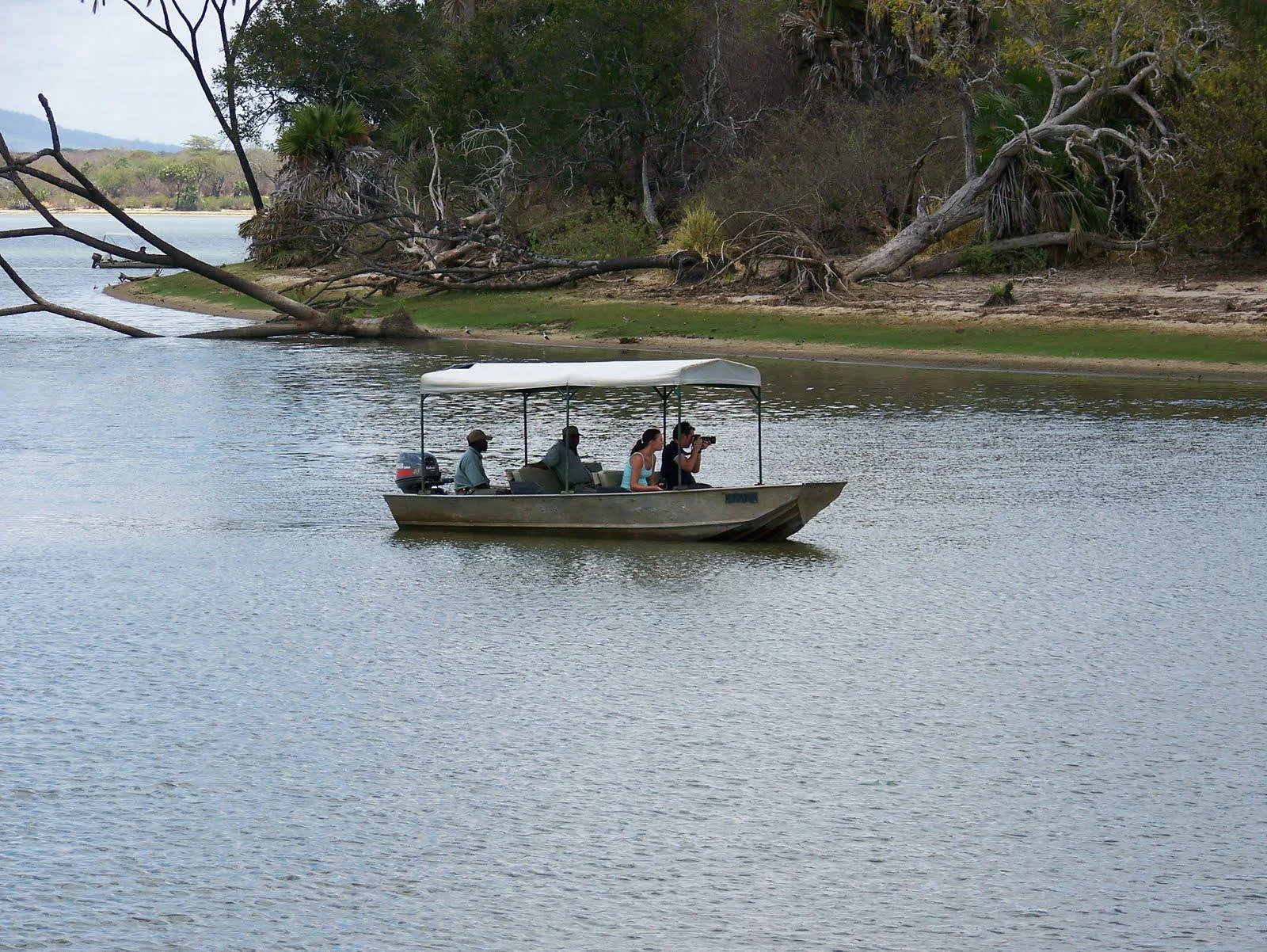
After settling in, take an agreed activity if the arrival time allows. This could be a drive or, where offered and suitable, a boat trip. Do not make the first afternoon carry every activity on your wish list.
Overnight: Nyerere. Main focus: flight, transfer and a possible first outing.
Day 3: Explore Nyerere's river and woodland setting
Give this full day to the area around your camp. TANAPA describes Nyerere as a mix of Rufiji waterways, floodplains, woodland and open grassland. Its wildlife includes elephants, hippos, crocodiles and large predators. The setting offers a different visual rhythm from the northern plains.
Agree a sensible mix of viewing and rest. A boat activity needs the right conditions, guide and safety arrangements. Follow the briefing and use a life jacket as directed. An organised walk is a separate activity with its own rules.
For a 7-day Tanzania safari, two nights here give one full day and parts of the travel days. Ask for a longer stay if the river experience is your main reason for choosing the south.
Overnight: Nyerere. Main focus: a full day from your chosen base.
Day 4: Fly to Ruaha
Transfer to the airstrip for the confirmed inter-park service, then continue to your Ruaha camp. Allow for the full travel sequence and any scheduled stops. A short line on a route map can still use much of the day.
Ruaha can be reached by air, with lodge transfers arranged around the chosen strip, as set out in its official visitor guide. Take a later drive only if the timing and camp plan allow. Keep the same base for three nights.
Overnight: Ruaha. Main focus: inter-park travel and settling into a new area.
Day 5: Spend a full day in Ruaha
Explore with your guide and take time to read the scene. TANAPA's wildlife guide highlights baobab-studded savannah, rocky outcrops, woodland and river systems. Lions, elephants and buffalo are among the wildlife interests, but sightings remain wild and uncertain.
Choose the day's pace with the camp. Some guests enjoy a long drive, while others prefer a morning outing and a break before the afternoon. Avoid filling every hour simply because the trip lasts one week.
Overnight: Ruaha. Main focus: a full wildlife day.
Day 6: Enjoy more Ruaha time or a pre-booked walk
Use the second full day for more game viewing. If a guided walk is part of your interests, confirm it in advance with an authorised operator. Age limits, safety needs and conditions can affect whether it runs.
This 7-day Tanzania safari leaves space for a slower morning or time at camp too. A quiet hour watching the landscape can be a highlight. You do not need a new park each day to feel that you have explored.
Overnight: Ruaha. Main focus: further drives or a suitable agreed activity.
Day 7: Return by air to Dar es Salaam
Leave camp for the airstrip and take your confirmed return service. The safari ends in Dar es Salaam, with onward travel arranged around the flight. Add a hotel night if your international connection needs it.
Main focus: transfer, flight and onward plans. Southern highlights: Nyerere's water-linked landscapes and two full days based in Ruaha. The trade-off is a flight-heavy route and only one full day at the first park.
Request a Nyerere and Ruaha itinerary with all flight links and drive arrangements clearly quoted.
How does each 7-day Tanzania safari use your time?
The northern plan gives one focused Tarangire visit, one crater day and two full days at a Serengeti base. It also has several road legs. The southern plan gives one full Nyerere day and two full Ruaha days, plus any outings that fit around flights.
A 7-day Tanzania safari should be judged by that real balance. Count a hotel arrival as an arrival day. Count an inter-park move as a travel day, even if a short drive fits before or after it. This helps you compare routes without expecting seven full days of game viewing.
The two plans also have different packing rhythms. The north uses two nights at the same Karatu lodge before three Serengeti nights. The south uses two park camps, with three nights at the second one. Ask where your luggage will go on every transfer.
Wildlife and landscapes: what is the main difference?
The northern route has a strong sequence of contrasts: Tarangire's baobabs, the crater walls and the broad Serengeti landscape. The southern route combines waterways and floodplains with Ruaha's river systems, rocks and woodland. Your photos and daily views will reflect that difference.
Choose your 7-day Tanzania safari around interests rather than a fixed animal count. If the crater and Serengeti are long-held goals, give them enough time. If a river-based outing and a new landscape appeal more, explore the southern plan.
A route can improve the range of habitats you visit, but it cannot ensure a leopard, wild dog or hunt. Avoid offers that promise all the Big Five in a set number of days. A quiet sighting with room to watch can be more rewarding than a rushed checklist.
Migration travel needs particular care. The Great Migration moves through the wider Serengeti ecosystem, with its position shaped by rain. A central camp is not a promise of a Mara River crossing. Ask whether a seasonal camp change is needed for your chosen week.
When should you take a 7-day Tanzania safari?
Tanzania Tourism's timing guide explains that rain shapes the wildlife calendar. It highlights green-season interest as well as popular migration periods, and notes that heavier rain in April and May can disrupt viewing. Treat broad month ranges as a guide, not a forecast.
For the south, June to October is a commonly chosen dry-season window. Check the actual camps and flights, since wet-season plans can need closer review. A camp may have its own closure dates or offer a narrower activity window than the park's general season.
If work or school fixes your dates, start there. Build a 7-day Tanzania safari that suits that month rather than forcing the route from a photograph. Share whether you most value herds, birdlife, landscapes or time away from busy travel periods.
Costs: compare the full week
A northern road-and-air plan and a southern fly-in plan have different cost structures. The southern sample includes three domestic flight legs. The northern one includes a road vehicle across several areas and a Serengeti flight out. Camps, rooms and group size can change the total substantially.
For a fair 7-day Tanzania safari comparison, request the same travel dates, party size and room level. Make private or shared drives clear. A private room does not automatically mean your party has its own vehicle at a fly-in camp.
Ask for all six nights to be named, with room types and meal plans.
Check the vehicle and guide arrangement for each day.
List every domestic flight, airstrip transfer and airport transfer.
Confirm all required park, crater, vehicle and activity charges.
Identify optional walks, boat trips or balloon flights and their terms.
Check excluded drinks, tips, personal travel cover and other expenses.
Read the deposit, cancellation and quote-validity terms.
The best-value 7-day Tanzania safari is the one that preserves the experiences you care about. Test a simpler camp, fewer moves or a different week before cutting your only full day in a key park. A lower total is less useful if most of the holiday becomes travel.
Road travel, small planes and practical packing
For the northern plan, ask for the driving sequence and stops to be shown clearly. Camp position matters. A lodge far from the planned viewing area may add daily travel, even if its room rate looks appealing.
For a Tanzania fly-in safari, get the baggage rules from the operating airline. Weight, bag type and camera-equipment terms can vary. Confirm any excess baggage or storage before departure. Do not rely on one generic luggage allowance for all services.
Pack a day bag for your 7-day Tanzania safari with the things you need during transfers: travel papers, camera, water and a layer suited to the weather. Ask the camps about charging and laundry so you can pack for the actual route.
If mobility or comfort needs affect flights or vehicle access, describe them early. Ask about aircraft steps, vehicle height, room paths and bathrooms at each property. A trip that works well on a map still needs to work for the people taking it.
Compare the full transport plan and quote before choosing your seven-day safari.
Sample package: 7-day Tanzania safari based in Nyerere
Best for: guests who want one safari base, more rest and fewer flight changes. This is a slower southern alternative to the two-park circuit.
Route: Dar es Salaam → Nyerere → Dar es Salaam. Six-night split: one night in the city and five nights at one Nyerere camp.
Day 1: arrive, transfer to your Dar es Salaam hotel and rest.
Day 2: fly to the airstrip serving your camp and take the arranged transfer. Stay at the camp.
Day 3: enjoy a planned game-drive day from that base.
Day 4: take a boat activity if booked and conditions allow, with time to rest.
Day 5: explore again by vehicle. Consider a guided walk only if separately agreed and suitable.
Day 6: use a final full day for your preferred pace of drives and camp time.
Day 7: return by air to Dar es Salaam and continue with your onward plan.
This 7-day Tanzania safari has four full days based at the same camp, plus parts of the arrival and return days. It removes the inter-park move and gives the first park more time. It does not include Ruaha, so choose it because that slower rhythm appeals to you.
A road-based version can also be considered for the right camp and conditions. It needs a revised transfer plan and a fresh quote. Do not replace a flight with a road line while leaving the rest of the day unchanged.
Ask for a slower Nyerere package with four full days at one safari base.
Which plan suits your travel style?
For a first safari or a list of northern highlights
The northern sample suits guests who want several well-known places in one week. Choose it if the crater and Serengeti matter strongly to you and you accept the road travel. Ask for an extra night if long drives would reduce your enjoyment.
For a varied southern trip
The two-park south suits guests who want both Nyerere and Ruaha and are comfortable with a flight-led plan. Confirm the links first. If your favourite part of the idea is the Rufiji setting, consider whether the one-base alternative better matches that interest.
For families, photography and a slower pace
A 7-day Tanzania safari can work for different ages and interests when the pace is agreed. Families should confirm room layouts and activity limits. Photographers should discuss vehicle space and time at sightings. Fewer moves can help both groups.
Talk within your party before booking. A guest who wants to wait with one animal may prefer a different day from someone who likes short stops and broad views. A private plan helps your party agree its own balance.
How to refine the itinerary with TanzaLux
Start with the dates you can travel and the place you most want to see. Share your party size, room needs and budget range. Then ask for a route map, a night-by-night plan and the current flight options.
Check how each 7-day Tanzania safari uses Day 1 and Day 7. If you already have international tickets, send the exact airports and local arrival times to the planner. If those tickets are not fixed, choose them after the safari connections have been checked.
Any beach extension needs its own nights and travel budget. You can add Zanzibar after either circuit when connections work, but it sits beyond the six nights in these samples. Avoid compressing the safari merely to make two separate holidays appear to fit into one week.
Why travel with TanzaLux Safaris?
TanzaLux Safaris is Tanzanian-owned and based in Arusha. Its trips are shaped around guests' dates, interests, budget and pace. That approach helps turn a broad north-versus-south question into a route your party can review.
The private Tanzania safari service offers your own guide and vehicle on the agreed route. Confirm the specific arrangement for camp-run activities and fly-in stays. Ask for all rooms, transfers, fees and activities to be clear in the written quote.
For your 7-day Tanzania safari, a useful plan should explain the trade-offs as well as the highlights. You may choose an extra flight to reduce a long drive, or one less park to gain a full day at camp. The best choice is the one that fits your interests and comfort.
Start planning your private seven-day Tanzania safari with TanzaLux Safaris.
Frequently asked questions
1. Is a 7-day Tanzania safari long enough?
It can be, if the route is focused and travel time is clear. These samples use six nights and include arrival and return days. Add nights if you want more parks or a slower pace.
2. Does seven days mean seven full game-drive days?
No. Arrival, flights and road transfers use time too. Count full wildlife days separately. Ask the operator to label the main purpose of each day so you know what to expect.
3. Which parks are in the northern sample?
It visits Tarangire, Ngorongoro Crater and central Serengeti, starting in Arusha. Two Karatu nights support the crater portion. Three Serengeti nights allow two full days at one base before the flight out.
4. Which parks are in the southern sample?
It pairs Nyerere and Ruaha, starting and ending in Dar es Salaam. The proposed plan uses two Nyerere nights and three Ruaha nights, plus a city arrival night. Confirm the inter-park flight first.
5. Is the northern route entirely by road?
No. This version drives into Serengeti and flies out on Day 7. An all-road version needs a revised return plan. Do not assume the flight can be removed without changing viewing time.
6. Must I fly between Nyerere and Ruaha?
The sample uses a confirmed air link to keep the trip within one week. A road journey needs a different schedule. If no suitable flight works, reverse the route or choose a longer stay in one park.
7. Which trip offers more variety?
The north includes three distinct wildlife areas. The south combines a water-linked setting with Ruaha's landscape. Choose the kind of variety you want, then consider how much travel you are willing to include.
8. Will I see all the Big Five?
No route can promise that. Species presence and a sighting during your visit are different things. Build in time and enjoy the wildlife you find, rather than judging the week by a fixed checklist.
9. Is a river crossing included in the northern plan?
No crossing is guaranteed. This sample uses central Serengeti. If migration viewing is your main goal, ask for a seasonally placed camp and revised transport plan. River events depend on herd movement.
10. Are boat safaris automatic in Nyerere?
No. Check that your camp offers the activity and that it is in your quote. Conditions and safety arrangements affect what can run. Agree the plan in advance and follow the guide's briefing.
11. Can I add a walking safari in Ruaha?
Ask the camp or operator to book an authorised walk. It has its own age, safety and operating rules. A game-drive package does not by itself confirm that a walk is included or suitable.
12. Which circuit is cheaper for a week?
There is no fixed winner. Flights, camps, room types and party size change the cost. Compare the same dates and inclusions, and check whether drives are private or shared at each base.
13. Which route is best for children?
Choose by ages, room needs and tolerance for travel. Confirm camp and activity rules. A one-base southern stay may reduce moves, while the northern highlights may suit a family that enjoys a road journey.
14. Can I take this safari in the rainy season?
Ask for current camp, road and flight advice for your exact dates. Some properties close for part of the wetter period. A route should be adapted to conditions rather than copied unchanged from a dry-season plan.
15. What luggage can I take on the safari flights?
Get the allowance and bag rules from the operating airline. Ask about camera gear, excess baggage and storage before you leave. Do not apply one generic limit to every service in the itinerary.
16. Are international flights part of these seven-day plans?
No. The samples start with arrival in Tanzania and end after the final domestic return. Homebound flights and any extra city night need separate planning around the confirmed safari services.
17. Can I add Zanzibar after the safari?
Yes, when the flight plan works. Add beach nights and transfer costs beyond these samples. Keep enough connection time, and avoid cutting the full park days that made you choose the safari.
18. What if I prefer one main camp?
Consider the seven-day Nyerere alternative. It uses one city night and five camp nights, giving four full days at the same base. You can explore at a steadier pace with fewer moves.
19. Can I combine the north and south in seven days?
Trying to fit both can consume much of the week in transfers. For this length, choose the circuit that matters most. Add more nights if you want both regions to receive useful time.
20. How do I book a 7-day Tanzania safari with TanzaLux?
Share dates, party size, budget range and main interests. Ask for a clear route, six-night breakdown and full quote. The team can then tailor the camps, travel plan and pace for your review.
Ready to start planning?
Tell us your dates and what you're after — no obligation.