5.0 Excellent

10 Amazing Facts About Tanzania (Truly Amazing)
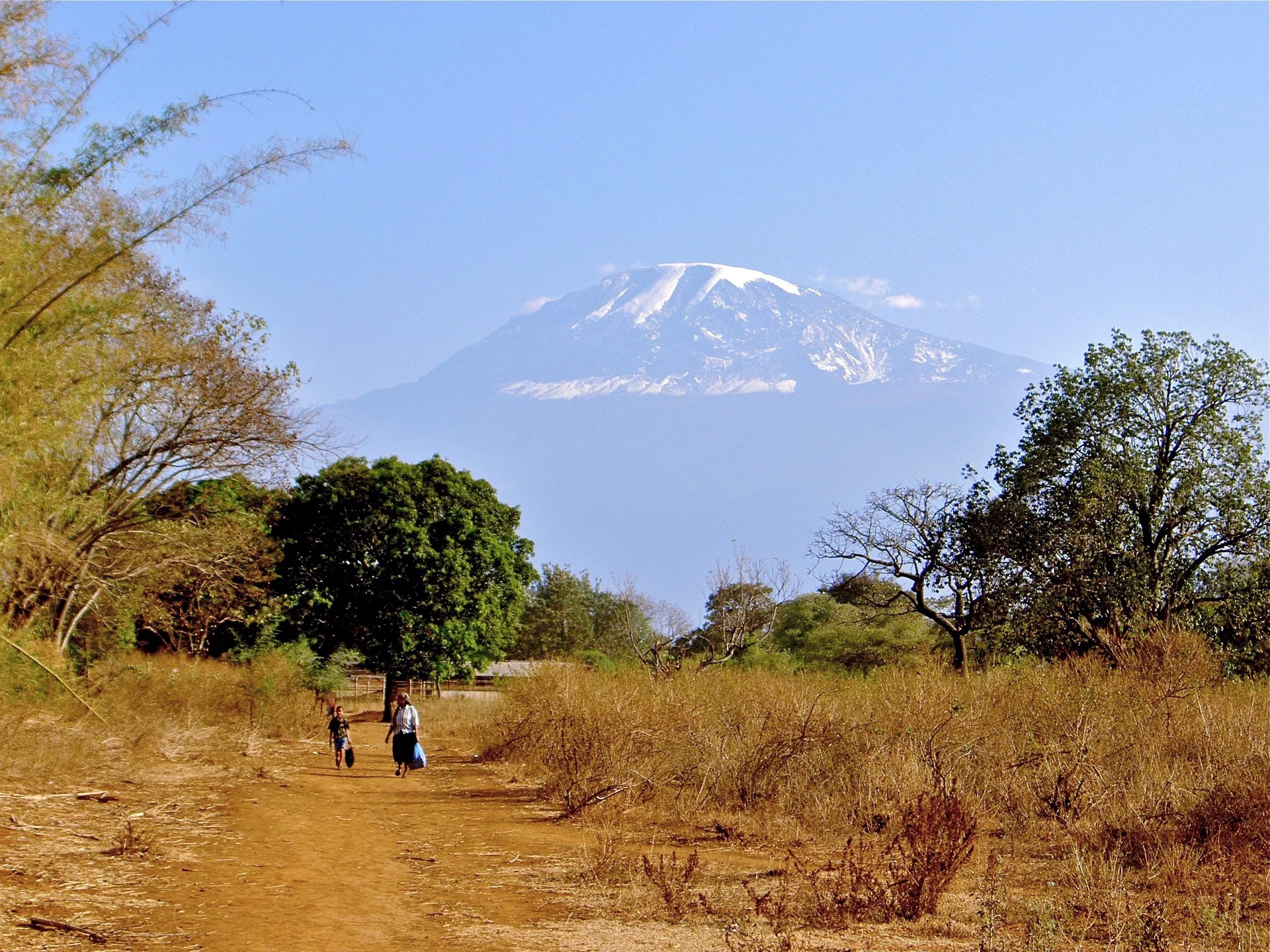
Some of the most interesting facts about Tanzania connect places that seem worlds apart. Africa's highest mountain rises here. Vast herds move through the Serengeti ecosystem. Ancient footprints reveal a chapter of human history, while the coast tells stories of trade, language, and island life.
These ten facts offer a way to see Tanzania beyond a single safari image. Each fact comes with a way to think about your trip. Use it to choose what you want to see, learn, or do.
The aim is to understand the places behind the headlines. A wildlife migration follows changing conditions. A shared lake extends beyond one country. A historic town is also a living community. Those details make Tanzania facts more meaningful when you meet them on the ground.
Ask TanzaLux Safaris to turn your favourite Tanzania discoveries into a private travel plan.
Ten facts about Tanzania at a glance
Mount Kilimanjaro is Africa's highest mountain, at 5,895 metres.
The Great Migration moves through a wider ecosystem spanning Tanzania and Kenya.
Ngorongoro Crater is a vast volcanic caldera.
Laetoli preserves evidence of upright walking from about 3.6 million years ago.
Tanzania shares both Lake Victoria and Lake Tanganyika with nearby countries.
Tanzanite is commercially mined in the Merelani Hills of northern Tanzania.
Zanzibar is a group of islands, with Unguja and Pemba as its main islands.
Kiswahili connects Tanzania with a much wider East African language community.
Tanganyika and Zanzibar united on 26 April 1964.
Wild chimps live in Tanzania's western forests, including Gombe.
1. Africa's highest mountain stands in Tanzania
Mount Kilimanjaro reaches 5,895 metres above sea level. UNESCO's Kilimanjaro profile identifies it as Africa's highest point and describes the mountain rising above the surrounding plains. The park is also home to forests and wild animals.
It is one of the best-known facts about Tanzania. In person, the peak gives that fact a whole new scale. A clear view can make the mountain seem close, even when a long road journey still separates you from its slopes. Clouds and weather affect what you can see on any given day.
You can build a trip around the mountain without treating every visit as a summit attempt. Discuss an approved lower-slope activity, a nearby stay, or a full trek as separate choices. Ask what the outing involves and how it fits the rest of your route.
A full ascent needs its own plan, guided route, the right gear, and time to adjust to altitude. A safari packing list alone is not a mountain kit. If climbing is a goal, ask the operator for a detailed briefing before you book.
2. The Great Migration is a moving cycle
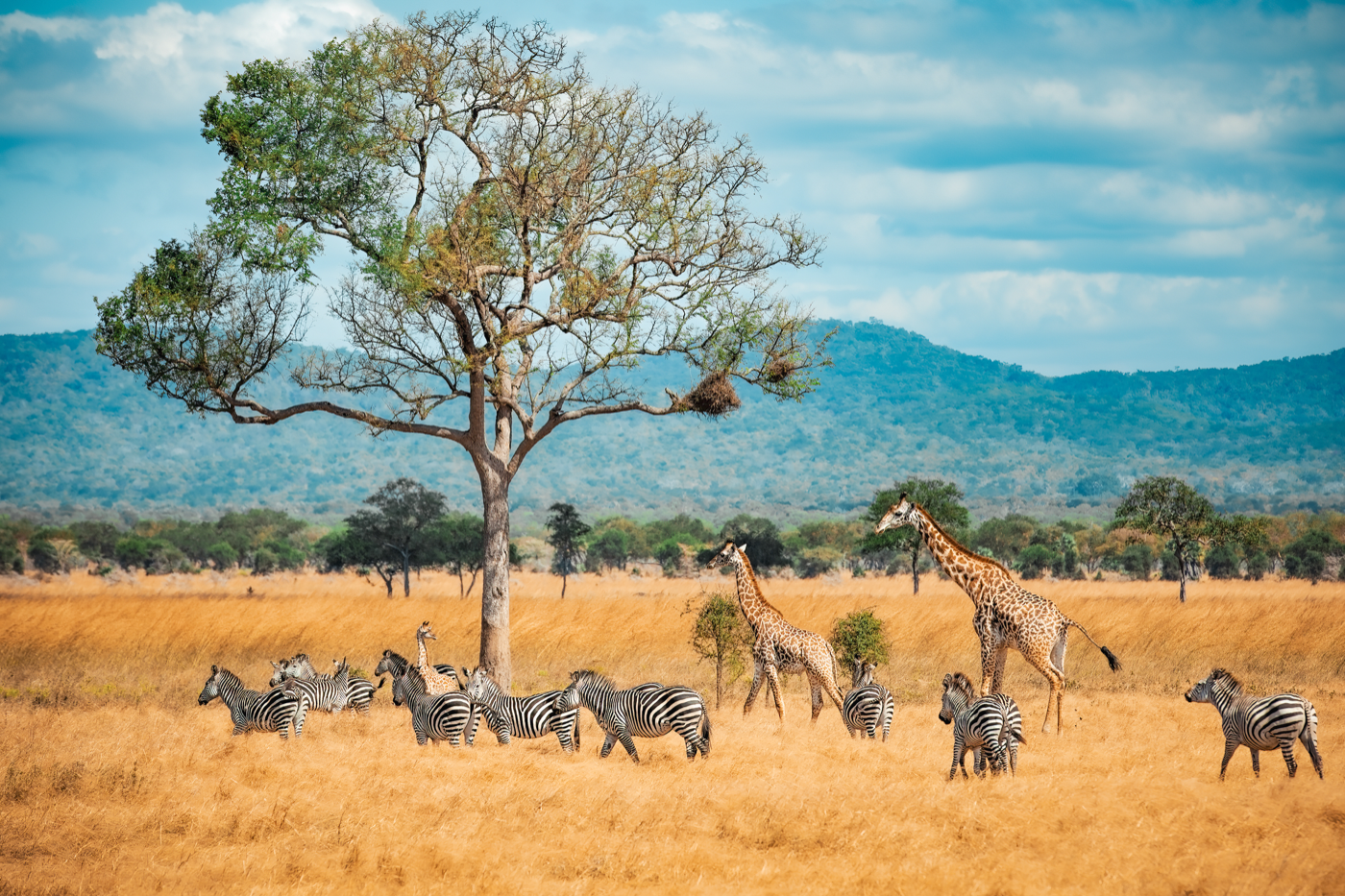
The Great Migration involves vast herds of wildebeest, with zebras and gazelles, moving in search of grazing and water. The wider Serengeti–Mara ecosystem spans Tanzania and Kenya. UNESCO's Serengeti profile explains the scale of this annual movement.
This is among the facts about Tanzania that can change how you plan a safari. The herds do not stay beside one camp all year. Different areas become relevant at different stages, and recent rain can affect where animals gather.
A river crossing is one part of the story. Calving, grazing, long lines of moving animals, and the daily life around the herds can be just as absorbing. Choose your dates and Serengeti sector together, with a guide to the seasonal pattern rather than a fixed promise.
For your Tanzania safari, ask where the suggested camp sits in relation to the experience you want. Allow time to explore, wait, and follow the guide's judgment. No trip plan can guarantee the exact moment that a wild herd will cross a river.
3. Ngorongoro Crater formed through volcanic collapse
Ngorongoro Crater is a caldera: a large depression formed through the collapse of an ancient volcano. The Ngorongoro Lengai Geopark's route guide explains its volcanic origin. UNESCO describes the crater landscape within a wider conservation area of plains, woodland, forest, and highlands.
One of the most striking facts about Tanzania is that a day watching wildlife can also show you how the land took shape. The rim, slopes, and floor help you read the landscape. Take time to notice the change in ground and vegetation as the route descends.
Ngorongoro Conservation Area extends well beyond the crater. A drive across the wider area is not the same as a crater descent. Make sure the written trip plan says which experience is included, along with the relevant permits and fees.
Wildlife sightings remain part of a natural setting. Enjoy the landscape and the animals you encounter without treating a list of species as a guaranteed result. Your guide can explain how habitat and the day's conditions shape each stop.
4. Laetoli records footsteps from 3.6 million years ago
The Laetoli footprints preserve evidence of early human ancestors walking upright about 3.6 million years ago. The Ngorongoro Lengai Geopark's archaeology guide describes their meaning alongside the region's fossil and tool discoveries.
These tracks were made by early members of the human family. They help us study how our ancestors walked and lived long ago. The same region also includes Olduvai Gorge, another key place for studying human origins.
Among the facts about Tanzania, this one gives a northern safari a remarkable sense of depth. You can watch animals, then learn how experts study clues from the past. A museum stop can add meaning that a quick roadside photo cannot.
Ask what you can see and which places are open on your dates. Confirm the actual site, museum, guide, and time needed. Do not assume that every famous discovery is exposed for visitors to walk beside. Allow room in the day for questions and a careful explanation.
5. Tanzania shares two very different Great Lakes
Lake Victoria is Africa's largest lake by surface area and is shared by Tanzania, Uganda, and Kenya. The Lake Victoria Basin Commission describes the lake as a shared East African resource. Its size tells a different story from the depth of Lake Tanganyika to the west.
Lake Tanganyika is the world's second-deepest lake, as explained by NASA's lake overview. It is shared by Tanzania, Burundi, Zambia, and the Democratic Republic of the Congo, which the Convention on Wetlands also records.
These facts about Tanzania highlight a simple distinction: a lake can lead in surface area without being the deepest. Neither lake belongs only to Tanzania. Their shores and catchments connect communities and environments across borders.
For travel, choose the shore and experience you want before adding a lake to the map. A Mwanza-area stay and a western Tanzania lake journey involve different routes. Ask about transport, approved water activities, local conditions, and the time needed between stops.
6. Tanzanite has a very small commercial source area
Tanzanite is the violet-blue to blue-violet variety of zoisite. The Gemological Institute of America's description states that it is commercially mined in one area: the Merelani Hills of Tanzania. Its appearance can vary with the direction from which the crystal is viewed.
This is one of the facts about Tanzania that links geology with the country's name. A small source area can have a global profile through a gemstone. Seeing a stone in a display case is also a chance to ask how minerals form and how a finished gem is identified.
If you are curious, consider an educational gem stop that fits your route. Ask what the visit covers and whether a purchase is optional. There is no need to buy jewellery to enjoy learning about the stone.
If you do shop, seek clear identification, treatment details, and a written receipt from a reputable seller. Ask an independent gem expert to check a costly purchase. Colour alone does not prove identity, and rarity should not be treated as a promise of future value.
7. Zanzibar is a group of islands with distinct island experiences
Zanzibar includes more than one island. Unguja and Pemba are its two main islands, with smaller islands around them. The Zanzibar Airports Authority distinguishes the main airport on Unguja from Pemba's separate airport, a useful detail when planning an island stay.
Many visitors use Zanzibar to mean Unguja, where Stone Town and well-known beach areas are found. Pemba needs its own travel plan. If a lodge is on a smaller island, there may be a further boat or other transfer after the flight.
Another layer to these facts about Tanzania is the coast's cultural history. UNESCO describes Stone Town as a Swahili coastal trading town shaped by African, Arab, Indian, and European influences. Its streets and buildings make time in town worthwhile alongside the beach.
Pick the island that suits your trip. Think about the view, what you will do, and how you will get there. Confirm the exact island and hotel location before booking. An attractive ocean photo cannot tell you how long the full transfer will take.
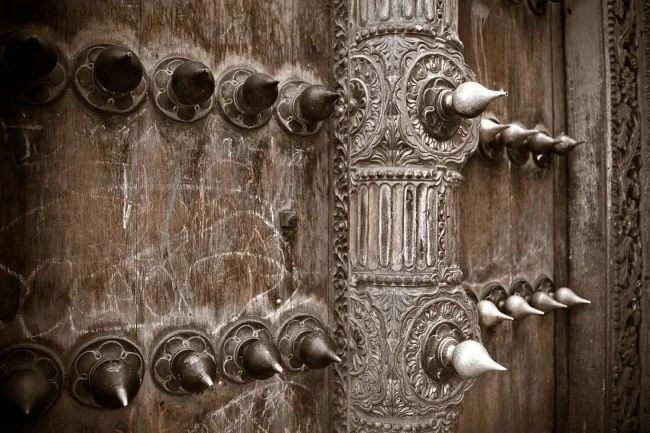
Stone Town adds history and architecture to an island stay. Make time to explore with a local guide.
8. Kiswahili connects Tanzania to a wider region
Kiswahili, also called Swahili, is a Bantu language used across East Africa and beyond. The University of Kansas language introduction explains its language family and coastal context. People use it each day in Tanzania, from town streets to shared public life.
One of the rewarding facts about Tanzania is that a few words can open a warmer conversation. Start with a polite greeting, listen to the response, and use asante for thank you. You do not need to speak at length to show that you are making an effort.
Tanzania also has many community languages and varied ways of life. Learning a shared language does not mean that every person has the same background. Ask your guide about the communities and places on your actual route.
Tell your planner if you want a guide who speaks your language or knows a topic well. A few words help you start a chat. For a tour or a key travel plan, make sure you and the guide can understand each other.
9. The union of Tanganyika and Zanzibar dates to 1964
Tanganyika and Zanzibar united on 26 April 1964. Tanzania's official government history of the union records the date and the two partners. The event is remembered on Union Day.
This is one of the facts about Tanzania that helps you understand the relationship between the mainland and islands. It also gives context to the histories you may hear in museums and on guided walks. The places in a modern holiday route each have their own local stories.
Travel can make that history more tangible. Ask a guide how a place changed through trade, colonial rule, independence, and the union. Let the explanation include the people and daily life behind the dates.
Keep historical facts separate from current travel rules. Entry, health, insurance, and local procedures need checking for the journey you will make. Use current official guidance and your confirmed plan rather than assuming that one historical fact answers every practical question.
10. Wild chimps live in Tanzania's western forests
Wildlife in Tanzania includes apes in the forest. Gombe National Park is known for wild chimps, and Jane Goodall began her research there in 1960. The Jane Goodall Institute Tanzania records the start of that research. TANAPA's Gombe guide describes the park's chimps.
This adds a different rhythm to the facts about Tanzania you may know from savanna images. Forest viewing can involve walking, listening, waiting, and following a guide through changing terrain. It is a separate experience from watching animals on an open plain.
A trip to the west needs time of its own. Ask about the flight or road journey, boat transfers where used, permits, fitness needs, and the current viewing rules. Check what applies to children and any health requirements before confirming the trip.
Respect the distance, health, and conduct rules given by the guide. Wildlife sightings and viewing conditions are never guaranteed. A thoughtful visit values the forest and the research context, as well as the chance to see chimps.
How to turn these facts about Tanzania into a holiday
Choose two or three main interests first. A mountain view, migration safari, museum stop, island stay, and western forest trek cannot all be treated as short detours. The map is large, and each transfer takes time.
For a first visit, a northern route can bring together wildlife, volcanic landscapes, and a museum stop about our past, where access is arranged. A Zanzibar extension adds a different pace and a chance to explore coastal history. A western forest trip may be better as a focused journey or a longer extension.
Use facts about Tanzania to guide questions, not to create a checklist that must be completed in one week. Tell your planner what you want to understand or experience. An extra night in one area can be worth more than a rushed stop in another.
Travel dates matter too. Match migration interests to a sector that fits your dates, check the conditions for a climb, and review the access to remote lodges. Ask for the actual route, nights, transport, and optional visits in writing.
Share the Tanzania facts that sparked your interest and let TanzaLux shape a route that fits you.
Explore these facts about Tanzania with care
Let each place explain itself through a knowledgeable guide and a little patience. In wildlife areas, follow park rules and avoid crowding animals. In museums and sites linked to our past, respect barriers and collection rules.
For towns and community visits, ask before taking close photos of people and follow the host's guidance on dress and behaviour. A market, home, or place of worship is part of someone's daily life. A respectful visit begins with listening.
Do not turn broad facts about Tanzania into assumptions about every person or place. Weather varies, wildlife moves, and local practices differ. Current advice from the relevant authority, guide, or host should shape what you do on the day.
Before travel, review your passport, visa, required insurance and health documents, flight rules, and final pickup details. Ask which activities are included and which need a separate booking. A clear plan leaves more time to enjoy what you came to discover.
Sample packages inspired by Tanzania's landscapes and history
These are sample tailor-made routes, not fixed departures or confirmed offers. Lodges, permits, flights, museum visits, guides, and transfers need checking for your dates. Your written quote should show the exact services and inclusions.
Nine days: Northern wildlife, geology, and human history
Day 1: arrive and stay in Arusha. Days 2–3: explore Tarangire. Day 4: travel to the Serengeti, with a museum stop considered only if access and timing fit. Days 5–6: enjoy game drives. Day 7: return towards the Ngorongoro highlands. Day 8: visit the crater and stay nearby. Day 9: transfer for departure.
This route puts several facts about Tanzania into context while keeping wildlife viewing central. Ask for any archaeology visit to be named in the plan, rather than assumed from the road route.
Request a nine-day private safari with wildlife, landscape, and history interests built in.
Twelve days: Northern safari and Zanzibar islands
Day 1: Arusha arrival. Day 2: Tarangire. Days 3–5: travel to and explore the Serengeti. Day 6: return towards Karatu. Day 7: visit the crater and continue to Arusha. Day 8: take a confirmed Zanzibar flight. Days 9–11: enjoy your island base, with a planned Stone Town visit if it fits. Day 12: depart.
The plan has seven mainland nights and four island nights. It uses one island base; Pemba or a smaller-island stay needs a different transfer plan. Check the exact flights and baggage rules before adding more stops.
Explore a safari and Zanzibar holiday designed around your pace and interests.
Eight days: A focused western Tanzania enquiry
Day 1: arrive in Dar es Salaam. Day 2: fly to Kigoma if a service that fits the route is offered. Days 3–5: transfer to a confirmed Gombe-area base and take approved guided activities. Day 6: return to Kigoma. Day 7: fly to Dar es Salaam and stay overnight. Day 8: depart.
Use this as a starting enquiry for a western trip, subject to flight and lodge options and specialist plans. Confirm boats, lodge access, permits, age limits, fitness needs, and the current health rules. This route focuses on forest and lake settings rather than adding a northern circuit.
Ask TanzaLux about a tailored western Tanzania extension and the plans needed.
Why travel with TanzaLux Safaris?
TanzaLux is a Tanzanian-owned company based in Arusha. Its planning approach builds around your dates, interests, budget, and preferred pace. That conversation can turn a broad wish to see Tanzania into a clear route.
Tell the team which facts about Tanzania made you curious. You may want more time with wildlife, a museum visit, a coastal stay, or a specialist guiding interest. Discuss those priorities before you choose the final hotels and flights.
Ask for the exact daily plan, guide plans, optional activities, and inclusions in the written proposal. Any remote extension or specialist visit needs to be confirmed. Good planning gives you time to ask questions and enjoy the country through the experiences that matter to you.
Start planning with TanzaLux Safaris and request a private Tanzania trip plan shaped around you.
Frequently asked questions
1. Which facts about Tanzania are most useful for a first visit?
Start with the range of landscapes and the distances between them. Mountains, northern parks, western forests, lakes, and islands need different plans. Choose a few main interests and allow enough time for the route.
2. Is Mount Kilimanjaro in Tanzania?
Yes. Mount Kilimanjaro is in Tanzania and rises to 5,895 metres above sea level. It is Africa's highest mountain. You can enjoy a view of the mountain or plan a full summit trek. Each calls for a different trip.
3. Can everyone add a Kilimanjaro summit to a safari?
A full climb needs a separate guided plan, preparation, the right gear, and time to adjust to altitude. Discuss fitness and health with trained experts. Do not treat it as a quick extra stop during a short safari.
4. Does the Great Migration remain in one place?
No. The herds move through the wider Serengeti–Mara ecosystem. Match your dates and camp location to the seasonal pattern, while allowing for changing conditions. The exact location of wild animals cannot be promised.
5. Can a river crossing be guaranteed?
No. A guide can help you choose an appropriate area and spend time observing, but the animals decide when to move. The migration also offers grazing, calving, and other scenes beyond river crossings.
6. What formed Ngorongoro Crater?
It is a volcanic caldera formed through the collapse of an ancient volcano. The surrounding landscape adds to the experience of a crater visit. Ask your guide to explain the rim, floor, and wider highlands.
7. Is the crater the whole Ngorongoro Conservation Area?
No. The conservation area extends beyond the crater and includes varied landscapes and key sites linked to our past. A road journey through the area does not automatically include a crater descent or museum visit.
8. How old are the Laetoli footprints?
They date to about 3.6 million years ago and show early human ancestors walking upright. They help us learn more about our past. Ask what you can see during an approved visit before planning a stop.
9. Are Laetoli and Olduvai Gorge the same place?
No. They are distinct sites in the broader Ngorongoro region. Both are key to the study of human origins. Ask which place or museum is included in your actual trip plan.
10. Does Lake Victoria belong only to Tanzania?
No. Tanzania shares Lake Victoria with Uganda and Kenya. It is Africa's largest lake by surface area. Choose the part of the shore that fits your travel interests and transport plan.
11. Why is Lake Tanganyika famous?
It is the world's second-deepest lake and is shared by four countries. Tanzania has part of its eastern shore. A lake journey needs a specific plan for access, lodging, and any water activities.
12. Where does tanzanite come from?
Its commercial source is the Merelani Hills in northern Tanzania. Tanzanite is a blue-violet variety of zoisite. Ask a gem expert to check a costly stone. Get its details and a receipt in writing.
13. Is Zanzibar a single island?
Zanzibar is a group of islands. Unguja and Pemba are its two main islands, with smaller islands nearby. Check the exact island, hotel, and transfer route when you book.
14. Is Stone Town worth adding to a beach stay?
It can add cultural and historical context to an island holiday. Consider a guided visit that suits your interests and walking comfort. Leave time to explore rather than treating it only as an airport stop.
15. Are Swahili and Kiswahili different languages?
They are two names commonly used for the same language. Kiswahili is a Bantu language with a wide regional role. A few polite words can be useful, while detailed guiding needs clear communication.
16. Does everyone in Tanzania speak the same first language?
No. Tanzania has many community languages and varied backgrounds. Kiswahili helps communication across communities. Ask about the places and people on your route rather than assuming one experience represents everyone.
17. What happened on 26 April 1964?
Tanganyika and Zanzibar united, forming the union that underlies present-day Tanzania. The date is remembered as Union Day. Museums and local guides can help explain the wider story of the past.
18. Can I see wild chimps in Tanzania?
Gombe is one place to plan a guided chimpanzee-focused visit. Confirm access, permits, fitness needs, age rules, and health precautions for your dates. Sightings and the ease of viewing are not guaranteed.
19. Can I experience all ten facts in one short trip?
A short trip is better focused on a few interests. These facts cover distant regions and different types of visit. Allow more time or plan a return journey if you want both northern and western experiences.
20. How can TanzaLux help plan a trip around these facts?
Send your dates, group size, interests, and preferred pace through the linked enquiry page above. Mention the facts about Tanzania that most appeal to you. Ask for the route, activities, guiding, and inclusions in a written proposal.
Ready to start planning?
Tell us your dates and what you're after — no obligation.