 5.0 Excellent
Dorine M11 months ago

Grateful experience
As a solo female traveler, I felt super safe and well taken care of the entire time.
Read more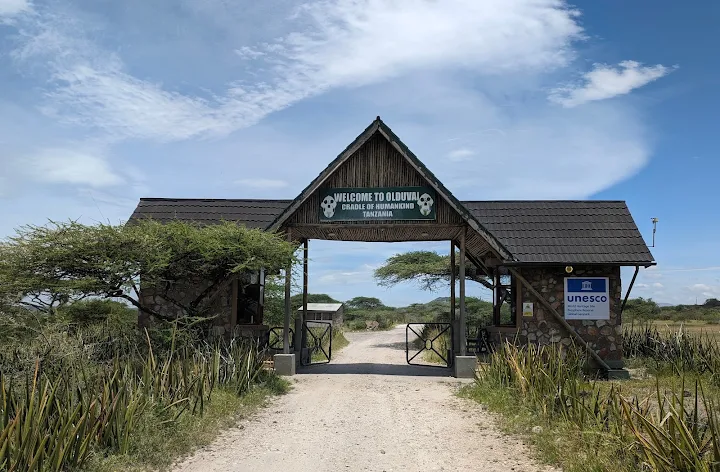
Northern Circuit
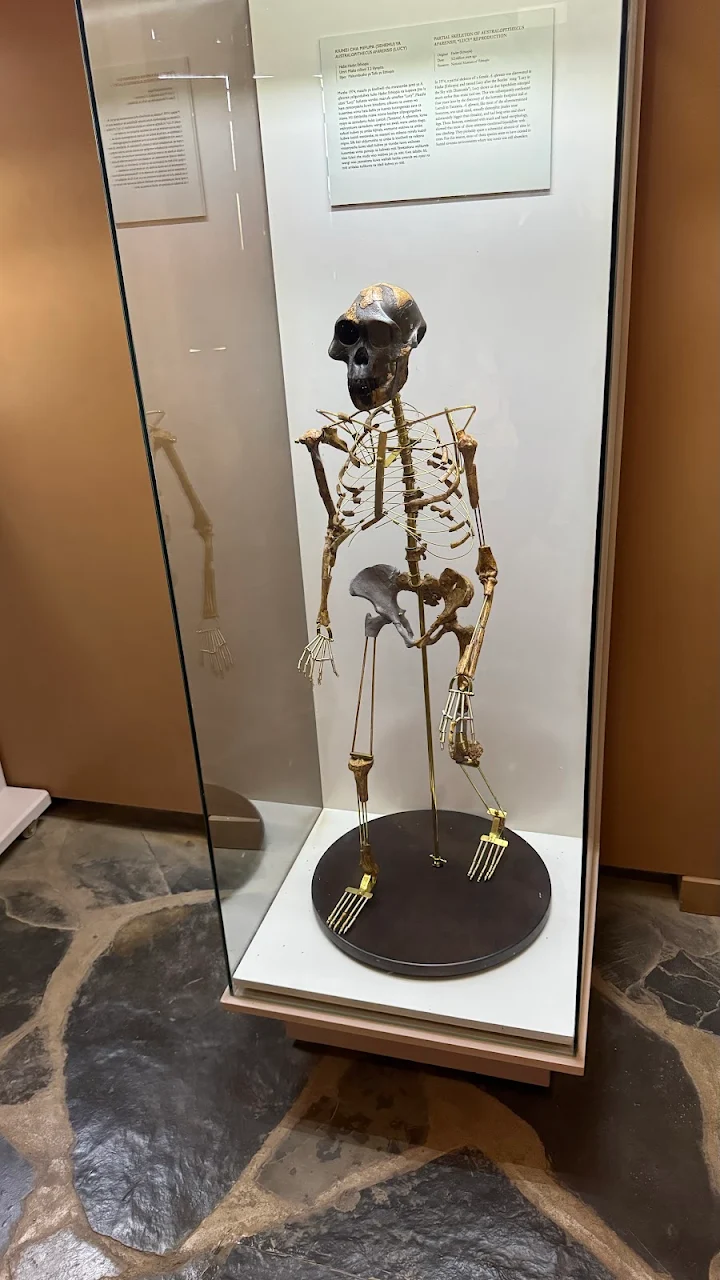
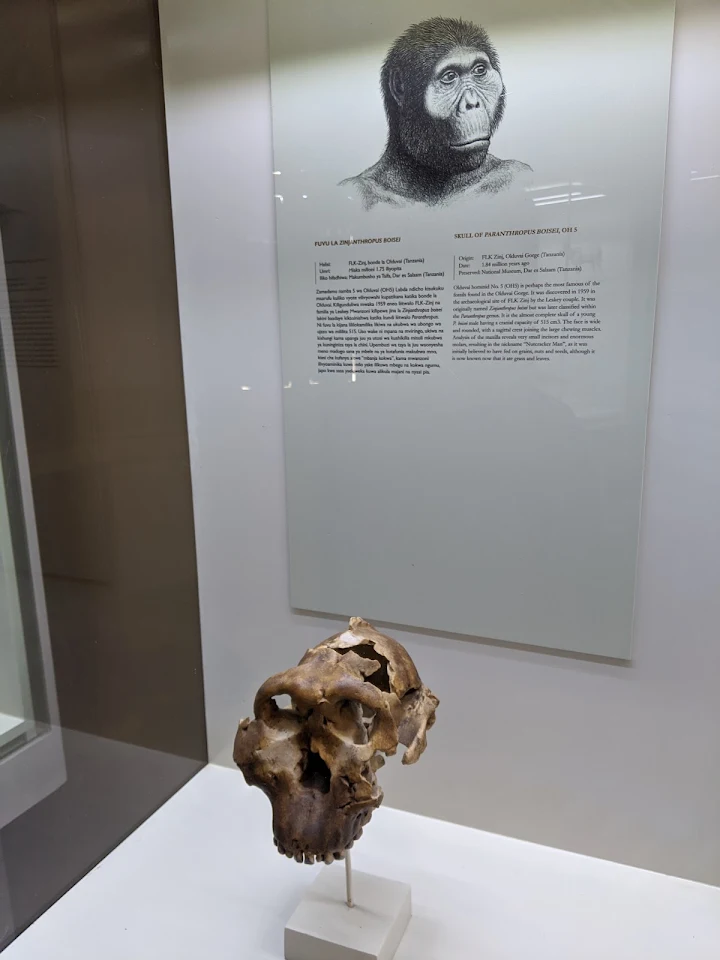
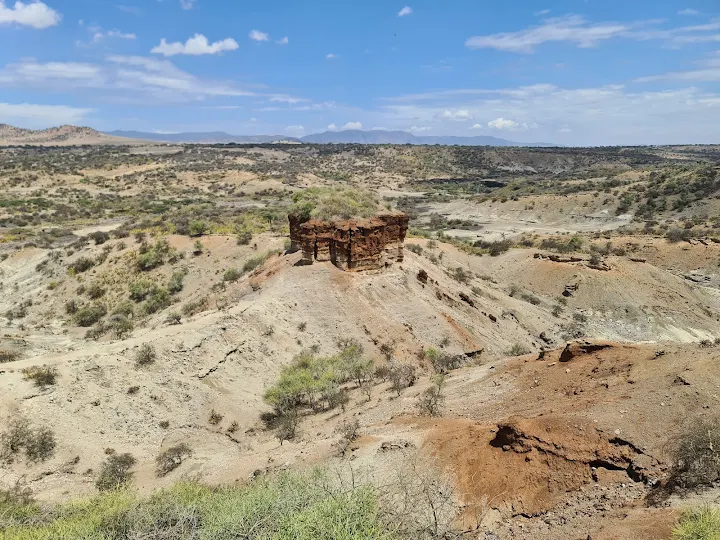
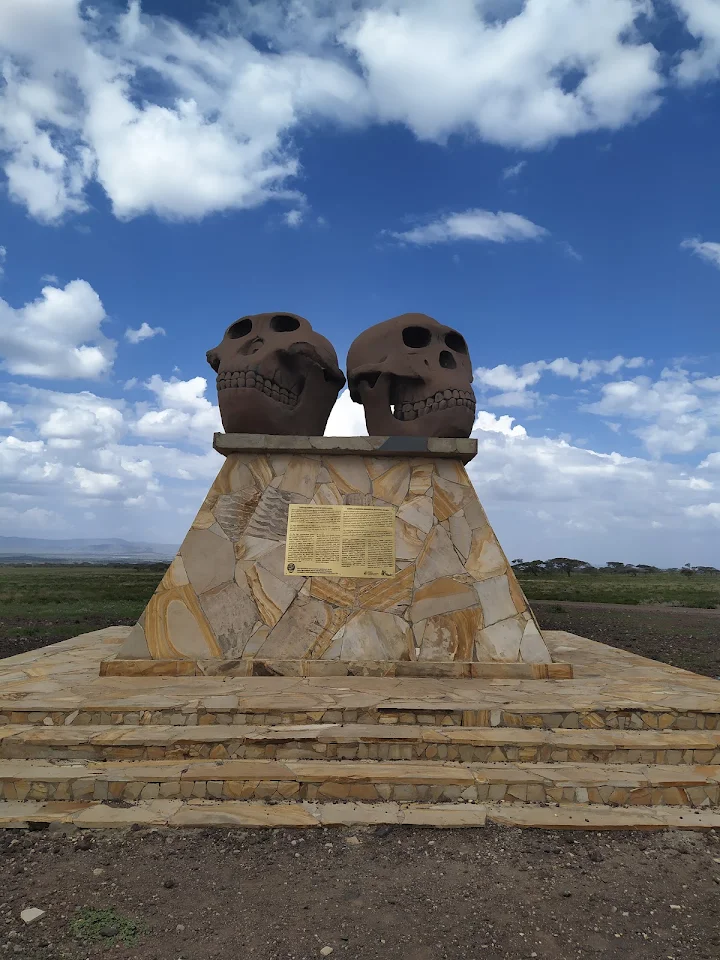
Olduvai Gorge is one of Tanzania’s most significant archaeological destinations and one of the most influential sites in the study of human evolution. Located within the Ngorongoro Conservation Area in northern Tanzania, the gorge is a long, deeply eroded ravine surrounded by the grasslands and volcanic landscapes of the eastern Serengeti region. The gorge is famous for preserving a remarkable sequence of geological layers containing fossils, stone tools, animal remains, and other evidence of ancient environments. These deposits have helped researchers investigate how early hominins lived, moved, obtained food, used tools, and adapted to changing landscapes over a period of millions of years. Olduvai Gorge became internationally recognised through the pioneering work of archaeologists and palaeoanthropologists, including Mary and Louis Leakey and other researchers. Important discoveries associated with the site include remains of Australopithecus boisei, historically known as Zinjanthropus, as well as evidence linked to Homo habilis and Homo erectus. The discoveries have contributed significantly to scientific understanding of early human development, technology, and behaviour. The gorge is also important because it reveals the relationship between human evolution and environmental change. Volcanic activity, shifting lakes, rivers, grasslands, and changing animal communities helped create the layers in which fossils and archaeological materials were preserved. The surrounding landscape therefore provides an opportunity to understand not only ancient human ancestors but also the ecosystems in which they lived. Visitors can explore the Olduvai Gorge Museum and designated interpretation areas, view the dramatic ravine from suitable viewpoints, and learn about archaeological excavations through explanations from qualified guides. Some excavation areas are protected, and access to archaeological locations is controlled to help preserve the site for future research and education. Olduvai Gorge is often visited during a Northern Tanzania safari between the Ngorongoro Conservation Area and Serengeti National Park. It can also be combined with the Ngorongoro Crater, Ndutu Plains, Laetoli Footprints, Empakaai Crater, or other cultural and geological attractions in the region. A visit to Olduvai Gorge is especially rewarding for travellers interested in human history, archaeology, geology, anthropology, photography, education, and the deeper story behind Tanzania’s famous safari landscapes. With TanzaLux Safaris, your Olduvai Gorge visit can be arranged as part of a private and carefully planned safari itinerary, allowing you to explore the archaeological site while also experiencing the wildlife, landscapes, and cultural heritage of northern Tanzania.
March to May is generally associated with the long rains in northern Tanzania. The surrounding grasslands may become greener, creating attractive scenery for photography, but rainfall can affect road conditions and travel schedules. Some unpaved routes may become muddy, and access to certain outdoor areas may be more difficult after heavy rain. The museum and archaeological interpretation experience may still be valuable, but visitors should allow flexibility in their itinerary and confirm current access conditions before travelling.
November and December may bring short rains that refresh the surrounding landscape and create beautiful contrasts between the gorge, grasslands, and volcanic hills. January and February are often relatively warm and can be suitable for visiting the archaeological site, although daytime temperatures may be high. Visitor numbers may vary, and occasional rain can affect road travel. Early visits are generally more comfortable for outdoor exploration and photography.
June to October is generally a favourable period to visit Olduvai Gorge because conditions are often drier and roads may be easier to navigate. The cooler and usually more stable weather is suitable for archaeological tours, photography, and combining the gorge with Ngorongoro Crater or Serengeti National Park. This is also a popular safari season, so travellers should plan their itinerary in advance. The gorge can be visited throughout the year, subject to official access arrangements and weather conditions.
Olduvai Gorge is located within the Ngorongoro Conservation Area in northern Tanzania, between the Ngorongoro highlands and the Serengeti plains. It is commonly visited as part of a Northern Tanzania safari connecting Ngorongoro Crater with Serengeti National Park. Most international travellers arrive through Kilimanjaro International Airport and transfer to Arusha before beginning their safari. From Arusha, the journey to Olduvai Gorge generally takes most of a day, depending on the selected route, road conditions, traffic, and sightseeing stops. Travellers visiting Olduvai Gorge as part of a Ngorongoro itinerary usually travel through the Karatu area and enter the Ngorongoro Conservation Area before continuing towards the gorge. Visitors travelling from the Serengeti may approach the site from the western or central sections of the conservation area, depending on their safari route. The roads in the wider conservation area include gravel and rough sections, so a suitable 4x4 safari vehicle is recommended. Travel times can change during the rainy season or when road conditions are affected by heavy rainfall. Olduvai Gorge has a museum and interpretation facilities near the site. Visits to the actual archaeological excavation areas must be arranged according to official regulations and should be conducted with an authorised guide. Some locations may be restricted to protect sensitive archaeological deposits and ongoing research. Olduvai Gorge can be combined with Ngorongoro Crater, Serengeti National Park, the Laetoli Footprints, Ndutu Plains, Empakaai Crater, or other attractions within the Ngorongoro Conservation Area. TanzaLux Safaris can include Olduvai Gorge in a private Northern Tanzania itinerary based on your interests in archaeology, human evolution, wildlife, photography, geology, or cultural heritage.
Olduvai Gorge is located within Tanzania’s Ngorongoro Conservation Area in northern Tanzania, between the Ngorongoro highlands and the Serengeti plains.
Olduvai Gorge is famous for its archaeological and palaeoanthropological discoveries, including fossils, stone tools, and evidence that has helped scientists understand human evolution over millions of years.
Olduvai Gorge and Oldupai Gorge refer to the same archaeological site. “Olduvai” is the internationally recognised spelling, while “Oldupai” is also used in official and local contexts.
Olduvai Gorge is approximately 14 kilometres long. It is a deeply eroded ravine containing geological layers that preserve important archaeological and fossil evidence.
Olduvai Gorge contains fossils, stone tools, and other evidence associated with early hominins. These discoveries have helped researchers study human ancestry, early technology, behaviour, and the environments in which ancient human relatives lived.
Important discoveries associated with Olduvai Gorge include remains of Australopithecus boisei, historically called Zinjanthropus, as well as evidence linked to Homo habilis and Homo erectus. The site has also produced numerous early stone tools and animal fossils.
Mary and Louis Leakey were pioneering archaeologists and palaeoanthropologists whose research at Olduvai Gorge helped establish the site as one of the world’s most important locations for studying human evolution.
Access to archaeological excavation areas is controlled and must follow official regulations. Visitors should explore the site with an authorised guide, and some sensitive locations may be restricted to protect archaeological resources and ongoing research.
Olduvai Gorge is primarily an archaeological, geological, and educational destination rather than a traditional wildlife safari location. Wildlife may be seen in the surrounding Ngorongoro Conservation Area or while travelling between Olduvai Gorge, Ngorongoro Crater, and Serengeti National Park.
Yes. Olduvai Gorge can be included in a safari itinerary that visits Ngorongoro Crater. The timing depends on the chosen route, road conditions, conservation-area procedures, and the wider travel programme.
Yes. TanzaLux Safaris can include Olduvai Gorge in a private Northern Tanzania safari. Your itinerary can combine archaeology and human-evolution experiences with Ngorongoro Crater, Serengeti National Park, Laetoli, or other cultural and natural attractions.
June to October is generally favourable because the weather is often drier and road conditions may be easier. Olduvai Gorge can be visited throughout the year, although rain may affect travel conditions during the wet seasons.
Many visitors spend approximately one to two hours exploring the museum, viewpoints, and interpretation areas. Travellers with a strong interest in archaeology or human evolution may wish to allow additional time, depending on the official programme and their safari schedule.
Grateful experience
As a solo female traveler, I felt super safe and well taken care of the entire time.
Read morePrivate Safari 6 days
I can only highly recommend the young company Tanzalux for organizing a private safari.
Read moreAn unforgettable vegetarian journey with Tanzalux Safaris
I highly recommend Tanzalux for anyone wanting a special, personalized safari.
Read moreOur 3-day camping safari with Tanzalux was simply fantastic! Everything was perfectly organized.
Read moreBack in April, I joined a day trip to Tarangire National Park with Tanzalux Safaris, and it was truly one of the best experiences I have ever had…
Read moreI've had an amazing experience with Tanzalux Safaris, would 1000% recommend! Thank you for making my trip so special🫶
Read moreI recently visited Meru Waterfalls in Arusha and got to do some of the activities there, honestly it was such a great experience and I really enjoyed it.
Read moreOur guide Dullah Mr Rastaman had the best vibe. I would like to recommend other people not to miss it, Tarangire is the best national park.
Read moreOur tour guide Nasri was very friendly and welcoming from the first day we met him. He knows Tarangire very well and explained many things during the safari.
Read moreAs a grandmother in the group, I would like to share my happiness with Tanzalux Safaris. Me, my daughters, and my grandson went on a short trip to Tarangire National Park…
Read moreReceive a free, no obligation quote

 Northern Circuit
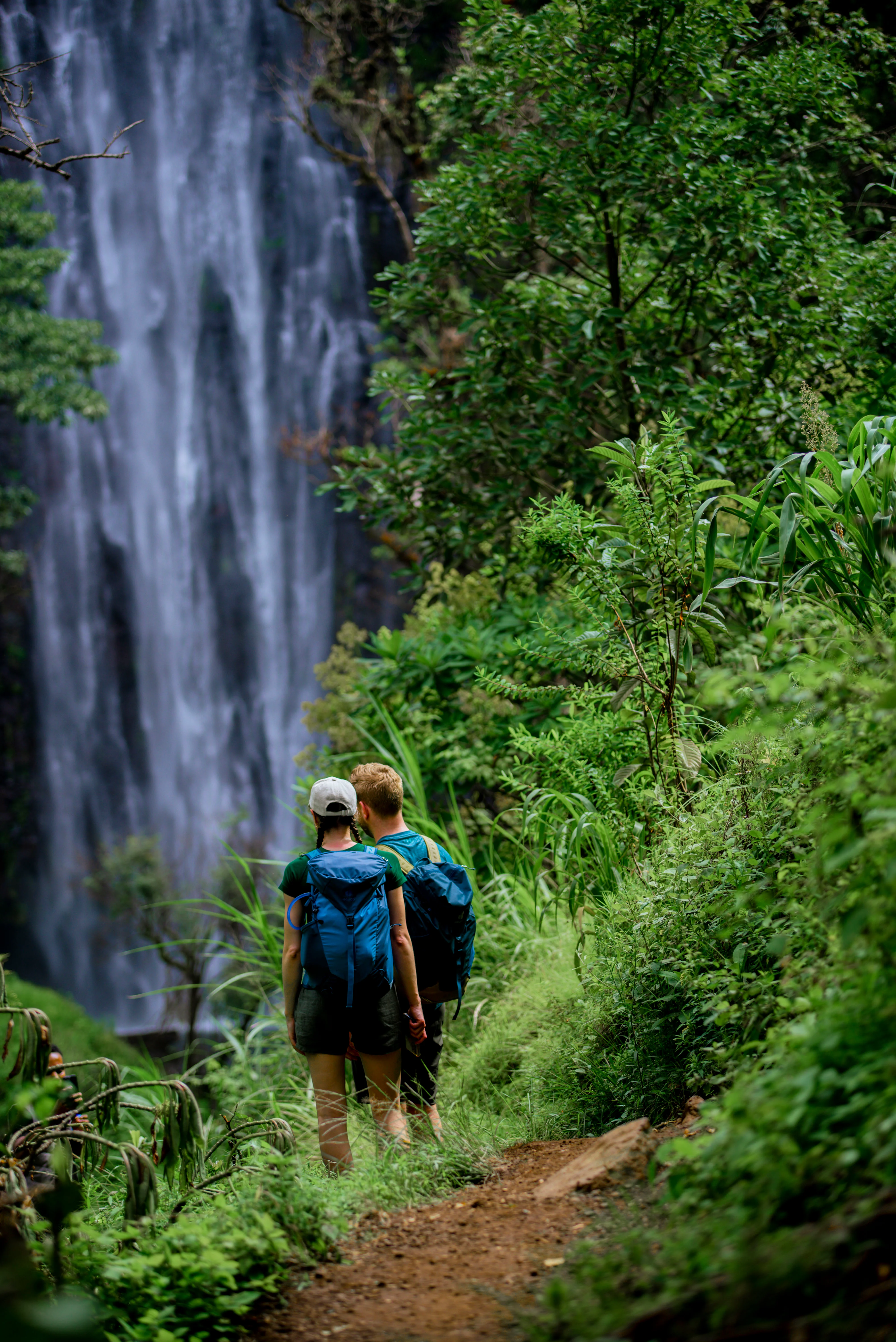
Materuni Waterfall is one of the most rewarding nature and cultural experiences near Mount Kilimanjaro, offering travellers a beautiful combination of hiking, waterfalls, coffee, Chagga culture and mountain scenery. Located in Materuni Village on the green southern slopes of Mount Kilimanjaro, approximately 15 kilometres from Moshi, the waterfall is reached by a scenic guided walk through the countryside. The trail passes through coffee farms, banana plantations, tropical vegetation and Chagga farmland before arriving at the impressive Materuni Waterfall, where water plunges into a natural pool surrounded by lush vegetation. The waterfall is commonly described as approximately 80 metres high, although published measurements vary. The journey to the falls is part of the experience, with local guides explaining the plants, farming practices, landscape and everyday life of the Chagga people along the way. Materuni is much more than a waterfall. A traditional coffee experience can introduce visitors to the journey from coffee cherry to cup, including harvesting, processing, roasting, grinding and tasting freshly prepared coffee. Visitors can also enjoy a traditional local meal and learn about Chagga culture and village life. With TanzaLux Safaris, Materuni Waterfall can be arranged as a private day trip from Moshi or Arusha and combined with a Chagga coffee experience, cultural visit or Chemka Hot Springs. It is also an excellent experience before or after a Mount Kilimanjaro climb. For travellers looking for authentic experiences beyond traditional wildlife safaris, Materuni offers a memorable opportunity to experience the landscapes, people, agriculture and culture of northern Tanzania.
Wildlife
Chameleons & Blue Monkeys
Landscape
Waterfall & Cultural Attraction
Highlights
Materuni Waterfall
 Northern Circuit
Where giants roam and baobabs stand tall.
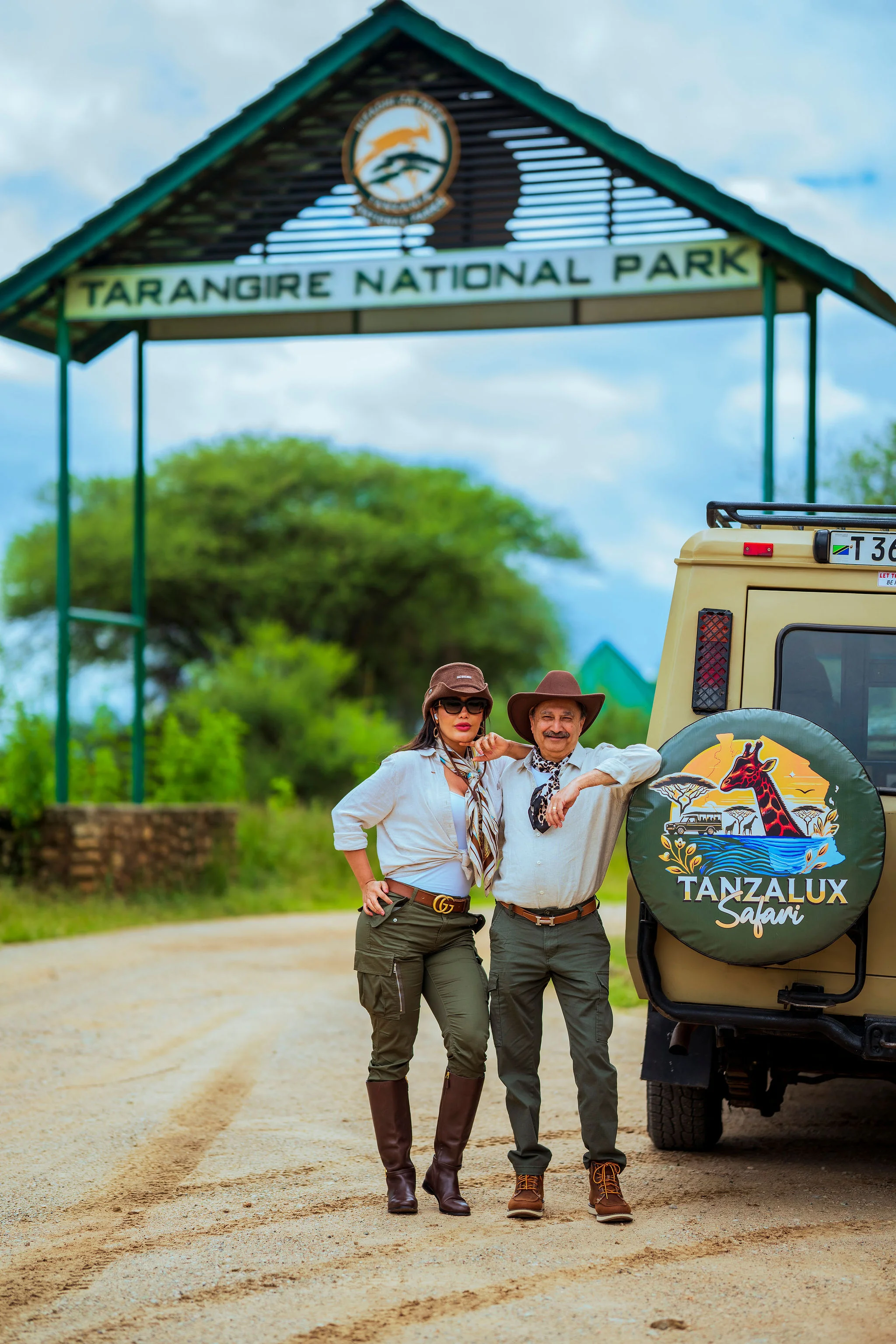
Tarangire National Park is one of Tanzania’s most distinctive safari destinations, famous for its large elephant herds, ancient baobab trees, seasonal wildlife movements and the life-giving Tarangire River. Located in northern Tanzania, Tarangire offers a more intimate and peaceful safari experience while delivering some of the country’s most impressive wildlife encounters. Covering approximately 2,850 square kilometres, Tarangire is part of the wider Manyara-Tarangire ecosystem. The park’s landscape combines open savannah, acacia woodland, riverine forests, seasonal swamps, termite-mound plains and iconic baobab-studded hills. The Tarangire River is a vital source of water during the dry season, attracting large concentrations of elephants, buffaloes, zebras, wildebeest and other wildlife. Tarangire is particularly famous for its elephants. Large family herds can often be seen moving beneath baobabs, crossing open plains or gathering near water. Visitors may also encounter lions, leopards, cheetahs, hyenas, giraffes, zebras, wildebeest, buffaloes, warthogs, antelopes and many other species. The park is also an exceptional birding destination, with more than 500 species recorded, making it an excellent choice for wildlife photographers and bird enthusiasts. With TanzaLux Safaris, Tarangire can be explored as a private safari from Arusha or combined with Ngorongoro Crater, Serengeti, Lake Manyara and other Northern Tanzania destinations. Whether you want a luxury Tanzania safari, private camping adventure, family safari, honeymoon or photography-focused journey, we design your experience around your interests and travel style.
Wildlife
African Elephant & Lion
Landscape
Baobab trees & riverine forests
Highlights
Tarangire River
 Northern Circuit
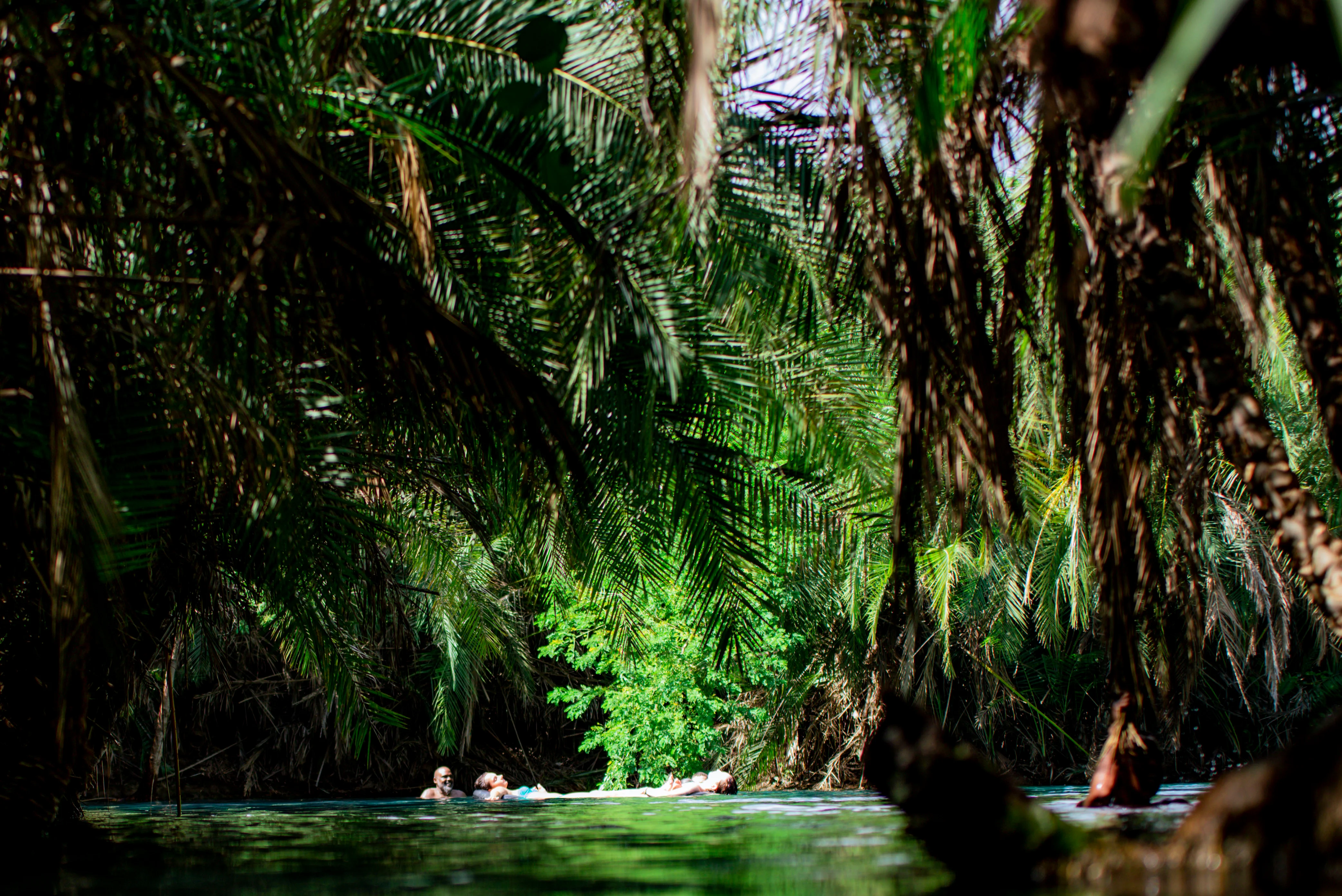
Chemka Hot Springs, also known as Kikuletwa Hot Springs, Maji Moto or Rundugai Hot Springs, is one of northern Tanzania's most distinctive natural swimming and relaxation destinations. Hidden in the rural landscape of Kilimanjaro Region, the spring creates a striking turquoise oasis surrounded by trees, roots and dry plains. Despite the name "hot springs," Chemka is not a boiling thermal pool. The water is pleasantly warm and comfortable for swimming, with published sources commonly placing the temperature around 25–30°C. The name Chemka refers to the bubbling or boiling appearance of water emerging from underground. The clear spring water, natural pools, shaded trees and peaceful surroundings make Chemka an ideal place to swim, relax, take photographs and enjoy a slower side of Tanzania beyond traditional wildlife safaris. Chemka is located in the Rundugai area between Moshi and Arusha and is particularly popular as a day trip from Moshi. It can also be incorporated into a private northern Tanzania itinerary before or after a Kilimanjaro climb, safari, Materuni Waterfalls experience or other activities around the Kilimanjaro region. With TanzaLux Safaris, a Chemka Hot Springs experience can be arranged as a private day trip with comfortable transport, local guidance, swimming time, relaxation and an itinerary designed around your Tanzania holiday.
Wildlife
Tropical Birdlife & Small Fish
Landscape
Natural Hot Spring / Swimming & Nature Attraction
Highlights
Crystal-Clear Turquoise Water
 Northern Circuit
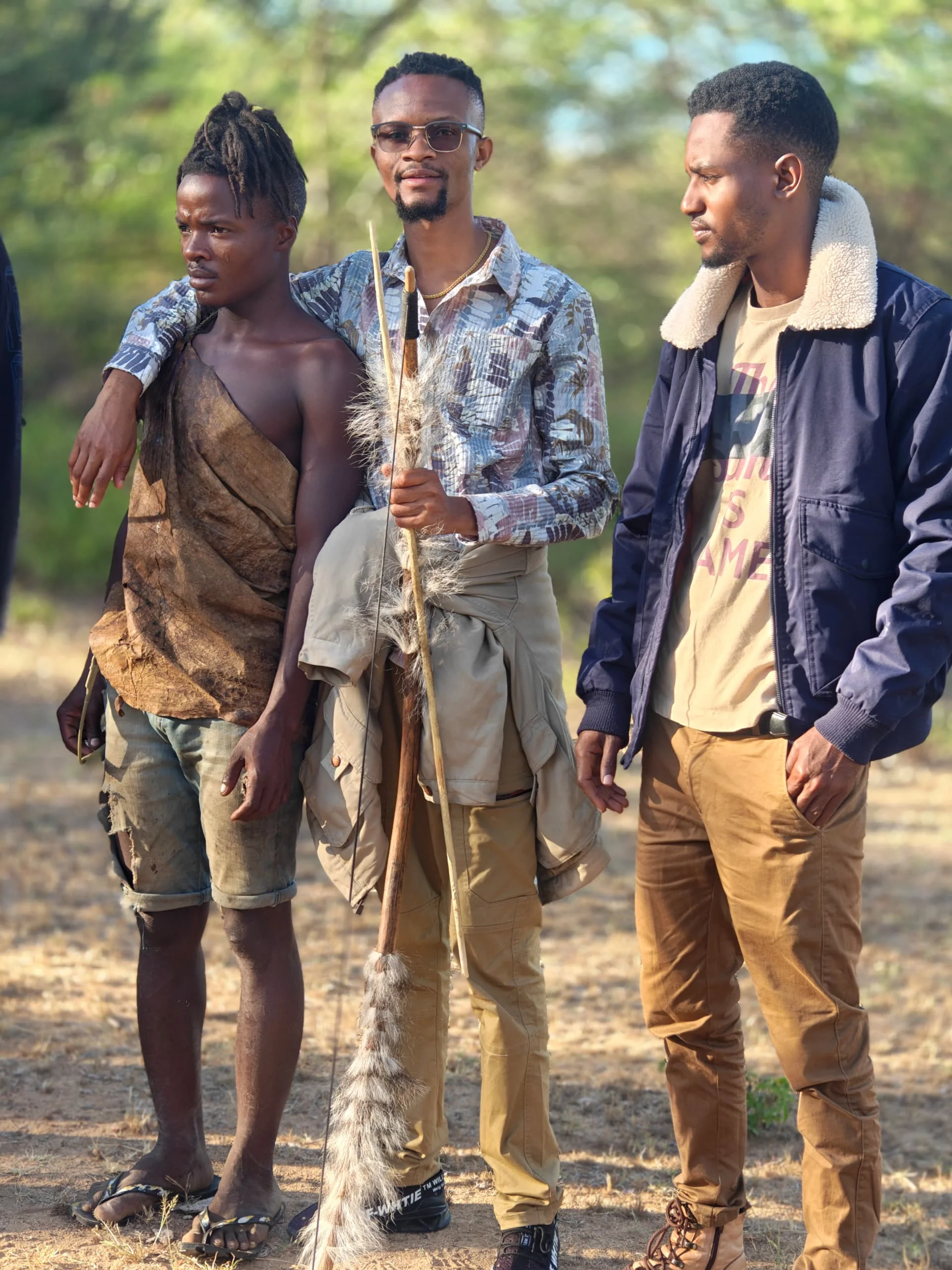
Lake Eyasi is one of northern Tanzania’s most distinctive off-the-beaten-path destinations. Situated on the floor of the Great Rift Valley, southwest of the Ngorongoro Highlands, the lake is surrounded by dry woodland, acacia scrub, rocky landscapes, seasonal wetlands, and dramatic escarpments. Unlike the famous wildlife destinations of the Northern Safari Circuit, Lake Eyasi offers a different kind of travel experience. The area is best known for its living cultural heritage, particularly the Hadzabe and Datoga communities who have strong historical and cultural connections to the surrounding landscape. The Hadzabe are an Indigenous hunter-gatherer people whose traditional livelihoods include gathering wild foods, hunting, and maintaining detailed knowledge of the local environment. During a locally arranged visit, travellers may have the opportunity to learn about traditional tracking, the use of bows and arrows, fire-making techniques, wild foods, and the relationship between the Hadzabe and their natural surroundings. The Datoga are a pastoralist community found in the wider Lake Eyasi region. Some Datoga communities are also recognised for their metalworking skills. A cultural visit may include observing traditional blacksmithing, jewellery-making, or the production of practical tools. Activities depend on the community visited and should always be arranged through trusted local guides. Lake Eyasi itself is a shallow, seasonal alkaline lake with dramatically changing water levels. During wetter periods, the lake can attract flamingos, pelicans, storks, and other waterbirds. In dry periods, parts of the lake may recede considerably, exposing salt-encrusted surfaces and creating a stark, photographic landscape. The surrounding region also offers opportunities for guided nature walks, birdwatching, landscape photography, cultural learning, and visits to nearby archaeological or historical sites where access is permitted. Lake Eyasi is best experienced slowly and respectfully. It is suitable for travellers who want to understand Tanzania beyond wildlife viewing and who appreciate meaningful encounters, local knowledge, cultural diversity, and remote landscapes. TanzaLux Safaris can include Lake Eyasi in a personalised Northern Tanzania itinerary, particularly alongside Ngorongoro Crater, Karatu, Lake Manyara, Serengeti National Park, or other cultural destinations.
Wildlife
Greater Flamingo & Lesser Flamingo
Landscape
Cultural Tourism / Rift Valley Lake / Indigenous Culture / Community-Based Tourism / Birdwatching / Nature & Photography
Highlights
Hadzabe Cultural Experience
 Northern Circuit
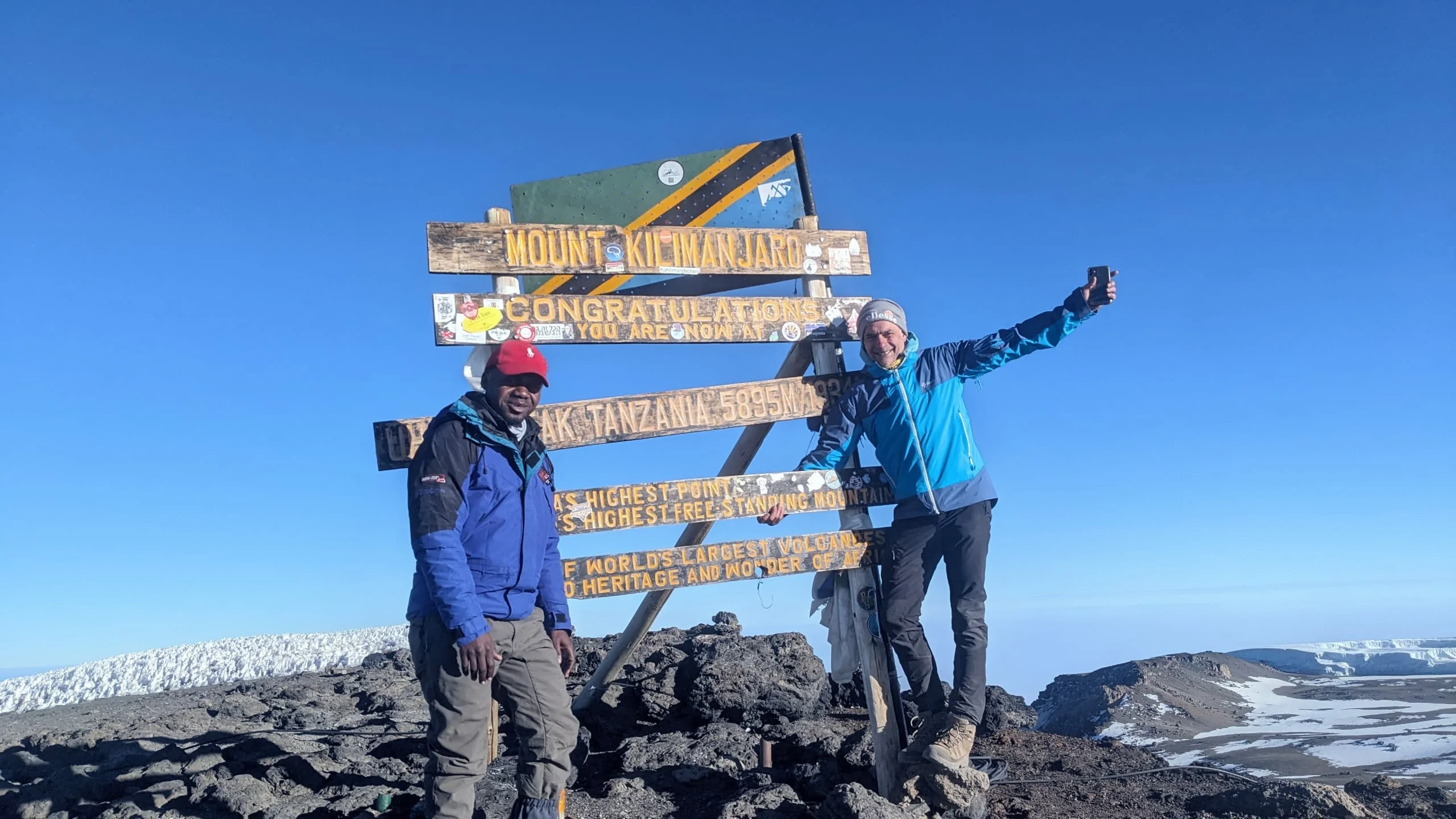
Mount Kilimanjaro is Tanzania's most iconic mountain and the highest peak in Africa, rising to 5,895 metres above sea level. Located in northern Tanzania near Moshi, Kilimanjaro is also the world's highest free-standing mountain and one of Africa's most extraordinary trekking destinations. Kilimanjaro is a volcanic massif formed by three major volcanic cones: Kibo, Mawenzi and Shira. Kibo is the highest and contains Uhuru Peak, the summit that attracts trekkers from around the world. Mawenzi rises to 5,149 metres, while the Shira Plateau reaches approximately 3,962 metres. One of the mountain's greatest attractions is the dramatic change in scenery with altitude. A Kilimanjaro trek can pass through cultivated foothills, lush montane forest, heath and moorland, alpine desert and finally the high-altitude summit environment of Kibo. Travelers can choose from several established routes, including Machame, Marangu, Lemosho, Rongai, Northern Circuit and Umbwe. Each route has a different character, landscape, camping or hut arrangements and acclimatization profile. Beyond reaching Uhuru Peak, Kilimanjaro offers an opportunity to experience Tanzania's mountain landscapes, local Chagga heritage, remarkable biodiversity and changing ecosystems in one unforgettable journey. TanzaLux Safaris provides private Kilimanjaro trekking experiences with professional mountain guides, carefully planned itineraries, porters, accommodation before and after the climb, park arrangements and personalized support from arrival to summit and descent.
Wildlife
Black-and-White Colobus Monkeys & Blue Monkeys
Landscape
Northern Circuit
Highlights
Uhuru Peak – 5,895 Metres
 Northern Circuit
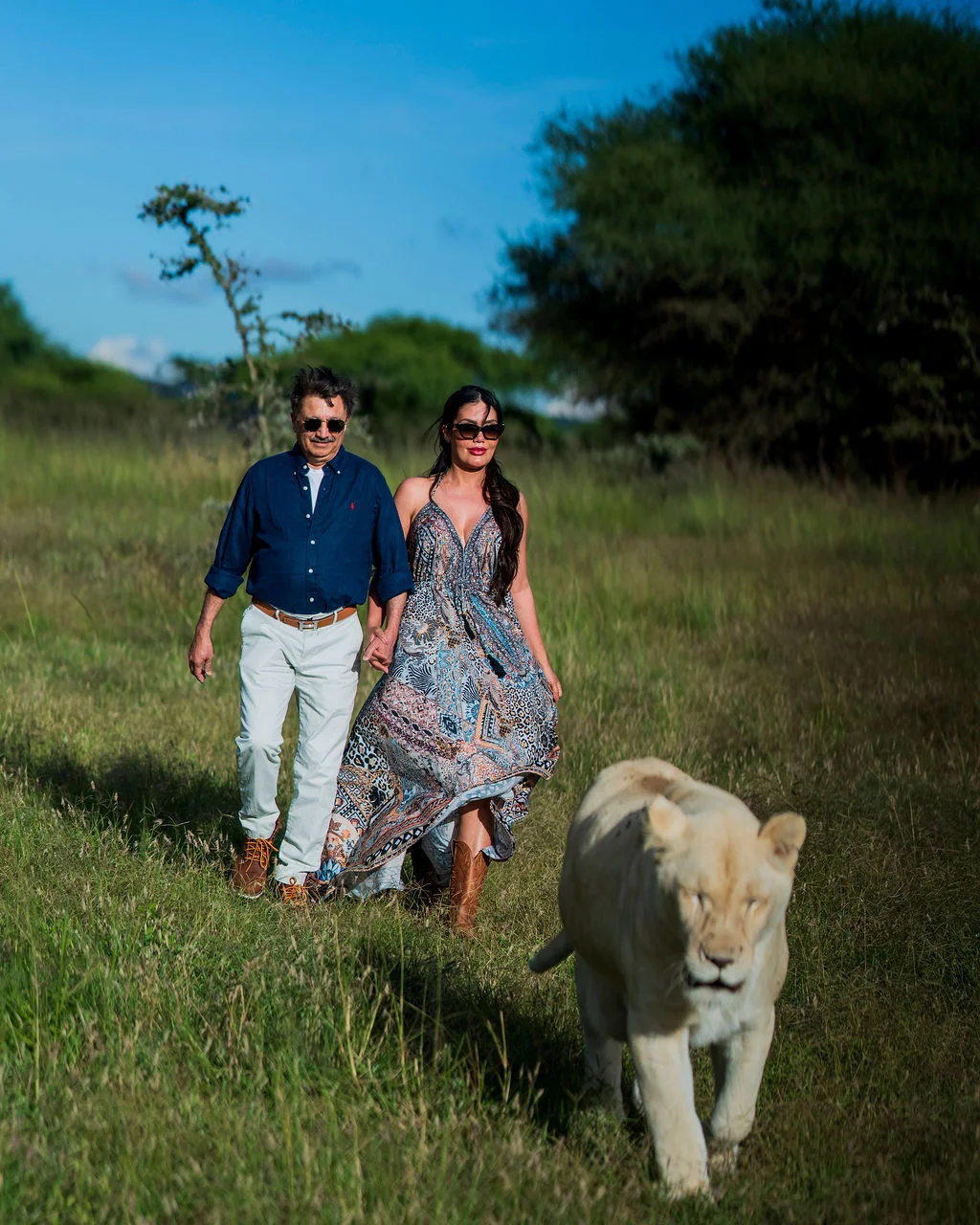
Serval Wildlife Sanctuary Tanzania is a distinctive wildlife and eco-tourism destination located in the Kilimanjaro area of northern Tanzania. It provides travelers with an opportunity to discover African wildlife in a peaceful, carefully managed environment while learning more about animal behavior, conservation, and the importance of protecting natural habitats. Unlike the traditional safari experience of searching for wildlife from a 4x4 vehicle in a national park, Serval Wildlife offers a more intimate and educational experience. Visitors may observe selected animals at close range, take photographs, and learn about the individual characteristics and behavior of the wildlife under the care of the sanctuary. Animal interactions are subject to the animals’ behavior, welfare requirements, and the sanctuary’s operating guidelines. The destination is especially suitable for families, couples, photographers, first-time visitors to Tanzania, and travelers who want to include a relaxed wildlife experience before or after a safari, Kilimanjaro adventure, or northern Tanzania itinerary. Serval Wildlife can be incorporated into a customized itinerary with TanzaLux Safaris, together with destinations such as Arusha National Park, Mount Kilimanjaro, Materuni Waterfalls, Chemka Hot Springs, Lake Duluti, Tarangire National Park, and other attractions in northern Tanzania. For travelers seeking a combination of nature, wildlife, photography, and conservation-focused tourism, Serval Wildlife offers a memorable alternative to a conventional national park visit.
Wildlife
Giraffes & Colobus monkeys
Landscape
Wildlife Sanctuary / Eco-Tourism / Family Experience / Wildlife Photography / Conservation Tourism / Luxury Day Trip
Highlights
Experience selected African wildlife in a peaceful, carefully managed natural environment.