 5.0 Excellent

.webp?alt=media&token=f627a904-5c46-4630-958e-02e014ed994d)
.webp?alt=media&token=8666f0ba-8587-47d0-b6df-e58576e46145)
.webp?alt=media&token=a196ee7b-bcc4-4b43-9795-a702f9c5f9fd)
.webp?alt=media&token=cabf3365-6734-47f2-97ef-a7329f234872)
.webp?alt=media&token=a537fbc0-1846-40ca-b6c1-025be8841e80)












Dorine M1 year ago

Grateful experience
As a solo female traveler, I felt super safe and well taken care of the entire time.
Read more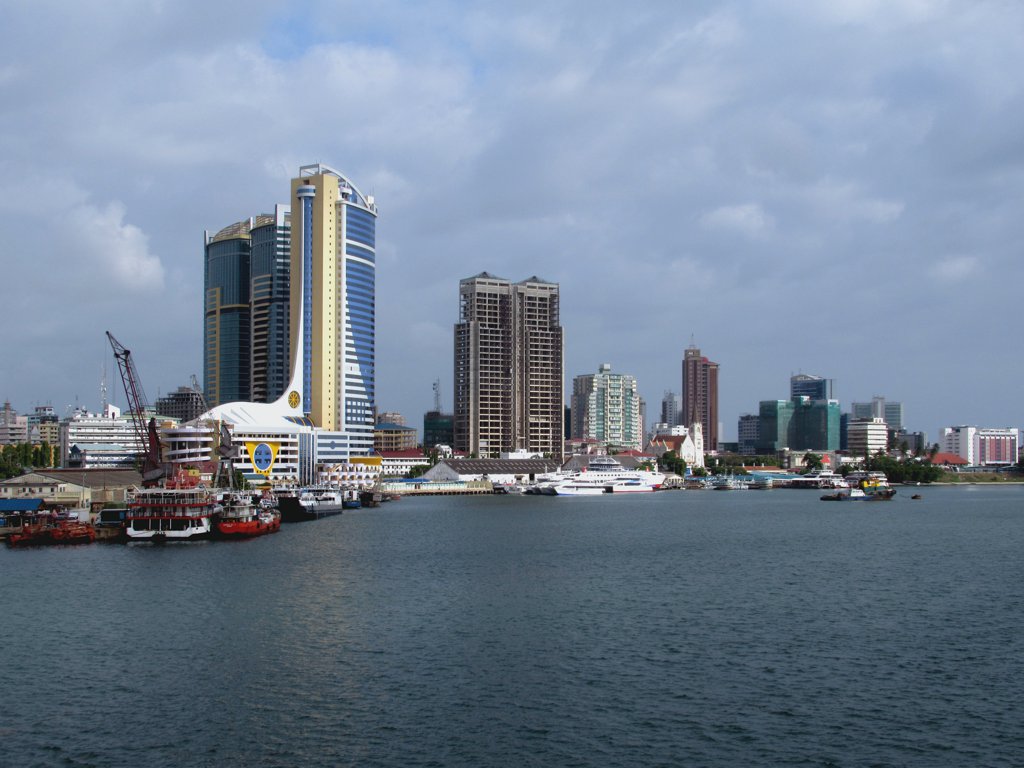
Eastern Circuit / Dar es Salaam Region, Tanzania
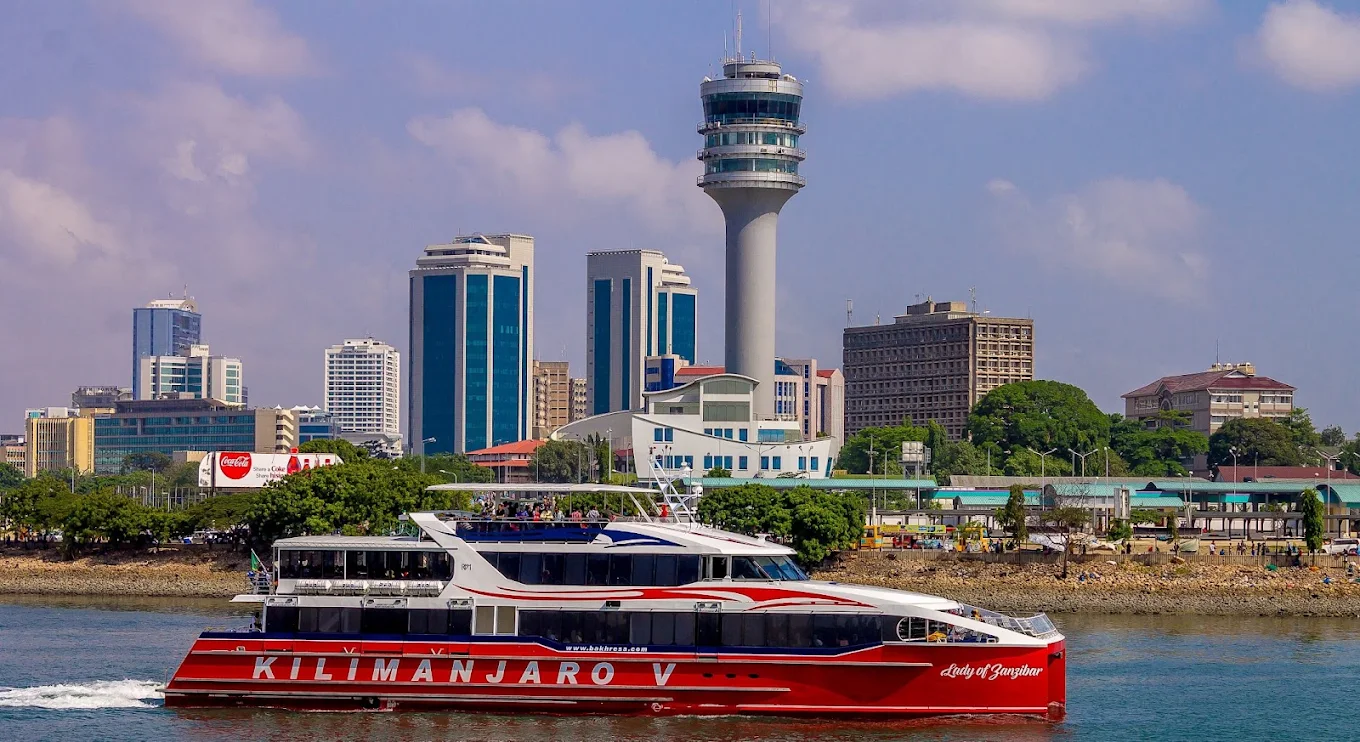
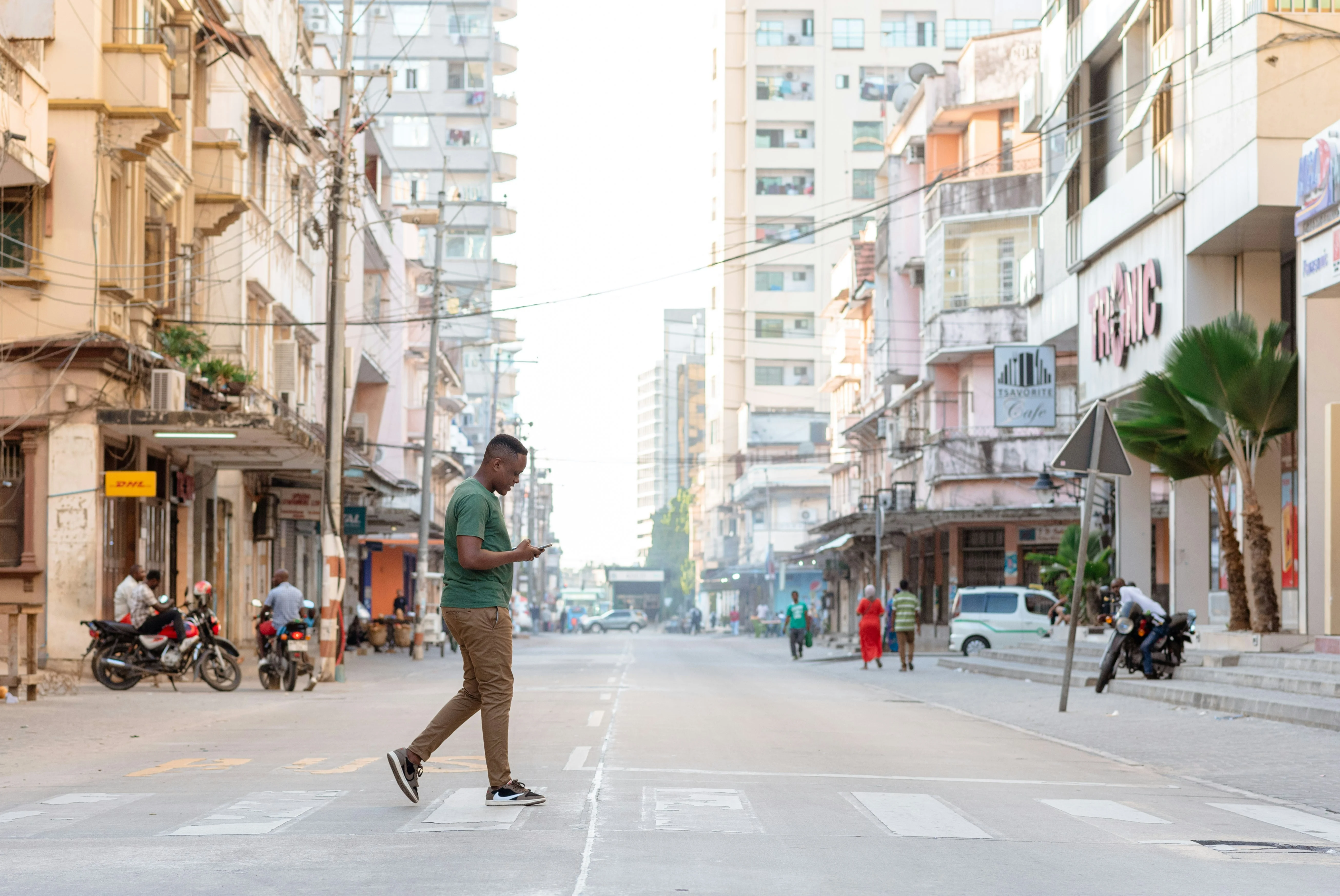
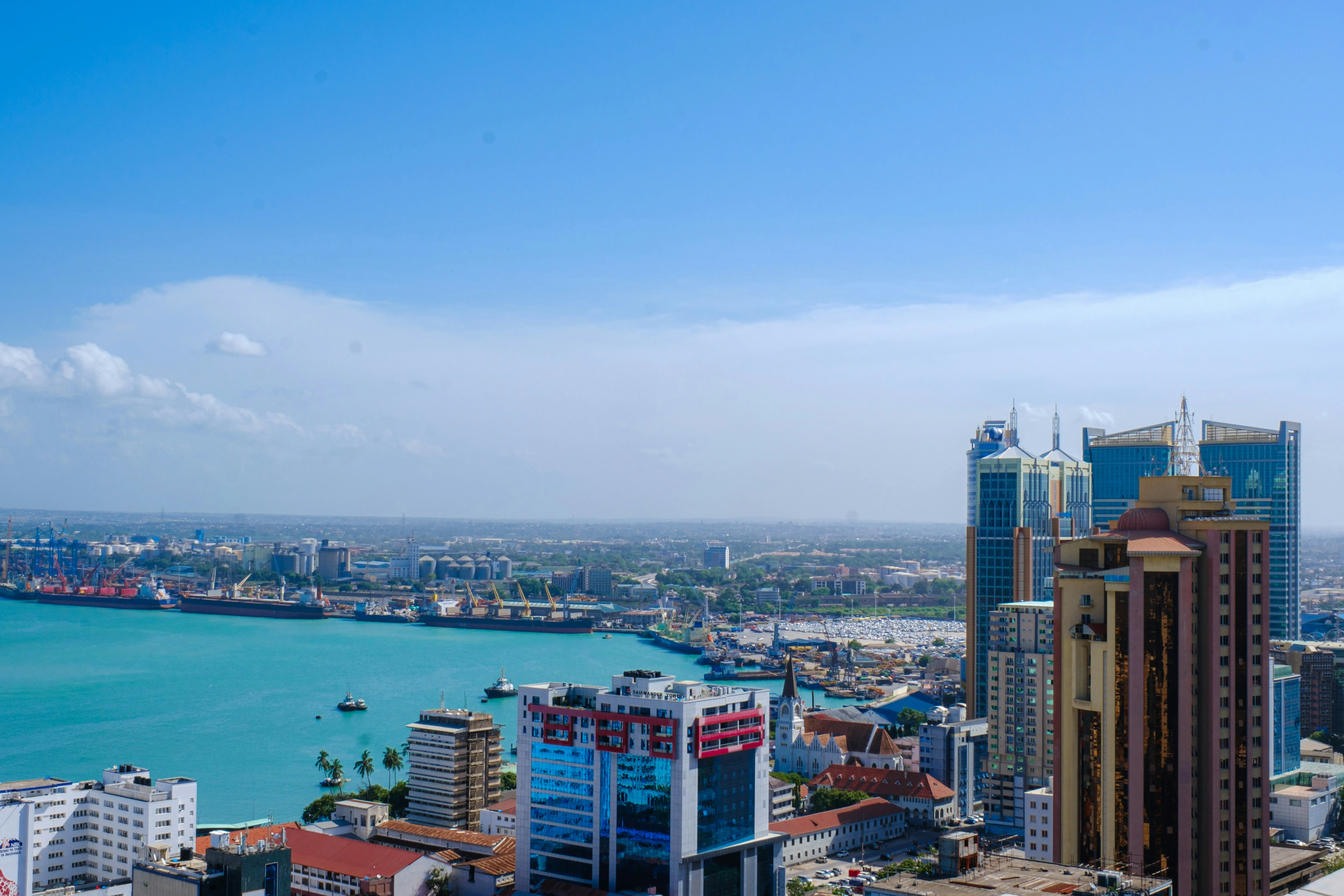
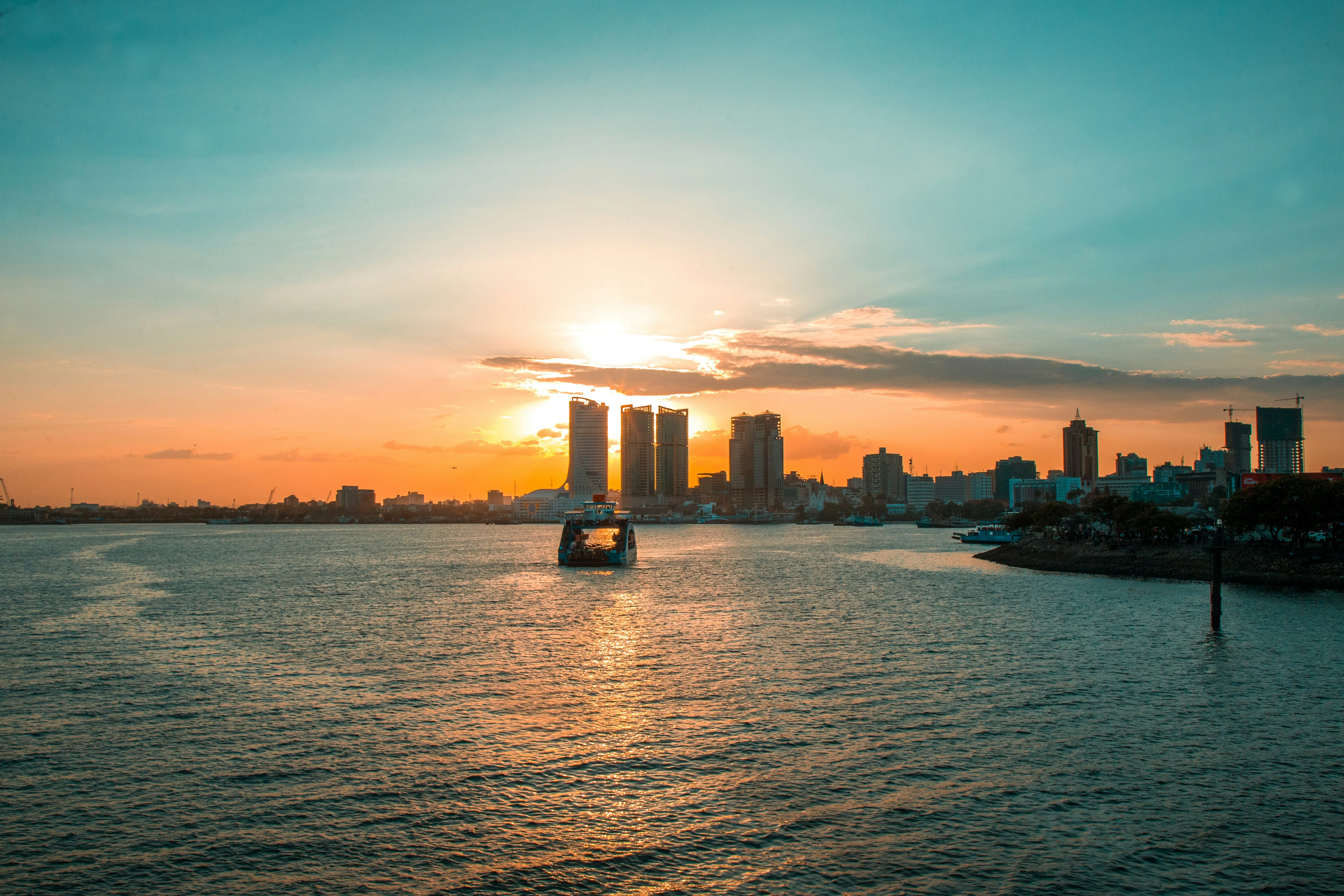
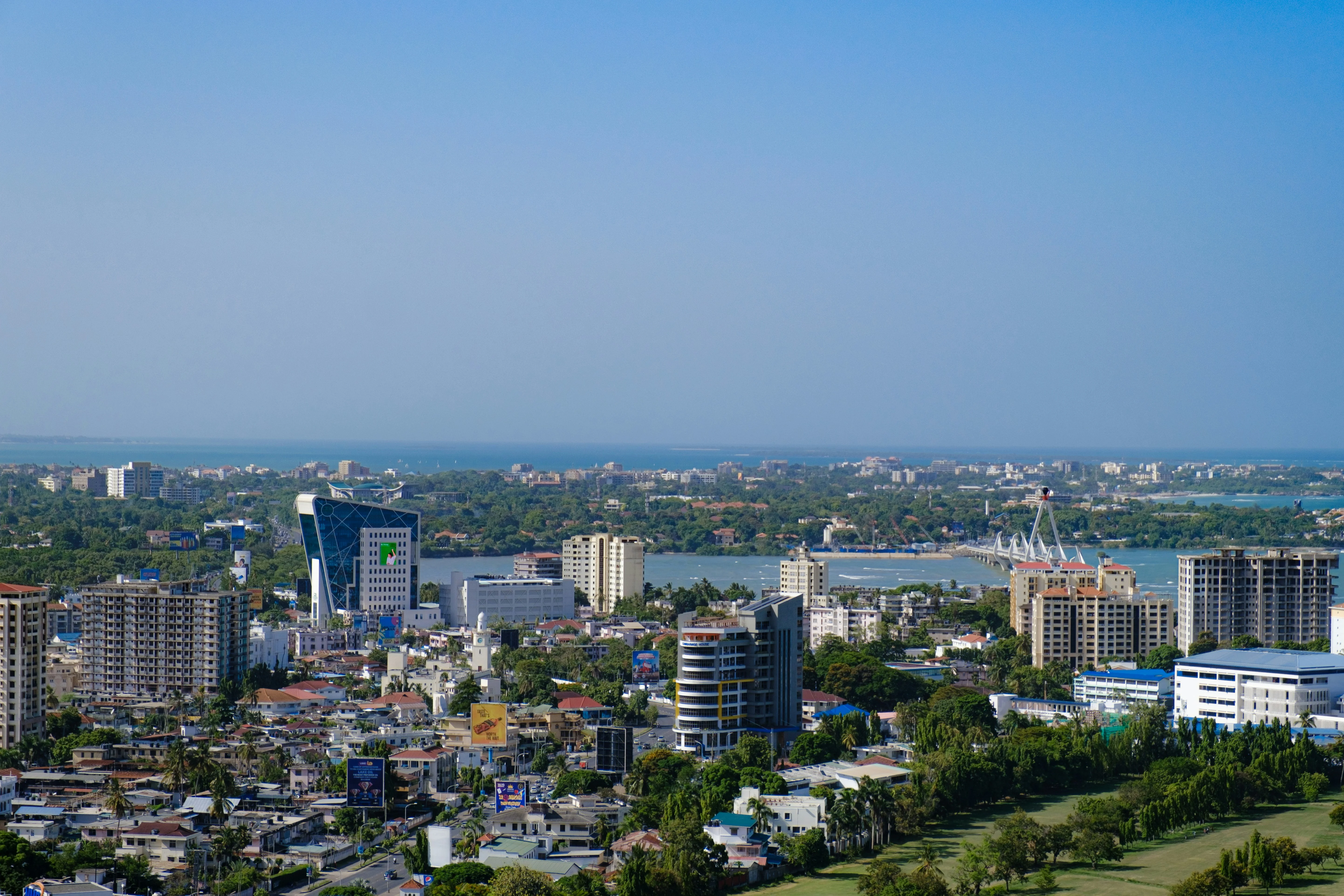
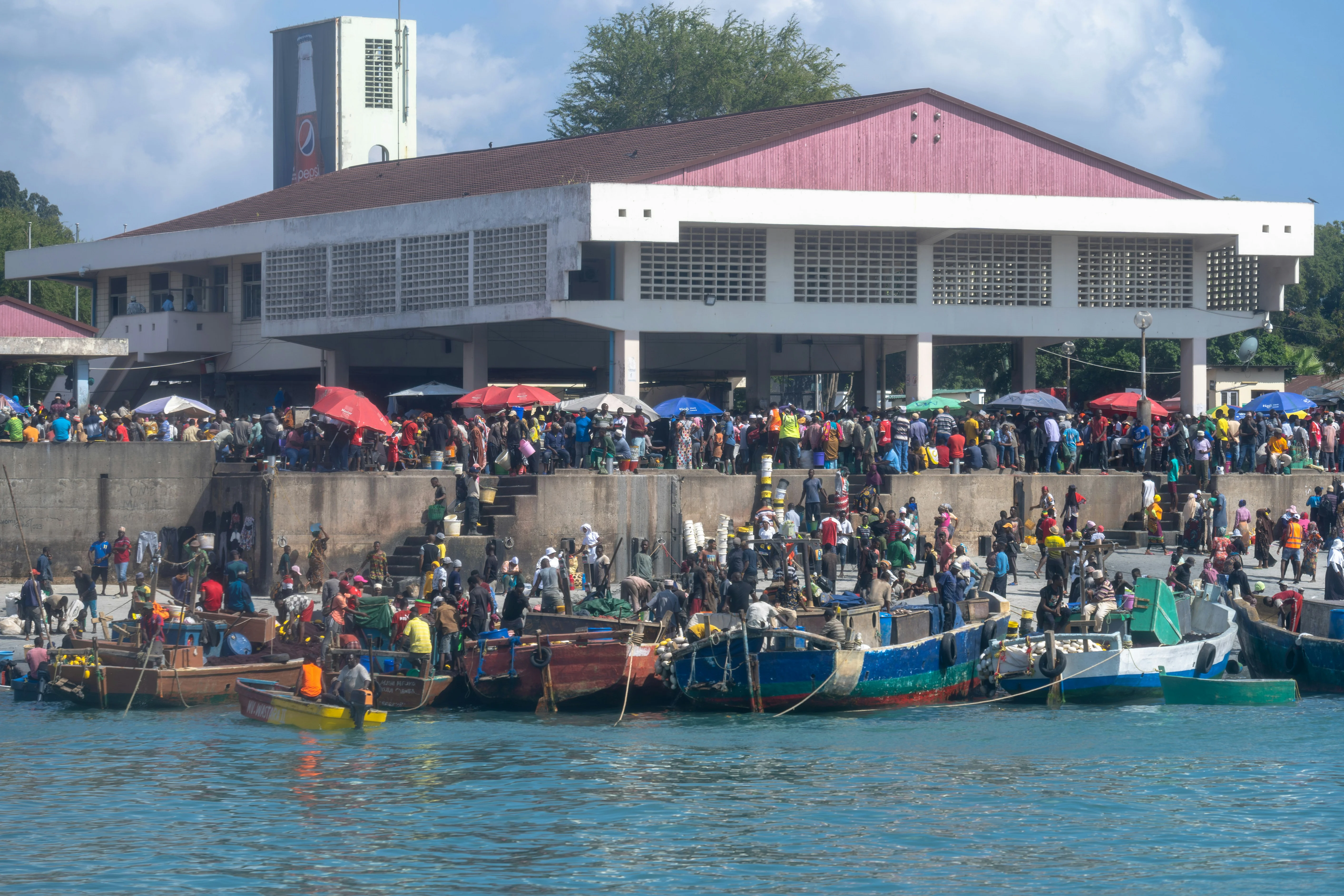
Dar es Salaam is Tanzania’s largest city and a major commercial port on the Indian Ocean. Its harbour, busy streets, museums, markets and coastal neighbourhoods make it an engaging destination in its own right as well as a gateway for onward travel. A stay can combine city heritage and everyday urban life with a separately arranged beach or marine-reserve excursion. Begin with the central city and its waterfront setting. A guided route can introduce the Askari Monument, historic streets and architectural landmarks such as St Joseph’s Cathedral, with access appropriate to the site. Working streets and religious buildings need respectful visits: ask before photographing people, dress appropriately and follow local instructions about entry. Group nearby stops together so the day leaves time to absorb the city rather than spending it moving between distant neighbourhoods. The Museum and House of Culture on Shaaban Robert Street provides a useful introduction to Tanzania’s archaeology, history, ethnography, biology and contemporary arts. The National Museum of Tanzania also manages the Village Museum in Dar es Salaam, offering another perspective on traditions and cultural heritage. Confirm current opening arrangements, admission and any guided programme before visiting; exhibitions, performances and services should not be assumed from an older itinerary. Markets and craft stops add a different perspective. Ask a local guide to arrange a visit suited to your interests, whether everyday trading, textiles, artwork or souvenirs. Kariakoo and the Mwenge area may feature in a requested programme when current access and the day’s route permit. Allow traders to work, agree a price before purchasing and ask permission for close photographs. An organised visit can help explain the context without treating a working market as a staged attraction. Food is another way to explore the city. Discuss a suitable restaurant, market-food visit or tasting programme with your organiser, including dietary requirements and the style of meal you want. Coastal and Swahili influences sit alongside a wide range of urban dining choices. Specify what is included, whether transport is arranged and how much time you want to spend, particularly if the meal falls between a tour and an onward departure. For time by the sea, the Msasani Peninsula and northern coast can fit a slower part of the stay. Bongoyo and Mbudya are separate marine-reserve excursions requiring confirmed boat travel, entry arrangements and an assessment of conditions. They are not automatically included in a city tour. Swimming or snorkelling depends on the chosen site, tide, weather and participant ability; keep a mainland option if the boat programme changes. An illustrative two-day outline is: Day 1: Explore a practical cluster of central heritage stops with a guide, visit the Museum and House of Culture when open, and allow time for lunch and a market or craft stop that fits the route. Day 2: Choose either the Village Museum and a relaxed coastal-neighbourhood visit, or a separately booked marine-reserve excursion when conditions permit. The actual sequence should follow opening arrangements, road traffic, your hotel location and the time available. Transfers, meals, admissions and boat activities need explicit confirmation. Accommodation location matters. A central base can suit downtown sightseeing or a planned ferry connection, while a Msasani-area or northern-coast stay may fit dining and coastal activities. A short airport stopover may call for a different location again. Compare the full route and transfer plan rather than choosing a hotel solely by a map distance. Discuss room type, access needs, family requirements and the actual services supplied by the property before booking. Julius Nyerere International Airport serves the city, with domestic and international connections. Dar es Salaam also has ferry connections to Zanzibar, and it can form part of a southern Tanzania safari itinerary. Confirm the airline, airport terminal, ferry operator, check-in requirements and all onward arrangements directly. Allow generous time for traffic and avoid combining a sea excursion, cross-city transfer and tight flight connection in one inflexible schedule. Prepare for a warm coastal city. Carry water, sun protection and comfortable footwear, plan breaks and keep valuables secure in busy places. Ask the organiser about suitable walking sections, transport and assistance for your needs. Fees, schedules, market access and services can change, so use a dated quotation and reconfirm the specific programme. A thoughtful city stay leaves room for both planned visits and the time needed to move comfortably between them.
March–May is generally the main wetter period. Build flexibility into outdoor sightseeing and road transfers, and consider a museum-focused programme if showers affect walking or a boat outing. Carry rain protection for essentials and comfortable footwear. Confirm current access, opening arrangements and sea conditions for any coastal excursion.
January–February and November–December can suit a flexible city stay, with warm conditions and short rains associated with November–December. Plan breaks and water stops, group nearby visits and allow time for traffic. Indoor cultural visits can complement outdoor activities; reconfirm any island excursion according to the day’s conditions.
June–October is generally the drier period and often suits city touring and coastal outings. Drier weather does not guarantee calm seas, clear snorkelling water or disruption-free transfers. Book preferred accommodation and guided services ahead, retain realistic travel buffers and confirm the current programme for any marine-reserve visit.
Julius Nyerere International Airport is the main air gateway serving Dar es Salaam. Confirm the operating airline, flight time, terminal and check-in instructions on your ticket and directly with the airline. Domestic, charter and international services may use different facilities; arrange the pickup for the actual terminal rather than giving only the airport name. Driving time to a hotel depends on its neighbourhood, traffic and conditions, so request a transfer schedule based on the real route. For a Zanzibar ferry connection, book with the chosen operator and confirm the departure terminal, required documents, baggage arrangements, check-in deadline and current sailing. The airport and ferry are separate transfers; leave a generous buffer or an overnight stay when a connection would otherwise be tight. Within the city, combine nearby visits and arrange suitable transport for longer journeys. Confirm any southern-safari departure or marine-reserve excursion separately, with the exact pickup point and inclusions. Keep hotel and organiser contact details available and allow extra time for return travel before a flight or sailing.
Dar es Salaam combines an Indian Ocean port setting with museums, heritage landmarks, markets, dining and coastal neighbourhoods. It also provides airport and Zanzibar ferry connections and can support onward southern Tanzania travel. A planned stay allows time to experience the city alongside the practical transfer arrangements.
One well-planned day can introduce a cluster of central sights, while two days allow a museum, market or coastal option without compressing every visit. Add arrival and departure buffers separately. The right length depends on your interests, hotel location, traffic and any onward connection.
The example combines central heritage stops and the Museum and House of Culture on Day 1, with a suitable meal and market or craft visit. Day 2 offers the Village Museum and a coastal-neighbourhood visit, or a separately booked marine-reserve outing. Confirm the actual order, access and inclusions.
Julius Nyerere International Airport serves the city. Confirm your airline, operating terminal and current check-in instructions before arranging transfers. Different services may use different airport facilities. Book a pickup for the actual flight and terminal, and allow road-travel time based on your hotel’s location and traffic.
Choose accommodation around the whole programme. A central location may suit downtown sightseeing or a planned ferry connection; the Msasani area or northern coast may fit dining and coastal outings. An airport stopover has different priorities. Compare transfer routes, services and access needs before booking rather than relying only on distance.
A guided walk can work for a practical cluster of nearby central sights. Longer journeys are better planned with suitable transport, allowing for heat, road crossings and traffic. Tell the organiser how much walking you want, and confirm breaks, route conditions and assistance before agreeing to the programme.
The Museum and House of Culture on Shaaban Robert Street covers subjects including archaeology, history, ethnography, biology and contemporary arts. The National Museum of Tanzania also manages the city’s Village Museum. Confirm current opening arrangements, admission, guided options and any performance or exhibition before visiting.
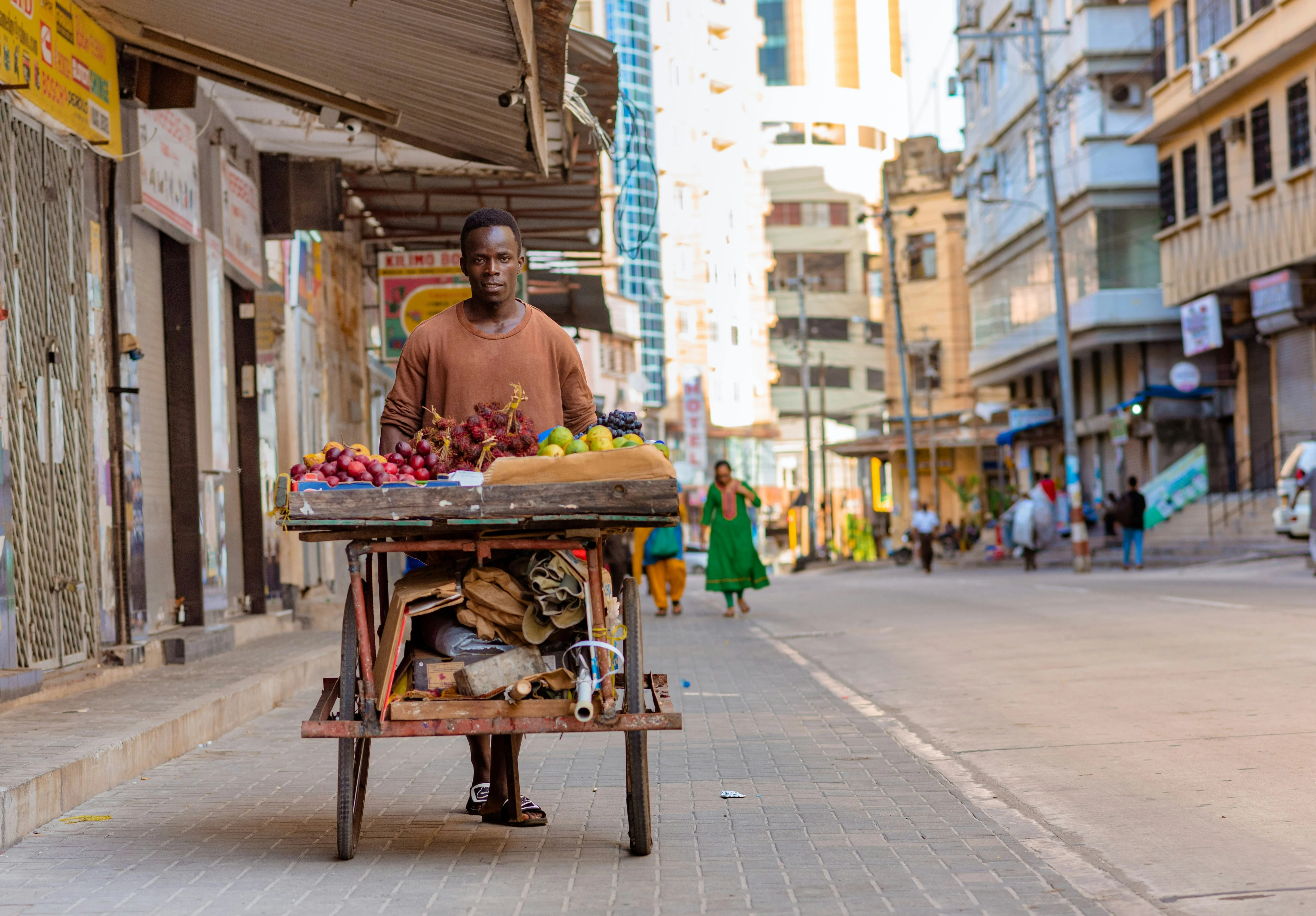
Ask a guide to arrange a visit suited to your interests and current local access. Kariakoo or the Mwenge area may be considered when appropriate to the day’s route. Markets are working places, so avoid obstructing traders, agree purchases clearly and ask before close photographs of people or their goods.
Discuss a restaurant meal, coastal or Swahili-influenced dining, or a guided food visit with the organiser. Explain dietary requirements early and ask what food, drinks and transport are included. Choose a programme suited to your preferences and leave enough time if a meal falls before an onward departure.
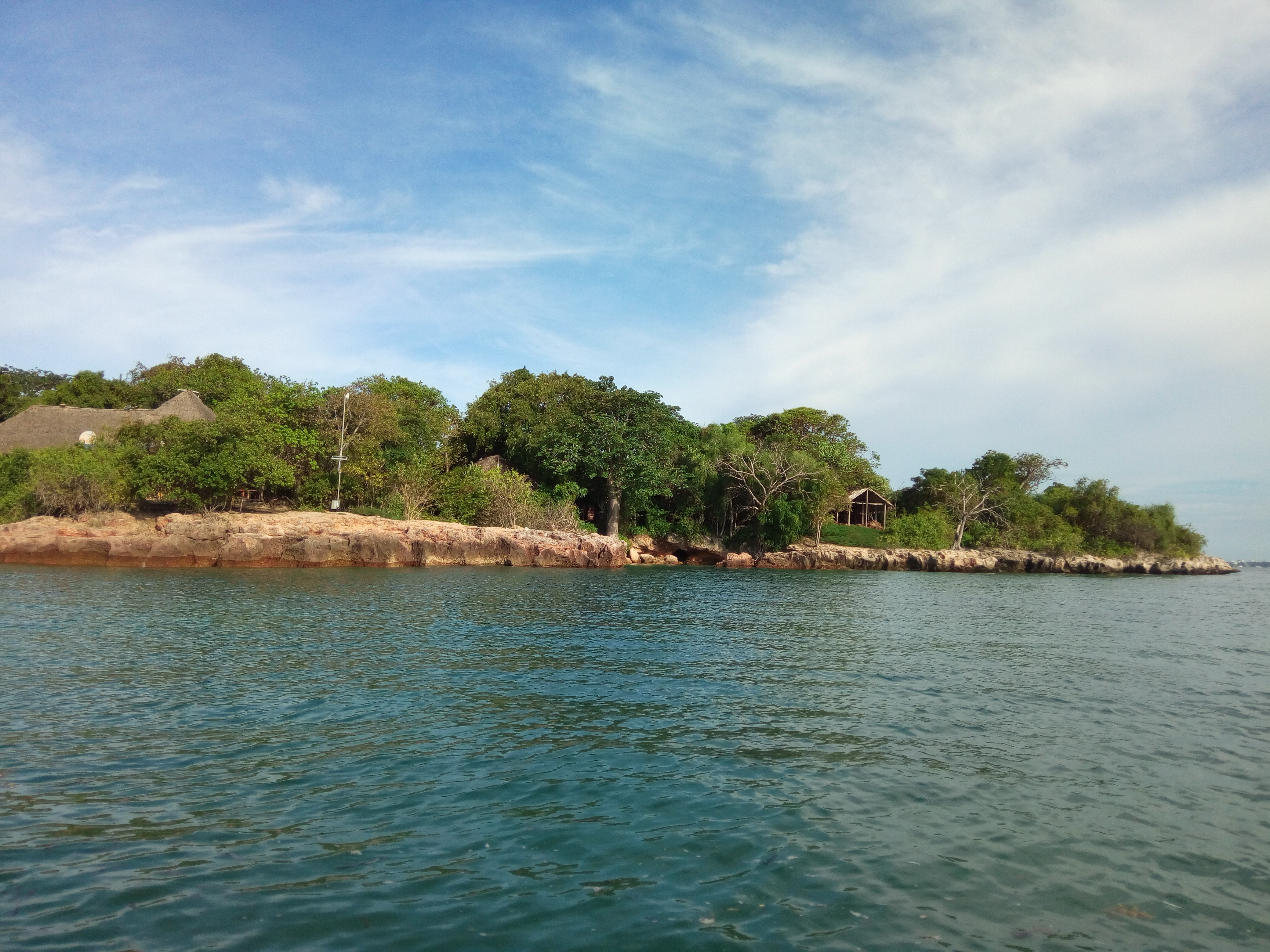
A coastal visit or separately arranged Bongoyo or Mbudya excursion can fit a longer city stay. Confirm the boat, departure point, reserve entry, equipment and return arrangements. Weather, tide and sea state affect the programme, so keep a mainland alternative and do not assume a city tour includes an island trip.
Ferry and air options should be checked for your actual date. If using a ferry, confirm the operator, departure terminal, check-in deadline, documents, baggage arrangements and current sailing. Allow for the road transfer and possible changes rather than scheduling a tight airport-to-ferry connection.
Dar can form part of an itinerary continuing into southern Tanzania. Ask the operator to specify the park or reserve, route, flights or road transfers, accommodation and departure point. A city stay does not automatically include a safari; allow enough time for the particular connection and distance involved.
June–October is generally the drier period. March–May usually brings the main rains, with short rains around November–December. The city can be explored with a flexible programme, combining indoor and outdoor interests. Sea excursions still depend on the daily conditions, even in a comparatively dry month.
Bring comfortable footwear, light clothing appropriate to the places you will visit, sun protection, drinking water and rain protection for essentials when needed. Use a secure bag for valuables and keep important booking and contact details available. Add any special equipment only for an expressly booked activity.
Museums, cultural visits and a relaxed coastal programme can be tailored to a family’s interests. Discuss children’s ages, walking limits, meals, breaks and transport needs before booking. For a boat outing, confirm suitable lifejackets and supervision, and allow conditions and the children’s comfort to guide the plan.
Ask about the actual vehicle, walking surfaces, steps, toilets and access arrangements at each venue and hotel. Explain assistance needs before confirming. For ferries or island boats, check boarding methods separately; a general city itinerary does not establish step-free access or suitable facilities throughout.
Ask permission before photographing people, traders or private interiors and follow instructions at museums, religious buildings and other sites. A place being visible from the street does not establish access to its interior. Tell the guide about photography interests so suitable stops can be planned respectfully.
Dress appropriately for the places you visit, respect worship and working spaces, and ask before entering or photographing private areas. A guide can explain local expectations and greetings. Keep interactions courteous and follow site-specific instructions, especially where a visit takes place alongside everyday community activities.
Request an itemised quotation covering guide, vehicle, transfers, admission, meals, drinks and any separate boat or safari activity. Confirm the quoted currency, payment arrangements and exclusions before booking. Current costs depend on the programme and group, so avoid treating an older published price as the final charge.
Use a schedule based on your actual hotel, route, departure point and current check-in requirements. Dar es Salaam traffic can make a short map distance take much longer than expected. Leave generous buffers before flights and sailings, and consider an overnight stay where a same-day connection would be tight.
Grateful experience
As a solo female traveler, I felt super safe and well taken care of the entire time.
Read morePrivate Safari 6 days
I can only highly recommend the young company Tanzalux for organizing a private safari.
Read moreAn unforgettable vegetarian journey with Tanzalux Safaris
I highly recommend Tanzalux for anyone wanting a special, personalized safari.
Read moreOur 3-day camping safari with Tanzalux was simply fantastic! Everything was perfectly organized.
Read moreBack in April, I joined a day trip to Tarangire National Park with Tanzalux Safaris, and it was truly one of the best experiences I have ever had…
Read moreI've had an amazing experience with Tanzalux Safaris, would 1000% recommend! Thank you for making my trip so special🫶
Read moreI recently visited Meru Waterfalls in Arusha and got to do some of the activities there, honestly it was such a great experience and I really enjoyed it.
Read moreOur guide Dullah Mr Rastaman had the best vibe. I would like to recommend other people not to miss it, Tarangire is the best national park.
Read moreOur tour guide Nasri was very friendly and welcoming from the first day we met him. He knows Tarangire very well and explained many things during the safari.
Read moreAs a grandmother in the group, I would like to share my happiness with Tanzalux Safaris. Me, my daughters, and my grandson went on a short trip to Tarangire National Park…
Read moreReceive a free, no obligation quote

 Western Circuit / Kigoma Region,Tanzania
Gombe Stream National Park, also known as Gombe National Park, combines wild chimpanzee trekking with forested hills and the shores of Lake Tanganyika. In Kigoma Region in western Tanzania, north of Kigoma town, the park offers a distinctive safari experience shaped by walking, lake travel and close observation of forest life. Gombe is internationally associated with the chimpanzee research begun by Jane Goodall in 1960. Ranger-led forest treks give visitors an opportunity to observe chimpanzees in their natural habitat while respecting their movements and the park’s conservation rules. Sightings are not guaranteed: locating the animals can involve variable search times, steep slopes and humid conditions. Discuss fitness, mobility and current age requirements before booking. The forest supports other primates, including olive baboons, colobus and several monkey species, along with diverse birdlife and butterflies. Guided walks can also explore scenery such as Kakombe Waterfall and Jane’s Peak when routes and conditions are suitable. The pebbled lakeshore and boat approach provide a different perspective on the park, with time to enjoy Lake Tanganyika between planned activities. Any swimming or snorkelling should follow current ranger guidance and use permitted places. Chimpanzee viewing is carefully managed. Follow your ranger, keep the required distance, wear the required mask during encounters, avoid flash photography and never feed or touch wildlife. Do not join a trek with an infectious illness. Confirm the current TANAPA viewing, health, age and group requirements with your operator before travel. Access is by arranged boat from Kigoma, so coordinate flights, accommodation, park entry, guiding and transfers in advance. A stay of two nights gives more room for trekking and scenery than a rushed visit. Keep the itinerary flexible around chimpanzee movements, trail conditions and the lake crossing. Bring sturdy footwear, light layers, rain protection, water, sun protection and a waterproof bag for boat transfers.
Wildlife
Chimpanzees & Olive baboons
Landscape
National Park / Chimpanzee Trekking / Lakeshore Forest
Highlights
Wild chimpanzee trekking with park rangers
 Western Circuit / Kigoma, Katavi & Rukwa Regions/Tanzania
Lake Tanganyika offers a striking freshwater setting along Tanzania’s western frontier: broad blue horizons, wooded shores, bays, beaches and communities whose daily life is closely connected with the water. Shared by Tanzania, Burundi, the Democratic Republic of the Congo and Zambia, it occupies a long basin in the western arm of the East African Rift. With a maximum depth of about 1,470 metres, it is Africa’s deepest lake and the second deepest in the world. Its scale gives a lakeshore holiday a sense of space, while each part of the coast offers a different experience. On Tanzania’s side, Kigoma is an important gateway for lake journeys and a useful base for combining time on the shore with town and heritage visits around Ujiji. The waterfront and harbour reveal the lake’s role in transport and trade, and local guides can help visitors understand places through the people who live and work there. Farther along the shore, a quieter lodge or camp can provide a slower rhythm of scenic boat trips, beach time and watching the changing light across the water. The lake is especially interesting for its freshwater fish, including colourful cichlids and many species found only in this ecosystem. At suitable sites, guided snorkelling or diving can reveal a different side of a safari holiday. Kayaking and canoeing may also be offered by individual properties or operators. Confirm the site, equipment, supervision and conditions for each activity. Water clarity, wind and waves vary, and swimming should follow current local advice at designated places. Relaxing beside the lake, with a book or a camera, is equally rewarding when conditions do not suit a water outing. Gombe Stream and Mahale Mountains national parks add forest experiences to selected lake itineraries. Ranger-guided chimpanzee trekking, forest walks, birds and viewpoints can be combined with time on their lakeshores, with separate park bookings and activity arrangements. These are visits to protected areas with their own access routes and rules. Allow enough time for transfers and the guided programme so that a lake stay and a forest visit both receive the attention they deserve. Travellers considering the southern Tanzanian shore can look at the Kipili area, with road or charter arrangements planned around the chosen property. The distances between lake destinations are substantial, and moving along the coast requires practical coordination. Choose one lakeshore base for a short stay, then add another area only when the transport plan and available time support it. A suggested starting point is three or four nights at one base, with extra nights for Gombe, Mahale or a wider western Tanzania safari. June to October generally offers the main dry-season window for many western Tanzania lake and forest itineraries. Wetter months can bring lush scenery and atmospheric skies, while road conditions, boat transfers and lodge operations need closer checking. Even in dry weather, wind can affect the lake. Use an operator who knows the route, arrange transfers and accommodation in advance, and leave flexibility around onward connections. A visit can suit couples looking for a restful lakeside stay, families with a manageable programme, photographers, fish enthusiasts and travellers combining wildlife with culture. Discuss comfort, accessibility, meals, charging and activity needs before booking, especially at remote properties. Support local guides and businesses, ask before photographing people, and leave the shores and water free of litter.
Wildlife
Endemic cichlid fish & Other freshwater fish
Landscape
Freshwater Lake / Lakeside Holiday / Water Activities / Culture
Highlights
Africa’s deepest freshwater lake in the East African Rift
 Western Circuit / Kagera Region/Tanzania
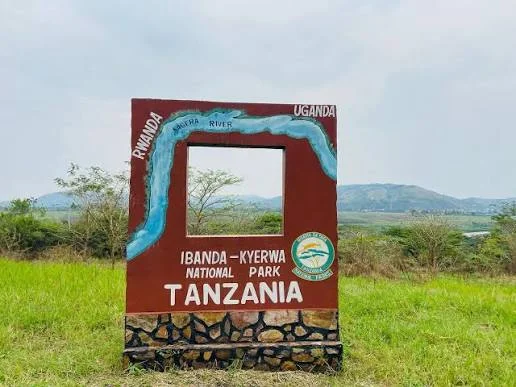
Ibanda-Kyerwa National Park protects a scenic corner of northwestern Tanzania, where the Kagera River meets a landscape of savanna, wooded slopes, valleys and wetlands. Situated in Kyerwa District in Kagera Region, the park lies beside Rwanda and Uganda and became a national park in 2019 after its earlier protection as a game reserve. Its setting makes it an interesting choice for travellers building a western Tanzania itinerary or exploring the wider Great Lakes region. The river is central to the experience. Along parts of the boundary it separates Tanzania from Rwanda and Uganda, with Rwanda’s Akagera National Park across a section of the river. Inland, rolling hills give way to plains and a basin crossed by seasonal streams, scattered lakes and swamps. Acacia savanna and riverbank vegetation create contrasting views during a drive. Allowing time for the scenery, birds and smaller details brings more to a visit than moving quickly from one wildlife stop to another. Buffalo and antelope are important wildlife attractions. Roan antelope, topi, eland, impala, waterbuck, reedbuck and bushbuck are among the species described in TANAPA’s guide. Leopards and hyenas are recorded predators, while hippos and crocodiles inhabit the river and wetland environments. Each outing depends on animal movement, vegetation, weather and the guide’s knowledge. A patient itinerary, with repeated drives through suitable habitats, gives time to appreciate the park without depending on a particular sighting. Game drives form the core of a safari here. Guided walks can add a closer look at tracks, plants and the landscape when arranged with park authorities. Birdwatching is another strong reason to slow down: TANAPA’s guide reports more than 200 recorded species, with examples including African fish eagle, augur buzzard, Egyptian goose and cinnamon-chested bee-eater. Bring binoculars and leave room for quiet observation. Designated picnic stops and river viewpoints can provide a pleasant break, while photography changes with the light and the season. For planning, June to early October generally offers the main dry-season window. January and February can also provide a drier interval, though actual rainfall varies. Rainfall is associated with the later part of the year and March to May; recent showers can affect road conditions and the routes available. Choose dates around the experiences that matter most, and ask the operator to reconfirm access and any guided activities before departure. We suggest two nights as a useful starting point, with additional time for birding, walks or a combination with Rumanyika-Karagwe National Park. Camping can be arranged through the park, and Murongo is the nearest practical town for simple accommodation. Confirm the exact campsite or property, meals, equipment and facilities when booking. Travellers who prefer more comfort should agree on their accommodation standard before the route is finalised. Bukoba and Chato are potential air gateways followed by a road transfer, while charter access requires specific advance arrangements. Murongo is a useful reference point for the final approach. Distances alone do not provide a reliable travel time, so plan transfers around the chosen route, road conditions and current park hours. Ibanda-Kyerwa rewards travellers who bring curiosity, binoculars and enough time to explore at an unhurried pace.
Wildlife
Buffalo & Roan antelope
Landscape
National Park / Wildlife Safari / River Scenery / Birdwatching
Highlights
Kagera River scenery on Tanzania’s northwestern border
 Ocean Islands / Kigamboni, Dar es Salaam Region, Tanzania
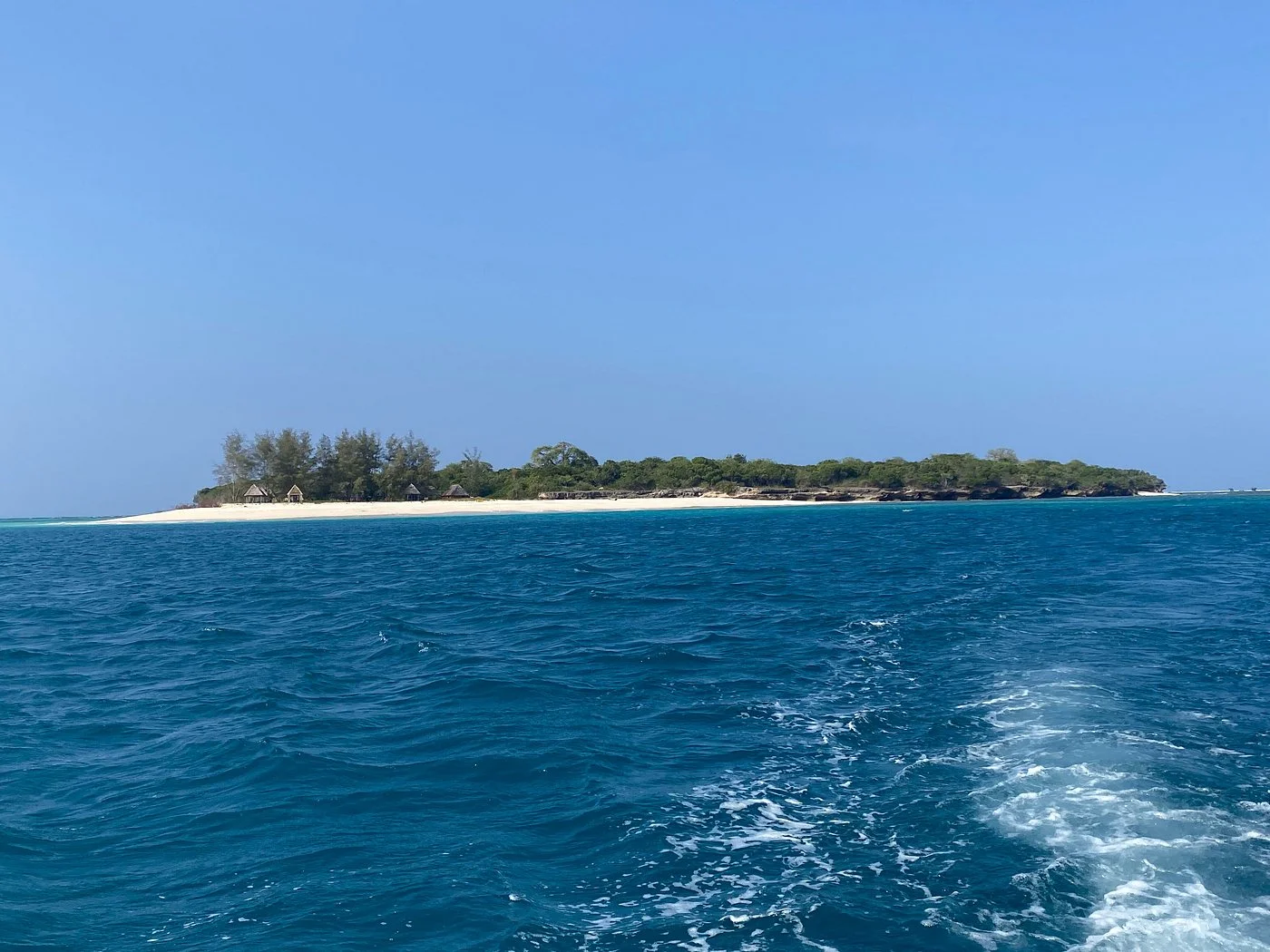
Sinda Island Marine Reserve offers an Indian Ocean escape off Kigamboni, on the southern side of Dar es Salaam. The reserve encompasses Inner and Outer Sinda, combining island vegetation, sandy shores, rocky coastline and surrounding marine habitats. It is part of the Dar es Salaam Marine Reserves system managed by the Marine Parks and Reserves Unit. A visit can suit travellers looking for a carefully arranged day on the water with time for island scenery, photography and relaxation. The two islands and their different shorelines make planning worthwhile. Inner Sinda has sandy beach areas, while exposed rocky sections and intertidal ground create a different experience elsewhere around the reserve. Your guide and skipper should choose the landing and route for the actual tide and sea state. Attractive water and an accessible stretch of sand do not mean that every shore is suitable for swimming, or that every landing is practical throughout the day. Let the local assessment shape the excursion. Marine habitats around the southern Dar es Salaam reserves include coral reefs and seagrass beds that support reef fish and other marine life. A guided snorkelling session may be included when an operator confirms a suitable site, conditions, equipment and supervision. Tell the organiser about swimming ability and experience before booking. Visibility changes, and particular animals should never be promised. Travellers who prefer to stay dry can focus on boat-based views, a permitted shore visit and a picnic arranged as part of the trip. Keep the island programme simple. A guided shoreline walk can reveal changing sand, rock and vegetation, with pauses for photographs and quiet observation. Use the route the guide approves and avoid disturbing birds or entering dense vegetation without guidance. A lunch stop can be a pleasant part of the day if the operator provides food, drinking water, shade and waste removal. Confirm these arrangements beforehand instead of assuming a restaurant, shop, shelter or equipment rental will be available when you arrive. A suggested day begins with a transfer from your Dar es Salaam or Kigamboni accommodation to a confirmed departure beach. Meet the boat team, check life jackets and discuss the route, landing and return plan. After the crossing, enjoy a guided orientation and the activities that conditions permit, allowing time for a prepared lunch and a relaxed shore break. Return at the time agreed with the skipper, with a margin for the onward road transfer. This is a flexible outline rather than a fixed timetable; tide, wind and operating arrangements determine the final sequence. For a two-day coastal break, use the first day for arrival, a mainland beach stay or a relaxed Dar es Salaam visit, and keep the second day for the pre-arranged Sinda excursion. Stay on the mainland unless an overnight island arrangement has been specifically confirmed with the relevant authority and organiser. Avoid scheduling an international flight immediately after a boat outing. A weather change can require a later return, an altered activity or a different day for the excursion. The exposed seaward sides of the islands can experience strong waves and tidal currents, especially around spring tides. Choose an operator with a suitable boat, passenger arrangements, correctly fitting life jackets and a clear weather decision. Follow the skipper’s instructions throughout the crossing and any landing. Swimming, snorkelling and kayaking should be offered only where the guide has assessed conditions and appropriate support is available. Guests can choose a shore-focused programme without taking part in water activities. Treat Sinda as a protected coastal environment. Enjoy wildlife at a distance, avoid standing on or touching coral, leave shells and natural objects in place, and carry all waste back to the mainland. Current reserve entry arrangements and activity permissions should be confirmed before departure. Ask for an itemised quote covering road transfers, boat transport, guiding, admission, equipment, meals and drinking water so the day’s inclusions are clear. Pack sun protection, a hat, a light rain layer, suitable footwear for boarding and shore walking, a towel and a waterproof bag. June to September is generally a drier period around Dar es Salaam, while March to May brings the main rains and October to December often has shorter rains. Sea conditions still require a daily check in every season. Build the visit around the experience you want and the conditions on the day, leaving time to enjoy the island setting at an easy pace.
Wildlife
Reef fish & Coastal birds
Landscape
Marine Reserve / Island Day Trip / Beach & Snorkelling
Highlights
Inner and Outer Sinda islands
 Northern Circuit / Hanang District, Manyara Region / Tanzania
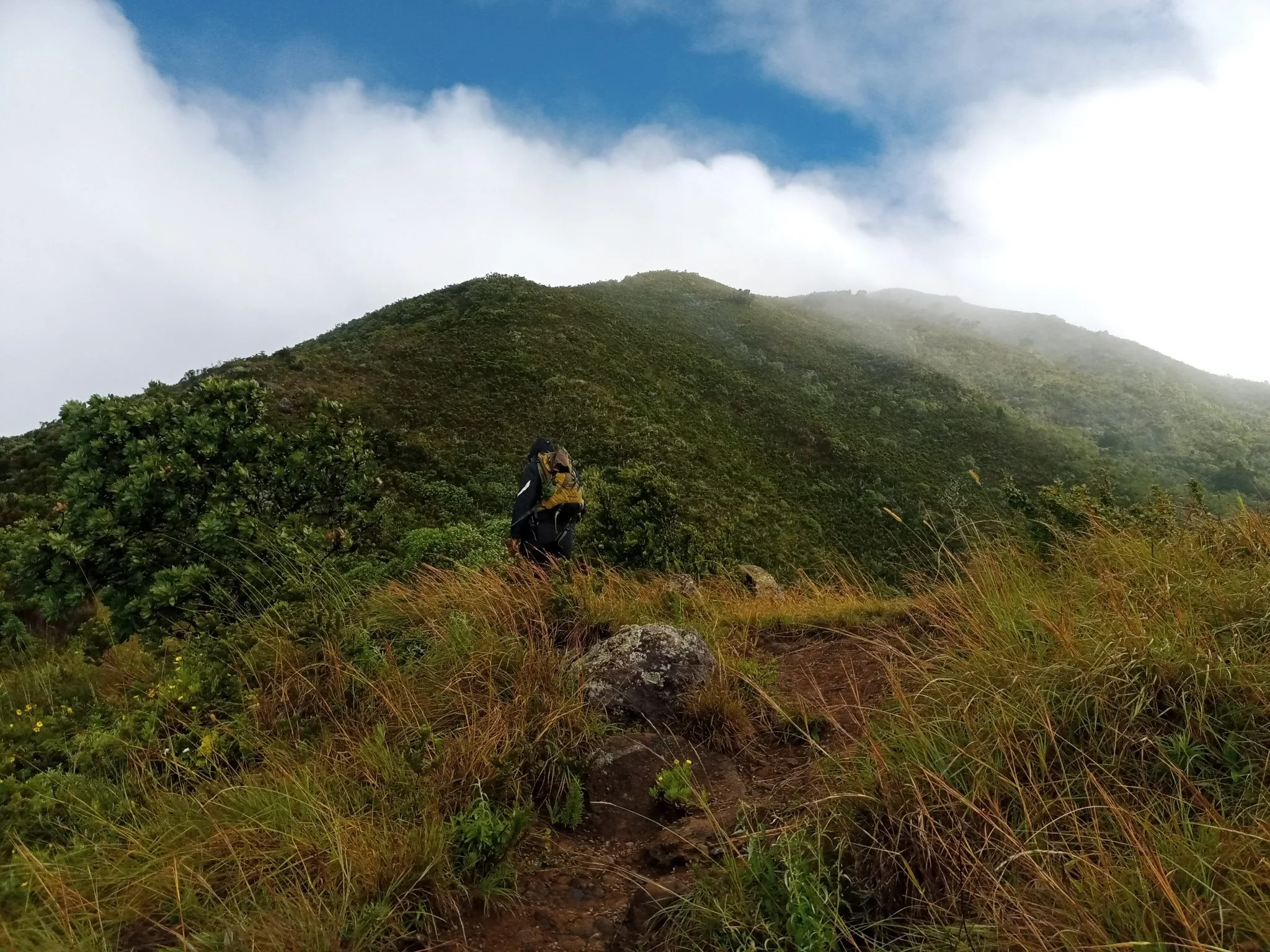
Discover Mount Hanang Rising above Katesh in Tanzania’s Manyara Region, Mount Hanang offers a rewarding mountain adventure beyond the familiar northern safari circuit. At approximately 3,423 metres, it is Tanzania’s fourth-highest mountain: a substantial climb with changing vegetation, open upper slopes and expansive views when the weather clears. Its appeal lies in the journey through a varied mountain landscape as much as in reaching the summit. Travellers who enjoy walking, natural history, photography and a quieter setting can make Hanang a distinctive part of a Tanzania itinerary. The mountain is protected within Mount Hanang Nature Forest Reserve, managed by the Tanzania Forest Services Agency. It lies in Hanang District and is approached through the Katesh area. This is a forest reserve destination, with its own access arrangements. Plan the excursion with the reserve administration and a knowledgeable local guide before travelling, so that the chosen route, permissions, transport and available support match the trip you intend to take. A mountain of changing habitats One of Hanang’s most interesting qualities is its ecological variety. The reserve includes dense forest, open forest, woodland, bushland, grassland and heathland. These environments change the character of a walk as you gain height: shaded vegetation gives way to more exposed landscapes, and the pace naturally slows as the air becomes thinner. Forest and hillside vegetation also contribute to the importance of this protected mountain as a natural catchment and a place for conservation. Visitors should expect a mountain landscape rather than a conventional vehicle-based wildlife safari. Time spent observing vegetation, listening for birds and examining the transition between habitats adds depth to the climb. TFS records mammals including klipspringer, vervet monkeys, bushbabies, rock hyrax, bush pigs and olive baboons, as well as elusive leopard and spotted hyena. The Hanang mole-rat, Fukomys hanangensis, is a distinctive part of the mountain’s biodiversity; its underground habits make it a conservation interest rather than a promised sighting. Documented birds include Hartlaub’s turaco, speckled mousebird, little swift and cinnamon bracken warbler. Animal sightings depend on habitat, season and chance. A guide can interpret what is actually present along the permitted route and help keep wildlife observation respectful. Trekking and the summit experience A summit attempt requires stamina, steady pacing and realistic expectations. Although Hanang is lower than Kilimanjaro and Mount Meru, the climb still involves sustained ascent, uneven ground and a long descent. Weather, trail conditions, starting point and the group’s pace determine the time needed. Avoid booking around an inflexible summit timetable or treating a distance quoted for one route as valid for every approach. Tanzania Tourism identifies three approaches: Katesh from the southwest, Gendabi from the northwest and Giting from the east. Katesh is the commonly used approach. The appropriate route depends on current conditions, permission, local logistics and the group’s experience; confirm the actual starting point with your guide. Select an itinerary that fits the least experienced walker in the group. A guided lower-slope walk can be worthwhile for visitors who prefer scenery and forest interpretation without a summit objective. For a longer mountain outing, discuss whether an overnight plan is appropriate: camping is among the reserve’s listed activities, but locations, permission, water arrangements, equipment and support must be confirmed in advance. Do not assume that huts, meals, porters or serviced campsites are automatically included. Start with a clear plan for the descent and a conservative turnaround time. The summit is an optional achievement; returning safely is essential. Cloud can hide distant views, and wind, rain or slippery terrain may change the day’s objective. The guide should be able to adjust the walk when conditions or the group’s energy make continuing unwise. Altitude and preparation At this elevation, altitude can affect visitors even when they are physically fit. Allow time to adjust, walk steadily and discuss individual health concerns with a qualified clinician before the trip. Headache, nausea, dizziness or unusual fatigue after ascent should be reported promptly, with no further ascent while symptoms are assessed. Worsening symptoms require descent; confusion, poor coordination or breathlessness at rest require urgent assistance. A successful Hanang hike does not guarantee protection from altitude illness on another mountain. Prepare with regular walking and uphill exercise, and arrive rested. Wear broken-in hiking footwear with dependable grip. Carry a rain layer, warm insulating clothing, sun protection, enough drinking water and food for the agreed itinerary. Trekking poles can help on the descent, and a headlamp is useful even when the intention is to finish in daylight. Overnight trips require a separate equipment plan suited to cold, damp or windy conditions. Choose timing around mountain conditions Northern Tanzania’s generally drier period from June to October often offers a useful planning window for walking, but it does not guarantee clear skies or dry trails on Hanang. March to May usually brings the long rains, while shorter rains commonly affect part of October to December. January and February may offer drier intervals, with local conditions varying from year to year. Rain can make paths muddy and descents more demanding. Exposed upper slopes may feel cold even after a warm start near the mountain’s base. Check the local forecast and ask the guide or reserve team about the condition of the actual route shortly before departure. Allow flexibility in the itinerary rather than relying on a seasonal label alone. Katesh, access and local encounters Katesh is the practical starting area for organising a Hanang visit. Many travellers approach overland from Arusha or connect the mountain with a wider journey through Manyara. Road travel and the final approach to a trailhead depend on the selected route, road conditions and stops; obtain a current transfer estimate instead of assuming a fixed driving time. Travellers arriving through Kilimanjaro International Airport or Arusha Airport still need an onward road transfer. Use local knowledge to plan accommodation, meals, early departure logistics and return transport. Community visits can add a meaningful dimension to a mountain journey when arranged with willing hosts. Ask permission before photographing people, respect local customs and support local guides and services. The reserve’s visitor information also identifies Himiti Waterfalls, views of Gendabi salt lake, historical caves and Barabaig or Iraqw sacred places as local interests. Treat these as separately planned possibilities, with access and local consent checked; they are not automatic stops on a summit climb. Do not assume that a cultural encounter is included in the reserve entry or that any community can be visited without prior arrangements. Responsible travel on Hanang Stay on the route agreed with the guide and follow reserve instructions. Leave plants, rocks and wildlife undisturbed, carry out litter and avoid fires unless explicitly permitted under the arrangements for your visit. Keep noise low in forest areas and give animals space. Camping requires careful waste and sanitation planning, especially where facilities are limited. Before setting off, confirm entry permissions and charges, the guide arrangement, route and turnaround plan, weather assessment, drinking-water supply, communication options and emergency transport. Tell someone responsible about your intended return. This practical preparation protects both the group and the mountain, and makes it easier to enjoy the walk at a comfortable pace. Plan your Mount Hanang journey Hanang suits travellers who want an active experience with time to appreciate a protected mountain landscape. Combine it thoughtfully with other destinations, allowing recovery time and realistic transfers. TanzaLux can help shape a guided outing around your experience, available days and preferred level of activity, with access and services checked before the itinerary is confirmed.
Wildlife
Klipspringer & Vervet monkeys
Landscape
Mountain / Nature Forest Reserve
Highlights
Approximately 3,423 metres — Tanzania’s fourth-highest mountain
 northern circuit / Mara region / Tanzania
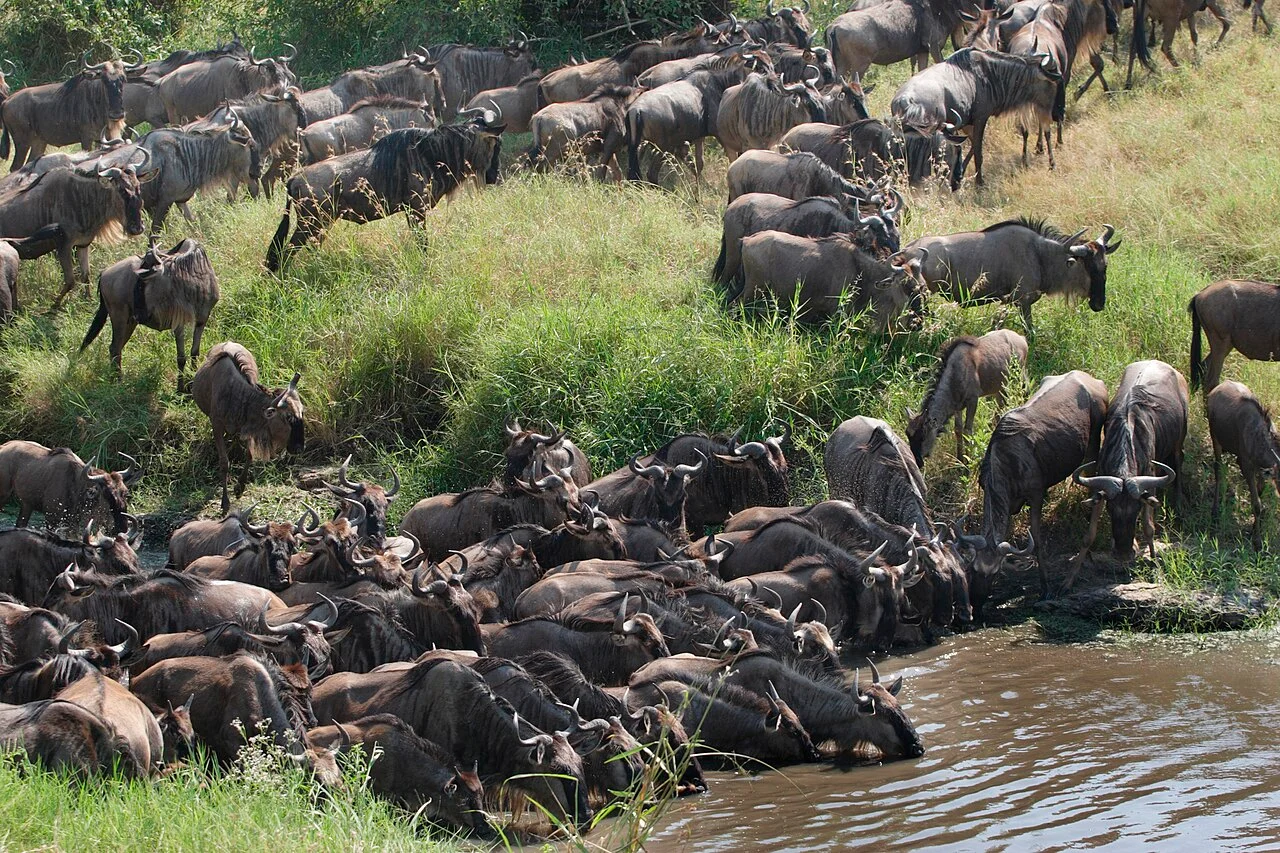
 North Serengeti is one of the most captivating regions of Serengeti National Park in northern Tanzania. Located near the border with Kenya and extending toward the Mara River and the Lamai area, this remote wilderness is celebrated for its dramatic landscapes, abundant wildlife, and connection to the annual Great Wildebeest Migration. Unlike the wide, open plains of southern and central Serengeti, North Serengeti features rolling hills, granite kopjes, acacia woodlands, riverine vegetation, valleys, and open savannah. This varied environment creates habitats for a wide range of wildlife, including elephants, lions, leopards, cheetahs, buffaloes, giraffes, zebras, wildebeest, topi, gazelles, hippos, hyenas, and numerous bird species. The region is especially famous for the Mara River, where migrating wildebeest and zebras may attempt to cross during their seasonal movement through the Serengeti-Mara ecosystem. These crossings are among Africa’s most dramatic wildlife spectacles, but they are entirely natural and unpredictable. Animals may gather at the river for hours or days, change direction, or decide not to cross at all. North Serengeti also includes the Lobo Valley, an area known for its rocky scenery, resident wildlife, and opportunities to observe large predators. The region’s relative remoteness can provide a quieter safari atmosphere, although visitor numbers may increase around popular migration periods. A North Serengeti safari is ideal for travellers seeking dramatic wildlife encounters, photography opportunities, remote landscapes, and a deeper exploration of Tanzania’s northern safari circuit. TanzaLux Safaris can design a private safari that combines North Serengeti with Central Serengeti, Ngorongoro Crater, Tarangire National Park, or other destinations according to the season and your interests.
Wildlife
Wildebeest & Zebra
Landscape
Wildlife Safari / Great Migration / Mara River / Big Five Safari / Luxury Safari / Remote Wilderness / Photography / Game Drives
Highlights
Experience the remote wilderness of northern Serengeti