5.0 Excellent

Serval Wildlife vs. Traditional Game Drive: What to Expect
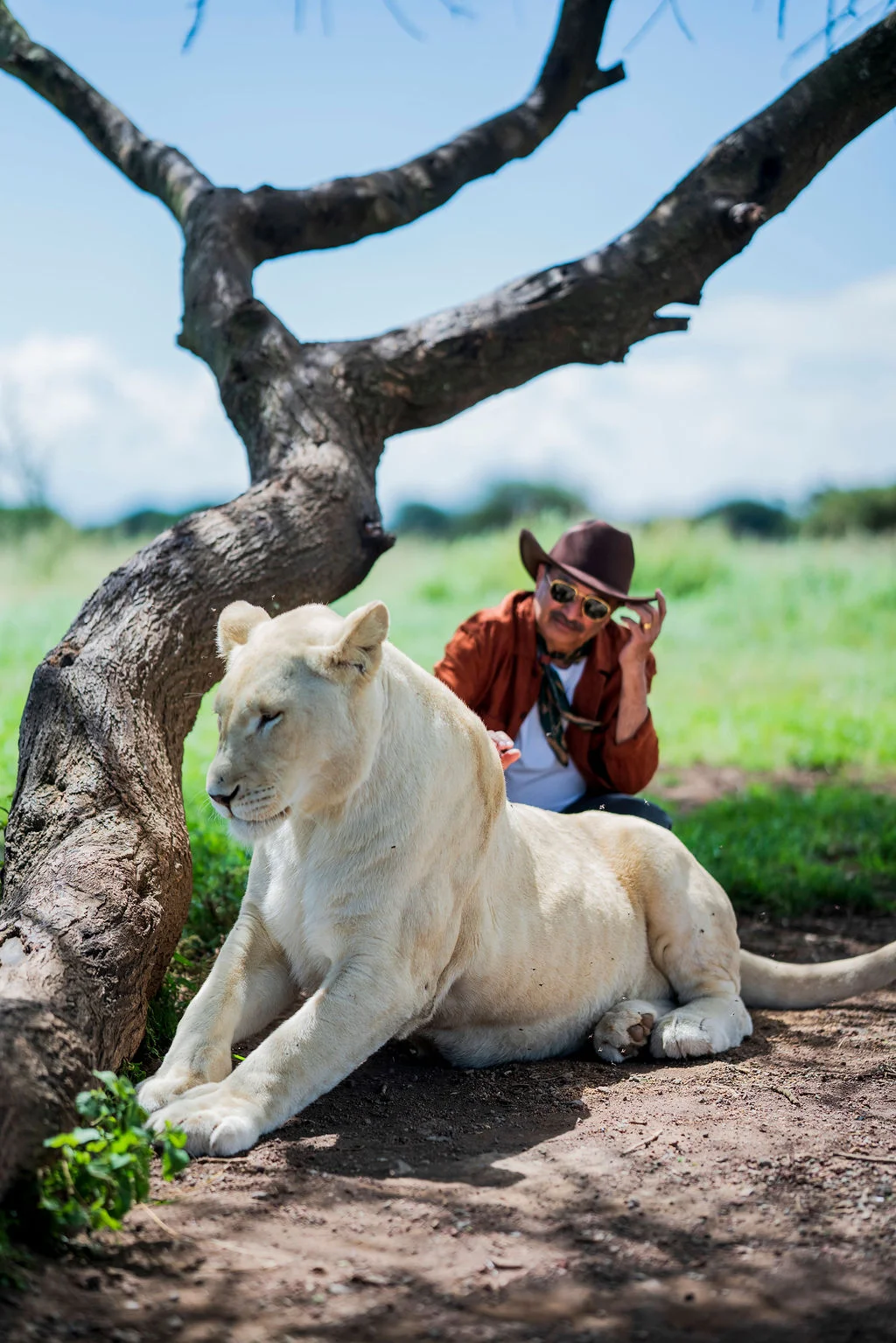
Serval Wildlife vs. traditional game drive: what should you expect? The key difference is where and how you see animals. Serval Wildlife is a managed wildlife site and resort. A game drive takes you into a park. There, you search for free-ranging animals in their own habitat.
Both can be part of a great Tanzania safari. Your choice should fit your time, budget and interests. Do you want a short visit with a set plan? Or do you want wide views and time in the bush? This guide will help you choose and plan your trip.
Plan your wildlife trip with TanzaLux Safaris.
What is Serval Wildlife?
Serval Wildlife is a wildlife site with places to stay. It is in Siha District, in the Kilimanjaro region. The official Serval Wildlife website offers day tickets and villa stays.
A day visit takes place within the managed grounds. Staff guide access and explain the rules. You may spend time watching animals and taking photos. The areas you can use depend on the day's plan.
Photos online can help you get ideas. They do not show all the terms of a ticket. An animal or activity in a photo may be unavailable. Ask staff about the visit you can book now.
What is a traditional game drive?
A traditional game drive is a trip through wildlife habitat. You travel with a guide, most often in a safari vehicle. The guide helps you find animals and learn about them. You watch from the vehicle and stop where rules allow.
A Tanzania safari may visit more than one park. Tarangire, the Serengeti and Ngorongoro are common northern safari stops. Each has its own views, wildlife and entry rules. Your route should suit the days you have.
The drive is about more than a list of animals. You might watch a herd feed or birds find food. You may stop to look at tracks in the dust. The light, sounds and wide views are part of the trip.
Some hours are quiet. Other moments can change in seconds. A guide can read the bush and adapt the route. Yet no guide can make wild animals appear on cue.
Serval Wildlife vs. traditional game drive: a quick guide
Place: Serval is a managed site. A park drive explores a much wider wildlife area.
Pace: A site visit follows staff guidance. A drive changes with the route and the animals you find.
Travel: Serval may fit a short outing near your route. A park trip may need more hours on the road.
Photos: Serval may suit views at close range where allowed. A park offers wild scenes and views of animals in their habitat.
Contact: Do not assume you can touch or feed animals at Serval. A game drive is for viewing wildlife without contact.
Time: Plan the full day, including transfers and meals. More safari days give you more time to explore.
Cost: Compare full quotes for the same group and dates. Entry alone does not cover a full safari.
Choice: Pick the trip that fits your goals. With enough time, you can enjoy both.
What happens on a Serval Wildlife day trip?
Arrival and the staff briefing
A good Serval Wildlife day trip starts with a clear plan. Agree on your pickup point and entry terms first. Allow time for the drive and check-in. On arrival, listen to the staff briefing before you begin.
Ask where you can walk and where to stand. Stay with your group. Let staff set the pace near the animals. If an animal moves away, give it space.
Spend time looking, as well as taking photos. Watch how an animal rests, feeds or moves. You do not need to rush from shot to shot. If part of the visit changes, follow the new plan.
Meals, rest stops and an overnight stay
Ask if a meal is part of your booking. If it is, check which food and drinks it covers. Share food needs well before the visit. Check when the restaurant can serve your group.
Think about comfort too. Ask about shade, seats, toilets and the walking route. These details matter if you travel with young children. They also help guests who need more rest.
A villa stay is a separate choice from day entry. It may suit guests who want a slower pace. Check the beds, guest limit, meals and check-in time. A room name does not promise a certain animal encounter.
What happens on a game-drive day?
The start, route and breaks
Your start time depends on the route and park rules. Some days begin early at your lodge or camp. You then drive into the park with your guide. Other days include a long trip between parks.
A full park day may have a morning drive. You stop for lunch at an approved place. More viewing may follow before you return to camp. Your guide will plan around gate times and local rules.
Ask how much time is for travel and wildlife viewing. A “full-day safari” can include a long return transfer. A stay near the park may give you more bush time. It can also make the day feel less rushed.
The sights and the quiet spells
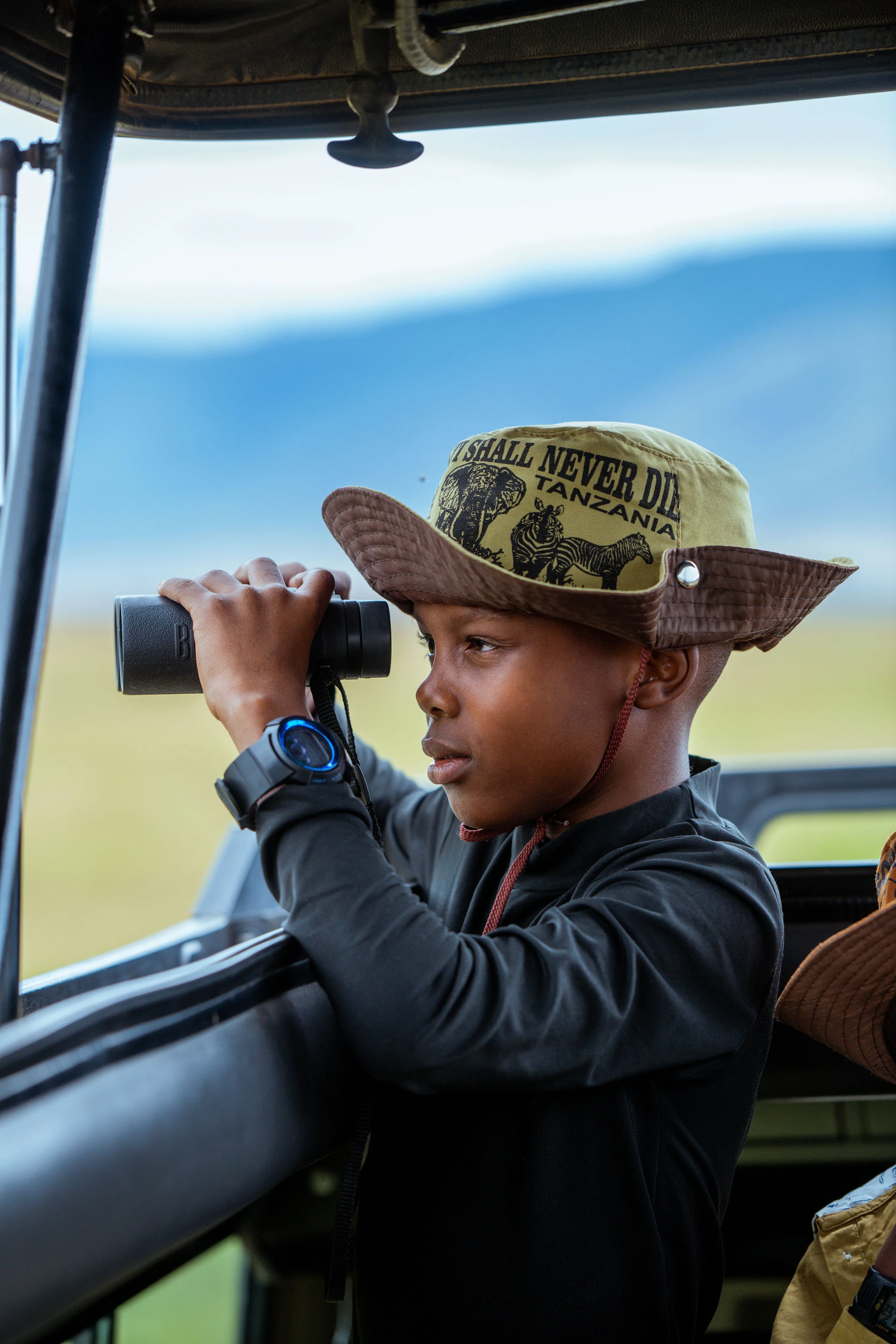
Expect some bumps, dust and changes in the weather. Keep water and a warm layer close at hand. Use quiet spells to look for birds and tracks. Binoculars help you enjoy small or distant sights.
Give the guide time to watch and listen. A herd that looks still may soon start to move. A long stop can reveal more than a quick photo. Let the scene unfold when the route allows.
Tell your guide what you most hope to see. Then stay open to other finds. No trip can promise the Big Five or a hunt. A river crossing is never a set event on demand.
How do you view wildlife with care?
Follow the rules at each place you visit. Close viewing does not mean you should touch an animal. At Serval, ask which activities are allowed that day. You can choose to watch without taking part in contact.
Do not bring food for the animals. Do not follow one that moves away. Keep children close and voices low. A photo should never come before an animal's need for space.
For park drives, TANAPA's Tarangire visitor guide sets out clear rules. Use marked tracks. Do not feed or disturb wildlife. Leave the vehicle only at approved places. Walks need the right guide and formal access.
If animal care is a concern, ask direct questions. Who cares for the animals? Can they move away from guests? What limits apply to contact? Look for clear answers and evidence behind care claims.
Words such as “sanctuary” do not prove a rescue role. They also do not prove an independent welfare check. Choose the visit you feel able to support. You can skip a photo or activity if it feels wrong.
Which trip works best for your group?
Families with children
A shorter visit may suit children who tire on long drives. Check the rules for each child's exact age. Plan meals, rest stops and a calm return trip. Adults should stay close to children near wildlife.
A game drive can be great for curious children too. Make a game of spotting birds, tracks and trees. Ask for drive blocks that suit their attention span. Check seats, child restraints and camp age rules in advance.
Couples and guests who want a slow pace
A Serval visit can add variety to a short stay. An overnight booking may give you more time to rest. Check the room and meal plan before you choose. Plan the stay for its full value, beyond wildlife photos.
A safari offers a different kind of time together. You can share dawn views and quiet moments in the bush. Choose the camp and the pace with care. A rushed route can take the joy from even fine lodges.
Guests who love taking photos
For a Serval visit, ask where photos are allowed. Check the terms for paid shoots or special gear. Let staff guide where you stand. Use the view you have, without trying to move an animal.
A game drive can give you photos with a wider story. Show the animal and the land around it. A longer lens helps with distant views. Choose gear you can use while seated in the vehicle.
Keep time to enjoy the scene without a screen. Good light and a clear view are never assured. The best memory may come from watching rather than shooting. Both trips offer more than a single close-up.
How much time and money should you plan?
Count the hours from hotel pickup to your return. A short site visit can still take much of a day. Add travel, check-in, lunch and time to rest. Tell your planner where your day will start and end.
For a park safari, count the whole route. Some days need long transfers before viewing begins. More nights near the parks can ease the pace. They also add room and meal costs to the quote.
A ticket price and a full trip price cover different things. Do not compare entry alone with a guided safari package. Use the same dates, group size and room needs. Ask for a clear list of what each quote includes.
Does the price cover entry and the guided visit?
Are pickup, fuel and return transfers included?
Which meals and drinks will you receive?
Which nights and rooms are in the quote?
Are park charges, taxes and crater fees included?
Do child rates or room supplements apply?
Which extras cost more?
What happens if you change dates or cancel?
Ask for the total in writing before you pay. A past guest's bill may not match your trip. Rates depend on dates and the services you choose. The samples below need a fresh quote for your own plans.
When is the best time for a Tanzania safari?
The best time depends on where you want to go. Plan around the park and what you hope to see. For Serval, check the current visit terms and weather. Clear mountain views depend on the sky that day.
TANAPA's trip-planning guide gives a broad seasonal view. June to October often makes wildlife easier to spot near water. Wetter months bring green views but may mean muddy tracks. Check road access and open camps during heavier rain.
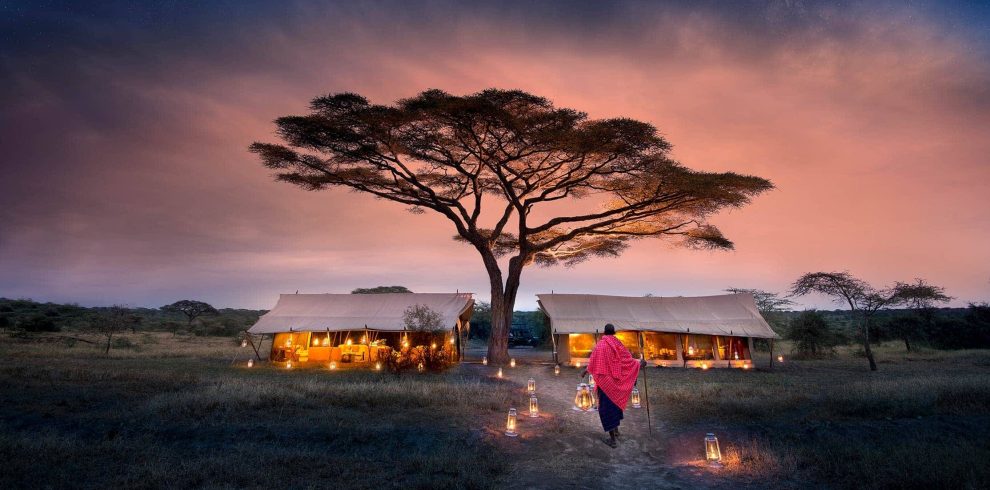
For a Serengeti safari, camp location matters as much as dates. If you hope to see the Great Migration, say so. Your planner can discuss a route that fits the season. Allow time and flexibility, since herd movements can change.
No month gives every guest the same trip. Think about crowds, weather, cost and your own free dates. A good plan balances these needs. Choose a route that works on the ground.
Can you combine both wildlife trips?
Yes, with enough time and a clear route. Give Serval its own day near the start or end. Then allow full days for the national parks. This lets each visit add something to your holiday.
Do not pack Serval and a distant park into one day. Travel, entry and meals all take time. The same care applies to a visit before a flight. Leave a generous gap for the airport and check-in.
If you have one free day, start with your main wish. For wild landscapes, discuss a practical park trip. For a shorter outing, check how Serval fits your route. Your hotel location can make a big difference.
Sample safari packages with TanzaLux Safaris
These are sample routes to tailor, not fixed offers. Your dates, group and budget shape the final plan. Prices, rooms and activities need a written quote. Check all inclusions before booking.
Ask separately about flights, visas, insurance, tips and paid extras. Do not assume they are part of a package. Choose your rooms and meal plan with the planner. Allow an extra arrival night if your flight lands late.
Sample 1: One-day Serval Wildlife day trip
Best for: guests with a spare day near their route.
Start with a pickup from your agreed hotel.
Drive to Serval for the booked visit.
Follow staff guidance for wildlife viewing and photos.
Add lunch if agreed and available.
Return to your hotel with time to rest.
Ask for entry, transport and guiding terms in the quote. Check if lunch or any extras are included. This day plan has no overnight stay. Add an airport drop-off only if your flight time allows.
Get a quote for your Serval Wildlife day trip.
Sample 2: Three days — Serval, Tarangire and Ngorongoro
Best for: guests who want a short trip with both viewing styles.
Day 1: visit Serval, then stay in Arusha.
Day 2: take a Tarangire game drive. Then stay near Karatu.
Day 3: visit Ngorongoro Crater. Return to Arusha after the drive.
This sample has two nights and three busy days. It does not include the Serengeti. Check the drive times before you choose it. Add nights if your group needs a slower pace.
Tailor this three-day safari with TanzaLux Safaris.
Sample 3: Six days — Serval and a Serengeti safari
Best for: guests who want more time in the national parks.
Day 1: visit Serval Wildlife. Stay in Arusha.
Day 2: drive to Tarangire for wildlife viewing. Stay near Karatu.
Day 3: travel through the Ngorongoro area to the Serengeti. View wildlife in the afternoon if time allows.
Day 4: spend a full day in the Serengeti.
Day 5: enjoy more viewing. Then drive toward your booked Ngorongoro-area stay.
Day 6: visit the crater, then return to Arusha.
This sample has five nights. Match your Serengeti camp to the season and route. Check the exact place you will stay on Day 5. It affects fees, access and the next morning's start.
Explore private safari options for your six-day trip.
Sample 4: Nine days — Safari and Zanzibar
Best for: guests who want beach time after wildlife viewing.
Days 1–6: follow a tailored six-day route like the one above. Stay in Arusha on the sixth night.
Day 7: transfer to the right airport. Fly to Zanzibar and continue to your hotel.
Day 8: rest at the beach. Book any extra trips separately.
Day 9: depart from Zanzibar to suit your flight plan.
This sample has eight nights. Confirm domestic flights and all airport transfers in the quote. Check any onward flights as a separate part of your plan. Add beach nights if you want a longer rest.
Choose your beach hotel for the stay you want. Ask about meals, beach access and swimming conditions. These vary by place and tide. Your planner can help you match the hotel to your needs.
Plan your safari and Zanzibar stay with TanzaLux Safaris.
Why travel with TanzaLux Safaris?
We help turn your trip ideas into a clear plan. TanzaLux Safaris is Tanzanian owned and based in Arusha. Your dates, budget, interests and pace guide the route.
A local team: plan with people based in Tanzania.
Your own pace: balance parks, day trips and rest days.
One plan: link a safari, Kilimanjaro and Zanzibar with one team.
Direct contact: speak with a planner by phone, email or WhatsApp.
Clear quotes: agree on rooms, meals, transport and extras in writing.
For this trip, we can help you compare both options. Tell us what matters most to your group. We can then shape the route around those needs. The aim is time well spent at each stop.
What should you pack and check?
Pack for comfort and keep your day bag light. Wear closed shoes and clothes that suit the weather. Bring a warm layer and sun protection. Keep drinking water and a small rain layer within reach.
A phone or camera and a power bank are useful. Bring binoculars for a game drive if you can. Protect your gear from dust and rain. Keep your booking details where you can find them.
Share children's ages, flight times and food needs in advance. Tell your planner if steps or long walks are hard. Ask about vehicle access, seats, toilets and walking surfaces. Check these against the exact trip you will book.
Save the final route and quote before you pay. Check pickup time, the meeting point and your contact person. Know what happens if access or weather changes. A clear plan makes the day easier to enjoy.
Plan the wildlife trip that fits you
Choose Serval for a planned visit at a managed site. Choose a traditional game drive for free-ranging wildlife and broad landscapes. With enough days, you can combine both. Give each trip the time it needs.
Tell us your dates and what you hope to see. Share your budget and how fast you like to travel. We can help you shape a realistic Tanzania safari. Your quote will set out the agreed services.
Start planning your Tanzania safari with TanzaLux Safaris.
20 frequently asked questions
1. How does Serval Wildlife differ from a traditional game drive?
Serval Wildlife offers a visit within a managed animal setting. A traditional game drive explores wide areas of wild land. Animals move freely, so each drive can feel quite different. Choose based on your time, interests, and the kind of trip you want.
2. Is Serval Wildlife a national park?
No. Serval Wildlife is a managed wildlife site and resort. Do not expect the same setting as a national park. Ask what your booking includes before you pay. This helps you compare the visit fairly with a park game drive.
3. Can Serval Wildlife replace a Serengeti safari?
It can fill a short gap in your travel plans. Yet a Serengeti safari offers a much wider wild setting. Allow more time if that is your main dream. You can also pair both visits within one well planned trip.
4. Which suits a first visit to Tanzania?
Start with the main reason you want to visit Tanzania. Choose a park drive if you dream of wild landscapes. A Serval visit may suit a spare day near your route. Share your goals with your guide before you choose.
5. Which animals will I see at Serval Wildlife?
Ask for the latest animal details before your visit. Animals on site and visitor access can change over time. Photos from past guests do not promise the same experience. Book for the whole visit, with room for plans to change.
6. Will a game drive guarantee the Big Five?
No guide can promise every animal on a wild drive. Sightings depend on the park, season, weather, and animal movement. More time can give you more chances to look. Enjoy the small sights too, from birds to tracks in sand.
7. Can I touch or feed the animals?
Ask about the current rules before you book your visit. Follow staff guidance at all times around the animals. Do not bring food or start contact on your own. You can ask to watch from a distance if that feels best.
8. Can I leave the vehicle on a game drive?
Leave the vehicle only where your guide says it is allowed. Stay inside when watching animals during a game drive. Use approved stops for breaks. Book a wildlife walk as a separate approved activity. Follow the rules at each stop.
9. Is Serval Wildlife suitable for young children?
Check the current age rules before making a family booking. Tell the team each child's age and any special needs. Ask which parts of the visit they can join. Choose a pace that leaves time for rest, snacks, and toilet breaks.
10. Can families enjoy a traditional game drive?
Yes, with a route and pace that suit the children. Ask for breaks and share your family's needs in advance. A private vehicle may give you more choice over timing. Plan shorter drive sessions if long periods of sitting are hard.
11. How long should a Serval Wildlife day trip take?
Ask for both the visit time and the full travel time. Your hotel location will affect the length of the day. Build in space for traffic, breaks, and the return drive. A clear plan helps you avoid rushing your visit.
12. How long does a game drive last?
Drive length depends on your route and the day's plan. Some trips include one drive, while others span several days. Ask how much time you will spend inside each park. Check transfer times too, since they add to the travel day.
13. Which experience costs less?
Compare full written quotes rather than entry fees alone. Ask about transport, park fees, meals, guide costs, and taxes. Group size and the length of your trip also matter. A full quote makes the total cost much easier to judge.
14. Are meals and transfers included?
Do not assume either service is part of the price. Check the written list of what your booking includes. Ask where pickup starts and where the driver will drop you. Confirm meal plans and share food needs before the travel day.
15. Which option is best for wildlife photos?
Think about the type of photos you hope to take. A game drive offers wild scenes and changing animal behavior. Ask about photo rules at Serval Wildlife before your visit. Keep a safe distance and let animal care come before a shot.
16. What is the best month for this trip?
The best month depends on your route and main interests. Share your travel dates before you choose a park. Rain, road access, and animal movement can shape each day. Ask for advice that fits your dates, budget, and whole Tanzania safari.
17. Can I visit before my flight home?
It may fit, but leave a generous gap before your flight. Share your flight time, airport, and hotel with the team. Ask them to check the full route and travel time. Choose a calm last day if the timing looks tight.
18. Can I combine Serval Wildlife with several parks?
Ask about a route with Serval Wildlife, Tarangire, Serengeti, and Ngorongoro. Allow enough days for the drives between each stop. The best order depends on your arrival and departure plans. A slower route gives you more time to enjoy each place.
19. What animal welfare questions should I ask?
Ask how animals are cared for and where they come from. Find out whether they can move away from guests. Ask who oversees their health and sets the contact rules. Clear answers can help you choose a visit that suits your values.
20. How do I book with TanzaLux Safaris?
Share your dates, group size, budget, and main travel goals. Ask for a clear route and a full written quote. Mention whether you want a Serval visit, park drives, or both. Contact TanzaLux Safaris to plan your trip.
Ready to start planning?
Tell us your dates and what you're after — no obligation.